
Camouflage Bucket Hat: Properties, Costs and How to Spec It Right - Cost & MOQ Breakdown - Cost & MOQ Breakdown
For brand owners, wholesalers and procurement teams entering the custom headwear category, camouflage bucket hat: properties, costs and how to spec it right - cost & moq breakdown - cost & moq breakdown is one of the highest-leverage decisions you will make. Get it right and your unit economics, retail story and reorder cycle all improve. Get it wrong and you carry the cost for years.
Bucket Hat Women
For women’s fits, the block matters more than buyers think. A unisex bucket pattern that passes on a 58 cm sample head often looks too tall and boxy on a 56–57 cm women’s retail fit, and that is where reject rates start climbing. I usually spec crown height at 8.5–9.0 cm and brim width at 5.5–6.2 cm for fashion programs, then widen only if the brief is outdoor or sun-protection driven. A commercial camouflage bucket hat is also not a three-piece toy; once you count top crown, side wall, upper and lower brim, sweatband, seam tape, eyelets, interlining, main label, size loop, and care label, you are realistically managing 10–14 components. On a weak sewing line, that many parts quickly turns into brim waviness, uneven crown pitch, and left-right asymmetry. Fabric choice should be locked before price discussions because “camo” covers materials that behave completely differently in cutting and sewing. A 210–240 gsm cotton twill holds shape and takes pigment print well, while 150D polyester ripstop feeds faster but can show seam grin and a cheaper hand if the brim is underbuilt. Directional camouflage also reduces marker efficiency and forces cleaner seam matching at the side join and crown center, so yield is rarely as friendly as a solid shade. I would hold brim stitching at 6–8 rows, 10–12 SPI, and no more than 1.5 mm visual spacing deviation between rows, then specify whether the brim uses 0.35 mm PE sheet, 40–60 gsm woven fuse, light nonwoven, or no insert. That single line item decides whether the hat reads soft retail or stiff promo stock.
A usable spec sheet removes factory guesswork line by line. For a women’s camouflage bucket hat, I would call out shell composition, gsm tolerance of ±5%, finished head circumference by size, crown height, brim width, eyelet finish, sweatband material, stitch density, label position, and whether the brim should collapse softly or hold a defined flange. If the camouflage is custom printed, add print repeat in centimeters, artwork resolution at production scale, and strike-off approval criteria before bulk cutting. When trims or binders must coordinate with the print, use Pantone TCX references and keep color variance under Delta-E 1.5 against the approved standard under D65 lighting; otherwise the mismatch becomes obvious immediately at the brim edge and side seam. Cost spread usually comes from fabric and print setup, not just sewing minutes. In China, stock-camo cotton twill bucket hats for women typically land around $2.20–$3.50 FOB at 300–500 pieces per colorway, while a custom-printed version with embroidery on Tajima or Barudan heads, woven label, seam taping, and a better sweatband is more realistically $4.00–$6.50 FOB, with workable MOQs of 600–1,000 pieces because camouflage print runs are inefficient at low volume. Final inspection is where weak suppliers get exposed: wavy brim edge, off-center eyelets, crown torque after wash, puckered sweatband, and poor camo alignment at the side seam. Our standard practice is to hold final inspection at AQL 2.5 and check azo-free chemistry, formaldehyde limits for EU markets, and needle-control records, because visual defects on camouflage read as a quality failure faster than on any solid-color hat.
Corduroy Hat Men's
If you are buying a corduroy hat men's program alongside a camouflage bucket hat, the biggest mistake is treating corduroy like ordinary twill. Corduroy is a ribbed woven fabric, usually 8-wale, 11-wale, or 14-wale for headwear, and the wale count changes both hand feel and sewing difficulty. For bucket hats and soft caps, most factories in Zhejiang will quote 220 to 320 gsm cotton corduroy, sometimes blended with 3% to 5% spandex to reduce seam stress. You should spec fiber content, wale count, gsm tolerance, color standard, and wash result up front; otherwise one supplier sends a plush 8-wale shell while another uses a flatter 14-wale that looks cheaper on the shelf. For dark shades, ask for Pantone TCX reference and a maximum Delta-E of 1.5 to 2.0 against lab dip. If the style includes embroidery, the factory needs to stabilize the panel properly because Tajima or Barudan heads can sink stitches into the ribs and distort small lettering.
Manufacturing is not complicated, but the process has several failure points buyers should control in the tech pack. Corduroy panels need nap direction aligned before cutting, because mixed nap makes adjacent pieces reflect light differently and the hat looks like two colors under retail lighting. A proper spec should cover crown height, brim width, stitch rows per brim, seam allowance, sweatband material, fusible backing weight, needle count, and whether the brim uses sandwich construction or single-layer self fabric. MOQ is usually higher than for basic chino caps because mills may require a fabric minimum; in practice, a common starting point is 300 to 500 pieces per colorway, while custom-dyed corduroy can push the effective MOQ to 800 or 1,000 pieces. Typical FOB China pricing for a plain corduroy bucket or casual cap is around $3.20 to $5.80 depending on fabric weight, lining, embroidery count, and metal trims. Our standard practice is to warn buyers that small add-ons like printed taping, custom labels, and inner seam binding can add $0.18 to $0.60 per unit faster than they expect.
Inspection should focus on issues that do not show up clearly in approval photos: nap shading, crushed wale lines, seam grin at high-stress joins, puckering around eyelets, brim wave after pressing, and inconsistent topstitch spacing. For production, I would hold corduroy hats to AQL 2.5 and specifically check color migration after light rubbing, especially if the same order also includes soft accessories like a cotton beanie, organic cotton newborn hat, or beanies for men in lighter shades packed together for mixed shipments. Buyers comparing wholesale hats suppliers should also ask whether the factory does in-house cutting or outsources it, because nap control gets weaker once cutting is subcontracted. The link back to a camouflage bucket hat decision is practical: if your collection mixes printed camo twill and solid corduroy, you want consistent fit blocks, brim shape, and branding execution across both materials, even though the fabrics behave very differently in sewing and pressing.
Organic Cotton Newborn Hat
Certification and residual chemistry sink more infant-headwear programs than stitching ever does. If a mill or sewing vendor quotes an organic cotton newborn hat, ask for the GOTS or OCS transaction certificate linked to the exact lot number, plus the scope certificate and test reports for formaldehyde, azo amines, phthalates, and saliva fastness. For newborn use, the safest fabric window is usually 180-220 gsm single jersey, interlock, or 1x1 rib; 3-5% elastane is acceptable only when recovery is needed, because higher stretch blends complicate certification and can raise shrinkage risk after wash. A 0-3 month cap normally finishes around 36-40 cm head circumference, so bulky seams show up immediately. I want 9 or 11 SUK ballpoint needles, low top-thread tension, 4-thread overlock with soft seam allowances, and no exposed embroidery backing, damask labels, heat-cut edges, or hook-and-loop inside the crown. A factory that is sloppy on infant interiors usually carries the same bad habits into a camouflage bucket hat line, where seam comfort turns into brim waviness, puckering, and uneven topstitch spacing.
The factories worth using treat newborn hats as a compliance-controlled product, not a trim-driven fashion item. Greige or dyed fabric should be relaxed 12-24 hours before spreading, shade-banded by roll, and checked for spirality, skew, and gsm tolerance before cutting; if color is approved to Pantone TCX, I would hold bulk within Delta-E 1.0-1.5 under D65 light because pale pinks, ecru, and mint drift faster than buyers expect. Prints should be water-based or certified low-migration pigment, and if there is any decoration, keep it flat and breathable; infant programs are the wrong place for dense satin embroidery, thick plastisol, or stiff silicone badges. QC can run at AQL 2.5, but the defect criteria should set zero tolerance for contamination, needle damage, sharp points, label mismatch, seam impression on the forehead, or mixed certified and non-certified cartons. A practical FOB China range is about $1.05-$1.85 per piece at 500-1,000 units per colorway for a plain organic style; brushed interlock, gift boxing, GOTS labeling, third-party lab testing, or small-batch shade matching will move cost up quickly. Our standard practice is to read those infant controls as a proxy for process discipline, because the same supplier who manages chemistry, carton segregation, and handfeel cleanly is usually more dependable on a camouflage bucket hat with matched printed panels, stable brim shape, and consistent logo placement.
Corduroy Hat Wholesale
For a corduroy camouflage bucket hat, the failure point is usually not the camouflage print but the corduroy itself: nap direction, wale definition, and brim stability have to be locked before bulk. The most usable shell cloth is 8-wale to 14-wale cotton or CVC corduroy at 220 to 320 gsm; below that, the crown goes limp after wash, and above roughly 320 gsm the brim gets bulky at the seam turns. I normally spec a 25 to 40 gsm fusible on crown panels and, if the brim is wider than 60 mm, a second support layer in the brim sandwich to control torque. The tech pack should call out pile direction panel by panel, finished brim width in millimeters, crown height, seam allowance, sweatband material, eyelet construction, top-button diameter, and brim stitch density at 6 to 8 SPI. On corduroy, a flipped nap on one side panel will read as a different shade under store lighting even when the dye lot is correct. If the camouflage bucket hat uses contrast binding, lining, woven labels, or embroidery, approve each trim against Pantone TCX and keep visible trim tolerance to Delta-E under 1.5; for the printed camo ground, a practical bulk tolerance is usually closer to Delta-E 2.0 because print paste, pile, and wash all move color slightly. Head circumference tolerance should be written at plus or minus 0.5 cm, with side-seam verticality and brim symmetry measured in final QC, not just inline. Sewing method matters more than many buyers expect: heavier ribs feed cleaner on walking-foot machines than on standard flatbeds, and coarse wale qualities often need finer needle selection to avoid pile damage and seam grin. Our standard practice is to freeze a sealed sample under the same light source used for trim approval so panel shading and nap reflection are judged consistently through bulk.
MOQ and cost on a corduroy camouflage bucket hat are driven by fabric yield, dye minimums, and finishing loss more than by pure sewing minutes. For stock greige or mill-stock dyed corduroy, 300 to 500 pieces per colorway is workable at most Zhejiang cut-and-sew factories. Once you require a custom shade matched to a Pantone TCX or a custom camouflage layout printed onto corduroy, the real constraint shifts to the mill: custom dyeing often starts around 800 to 1,200 meters, and rotary or pigment print setup can push an efficient run closer to 1,000 pieces. Ex-factory pricing for a basic unstructured corduroy bucket hat with standard inner taping and a woven label is typically USD 2.10 to 3.40 at 500 to 1,000 pieces; once you add camouflage printing, metal eyelets, flat embroidery on Tajima or Barudan heads, or enzyme wash, a more honest range is USD 3.60 to 5.20 depending on stitch count, rejection rate, and packing method. The cost trap is cutting waste. Corduroy cannot be marker-planned like printed twill because every panel has to run in the same pile direction, so consumption usually comes in 8 to 12 percent higher than buyers expect, and that gets worse if the camouflage repeat must land consistently across visible panels. Bulk quality control should be written to AQL 2.5 with explicit checkpoints for pile direction, brim torque after pressing, circumference, side-seam verticality, eyelet alignment, and shade consistency under the approved light box. Common bulk defects are mixed dye lots, needle cutting on coarse ribs, seam grin at the side joins, and brim twist caused by over-tight stitch rows or uneven fusing shrinkage. If the supplier also holds sedex-audit-cap-supplier-guide.html">BSCI 2.0 or Sedex SMETA 4-Pillar compliance, that helps on audit readiness, but it does nothing to replace a disciplined inline and final inspection standard.
Wholesale Hat Manufacturers Usa
Most buyers searching wholesale hat manufacturers in the USA are actually comparing three very different models: true domestic cut-and-sew, U.S. decoration on imported blanks, or fully imported production with stateside inventory and finishing. For a camouflage bucket hat, that distinction drives the entire spec. A real factory controls crown panel cutting, brim interlining, 6 to 10 rows of brim topstitching, sweatband setting, eyelet punching or embroidered vents, and camo placement before sewing; a decorator only adds embroidery or patches to a finished shell, usually on Tajima, Barudan, or ZSK multi-head machines. If you need a 2.25-inch brim held within plus or minus 0.125 inch, reversible construction, or consistent camouflage flow across crown and brim seams, a blank-program supplier cannot manage those tolerances because the pattern is already locked. The fastest way to qualify a U.S. supplier is to ask which operations are done in-house: patterning, spreading, cutting, sewing, embroidery, washing, packing, and final inspection. A shop that genuinely manufactures hats domestically should quote measurable tolerances such as crown height within plus or minus 0.25 inch, head circumference within plus or minus 0.20 inch, and realistic daily output around 800 to 2,500 units depending on brim quilting density, fabric weight, and reversible build. If the answer drifts toward “we source blanks and customize,” you are dealing with a finishing house. That matters because printed twill, 210D poly, and cotton ripstop all shift differently during cutting; without marker control and brim quilting discipline, the camouflage bucket hat will show panel mismatch, seam grin, brim wave, and off-register print before it even reaches AQL inspection.
RFQs for a camouflage bucket hat should read like a production spec, not a mood board. The minimum useful callouts are crown height, top diameter, finished circumference, brim width, shell fabric weight in gsm, fiber content, interlining type, stitches per inch, seam allowance, sweatband construction, vent method, and the approved camouflage repeat size. If trims are solid rather than printed, specify Pantone TCX references and a Delta-E target below 1.5 for labels, binding, and woven tape. Reversible hats need even tighter language: define both shell fabrics, seam turn method, brim edge bulk limit, and post-wash shape standard, otherwise one side will torque or collapse after pressing. Our standard practice is to state whether the brim uses fusible nonwoven, woven interlining, EVA foam, or laminated self-fabric, because each changes stiffness, shrinkage, and memory. Cost follows fabric complexity and construction more than the supplier’s website claims. A stock camouflage bucket hat in cotton twill or poly-cotton twill usually lands around $2.20 to $4.80 FOB China at 300 to 500 pieces per colorway; custom all-over camouflage, reversible make, enzyme wash, and woven labels typically push workable MOQ to 800 to 1,200 pieces and FOB cost to $5.50 to $8.50. A truly U.S.-sewn version is commonly another $3 to $6 per unit before domestic freight, mainly from labor and lower line efficiency. On release, I would hold inspection at AQL 2.5 major and 4.0 minor, measure circumference and brim width on hard templates, and check brim stitch spacing, shade continuity, crown-to-brim alignment, and steam damage that softens the brim. That is where disciplined offshore cut-and-sew often outperforms a vague “wholesale hat manufacturers USA” label.
Black Beanie Hat
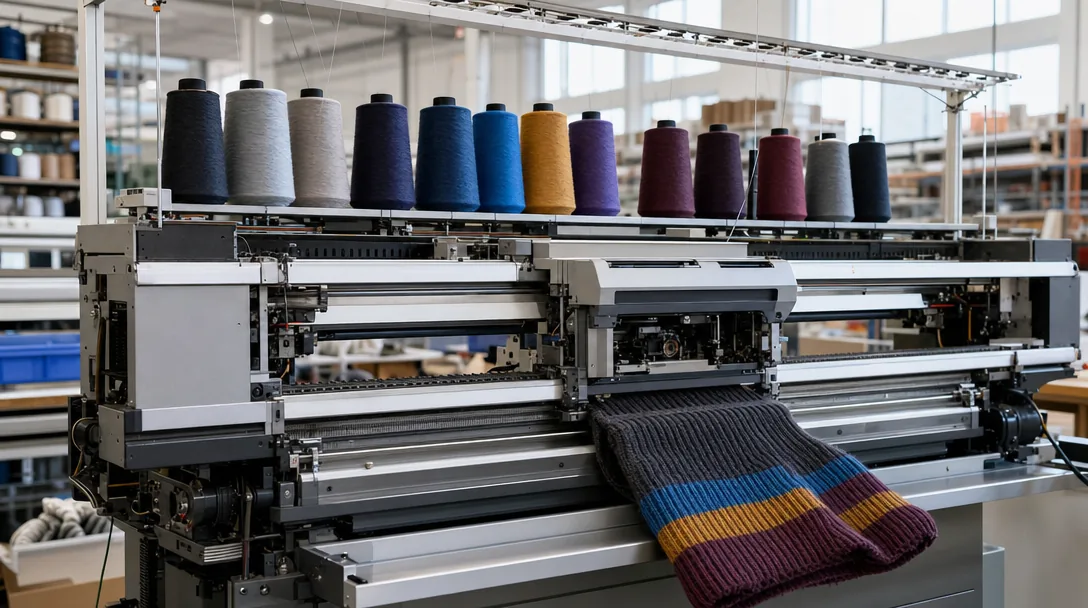
Buyers get into trouble when they write one loose tech pack for every headwear category. A black beanie and a camouflage bucket hat may sit in the same PO, but they fail at different control points. On beanies, the first hard spec is the knitting program: 7-gauge or 9-gauge for standard acrylic, usually in a 1x1 or 2x2 rib, with finished weight around 65 to 90 grams depending on cuff depth and crown height. If the target is a cleaner retail hand feel, shift the spec from generic “soft” language to measurable inputs: yarn composition such as 100% acrylic, 50/50 recycled polyester-acrylic, or a merino blend; yarn count; stitch density; finished width; cuff height; and wash shrinkage tolerance, ideally under 3% after one care cycle. For black, do not approve shade by phone photo or salesperson comment. Lock a Pantone TCX reference, require lot-to-lot Delta-E tolerance under D65 lighting, and define whether the hand feel should be dry, brushed, or enzyme-softened, because those finishing choices change both appearance and recovery.
Decoration is where buyers often copy standards from woven hats and create avoidable defects. The embroidery setup that runs clean on a twill panel for a camouflage bucket hat can easily pucker a ribbed cuff if the digitizing is not rebuilt for stretch. On knit beanies, specify stitch count, underlay type, backing weight, and logo placement from cuff edge, then ask what machines the supplier is running—Tajima, Barudan, and ZSK heads do not all behave the same on high-stretch ribs. A stock-color acrylic beanie with a woven label typically sits around 300 to 500 pieces per color and roughly US$1.10 to US$1.90 FOB China at 1,000 pieces; once you add cotton-rich yarns, custom-dyed black, fleece lining, jacquard artwork, or merino content, the same style can move into the US$2.40 to US$4.20 range. Inspection should not stop at obvious holes or wrong labels. The costly misses are barre lines, dropped needles, skewed cuff folds, seam grin at the linking point, oil marks, and crocking from heavy black dye loads. Our standard practice is AQL 2.5 with a measurement table for flat width, opening, total height, cuff height, and logo offset, plus stretch-recovery and colorfastness checks to rubbing and perspiration.
Working with CrownsForge for camouflage bucket hat programs
Bulk consistency is where a camouflage bucket hat program succeeds or fails. Sewing a circle top and closing the side seam is routine; keeping pattern balance, brim shape, and shade continuity stable from PP sample through 5,000-piece bulk is harder. For stock 180 to 220 gsm cotton twill or ripstop camouflage, a first proto should take about 5 to 7 working days. If the spec includes engineered print placement, Pantone TCX-matched binding, woven patch development, or branded inside taping, 10 to 14 working days is more realistic. I strongly prefer a two-step approval flow for first-time developments: fit proto first, then salesman or PP sample. On bucket hats, a 3 mm change in crown depth, brim width, or top diameter is obvious on head, and camouflage exaggerates the error because the eye catches broken motif balance before it notices stitching tolerance. Marker planning matters just as much as sewing. If front-arc pieces are cut without placement control, two hats from the same lay can show completely different leaf or woodland blotch distribution, which buyers read as inconsistent quality even when construction passes.
MOQ and cost have to be tied to the fabric route, not to vague promises about "low minimums." For stock camouflage with direct embroidery, a woven label, and standard self fabric sweatband, 144 to 300 pieces per colorway is commercially workable. Once you move to custom rotary-printed or digital-printed camouflage, the floor usually jumps to 500 to 1,000 pieces because strike-offs, print setup, lab dips, and fabric loss need to be amortized. A realistic FOB range for a standard camouflage bucket hat in stock cotton twill is about $2.10 to $3.40 at 300 to 500 pieces, depending on brim stitch count, eyelets, and trim package. Add custom camo print, inside seam taping, retail hangtags, barcode sticker, and individual polybagging, and the number more often lands around $4.20 to $6.80. At CrownsForge, the smarter spend is usually on a correct PP sample, approved trim card, and final inspection to AQL 2.5 rather than decorative add-ons that look good in a mockup but do nothing for bulk stability.
Weak suppliers get exposed on decoration control and compliance paperwork, not on the sewing floor tour. Direct embroidery on a camouflage bucket hat needs restraint: on Tajima or Barudan heads, I usually keep artwork under roughly 8,000 stitches on 180 to 220 gsm twill and avoid large fill blocks, because dense coverage puckers the shell, distorts the brim line, and muddies the camo ground. Merrowless woven badges, low-profile satin embroidery, or narrow high-density heat transfers often hold detail better, especially on washed fabrics where thread sheen shifts under D65 light. Screen renderings are not approval tools; you need physical strike-offs, thread cards, and a contrast check against the approved camo base, ideally with Delta-E tolerance agreed before bulk. The tech pack should lock shell fabric code, crown depth, brim width, stitch rows, label positions, needle spec, carton ratio, and defect criteria. For U.S. retail, I would not release PP without CPSIA or REACH-relevant declarations, azo-free and low-formaldehyde confirmation, and colorfastness results for crocking and perspiration. Catching a print or chemistry failure after cutting can easily cost 10 to 14 days, missed vessel space, and several thousand dollars in scrap and rework.
Frequently Asked Questions
Do you support sustainability certifications?
Yes. We work with GOTS organic cotton, GRS-certified recycled polyester, OEKO-TEX Standard 100 fabrics, and are BSCI and Sedex audited. Certification documentation can be provided per order.
What is the minimum order quantity (MOQ) for custom hats?
Our standard MOQ is 100 pieces per design and color, with sampling available from 1 piece. For complex multi-color logos or premium fabric upgrades, the MOQ can be lowered with a small per-piece surcharge.
How long does production take?
Sampling takes 7 to 12 days. Bulk production runs 20 to 30 days depending on quantity, fabric availability and decoration complexity. Inspection and packing adds another 3 to 5 days before shipment.
What logo decoration techniques do you offer?
3D puff embroidery, flat embroidery, woven patch, leather patch, PVC patch, screen printing, sublimation, applique and laser etching, all in-house with no subcontracting.
Can I order a sample before bulk production?
Yes. We strongly recommend approving a pre-production sample before mass production. Samples are charged at 35 to 60 USD each plus express shipping, fully refundable against confirmed bulk orders over 500 pieces.
What should buyers know about organic cotton bucket hat?
When evaluating organic cotton bucket hat, the key considerations are construction quality, decoration capability, MOQ flexibility and lead time. Cover everything buyers ask about organic cotton newborn hat: how it's manufactured, what specs to request from a factory, typical MOQ and pricing, common quality issues to inspect for, and how this ties back to the broader camouflage bucket hat sourcing decision. Cover everything buyers ask about bucket hat women: how it's manufactured, what specs to request from a…
What should buyers know about men's corduroy bucket hat?
When evaluating men's corduroy bucket hat, the key considerations are construction quality, decoration capability, MOQ flexibility and lead time. Cover everything buyers ask about corduroy hat men's: how it's manufactured, what specs to request from a factory, typical MOQ and pricing, common quality issues to inspect for, and how this ties back to the broader camouflage bucket hat sourcing decision. Cover everything buyers ask about corduroy hat wholesale: how it's manufactured, what specs to request from a factory,…
What should buyers know about nike bucket hats for men?
When evaluating nike bucket hats for men, the key considerations are construction quality, decoration capability, MOQ flexibility and lead time. Cover everything buyers ask about corduroy hat men's: how it's manufactured, what specs to request from a factory, typical MOQ and pricing, common quality issues to inspect for, and how this ties back to the broader camouflage bucket hat sourcing decision. Cover everything buyers ask about bucket hat women: how it's manufactured, what specs to request from a factory,…
What should buyers know about cotton beanie men?
When evaluating cotton beanie men, the key considerations are construction quality, decoration capability, MOQ flexibility and lead time. Cover everything buyers ask about corduroy hat men's: how it's manufactured, what specs to request from a factory, typical MOQ and pricing, common quality issues to inspect for, and how this ties back to the broader camouflage bucket hat sourcing decision. Cover everything buyers ask about organic cotton newborn hat: how it's manufactured, what specs to request from a…
Ready to start your custom hat project?
Send us your tech-pack, sketch or even just an inspiration photo. We will respond with a detailed quotation and digital mock-up within 24 hours.
Request a free quoteRelated guides
Custom Made Trucker Hat: The 2026 Sourcing & Manufacturing Playbook - Supplier Checklist (2026 Update)
Read article →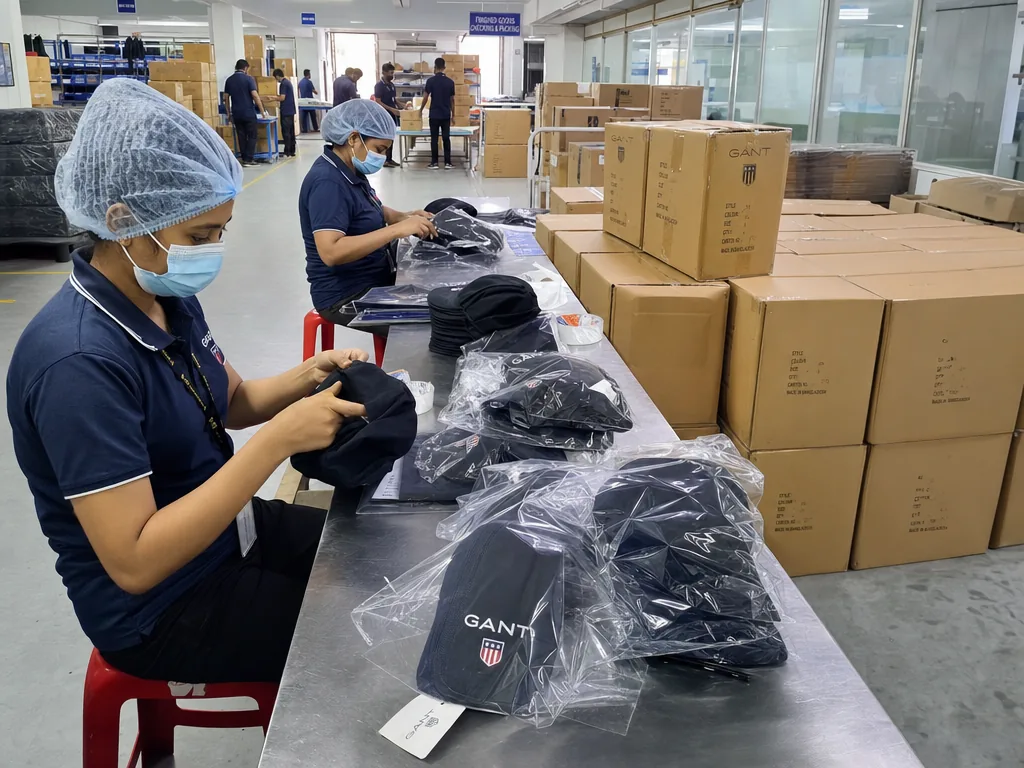
Cap Packaging Options: Retail-Ready, Hangtag, Polybag & Custom Boxes (2026 Update)
Read article →
Cool Bucket Hats for Guys: A Vertical-Specific Sourcing Guide
Read article →Sourcing custom hats does not have to be complicated. With the right manufacturing partner, clear specifications and a small upfront investment in sampling, you can launch a retail-quality product in 30 to 45 days.