
Camouflage Bucket Hat: Properties, Costs and How to Spec It Right - Cost & MOQ Breakdown (2026 Update)
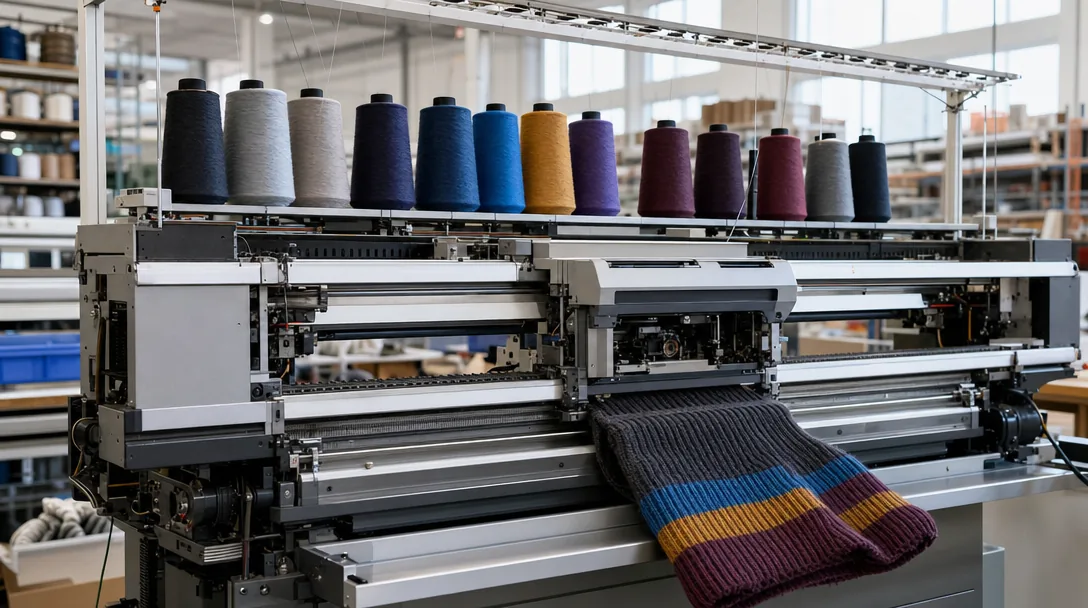
For brand owners, wholesalers and procurement teams entering the custom headwear category, camouflage bucket hat: properties, costs and how to spec it right - cost & moq breakdown (2026 update) is one of the highest-leverage decisions you will make. Get it right and your unit economics, retail story and reorder cycle all improve. Get it wrong and you carry the cost for years.
Bucket Hat Women
Women’s fit is the first place a camouflage bucket hat fails in production, because many suppliers relabel a unisex block instead of reworking the geometry. On a women’s shape, that creates a crown that rides too high, shows too much forehead, and flares unevenly above the ears. Ask for the actual block spec and paper pattern, not just S/M/L naming: finished crown height 8.8-9.3 cm, brim width 5.5-6.5 cm, top diameter 15.5-16.5 cm, and graded head circumferences of 56, 58, and 60 cm with a finished tolerance of +/-0.5 cm after wash, fusing, or final pressing. If the style includes a softer fashion brim, note the target brim drop at front and side; otherwise factories will default to a stiffer unisex look that does not sell well in women’s retail. Material needs to be written by construction, weight, and finish, not by vague handfeel. For fashion programs, 210-240 gsm brushed cotton twill is the safe baseline; for colder capsules, 8-wale cotton corduroy at 280-320 gsm gives better body but needs looser sewing tension to avoid seam grin; for outdoor assortments, 75D-150D recycled polyester ripstop with a clear PU coating is more stable in rain and packs smaller in transit. If the camouflage bucket hat must sit beside matching jackets or bags, lock ground shades to Pantone TCX references, require lab dips and strike-offs, and hold bulk fabric to Delta-E 1.5-2.0 under D65 light. That matters more on women’s buys because narrower brims expose less print area, so any drift in khaki, olive, or bark brown reads immediately.
A women’s bucket hat tech pack should be ruthless, because soft crowns and narrow brims leave no room for sloppy construction. Specify 4-panel or 6-panel body, brim stitch density at 6-8 SPI, fusible interlining weight at 35-45 gsm for cotton twill and lighter for ripstop, eyelet inside diameter, sweatband material, seam taping, and brim edge finish whether turned, bound, or clean-finished. Embroidery needs discipline: on Tajima or Barudan machines, 8,000-12,000 stitches is usually the safe ceiling for a front logo on a women’s crown, while fill areas tighter than 0.40 mm spacing often tunnel or distort on washed twill unless the panel is backed correctly. Stock-fabric programs in China can start around 300-500 pieces per colorway, but custom reactive or pigment camouflage printing usually moves the real MOQ to 800-1,200 pieces because the mill needs an efficient print run. Inspection should focus on defects that trigger chargebacks, not minor factory-floor trivia. I would run AQL 2.5, measure circumference, crown height, and brim width on conditioned samples, and check seam-to-seam print continuity because a broken camouflage repeat at the side panel makes the hat look cheap immediately. Also watch for brim waviness from uneven topstitch tension, side-seam puckering, off-center embroidery, poor sweatband joins, skipped stitches on corduroy, and needle cutting on coated polyester. For dark olive, black, or rust-heavy camo, require perspiration fastness and wet/dry crocking results before shipment; makeup transfer and staining claims are more common on women’s headwear than many buyers expect. In 2026, a basic cotton twill camouflage bucket hat at 500 pieces usually lands around $2.10-$3.40 FOB China, while a custom-printed shell with satin lining, woven label, and embroidery is more realistically $3.80-$5.80.
Corduroy Hat Men's
Start with fabric weight and wale count, because corduroy loses shape before it ever fails a color test. For a men’s bucket profile, 8-wale to 12-wale cotton corduroy at 240-300 gsm is the practical window; 11-wale around 270-285 gsm usually gives the best balance of crown body, brim drape, and clean sewing. Below roughly 230 gsm, seam allowance starts printing through and the crown softens too quickly after wear. Go too heavy with a 6-wale shell and the brim reads bulky unless the pattern is reworked. If this SKU sits beside a camouflage bucket hat program, keep the same fit block, crown height, and brim angle across both styles. Same head circumference does not guarantee the same on-head fit if crown depth or brim pitch drifts. Lock the shell composition, wale direction on crown and brim, brim width tolerance at plus or minus 0.3 cm, sweatband material, and whether structure comes from fusible interlining or a concealed 0.6-0.8 mm PE support ring. Also specify Pantone TCX approval, topstitch SPI, and a pile-direction standard, because inconsistent nap brushing creates visible shading shifts even within one carton.
Corduroy is straightforward to sew but unforgiving in production control. Fabric needs 24 hours of relaxation before cutting, lays should run one way to keep pile direction consistent, and needle condition matters more than many buyers realize because worn points will break cords and raise seam grin at the side panels. The recurring failures are twisted brims from uneven fusing pressure, pile crush around the crown join, corkscrewed brim edges after pressing, and bulk shade drift beyond Delta-E 1.5 under D65. If you add embroidery, ask for a strike-off on the actual machine platform—Tajima, Barudan, or ZSK—not a generic sample, because dense fills sink into the rib channels without the right knockdown underlay and compensation. Final inspection should check circumference tolerance within plus or minus 0.5 cm, brim stitch count consistency, wale alignment across visible seams, and crown symmetry after packing. In 2026, realistic MOQ is 300-500 pieces per color for stock-dyed black, olive, navy, or tan corduroy, rising to 800-1,200 pieces once you add custom dye, printed lining, branded eyelets, or multi-position embroidery. Ex-factory pricing typically lands at US$2.20-US$3.50 for a basic version at 500 pieces, and US$3.90-US$5.40 with upgraded trims and internal finishing; our standard practice is to hold bulk against a sealed sample and inspect at AQL 2.5 because this category is often quietly downgraded by substituting 230 gsm cloth for 280 gsm or deleting a row of brim stitching.
Organic Cotton Newborn Hat
For infant headwear, the paperwork is not cosmetic; it is the product. If a supplier claims organic cotton, ask for GOTS or OCS transaction certificates tied to the yarn spinner, not just a generic fabric declaration, and require OEKO-TEX Standard 100 Class I or equivalent test reports covering dyes, auxiliaries, and prints that contact newborn skin. Most custom newborn caps are cut from 180-220 gsm single jersey or 240-280 gsm interlock, then sewn on 4-thread overlock with a coverstitch finish. On the floor, the real failure point is seam comfort: high looper tension, bulky seam allowances, cheap spun polyester thread, and heat-cut labels will irritate skin long before the fabric fails for strength. I would spec soft-core thread, low-profile seam build, label-free inside finishing, and lot traceability from knitting batch to dye lot to carton. If that same factory also quotes a camouflage bucket hat, do not treat it as proof of broader competence; woven printed headwear and infant organic knits use different machines, different operators, and a very different compliance burden.
A serious spec sheet needs measurable limits, not soft wording. Lock fiber content tolerance, finished weight within plus or minus 5 percent, head circumference by age band, crown depth, cuff height, shrinkage after three home launder cycles, spirality, saliva and perspiration colorfastness, formaldehyde limits, and AZO restrictions. If the factory runs shared sewing lines, require needle-control logs, metal detection records, and carton traceability; one broken needle incident on a baby program is enough to stop shipment. In China, realistic MOQ is usually 1,000-3,000 pieces per color for custom organic yarn, while pre-certified stock fabric can sometimes start around 500 pieces. FOB pricing for a plain organic cotton newborn hat typically lands at $0.85-$1.60 at those volumes; add contrast binding, printed care labels, belly bands, or retail packaging and it moves closer to $1.90-$2.40. That cost structure has almost nothing in common with a camouflage bucket hat, where woven fabric yield, print registration, brim stiffness, and topstitch balance usually drive the quote more than Class I infant chemical paperwork.
Inspection failures on newborn caps are painfully consistent: seam torque after wash, skewed side seams, uneven cuff turn-up, pilling from short-staple yarn, overlock tails left long, oil stains from sewing heads, and shade variation when small dye lots get mixed during spreading. I would not accept a light inline check here. Run bulk fabric testing before cutting for shrinkage, spirality, hand feel, and Delta-E shade consistency, then hold final inspection at AQL 2.5 with extra attention to seam security, choking-hazard trims, needle logs, carton odor, and wash recovery. Softener odor is a frequent miss in Chinese production; it may pass on adult caps, but on infant goods it often triggers buyer rejection. That is why a supplier who makes a decent camouflage bucket hat in brushed twill or 210D ripstop is not automatically qualified for baby knitwear. Verify whether infant sewing is in-house or subcontracted, review recent sedex-audit-cap-supplier-guide.html">BSCI 2.0 or Sedex SMETA 4-Pillar audits, and ask for separate capability evidence by category rather than one blended quote.
Corduroy Hat Wholesale
Price gets set by fabric construction long before it gets set by decoration, and corduroy is less forgiving than brushed twill or ripstop. For a wholesale bucket hat, 8-wale to 12-wale cotton corduroy is the usable range if you want stable sewing and a commercial hand feel. At 6-wale, the ribs are so pronounced that brim turns get bulky, seam matching slows cutting, and embroidery edges start to break up; at 14-wale and finer, the face gets cleaner but loses the texture most buyers are actually paying for. In practice, the shell usually lands at 220 to 280 gsm with a 120 to 160 gsm cotton twill or poplin lining. Below that, the brim softens after steaming; above roughly 300 gsm shell weight, the hat runs hot and the crown stands too stiff unless you reduce brim stitch rows or downgrade the interlining. If the same program also includes a camouflage bucket hat in 7x7 twill or 210D polyester ripstop, keep crown depth, brim width, and sweatband width identical across both bodies so S/M and L/XL grading stays consistent and fit complaints do not get blamed on fabric.
A usable tech pack needs production numbers, not trend language. Specify wale count, shell composition, lining gsm, brim width, crown height, sweatband width, seam allowance, eyelet finish, top button diameter, brim stitch rows, and an explicit nap-direction note for every visible corduroy panel. Without that note, factories will sometimes flip pieces to improve marker efficiency, and the result is obvious shade shift under store LEDs even when the lab dip passed against the approved Pantone TCX standard. Embroidery needs its own controls as well: on Tajima or Barudan heads, lower the fill density, open small counters, and avoid 3D puff on high-wale fabric because the pile eats fine detail and pushes outlines off-register. MOQ is typically 300 to 500 pieces per color for stock corduroy, then 800 to 1,200 once you add custom dyeing, printed lining, or split sizing. In Zhejiang, a plain corduroy bucket hat at 500 pieces is usually about $2.20 to $3.50 FOB China; with front embroidery, woven labels, size stickers, and individual polybags, $2.90 to $4.80 is the more honest range.
Inspection has to target the defects corduroy magnifies: panel shading, seam puckering, brim wave, crown asymmetry, needle cutting across ridges, and embroidery drift after pressing. I check sealed samples after steaming and again after a 24-hour rest because shell and lining often relax at different rates, and that is when a brim starts twisting or a sidewall pulls off-round. AQL 2.5 works for bulk counting, but visual tolerance for shading and logo registration should be tighter than the default major/minor table because those faults are visible from one meter and are basically unrepairable after the sweatband is closed. Dark colors also need crocking checks, especially black, olive, and chocolate, and any garment-washed program should be pre-tested for shrinkage and torque before bulk approval. At CrownsForge, we normally hold Delta-E under 1.5 on main body panels against the approved standard, because even small lot variation shows quickly once the nap reflects light differently across the crown. That same discipline is a good proxy when qualifying a camouflage bucket hat supplier: if they can control nap, brim symmetry, and shade consistency on corduroy, they usually have the cutting and inline QC discipline to hold camo print placement as well.
Wholesale Hat Manufacturers Usa
For a camouflage bucket hat, the biggest pricing trap in the U.S. market is confusing real domestic cut-and-sew with imported blank programs that only decorate or warehouse stateside. That distinction can swing cost by 2x to 4x before you even touch trims. A true U.S.-made bucket hat in 8-10 oz cotton twill, 220-260 gsm washed canvas, or 6-8 oz cotton ripstop usually quotes around $8.75-$13.50 per piece at 300-500 units for basic construction: sewn eyelets, stitched brim, standard sweatband, and no custom print. If the “manufacturer” is actually importing finished bodies from China, Vietnam, or Bangladesh and only adding embroidery or heat-transfer decoration in the U.S., landed cost is more often $2.40-$4.90 at 1,000-3,000 units, plus roughly $0.20-$1.25 for flat embroidery, woven loop labels, inside taping, or polybagging. Ask directly whether they cut panels, sew crowns, attach brims, and set eyelets in-house, because many suppliers strong in baseball caps or knit beanies do not actually run bucket-hat production.
Most failures on a camouflage bucket hat come from weak specification, not sewing labor. Lock the shell by fiber content, fabric weight, and print method; call out crown height, brim width, number of brim stitch rows, eyelet finish, sweatband composition, seam-binding width, and finished circumference tolerance at +/-0.5 cm. Camo construction is where cheap programs show themselves: pigment-printed twill is less expensive, but reactive-printed cotton or polyester-cotton ripstop holds sharper pattern definition and better wash stability, especially across brim seams and side-panel joins. If the hat has to match licensed apparel or an existing uniform kit, tie approval to Pantone TCX references and bulk fabric within Delta-E 1.5, not a loose visual match under warehouse lighting. On quality control, the defects that matter are brim waviness, crown twist, print mismatch at seam joins, skipped topstitching, twisted sweatbands, and panel-to-panel shade variation from mixed fabric lots. A serious factory should speak comfortably about AQL 2.5, 8-10 SPI topstitch density, bartack reinforcement, and wash testing after one cycle; BSCI 2.0 or Sedex SMETA 4-Pillar paperwork is useful, but it does not compensate for poor cutting control or unstable print chemistry.
MOQ tells you how much real customization is happening. In the U.S., a stock-fabric camouflage bucket hat with minor branding often starts at 144-300 pieces per colorway, while custom-printed camouflage, contrast underbrims, branded seam tape, or woven size labels usually push offshore minimums into the 600-1,200 piece range to make printing and cutting economical. Development costs are another quick credibility check: a simple proto sample at a domestic shop is usually $75-$150, but a pre-production sample with custom print placement, embroidery, or revised brim geometry is more realistically $150-$350. At CrownsForge, we treat brim symmetry, stitch count consistency, eyelet burrs, and print registration on multi-panel cuts as the checkpoints that decide whether bulk goods ship or get reworked. Buyers evaluating U.S. wholesalers should ask for sample photos of inside seam binding, underside brim stitching, and circumference measurement records, because those details reveal process discipline faster than a polished sales deck.
Black Beanie Hat
A black beanie looks simple, but the construction route changes cost, lead time, and defect risk immediately. Buyers should separate cut-and-sew jersey from fully knitted rib because the machinery, tolerances, and wash behavior are different. Promotional programs usually use 180-240 gsm cotton-spandex jersey, cut into 4-panel or 6-panel bodies and closed with a 4-thread overlock plus coverstitch. Retail knit versions usually move to 7-gauge or 12-gauge rib in 100% acrylic, recycled polyester-acrylic blends, or cotton yarn around 2/28Nm. Acrylic is still the lowest FOB option and holds gauge consistency better across bulk production; cotton feels better on the head but shows shrinkage, torque, and wash instability faster. Black also conceals issues until final QC, then exposes them all at once: oil marks from knitting needles, crocking onto care labels, seam grin, and shade variation between cuff and body when lots are mixed. The fix is to write measurable lab and visual standards into the PO instead of vague language like premium or soft. Lock finished weight, crown height, opening circumference, cuff depth, gauge, yarn composition, and point-of-measure tolerances; for jersey beanies, also specify stitches per inch, seam type, and stretch recovery after one home-laundry cycle. I would also require colorfastness to rubbing at minimum grade 4 dry and 3-4 wet, wash shrinkage below 5%, and shade approval under a D65 light box against the sealed standard. Those controls matter just as much when a camouflage bucket hat includes black sweatbands, binding, taping, or embroidery thread, because black components go visually dirty very fast when they sit next to printed camo panels with poor lot control.
Decoration and sourcing discipline drive the next layer of risk. On black knit, Tajima or Barudan multi-head embroidery usually runs cleanest with 75D/2 polyester thread, moderate underlay, and controlled stitch density; heavy fills on lightweight jersey tend to tunnel and pucker, especially around folded cuffs. The spec sheet should call out logo size, stitch count range, backing type, thread sheen, and placement tolerance, not just artwork. If the same supplier claims they can also produce your camouflage bucket hat, verify whether knitted and woven headwear are both managed in-house. Once one category is subcontracted, trim matching, inspection cadence, and color approval often degrade, especially when black labels, sweatbands, or woven badges need to align to Pantone TCX references or a Delta-E tolerance for a matched set. For 2026 planning, a basic acrylic black beanie with a woven label usually lands around US$1.10-US$1.85 FOB China at 300-500 pieces per color. Cotton or recycled-content yarns typically push that to US$1.80-US$3.20, while embroidery, fleece lining, pom attachment, or retail pack-out adds about US$0.18-US$0.90 per unit depending on labor minutes and packaging format. Very small runs under 200 pieces are possible, but buyers usually lose yarn choice, absorb higher setup amortization, and get less room for shade sorting. Keep inspection blunt: AQL 2.5, inline and final measurement records, crown seam grin, cuff twist after wash, needle damage, oil contamination, weak stretch recovery, off-center labels, and mixed-lot body-to-cuff variation. If a factory cannot hold those controls on a black beanie, it usually struggles more on a camouflage bucket hat, where print repeat balance, brim stiffness, and panel symmetry leave less room for error.
Working with CrownsForge for camouflage bucket hat programs
The quickest way to de-risk a camouflage bucket hat program is to freeze the tech pack before sampling, not after the first reject. A usable pack should call out shell fabric by construction and weight—say 240 gsm brushed cotton twill, 210 gsm ripstop, or 8 oz canvas—plus brim width, crown height, stitch rows on the brim, seam tape color, eyelet finish, headsize grading, and Pantone TCX references for every solid trim. If the camouflage bucket hat uses custom print, specify print repeat, layout direction, and whether logos must avoid dark zones in the camo. Buyers routinely lose 5 to 7 days by sending a mood board without stitch density, label placement, or wash standard. On the floor, those omissions become re-cutting, re-digitizing, and second sampling. A blank fit sample should take about 5 to 7 working days; a decorated prototype is more realistically 7 to 12 working days once artwork, strike-off comments, and fabric availability are confirmed. One row more on the brim topstitching or a switch from twill to 14-wale corduroy changes both shape retention and SMV, so casual assumptions at sample stage usually turn into preventable cost creep in bulk.
MOQ on a camouflage bucket hat is driven less by the hat itself than by fabric commitment and decoration risk. For stock camouflage fabric with a standard woven label and no garment wash, workable opening quantities are usually 144 to 300 pieces per colorway. Move to custom-printed camo, recycled webbing, multi-position embroidery, or molded silicone patches, and the efficient line minimum often jumps to 500 to 1,000 pieces because you are now amortizing print screens, fabric wastage, machine setup, and extra QC checkpoints. Decoration capability matters more than the sample room pitch. If a logo runs across a side seam or lands on a downward brim, ask whether the factory is using Tajima or Barudan heads, whether they approve thread-color strike-offs against the camouflage ground, and whether placement tolerance is held to plus or minus 2 mm in bulk. Delta-E control also needs to be discussed early; on camo bases, a contrast shift above roughly 1.5 to 2.0 can make the same logo look sharp on one lot and muddy on the next.
Order control is where good programs stay profitable. CrownsForge typically runs bucket-hat production through six gates: tech-pack review, pre-production sample approval, incoming material inspection, pilot-line confirmation, inline QC, and final random inspection to AQL 2.5 before carton sealing. That process matters because most bulk failures are not dramatic—they are small, cumulative misses like brim waviness from uneven topstitch tension, embroidery pull on lightweight twill, shade variation between crown and brim panels, or carton markings that do not match retailer routing guides. For EU retail and licensed programs, buyers should verify BSCI 2.0 or Sedex SMETA 4-Pillar audit status, but the practical value is the documentation discipline behind it: lot traceability, needle-control logs, metal detection where required, care-label compliance, and packed-carton verification before FOB handover. On lead time, 25 to 35 days is realistic for a standard camouflage bucket hat after sample approval and deposit, while custom camouflage printing, enzyme wash, or branded retail packaging can push bulk closer to 35 to 50 days. Reorders should be quoted separately from launch orders because fabric booking, not sewing capacity, is usually the real bottleneck.
Frequently Asked Questions
Can I order a sample before bulk production?
Yes. We strongly recommend approving a pre-production sample before mass production. Samples are charged at 35 to 60 USD each plus express shipping, fully refundable against confirmed bulk orders over 500 pieces.
What file format should I send for my logo?
Vector files (AI, EPS, PDF) are ideal. High-resolution PNG or JPG at 300 dpi on transparent background works as a fallback. Provide Pantone color references for accurate reproduction.
What logo decoration techniques do you offer?
3D puff embroidery, flat embroidery, woven patch, leather patch, PVC patch, screen printing, sublimation, applique and laser etching, all in-house with no subcontracting.
How long does production take?
Sampling takes 7 to 12 days. Bulk production runs 20 to 30 days depending on quantity, fabric availability and decoration complexity. Inspection and packing adds another 3 to 5 days before shipment.
Do you support sustainability certifications?
Yes. We work with GOTS organic cotton, GRS-certified recycled polyester, OEKO-TEX Standard 100 fabrics, and are BSCI and Sedex audited. Certification documentation can be provided per order.
What should buyers know about organic cotton bucket hat?
When evaluating organic cotton bucket hat, the key considerations are construction quality, decoration capability, MOQ flexibility and lead time. Cover everything buyers ask about organic cotton newborn hat: how it's manufactured, what specs to request from a factory, typical MOQ and pricing, common quality issues to inspect for, and how this ties back to the broader camouflage bucket hat sourcing decision. Cover everything buyers ask about bucket hat women: how it's manufactured, what specs to request from a…
What should buyers know about men's corduroy bucket hat?
When evaluating men's corduroy bucket hat, the key considerations are construction quality, decoration capability, MOQ flexibility and lead time. Cover everything buyers ask about corduroy hat men's: how it's manufactured, what specs to request from a factory, typical MOQ and pricing, common quality issues to inspect for, and how this ties back to the broader camouflage bucket hat sourcing decision. Cover everything buyers ask about corduroy hat wholesale: how it's manufactured, what specs to request from a factory,…
What should buyers know about nike bucket hats for men?
When evaluating nike bucket hats for men, the key considerations are construction quality, decoration capability, MOQ flexibility and lead time. Cover everything buyers ask about corduroy hat men's: how it's manufactured, what specs to request from a factory, typical MOQ and pricing, common quality issues to inspect for, and how this ties back to the broader camouflage bucket hat sourcing decision. Cover everything buyers ask about bucket hat women: how it's manufactured, what specs to request from a factory,…
What should buyers know about cotton beanie men?
When evaluating cotton beanie men, the key considerations are construction quality, decoration capability, MOQ flexibility and lead time. Cover everything buyers ask about corduroy hat men's: how it's manufactured, what specs to request from a factory, typical MOQ and pricing, common quality issues to inspect for, and how this ties back to the broader camouflage bucket hat sourcing decision. Cover everything buyers ask about organic cotton newborn hat: how it's manufactured, what specs to request from a…
Looking for a reliable hat manufacturer in China?
CrownsForge has produced custom hats for 800+ brands across 40 countries. From 100-piece launches to 100,000-piece retail programs, we deliver on time and on spec.
Get in touchRelated guides
Fedora Hats For Men Export Shipping Checklist for Custom Hat Buyers
Read article →
Hat With Patch Retail Packaging Guide for Custom Hat Buyers
Read article →
Baseball Hats Men's: A Vertical-Specific Sourcing Guide - Cost & MOQ Breakdown
Read article →Sourcing custom hats does not have to be complicated. With the right manufacturing partner, clear specifications and a small upfront investment in sampling, you can launch a retail-quality product in 30 to 45 days.