
Bulk Trucker Hats Decoration QC Checklist for Custom Hat Buyers
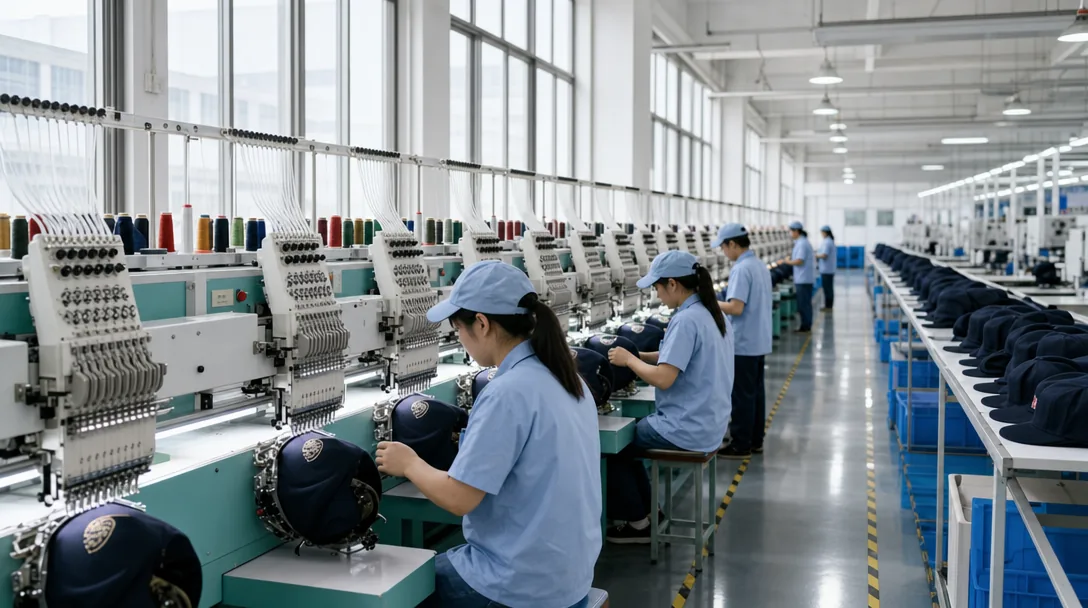
Bulk Trucker Hats Decoration QC Checklist for Custom Hat Buyers is one of the most-asked questions we receive from international buyers, and for good reason. With dozens of factories competing for your order and an alphabet soup of technical terms in every supplier quote, even experienced importers can feel lost. This guide consolidates what we have learned producing custom hats for clients in 40+ countries.
Why bulk trucker hats decoration qc checklist needs a separate sourcing plan
A bulk trucker hats decoration qc checklist deserves its own sourcing plan because decoration is where most bulk trucker hat failures happen, not in the basic cap sewing. A generic hat RFQ checks panel fabric, mesh, closure, and carton packing; decoration QC has to control stitch density, thread color, logo placement, bill artwork, patch adhesion, and heat distortion on foam or cotton twill fronts. For bulk custom trucker hats, a 2 mm logo shift can look acceptable on a single sample but becomes a brand complaint when 5,000 units are stacked on a retail table. I separate the plan before sampling: embroidery file approval, Pantone TCX or Madeira thread match, approved strike-off photo under D65 light, and AQL 2.5 final inspection criteria. If the buyer is ordering bulk custom embroidered hats, the checklist also needs stitch count limits, backing type, and whether Tajima, Barudan, or ZSK heads are used, because machine setup affects both appearance and repeatability.
Buyer intent behind this search is usually risk control after a bad run: puckered foam fronts, crooked patches, bill prints cracking, or a supplier saying “within tolerance” after shipment. A custom hat manufacturer should quote decoration separately from the blank cap because the cost drivers are different. A simple 5,000-stitch front embroidery may add about $0.35–$0.55 per cap in Yiwu production; a 12,000-stitch 3D puff logo can add $0.75–$1.20 and slow output because foam cutting and thread breaks reduce machine efficiency. Woven patches with merrowed edges often run $0.45–$0.90 depending on MOQ, while leatherette patches can add $0.65–$1.50 and need heat-press temperature records, usually 150–165°C for 12–18 seconds. If the buyer asks about branded bills custom hat cost, I treat undervisor print, sandwich piping, and edge embroidery as separate line items because each one adds handling time and another inspection point.
The sourcing plan also changes compliance and lead time decisions. Decoration materials can trigger different testing from the cap itself: azo-free embroidery thread, nickel-free buckles, CPSIA lead limits for youth caps, REACH SVHC screening for PU patches, and colorfastness checks for dark sweatbands touching skin. For licensed sports or retail programs, I would not approve production without a pre-production sample, signed color standard with Delta-E tolerance under 1.5–2.0 for critical brand colors, and inline inspection after the first 300–500 pieces. Our standard practice at CrownsForge is to lock decoration approvals before bulk fabric cutting, because changing a logo after panels are cut can waste both front panels and mesh inventory. A realistic timeline is 3–5 days for digitizing and strike-off, 7–12 days for patch tooling or bill print screens, and 20–35 days for mass production depending on decoration complexity, audit requirements such as sedex-audit-cap-supplier-guide.html">BSCI 2.0 or Sedex SMETA 4-Pillar, and whether shipment is FOB Ningbo/Shanghai or DDP to the buyer’s warehouse.
Factory capability checks before quoting
Before any price is worth discussing, confirm whether the factory can actually decorate the hat style you are buying. For bulk custom trucker hats, I want to see embroidery samples from Tajima, Barudan, or ZSK heads at real production speed, not a hand-picked showroom cap. Ask for stitch count limits on 5-panel foam fronts versus 6-panel structured cotton fronts; a 12,000-stitch logo that runs clean on twill can pucker badly on 3 mm foam if backing, tension, and needle size are wrong. For bulk custom embroidered hats, we normally check logo width, thread type, needle count, backing, and whether the digitizer understands satin columns under 1.2 mm are risky. A useful bulk trucker hats decoration qc checklist should also include patch options: woven patches for small text, PVC for outdoor brands, faux leather heat-pressed at roughly 145–155°C, and embroidered merrow-edge patches when the border needs weight.
Fabric and construction capability matter as much as decoration, because a good logo on a weak cap still fails retail inspection. Ask the custom hat manufacturer for material specs in writing: front panel cotton twill at 180–260 gsm, polyester foam thickness, mesh denier such as 100D or 150D, sweatband composition, and whether color matching is by Pantone TCX with Delta-E tolerance, usually under 1.5 for repeat programs and under 2.0 for promo orders. Panel construction should be checked before quoting custom bulk trucker hats: 5-panel high crown, 6-panel mid crown, buckram stiffness, seam tape width, eyelet placement, and bill curve consistency. Closure options are not interchangeable either; plastic snapback is cheapest, hook-and-loop works for workwear, metal buckle raises cost and sewing time, while woven labels on the rear arch add another inspection point.
The sample room tells you how painful production will be. A serious factory should make a decorated pre-production sample within 5–10 working days, provide embroidery tape files or stitch simulations when requested, and revise placement by millimeter, not by vague comments like “move a little.” Our standard practice at CrownsForge is to quote only after checking decoration risk, MOQ, sample lead time, and packing method, because branded bills custom hat cost can change by US$0.15–0.60 per piece depending on undervisor print, sandwich trim, woven label, and patch attachment method. Audit readiness also belongs in the capability check: BSCI 2.0, Sedex SMETA 4-Pillar, needle-control logs, metal detection records, AQL 2.5 final inspection, and carton drop-test procedures. Communication is the last filter in a bulk trucker hats decoration qc checklist: if the merchandiser cannot answer thread color, panel gsm, closure mold, and sample revision questions clearly, the order will drift.
MOQ, pricing and sample approval
MOQ is where decoration QC starts, because the factory’s setup method changes with quantity. For bulk custom trucker hats, I usually separate orders into 144–288 pcs, 300–999 pcs, 1,000–4,999 pcs, and 5,000+ pcs. At 144 pcs, expect higher unit cost because fabric cutting, embroidery frame setup, and carton packing are still mostly manual; a 5-panel foam-front trucker with one front embroidery may run about US$3.20–4.80 FOB Yiwu depending on mesh, closure, and stitch count. At 1,000 pcs, the same cap may drop to US$2.15–3.10 because panels, sweatbands, and plastic snapbacks are bought in better lots. Decoration setup is separate: embroidery digitizing is commonly US$30–80 per logo, 3D puff testing adds US$20–50, woven patches need US$80–150 mold/setup, and sublimated patches are cheaper but need tighter heat-press control. Any bulk trucker hats decoration qc checklist should confirm these costs before PPS, not after the order is cut.
PPS approval should lock the cap body, decoration, trims, and packaging in one physical sample, not just a photo in a WeChat thread. For embroidery, I check stitch density, pull compensation, underlay, thread breaks, and distortion after steaming; a clean front logo on cotton twill usually sits around 0.38–0.45 mm stitch spacing, while 3D puff needs fewer penetrations or the foam collapses. Tajima, Barudan, and ZSK heads can all produce excellent work, but only if the digitizing is built for the fabric and crown curve. Pantone matching must specify Pantone TCX for fabric and Pantone C/U for printed artwork; acceptable color tolerance should be written as Delta-E 1.5–2.0 for main panels and Delta-E up to 3.0 for mesh, because polyester mesh shifts under different light. Our standard practice at CrownsForge is to sign off PPS with actual thread cones, sweatband material, snapback color, visor sticker, hangtag, barcode label, and carton mark attached.
Lead time is often underestimated by buyers comparing custom bulk trucker hats to blank caps. A realistic schedule is 5–8 days for artwork cleanup and digitizing, 7–12 days for PPS after material confirmation, 18–30 days for bulk production under 3,000 pcs, and 30–45 days if custom-dyed mesh, private-mold buckles, or retail packaging is involved. Bulk custom embroidered hats with high stitch counts over 12,000 stitches per front panel can bottleneck embroidery capacity; a 20-head Tajima line running 650–750 rpm still loses time to thread changes, needle breaks, and QC trimming. Packaging also affects branded bills custom hat cost: basic polybag packing may add US$0.05–0.08 per cap, individual barcode bags US$0.12–0.20, and printed inner cartons or hangtags another US$0.10–0.35. A serious custom hat manufacturer should tie final payment to approved PPS, in-line QC, and final AQL 2.5 inspection for decoration defects, stains, loose threads, wrong trims, and carton shortages.
Quality inspection and shipping risk
The most expensive failures in bulk custom trucker hats usually appear after decoration, not sewing, so the inspection plan has to treat embroidery, patch application, bill printing, and packing as one risk chain. For export orders, I use AQL 2.5 for major defects and AQL 4.0 for minor defects, with 100% review on any logo position that has already failed in inline QC. Critical defects include wrong logo, mold, broken needle contamination, mixed PO, or carton count mismatch. Measurement tolerance should be written before production: crown height ±5 mm, visor length ±3 mm, back strap length ±5 mm, embroidery placement ±2 mm from approved sample, and 3D puff height variation within about 1 mm. A practical bulk trucker hats decoration QC checklist also includes seam puckering around the front panel, distorted foam buckram, mesh panel twist, skipped stitches, loose threads over 10 mm, and thread tails trapped under the sweatband.
Color and decoration control need physical standards, not screenshots. Fabric, mesh, embroidery thread, woven patch yarn, and printed bill color should be matched against Pantone TCX or TPX references under D65 light, with Delta-E usually held under 1.5 for brand-critical colors and under 2.0 for normal promotional runs. For bulk custom embroidered hats, common rejects are thread breaks, bird-nesting on the reverse, satin stitch gaps, registration shift on multi-color logos, dirty backing, crushed 3D foam, and heat-press adhesive bleed around leatherette or rubber patches. Colorfastness matters on dark cotton twill and black sweatbands; basic rub testing should include dry and wet crocking, plus perspiration simulation if the cap is for sports or outdoor retail. A custom hat manufacturer should also check needle size against fabric density: 75/11 works for many twills, but thick acrylic wool or 5-panel foam fronts often need different tension settings on Tajima, Barudan, or ZSK heads.
Shipping risk is where good factory QC often gets wasted. Carton markings should show PO number, SKU, color, size if applicable, quantity, gross/net weight, carton dimensions, country of origin, and any Amazon FBA or retailer routing labels before sealing. Inner polybags need suffocation warnings when required, and mixed-color cartons should be avoided unless the buyer approves a packing matrix. FOB Ningbo or Shanghai gives buyers more control over forwarders and is usually better above 20 cartons; DDP is convenient for small custom bulk trucker hats orders but hides duty, last-mile, and exam-risk costs inside the unit price. Our standard practice at CrownsForge is to archive the approved sample photos, digitizing file, thread chart, bill mold, packing list, carton label, and inspection report together, because reorder drift is real. That file also protects branded bills custom hat cost calculations when a buyer changes visor print method, embroidery stitch count, or carton cube after the first shipment.
Buyer checklist for the next RFQ
A firm RFQ for bulk custom trucker hats needs more than a logo and a target price. Send a full spec sheet with cap profile, panel construction, bill type, closure, sweatband, mesh weight, fabric composition, and quantity breaks. For example: 5-panel foam trucker, 100% polyester 160 gsm front, 100 denier nylon mesh, pre-curved PE bill, plastic snapback, 58 cm standard fit, 1,000/3,000/5,000 pcs. If you need color matching, include Pantone TCX or TPX codes and state acceptable tolerance, usually Delta-E under 1.5 for front fabric and under 2.0 for mesh because mesh reflects light differently. The bulk trucker hats decoration QC checklist should also list decoration position, maximum logo size, stitch type, backing preference, and whether the logo may bridge seams. Without those details, a custom hat manufacturer can only give a budgetary quote, not a production-ready FOB or DDP price.
Send usable artwork before asking for locked pricing. For embroidery, provide AI, EPS, or PDF vector files plus a PNG preview, and call out flat embroidery, 3D puff, applique, woven patch, leather patch, sublimation patch, or heat transfer. For bulk custom embroidered hats, I also want to know thread colors by Madeira or Pantone reference, stitch height minimums, and whether small text below 4 mm must remain readable. A left-side logo, back arch text, and front 3D puff logo are three separate setups; factories price them separately because digitizing, hooping, and machine time change. On Tajima, Barudan, or ZSK heads, a 9,000-stitch flat front logo may run clean at 450–650 rpm, while a 3D puff logo with dense satin columns often needs slower speed and more manual trimming. Include prior production photos if available, especially close-ups of stitch density, edge cleanliness, and bill curve.
Ask for the quote in a format that separates cap base cost, decoration cost, mold or setup fees, sample fee, carton packing, inspection, and freight terms. This is where branded bills custom hat cost becomes clear: a printed undervisor, sandwich bill piping, or woven bill label can add USD 0.15–0.60 per cap depending on MOQ and process. For custom bulk trucker hats, request sample lead time, bulk lead time, production tolerance, over/under shipment allowance, and QC standard such as AQL 2.5 major / 4.0 minor. Our standard practice at CrownsForge is to request front, side, back, inside label, bill top, bill underside, and closure reference photos before confirming a quote. Add compliance needs early, including BSCI 2.0, Sedex SMETA 4-Pillar, CPSIA, or REACH, because testing and audit documentation can change both timeline and landed cost.
Working with CrownsForge
The most important control point is locking the decorated sample before bulk cutting, not after 5,000 caps are already sewn. For bulk custom trucker hats, our normal route starts with a tech pack review, Pantone TCX or TPX color confirmation, mesh denier check, front-panel buckram stiffness, bill curve, closure type, and decoration placement tolerance. A pre-production sample is made on the same decoration method planned for bulk: Tajima or Barudan embroidery heads for flat/3D puff, heat transfer press for silicone or woven patches, or screen printing for budget promo runs. The approved sample becomes the physical standard for the bulk trucker hats decoration qc checklist, including thread brand, stitch density, foam height, patch edge finish, and logo position. I push buyers to approve by couriered sample, not only photos, because a 2 mm raised embroidery edge or a slightly soft bill cannot be judged honestly on a phone screen.
During production, decoration QC is separated into incoming, in-line, and final inspection because most hat defects are created before final packing. Fabric rolls are checked for gsm, shade lot Delta-E, mesh elasticity, and oil stains; embroidery panels are inspected before crown assembly so we can reject bad logos without wasting sweatbands, eyelets, and snapbacks. For bulk custom embroidered hats, we normally measure logo height and width tolerance at ±1.5 mm, front-center placement at ±2 mm, and 3D puff height consistency across at least 20 random pieces per embroidery head. Broken stitches, birdnesting, thread shade mismatch, puckering, heat-press scorch marks, and patch adhesive bleed are all classified under AQL 2.5 major defect logic. CrownsForge keeps the approved sample, size spec, carton mark layout, and inspection sheet together at the line supervisor’s station so operators do not rely on memory.
Export coordination should be built into the QC plan because a clean hat can still become a claim if packing, labeling, or documents are wrong. For custom bulk trucker hats, we verify polybag warning text, UPC/FNSKU labels, country-of-origin marks, inner carton quantities, moisture control, and master carton compression before shipment. Typical FOB Yiwu or Ningbo pricing for a mid-range mesh trucker with flat embroidery runs about $2.20–$3.80 depending on fabric, stitch count, and order volume; branded bills custom hat cost can add $0.20–$0.90 per piece for sandwich printing, woven labels, sublimated undervisor panels, or custom taping. Buyers using a custom hat manufacturer should ask for final random inspection photos tied to carton numbers, not only staged sample-table pictures. If the order ships DDP, the same file should include HS code, carton CBM, gross weight, packing list, commercial invoice, and any BSCI 2.0 or Sedex SMETA 4-Pillar audit records required by the retailer.
Frequently Asked Questions
How long does production take?
Sampling takes 7 to 12 days. Bulk production runs 20 to 30 days depending on quantity, fabric availability and decoration complexity. Inspection and packing adds another 3 to 5 days before shipment.
Can I order a sample before bulk production?
Yes. We strongly recommend approving a pre-production sample before mass production. Samples are charged at 35 to 60 USD each plus express shipping, fully refundable against confirmed bulk orders over 500 pieces.
What file format should I send for my logo?
Vector files (AI, EPS, PDF) are ideal. High-resolution PNG or JPG at 300 dpi on transparent background works as a fallback. Provide Pantone color references for accurate reproduction.
Do you support sustainability certifications?
Yes. We work with GOTS organic cotton, GRS-certified recycled polyester, OEKO-TEX Standard 100 fabrics, and are BSCI and Sedex audited. Certification documentation can be provided per order.
What logo decoration techniques do you offer?
3D puff embroidery, flat embroidery, woven patch, leather patch, PVC patch, screen printing, sublimation, applique and laser etching, all in-house with no subcontracting.
How does ordering custom embroidered trucker hat work?
When evaluating custom embroidered trucker hat, the key considerations are construction quality, decoration capability, MOQ flexibility and lead time. Explain the buyer intent behind bulk trucker hats decoration qc checklist, when it differs from generic hat sourcing, and what decisions affect cost, lead time and compliance. Describe how CrownsForge manages bulk trucker hats decoration qc checklist programs with sampling, decoration, QC and export coordination.
What should I know about custom trucker hats bulk?
When evaluating custom trucker hats bulk, the key considerations are construction quality, decoration capability, MOQ flexibility and lead time. Explain the buyer intent behind bulk trucker hats decoration qc checklist, when it differs from generic hat sourcing, and what decisions affect cost, lead time and compliance. Describe how CrownsForge manages bulk trucker hats decoration qc checklist programs with sampling, decoration, QC and export coordination.
What's the MOQ for custom embroidered trucker hats no minimum?
When evaluating custom embroidered trucker hats no minimum, the key considerations are construction quality, decoration capability, MOQ flexibility and lead time. Explain the buyer intent behind bulk trucker hats decoration qc checklist, when it differs from generic hat sourcing, and what decisions affect cost, lead time and compliance. Describe how CrownsForge manages bulk trucker hats decoration qc checklist programs with sampling, decoration, QC and export coordination.
What should I know about custom rope hat wholesale bulk?
When evaluating custom rope hat wholesale bulk, the key considerations are construction quality, decoration capability, MOQ flexibility and lead time. Explain the buyer intent behind bulk trucker hats decoration qc checklist, when it differs from generic hat sourcing, and what decisions affect cost, lead time and compliance. Describe how CrownsForge manages bulk trucker hats decoration qc checklist programs with sampling, decoration, QC and export coordination.
Looking for a reliable hat manufacturer in China?
CrownsForge has produced custom hats for 800+ brands across 40 countries. From 100-piece launches to 100,000-piece retail programs, we deliver on time and on spec.
Get in touchRelated guides
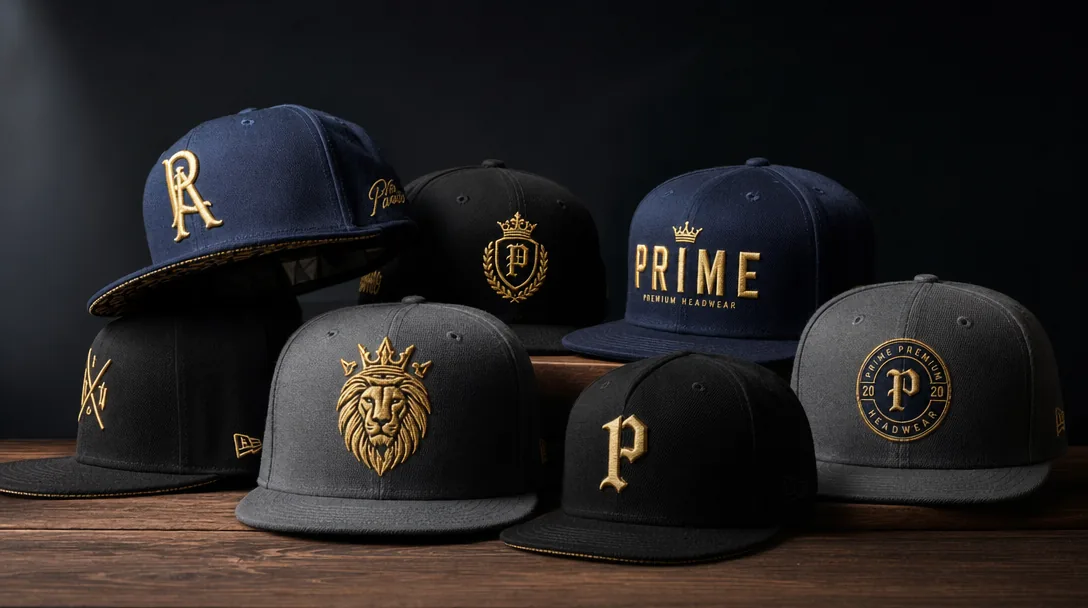
Custom Rope Hat Wholesale Bulk: A 2026 B2B Sourcing Guide
Read article →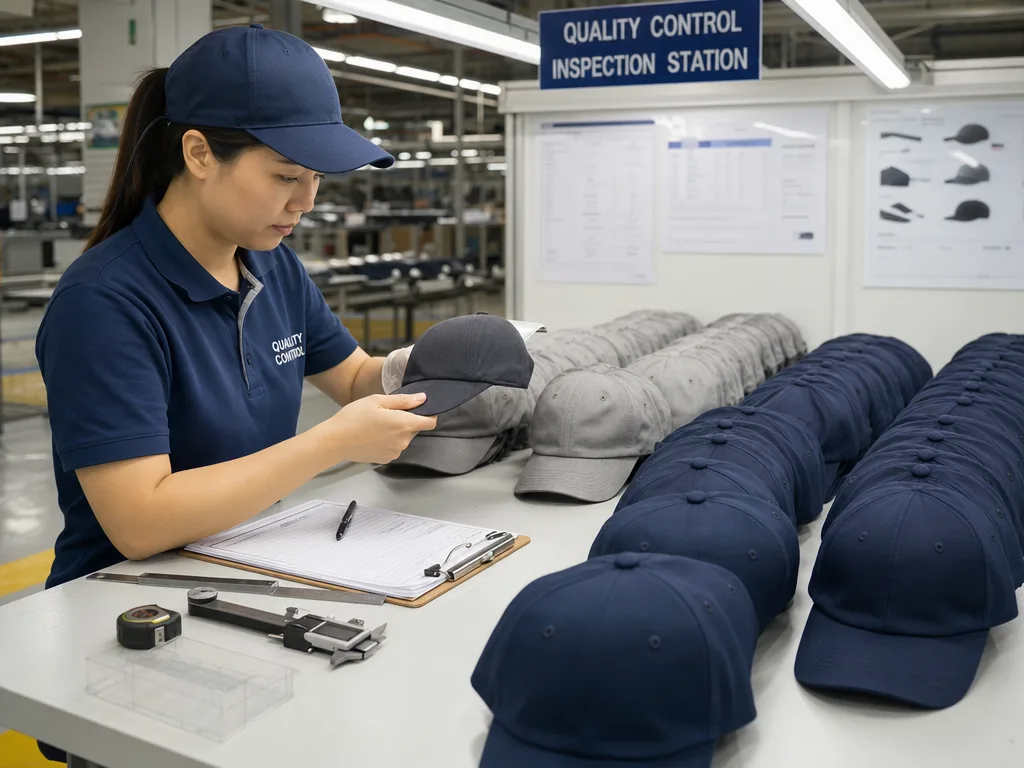
Custom Cap Material Trim Card: What Buyers Should Request
Read article →
Festival Bucket Hats Sample Approval Process for Custom Hat Buyers
Read article →Sourcing custom hats does not have to be complicated. With the right manufacturing partner, clear specifications and a small upfront investment in sampling, you can launch a retail-quality product in 30 to 45 days.