
Festival Bucket Hats Sample Approval Process for Custom Hat Buyers
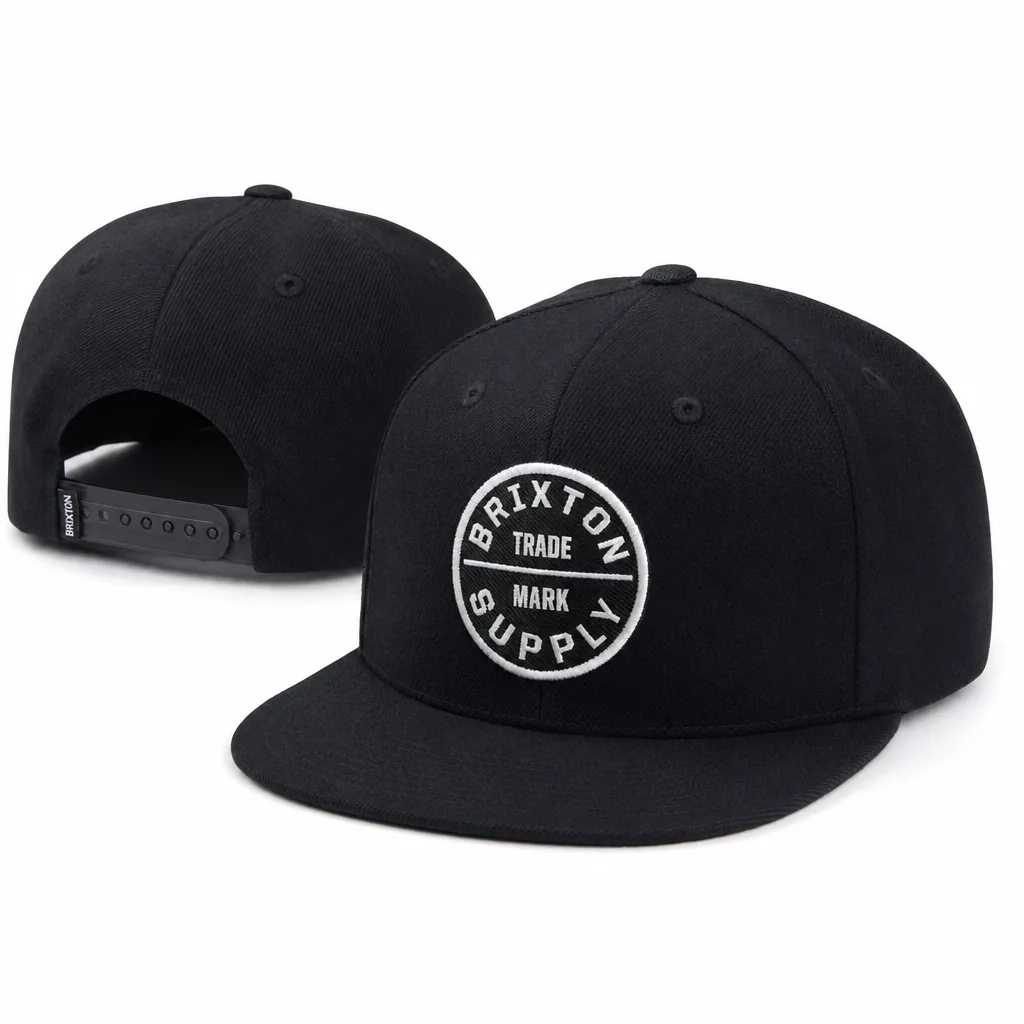
For brand owners, wholesalers and procurement teams entering the custom headwear category, festival bucket hats sample approval process for custom hat buyers is one of the highest-leverage decisions you will make. Get it right and your unit economics, retail story and reorder cycle all improve. Get it wrong and you carry the cost for years.
Why festival bucket hats sample approval process needs a separate sourcing plan
Festival programs punish weak sampling because the selling window is fixed: if the hats miss the event date, the inventory is almost worthless. The festival bucket hats sample approval process needs its own sourcing plan because buyers are usually balancing brand look, retail margin, and on-site compliance at the same time. A generic bucket hat order might approve one fabric, one logo, and one size run; festival bucket hats often need UV-reactive embroidery, woven patches, reversible construction, cord locks, RFID-ready hangtags, or country-specific care labels. Those details change the sample path. A 90s bucket hat in washed cotton twill needs shrinkage testing after enzyme wash, while a polyester rave-style hat may need colorfastness to perspiration and light because neon Pantone TCX shades drift easily under heat press or sublimation. If the buyer also wants bucket hats for men and fitted hats women in the same capsule, the block shape and brim width cannot be approved from one universal sample.
Cost decisions start before the first prototype is cut. Fabric choice is the biggest lever: 160–180 gsm cotton twill is usually cheaper and softer, but 210–230 gsm twill holds a cleaner brim; recycled polyester with GRS paperwork can add roughly $0.35–$0.80 per piece depending on MOQ and certification chain. Decoration is the second lever. A flat embroidered logo on Tajima or Barudan heads may add $0.25–$0.60, but chenille, puff embroidery, silicone patches, or all-over sublimation can push sampling charges from $50 to $180 per style. Our standard practice at CrownsForge is to separate fit sample, material strike-off, logo strike-off, and pre-production sample instead of pretending one sample can approve everything. That avoids the common mistake where the buyer signs off on a pretty photo, then discovers the brim collapses, the sweatband bleeds, or the patch edge scratches skin during AQL inspection.
Lead time and compliance also diverge from ordinary cap sourcing because festival merchandise often ships DDP to multiple markets with strict delivery appointments. A normal bucket hat sample may take 7–10 days, but a festival bucket hats sample approval process with lab dips, embroidered strike-offs, wash testing, and packaging approval can take 18–28 days before bulk production even starts. For a ladies bucket hat UK order, buyers should confirm fiber content labeling, UKCA-related packaging claims where applicable, and REACH limits on azo dyes, nickel in metal eyelets, and phthalates in PVC patches. If the customer is a licensed music festival or sports sponsor, compliance may also require sedex-audit-cap-supplier-guide.html">BSCI 2.0, Sedex SMETA 4-Pillar, factory social audit records, and AQL 2.5 final inspection. The sourcing plan should lock approval dates, sample courier cutoffs, Delta-E tolerance for lab dips, barcode artwork, and carton marks early, because every late artwork revision can remove two to five days from the production buffer.
Factory capability checks before quoting
Capability checks should happen before price talk, because a cheap quote is useless if the factory cannot build the hat repeatably. For festival bucket hats, I first ask for the decoration map: embroidery size in millimeters, stitch count estimate, thread type, Pantone TCX color targets, and whether the logo sits across a seam or on a curved crown panel. Flat embroidery above 18,000 stitches on washed cotton twill often puckers unless backing and tension are tested on Tajima or Barudan heads. Woven patches need border tolerance of ±1 mm; rubber PVC patches need a mold lead time of 7–10 days and usually add $0.35–$0.90 per piece depending on size. If the buyer wants a 90s bucket hat look with heavy front embroidery, I check brim stiffness, top crown diameter, and whether the factory can keep the silhouette from collapsing after garment wash.
Fabric and construction checks decide whether the sample approval will be smooth or painful. A proper festival bucket hats sample approval process should confirm shell fabric before sampling: 260–320 gsm cotton twill for structure, 180–220 gsm washed canvas for softer streetwear, 75D–150D polyester ripstop for outdoor events, or nylon taslan when water resistance matters. Panel construction matters more than most buyers think; four-panel crowns give cleaner logo placement, while six-panel bucket patterns shape better on mixed head sizes. For bucket hats for men, I usually target a 58–60 cm spec with a 6.5–7.5 cm brim; for fitted hats women or a ladies bucket hat UK order, the buyer should define whether the block is 56–58 cm or adjustable. Drawcords, chin straps, toggles, sweatband width, and reversible seams must be costed before quotation, not discovered after first sample.
The sample room must prove it can make decisions fast, not just sew one pretty hat. I want to see whether they can cut digital patterns, run one-off embroidery strike-offs, match fabric dye lots within Delta-E 1.5–2.0, and document corrections with marked photos in English within 24 hours. Our standard practice at CrownsForge is to review sample feasibility against bulk machinery, so a hand-guided prototype is rejected if it cannot be repeated on production sewing lines. Audit readiness also belongs in the capability check: BSCI 2.0, Sedex SMETA 4-Pillar, needle control logs, metal detection records, and AQL 2.5 final inspection systems should already exist before licensed or retail buyers place orders. Communication is the last filter; if the merchandiser cannot explain MOQ, sample lead time, FOB Ningbo/Shanghai pricing, DDP assumptions, and revision charges clearly, the factory is not ready to quote responsibly.
MOQ, pricing and sample approval
MOQ should be quoted in bands, not as one magic number, because the fabric mill, dye house, embroidery room, and packing line all have different minimums. For festival bucket hats, I normally price 300, 500, 1,000, and 3,000 pieces: 300 pcs may run about US$4.80–6.20 FOB Ningbo for cotton twill with one embroidery; 1,000 pcs can drop to US$3.10–4.40 if the fabric is stock color; 3,000 pcs gives room for custom dyeing, woven labels, and better carton efficiency. Custom Pantone TCX dye lots usually need 500–800 meters, so buyers asking for 200 pcs in exact Neon Green TCX should expect either a surcharge or a close-stock alternative. Decoration setup is separate: Tajima or Barudan embroidery digitizing is usually US$30–60 per logo, mold charges for rubber patches US$80–180, woven label setup US$40–90, and sublimation print sampling US$50–120 depending on panel coverage.
A serious festival bucket hats sample approval process starts with a PPS, not a pretty photo. The pre-production sample should confirm crown depth, brim width, stitch density, sweatband material, label placement, drawcord length, eyelet size, and packing method before bulk fabric is cut. For embroidery, I want buyers to approve both the front view and the back of the stitching: 8,000–12,000 stitches is common for a 7–9 cm logo, but dense fill on lightweight 160–180 gsm cotton can pucker unless backing and tension are adjusted. Pantone matching should be checked under D65 light with a target Delta-E under 1.5 for dyed fabric and under 2.0 for embroidery thread, because thread sheen can make a correct shade look wrong on camera. This matters whether the order is a 90s bucket hat capsule, bucket hats for men with oversized branding, or fitted hats women buyers expect to match an apparel drop.
Lead time is where buyers often lose two weeks by approving the wrong thing too casually. A plain stock-fabric sample can be ready in 5–7 days, while custom-dyed fabric plus embroidery PPS is usually 12–18 days; bulk production after signed PPS is normally 25–35 days for 500–3,000 pcs, plus 3–5 days for AQL 2.5 inspection and carton booking. Our standard practice at CrownsForge is to lock the approval sheet with fabric gsm, Pantone TCX code, thread color, trim artwork, polybag spec, carton dimensions, and barcode placement before cutting bulk. Packaging should not be an afterthought: individual OPP bags add about US$0.03–0.06 each, custom header cards US$0.08–0.18, and FSC hangtags US$0.05–0.12. If selling a ladies bucket hat UK program, build in 35–45 days door-to-door by DDP air-truck or 55–70 days by sea-truck, especially before Glastonbury season.
Quality inspection and shipping risk
Quality risk on festival bucket hats usually shows up in three places: shade mismatch, soft measurement drift, and decoration defects that buyers only notice after cartons land. For the festival bucket hats sample approval process, I set the approved sample as the control unit and inspect bulk under AQL 2.5 for major defects and AQL 4.0 for minor defects, unless the buyer’s retailer manual is stricter. Crown circumference should normally hold within ±0.5 cm, brim width within ±0.3 cm, and crown height within ±0.4 cm; anything looser makes bucket hats for men feel sloppy and fitted hats women lines sit too high or too tight. For cotton twill, washed canvas, and polyester microfiber, we check fabric weight against spec, often 220–280 gsm for structured cotton and 110–160 gsm for packable festival styles. Color is checked against Pantone TCX under D65 light, with Delta-E under 1.5 preferred for solids and under 2.0 usually acceptable for washed effects.
Colorfastness matters more for festival bucket hats than office promotional caps because sweat, rain, sunscreen, and UV exposure hit them in the first weekend. I want rubbing fastness at Grade 4 dry and Grade 3–4 wet under ISO 105-X12, plus perspiration fastness Grade 4 where dark colors touch lining tape. For a 90s bucket hat with contrast embroidery, the thread should be tested separately because cheap rayon can bleed into cream cotton after steaming. Embroidery inspection should flag broken stitches, loose backing, bird-nesting, misregistration over 1 mm, puckering around dense satin columns, and thread color deviation from the approved Madeira or Pantone reference. Tajima, Barudan, and ZSK heads can all produce clean work, but only if the digitizing avoids over-dense fills above 0.45 mm stitch spacing on light twill. Our standard practice at CrownsForge is to keep the signed sample, fabric swatch card, embroidery strike-off, and wash label proof in the same reorder file.
Shipping risk is controlled before the first carton is taped, not when the forwarder asks for documents. Carton markings should match the PO, SKU, color name, size ratio, carton number, gross/net weight, and destination; missing side marks cause warehouse receiving disputes even when the hats are correct. A typical export carton for festival hats is 58 x 42 x 38 cm with 100–150 pieces depending on brim stiffness, and compression should not distort the brim edge or crease a ladies bucket hat UK order packed for retail. FOB Ningbo or Shanghai is cleaner for buyers with their own consolidator, while DDP is better for small streetwear drops that cannot manage duties, ISF, customs bond, or last-mile trucking. Reorder documentation should include the approved sample photos, Pantone references, fabric lot, trim supplier, embroidery DST file version, carton packing method, and final inspection report, so the next bulk lot does not quietly become a different hat.
Buyer checklist for the next RFQ
A firm RFQ starts with a frozen spec, not a mood board. For festival bucket hats, send the pattern type first: classic 360-degree brim, reversible, crushable packable, chin-cord style, or a 90s bucket hat with a lower crown and wider brim. Include target size range in centimeters, not just “adult”; a common run is 58 cm standard, 60 cm XL for bucket hats for men, and 56–57 cm if you are developing a ladies bucket hat UK retail fit. Add fabric composition, weight, and finish: 10 oz cotton canvas, 230 gsm washed twill, 75D polyester with PU coating, or recycled nylon with WR finish. If you do not know the material, send the desired hand feel, use case, and target FOB; a $2.80 promo hat and a $7.50 retail hat should not be quoted from the same construction.
Artwork files must be production-ready before the factory can price decoration properly. Send vector AI, EPS, or PDF files for embroidery, woven labels, rubber patches, or screen print; PNG mockups are fine for reference but not for costing stitch count or mold size. For embroidery, specify location, size in millimeters, thread colors by Madeira/Rayon code or Pantone TCX, and whether flat, 3D puff, chain stitch, or appliqué is expected. On Tajima or Barudan heads, a 55 mm front embroidery at 8,000 stitches may cost $0.35–$0.55, while a dense all-over brim embroidery can add $1.20 or more and increase rejection risk if the brim fabric puckers. Photos of previous approved samples are more useful than renderings, especially for brim slope, crown height, sweatband color, and label placement.
The buyer checklist for the next RFQ should also include quantity by color, delivery term, destination, compliance requirement, and inspection standard. State whether you need FOB Ningbo/Shanghai, DDP Los Angeles, DAP London, or warehouse delivery, because freight can swing landed cost by $0.40–$1.80 per hat depending on carton volume and season. Send carton marking rules, polybag preference, hangtag files, barcode format, and any restricted-substance requirements such as REACH, Prop 65, or OEKO-TEX Standard 100. Our standard practice at CrownsForge is to quote after receiving tech pack, artwork, target order quantity, sample deadline, and acceptable color tolerance, usually Delta-E under 1.5 for dyed fabric or Pantone TCX closest available for stock cloth. A clean festival bucket hats sample approval process saves one to two weeks because the first sample is made against measurable specs instead of buyer memory.
Working with CrownsForge
Sampling only works when the buyer approves a physical hat against a written spec, not against a mood board. For a festival bucket hats sample approval process, CrownsForge normally locks the tech pack first: crown depth in centimeters, brim width, panel count, sweatband type, eyelet size, care label artwork, fabric weight, and Pantone TCX references. A cotton twill festival bucket hat might use 260–300 gsm fabric, while a nylon ripstop version for outdoor events is usually 70D or 100D with a PU coating. First samples typically take 5–7 working days after artwork and fabric are confirmed; yarn-dyed checks, washed effects, or a 90s bucket hat shape with a softer collapsed crown can add 3–5 days because shrinkage and hand-feel need trial washing before decoration.
Decoration approval is where most delays happen, especially on festival programs with oversized logos, metallic thread, or mixed techniques. We digitize embroidery for Tajima, Barudan, or ZSK heads and check stitch density, pull compensation, thread color, and logo distortion on the curved bucket surface before sending a photo set or courier sample. Flat embroidery generally runs USD 0.35–0.90 per placement depending on stitch count; woven patches, chenille, puff embroidery, and heat-transfer prints can move that to USD 0.80–2.50. For buyers ordering festival bucket hats alongside bucket hats for men, fitted hats women, or a ladies bucket hat UK range, I recommend approving one decoration standard board so every logo height, thread shade, and label position stays consistent across styles.
QC and export coordination should be planned before the sample is signed off, because inspection criteria must match what production can actually hold. For the festival bucket hats sample approval process, our standard approval sheet records fabric lot, Delta-E tolerance for color, decoration placement tolerance of usually ±3 mm, measurement tolerance of ±0.5 cm on brim and crown, and packing method by inner polybag or bulk carton. During production we use inline checks plus final AQL 2.5 for major defects and AQL 4.0 for minor defects, with common rejects including puckered seams, off-center patches, uneven brim stitching, and shade variation between panels. For export, FOB Ningbo or Shanghai is straightforward, while DDP shipments to the U.S., EU, or UK need HS code confirmation, carton marks, commercial invoice detail, and audit documents such as BSCI 2.0 or Sedex SMETA 4-Pillar when the buyer’s compliance team requests them.
Frequently Asked Questions
Which shipping methods do you support?
We support FOB, CIF and DDP shipping. Air express for samples and small orders, sea LCL for 100 to 500 pieces, sea FCL for 5,000+ pieces. Door-to-door DDP available for US, EU, UK, Canada and Australia.
Can I order a sample before bulk production?
Yes. We strongly recommend approving a pre-production sample before mass production. Samples are charged at 35 to 60 USD each plus express shipping, fully refundable against confirmed bulk orders over 500 pieces.
What file format should I send for my logo?
Vector files (AI, EPS, PDF) are ideal. High-resolution PNG or JPG at 300 dpi on transparent background works as a fallback. Provide Pantone color references for accurate reproduction.
How long does production take?
Sampling takes 7 to 12 days. Bulk production runs 20 to 30 days depending on quantity, fabric availability and decoration complexity. Inspection and packing adds another 3 to 5 days before shipment.
What is the minimum order quantity (MOQ) for custom hats?
Our standard MOQ is 100 pieces per design and color, with sampling available from 1 piece. For complex multi-color logos or premium fabric upgrades, the MOQ can be lowered with a small per-piece surcharge.
How does ordering custom fitted hats for men work?
When evaluating custom fitted hats for men, the key considerations are construction quality, decoration capability, MOQ flexibility and lead time. Explain the buyer intent behind festival bucket hats sample approval process, when it differs from generic hat sourcing, and what decisions affect cost, lead time and compliance. Describe how CrownsForge manages festival bucket hats sample approval process programs with sampling, decoration, QC and export coordination.
What should buyers know about bucket hat men?
When evaluating bucket hat men, the key considerations are construction quality, decoration capability, MOQ flexibility and lead time. Explain the buyer intent behind festival bucket hats sample approval process, when it differs from generic hat sourcing, and what decisions affect cost, lead time and compliance. Describe how CrownsForge manages festival bucket hats sample approval process programs with sampling, decoration, QC and export coordination.
What should buyers know about nike bucket hats for men?
When evaluating nike bucket hats for men, the key considerations are construction quality, decoration capability, MOQ flexibility and lead time. Explain the buyer intent behind festival bucket hats sample approval process, when it differs from generic hat sourcing, and what decisions affect cost, lead time and compliance. Describe how CrownsForge manages festival bucket hats sample approval process programs with sampling, decoration, QC and export coordination.
What should buyers know about kangol bucket hat 90s?
When evaluating kangol bucket hat 90s, the key considerations are construction quality, decoration capability, MOQ flexibility and lead time. Explain the buyer intent behind festival bucket hats sample approval process, when it differs from generic hat sourcing, and what decisions affect cost, lead time and compliance. Describe how CrownsForge manages festival bucket hats sample approval process programs with sampling, decoration, QC and export coordination.
Need a low-MOQ test order?
We help emerging brands launch with as few as 100 pieces. Premium fabric, in-house embroidery, retail-ready packaging.
Start a small orderRelated guides
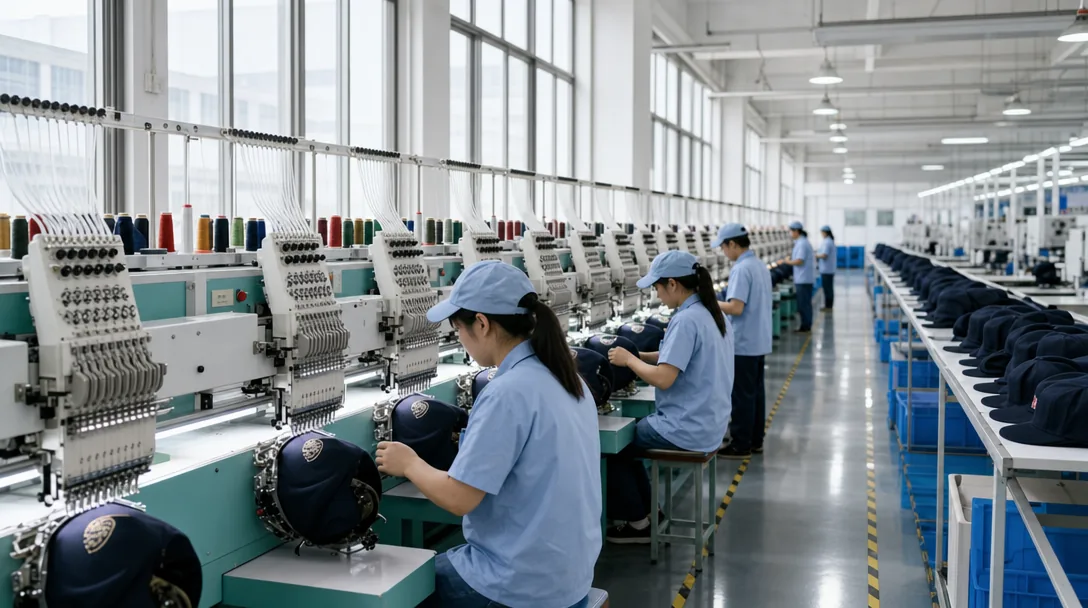
Country Hats For Men Export Shipping Checklist for Custom Hat Buyers
Read article →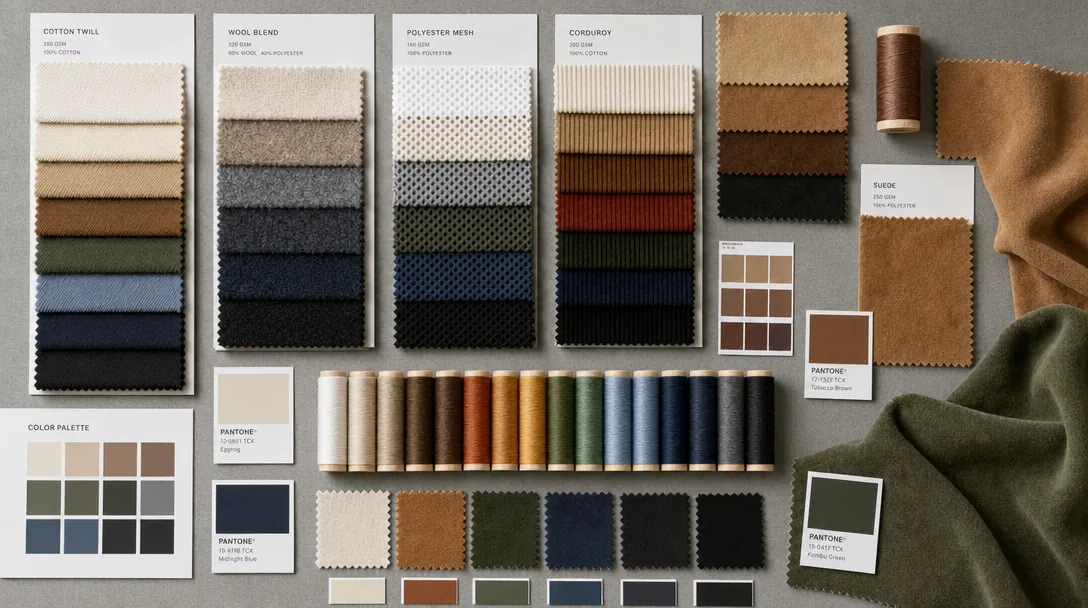
Corduroy Hat Vintage Decoration QC Checklist for Custom Hat Buyers
Read article →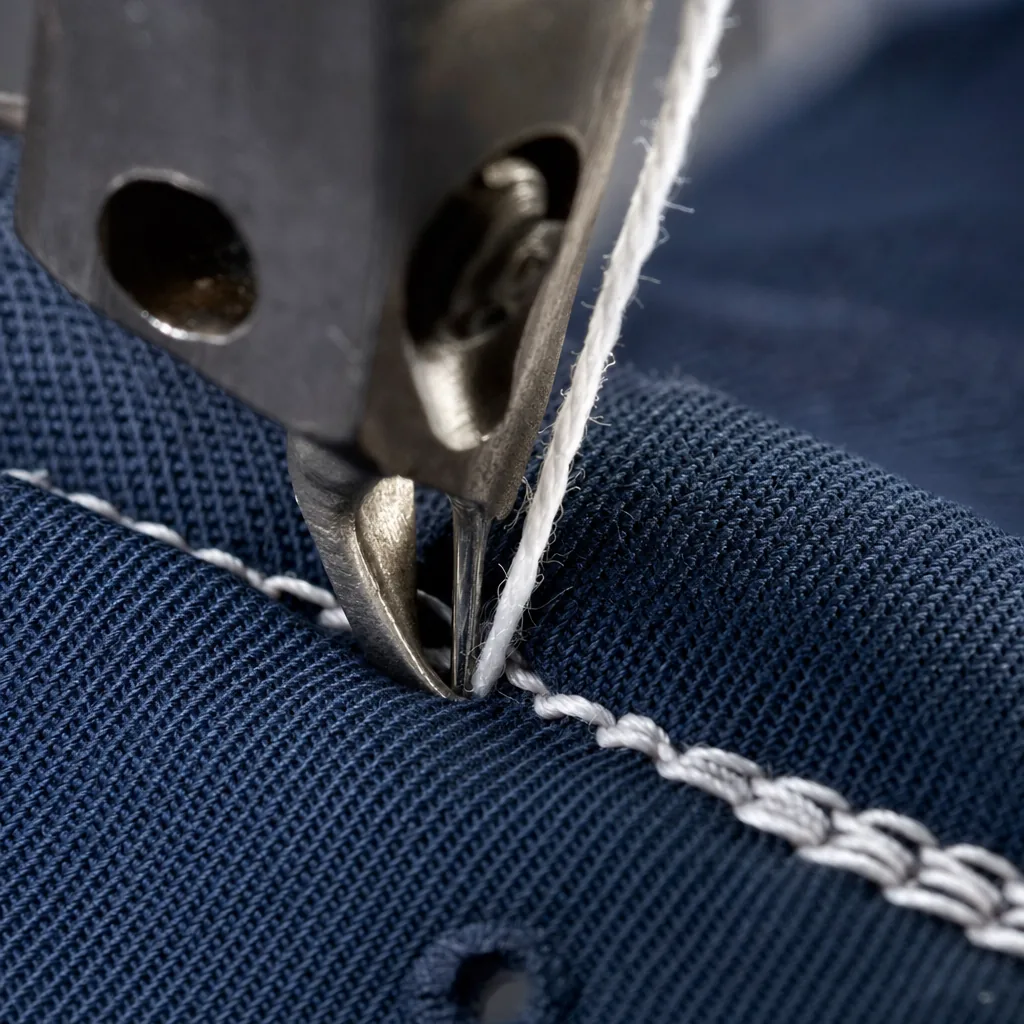
Embroidery Thread Libraries: Madeira, Isacord and What Your Cap Factory Uses
Read article →Sourcing custom hats does not have to be complicated. With the right manufacturing partner, clear specifications and a small upfront investment in sampling, you can launch a retail-quality product in 30 to 45 days.