
Bucket Hat with Strap: Properties, Costs and How to Spec It Right
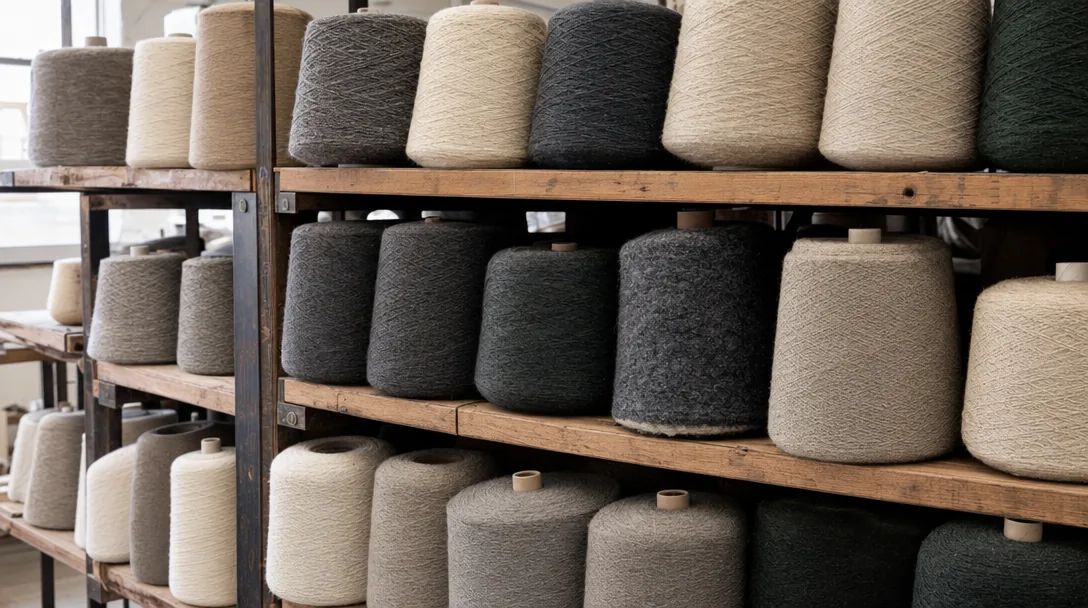
Every week, our sales team answers detailed questions about bucket hat with strap: properties, costs and how to spec it right. We wrote this guide so that wholesalers, streetwear brands, corporate buyers and promotional resellers can compare options with full information, and avoid the traps that show up only after production has started.
The bucket hat with strap spec sheet, line by line
Brim construction is the first line to lock on a bucket hat with strap because the cord creates side torque that a plain bucket hat never sees. Specify finished brim width at 60-65 mm with +/-2 mm tolerance, not “medium brim.” Call out two concentric lockstitch rows, 8-9 SPI, 40/2 spun polyester thread, and 6-8 mm spacing between rows. For a clean mid-weight brim, use 1.8-2.0 mm EVA at 45 kg/m3 laminated with washable hot-melt film rated to 60 C home laundering. For packable outdoor orders, use 30-35 kg/m3 EVA or 120-150 gsm nonwoven polyester interlining; anything stiffer rebounds like cheap fishing stock. After steam pressing, reject brim edge wave over 4 mm on a flat table, visible bubbling, or unequal roll between left and right side seams.
The strap belongs in its own construction block, separate from trims, because most field failures happen at the adjuster or side attachment. For a premium casual bucket hat with strap, 20 mm cotton herringbone tape has the right handfeel, but it must be pre-shrunk and crocking-tested, especially black, navy, olive, and pigment-dyed lots. For resort, outdoor, or licensed team programs, 25 mm nylon webbing in 600-900 denier is more stable, dries faster, and usually adds $0.18-$0.35 per piece versus cotton tape. Use rounded acetal tri-glides or ladder-locks; brittle ABS cracks in cold transit and fails drop tests. The test callout should be 500 adjustment cycles, no visible yarn shaving, and under 10 mm slippage under a 2 kg static pull. State strap as finished usable range, normally 280-380 mm, and add a keeper loop when the loose tail exceeds 70 mm. At each side, specify a 15 x 15 mm box-X tack, 28-32 stitches, through folded webbing, shell, and lining. A single bartack at the side seam is a cost shortcut, not a durable build.
Fabric and inspection lines decide whether the hat prices like a $3.80 promo item or a $9.50-$13.50 FOB streetwear piece. For structured cotton, specify 280-310 gsm 100% cotton twill, reactive dyed to Pantone TCX with Delta-E under 1.0 for core colors and under 1.5 for washed shades. For softer fashion styles, 8-wale cotton corduroy at 260-280 gsm drapes better than heavy twill, but nap direction must be marked on every pattern piece or panels will shade after sewing. Our standard practice at CrownsForge is a 30 mm sweatband in 70% cotton and 30% Coolmax polyester, pre-shrunk to under 3% dimensional change after AATCC 135. Silver-ion anti-odor finishing tested to JIS L 1902 adds about $0.15-$0.22 per piece and is worth specifying for Japan and Korea orders. Final QC should use AQL 2.5 for major defects, with checks for strap pull strength, brim symmetry, Pantone match, SPI, loose threads, nickel-free hardware, and metal-free compliance on children’s styles.
Corduroy Hat Wholesale
Corduroy bucket hats fail at wholesale when the buyer treats wale count and nap direction as styling notes instead of production controls. For a bucket hat with strap, I would write the shell as 8-wale or 11-wale cotton corduroy at 260-320 gsm, with every crown panel and brim piece cut in one nap direction, normally front-to-back. If the cutter mixes direction, black, navy, forest, and burgundy will shade-shift badly under a D65 lightbox even when the dye lot is correct. Fine 14-wale corduroy is acceptable for softer fashion runs, but the brim needs 80-100 gsm nonwoven fusing or light woven interlining; without it, compression packing will leave a flat, tired brim after one carton cycle. Require physical Pantone TCX lab dips on bulk fabric, not screen approvals, with Delta-E <=1.5 for dark shades and <=2.0 for pastels. The strap must be its own BOM line: 5 mm round cotton cord, cotton herringbone tape, and polyester drawcord all wear differently through metal eyelets, sewn buttonholes, and plastic spring stoppers.
Corduroy sews slower than 10 oz cotton twill because the pile creeps under the presser foot, and needle marks stay visible if an operator opens a seam and resews it. A usable tech pack should specify panel count, crown depth tolerance of +/-3 mm, brim width in centimeters, 9-11 SPI, eyelet outside diameter, finished strap length, stopper material, and brim stitching style: single-row, multi-row, or hidden topstitch. Embroidery also needs tighter limits than flat twill. Keep small lettering above 5 mm high, avoid dense satin blocks above roughly 10,000 stitches on high-pile corduroy, and run Tajima, Barudan, or ZSK heads around 550-650 rpm with the correct tearaway or cutaway backing. If a supplier quotes corduroy at the same price as plain twill, something is missing: extra cutting waste, nap sorting, pile brushing, slower line output, and rejected panels from mixed pile direction usually add real cost.
Current China factory pricing gives a quick reality check. Stock corduroy generally starts at 300-500 pieces per color; custom dyeing is usually 1,000-2,000 pieces per color after lab dip approval, especially when the mill must hold a Pantone TCX shade inside Delta-E limits. A plain corduroy bucket hat is typically USD 3.20-4.80 ex-factory, while a bucket hat with strap, metal eyelets, woven label, hangtag, and individual polybag more often lands at USD 4.60-6.50 before freight. FOB Ningbo or Shanghai adds inland trucking and export handling; DDP USA commonly adds USD 1.10-2.40 per unit depending on carton cube, HS code, duty treatment, and delivery zone. QC should use AQL 2.5 major / 4.0 minor, a 7-10 kg strap pull test for 10 seconds, brim-width checks, D65 shade review, and carton moisture below 12%. Our standard practice at CrownsForge is to inspect corduroy separately because pile bruising and nap reversal are not the same defect family as yarn pilling or gauge variation.
Wholesale Hat Manufacturers Usa
When buyers search “wholesale hat manufacturers USA,” the real issue is not the invoice address; it is who controls pattern, cutting, sewing, trim sourcing, wash, and final QC. A bucket hat with strap punishes loose control because the brim is circular, the crown has little structure, and the chin cord pulls directly against the side seam. Put measurable limits in the tech pack: crown height 8.5-9.5 cm, brim width 5.5-7.0 cm, finished circumference tolerance +/-0.5 cm, brim topstitch spacing +/-1 mm, and strap pull strength of at least 15 kg for 10 seconds on a static test. For detachable straps, specify 10-12 mm snaps, acetal side-release buckles, nickel-free metal parts, and 48-hour salt-spray resistance for beach, fishing, resort, and golf programs. Write fabric by construction and weight: 10 oz cotton canvas, 260-320 gsm washed twill, 8-wale or 14-wale corduroy, or 210D/420D nylon with PU backing. For solids, require Pantone TCX approval with Delta-E under 1.5 before wash and under 2.0 after wash.
Many US wholesalers respond fast and invoice domestically, but the bucket hat with strap may still be made from offshore blanks, imported panels, or a cut-and-sew subcontractor. Ask where each operation is physically done: pattern making, fabric inspection, cutting, embroidery, sewing, washing, packing, and AQL inspection. Realistic custom MOQs are 300-500 pieces per color for stock cotton twill, 800-1,000 pieces for custom-dyed fabric, and 1,200+ pieces for yarn-dyed corduroy or GRS-certified recycled nylon. Factory-level pricing usually lands at $3.20-$5.80 FOB China for cotton twill with strap, $4.60-$7.50 for corduroy, and $5.20-$8.90 for water-resistant nylon before retail packaging, duty, and domestic freight. Do not judge bucket-hat capability from beanie samples. Acrylic fisherman beanies and 1x1 rib beanies are controlled by knitting tension and shrinkage recovery; bucket hats are controlled by panel symmetry, brim fusing, seam allowance discipline, and bar-tack reinforcement at the strap anchor.
QC belongs in the purchase order before bulk cutting, not in an email after defects appear. Use AQL 2.5 major / 4.0 minor, and classify broken strap hardware, circumference out of tolerance, exposed raw seams, needle cuts near the brim edge, missing care labels, wrong carton mix, and strap placement beyond +/-3 mm from the approved sample as reportable defects. If embroidery crosses a curved seam, run a production-style test on Tajima, Barudan, or ZSK heads before approving bulk; dense fills above 12,000 stitches often pucker washed twill and corduroy unless backing, thread tension, stitch direction, and hooping pressure are adjusted. Our standard practice at CrownsForge is to approve one pre-production sample after shrinkage testing, then keep a sealed gold sample at inspection for shade, brim symmetry, topstitch density, and strap attachment. For retail programs comparing wholesale hat manufacturers USA with FOB China or DDP supply, also require carton drop tests, barcode scan checks, polybag suffocation warnings, CPSIA or Prop 65 review where applicable, and audit files such as sedex-audit-cap-supplier-guide.html">BSCI 2.0 or Sedex SMETA 4-Pillar.
Corduroy Bucket Hat
Corduroy bucket hats fail on wale choice, nap control, and pressing pressure long before they fail on sewing. Put wale count, fabric weight, fiber content, and nap direction directly in the tech pack: 8-wale cotton corduroy at 280-320 gsm gives the chunky vintage look, but the crown-to-brim seam must be graded and steam-pressed with a needle board or the seam sits like a raised cord. For most unisex retail programs, 11-wale at 250-290 gsm is the safest commercial spec because it holds shape without making the brim bulky. Fine 14-wale at 220-260 gsm works better for smaller silhouettes and embroidery, since the lower pile causes less needle drag and fewer buried stitches. Never mix nap direction between crown, sidewall, and brim. Under D65 lighting, one Pantone TCX shade can look 1-2 tones different across opposite nap even when the lab dip measures within Delta-E 1.5, and buyers will treat that as shade banding.
A bucket hat with strap needs the strap engineering approved before bulk cutting because corduroy frays around punched holes and crushes under aggressive bartacks. Use 100% cotton corduroy for a dry, structured hand, or 98/2 cotton-spandex when the buyer wants softer drape; avoid polyester corduroy under 200 gsm because it develops shine after steam pressing and long carton compression. A 90-120 gsm cotton poplin or TC lining is enough to stabilize the crown without making it helmet-like. Keep brim quilting to 2-4 rows at 6-8 mm spacing; wider spacing often waves after garment wash. Practical strap choices are 5 mm cotton cord, 6 mm polyester round cord, or 10-12 mm flat nylon tape with a plastic spring stopper. For kids, resort, and outdoor programs, add a breakaway buckle and test the strap assembly to 7-10 kg pull force, with bartacks placed at least 8 mm from the seam edge.
Cost is driven by color control, hardware, and decoration more than by the bucket silhouette itself. Stock 11-wale corduroy usually starts at 300-500 pieces per color; custom Pantone TCX dyeing on pile fabric is more realistic at 1,000-2,000 pieces because small lots show shade banding. Typical FOB China pricing is $3.20-$4.80 for a lined corduroy bucket, $4.40-$6.20 for a bucket hat with strap, metal eyelets, woven label, and acceptable stopper hardware, and $5.80-$8.50 when adding custom dyeing, branded cord locks, or Tajima, Barudan, or ZSK embroidery. Embroidery files need stronger underlay and a real sew-out because pile can bury satin columns under 1.2 mm. Our standard practice at CrownsForge is AQL 2.5 for major defects, checking nap direction, shade banding, brim symmetry within +/-3 mm, crown height within +/-5 mm, strap length within +/-10 mm, stopper function, and embroidery registration within 1.5 mm. Do not over-compress cartons; pile marks may not recover after 30 days at sea.
Organic Cotton Hat
Organic cotton affects shrinkage, dye uptake, and brim memory before it gives you a sustainability claim. For a bucket hat with strap, specify GOTS-certified 10s or 12s organic cotton canvas at 260-320 gsm when the buyer wants a firmer outdoor profile; use 16-wale organic cotton corduroy at 280-330 gsm when the target is softer streetwear. Do not accept “organic cotton” based on a hangtag mockup. Ask for the GOTS transaction certificate scope, yarn count, finished gsm, fabric width, dye lot record, and sanforizing status. After ISO 6330 home washing, shrinkage should stay within 3% warp and 3% weft. If the mill skips preshrinking, the brim ripples, the crown goes slightly oval, and strap anchor points pull inward after laundering.
Dye control is less forgiving on organic cotton because fiber color varies more between crop lots. For piece-dyed navy, black, olive, and forest green, a Delta-E target under 1.5 against Pantone TCX is workable; for natural, ecru, stone, and pale khaki, keep Delta-E under 1.0 because shade drift is visible across panels. The strap needs its own spec, not just “matching cord.” A standard adult size is 58 cm circumference with +/-0.5 cm tolerance, 8.5-9.5 cm crown height, 5.5-7.0 cm brim, and 6-8 brim stitch rows at 7-9 SPI. Use 5 mm cotton cord for a clean natural look, 6 mm flat woven cotton tape for better chin comfort, and 3 mm recycled polyester shock cord for rain, hiking, or kids’ sizes. Cotton cord absorbs sweat and softens quickly, so it is the wrong choice for performance positioning.
Strap attachment is where many organic cotton bucket hats fail inspection. Require 70 N minimum pull strength on adult hats, 12-16 mm bartacks in 40s/2 polyester thread, and reinforcement at the tab or eyelet zone with 75-90 gsm nonwoven interlining; cotton sewing thread is a false economy at concentrated stress points. Tajima, Barudan, or ZSK heads can run the reinforcement operations cleanly if the digitizing avoids dense lock stitches near eyelets. Cost depends more on certified fabric, dye MOQ, and hardware than basic sewing. FOB Yiwu pricing is realistic at USD 3.20-4.80 for plain organic cotton canvas, or USD 4.60-6.50 with corduroy, chin strap, metal eyelets, branded stopper, and woven label. Inspect under AQL 2.5 major / 4.0 minor for circumference, brim symmetry, strap pull, needle cuts, and rubbing fastness at grade 4 dry and 3-4 wet. Traceability must match the PO and fabric lot, not an old supplier PDF.
Corduroy Hat Womens
Wale count is the first real decision on a women’s corduroy bucket, because it controls handfeel, nap shadow, and whether the brim recovers after being crushed in a 5-ply export carton for four weeks. For a cold-weather bucket hat with strap, I would use 8-wale or 11-wale cotton corduroy at 280-340 gsm when the buyer wants visible rib and body; 14-wale at 240-280 gsm gives a softer boutique look but needs better brim fusing because it collapses faster after steaming. A strapped style is less forgiving than a plain fashion bucket: spec 80-120 gsm fusible interlining in the brim, keep finished brim drop within +/-3 mm, and reinforce the cord anchor zone so the sidewall does not pucker. Color approval should use Pantone TCX with Delta-E under 1.5 for black, navy, cream, dusty pink, and other muted winter shades. Corduroy pile flips color by nap direction, so lab dips must be judged with and against the nap under D65 and 3000K retail light, not from one swatch photo.
Corduroy fails quickly when the cutting room treats it like cotton twill. Crown and brim panels must be cut in one nap direction across the full marker; mixed nap makes finished hats look like shade-lot errors under boutique lighting even when the roll passes incoming inspection. For women’s sizing, 56-58 cm is the practical sellable range, with internal sweatband circumference held to +/-5 mm after steaming. A unisex 58-60 cm promo block usually feels loose on smaller heads and makes the strap carry fit tension it was never meant to carry. Strap components should be specified by material and width: 4-5 mm cotton round cord, 6 mm flat polyester drawcord, or a detachable 10 mm tape strap with antique brass, nickel-free gunmetal, or matte black metal tips. Plastic cord locks save about $0.06-$0.10 per unit, but on corduroy they read as outdoor promo hardware. Our standard practice is 28-36 stitch bartacks on strap anchors and a 5 kg pull test for 10 seconds, because most field failures come from weak sewing rather than torn fabric.
MOQ is driven by fabric color, not stitching capacity. Stock corduroy shades normally start at 300-500 pieces per color; custom Pantone piece dye is more realistically 800-1,200 pieces because mills dislike leftover short-pile rolls. A realistic FOB Yiwu price for a women’s corduroy bucket hat with strap is $3.20-$5.10, depending on wale count, gsm, lining, sweatband, metal trim, hangtag, polybag, and carton count. Add $0.35-$0.80 for small Tajima, Barudan, or ZSK embroidery under 6,000 stitches. Raised embroidery on corduroy needs proper cutaway backing and slightly wider satin columns, because fine lettering sinks into the pile and looks dirty after brushing. QC should list nap direction, wale distortion at panel seams, brim symmetry, strap pull strength, metal-tip plating, and AQL 2.5 major / 4.0 minor inspection. If the winter capsule also includes acrylic or 100% cotton beanies, do not copy the same color tolerance blindly; knit gauge, yarn dyeing, and shrinkage behave differently from woven corduroy.
Acrylic Beanie Hat
Acrylic beanie quality is locked in at yarn count, gauge, and finishing tension, not in the sample photo. For a cuffed fisherman beanie, I usually spec 100% acrylic bulk yarn in 2/32 Nm or 2/28 Nm; 7-gauge flat knit gives a chunky retail hand, while 12-gauge looks cleaner for promo programs with woven labels. Adult finished weight should land around 70-95 g. Below 60 g, the hat usually feels papery, steams flat, and loses recovery after a few fittings. A practical adult spec is 40-42 cm relaxed opening, stretch to 58-60 cm, 20-22 cm uncuffed body height, and 6.5-8 cm cuff, with tolerance at +/-0.5 cm on height and +/-1 cm on circumference. Pantone TCX matching on acrylic yarn is less exact than dyed cotton twill on a bucket hat with strap: Delta-E under 1.5 is workable for black, navy, charcoal, and heather gray, while neon, marl, and melange yarns often need a Delta-E 2.0 approval limit.
The construction is simple, but poor beanies fail fast at the crown, cuff, and logo area. The body is flat-knitted or circular-knitted, crown-linked, steamed on aluminum molds, trimmed, labeled, packed, and needle-detected when the buyer’s compliance manual requires it. Specify 1x1 rib or 2x2 rib, crown closing method, cuff tack points, woven label size, placement tolerance, and branding method: folded center-front label, side seam flag, chenille patch, leatherette patch, or direct embroidery. Tajima and Barudan heads can run a 45-60 mm front logo, but dense fill stitches distort rib knit unless backing, hoop tension, and stitch count are controlled; on soft acrylic, I prefer patches for anything over 8,000 stitches. Stock-yarn MOQ is usually 300-500 pcs per color. Custom-dyed Pantone yarn normally starts at 1,000-2,000 pcs. Yiwu FOB pricing is roughly US$1.10-1.80 for plain acrylic, US$1.80-2.80 with patch or embroidery, and US$3.20-4.50 for heavier recycled acrylic with retail packaging.
QC has to measure recovery, torque, and labeling, not just whether the hat looks clean inside a polybag. Our standard practice is to pull 10 pcs per color from bulk, stretch the opening to 58 cm for 30 seconds, then check recovery after 5 minutes; good acrylic should return within 2 cm of its original relaxed circumference. Check weight consistency within +/-5%, crown seam slippage, cuff height variation, label skew under 3 mm, loose yarns, oil marks, and carton-to-carton shading under a D65 light box. Use AQL 2.5 for major defects such as holes, open seams, wrong label, severe twisting, and contamination; use AQL 4.0 for minor loose threads or slight rib unevenness. Compared with a bucket hat with strap, a beanie has fewer buckle, cord, and brim-shape risks, but more failures in stretch recovery, handfeel, and post-steam shape. Acrylic is more stable than 100% cotton knit, which can shrink 5-8% after washing, but poor steaming still leaves bulk goods twisted, flat, or oversized before retail delivery.
Working with CrownsForge for bucket hat with strap programs
A bucket hat with strap fails when the strap is treated like trim instead of fit hardware. The exit point, cord diameter, stopper bite, and brim stiffness must be sampled as one system: lowering a metal eyelet by 5 mm can pull the crown backward during running, while a soft 3 mm elastic shock cord can slip after 20–30 pulls if the spring toggle has weak tension. For adult programs, our usual starting spec is 58 cm head circumference, 8.5–9.0 cm crown depth, 5.5–6.5 cm brim, and a 70–78 cm adjustable cord, then we adjust for the market and hairstyle use case. A blank fit sample needs 5–7 working days; embroidery, woven patch, rubber patch, or screen print usually makes it 7–10. Use Pantone TCX or a physical swatch, not a JPEG. On 240 gsm cotton twill, nylon taslan, washed corduroy, or recycled polyester, CrownsForge normally holds main fabric to Delta-E under 1.5 and straps/binding under 2.0 because trim dye lots rarely match perfectly. Practical MOQ is 300 pieces per color from stock fabric and 600–1,000 pieces for custom dyeing, special coating, or garment-wash development.
Decoration risk on a bucket hat with strap is not the logo quote; it is what happens after backing, steaming, washing, and carton compression. On soft bucket crowns, front embroidery should usually stay around 8,000–12,000 stitches unless the buyer accepts cutaway backing, a firmer interlining, or slight hand-feel change. Dense satin fills can pucker after enzyme wash and make the crown collapse unevenly, especially on unstructured cotton or corduroy. Tajima and Barudan multi-head machines are efficient for flat embroidery and controlled 3D puff, while ZSK heads are better for heavier appliqué, chain-stitch effects, or chenille-style work. Cost the decoration and strap system separately. A woven label typically adds $0.08–$0.18 per piece, flat embroidery $0.25–$0.75 depending on stitch count and thread changes, and molded rubber patches $0.35–$0.90 after a $60–$150 mold charge. Plastic cord locks are the lowest-risk functional option; zinc alloy toggles look premium but add weight and may require nickel-release testing for children’s, sports-license, or EU retail programs. Specify polyester cord, cotton cord, reflective yarn, or elastic shock cord by diameter and color, not “black string.”
Order control should be locked before deposit, because fixing strap placement after bulk sewing means opened seams, needle marks, and uneven brim shape. The tech pack needs crown height, brim width, number of brim stitch rows, strap length, cord diameter, eyelet or buttonhole type, fabric gsm, shrinkage allowance, decoration placement, packing method, carton marks, and inspection standard. The production checkpoints that matter are approved pre-production sample, bulk fabric test report, inline QC, and final random inspection to AQL 2.5 for major defects and AQL 4.0 for minor defects, with measurements pulled from sealed cartons, not loose pieces on the packing table. For compliance orders, request BSCI 2.0, Sedex SMETA 4-Pillar, OEKO-TEX material options, and needle-control records before the PO is issued. A 1,000-piece bucket hat with strap order usually packs into 8–12 export cartons depending on brim stiffness and individual polybags. FOB Ningbo is cleanest for experienced importers; DDP to the U.S. or EU can be quoted, but budget roughly $0.45–$1.20 per piece depending on season, destination, HS code, duty rate, and tariff treatment.
Frequently Asked Questions
How long does production take?
Sampling takes 7 to 12 days. Bulk production runs 20 to 30 days depending on quantity, fabric availability and decoration complexity. Inspection and packing adds another 3 to 5 days before shipment.
Do you support sustainability certifications?
Yes. We work with GOTS organic cotton, GRS-certified recycled polyester, OEKO-TEX Standard 100 fabrics, and are BSCI and Sedex audited. Certification documentation can be provided per order.
What file format should I send for my logo?
Vector files (AI, EPS, PDF) are ideal. High-resolution PNG or JPG at 300 dpi on transparent background works as a fallback. Provide Pantone color references for accurate reproduction.
What is the minimum order quantity (MOQ) for custom hats?
Our standard MOQ is 100 pieces per design and color, with sampling available from 1 piece. For complex multi-color logos or premium fabric upgrades, the MOQ can be lowered with a small per-piece surcharge.
Can I order a sample before bulk production?
Yes. We strongly recommend approving a pre-production sample before mass production. Samples are charged at 35 to 60 USD each plus express shipping, fully refundable against confirmed bulk orders over 500 pieces.
What should buyers know about bucket hat corduroy?
When evaluating bucket hat corduroy, the key considerations are construction quality, decoration capability, MOQ flexibility and lead time. Go deep on the specs here -- the numbers and tolerances to request and how each choice changes the result. Specifically for the angle of corduroy hat wholesale: where relevant cover how it's made, the specs to request, typical MOQ and pricing, and QC checks, tying back to bucket hat with strap. Go deep on the specs here -- the numbers and tolerances to request and how each…
What should buyers know about 100 acrylic beanie?
When evaluating 100 acrylic beanie, the key considerations are construction quality, decoration capability, MOQ flexibility and lead time. Go deep on the specs here -- the numbers and tolerances to request and how each choice changes the result. Specifically for the angle of acrylic beanie hat: where relevant cover how it's made, the specs to request, typical MOQ and pricing, and QC checks, tying back to bucket hat with strap. Frame this as a spec-sheet deep-dive: open by explaining why each spec line changes…
What should buyers know about organic cotton bucket hat?
When evaluating organic cotton bucket hat, the key considerations are construction quality, decoration capability, MOQ flexibility and lead time. Go deep on the specs here -- the numbers and tolerances to request and how each choice changes the result. Specifically for the angle of organic cotton hat: where relevant cover how it's made, the specs to request, typical MOQ and pricing, and QC checks, tying back to bucket hat with strap. Go deep on the specs here -- the numbers and tolerances to request and how each…
What should buyers know about 100 cotton beanie mens?
When evaluating 100 cotton beanie mens, the key considerations are construction quality, decoration capability, MOQ flexibility and lead time. Go deep on the specs here -- the numbers and tolerances to request and how each choice changes the result. Specifically for the angle of organic cotton hat: where relevant cover how it's made, the specs to request, typical MOQ and pricing, and QC checks, tying back to bucket hat with strap. Go deep on the specs here -- the numbers and tolerances to request and how each…
Looking for a reliable hat manufacturer in China?
CrownsForge has produced custom hats for 800+ brands across 40 countries. From 100-piece launches to 100,000-piece retail programs, we deliver on time and on spec.
Get in touchRelated guides
Custom Leather Patch Hat Low Minimum: A 2026 B2B Sourcing Guide
Read article →Mens Beanies: Properties, Costs and How to Spec It Right
Read article →
Bulk Trucker Hats Export Shipping Checklist for Custom Hat Buyers - Cost & MOQ Breakdown - Supplier Checklist
Read article →We hope this guide demystifies bucket hat with strap: properties, costs and how to spec it right and helps you move forward with confidence. If you have questions specific to your project, our English-speaking sales engineers are one message away.