
Bucket Hat Men: A Vertical-Specific Sourcing Guide (2026 Update)
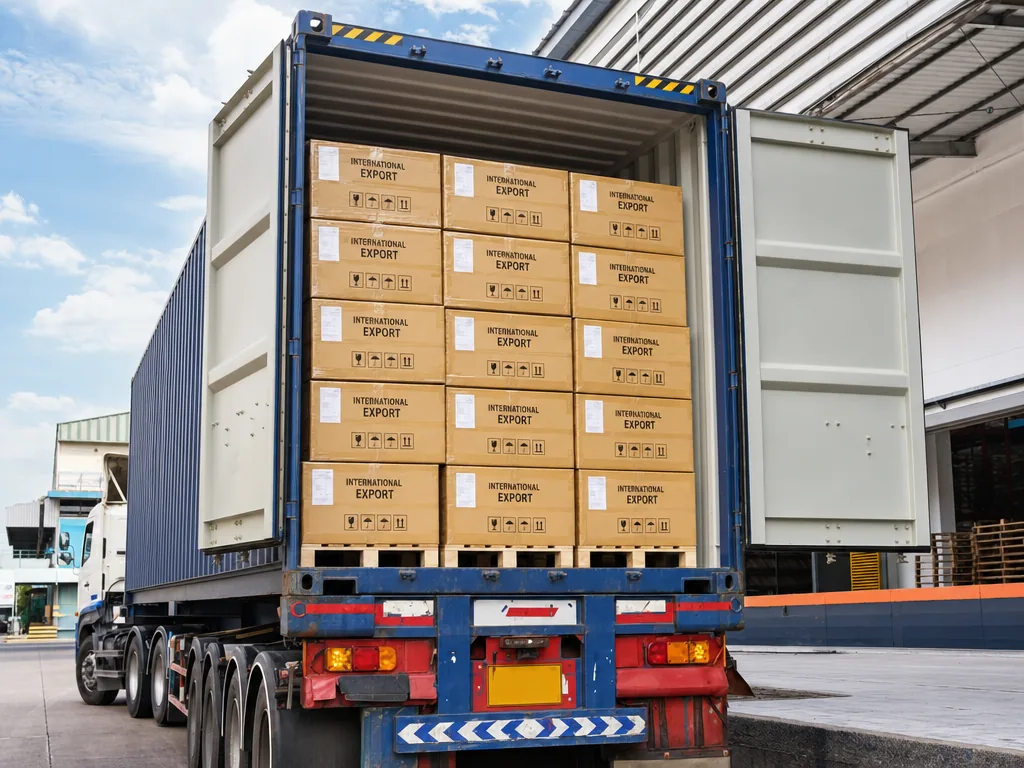
Bucket Hat Men: A Vertical-Specific Sourcing Guide (2026 Update) is one of the most-asked questions we receive from international buyers, and for good reason. With dozens of factories competing for your order and an alphabet soup of technical terms in every supplier quote, even experienced importers can feel lost. This guide consolidates what we have learned producing custom hats for clients in 40+ countries.
Baseball Hats Men's
Men’s baseball cap programs go wrong at the spec stage, not the embroidery stage. A factory can make a nice-looking sample from logo art alone, but bulk consistency depends on the bill of materials: shell fabric, front-panel support, visor board, sweatband, closure, and crown profile. For structured 6-panel caps, 60 to 80 gsm non-woven buckram is the workable band; under 60 gsm the front panel softens after carton compression, and over 80 gsm the crown feels stiff unless the visor is molded aggressively. Buyers should lock crown height in centimeters, visor length at 7.0 to 7.5 cm, top button size, sweatband composition such as 65/35 poly-cotton or Coolmax, and shell fabric by weight and construction, for example 260 gsm brushed cotton twill, 240 gsm chino twill, or 230 gsm recycled polyester. If those details are missing, the factory will substitute whatever is already on the line, usually visor board thickness, fuse weight, or stitch density. That is exactly why a supplier that handles washed cotton bucket hat men styles well may still miss the geometry and recovery required for fitted baseball caps.
The RFQ should also read like a production file, not a mood board. Call out Pantone TCX references for fabric and thread, Delta-E tolerance below 1.5 on the shell, closure type, seam allowance, and a real size chart. For fitted caps, list 1/8 sizes such as 6 7/8 through 7 5/8, with finished internal circumference tolerance at ±3 mm; anything looser causes retail fit claims. In East China and South China, 2026 FOB pricing is typically US$2.20 to $3.40 for basic cotton twill caps with flat embroidery on Tajima or Barudan heads, US$3.60 to $5.20 for wool-blend fitted styles, and US$4.80 to $7.50 when you add applique, high-density embroidery, printed seam tape, or branded interior taping. Inspection should be set at AQL 2.5 major and 4.0 minor, with inline checks for embroidery centering within 2 mm, visor symmetry, center-front seam flatness, closure pull strength, and finished size after steaming. The expensive failures are usually simple: twisted sweatbands, left-right visor mismatch, mislabeled size runs, and carton assortment errors that pass sewing QC but still trigger chargebacks.
Men's Bucket Hat
The expensive error in sourcing bucket hat men styles is treating the silhouette as forgiving. It is not. A sellable bucket depends on the relationship between crown depth, top diameter, brim width, stitch count, and sweatband tension; miss one and the hat rides too high, twists after washing, or collapses at the sidewall. Lock the pattern before the first proto: crown height 8.5-9.0 cm, top diameter 16.5-18.0 cm, brim width 5.0-6.0 cm, finished head circumference by size, and sweatband spec with width and seam placement. Fabric must be defined by composition, weight, and finish, not vague shorthand like “cotton.” The stable workhorses are 260 gsm brushed cotton twill, 240-280 gsm cotton canvas, 210 gsm nylon taslon, and 8 oz washed denim. If the bucket hat men program has to match tees, hoodies, or other headwear, issue Pantone TCX references and hold bulk shade variance to Delta-E 1.5 max under D65 lighting. Brim topstitching should usually land at 6-8 rows; fewer rows look cheap, while 9 or more on lighter fabrics often creates puckering and a wavy edge after pressing.
Execution is where simple-looking bucket hats go wrong. Standard construction is top crown, side band, upper brim, lower brim, and sweatband, with fusible interlining selected for recovery and hand feel rather than added blindly. Front branding needs real attention because the embroidery sits on a curved sidewall, not a flat cap front. On Tajima or Barudan machines, poor digitizing on curved panels causes satin columns to pinch, logos to arc, and the side band to dimple. For nylon bucket hat men styles, heat transfers or DTF can work, but press settings usually need to stay around 135-145C with controlled dwell time to avoid glazing and platen marks. In China, MOQ is commonly 300-500 pcs per colorway, though stock-fabric runs may open at 144 pcs. In 2026, a basic cotton bucket with flat embroidery typically lands around $2.10-$3.40 FOB Ningbo; reversible builds, washed fabrics, applique, or all-over print more often sit in the $3.80-$6.50 range. Inspection should focus on the defects buyers actually reject in hand: brim waviness, uneven circumference, logo distortion, seam roping, eyelet misalignment, and shade mismatch between brim layers. I would hold crown-to-brim seam tolerance to +/-0.3 cm, check shrinkage on washed programs, run a 24-hour salt-humidity test on metal eyelets, and inspect final packed pulls under a D65 light box because crown crushing in transit is a routine claim issue.
Baseball Hats for Men
Baseball caps are won or lost on shell specification, not logo size. Lock the build before asking for FOB numbers: 5-panel or 6-panel layout, crown profile, front-panel structure, visor curve, closure type, sweatband fiber content, and fabric weight. The commercial baseline is still a 6-panel structured cap in 100% cotton twill at 260-280 gsm, usually with buckram-backed front panels, a PE visor board around 1.8-2.0 mm, and a woven density near 108x56. Streetwear programs usually step up to 300 gsm brushed cotton, wool-blend melton, nylon taslon, or even 600D polyester because hand feel and shape retention change the cap more than decoration does. If you are buying fitted baseball caps, specify head circumference in centimeters and crown depth in millimeters; a 56 cm cap with a 165 mm crown does not fit like a 58 cm cap with a 175 mm rise, even if both are sold as M/L. For collections that also include bucket hat men styles, call out Pantone TCX references for dyed fabric, visor stitch count, eyelet finish, seam-tape color, and top-button material, and keep shade tolerance at Delta-E 1.5 or tighter so the assortment reads as one delivery rather than mixed production lots.
Most bulk problems show up in panel symmetry, visor geometry, and decoration registration. A 2 mm front-seam drift is enough to make a fitted cap look skewed on head, and weak visor molding becomes obvious after 30-40 days of container transit if the PE board is underspecified or stitch tension is uneven. Embroidery also has to be digitized for the shell fabric, not copied from another style: 3D puff that stands well on acrylic often tunnels on washed cotton, and lettering under 4 mm high or satin columns below 0.8 mm are common failure points. On Tajima or Barudan heads, a pre-production strike-off costs very little compared with reworking 500 pieces, especially when side embroidery crosses a panel seam or runs near an eyelet. Inspection should be set at AQL 2.5 with actual measurements on crown height within +/-0.5 cm, visor centerline, sweatband attachment, loose-thread count, needle damage on nylon, and closure corrosion after salt-spray testing. Compared with bucket hat men programs, baseball caps are much less forgiving: head fit is tighter, crown shape has to recover cleanly after packing, and decoration placement has to repeat from the first carton to the last.
Cost is driven more by material control and decoration complexity than by the cap shell itself. In China, a stock-fabric 6-panel baseball cap normally starts at 144-300 pieces per colorway, but custom-dyed shell fabric, woven labels, printed seam tape, branded internal taping, or fitted size runs push the real MOQ to 500-1,000 pieces. At 500 pieces, a basic cotton twill cap with standard flat embroidery usually lands around $2.10-$3.60 FOB Ningbo or Shanghai; a wool-blend fitted style with flat embroidery, woven patch application, custom inside branding, and size breaks is more realistically $4.20-$6.80 FOB. Buyers carrying baseball caps alongside bucket hat men assortments should standardize whatever can be shared across both silhouettes: shell fabric, sweatband color, woven main label, care label language, polybag warning print, carton marks, and Pantone approvals. That cuts dead stock, reduces lab-dip cycles, and makes replenishment easier. CrownsForge typically costs both categories side by side because bucket hat men styles tolerate softer shells and broader fit tolerance, while baseball caps demand tighter control over crown geometry, visor rebound, and embroidery placement.
Designer Bucket Hats
Designer programs in bucket hat men fail on hand feel, shape retention, and shade control long before anyone complains about the logo. For premium retail, the shell fabric is usually 8-12 oz cotton twill, 10-14 oz brushed canvas, 228T-320T nylon taslon, 8-10 oz washed denim, or a 40/60 poly-wool blend for colder delivery windows. The tech pack needs real construction data, not mood-board language: crown height, top-circle diameter, brim width at front and side, brim angle, stitch rows, seam allowance, sweatband width, and whether the brim uses 40-60 gsm fusible interlining or a stiffer nonwoven insert. If the style is garment washed or enzyme treated, lock shrinkage under 3% and require Pantone TCX shade approval with Delta-E below 1.5 across shell, lining, tape, and labels; otherwise the salesman sample and bulk production will not match. For side embroidery on curved panels, satin columns and controlled tatami fills run cleaner on Tajima, Barudan, or ZSK heads than on low-end machines, especially when the artwork lands near the brim break or crosses a side seam.
Most sampling mistakes come from vague sizing language. "One size fits most" is useless for bucket hat men unless the buyer states finished head circumference, crown depth, front and side brim length, sweatband width, eyelet diameter, top button size if applicable, and label placement in centimeters. If sizing is graded, write the rule directly—58 cm, 60 cm, 62 cm—because S/M/L means different things from one factory to the next. Trim choices also need to be frozen before sample round two since they change both cost and sewing sequence: metal eyelets versus embroidered eyelets, custom seam tape, woven main label, satin care label, drawcord, cord lock, detachable chin strap, or contrast lining. In 2026, MOQ is typically 300-500 pcs per colorway with stock fabric, but 800-1,200 pcs is more realistic once you add custom dyeing, bespoke jacquard labels, or branded hardware. FOB China pricing at 500 pcs is usually $2.80-$4.60 for a stock-twill hat with flat embroidery and $4.90-$7.50 for washed canvas with contrast lining and multi-position decoration. Inspect at AQL 2.5, but add measurable checkpoints for circumference tolerance of +/-0.5 cm, brim symmetry, stitch-row spacing, fusing adhesion, colorfastness, and post-wash logo distortion.
Cool Bucket Hats for Guys
Most bucket failures are pattern failures, not sewing defects. If you source bucket hat men styles as a generic cut-and-sew item, you get the usual problems: a brim that ripples after wash, a crown that sits too tall, and front branding that looks off-center even when the embroidery file is correct. I would lock the silhouette in millimeters before any decoration approval: crown height 85-95 mm, side-wall angle 98-103 degrees, brim width 55-70 mm, and 6-8 rows of brim topstitching at 5-6 mm pitch depending on stiffness target. Fabric choice has to match that geometry. For cleaner structure, 7-10 oz cotton twill, 8-12 oz washed canvas, and nylon taslon perform differently under wash and topstitch tension; a 30-50 gsm fused brim interlining usually gives enough body without making the brim boardy. Keep seam allowance at 7-10 mm, because excess bulk at the brim join is the main reason one side drops lower after binding.
The production order needs to protect symmetry. I’d finalize the sewing pattern on Juki single-needle and feed-off-the-arm machines first, then approve embroidery placement on Tajima or Barudan heads only after the side wall closes consistently. On a bucket, a 3 mm deviation at the side seam is enough to make a centered logo read visibly crooked, especially with small flat embroidery, woven patches, or satin-stitch lettering. Eyelets need the same discipline: if the punch lands too close to the seam allowance, the panel twists and the hat loses roundness. For RFQs, buyers should specify finished circumference by size break, shell and lining gsm, Pantone TCX, wash standard, eyelet type, decoration method, and packing ratio. In China, a basic cotton twill bucket with 5,000-7,000 stitches of flat embroidery usually lands around $2.10-$3.40 FOB at 1,000 pieces; washed canvas with inside taping, woven label, and metal eyelets is more like $3.80-$5.60 FOB. Inspect at AQL 2.5, hold finished circumference within +/-0.5 cm, and write shell shade tolerance at Delta-E 1.5-2.0 against the approved lab dip. If a factory cannot hold panel symmetry lot to lot, it is not ready for serious bucket hat men volume.
Funny Bucket Hats
Funny bucket hats fail on execution long before they fail on concept. In bucket hat men assortments, the body is usually simple: 100% cotton twill at 220-260 gsm, brushed chino around 240 gsm, or 75D-100D polyester when the artwork needs sublimation, fluorescent tones, or tight repeat registration. The non-negotiable step is freezing the silhouette before artwork approval. If crown height or brim width moves in bulk, the punchline graphic shifts with it and the sample no longer represents the production hat. A workable men’s spec is 8.5-9.0 cm crown height, 5.5-6.0 cm brim width, 58 cm finished circumference for the main size, and 6-8 rows of brim stitching at 3-4 mm pitch. For embroidery-driven novelty styles, keep front artwork in the 3,000-8,000 stitch range and avoid dense fill areas on soft unstructured panels; Tajima and Barudan heads can run it cleanly, but over-digitized files will pucker on light twill unless backing, underlay, and stitch density are tuned correctly.
The best tech pack for funny styles is brutally specific because most defects are predictable. Call out fabric composition, gsm tolerance of +/-5%, brim interlining weight, sweatband material, eyelet finish, seam tape color, panel-by-panel decoration method, and whether prints must align across the side seam. If the style is print-led, require Pantone TCX references, approved strike-offs, and a bulk shade tolerance of Delta-E below 2.0; if the joke depends on text, set a minimum character height and confirm legibility after heat pressing or wash testing. MOQ usually follows decoration complexity: 300-500 pcs per colorway for basic embroidery, 500-1,000 pcs for cut-and-sew all-over print, and more once you add woven labels, custom lining, or branded inside taping. In Yiwu, a cotton twill funny bucket with one embroidery position commonly lands around $2.10-$3.40 FOB at 500 pcs, while an all-over print version with woven label and inside taping is closer to $3.20-$5.20 FOB. At final inspection, run AQL 2.5 and hold circumference to +/-0.5 cm, brim width to +/-0.3 cm, and embroidery placement within 3 mm; the repeat failures are side-seam print misregistration, brim waviness, needle cuts around dense fills, and crown distortion after pressing.
Working with CrownsForge for bucket hat men programs
The fastest way to de-risk a bucket hat men program is to freeze the sample route before price talks get noisy. A realistic calendar is 5-7 days for a first proto in stock 240 gsm cotton twill or brushed chino, 7-12 days if fabric must be lab-dipped to a Pantone TCX target, and 12-15 days when the build includes custom woven labels, molded rubber patches, branded eyelets, or plated metal toggles. MOQ should follow construction, not a sales script: a standard men’s bucket hat in stock fabric can often open at 144-300 pcs per colorway, but reversible bodies, reactive prints, all-over embroidery, or contrast under-brim programs usually need 500-1,000 pcs to absorb extra cutting loss and labor minutes. Buyers who benchmark against baseball cap programs usually miss the real cost drivers here: crown depth tolerance, brim width consistency, and stitch rows per brim directly affect operator time, reject rate, and finished shape after washing.
Decoration is where a lot of bucket hat men orders go wrong, because the side wall is less forgiving than a front cap panel. On Tajima or Barudan flat embroidery, 8,000-12,000 stitches per location is usually the safe range on medium-weight twill; beyond that, thread build-up can torque the panel unless backing weight, hoop tension, and underlay are adjusted correctly. For fashion-led programs, applique, woven patch tack-down, high-density satin, or screen print on cut panels usually gives a cleaner result than forcing oversized direct embroidery, while sublimation only makes sense on polyester microfiber, not cotton. Sizing also needs to be specified differently from fitted caps: bucket hat men programs are normally controlled by finished circumference and crown height, with commercial size breaks at 58 cm, 60 cm, and 62 cm, and a wash tolerance of +/-0.5 cm. On the control side, serious factories build the PO around a locked tech pack, TOP approval, inline checks, and final inspection at AQL 2.5, with checkpoints on brim symmetry, SPI consistency, embroidery placement tolerance, carton ratio, and shade variation kept within an agreed Delta-E threshold.
Frequently Asked Questions
Can I order a sample before bulk production?
Yes. We strongly recommend approving a pre-production sample before mass production. Samples are charged at 35 to 60 USD each plus express shipping, fully refundable against confirmed bulk orders over 500 pieces.
Do you support sustainability certifications?
Yes. We work with GOTS organic cotton, GRS-certified recycled polyester, OEKO-TEX Standard 100 fabrics, and are BSCI and Sedex audited. Certification documentation can be provided per order.
What logo decoration techniques do you offer?
3D puff embroidery, flat embroidery, woven patch, leather patch, PVC patch, screen printing, sublimation, applique and laser etching, all in-house with no subcontracting.
What file format should I send for my logo?
Vector files (AI, EPS, PDF) are ideal. High-resolution PNG or JPG at 300 dpi on transparent background works as a fallback. Provide Pantone color references for accurate reproduction.
What is the minimum order quantity (MOQ) for custom hats?
Our standard MOQ is 100 pieces per design and color, with sampling available from 1 piece. For complex multi-color logos or premium fabric upgrades, the MOQ can be lowered with a small per-piece surcharge.
How does ordering baseball cap embroidered custom work?
When evaluating baseball cap embroidered custom, the key considerations are construction quality, decoration capability, MOQ flexibility and lead time. Cover everything buyers ask about baseball hats men's: how it's manufactured, what specs to request from a factory, typical MOQ and pricing, common quality issues to inspect for, and how this ties back to the broader bucket hat men sourcing decision. Cover everything buyers ask about baseball hats for men: how it's manufactured, what specs to request from a factory, typical…
How does ordering custom embroidered hats near me work?
When evaluating custom embroidered hats near me, the key considerations are construction quality, decoration capability, MOQ flexibility and lead time. Cover everything buyers ask about baseball hats men's: how it's manufactured, what specs to request from a factory, typical MOQ and pricing, common quality issues to inspect for, and how this ties back to the broader bucket hat men sourcing decision. Cover everything buyers ask about baseball hats for men: how it's manufactured, what specs to request from a factory, typical…
How does ordering custom baseball hats with logo work?
When evaluating custom baseball hats with logo, the key considerations are construction quality, decoration capability, MOQ flexibility and lead time. Cover everything buyers ask about baseball hats men's: how it's manufactured, what specs to request from a factory, typical MOQ and pricing, common quality issues to inspect for, and how this ties back to the broader bucket hat men sourcing decision. Cover everything buyers ask about baseball hats for men: how it's manufactured, what specs to request from a factory, typical…
What's the MOQ for custom embroidered baseball caps no minimum?
When evaluating custom embroidered baseball caps no minimum, the key considerations are construction quality, decoration capability, MOQ flexibility and lead time. Cover everything buyers ask about baseball hats men's: how it's manufactured, what specs to request from a factory, typical MOQ and pricing, common quality issues to inspect for, and how this ties back to the broader bucket hat men sourcing decision. Cover everything buyers ask about baseball hats for men: how it's manufactured, what specs to request from a factory, typical…
Can a 50 year old wear a bucket hat?
Style Has No Age Limit Wearing a bucket hat at 40, 50, or 60+ isn't “trying too hard.” It's knowing what works and making it your own. The trick is to find a style that fits your vibe: Keep it classy with neutral tones or subtle embroidery. Add character with a monogram, your business logo, or a personal design.
How should a man wear a bucket hat?
You can pair a bucket hat with casual clothing such as shorts, T-shirts, and sneakers for a relaxed, laid-back look. They also look great with a pair of chinos or jeans and a button-up shirt for a more dressed-up appearance. Some men even wear them with a suit to add a playful twist to their formal attire.
What hat should a 60 year old man wear?
Q: Which iconic hat styles are perfect for the discerning senior man? A: The Fedora, Panama Hat, Trilby, Newsboy Cap, Homburg, and Bowler are all classic hat styles that offer elegance, versatility, and a touch of individuality.
What hats are Gen Z wearing?
Bucket Hats in Bold Prints : These are a hit with both Gen Z and their younger siblings.
Ready to start your custom hat project?
Send us your tech-pack, sketch or even just an inspiration photo. We will respond with a detailed quotation and digital mock-up within 24 hours.
Request a free quoteRelated guides
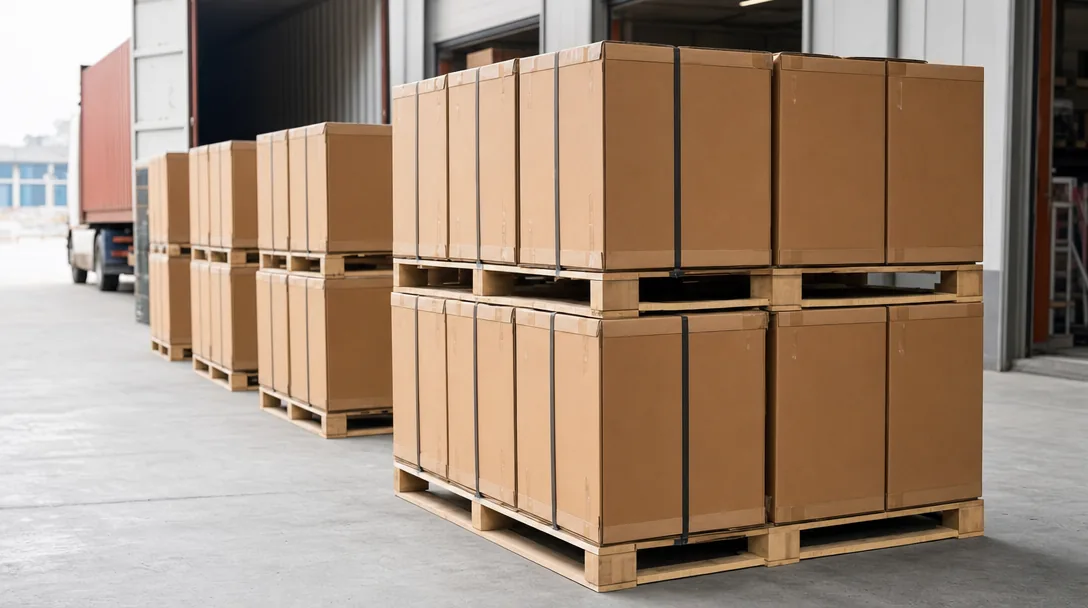
First Custom Hat Order: 10 Mistakes That Cost First-Time Buyers Money
Read article →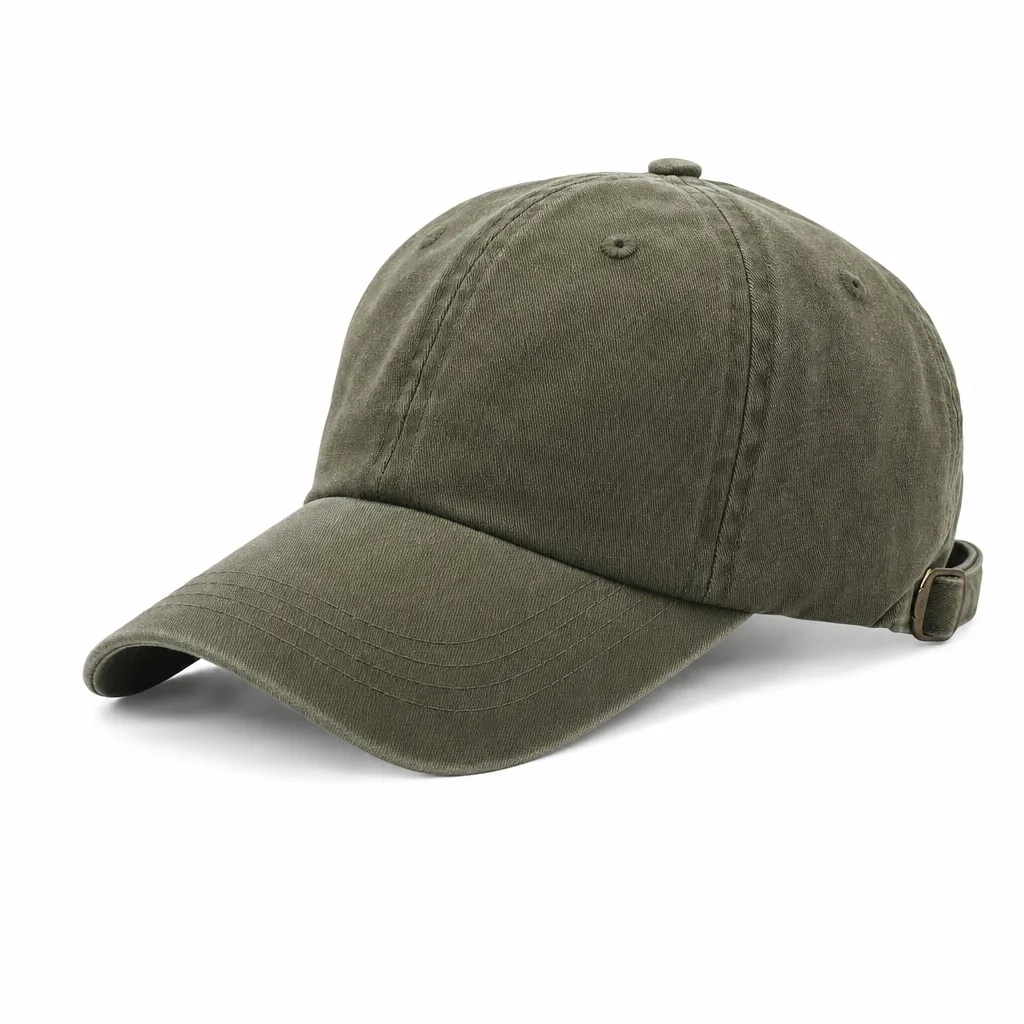
Buckram vs Foam vs Unstructured: Cap Crown Construction Compared
Read article →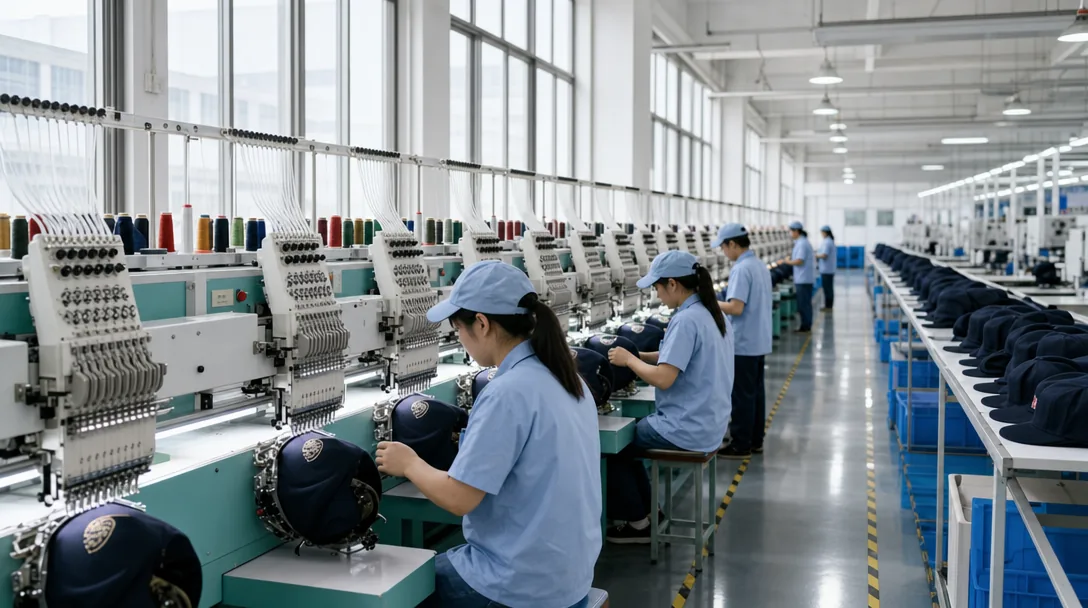
Country Hats For Men Export Shipping Checklist for Custom Hat Buyers
Read article →We hope this guide demystifies bucket hat men: a vertical-specific sourcing guide (2026 update) and helps you move forward with confidence. If you have questions specific to your project, our English-speaking sales engineers are one message away.