
Bucket Hat Corduroy Sample Approval Process for Custom Hat Buyers - Cost & MOQ Breakdown
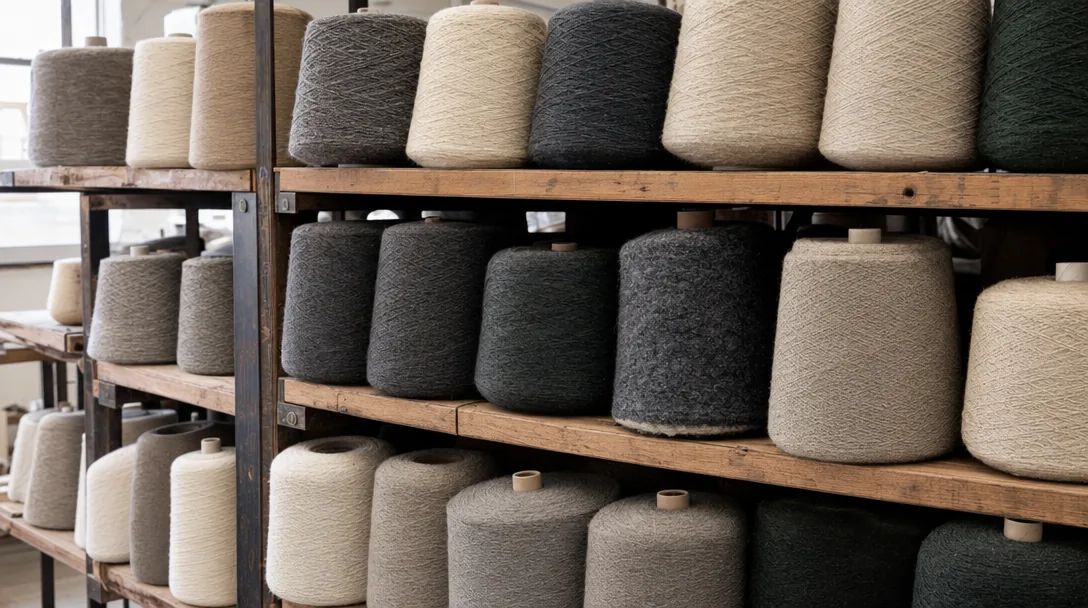
Every week, our sales team answers detailed questions about bucket hat corduroy sample approval process for custom hat buyers - cost & moq breakdown. We wrote this guide so that wholesalers, streetwear brands, corporate buyers and promotional resellers can compare options with full information, and avoid the traps that show up only after production has started.
Why bucket hat corduroy sample approval process needs a separate sourcing plan
The bucket hat corduroy sample approval process needs its own sourcing plan because corduroy is not just a surface finish on a standard bucket. Wale count, pile height, and fiber blend change how the crown holds its dome, how the brim recovers after packing, and whether the ribs crush under steam or carton pressure. An 8-wale cotton corduroy at 280 to 320 gsm behaves very differently from an 11-wale poly-cotton at the same nominal weight, especially once you add interfacing and a sweatband. The usual sample defects are not subtle: 5 to 8 mm crown-depth drift, seam puckering along the wale, and a brim that collapses because the underlay was specified for twill instead of pile fabric. In the bucket hat corduroy sample approval process, those are sourcing variables, not sewing noise, because they affect silhouette, hand feel, and color stability against a target like Pantone TCX 18-0935 TPX.
Fabric has to be locked before cutting, or the sample round turns into guesswork. Mill-dyed corduroy usually needs lab dips, shade bands, shrinkage testing after steam press, and a pile-direction check before the cutter touches it; otherwise the same pattern can produce different light reflection and size behavior from one lot to the next. A simple prototype often lands in the $35 to $80 range, but that assumes stock fabric, standard cotton twill sweatband, and no contrast topstitching. Add a self-fabric sweatband, woven label changes, binding, or extra needle operations, and the cost rises fast because every trim change adds setup and rework risk. If the fabric is already on hand, a first sample can move in 5 to 7 days; if the buyer needs a fresh dye lot or a new mill, 12 to 18 days is the realistic window. That is why the bucket hat corduroy sample approval process has to name the mill, finish, color standard, and shrinkage target up front instead of treating the sewing factory as the only decision point.
Compliance and repeatability belong in the first approval round, not after the sample looks right. For export programs, buyers should confirm whether the corduroy is BCI, organic, or OEKO-TEX Standard 100, whether trims can provide GRS or recycled-content paperwork, and whether bulk quality will be held at AQL 2.5 for shade, stitch density, and dimensional tolerance. The controls are basic but non-negotiable: freeze the approved fabric lot, record the stitch map, sign off thread shade against a physical swatch, and keep label artwork, sweatband spec, and brim underlay unchanged after pilot cutting. Our standard practice is to archive the approved sample against the bulk lot so there is a physical reference for brim stiffness, pile crush recovery, and thread Delta-E after production starts. The point of the bucket hat corduroy sample approval process is not to make one good-looking sample. It is to prove the same shade, hand feel, and construction can be repeated at scale without a hidden change in fabric, trim, or build.
Factory capability checks before quoting
Before any buyer sends a brief for a bucket hat corduroy sample approval process, we run a hard capability check across four areas: embroidery digitizing, fabric sourcing, panel construction, and closure compatibility. On the embroidery side, we verify whether the design requires a 9-color or 12-color Tajima head — anything above 12 colors forces a split-run, which adds 3–5 days to the sample timeline. For patches, we check if the buyer wants woven labels, PVC molds, or heat-transfer patches; each requires a different digitizing file and stitch count. If the design includes a corduroy bucket hat with a front patch, we test the fabric nap direction first — stitching against the wale can cause thread breaks or puckering, which we flag before quoting.
Fabric and panel construction are the next gate. A standard 100% cotton corduroy bucket hat uses 8-wale or 14-wale fabric at 260–300 gsm, but if the buyer requests an organic cotton hat, we confirm the GOTS-certified supplier lead time (typically 14–18 weeks for small lots under 500 yards). We also test the panel layout: a 6-panel bucket hat requires less fabric waste than a 4-panel, but the 4-panel gives a cleaner crown curve. For closure options, we check whether the buyer wants a plastic snapback, metal buckle, or elastic drawcord — each affects the sewing sequence and the number of workstations needed. A corduroy hat brown with a leather patch requires a different sewing needle (size 16 vs 14) to avoid tearing the fabric at the seam.
Sample room capability and audit readiness are non-negotiable. Our sample room runs two shifts: one for digitizing and one for sewing, with a typical turnaround of 7–10 working days for a first proto. We verify that the buyer’s AQL level (2.5 or 4.0) is compatible with our internal inspection process — we use a 4-point system for fabric defects and a 1.0 critical defect tolerance for embroidery. On the audit side, we check whether the buyer requires sedex-audit-cap-supplier-guide.html">BSCI 2.0 or Sedex SMETA 4-Pillar; if they do, we pull the latest audit report (valid for 12 months) and confirm that the factory floor layout matches the audit documentation. Communication checks are the final step: we confirm the buyer’s preferred file format (AI, PDF, or DST) and whether they need a pre-production sample photo before shipping the physical sample. Without these checks, the bucket hat corduroy sample approval process can stall at the first stitch.
MOQ, pricing and sample approval
The bucket hat corduroy sample approval process should lock the Pre-Production Sample, trim card, and packaging spec before bulk fabric is cut. A proper PPS is checked against the tech pack for crown depth, brim width, seam allowance, sweatband width, stitch density, and label placement, then compared with the approved strike-off for wale count, rib direction, and color under D65 light. If the brim is off by 3 to 5 mm, that is not a small miss; it usually points to a cutter template error or a binding allowance problem, and that error repeats across every panel in the lot. The buyer should approve fabric, trims, and artwork as one package, not as separate sign-offs, because split approvals are where late revision requests appear and the margin gets eaten by re-cutting and relabeling.
MOQ is usually 300 to 500 pieces for a custom corduroy bucket hat, with lower pricing only when the mill already has matching 21-wale or 11-wale corduroy in stock. A realistic sample cost is USD 35 to 80 per style for a simple PPS, or USD 90 to 150 when custom dyeing, woven labels, and branded sweat tapes are involved; courier adds another USD 25 to 60 depending on lane. Bulk lead time is typically 20 to 35 days if fabric is on hand, but add 2 to 4 weeks when the mill must spin, dye, or brush the cloth to hit a specific hand feel or Pantone TCX target. Small orders under 500 pieces are the least forgiving, because setup cost gets spread thin and any late change in thread color or label size is immediately visible in the unit price.
For approval, the cleanest programs tie the PPS to an inspection standard before PO release: AQL 2.5 for major defects and AQL 4.0 for minor defects is common, with seam slippage, crooked topstitching, and panel shade banding treated as major issues on corduroy. Packaging should be frozen at the same time as the garment, including polybag warnings, carton marks, hangtag copy, and whether the trim package uses cotton twill or recycled PET. CrownsForge’s standard practice is to hold bulk fabric release until the buyer signs one approval set that includes the PPS photos, fabric swatch, trim card, and packaging artwork, because changing any of those after cutting starts usually means extra labor, wasted panels, and avoidable schedule drift.
Quality inspection and shipping risk
A serious bucket hat corduroy sample approval process starts with the production spec, not a mood board. Lock crown height, brim width, seam allowance, panel symmetry, stitch density, sweatband width, and eyelet placement before anybody touches finish. For corduroy, I would inspect the pre-production sample to AQL 2.5 with separate critical, major, and minor defect limits, then check a 60-piece pilot run if the style is going straight into bulk. Real tolerances are usually +/-0.5 cm on head circumference, +/-0.3 cm on brim width, and no more than 2 mm of side-seam mismatch. Pile direction matters as much as dimensions: if the wale runs unevenly, the same color reads differently under warehouse LEDs. The bucket hat corduroy sample approval process should be judged at 1 meter under D65 light, with the brim edge, crown top, and sweatband checked for waviness, puckering, and panel drift.
Color control is where approvals usually fail. A corduroy sample should be signed off against a physical Pantone TCX chip or lab dip, not a screen image, and reorder lots should stay within Delta-E 2.0 if the buyer wants repeatability across dye batches. For garment-dyed or washed corduroy, record dry and wet crocking on the approval sheet, plus wash fastness after 3 and 5 cycles if the fabric will be laundered or garment-washed. Embroidery needs the same discipline: a Tajima or Barudan head can over-compress the wale, so the file should capture needle count, backing type, pull compensation, satin-stitch width, and the exact thread brand. If the logo is too tight, it may look clean on the sample and distort after 20 to 30 wash cycles. The approval pack should include close-up photos, a measurement sheet, and placement coordinates, not a simple yes/no signoff.
Shipping risk is usually document drift and packing mistakes. Cartons need the style code, color, size ratio, carton count, gross and net weight, and country of origin to match the commercial invoice and packing list exactly; one mismatch can trigger a forwarder amendment or a customs hold. FOB makes sense when the buyer already controls the destination lane and can manage freight, insurance, and destination charges. DDP is better for smaller programs that need a fixed landed number, but it only works if the carton data, HS code, and declared value are clean. Our standard practice is to attach the final approval photos, measurement sheet, fabric composition, thread references, and inspection notes to the order file so the reorder does not depend on memory. That matters on mixed sewing days, because a corduroy bucket hat and an organic cotton style can share operators and machines, but they should never share assumptions once bulk starts moving into cartons and freight booking.
Buyer checklist for the next RFQ
The fastest way to get a usable quote is to send a complete RFQ package, not a one-line inquiry. For the bucket hat corduroy sample approval process, lock the style code, crown depth, brim width, panel count, lining, sweatband, closure, and wash treatment before asking for pricing. A 320 gsm 16-wale cotton corduroy bucket hat does not price like a 250 gsm cotton twill version: corduroy needs cleaner cutting, stricter wale alignment, and usually a slower sewing line because crushed pile and panel mismatch show up immediately. State intended use too, whether retail, promo, or teamwear, plus target FOB port, annual volume, and whether you need recycled polyester lining or self-fabric sweatband. A buyer who sends only a sketch gets a wide spread; a buyer who sends measurements, target quantities, and a sales channel gets a quote that survives sampling.
Your file set should include front, side, back, and inside photos of a reference hat, plus one flat lay with a ruler in frame. Add a dimension sheet with exact brim width, crown height, seam allowance, top-stitch spacing, eyelet count, sweatband width, and label placement; for corduroy, also state wale direction and the Pantone TCX target for embroidery thread, woven label yarn, or patch border. If embroidery is involved, send vector art in AI, EPS, or PDF and specify minimum stitch height and line width, because text that looks fine on screen can fail on Tajima, Barudan, or ZSK heads once it drops below 4 mm. For patches, say whether you want woven, felt, PU, or TPU, and define the acceptable Delta-E, usually under 2.0 for brand-critical color matching under D65 daylight. That is what cuts sample revisions from three rounds to one or two.
Cost and MOQ only mean something after the factory knows the construction. A simple unlined corduroy bucket hat with one-color flat embroidery usually samples at USD 35 to 60 and lands around 300 to 500 pcs MOQ, while a lined version with custom wash, woven label set, and metal eyelets can run USD 70 to 120 for the first sample if a new pattern block is needed. The clean RFQ should also state quantity tiers, target delivery window, packaging method, destination country, and audit requirements such as BSCI 2.0 or Sedex SMETA 4-Pillar, because those change labor cost, carton spec, and inspection burden. Include the approval path as well: sample comment deadline, required photo angles, and whether pre-production approval is mandatory before bulk cutting. Without that, the bucket hat corduroy sample approval process turns into guesswork, and the price gets padded to cover it.
Working with CrownsForge
The bucket hat corduroy sample approval process only works when fabric, decoration, and measurements are frozen before the first stitch. Corduroy is unforgiving: a 7-wale, 100% cotton body, a 16-wale poly-cotton, and a 2% spandex blend all behave differently after cutting, steaming, and topstitching, and wale direction changes how a logo reads across the crown and brim. The tech pack needs Pantone TCX targets, vector art, crown height, brim width, seam allowance, stitch count, and a shrinkage allowance up front. If the buyer wants enzyme-washed fabric, garment-dyed fabric, or organic cotton, the mill source has to be locked before sampling; otherwise a 3% to 5% wash shrinkage or a shade shift above Delta-E 2.0 can make the approved sample useless as a production reference.
Embroidery is where most approvals go wrong. On corduroy, the nap hides detail, so stitch density, underlay, pull compensation, and placement near seam intersections matter more than the mockup. A Tajima, Barudan, or ZSK head will show whether the logo needs heavier underlay or a different fill direction; a flat render will not. For a clean sample, dense logos usually need 3.8 to 4.5 mm satin columns, 0.4 to 0.6 mm underlay, and a test run on the exact fabric, not a substitute. Dark-on-dark combinations should be checked under D65 light and photographed with a color target, not approved from a phone image. The first round should be a decorated proto, followed by one corrected pre-production sample if the handfeel, edge quality, or panel alignment needs tightening.
QC belongs inside the sample package, not after somebody likes a photo. In the bucket hat corduroy sample approval process, we check crown depth, brim width, topstitch spacing, sweatband width, and trim placement against the spec with a steel ruler, template, and tolerance sheet before releasing bulk. CrownsForge quotes sampling separately because digitizing, courier charges, and specialty fabric sourcing are real costs; typical sample fees run USD 35 to 120 per style, and a second revision usually adds USD 15 to 40 plus shipping. Production MOQ is usually 100 to 300 pieces, depending on wale count, fabric availability, and decoration complexity. If the order will move FOB or DDP, carton marks, packing ratio, and invoice data should be fixed at sample stage so export paperwork does not become the last item blocking shipment.
Frequently Asked Questions
How long does production take?
Sampling takes 7 to 12 days. Bulk production runs 20 to 30 days depending on quantity, fabric availability and decoration complexity. Inspection and packing adds another 3 to 5 days before shipment.
Do you support sustainability certifications?
Yes. We work with GOTS organic cotton, GRS-certified recycled polyester, OEKO-TEX Standard 100 fabrics, and are BSCI and Sedex audited. Certification documentation can be provided per order.
What file format should I send for my logo?
Vector files (AI, EPS, PDF) are ideal. High-resolution PNG or JPG at 300 dpi on transparent background works as a fallback. Provide Pantone color references for accurate reproduction.
What is the minimum order quantity (MOQ) for custom hats?
Our standard MOQ is 100 pieces per design and color, with sampling available from 1 piece. For complex multi-color logos or premium fabric upgrades, the MOQ can be lowered with a small per-piece surcharge.
Can I order a sample before bulk production?
Yes. We strongly recommend approving a pre-production sample before mass production. Samples are charged at 35 to 60 USD each plus express shipping, fully refundable against confirmed bulk orders over 500 pieces.
What should buyers know about organic cotton bucket hat?
When evaluating organic cotton bucket hat, the key considerations are construction quality, decoration capability, MOQ flexibility and lead time. Explain the buyer intent behind bucket hat corduroy sample approval process, when it differs from generic hat sourcing, and what decisions affect cost, lead time and compliance. Describe how CrownsForge manages bucket hat corduroy sample approval process programs with sampling, decoration, QC and export coordination.
What should buyers know about brown corduroy bucket hat?
When evaluating brown corduroy bucket hat, the key considerations are construction quality, decoration capability, MOQ flexibility and lead time. Explain the buyer intent behind bucket hat corduroy sample approval process, when it differs from generic hat sourcing, and what decisions affect cost, lead time and compliance. Describe how CrownsForge manages bucket hat corduroy sample approval process programs with sampling, decoration, QC and export coordination.
What should buyers know about bucket hat men nike?
When evaluating bucket hat men nike, the key considerations are construction quality, decoration capability, MOQ flexibility and lead time. Explain the buyer intent behind bucket hat corduroy sample approval process, when it differs from generic hat sourcing, and what decisions affect cost, lead time and compliance. Describe how CrownsForge manages bucket hat corduroy sample approval process programs with sampling, decoration, QC and export coordination.
What should buyers know about acrylic beanie hat?
When evaluating acrylic beanie hat, the key considerations are construction quality, decoration capability, MOQ flexibility and lead time. Explain the buyer intent behind bucket hat corduroy sample approval process, when it differs from generic hat sourcing, and what decisions affect cost, lead time and compliance. Describe how CrownsForge manages bucket hat corduroy sample approval process programs with sampling, decoration, QC and export coordination.
How many yards of yarn does it take to make a bucket hat?
Final Thoughts. If you just wanted the quick answer, here it is one more time: most adult knitted hats use 150 to 250 yards, while baby and child hats use less. The exact amount depends on size, yarn weight, and style — but with a good yardage estimate, you can shop more confidently and cast on with far less guesswork.
How many yards of fabric for a bucket hat?
Gather these supplies before you start sewing the bucket hat: free pattern. ½ yard of Outer fabric. ½ yard of Lining fabric.
What is the best fabric for bucket hats?
Cotton can be perfect for keeping cool in the summer, while nylon is great for its durability ; which fabric works for you is simply dependent on your style and needs. For more on the versatility of these materials, check out our deep dive of bucket hats.
Can bucket hats be formal?
The bucket hat originated from outdoor and fishing culture, but it has evolved into a versatile fashion statement for both men and women. Its adaptability allows it to complement casual, formal, and trendy looks, making it a timeless accessory.
Looking for a reliable hat manufacturer in China?
CrownsForge has produced custom hats for 800+ brands across 40 countries. From 100-piece launches to 100,000-piece retail programs, we deliver on time and on spec.
Get in touchRelated guides
Custom Leather Patch Hat Low Minimum: A 2026 B2B Sourcing Guide
Read article →Mens Beanies: Properties, Costs and How to Spec It Right
Read article →
Bulk Trucker Hats Export Shipping Checklist for Custom Hat Buyers - Cost & MOQ Breakdown - Supplier Checklist
Read article →We hope this guide demystifies bucket hat corduroy sample approval process for custom hat buyers - cost & moq breakdown and helps you move forward with confidence. If you have questions specific to your project, our English-speaking sales engineers are one message away.