
Bucket Hat Corduroy Export Shipping Checklist for Custom Hat Buyers
Bucket Hat Corduroy Export Shipping Checklist for Custom Hat Buyers is one of the most-asked questions we receive from international buyers, and for good reason. With dozens of factories competing for your order and an alphabet soup of technical terms in every supplier quote, even experienced importers can feel lost. This guide consolidates what we have learned producing custom hats for clients in 40+ countries.
Why bucket hat corduroy export shipping checklist needs a separate sourcing plan
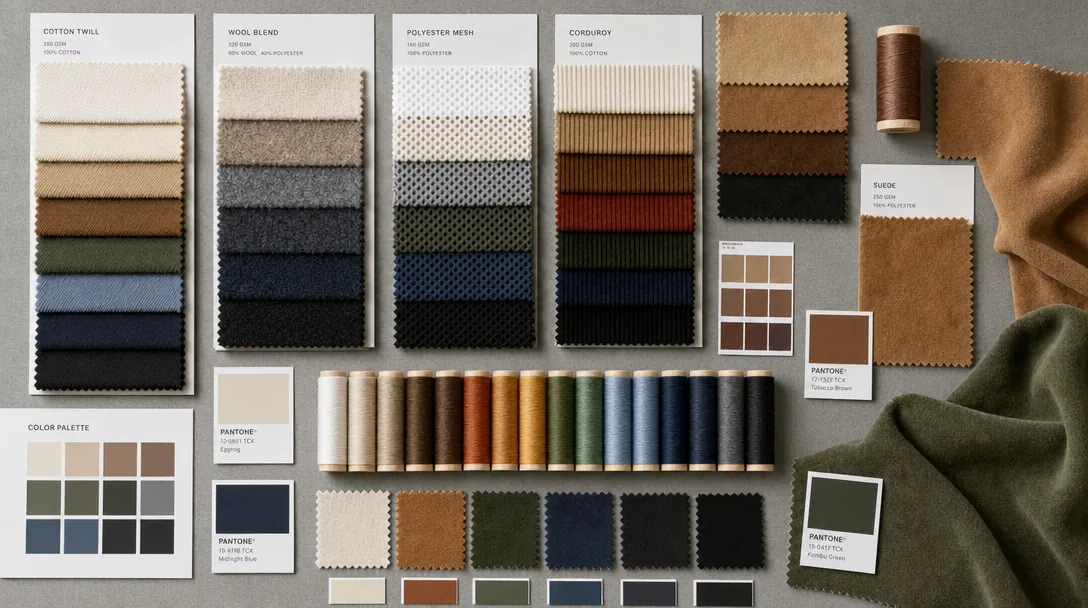
A buyer searching for a bucket hat corduroy export shipping checklist is usually past the mood-board stage and trying to prevent three expensive failures: fabric arriving out of spec, cartons getting delayed at export, and landed cost moving after the PO is signed. Corduroy is not a generic cap fabric. A 16-wale cotton corduroy at 260–300 gsm behaves very differently from 8-wale at 330 gsm, especially after panel cutting, washing, and brim stitching. If the buyer wants a corduroy hat brown in Pantone 19-1118 TCX or 18-0930 TCX, we normally approve lab dips under D65 light and set Delta-E under 1.5 before bulk dyeing. That one decision can add 5–7 days, but skipping it is how brown turns reddish under retail lighting. Compared with nylon bucket hats or brushed cotton twill caps, corduroy also needs stricter pile direction control, otherwise the crown panels look like two different shades after assembly.
The sourcing plan changes again when the order mixes styles, for example a corduroy bucket hat, an organic cotton hat, and cotton beanie men in one shipment. Buyers often think combined shipping saves money automatically, but mixed HS codes, fiber declarations, carton cube, and inspection timing can erase the savings. A 500-piece bucket hat corduroy order may ship in 8–10 cartons at roughly 55 x 45 x 38 cm, while beanies compress better and use different polybag and moisture-control rules. For FOB Ningbo or Shanghai, export docs are usually straightforward: commercial invoice, packing list, contract, customs declaration, and sometimes fumigation-free pallet statement. For DDP to the U.S. or EU, the checklist must include importer-of-record responsibility, tariff classification, product labeling, and courier versus sea freight cost modeling. Air freight might be $5.50–$8.00/kg chargeable, while LCL sea freight is cheaper but can add 25–35 days door to door.
Cost, lead time, and compliance are locked in much earlier than most first-time buyers expect. If embroidery is included, a 3D puff logo on corduroy needs lower stitch density than twill because heavy satin columns crush the pile; on Tajima or Barudan heads, we often test with 75/11 needles and tearaway backing before confirming the digitizing. Compliance also cannot be added at the loading dock. For retail or licensed programs, the factory file should include sedex-audit-cap-supplier-guide.html">BSCI 2.0 or Sedex SMETA 4-Pillar audit status, azo-free dye confirmation, nickel-free trims when metal eyelets are used, and carton drop-test results if the shipment goes through e-commerce fulfillment. Our standard practice at CrownsForge is to tie the bucket hat corduroy export shipping checklist to the pre-production sample approval, not the final inspection, because AQL 2.5 inspection only catches visible defects; it does not fix a wrong fiber label, missing country-of-origin mark, or carton dimension that pushes the shipment into a higher freight bracket.
Factory capability checks before quoting
Capability checks should happen before price negotiation, not after the first sample fails. For a bucket hat corduroy order, ask the factory which embroidery systems they run and how many heads are actually available for your line: Tajima, Barudan, and ZSK machines all handle corduroy differently because the wale height can bury small satin stitches. I reject artwork under 1.2 mm stitch width on 14-wale corduroy unless the logo is digitized with underlay compensation and a pull test on the exact fabric. For patches, confirm whether they can do merrowed woven labels, laser-cut felt, rubber PVC, leather debossing, and heat-transfer badges in-house or through a subcontractor. A real sample room should quote digitizing separately, usually US$25–60 per logo, and show thread cards such as Madeira or Gunold with Pantone TCX matching targets and Delta-E tolerance under 2.0 for critical brand colors.
Fabric capability is the second filter in a bucket hat corduroy export shipping checklist because corduroy defects become visible after pressing and packing. Ask for wale count, weight, shrinkage, and backing data: common options are 8-wale wide cord at 260–320 gsm, 11-wale mid cord at 230–280 gsm, and 14-wale pinwale at 200–240 gsm. If you are developing an organic cotton hat, request GOTS or OCS transaction certificates, not just a hangtag claim from the fabric mill. For a corduroy hat brown program, I would insist on lab dips under D65 and TL84 light sources because brown, camel, and rust shades shift badly between cotton corduroy and polyester thread. Panel construction also matters: a clean corduroy bucket hat normally uses 4-panel or 6-panel crowns, bias-cut brim binding, fused inner brim, and seam allowances of 6–8 mm to prevent puckering along the wale direction.
Audit readiness and communication discipline tell you whether the factory can survive export pressure. Before quoting, request current BSCI 2.0, Sedex SMETA 4-Pillar, or ISO 9001 records, plus a recent AQL 2.5 inspection report for headwear; if they refuse all documents until deposit, treat that as a risk signal. Our standard practice at CrownsForge is to confirm closure and fit options during the capability stage, even for bucket hats: fixed size, elastic sweatband, drawcord with stopper, chin cord, snap button side brim, and metal eyelets all change labor minutes and carton CBM. Do not let the supplier answer only in pretty mockups. Ask who owns the tech pack, who checks pre-production samples, who approves carton marks, and how fast they respond across Yiwu time. A supplier that confuses cotton beanie men sizing with bucket hat grading is not ready for a serious bucket hat corduroy export shipping checklist.
MOQ, pricing and sample approval
MOQ is where most custom buyers misread corduroy bucket hat pricing: the fabric is not expensive by itself, but cutting loss, wale direction control, and small-batch dyeing make low quantities inefficient. For a standard bucket hat corduroy program, I normally quote 300 pcs/color as the workable floor for stock 8-wale or 11-wale cotton corduroy, 500 pcs/color if you need custom dyed Pantone TCX, and 1,000 pcs/color for organic cotton hat certification paperwork or GOTS chain-of-custody requests. A plain corduroy hat brown using stock fabric may land around USD 3.20–4.80 FOB Ningbo at 500 pcs, while embroidered or washed styles usually sit at USD 4.60–6.80 depending on lining, brim stitch rows, and label package. Buyers comparing this to cotton beanie men pricing often forget that a bucket hat has more panels, brim binding, and shape tolerance work.
Decoration setup should be locked before the purchase order, not negotiated after sampling. Flat embroidery on Tajima or Barudan heads usually carries a USD 35–60 digitizing fee per logo, while 3D puff is risky on corduroy because the ribs can distort edges unless stitch density is held around 0.38–0.45 mm with underlay adjusted by wale direction. Woven labels cost about USD 45–90 for mold/setup, metal buckles or custom snap trims can run USD 80–150, and a private polybag with suffocation warning is usually USD 0.04–0.08 per piece. For Pantone matching, use TCX for fabric and C/U for print or embroidery thread; a realistic lab dip tolerance is Delta-E under 1.5 for dark browns and under 2.0 for washed colors, because garment washing shifts corduroy shade noticeably.
PPS approval is the control point in a bucket hat corduroy export shipping checklist because it freezes the size spec, crown depth, brim width, stitch count, trims, packaging, carton marks, and barcode placement before bulk cutting. Our standard practice at CrownsForge is one fit sample, one decoration sample, then a pre-production sample signed by the buyer; skipping PPS approval to save five days often creates 20 days of rework. Expect 7–10 days for artwork and digitizing, 10–14 days for PPS after fabric is available, and 25–35 days for bulk production after PPS approval for 500–2,000 pcs. Add 3–5 days for final AQL 2.5 inspection and carton conditioning. Export packing should specify units per inner polybag, desiccant if sea freight exceeds 25 days, carton compression grade, and whether DDP labels need FNSKU, GS1, or retailer routing marks.
Quality inspection and shipping risk
For a bucket hat corduroy export shipping checklist, quality inspection has to start before cartons are sealed, not when the forwarder is asking for the packing list. I normally use AQL 2.5 for major defects and AQL 4.0 for minor defects on custom headwear, with a tighter internal screen on visible embroidery and panel symmetry. For a corduroy bucket hat, the key measurements are crown height, brim width, circumference, and side-seam alignment; realistic mass-production tolerance is usually ±0.5 cm on brim and crown, ±1.0 cm on circumference after washing or steaming. Corduroy pile direction must be checked under the same light angle, because a corduroy hat brown can look like two different Pantone TCX shades if panels are cut nap-up and nap-down in the same batch. Color approval should use a light box at D65 and TL84, with Delta-E preferably under 1.5 for solid dyed fabric and under 2.0 for garment-washed lots.
Colorfastness and decoration defects create most buyer disputes on bucket hat corduroy shipments. For organic cotton hat fabric or 8-wale cotton corduroy around 260–320 gsm, request ISO 105 washing and rubbing tests, especially if the hat is dark brown, black, navy, or enzyme washed. Dry rubbing should reach Grade 4, wet rubbing at least Grade 3–4; lower scores will stain sweatbands and poly bags in humid containers. Embroidery inspection should cover broken threads, pull compensation, puckering, misregistration, backing residue, loose jump threads, and logo height variation. On Tajima or Barudan heads, dense satin stitches over 0.45 mm corduroy ribs can sink unevenly unless the digitizer adds underlay and reduces stitch density to roughly 0.38–0.42 mm spacing. Do not inspect only the front logo. Side labels, woven tabs, eyelets, and sweatband joins are where rushed factories hide defects.
Shipping risk is mostly documentation discipline. Carton markings should match the commercial invoice, packing list, PO number, SKU, color, size ratio, carton number, gross weight, net weight, and country of origin; a mismatch can delay customs even when the hats are perfect. For FOB Ningbo or Shanghai, the buyer controls freight cost and insurance but must coordinate cutoff dates, AMS/ISF filing, and destination charges. DDP is cleaner for small streetwear reorders, but buyers should confirm whether duties, Section 301 tariffs, VAT, and last-mile delivery are included, not just ocean freight. Our standard practice at CrownsForge is to archive the approved sample, Pantone reference, embroidery DST file, carton photo, QC report, and final packing list under the reorder code. That matters when the next PO combines bucket hat corduroy, cotton beanie men styles, and seasonal color changes; without reorder documentation, the second shipment often drifts from the first.
Buyer checklist for the next RFQ
A firm RFQ starts with a tech pack, not a mood board. For a bucket hat corduroy export shipping checklist, send the crown depth, brim width, top diameter, side panel height, size range, and tolerance target in millimeters; “standard adult” is not a spec. For corduroy bucket hat programs, I want fabric weight and wale count first: 8-wale or 11-wale cotton corduroy at 280–340 gsm behaves very differently from lightweight 16-wale at 220 gsm. State whether the fabric is conventional cotton, GOTS organic cotton hat material, recycled cotton blend, or polyester-backed corduroy, because shrinkage, dye uptake, and needle marking change the sewing plan. Add Pantone TCX references for every color, including lining and sweatband, and define acceptable Delta-E, usually ≤1.5 for brand colors and ≤2.0 for neutrals like corduroy hat brown.
Send front, side, inside, brim underside, label, and packaging photos from an existing sample if you have one. Flat renders are useful, but factory quoting needs construction evidence: number of brim stitch rows, bias tape width, eyelet type, crown seam position, sweatband material, and whether the hat is packable or must hold shape after carton compression. For decoration, attach vector files in AI, EPS, or PDF, plus embroidery size in millimeters and thread color references, preferably Madeira or Pantone. If the logo is embroidery, specify flat, 3D puff, chenille, appliqué, or woven patch; Tajima, Barudan, and ZSK heads all run cleanly, but stitch count drives cost more than artwork size. A 45 mm flat embroidery may be 5,000 stitches, while a dense crest can pass 14,000 stitches and add US$0.25–0.60 per piece.
The commercial part of the RFQ should state quantity by color and size, target incoterm, destination port or ZIP code, required delivery date, and inspection standard. MOQ for custom dyed bucket hat corduroy is commonly 300–500 pcs per color; stock corduroy may start at 100–200 pcs, but shade control is weaker. If you need FOB Ningbo/Shanghai, say so; if you need DDP Los Angeles, Rotterdam, or Melbourne, include consignee type and whether duties should be prepaid. Our standard practice at CrownsForge is to quote sampling separately: US$50–120 for a corduroy hat sample, 5–7 days for available fabric, 12–18 days for lab dip and custom dye. Also note compliance requirements upfront—BSCI 2.0, Sedex SMETA 4-Pillar, CPSIA, REACH, or AZO-free testing—because a promo order and a licensed retail order do not carry the same document cost, even if the hat looks as simple as cotton beanie men styles.
Working with CrownsForge
The cleanest bucket hat corduroy export shipping checklist starts before cutting fabric, not after cartons are sealed. Our standard practice at CrownsForge is to lock the tech pack around wale count, fabric weight, shrinkage, color tolerance, trim spec, and packing method before salesman samples move to bulk. For a typical bucket hat corduroy program, we use 11-wale or 14-wale cotton corduroy at 280–330 gsm, with pre-shrink testing targeted under 3% after AATCC 135 home laundering. If the buyer wants an organic cotton hat claim, we separate GOTS transaction documentation from ordinary cotton purchase records and avoid mixing lots on the cutting table. Pantone TCX matching is checked under D65 light; for fashion colors like corduroy hat brown, I usually reject bulk fabric above Delta-E 1.5 unless the buyer has approved a wider tolerance for vintage wash effects.
Sampling is where most decoration problems should die. A corduroy bucket hat does not behave like flat twill: the ribs push embroidery stitches sideways, especially on small serif lettering or 3D puff. We normally digitize embroidery separately for corduroy using lower stitch density, wider underlay, and slower machine speed on Tajima or Barudan heads, then check thread breaks and rib distortion after steaming. Woven patches, felt appliqué, and flat embroidery are safer than silicone heat transfer on heavy corduroy because pile pressure can leave a shiny rectangle. For a 500-piece custom run, expect sample charges around US$80–150 depending on mold, patch, and wash; bulk decoration may run US$0.45–1.20 per hat for flat embroidery, more for multi-position work. Buyers who also source cotton beanie men styles should not copy decoration settings across categories; rib knit beanies stretch, corduroy hats do not.
Final QC and export coordination need to be written like a checklist, not handled by WeChat memory. For the bucket hat corduroy export shipping checklist, I want carton marks, HS code, care label language, fiber content, PO number, inner polybag rule, metal-free needle policy, and buyer routing guide confirmed before final inspection. We inspect to AQL 2.5 for major defects and AQL 4.0 for minor defects, with specific checks for brim symmetry, crown height, seam puckering, loose embroidery backing, stain, shade lot mixing, and carton compression. A normal export carton for bucket hats is 60–100 pieces depending on brim stiffness; overpacking causes crushed crowns and cheap-looking presentation at retail. For FOB Ningbo or Shanghai, documentation usually includes commercial invoice, packing list, booking confirmation, and certificate of origin if required. DDP shipments need more discipline: wrong declared composition or undervalued decoration charges can create customs holds that cost more than the hats.
Frequently Asked Questions
What file format should I send for my logo?
Vector files (AI, EPS, PDF) are ideal. High-resolution PNG or JPG at 300 dpi on transparent background works as a fallback. Provide Pantone color references for accurate reproduction.
Which shipping methods do you support?
We support FOB, CIF and DDP shipping. Air express for samples and small orders, sea LCL for 100 to 500 pieces, sea FCL for 5,000+ pieces. Door-to-door DDP available for US, EU, UK, Canada and Australia.
Can I order a sample before bulk production?
Yes. We strongly recommend approving a pre-production sample before mass production. Samples are charged at 35 to 60 USD each plus express shipping, fully refundable against confirmed bulk orders over 500 pieces.
What logo decoration techniques do you offer?
3D puff embroidery, flat embroidery, woven patch, leather patch, PVC patch, screen printing, sublimation, applique and laser etching, all in-house with no subcontracting.
What is the minimum order quantity (MOQ) for custom hats?
Our standard MOQ is 100 pieces per design and color, with sampling available from 1 piece. For complex multi-color logos or premium fabric upgrades, the MOQ can be lowered with a small per-piece surcharge.
What should buyers know about organic cotton bucket hat?
When evaluating organic cotton bucket hat, the key considerations are construction quality, decoration capability, MOQ flexibility and lead time. Explain the buyer intent behind bucket hat corduroy export shipping checklist, when it differs from generic hat sourcing, and what decisions affect cost, lead time and compliance. Describe how CrownsForge manages bucket hat corduroy export shipping checklist programs with sampling, decoration, QC and export coordination.
What should buyers know about brown corduroy bucket hat?
When evaluating brown corduroy bucket hat, the key considerations are construction quality, decoration capability, MOQ flexibility and lead time. Explain the buyer intent behind bucket hat corduroy export shipping checklist, when it differs from generic hat sourcing, and what decisions affect cost, lead time and compliance. Describe how CrownsForge manages bucket hat corduroy export shipping checklist programs with sampling, decoration, QC and export coordination.
What should buyers know about bucket hat men nike?
When evaluating bucket hat men nike, the key considerations are construction quality, decoration capability, MOQ flexibility and lead time. Explain the buyer intent behind bucket hat corduroy export shipping checklist, when it differs from generic hat sourcing, and what decisions affect cost, lead time and compliance. Describe how CrownsForge manages bucket hat corduroy export shipping checklist programs with sampling, decoration, QC and export coordination.
What should buyers know about acrylic beanie hat?
When evaluating acrylic beanie hat, the key considerations are construction quality, decoration capability, MOQ flexibility and lead time. Explain the buyer intent behind bucket hat corduroy export shipping checklist, when it differs from generic hat sourcing, and what decisions affect cost, lead time and compliance. Describe how CrownsForge manages bucket hat corduroy export shipping checklist programs with sampling, decoration, QC and export coordination.
Ready to start your custom hat project?
Send us your tech-pack, sketch or even just an inspiration photo. We will respond with a detailed quotation and digital mock-up within 24 hours.
Request a free quoteRelated guides
Corduroy Hat Vintage Retail Packaging Guide for Custom Hat Buyers
Read article →Bucket Hat Corduroy Decoration QC Checklist for Custom Hat Buyers
Read article →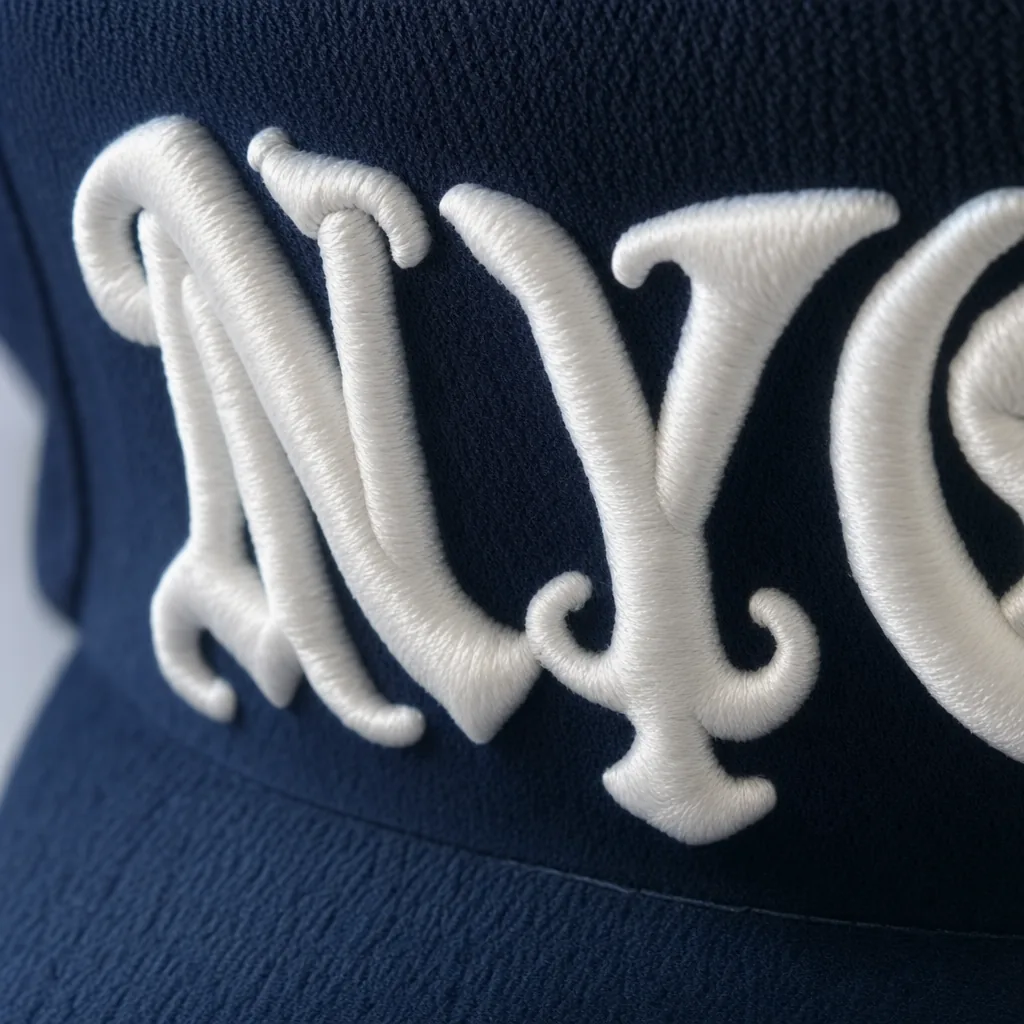
3D Puff Embroidery vs. Flat Embroidery: Which Is Best for Your Custom Cap Logo?
Read article →If you are ready to take the next step on bucket hat corduroy export shipping checklist for custom hat buyers, our team can put a tailored quotation and digital mock-up in your inbox within 24 hours. Send the inquiry form on our contact page or message us directly on WhatsApp.