
Corduroy Hat Vintage Retail Packaging Guide for Custom Hat Buyers
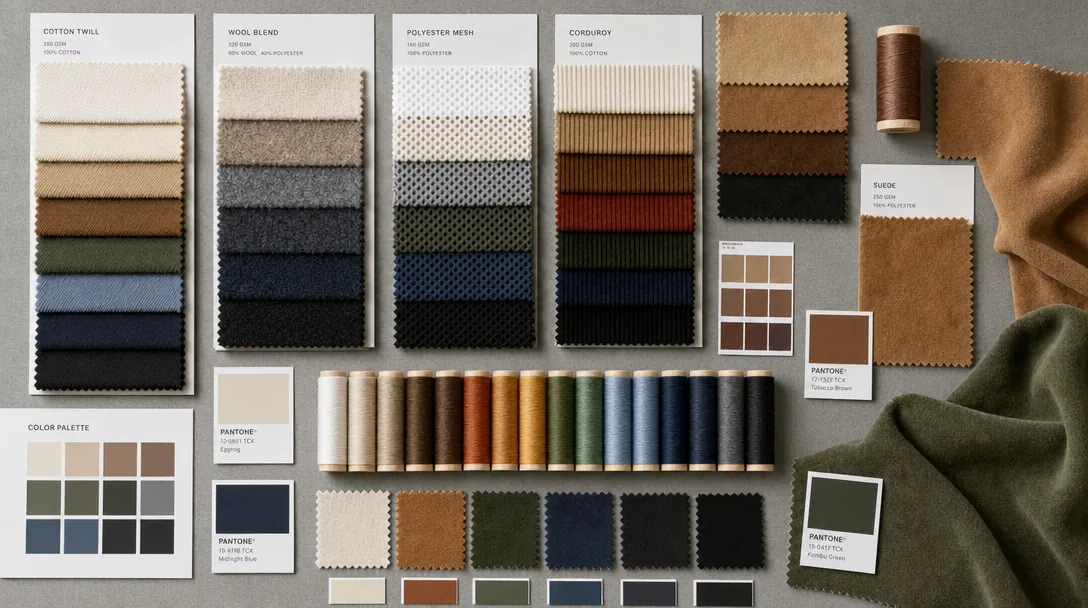
Every week, our sales team answers detailed questions about corduroy hat vintage retail packaging guide for custom hat buyers. We wrote this guide so that wholesalers, streetwear brands, corporate buyers and promotional resellers can compare options with full information, and avoid the traps that show up only after production has started.
Why corduroy hat vintage retail packaging guide needs a separate sourcing plan
A corduroy hat vintage retail packaging guide needs its own sourcing plan because the buyer is not just asking for a cap; they are buying a shelf-ready product with a specific decade, hand-feel, and unboxing story. Generic hat sourcing usually stops at fabric weight, logo method, and carton packing. Vintage retail programs add decisions like 8-wale versus 14-wale corduroy, enzyme wash depth, brass buckle aging, paper hangtag texture, belly band artwork, and whether each unit ships in a kraft mailer, PET window box, or flat-packed FSC paper sleeve. A corduroy hat brown style with washed panels can look premium in a 350 gsm uncoated kraft box, but the same packaging may dull a brighter Pantone TCX shade if the buyer expects strong in-store color pop. These choices affect mold risk too, because washed corduroy holds moisture longer than brushed cotton twill, so we normally require final garment moisture below 8% before individual packing.
The intent behind searches like corduroy hat vintage retail packaging guide is usually different from a buyer searching “custom cap factory.” These buyers may be streetwear founders planning a drop, museum-shop retailers, golf clubs building heritage merchandise, or promotional resellers selling a finished gift set. They care about sell-through and chargeback prevention, not only FOB unit cost. A bucket hat corduroy program, for example, may need a wider polybag or tissue insert to prevent brim creasing, while a 6-panel corduroy hat vintage design may need a crown support card so the front panel does not collapse in transit. Packaging can add US$0.18 for a printed hangtag and j-hook, US$0.45–0.80 for a custom kraft sleeve, or US$1.20–2.40 for a rigid retail box depending on MOQ, paper thickness, lamination, and spot UV. Lead time often increases by 7–14 days because packaging dielines, barcode placement, and color proofs must be approved before bulk assembly.
Compliance is where retail packaging separates professional sourcing from guesswork. If the product is marketed as an organic cotton hat, the buyer should confirm whether only the sweatband, lining, or full shell is organic, because GOTS or OCS claims must match the transaction certificate and hangtag wording. For EU and U.S. retailers, packaging may need Prop 65 review, REACH azo-free dye confirmation, FSC paper claims, suffocation warnings on polybags, and scannable UPC/EAN labels with correct country-of-origin marking. Our standard practice at CrownsForge is to lock the cap sample and packaging sample together before PP approval, then inspect finished goods under AQL 2.5 for major defects such as crushed crowns, barcode mismatch, loose hangtags, adhesive failure, and Delta-E color drift beyond the approved lab dip. That adds control cost, but it prevents the expensive failure: a good corduroy bucket hat rejected because the retail pack cannot survive DDP shipping or store handling.
Factory capability checks before quoting
A serious factory should prove decoration capability before it talks price, because corduroy pile changes stitch behavior more than buyers expect. For flat embroidery on 11-wale or 14-wale corduroy, ask what stabilizer they use, whether they run Tajima, Barudan, or ZSK heads, and how they control thread sink between ribs. Small serif lettering under 5 mm often closes up unless the digitizer adds underlay and reduces density to roughly 0.36–0.42 mm spacing. For patches, separate woven, felt, PU, genuine leather, chenille, and embroidered badges; each has a different MOQ and sewing tolerance. A corduroy hat vintage program with a merrowed patch may look right on a sample but twist in bulk if the operator does not pre-mark panel centerlines. I would also ask for photos of their failed samples, not only showroom pieces. A factory that can explain why a patch puckered or why satin stitches broke over seams is usually safer than one promising everything is easy.
Fabric verification matters as much as logo work in a corduroy hat vintage retail packaging guide, especially if the buyer wants a washed, thrift-store look. Confirm wale count, fabric weight, backing, and shrinkage: common cap corduroy runs 260–320 gsm, while lighter 220 gsm fabric can collapse on a 6-panel crown unless fused. For an organic cotton hat claim, require GOTS or OCS transaction documents, not just a hangtag mockup. Color control should be agreed in Pantone TCX with a realistic Delta-E tolerance, usually under 1.5 for dark shades and under 2.0 for earthy colors like corduroy hat brown. Construction checks should include 5-panel, 6-panel, unstructured dad cap, bucket hat corduroy, and corduroy bucket hat patterns, because brim binding and topstitching behave differently on curved seams. Ask whether the sample room can cut counter-samples in-house, wash test panels, and revise crown height by 3–5 mm without waiting for an outside pattern maker.
Closure and compliance checks tell you whether the supplier can handle retail orders, not just make a nice sample. For vintage corduroy caps, common closures include antique brass buckle, fabric strap with metal slider, snapback, leather strap, Velcro, and elastic sweatband; each changes packing height, carton compression, and needle risk during final inspection. Our standard practice at CrownsForge is to quote only after checking sample-room capacity, bulk-line machine availability, and whether the buyer needs AQL 2.5 final inspection with metal detection. Audit readiness should be specific: sedex-audit-cap-supplier-guide.html">BSCI 2.0, Sedex SMETA 4-Pillar, payroll records, needle control logs, and subcontractor disclosure for embroidery or washing. Communication is also a capability check. The merchandiser should return a marked tech pack, not a vague WhatsApp reply, and should confirm carton size, polybag warning text, barcode placement, hangtag string color, and FOB versus DDP assumptions before pricing. Those details prevent a 50-cent packaging surprise after the order is already approved.
MOQ, pricing and sample approval
MOQ is where vintage corduroy programs either stay profitable or become a sampling hobby. For a corduroy hat vintage retail packaging guide, I would separate pricing into three bands: 100–299 pcs for market testing, 300–999 pcs for real wholesale, and 1,000+ pcs for chain retail or licensed drops. At 100 pcs, expect a 6-panel corduroy cap or bucket hat corduroy style to land around US$6.80–9.50 FOB Ningbo/Shanghai before special packaging; at 500 pcs, the same style usually drops to US$4.20–6.20 depending on wale count, lining, and decoration. A corduroy bucket hat costs more than a dad cap because brim stitching, crown shaping, and size grading waste more fabric. Organic cotton hat options add roughly US$0.35–0.80 per piece if the buyer requires GOTS transaction certificates rather than just “organic-look” fabric claims.
Decoration setup should be quoted separately because it hides many factory-floor mistakes. Flat embroidery digitizing is usually US$30–60 per logo, while 3D puff can be US$50–90 because foam thickness, underlay, and stitch angle need testing on ribbed corduroy. On Tajima or Barudan heads, we normally keep small serif lettering above 5 mm height and hold stitch density around 0.38–0.42 mm spacing; denser than that can crush the wale and make a corduroy hat brown panel look shiny under retail lighting. Woven labels run US$45–80 setup plus US$0.08–0.18 each, metal buckles US$0.12–0.35, and custom snap buttons US$70–120 per mold/color. Pantone TCX matching should be approved against lab dips with a realistic Delta-E tolerance of 1.0–1.5 for dyed fabric and 1.5–2.0 for washed corduroy hat vintage finishes.
PPS approval is not just a photo sign-off; it is the buyer’s last chance to lock construction, color, trim placement, packaging, and carton loading before bulk cutting. Our standard practice at CrownsForge is to submit one physical pre-production sample with Pantone reference, embroidery strike-off, barcode sticker position, hangtag, inner polybag, and master carton mark confirmed in writing. Retail packaging can add real time and cost: kraft hangtags are about US$0.05–0.12, printed belly bands US$0.08–0.20, custom cotton dust bags US$0.35–0.80, and rigid gift boxes can exceed US$1.20 each before volume freight. Lead time after PPS approval is typically 25–35 days for 300–1,000 pcs, 40–50 days if fabric dyeing, washing, or Sedex SMETA 4-Pillar documentation is required. Add 7–10 days for DDP air delivery to the U.S. or 28–38 days by ocean plus customs clearance.
Quality inspection and shipping risk
The biggest shipping risk on a corduroy program is not crushed cartons; it is inconsistent nap, shade, and logo execution that buyers only discover after the hats are already in retail packs. For this part of a corduroy hat vintage retail packaging guide, I would inspect finished goods under AQL 2.5 for major defects and AQL 4.0 for minor defects, with tightened inspection if the order is above 5,000 pieces or split across multiple colorways. Measurement tolerance should be written before production: crown height ±5 mm, brim width ±3 mm, head circumference ±8 mm for adjustable caps, and panel symmetry within 4 mm. Corduroy hat brown is especially unforgiving because pile direction changes the perceived shade; we check bulk against the approved Pantone TCX standard with a practical Delta-E target under 1.5 for solid fabric, then visually approve nap direction under D65 light.
Colorfastness and decoration defects need separate checkpoints because corduroy behaves differently from twill or canvas. For an organic cotton hat or a bucket hat corduroy style, I would request ISO 105 dry rubbing grade 4 minimum and wet rubbing grade 3–4 minimum, plus perspiration fastness if the hat is for sports, resort, or summer retail. Embroidery should be checked on actual production fabric, not only on a flat swatch, because wale spacing can make small serif letters look broken. Common defects include thread sinking into the pile, fuzzy satin borders, skipped stitches, puckering around dense fills, and off-center front logos beyond 3 mm. On Tajima, Barudan, or ZSK heads, density often needs to be reduced 8–12% versus chino twill, with a cutaway backing for structured caps and lighter tearaway only for low-density vintage marks.
Carton markings and shipping terms should be locked before packing, not corrected at the warehouse. Each master carton needs PO number, style code, color, size ratio, carton count, gross/net weight, country of origin, and scannable SKU or EAN label if going to retail DCs. For a corduroy bucket hat, avoid over-compression; 48–72 pieces per carton is safer than chasing freight savings and arriving with distorted brims. FOB Ningbo or Shanghai gives experienced buyers better control over forwarders and consolidation, while DDP is practical for smaller streetwear drops but adds roughly 8–18% landed-cost uncertainty depending on duty classification, courier fuel surcharges, and destination VAT handling. Reorder documentation should include approved PP sample photos, embroidery stitch file version, fabric lot reference, trim card, carton spec, AQL report, and packing photos. That paper trail is what keeps a corduroy hat vintage reorder from drifting after six months.
Buyer checklist for the next RFQ
A firm RFQ starts with the cap spec, not the target price. For a corduroy hat vintage retail packaging guide request, send the exact silhouette first: 6-panel unstructured dad cap, 5-panel camper, bucket hat corduroy, or corduroy bucket hat with brim width in centimeters. Include fabric details if known: 100% cotton corduroy, 8-wale or 11-wale, 260–320 gsm, with Pantone TCX color references for every body panel, sweatband, tape, and embroidery thread. “Corduroy hat brown” is not enough; 19-1118 TCX and 18-0930 TCX quote differently because dyeing MOQ and shade risk change. Attach front, side, back, inside, and top-view photos of the reference sample with a ruler in frame. If the crown height, brim curve, or bucket brim slope matters, measure it instead of asking the factory to “match the photo.”
Artwork files should arrive before pricing, because decoration drives both cost and production risk. Send editable AI, EPS, PDF, or DST files, plus a flat JPEG showing placement and finished size in millimeters. For embroidery, state whether you need flat embroidery, 3D puff, appliqué, chenille, woven patch, leather patch, or direct Tajima/Barudan/ZSK stitching on corduroy ribs. Small serif text under 5 mm often closes up on 8-wale corduroy; we usually ask buyers to approve a stitch-out photo before bulk. If the hat is positioned as corduroy hat vintage retail, include hangtag, barcode sticker, belly band, polybag, carton mark, and retail display photo requirements. Packaging specs should list kraft paper gsm, bag thickness in microns, FSC claim if needed, and whether the final carton must survive 1.2 m drop testing.
The commercial checklist should include quantity by color and size, Incoterm, destination ZIP or port, delivery deadline, inspection level, and compliance documents. A 300-piece sample order, 1,000-piece wholesale run, and 10,000-piece chain-store program are priced differently because fabric booking, dye lot control, and packing labor change. State whether you need FOB Ningbo/Shanghai, DDP to a U.S. warehouse, or air courier for launch inventory. For organic cotton hat claims, provide the certification path you expect: GOTS transaction certificate, OCS blended scope, or just buyer-side marketing language without certification. Our standard practice at CrownsForge is to quote with sample fee, mold or digitizing fee, unit price, carton CBM, lead time, and AQL 2.5 final inspection terms separated, so buyers can compare factories without hidden freight or packaging assumptions.
Working with CrownsForge
The part buyers underestimate in a corduroy hat vintage retail packaging guide program is not the hat body; it is keeping the fabric hand, decoration, and packaging aged-looking without letting the goods look used or inconsistent. For sampling, CrownsForge normally starts with a fabric strike-off and one full pre-production sample: 8-wale or 11-wale cotton corduroy at 280–340 gsm, Pantone TCX matched with a Delta-E target under 1.5 for solid shades like corduroy hat brown, and a wash test before bulk cutting. If the order includes a bucket hat corduroy shape, we check brim droop after steaming because corduroy bias stretch can distort a 6–7 cm brim. For an organic cotton hat, we separate GOTS or OCS-certified fabric documentation from general cotton lots, since overseas retailers increasingly ask for transaction certificates, not just supplier claims.
Decoration has to be engineered before packaging, especially on corduroy hat vintage styles where raised ribs fight small lettering. Flat embroidery under 4 mm often sinks between wales, so we either digitize heavier satin columns on Tajima or Barudan heads, switch to chain stitch, or use woven patches with merrowed edges for a cleaner old-store look. On a corduroy bucket hat, we usually avoid 3D puff because the foam edge can telegraph through the ribbed pile after carton compression. For vintage retail presentation, common packaging costs run about $0.18–$0.35 for kraft hangtags with cotton string, $0.12–$0.22 for printed glassine or frosted PE bags, $0.45–$0.90 for small rigid gift boxes, and $0.03–$0.06 per unit for silica gel when sea freight exceeds 25 days. Barcodes, suffocation warnings, fiber content labels, and country-of-origin marks must be locked before the gold sample, not added after bulk packing.
QC for a corduroy hat vintage retail packaging guide project is run tighter than basic promotional caps because retail packaging exposes every mismatch. Inline inspection checks panel shade grouping, wale direction, visor symmetry, label placement within ±2 mm, embroidery thread breaks, and oil stains from sewing tables; final inspection usually follows AQL 2.5 for major defects and AQL 4.0 for minor packaging defects. We do carton drop tests for boxed programs, rub tests on printed hangtags, and humidity checks before sealing master cartons at 12–14 kg to prevent crushed crowns. Export coordination depends on the buyer’s channel: FOB Ningbo or Shanghai is straightforward, while DDP to U.S. or EU warehouses needs HS code review, carton-level SKU labels, Amazon FNSKU or retailer UCC-128 labels, and audit files such as BSCI 2.0 or Sedex SMETA 4-Pillar if the buyer’s compliance team requests them before shipment release.
Frequently Asked Questions
What logo decoration techniques do you offer?
3D puff embroidery, flat embroidery, woven patch, leather patch, PVC patch, screen printing, sublimation, applique and laser etching, all in-house with no subcontracting.
What file format should I send for my logo?
Vector files (AI, EPS, PDF) are ideal. High-resolution PNG or JPG at 300 dpi on transparent background works as a fallback. Provide Pantone color references for accurate reproduction.
How long does production take?
Sampling takes 7 to 12 days. Bulk production runs 20 to 30 days depending on quantity, fabric availability and decoration complexity. Inspection and packing adds another 3 to 5 days before shipment.
Do you support sustainability certifications?
Yes. We work with GOTS organic cotton, GRS-certified recycled polyester, OEKO-TEX Standard 100 fabrics, and are BSCI and Sedex audited. Certification documentation can be provided per order.
What is the minimum order quantity (MOQ) for custom hats?
Our standard MOQ is 100 pieces per design and color, with sampling available from 1 piece. For complex multi-color logos or premium fabric upgrades, the MOQ can be lowered with a small per-piece surcharge.
What should buyers know about organic cotton bucket hat?
When evaluating organic cotton bucket hat, the key considerations are construction quality, decoration capability, MOQ flexibility and lead time. Explain the buyer intent behind corduroy hat vintage retail packaging guide, when it differs from generic hat sourcing, and what decisions affect cost, lead time and compliance. Describe how CrownsForge manages corduroy hat vintage retail packaging guide programs with sampling, decoration, QC and export coordination.
What should buyers know about brown corduroy bucket hat?
When evaluating brown corduroy bucket hat, the key considerations are construction quality, decoration capability, MOQ flexibility and lead time. Explain the buyer intent behind corduroy hat vintage retail packaging guide, when it differs from generic hat sourcing, and what decisions affect cost, lead time and compliance. Describe how CrownsForge manages corduroy hat vintage retail packaging guide programs with sampling, decoration, QC and export coordination.
What should buyers know about bucket hat men nike?
When evaluating bucket hat men nike, the key considerations are construction quality, decoration capability, MOQ flexibility and lead time. Explain the buyer intent behind corduroy hat vintage retail packaging guide, when it differs from generic hat sourcing, and what decisions affect cost, lead time and compliance. Describe how CrownsForge manages corduroy hat vintage retail packaging guide programs with sampling, decoration, QC and export coordination.
What should buyers know about vintage bucket hat mens?
When evaluating vintage bucket hat mens, the key considerations are construction quality, decoration capability, MOQ flexibility and lead time. Explain the buyer intent behind corduroy hat vintage retail packaging guide, when it differs from generic hat sourcing, and what decisions affect cost, lead time and compliance. Describe how CrownsForge manages corduroy hat vintage retail packaging guide programs with sampling, decoration, QC and export coordination.
Ready to start your custom hat project?
Send us your tech-pack, sketch or even just an inspiration photo. We will respond with a detailed quotation and digital mock-up within 24 hours.
Request a free quoteRelated guides
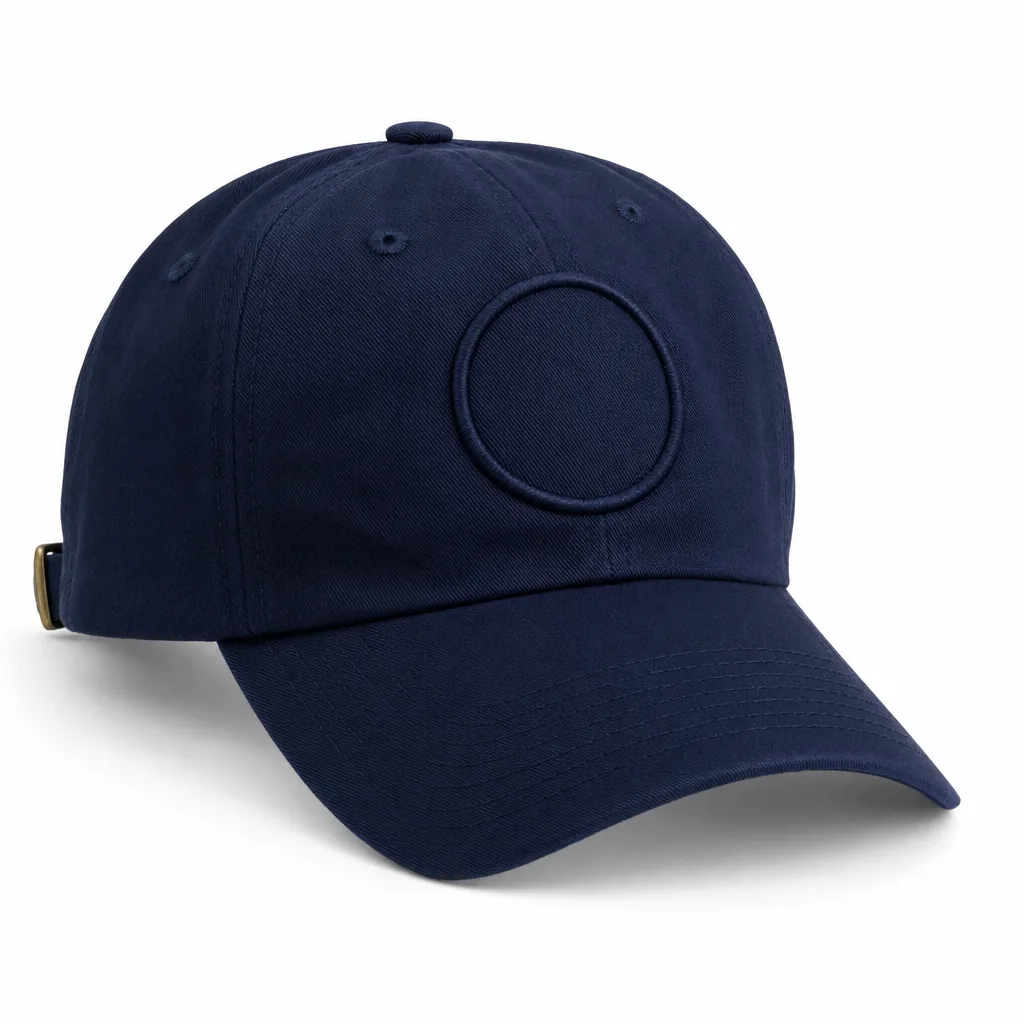
Golf Hats For Men Reorder Planning Guide for Custom Hat Buyers
Read article →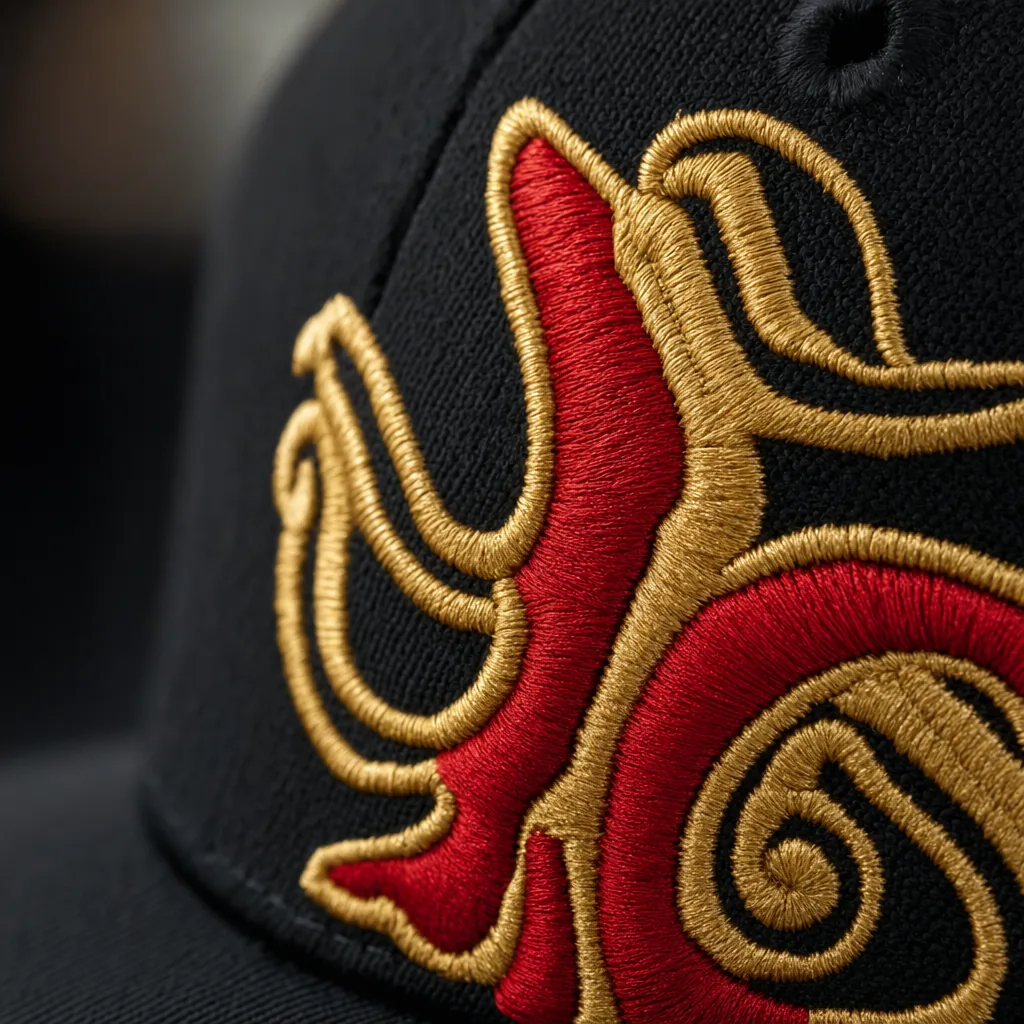
Patch Hats Decoration QC Checklist for Custom Hat Buyers
Read article →Hat With Patch Sample Approval Process for Custom Hat Buyers
Read article →Sourcing custom hats does not have to be complicated. With the right manufacturing partner, clear specifications and a small upfront investment in sampling, you can launch a retail-quality product in 30 to 45 days.