
Bucket Hat Corduroy Decoration QC Checklist for Custom Hat Buyers - Cost & MOQ Breakdown
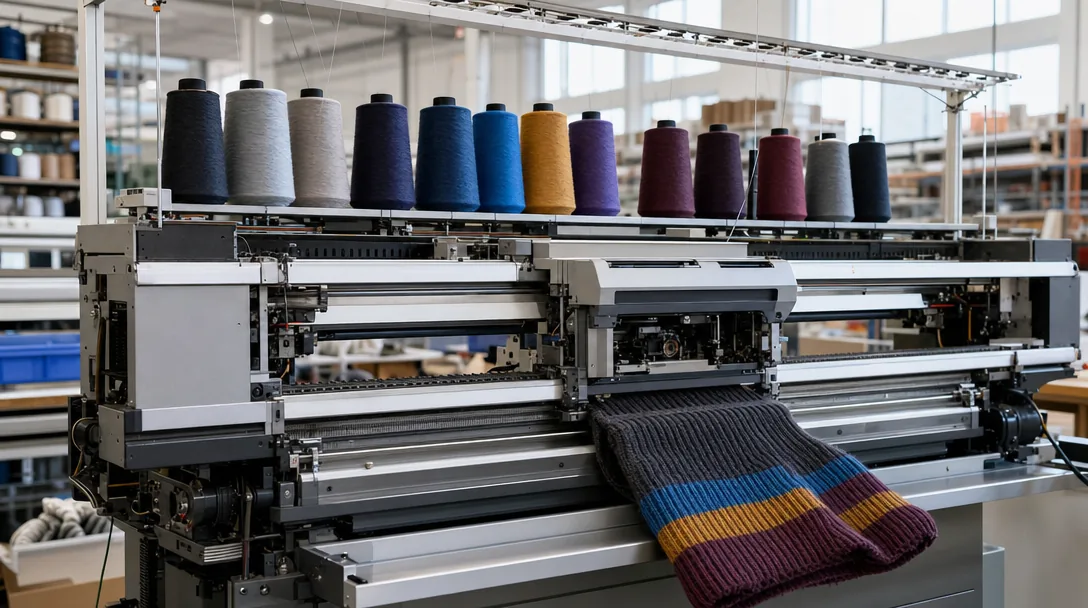
For brand owners, wholesalers and procurement teams entering the custom headwear category, bucket hat corduroy decoration qc checklist for custom hat buyers - cost & moq breakdown is one of the highest-leverage decisions you will make. Get it right and your unit economics, retail story and reorder cycle all improve. Get it wrong and you carry the cost for years.
Why bucket hat corduroy decoration qc checklist needs a separate sourcing plan
A bucket hat corduroy decoration qc checklist needs a separate sourcing plan because corduroy behaves nothing like brushed twill or canvas once decoration starts. The wale count, pile height, and fabric weight directly change embroidery readability, patch adhesion, and pressing results. A 14-wale 280 gsm cotton corduroy will usually tolerate a 5,000- to 7,000-stitch flat logo with 40 wt rayon thread and 75/11 needles; a finer 21-wale face tends to show needle cutting, rib spread, and nap crush much faster, especially around satin borders. On bucket hats, the issue is worse because the side panel is curved and often reinforced unevenly, so the same logo can run clean on one panel and distort on the next if hoop tension and backing are not locked. Dark shades such as Pantone TCX navy, espresso, or black also expose lint, presser-foot glazing, and shade banding under standard warehouse LEDs. That is why the decoration spec cannot sit inside the base hat spec as a vague add-on. The buyer should freeze the digitized file, stitch count tolerance, thread brand, backing weight, and logo placement before the PO, not after the salesman sends a shell quote. Our standard practice is to approve a pre-production sample on the actual production setup—typically Tajima or Barudan heads using the same cap frame, same tear-away or cut-away backing, and the same pressing temperature planned for bulk. If the artwork is approved on plain cotton but production runs on corduroy, the sample is functionally useless. A proper bucket hat corduroy decoration qc checklist should also call out acceptable pile crush, maximum logo edge deviation in millimeters, and whether post-embroidery steaming is allowed, because too much steam can shift shade and flatten ribs permanently.
The costing logic has to be separate too, because decoration on corduroy introduces variables that a generic MOQ line hides. A factory may quote the shell at one number, then add digitizing, sample sew-out, applique die-cutting, woven patch edge-folding, extra trimming, and individual re-pressing once defects appear. In real terms, a 6,000-stitch flat embroidery on corduroy often adds $0.28 to $0.45 per piece at 1,000 units, assuming one location and no special backing. A denser 10,000- to 12,000-stitch fill, chenille patch, or mixed-media applique can add $0.90 to $1.80 because machine runtime jumps, rejection risk rises, and operators spend more time cleaning thread tails out of the wale. If the quote does not specify stitch count, backing type, and patch attachment method, the first sample price and the bulk price will not match. Lead time follows the same pattern. A plain corduroy bucket hat may be cut, sewn, and packed in 15 to 20 days, but decorated bulk with strike-off approval, shade confirmation, and AQL 2.5 inline plus final inspection typically runs 25 to 35 days. If there is a compliance layer—sedex-audit-cap-supplier-guide.html">BSCI 2.0 records, Sedex SMETA 4-Pillar documentation, or buyer-mandated needle policy logs—you need that paperwork aligned before decoration starts, not after cartons are packed. CrownsForge treats corduroy decoration as its own risk point for exactly this reason: re-hooping, logo rejection, and pile damage are expensive to fix once panels are assembled. A useful bucket hat corduroy decoration qc checklist forces those variables into sourcing at the quotation stage, where they belong.
Factory capability checks before quoting
A quote is only reliable if the factory can expose the cost drivers, not bury them in one FOB number. Ask for a line-by-line split covering corduroy shell fabric by wale and gsm, lining, sweatband, decoration process, trims, sewing labor, finishing, polybag, inner carton, and master carton. For bucket hats, the shell spec changes cost fast: a stock 8-wale cotton corduroy at 280-320 gsm behaves very differently from a custom-dyed 11-wale blend, both in yield and sewing efficiency. A factory that actually understands a bucket hat corduroy decoration qc checklist should also state decoration limits up front: embroidery density on cord ridges, patch edge lift risk, heat-transfer adhesion after washing, and placement tolerance around the crown seam. On realistic lead times, a competent team should quote within 24-48 hours, issue CAD or pattern comments immediately, and deliver a first proto in 5-7 working days. Stock corduroy colorways usually support MOQ at 144-300 pieces, while custom dyeing commonly requires 500-1,000 meters and adds roughly $0.35-$0.90 per hat before freight.
Capability checks should go past price into process control. Before accepting any number, verify whether the factory can document BSCI 2.0 or Sedex SMETA 4-Pillar status, needle policy, metal detection if required by your market, and an inline QC system tied to AQL 2.5 final inspection. Ask who runs decoration and on what equipment: Tajima, Barudan, or ZSK heads for embroidery; whether they digitize in-house; and how they control puckering on corduroy, where pile direction and seam bulk can throw logos off center. Decoration approval should include annotated photos or strike-offs with logo size, stitch count, patch thickness, and placement from brim edge or side seam, not a casual "same as sample" note. At CrownsForge, standard pre-quote checks also include English communication quality, response speed on technical questions, and whether the team can define measurable tolerances such as brim width ±3 mm, crown height ±3 mm, and shade variation within an agreed Delta-E range against the lab dip or Pantone TCX reference.
MOQ, pricing and sample approval
The bucket hat corduroy decoration qc checklist should start with the real cost drivers, not a fake per-piece decoration fee. Corduroy changes the economics because wale direction, pile height, and panel crush affect sewing speed and reject rate. For most China sourcing runs, a practical MOQ is 300 pcs per colorway for clean flat embroidery at roughly 5,000-8,000 stitches, 500 pcs if you add contrast binding or a custom sweatband print, and 1,000 pcs or more for woven patches, chenille, all-over lining print, or enzyme wash. Setup is where buyers get surprised: digitizing runs about USD 25-60 per file, woven patch sampling and mold fees are often USD 80-150, screen print setup is USD 40-120 per color, and custom labels or hangtags typically add USD 0.06-0.28 each depending on structure and attachment. On a 500-piece order, those charges can move FOB by USD 0.35-0.90 per hat before any labor uplift is counted.
Corduroy also costs more to sew than plain twill because the fabric has to be cut with the nap aligned and the panel stack stays less stable under the presser foot. A 14-wale 100% cotton corduroy shell at 220-280 gsm usually runs slower through the line, and if the marker ignores pile direction the crown shades differently under store lighting. For pigment-dyed or washed styles, add a 5-10% waste allowance because seam torque, shrinkage, and decoration puckering show up after finishing. In production terms, a basic twill bucket hat may assemble in 6-8 minutes, while a corduroy version with patch placement and inside taping often takes 9-12 minutes. When comparing quotations, ask whether the supplier included pile-direction sorting, thread matching to Pantone TCX, and allowance for crushed or oil-marked panels; otherwise the low quote is usually missing labor and reject risk, not genuinely cheaper.
Sample approval matters more on corduroy than on flat fabric because defects stay hidden until the pile is hit by raking light. The PPS should lock shell color against Pantone TCX or the approved swatch, wale direction on every panel, decoration position from brim seam and crown edge, stitch density, and post-decoration pressing method before bulk cutting starts. For shade control, I would not accept more than Delta-E 1.5-2.0 versus the standard; on ribbed fabric, anything looser is obvious immediately. For embroidery, Tajima, Barudan, or ZSK heads can run cleanly on corduroy, but the file usually needs lower fill density than twill, around 0.38-0.42 mm stitch spacing with proper underlay, or the pile crushes and the logo edges tunnel. Woven patches need checks for merrow consistency, heat-cut edge fray, and curvature after stitching. Lead time should be split into sample making, PPS comments, and bulk, then controlled with AQL 2.5 on appearance and packing plus checkpoints for skipped stitches, patch tilt, brim symmetry within +/-3 mm, and carton assortment accuracy.
Quality inspection and shipping risk
For a bucket hat corduroy decoration qc checklist, the failure point is usually not sewing speed; it is uncontrolled acceptance criteria. Lock the inspection plan before bulk cutting and use ANSI/ASQ Z1.4 single sampling, General Inspection Level II, with AQL 2.5 for major defects and 4.0 for minor defects. On lots under 1,200 pcs, that typically lands at 80 to 125 inspected units depending on the lot size code. Put every tolerance on the tech pack in millimeters: crown height +/-5 mm, brim width +/-3 mm, head opening circumference +/-5 mm, chin-cord symmetry within 3 mm, and front decoration placement within 2 mm. Corduroy needs a separate color standard because wale direction changes perceived shade under pressure and angle, so approve bulk fabric, PPS sample, and finished hats in a D65 light box at about 1,000 to 1,200 lux. Tie the reference to a Pantone TCX callout, wale count, fiber content, and a signed swatch matched against the final wash or enzyme finish; otherwise a dye lot can drift by Delta-E 1.5 to 2.0 and still get argued through production.
Most quality escapes on decorated corduroy bucket hats come from decoration stress and finishing, not the cut-and-sew line. For embroidery on Tajima or Barudan heads, keep dense fills around 0.40 to 0.45 mm spacing and move tiny copy below 5 mm letter height to satin or run stitch; otherwise the needle packs the wale and leaves permanent puckering. The bucket hat corduroy decoration qc checklist should explicitly reject skipped stitches, thread breaks, loose trims, backing show-through, applique misregistration, and any panel distortion that does not recover after steaming for 30 minutes. For colorfastness, require ISO 105-X12 crocking at grade 3-4 dry and 3 wet minimum, plus ISO 105-C06 wash testing if the hat is garment-washed. Decoration thread must not stain the sweatband, seam tape, or lining. Crowns with heavy front embroidery or binding should be packed with inner support or nested inserts, because carton crush and brim flattening are common in long-haul freight.
Shipping control matters because a passing pre-shipment sample can still fail in transit. Master cartons should show style, color, size, PO, carton number, quantity, N.W./G.W., and country of origin exactly as the importer’s labels require, and the carton count should reconcile to the packing list before the truck leaves the warehouse. Keep PPS photos, fabric lot number, embroidery DST version, trim batch, final inspection report, and carton photos in one shipment file so the next reorder can be traced when shade or decoration placement shifts. For a buyer shipping under FOB or DDP terms, the real risk is not just defect rate; it is claimability, so insist on photo evidence for carton compression, logo alignment, and random lot checks at AQL 2.5 before booking space. That is the difference between a clean receipt and a container of hats that look fine in the factory but arrive with crushed crowns and polished corduroy nap.
Buyer checklist for the next RFQ
A useful RFQ for a bucket hat corduroy decoration qc checklist should let a factory quote in 24 to 48 hours without guessing pattern, shrinkage, or trim risk. Put every non-negotiable on one tech pack before sampling: target quantity by color and size, ex-factory ship window, silhouette reference, finished measurements, decoration method, packaging, and inspection standard. For shape, do not write “standard bucket hat.” Call out crown height, top diameter, brim width, brim angle, and finished tolerance after washing if any wash is applied. A workable spec is crown height 8.5 cm, top diameter 16.5 cm, brim width 5.5 cm, tolerance ±0.3 cm. If you care about side-seam bulk, state seam allowance and whether the shell is single-needle or edge-bound, because corduroy with a 280 gsm face and pronounced wale builds thickness faster than cotton twill. Fabric specs are where quotations drift the most. “Corduroy” is not a material spec; quote-ready language is 100% cotton 11-wale corduroy, 280 gsm, reactive dyed to Pantone 19-0915 TCX, with approved lab dip and Delta-E under 1.5 under D65 light. If the handfeel matters, specify peached, enzyme washed, or garment washed, because each changes shrinkage, torque, and panel distortion. List shell, lining, sweatband, eyelet thread, care label, and woven label colors separately. If you need OCS or GOTS claims, write that into the RFQ from day one; certified yarn sourcing, segregated cutting, and transaction certificates usually add 7 to 14 days and about $0.18 to $0.45 per hat. Our standard practice is to reject color approvals without Pantone TCX references or signed lab dips, because “brown body with beige label” creates claim risk later.
Decoration details decide whether first sample approval takes one round or three. Send vector art in AI, EPS, or a clean PDF for woven labels, heat transfer, screen print, and hangtags. For embroidery, add the stitch field in millimeters, target logo height, thread brand if mandated, and whether you expect flat embroidery, 3D foam, applique, chenille, or a satin-edge patch. On corduroy, pile and wale direction swallow detail; lines under 1.2 mm, internal counters under 1.5 mm, and fill densities tighter than roughly 0.45 mm often plug or distort unless the digitizer adjusts underlay and pull compensation for Tajima, Barudan, or ZSK heads. If you want decoration centered on a front panel, specify placement from crown seam and brim break in millimeters, not “visually centered.” Claims are usually caused by the QC page buyers leave blank. State the exact inspection and test targets in the RFQ: AQL 2.5 major and 4.0 minor, colorfastness to crocking dry 4 min and wet 3-4 min, seam slippage threshold, dimensional stability after wash if washed product, azo-free dyes, nickel release for metal trims, and needle-control policy. If production must run in a BSCI 2.0 or Sedex SMETA 4-Pillar audited facility, put that in writing before quote; that can move cost by $0.20 to $0.80 per hat depending on testing and trim complexity. MOQ also needs to be written by configuration, not as one vague number: 300 pcs per color is realistic for a plain shell with one woven label, while custom-dyed shell, mixed sizes, inside taping print, and multiple decorations usually land at 500 to 1,000 pcs. Finish the RFQ with carton pack-out, destination port, and trade term such as EXW, FOB Ningbo, or DDP U.S. warehouse, or the “final” price is still only an estimate.
Working with CrownsForge
The make-or-break point in a bucket hat corduroy decoration qc checklist is fabric control before any logo file reaches a Tajima or Barudan head. Corduroy is directional; if wale direction flips between crown panels or between crown and brim, the same dye lot can read half a shade darker from arm’s length. For bucket hats, lock the shell spec early: 11W or 14W cotton corduroy at 220–280 gsm is the workable range for most mid-weight programs, while lighter 16W tends to show needle penetration and heavier 8W can fight the brim curve. On incoming lots, I would not approve bulk cutting without wash shrinkage under 3% warp and weft, shade continuity across the lay, and pile recovery after steam brushing. If the fabric is custom dyed, ask for lab dip approval against Pantone TCX under D65 and a practical Delta-E target of 1.0–1.5, knowing the nap can create angle-dependent variance that flat twill does not.
The first sample should be a production-representative control sample, not a showroom mockup. For bucket hats, realistic tolerances are crown height +/-3 mm, brim width +/-2 mm, panel alignment within 2 mm, and logo placement within +/-2 mm from approved centerlines. Dense decoration is where corduroy usually fails QC: 3D puff often collapses on ridged surfaces, while flat embroidery performs better if stitch spacing stays around 0.35–0.40 mm, underlay is opened up, and backing is chosen to stop tunneling between wales. Fine outlines below 1.0 mm generally hold cleaner as woven patches or heat-applied badges than as direct embroidery. CrownsForge normally separates sampling into a construction sample and a PPS, because fit, brim drape, wale alignment, artwork, labels, and packing are not the same risk.
Final inspection is where a bucket hat corduroy decoration qc checklist either protects the shipment or becomes dead paper. Use AQL 2.5 for major defects and 4.0 for minor unless the PO is tighter, and make sure the inspector is checking the defects corduroy actually creates: nap crush after packing, panel shading from mixed pile direction, needle cuts on ribs, brim waviness, loose thread, logo skew, stitch density inconsistency, and crocking on dark shades. Decoration should be reviewed from at least two viewing angles because pile reflection can make a centered logo look visually off even when the tape measure says it is correct. Premium orders should have tissue interleaving or light head-form support; otherwise top-packed cartons will leave pressure marks before the goods reach the DC. On cost and MOQ, stock-fabric bucket hats usually start around 144–300 pcs per colorway, while custom-dyed corduroy often needs roughly 500 meters per shade. As a realistic add-on range, flat embroidery runs about $0.35–$0.90 per piece, woven patch application $0.45–$0.80, and custom labels or inner tape another $0.12–$0.30.
Frequently Asked Questions
Do you support sustainability certifications?
Yes. We work with GOTS organic cotton, GRS-certified recycled polyester, OEKO-TEX Standard 100 fabrics, and are BSCI and Sedex audited. Certification documentation can be provided per order.
What is the minimum order quantity (MOQ) for custom hats?
Our standard MOQ is 100 pieces per design and color, with sampling available from 1 piece. For complex multi-color logos or premium fabric upgrades, the MOQ can be lowered with a small per-piece surcharge.
How long does production take?
Sampling takes 7 to 12 days. Bulk production runs 20 to 30 days depending on quantity, fabric availability and decoration complexity. Inspection and packing adds another 3 to 5 days before shipment.
What logo decoration techniques do you offer?
3D puff embroidery, flat embroidery, woven patch, leather patch, PVC patch, screen printing, sublimation, applique and laser etching, all in-house with no subcontracting.
Can I order a sample before bulk production?
Yes. We strongly recommend approving a pre-production sample before mass production. Samples are charged at 35 to 60 USD each plus express shipping, fully refundable against confirmed bulk orders over 500 pieces.
What should buyers know about organic cotton bucket hat?
When evaluating organic cotton bucket hat, the key considerations are construction quality, decoration capability, MOQ flexibility and lead time. Explain the buyer intent behind bucket hat corduroy decoration qc checklist, when it differs from generic hat sourcing, and what decisions affect cost, lead time and compliance. Describe how CrownsForge manages bucket hat corduroy decoration qc checklist programs with sampling, decoration, QC and export coordination.
What should buyers know about brown corduroy bucket hat?
When evaluating brown corduroy bucket hat, the key considerations are construction quality, decoration capability, MOQ flexibility and lead time. Explain the buyer intent behind bucket hat corduroy decoration qc checklist, when it differs from generic hat sourcing, and what decisions affect cost, lead time and compliance. Describe how CrownsForge manages bucket hat corduroy decoration qc checklist programs with sampling, decoration, QC and export coordination.
What should buyers know about bucket hat men nike?
When evaluating bucket hat men nike, the key considerations are construction quality, decoration capability, MOQ flexibility and lead time. Explain the buyer intent behind bucket hat corduroy decoration qc checklist, when it differs from generic hat sourcing, and what decisions affect cost, lead time and compliance. Describe how CrownsForge manages bucket hat corduroy decoration qc checklist programs with sampling, decoration, QC and export coordination.
What should buyers know about acrylic beanie hat?
When evaluating acrylic beanie hat, the key considerations are construction quality, decoration capability, MOQ flexibility and lead time. Explain the buyer intent behind bucket hat corduroy decoration qc checklist, when it differs from generic hat sourcing, and what decisions affect cost, lead time and compliance. Describe how CrownsForge manages bucket hat corduroy decoration qc checklist programs with sampling, decoration, QC and export coordination.
Ready to start your custom hat project?
Send us your tech-pack, sketch or even just an inspiration photo. We will respond with a detailed quotation and digital mock-up within 24 hours.
Request a free quoteRelated guides
Custom Made Trucker Hat: The 2026 Sourcing & Manufacturing Playbook - Supplier Checklist (2026 Update)
Read article →
Cap Packaging Options: Retail-Ready, Hangtag, Polybag & Custom Boxes (2026 Update)
Read article →
Cool Bucket Hats for Guys: A Vertical-Specific Sourcing Guide
Read article →Sourcing custom hats does not have to be complicated. With the right manufacturing partner, clear specifications and a small upfront investment in sampling, you can launch a retail-quality product in 30 to 45 days.