
Bucket Hat Corduroy Decoration QC Checklist for Custom Hat Buyers - Cost & MOQ Breakdown - Supplier Checklist
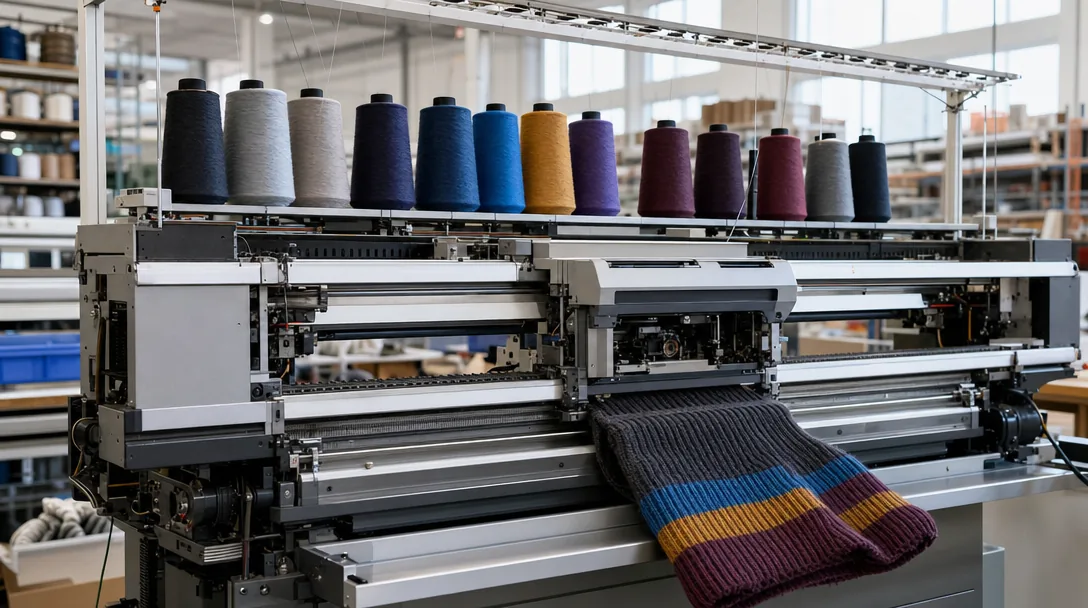
For brand owners, wholesalers and procurement teams entering the custom headwear category, bucket hat corduroy decoration qc checklist for custom hat buyers - cost & moq breakdown - supplier checklist is one of the highest-leverage decisions you will make. Get it right and your unit economics, retail story and reorder cycle all improve. Get it wrong and you carry the cost for years.
Why bucket hat corduroy decoration qc checklist needs a separate sourcing plan
A bucket hat corduroy decoration qc checklist needs its own sourcing plan because corduroy is a directional pile fabric, not a flat twill shell. Wale count, nap direction, pile height, backing density, and gsm all affect how a logo lands after cutting, hooping, sewing, steaming, and compression packing. A 14-wale cotton corduroy at 280-320 gsm usually takes flat embroidery cleaner than an open 8-wale fabric, but it also reveals needle drag, hoop burn, and crushed-pile halos around the stitch field. Wide-wale cloth can look premium on one salesman sample, then show shade breaks when crown and brim panels are cut against different nap directions. The sourcing file should lock wale count, fabric weight, nap direction, shrinkage after wash, Pantone TCX target, Delta-E tolerance, backing type, decoration method, and pressing temperature before bulk fabric is booked. A basic bucket hat inspection catches circumference, brim rows, topstitching, and carton marks; corduroy decoration QC has to stop the defects buyers actually reject: skewed logos, flattened pile, mismatched panels, puckered embroidery, and heat transfers that look unintentionally embossed.
Corduroy decoration changes the costing model fast. A plain cotton corduroy bucket hat at 500-1,000 pieces may land around $2.10-$3.40 FOB Yiwu, depending on lining, sweatband, brim stitch count, yarn-dyed versus piece-dyed fabric, and whether the supplier is using stock cloth or a custom dyed lot. Add embroidery on Tajima, Barudan, or ZSK heads and an 8,000-12,000 stitch logo typically adds $0.35-$0.90 per piece; 3D foam embroidery costs more because machine speed drops, thread breaks increase, and trimming takes longer. Woven patches, chenille patches, rubber labels, and debossed leather patches usually require $30-$120 in setup or mold charges per artwork, plus 5-10 days for sample approval. I avoid large heat transfers on medium-pile corduroy unless the buyer signs off on texture show-through, because 130-150C pressing can flatten the ribs and leave a shiny rectangle. For retail or streetwear programs, tonal embroidery, small woven patches, or leather labels usually produce a cleaner bulk result than glossy film.
Compliance and inspection timing should be built into the sourcing plan before quotations are compared. If the order claims organic cotton, the mill must provide valid GOTS or OCS transaction certificates covering the actual fabric lot, not a recycled invoice from a previous shipment; chasing those documents after fabric arrival can delay cutting by 7-15 days. For licensed sports, department-store, and promotional reseller orders, I would inspect under AQL 2.5 for major defects and AQL 4.0 for minor defects, with separate decoration checkpoints for logo position, skew, stitch density, loose threads, patch adhesion, color fastness, and pile damage. A workable tolerance is +/-2 mm for front logo placement, +/-1 mm for small patch edge alignment, and Delta-E under 1.0-1.5 for approved lab dip versus bulk fabric, depending on the buyer’s brand standard. Our standard practice at CrownsForge is to approve a sealed pre-production sample, bulk cutting swatch, and decorated panel before assembly, because removing a failed logo from corduroy leaves needle holes, shine marks, or permanent pile distortion.
Factory capability checks before quoting
Check decoration capability before you discuss unit price, because corduroy exposes weak digitizing faster than twill or canvas. For a practical bucket hat corduroy decoration qc checklist, require strike-offs on the exact bulk fabric: 11-wale or 14-wale cotton corduroy, 220-280 gsm, in the approved color direction. A Tajima TMEZ, Barudan BEKY, or ZSK head in the sample room matters because the technician can adjust stitch density, pull compensation, needle size, underlay, thread tension, and backing without waiting on an outside embroidery shop. On corduroy, satin columns under 1.2 mm and serif lettering below 5 mm usually close up unless the digitizer opens the column and reduces underlay. 3D puff should be restricted to bold artwork with at least 8 mm stroke width; chenille needs a clean merrow or satin border so loops do not catch near the brim seam. Test patches on the curved crown, not flat fabric. A 70 mm woven, felt, leatherette, or embroidered patch can buckle if backing stiffness, panel radius, or seam allowance is wrong.
Fabric and pattern capability are where low quotations usually hide risk. Lock fiber content, wale count, gsm, shrinkage, and color standard before asking for final FOB Ningbo/Shanghai or DDP pricing. A normal corduroy bucket hat works best in 220-280 gsm cotton or cotton-spandex corduroy; 300 gsm fabric often makes the brim bulky, especially on reversible, lined, or quilted styles. Require lab dips against Pantone TCX under D65 light, with Delta-E under 1.5 for repeat orders and under 2.0 for first bulk only if the buyer signs off. Brown, olive, navy, and black need nap-direction control because crown panels can look half a shade different from the brim after cutting. For organic cotton, ask for GOTS or OCS transaction certificates tied to the actual fabric lot, not a generic mill declaration. The factory should prove four-panel, six-panel, lined, reversible, drawcord, and eyelet versions while holding brim topstitch spacing within +/-1 mm around the full circumference.
Before issuing a PO, test the sample room, merchandiser, and compliance team with production questions. A capable supplier should deliver a decoration strike-off in 3-5 days, a salesman sample in 5-7 days, a size set in S/M/L, and a pre-production sample made with bulk fabric, bulk thread, approved trims, and final packaging. Ask whether they can install chin cords, metal eyelets, elastic adjusters, Velcro tabs, sweatbands, woven labels, and heat-transfer labels without twisting the crown or changing fit depth. Our standard practice at CrownsForge is to review the fabric shrinkage report, decoration approval sheet, needle-control log, and AQL 2.5 inspection plan before bulk cutting. The merchandiser should understand seam slippage, needle detection, carton drop testing, barcode labeling, and panel-by-panel nap inspection. For licensed retail programs, current sedex-audit-cap-supplier-guide.html">BSCI 2.0 or Sedex SMETA 4-Pillar reports, subcontractor disclosure, and metal contamination controls are commercial requirements, not paperwork; missing them can stop shipment even when the hats pass visual QC.
MOQ, pricing and sample approval
MOQ for a corduroy bucket hat is driven more by fabric and decoration control than by sewing capacity. Stock 6-wale or 8-wale cotton corduroy in black, navy, khaki, forest green, or brown can usually run at 300 pcs per color; below 300 pcs, cutting loss, machine setup, and embroidery trial cost push the FOB price into a bad range. A plain unlined bucket hat with cotton sweatband, woven side label, and standard polybag normally prices around $3.90-$5.40 FOB Ningbo or Shanghai at 300-500 pcs. Add $0.25-$0.45 for heavier 280-320 gsm corduroy, $0.15-$0.30 for firmer brim interlining, and $0.08-$0.18 for upgraded sweatband tape. Custom-dyed corduroy matched to Pantone TCX is rarely sensible under 500-1,000 pcs per color because the mill must cover lab dips, dye-lot risk, shade-band sorting, and minimum yardage. Organic cotton corduroy with GOTS or OCS transaction certificates typically adds $0.50-$1.10 per hat after fabric surcharge, certificate handling, and segregation in cutting and packing.
Decoration must be quoted as a separate line item, because that is where many low offers hide poor process control. Flat embroidery on Tajima, Barudan, or ZSK heads usually carries a $35-$80 digitizing charge per logo, plus sew-out time before the pre-production sample. 3D puff needs extra testing: 2 mm or 3 mm EVA foam can collapse or split if satin columns are too narrow, and corduroy ribs make small lettering less forgiving than twill. A serious bucket hat corduroy decoration qc checklist should lock stitch density, thread brand, backing type, logo height tolerance, placement tolerance, and trimming standard before bulk cutting starts. For filled embroidery, clean coverage at roughly 0.40-0.45 mm stitch spacing is usually safer than a high stitch count that puckers after steam pressing. Woven patches cost about $0.18-$0.50 each depending on merrow edge, heat-cut edge, satin border, adhesive backing, and stitch attachment; metal eyelets, cord locks, branded snaps, and custom wash labels need separate mold, plating, or label-plate charges.
Pre-production sample approval should be measured under controlled conditions, not accepted from phone photos. Check the PPS under D65 light against the approved Pantone TCX chip or signed fabric swatch; Delta-E under 1.5 is reasonable for bright fashion colors, while under 2.0 is more realistic for dark corduroy because pile direction changes visual shade. The signed sample file should record crown depth, brim width, head circumference tolerance, wale direction, wash shrinkage, embroidery placement within +/-2 mm, backing color, loose-thread standard, carton marks, polybag warning text, barcode position, and AQL 2.5 inspection level. Our standard practice at CrownsForge is to attach the bucket hat corduroy decoration qc checklist to both the PO and PPS approval sheet, so the factory, buyer, and inspector use the same reference. Sample timing is normally 7-10 days with stock fabric, 14-21 days with lab dip and custom dyeing, and 25-35 days for bulk after deposit and PPS approval. Before Chinese New Year, Canton Fair congestion, or a licensed retail launch, plan 40-50 days instead of forcing rushed inspection.
Quality inspection and shipping risk
The most expensive failures on a corduroy bucket hat order are usually locked in before final packing, so inspection has to start at panel cutting and semi-finished assembly. For the final pull, use ANSI/ASQ Z1.4 single sampling, general inspection level II, with AQL 2.5 for major defects and AQL 4.0 for minor defects; a 1,200-piece lot normally requires an 80-piece sample spread across colors, sizes, and carton positions. Put measurable tolerances in the tech pack before fabric is cut: crown height +/-5 mm, brim width +/-3 mm, head circumference +/-5 mm, top diameter +/-4 mm, sweatband join +/-3 mm, and label placement +/-2 mm. Corduroy pile direction should be classified as a major defect, not a shade debate. On 8-wale or 11-wale cotton corduroy, one reversed panel can make olive, chocolate, or navy look like two dye lots under D65 lighting. Approve bulk shade against the signed lab dip using Pantone TCX, with Delta-E held around 1.0-1.5 for fashion colors and tighter for licensed team programs.
Decoration QC needs a separate pass because corduroy both hides small thread defects and exaggerates surface distortion. A practical bucket hat corduroy decoration qc checklist should separate embroidery, chenille, woven patch, heat-transfer, and sewing defects instead of filing everything under “logo issue.” For embroidery on Tajima, Barudan, or ZSK heads, reject broken thread, loose bobbin, bird nesting, skipped stitches, thread tails over 3 mm, registration drift over 1.5 mm, and puckering that changes the crown or brim shape. Do not reuse a twill cap embroidery file without adjustment. Dense fills usually need lower stitch density, about 0.38-0.45 mm spacing, plus cutaway or soft tearaway backing to stabilize the pile without showing through. For chenille, woven patches, and heat-transfer labels, inspect edge lift after 24 hours, adhesive bleed, crooked placement from the center seam, and heat press shine on the wale. Require ISO 105-C06 washing and ISO 105-X12 rubbing tests, with dry rubbing grade 4 minimum and wet rubbing no lower than grade 3-4 on black, navy, burgundy, and garment-washed brown.
Shipping risk is usually a documentation and carton-control problem, not a vessel problem. Carton marks must match the purchase order, SKU, color name, size ratio, country of origin, gross/net weight, carton dimensions, and sequential carton count such as 1/40 through 40/40. Barcode labels should be scan-tested before sealing; finding a UPC mismatch at the forwarder warehouse can delay export by several days and often costs $80-$150 in relabeling labor per shipment. Our standard practice at CrownsForge is to photograph the master carton label, inner polybag label, barcode scan result, sealed carton stack, and random open-carton contents before release. FOB Ningbo or Shanghai is cleaner when the buyer controls freight and insurance; DDP works better for small streetwear drops under 300 kg where brokerage costs exceed the freight management savings. For U.S. delivery, DDP air commonly adds $6-$10 per corduroy bucket hat, while sea DDP is often $1.20-$2.50 depending on carton volume. Archive the approved sample, Pantone TCX reference, thread card, DST file, care label artwork, AQL report, and pre-shipment photos; without that packet, a reorder becomes fresh development.
Buyer checklist for the next RFQ
Lock the hat spec before you ask for price, because corduroy bucket hats fail when buyers leave “same as sample” undefined. Your RFQ should state crown height in mm, brim width and downward slope, head circumference grading, panel count, seam allowance, topstitch spacing, sweatband width, lining, care label position, and packing method. For fabric, list wale count, composition, weight, shrinkage, and certification route. 8-wale cotton corduroy gives a chunky vintage rib but breaks small embroidery; 11-wale at 260-320 gsm is the safest commercial range for most streetwear and promotional bucket hats; 16-wale feels softer but bruises faster under hooping and heat press pressure. If you claim organic or recycled content, require GOTS, OCS, or GRS transaction certificates, not just a mill invoice. For brown, olive, navy, burgundy, and washed black, submit Pantone TCX targets and set Delta-E 1.5-2.0 after bulk approval, measured with pile direction controlled, because corduroy can look panel-mismatched even when the dye lot is technically within tolerance.
Treat decoration as a separate bucket hat corduroy decoration qc checklist, not one sentence saying “logo as artwork.” Attach AI, EPS, or vector PDF files and a 1:1 placement mockup showing distance from brim edge, center front seam, side seam, ventilation eyelets, and topstitch line. Identify the exact technique: flat embroidery, 3D puff, chenille, woven patch, leather patch, felt applique, screen print, or heat transfer. For embroidery, specify Madeira or Isacord thread codes, stitch direction, maximum stitch count, backing type, needle size, and minimum text height; on 8-wale corduroy, I would reject 1 mm strokes and thin serif letters because the thread sinks between ribs after brushing. Require a pre-production strike-off on the actual bulk fabric using Tajima, Barudan, or ZSK heads, then review 5500K close-up photos, inside backing photos, and a short brim-flex video to catch puckering, pile crushing, patch lift, and distortion around curved seams.
Price requests should include quantity by color and size, ship window, Incoterm, carton size limits, polybag rules, barcode format, hangtag files, and compliance scope. Available corduroy colors may start around 300 pieces per color; custom dye usually needs 800-1,200 pieces; certified organic cotton can push fabric MOQ above 1,500 pieces because the mill must document the dye lot and fiber chain. Ask for FOB Ningbo, FOB Shanghai, or DDP landed pricing only after those inputs are fixed, or you will get a low quote that changes after sampling. Put inspection rules in writing: AQL 2.5 for major defects and AQL 4.0 for minor defects is normal for export caps. Name the reject points: crooked brim, shade banding, pile crush marks, seam puckering, dirty sweatband, loose embroidery backing, off-center patch, wrong label orientation, and carton barcode mismatch. CrownsForge usually requires one approved physical reference hat because renders do not show wale depth, hand feel, or decoration sink-in accurately.
Working with CrownsForge
Most failures on a corduroy bucket hat are baked in before bulk sewing, so a usable bucket hat corduroy decoration qc checklist starts at PP approval, not at final random inspection. The non-negotiables are fabric specification and sample sequence: confirm wale count, gsm, fiber content, pile direction, and shade band on the approved sample, then lock the decoration strike-off before cutting bulk. A 14-wale 260 gsm cotton corduroy behaves very differently from a 21-wale 220 gsm base; the wider wale will show needle penetration and logo distortion faster, while the finer wale tends to crush and glaze under excess presser-foot pressure. For retail programs, we check lab dips under both D65 and TL84 and keep Delta-E under 1.5 for core solids such as black, olive, navy, and brown. If the order carries organic claims, GOTS or OCS transaction certificates must be segregated from BCI or conventional cotton paperwork; buyers doing document audits will reject blended traceability long before they debate handfeel.
Decoration control on corduroy has to be tighter than on twill because the pile hides damage until brushing, steaming, or packed compression exposes it. On Tajima or Barudan embroidery heads, our standard practice is cutaway backing, lighter top tension, and fill stitch spacing around 0.38-0.42 mm; push density higher and you start cutting trenches into the wale, especially around satin borders. 3D puff on a bucket crown is high-risk unless the art is widened, seam crossings are avoided, and the underlay is opened up. Felt applique, woven patches, metal badges, and heat-transfer labels each need their own checks: edge-lift after pressing, logo registration within ±2 mm, Pantone TCX thread approval, pull test results, and post-steam appearance. Bulk inspection should follow defect risk. For 300-500 pcs, inspect decoration placement, loose trims, pile scarring, shade variation, brim symmetry, and eyelet burrs at 100% during trimming, then run final inspection at AQL 2.5 major / 4.0 minor. For 3,000 pcs and up, add inline checkpoints after crown assembly and before brim closing; once the sweatband is attached, crown twist and seam distortion get expensive fast. Typical MOQ is 300 pcs per color in stock corduroy, or 600-1,000 pcs for custom dye lots, with FOB cost usually around US$3.80-US$6.20 depending on gsm, stitch count, patch build, and packing pressure.
Frequently Asked Questions
Do you support sustainability certifications?
Yes. We work with GOTS organic cotton, GRS-certified recycled polyester, OEKO-TEX Standard 100 fabrics, and are BSCI and Sedex audited. Certification documentation can be provided per order.
How long does production take?
Sampling takes 7 to 12 days. Bulk production runs 20 to 30 days depending on quantity, fabric availability and decoration complexity. Inspection and packing adds another 3 to 5 days before shipment.
What is the minimum order quantity (MOQ) for custom hats?
Our standard MOQ is 100 pieces per design and color, with sampling available from 1 piece. For complex multi-color logos or premium fabric upgrades, the MOQ can be lowered with a small per-piece surcharge.
Which shipping methods do you support?
We support FOB, CIF and DDP shipping. Air express for samples and small orders, sea LCL for 100 to 500 pieces, sea FCL for 5,000+ pieces. Door-to-door DDP available for US, EU, UK, Canada and Australia.
What file format should I send for my logo?
Vector files (AI, EPS, PDF) are ideal. High-resolution PNG or JPG at 300 dpi on transparent background works as a fallback. Provide Pantone color references for accurate reproduction.
What should buyers know about organic cotton bucket hat?
When evaluating organic cotton bucket hat, the key considerations are construction quality, decoration capability, MOQ flexibility and lead time. Explain the buyer intent behind bucket hat corduroy decoration qc checklist, when it differs from generic hat sourcing, and what decisions affect cost, lead time and compliance. Describe how CrownsForge manages bucket hat corduroy decoration qc checklist programs with sampling, decoration, QC and export coordination.
What should buyers know about brown corduroy bucket hat?
When evaluating brown corduroy bucket hat, the key considerations are construction quality, decoration capability, MOQ flexibility and lead time. Explain the buyer intent behind bucket hat corduroy decoration qc checklist, when it differs from generic hat sourcing, and what decisions affect cost, lead time and compliance. Describe how CrownsForge manages bucket hat corduroy decoration qc checklist programs with sampling, decoration, QC and export coordination.
What should buyers know about bucket hat men nike?
When evaluating bucket hat men nike, the key considerations are construction quality, decoration capability, MOQ flexibility and lead time. Explain the buyer intent behind bucket hat corduroy decoration qc checklist, when it differs from generic hat sourcing, and what decisions affect cost, lead time and compliance. Describe how CrownsForge manages bucket hat corduroy decoration qc checklist programs with sampling, decoration, QC and export coordination.
What should buyers know about acrylic beanie hat?
When evaluating acrylic beanie hat, the key considerations are construction quality, decoration capability, MOQ flexibility and lead time. Explain the buyer intent behind bucket hat corduroy decoration qc checklist, when it differs from generic hat sourcing, and what decisions affect cost, lead time and compliance. Describe how CrownsForge manages bucket hat corduroy decoration qc checklist programs with sampling, decoration, QC and export coordination.
Ready to start your custom hat project?
Send us your tech-pack, sketch or even just an inspiration photo. We will respond with a detailed quotation and digital mock-up within 24 hours.
Request a free quoteRelated guides
Custom Made Trucker Hat: The 2026 Sourcing & Manufacturing Playbook (2026 Update) (2026 Update) - 2026 Buyer's Guide - 2026 Buyer's Guide
Read article →
Bulk Trucker Hats Fabric And Trim Spec Guide for Custom Hat Buyers
Read article →
Men's Bucket Hat: A Vertical-Specific Sourcing Guide - 2026 Buyer's Guide
Read article →Sourcing custom hats does not have to be complicated. With the right manufacturing partner, clear specifications and a small upfront investment in sampling, you can launch a retail-quality product in 30 to 45 days.