
Bucket Hat Corduroy Decoration QC Checklist for Custom Hat Buyers - Cost & MOQ Breakdown - 2026 Buyer's Guide
Bucket Hat Corduroy Decoration QC Checklist for Custom Hat Buyers - Cost & MOQ Breakdown - 2026 Buyer's Guide is one of the most-asked questions we receive from international buyers, and for good reason. With dozens of factories competing for your order and an alphabet soup of technical terms in every supplier quote, even experienced importers can feel lost. This guide consolidates what we have learned producing custom hats for clients in 40+ countries.
Why bucket hat corduroy decoration qc checklist needs a separate sourcing plan
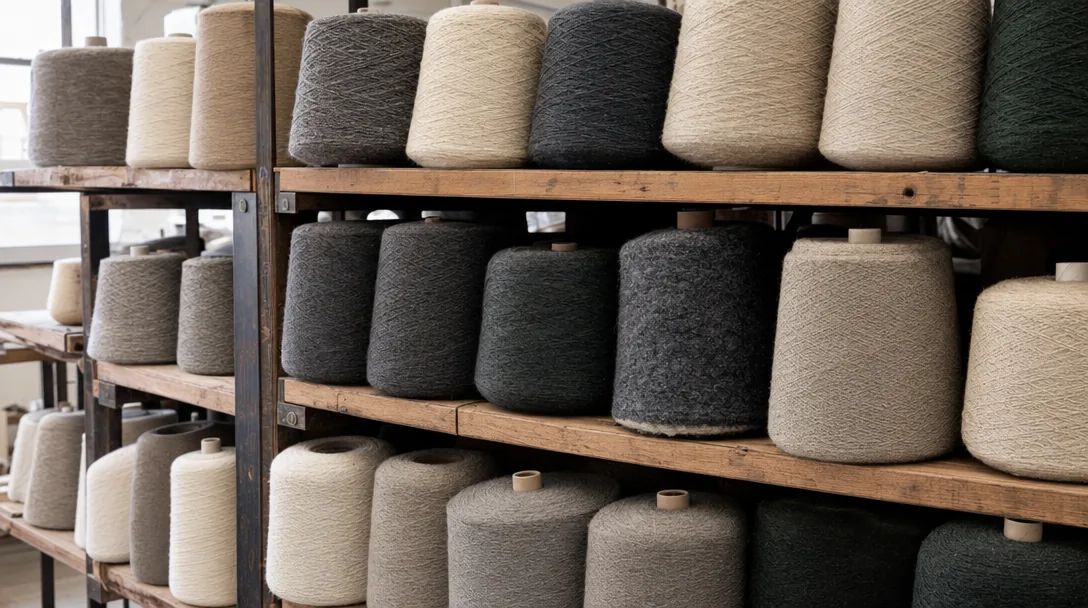
A separate sourcing plan is not optional because corduroy fails differently from twill, and most failures surface after cutting or decoration. A usable bucket hat corduroy decoration qc checklist starts with fabric geometry, not logo artwork: wale count, nap direction, pile height, and shade consistency by lot. For bucket hats, 8 to 12 wale cotton corduroy at 280 to 320 gsm is common, but even a good lab dip can go wrong if crown panels are cut with mixed nap or if the mill blends dye lots inside one PO. Under D65 the fabric may pass visually, then show obvious panel-to-panel shading under store LED or daylight at an angle. Buyers should lock a Pantone TCX standard, approve bulk against a Delta-E tolerance of 1.5 to 2.0, and require roll-level inspection with lot segregation recorded on the packing list. If the supplier cannot maintain one dye lot for small runs, they should at least block production by lot and keep each hat body within the same lot.
Corduroy also needs handling controls before sewing starts because pile memory is weak and compression marks travel straight into finished goods. Our standard practice is to relax rolled fabric for 12 to 24 hours before spreading, inspect face side for bruising and missing wales, and reject rolls with obvious bowing or crush lines near the selvedge. Decoration is where costs and reject rates diverge fastest. Direct embroidery on corduroy is not a standard cap setup: on Tajima, Barudan, or ZSK heads you typically reduce stitch density, soften underlay, increase pull compensation, and slow run speed to keep satin columns from sinking between ribs. That usually adds $0.12 to $0.28 per piece in machine time, backing, and rework. Patch programs create their own MOQ traps: woven patches often start at 500 to 1,000 pieces per design, while rubber badges need heat-press trials because the wale ridges reduce adhesive contact area. Final QC should run at AQL 2.5 with explicit checkpoints for nap direction, embroidery registration after steaming, pile crush after carton packing, and carton pressure limits so the top layer does not flatten before delivery.
Factory capability checks before quoting
Do not evaluate a corduroy bucket-hat quote on price first; evaluate whether the factory understands how pile, wale, and curved panels change decoration behavior. Ask what embroidery platform they actually run—Tajima, Barudan, or ZSK multi-heads—and whether the digitizer adjusts for corduroy by dropping stitch density to roughly 0.35-0.40 mm, widening underlay, reducing pull compensation, and mapping nap direction before sampling. On 8-wale cotton corduroy, satin columns under about 1.2 mm usually sink between ribs; on finer 11-wale cloth, the bigger risk is puckering from excessive frame pressure or overbuilt underlay. A credible supplier should state the real decoration limits: maximum embroidery field on a bucket panel, minimum readable text height, backing weights such as 40-60 gsm cut-away, and when they would switch to woven patch, twill applique, debossed PU, or faux suede instead of direct stitching. If they cannot explain placement control on curved crown panels or how they manage seam rise at join points, your bucket hat corduroy decoration qc checklist has already exposed a quoting-stage risk.
Construction capability matters as much as decoration, because a good logo on bad corduroy still becomes a rejected hat. Ask for fabric data, not sales language: fiber content, wale count, finished weight, pile direction, color tolerance against Pantone TCX with an agreed Delta-E target, and wash shrinkage. For bucket hats, 100% cotton corduroy at about 220-280 gsm is stable enough for crown and brim work; once mills substitute 180-200 gsm, the brim often softens after steaming and the sidewall loses shape. The factory should also specify brim insert type, fuse weight, crown build, eyelet process, sweatband material, and tolerance standards such as brim width within ±0.3 cm and crown height within ±0.5 cm across sizes. Before approving any quote, check sample-room and QC discipline too: first proto in 5-7 calendar days with tape-measured photos, BOM-confirmed trims, current sedex-audit-cap-supplier-guide.html">BSCI 2.0 or Sedex SMETA 4-Pillar records, needle control logs, and finished inspection to AQL 2.5. MOQ should be concrete—typically 300-500 pieces per color for custom corduroy bucket hats—with sample charges around $35-$80 and surcharge exposure for custom dye, metal trims, or special patches usually in the $0.25-$1.20 per piece range.
MOQ, pricing and sample approval
MOQ is where costing stops being theoretical. For a bucket hat corduroy decoration qc checklist, the workable bands are 144–299 pcs for wear-test or market test runs, 300–999 pcs for standard line scheduling, and 1,000+ pcs where fabric yield, trim amortization, and carton efficiency finally improve. A basic style using 6-wale or 8-wale cotton corduroy at 220–280 gsm, cotton twill sweatband, fused front, and simple flat embroidery typically prices at $2.10–$3.40 FOB China. If you move to GOTS-certified cotton or request enzyme wash plus color matching to a specific Pantone TCX, add roughly $0.45–$0.90 per piece and expect mill lead time to stretch by 7–12 days. Buyers also underestimate dyed fabric minimums: corduroy mills commonly want 80–120 meters per color, so splitting 300 hats across three shades can push the real unit cost above a single 600-piece run in one colorway. Sampling should be budgeted separately, not buried in bulk price negotiations. A proto sample for a custom corduroy bucket hat normally runs $35–$70, while a pre-production sample with approved fabric, embroidery file, wash, labels, and packing method is more realistically $60–$120 plus courier. Our standard practice is to credit part or all of that sample charge back on bulk orders above 500–1,000 pcs, but only after PPS approval is signed. If the hat includes custom printed tape, branded hangtags, or recycled polybags, those components can add another $0.12–$0.35 per piece and may carry their own 500–1,000 pc trim MOQ, which matters more than the hat MOQ itself.
Decoration pricing on corduroy is controlled by machine time and by how well the artwork survives the pile. Flat embroidery on Tajima, Barudan, or ZSK heads usually carries a one-time digitizing fee of $25–$60 per logo; that is standard factory practice because corduroy needs cleaner compensation than flat twill. On 6-wale and 8-wale fabric, I would keep stitch density around 0.38–0.42 mm with proper edge walk and underlay, otherwise the logo drops into the wale channels and the outline frays visually even when the machine ran correctly. I generally rule out 3D puff on bucket hats unless the panel is heavily backed, because the softer crown telegraphs the foam edge and registration drifts on curved seams. Common trim adds are straightforward: woven labels $0.08–$0.15, twill patches $0.18–$0.40, metal eyelets $0.06–$0.12, and functional drawcord systems $0.25–$0.65 per hat. Sample approval has to lock measurable tolerances before bulk cutting starts. In a serious bucket hat corduroy decoration qc checklist, PPS sign-off should confirm logo placement at ±3 mm, brim width at ±5 mm, crown depth, wale direction consistency across all panels, approved thread card, and shade match against Pantone TCX under D65 daylight, not only factory LEDs. Bulk embroidery should also be checked for puckering around dense fills, needle cuts along the cord ribs, and seam distortion near side panels. Final inspection should run to AQL 2.5, with special attention on color shading between panels, brim symmetry, stitch count, and packing method, because corduroy that looks acceptable under warm workshop lighting often shows obvious Delta-E shift and nap inconsistency once the shipment is opened in daylight.
Quality inspection and shipping risk
Most preventable failures show up before cargo handover, but only when the bucket hat corduroy decoration qc checklist is built around corduroy behavior instead of a generic cap SOP. Use final random inspection at AQL 2.5 for major defects and 4.0 for minor defects, and lock a sealed approval sample with dated defect photos before bulk starts. On 8 to 11 wale cotton corduroy, major defects should include mixed nap direction across panels, fabric shade variation above Delta-E 1.5 versus the approved lab dip or Pantone TCX reference, embroidery placement drifting more than 3 mm from spec, broken 301 lockstitch, seam grin at side joins, and needle cuts that fracture the wale line. Measurement tolerances also need to match how bucket hats are worn: head circumference plus or minus 0.5 cm on a 58 cm size, brim width plus or minus 0.3 cm, and crown height plus or minus 0.5 cm are tight enough to catch pattern drift without creating false rejects. If the PO calls out organic cotton or recycled content, require GOTS or GRS transaction certificates plus fiber-content test support; a mill promise means nothing once there is a retailer claim or a BSCI 2.0 document review.
Most returns come from decoration instability or freight damage, not obvious sewing faults. For 280 to 320 gsm cotton corduroy, set lab testing around AATCC or ISO methods: dry crocking should hit grade 4 minimum, wet crocking grade 3-4, perspiration colorfastness grade 4, and light fastness at least grade 4 for seasonal fashion colors. Embroidery inspection needs to be fabric-specific: check for thread sinking between wales, puckering around satin columns, exposed backing near seam joins, loose thread tails inside the crown, and logo distortion from over-digitized fills. On Tajima or Barudan heads, fill density tighter than roughly 0.40 mm often drags the pile flat and pulls the panel unless underlay, hooping pressure, and upper-thread tension are tuned correctly; our standard practice is to test embroidery on bulk fabric, not strike-off twill, because corduroy reacts differently under the needle. Shipping risk starts with packing discipline. Bucket hats should be nested with brim support and packed in export cartons that show style, color, size, PO, quantity, carton number, gross and net weight, country of origin, and routing-guide barcode placement exactly as booked. For 500 to 1,000 pieces, DDP often makes sense when landed-cost certainty matters more than freight optimization; at 3,000 pieces and up, FOB usually gives the buyer better control over booking windows, carton consolidation, and claims.
Buyer checklist for the next RFQ
A workable RFQ starts with locked material and color data, because corduroy is where most preventable disputes begin. Specify wale count, composition, and finished weight in one line: for example, 100% cotton 11-wale corduroy, 240-260 gsm, reactive dyed, pre-shrunk, pile direction consistent panel to panel. If organic content matters, name the actual standard—GOTS, OCS 100, or OCS Blended—not vague “eco” language. That choice changes both sourcing and cost; in practice, certified fabric can add roughly $0.20-$0.50 per hat versus conventional stock. Color needs the same precision. Do not write “tan” or “coffee”; provide a Pantone TCX reference plus an approved swatch, because corduroy nap can shift perceived shade enough to push Delta-E above 1.5 under D65 and still look different again under TL84. A useful bucket hat corduroy decoration qc checklist also states the approval method before sampling starts: lab dip for color, strike-off for print, embroidery sew-out for stitch quality, and one sealed pre-production sample as the bulk standard.
Artwork and construction details need to be floor-ready, not brand-deck vague. Send vector files in AI, EPS, or layered PDF, then call out each decoration by method, size, and position in millimeters: flat embroidery, 3D foam, woven patch, screen print, heat transfer, or applique. On corduroy, rib direction affects stitch registration; a 50-60 mm satin-edge logo that runs clean on cotton twill may sink into the wale and require lower stitch density, edge run compensation, or a patch base when digitized for Tajima or Barudan heads. Include crown height, brim width, brim stitch rows, eyelet finish, sweatband spec, seam tape, label placement, and tolerances such as brim width ±5 mm, crown height ±5 mm, and embroidery position ±3 mm. If you want clean quotations and defensible inspection results, one front rendering is useless—send top, side, inside, and close-up decoration views in the tech pack.
Commercial and inspection terms belong in the same RFQ because they directly affect MOQ, lead time, and reject risk. State quantity by colorway, any size split, packaging standard, target ship date, and Incoterm—FOB Ningbo, FOB Shanghai, or DDP to a named ZIP code. For piece-dyed corduroy, custom color usually becomes commercially sensible at around 300-500 pieces per color; below that, stock fabric is more realistic, but repeat shade consistency is weaker. Small packing items add up fast: individual polybag with suffocation warning, barcode sticker, hangtag, size sticker, and insert card commonly add $0.12-$0.35 per piece. Then define the pass-fail rule clearly: final inspection at AQL 2.5, with major defects including shade banding, nap crush, puckered topstitching, exposed raw seam, embroidery skew beyond 3 mm, patch lifting, or label placement outside tolerance. If BSCI 2.0 or Sedex SMETA 4-Pillar audited production is mandatory, state it before sampling, because it limits factory and subcontractor options immediately.
Working with CrownsForge
The bucket hat corduroy decoration qc checklist should start before bulk cutting, because most failures are locked in during sampling, not discovered at final AQL. For corduroy buckets, the first controls are fabric construction and shade tolerance: confirm wale count, pile height, and finished weight on the approved lot, because an 8-wale 100% cotton corduroy at 300 gsm behaves very differently under embroidery than an 11-wale article at 240 gsm. Shade approval needs measurable standards, not a vague “close match.” Shell panels should be checked against Pantone TCX in a D65 light box with Delta-E kept under 1.5; internal components such as sweatband, seam tape, and fusible-backed trims can usually run up to 2.0 without reading as mismatched in wear. For a 500-piece order, a realistic pre-production path is 7-10 calendar days: fit sample, decoration strike-off, and one sealed PP sample before marker making and cutting release. Dimensional control is just as important on bucket hats because corduroy exaggerates distortion after steaming and shaping. Crown height should hold within +/-3 mm, brim width within +/-2 mm, and topstitch spacing should stay consistent at 5-6 mm across the full circumference; if the wale direction drifts between panels, the hat looks twisted even when the sewing is technically clean. Our standard practice is to check seam matching at the brim join, recovery after steam pressing, and panel-to-panel shade continuity under both D65 and TL84, because crown-to-brim shade shift is one of the most common claims on dark colors. If those checkpoints are missing, the bucket hat corduroy decoration qc checklist is incomplete, and the factory can still pass inspection while the buyer receives hats with rib torque, uneven brim roll, or visible panel mismatch.
Decoration is where corduroy programs usually break down, because ribbed surfaces do not accept standard cap embroidery settings used on flat twill. On Tajima or Barudan heads, embroidery density generally needs to be reduced by 10%-15% versus baseline cap files to avoid tunneling, rib crush, and edge distortion; 40 wt polyester thread with a 75/11 or 80/12 needle is the safe starting point, and satin columns below 1.2 mm should usually be redigitized into fills or widened. Placement tolerance for woven labels, side tabs, applique, and eyelets should stay within +/-2 mm, and sewn label attachment plus chin-cord anchor points should pass at least 70 N pull force. If the shell is cotton corduroy with fusible-backed decoration, post-decoration dimensional change should stay under 3% in warp and weft after conditioning. Final inspection only means anything if it is tied to shipment release and written against clear defect criteria. A practical standard is AQL 2.5 major and 4.0 minor, with majors covering brim asymmetry, off-center embroidery, skipped stitches, seam puckering, oil contamination, needle cuts, and wrong assortment by carton. Carton checks should also include drop resistance, shipping mark accuracy, polybag suffocation warnings where required, and desiccant use during humid-season export to reduce mildew claims in transit. Current FOB Ningbo or Shanghai pricing for custom corduroy bucket hats is typically $2.80-$5.60 per piece, with MOQ around 300 pieces per colorway; 100-150 piece trial runs are feasible, but usually add 8%-15% to unit cost because fabric yield, digitizing, and trim setup do not scale down cleanly. If the order requires BSCI 2.0 or Sedex SMETA 4-Pillar compliance, those audit records should be matched to inspection files before vessel booking, not chased after the cargo is on the water.
Frequently Asked Questions
What is the minimum order quantity (MOQ) for custom hats?
Our standard MOQ is 100 pieces per design and color, with sampling available from 1 piece. For complex multi-color logos or premium fabric upgrades, the MOQ can be lowered with a small per-piece surcharge.
Do you support sustainability certifications?
Yes. We work with GOTS organic cotton, GRS-certified recycled polyester, OEKO-TEX Standard 100 fabrics, and are BSCI and Sedex audited. Certification documentation can be provided per order.
Which shipping methods do you support?
We support FOB, CIF and DDP shipping. Air express for samples and small orders, sea LCL for 100 to 500 pieces, sea FCL for 5,000+ pieces. Door-to-door DDP available for US, EU, UK, Canada and Australia.
What file format should I send for my logo?
Vector files (AI, EPS, PDF) are ideal. High-resolution PNG or JPG at 300 dpi on transparent background works as a fallback. Provide Pantone color references for accurate reproduction.
How long does production take?
Sampling takes 7 to 12 days. Bulk production runs 20 to 30 days depending on quantity, fabric availability and decoration complexity. Inspection and packing adds another 3 to 5 days before shipment.
What should buyers know about organic cotton bucket hat?
When evaluating organic cotton bucket hat, the key considerations are construction quality, decoration capability, MOQ flexibility and lead time. Explain the buyer intent behind bucket hat corduroy decoration qc checklist, when it differs from generic hat sourcing, and what decisions affect cost, lead time and compliance. Describe how CrownsForge manages bucket hat corduroy decoration qc checklist programs with sampling, decoration, QC and export coordination.
What should buyers know about brown corduroy bucket hat?
When evaluating brown corduroy bucket hat, the key considerations are construction quality, decoration capability, MOQ flexibility and lead time. Explain the buyer intent behind bucket hat corduroy decoration qc checklist, when it differs from generic hat sourcing, and what decisions affect cost, lead time and compliance. Describe how CrownsForge manages bucket hat corduroy decoration qc checklist programs with sampling, decoration, QC and export coordination.
What should buyers know about bucket hat men nike?
When evaluating bucket hat men nike, the key considerations are construction quality, decoration capability, MOQ flexibility and lead time. Explain the buyer intent behind bucket hat corduroy decoration qc checklist, when it differs from generic hat sourcing, and what decisions affect cost, lead time and compliance. Describe how CrownsForge manages bucket hat corduroy decoration qc checklist programs with sampling, decoration, QC and export coordination.
What should buyers know about acrylic beanie hat?
When evaluating acrylic beanie hat, the key considerations are construction quality, decoration capability, MOQ flexibility and lead time. Explain the buyer intent behind bucket hat corduroy decoration qc checklist, when it differs from generic hat sourcing, and what decisions affect cost, lead time and compliance. Describe how CrownsForge manages bucket hat corduroy decoration qc checklist programs with sampling, decoration, QC and export coordination.
How should a bucket hat look?
Because the bucket hat has a clean, well-structured design with beautiful piping details, it's like it was made to be dressed up. A more casual bucket hat look would be to bend the brim up in the front. In order to achieve a more formal look, keep the hat-brim turned down and pair it with an elevated outfit.
Looking for a reliable hat manufacturer in China?
CrownsForge has produced custom hats for 800+ brands across 40 countries. From 100-piece launches to 100,000-piece retail programs, we deliver on time and on spec.
Get in touchRelated guides
Compliance Documentation Checklist for First Hat Import to US/EU (2026 Update)
Read article →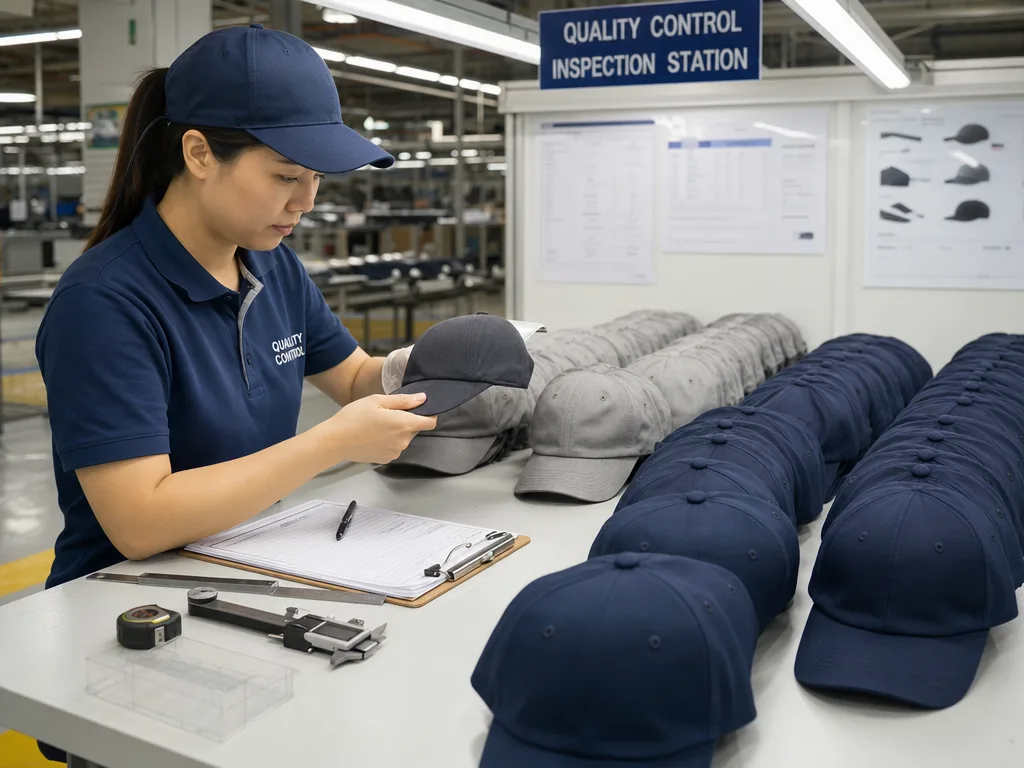
Cap Factory AQL Inspection Plan for Importers
Read article →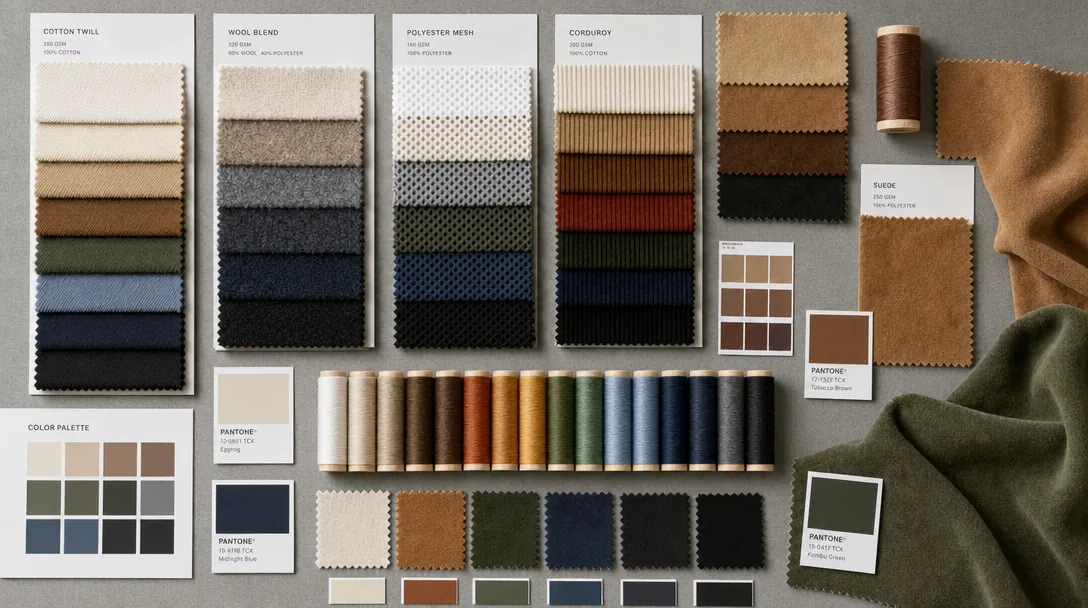
Bucket Hat Corduroy MOQ And Pricing Plan for Custom Hat Buyers
Read article →Sourcing custom hats does not have to be complicated. With the right manufacturing partner, clear specifications and a small upfront investment in sampling, you can launch a retail-quality product in 30 to 45 days.