
Blank Hats Sample Approval Process for Custom Hat Buyers - Cost & MOQ Breakdown
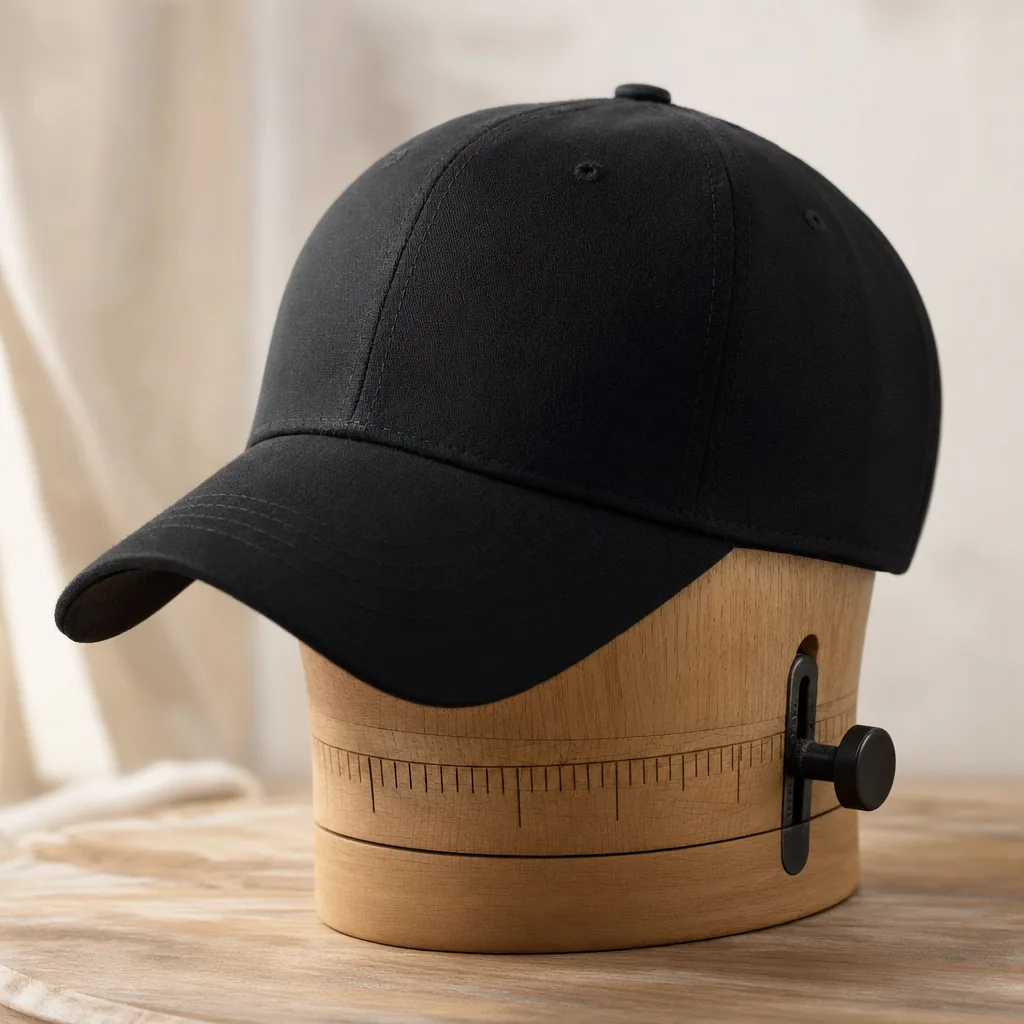
Every week, our sales team answers detailed questions about blank hats sample approval process for custom hat buyers - cost & moq breakdown. We wrote this guide so that wholesalers, streetwear brands, corporate buyers and promotional resellers can compare options with full information, and avoid the traps that show up only after production has started.
Why blank hats sample approval process needs a separate sourcing plan
Treat the blank hats sample approval process as a production gate, not a courtesy step. A photo approval only confirms silhouette and rough color; it does not tell you whether a 5-panel crown will collapse after steam, whether the visor board is 2.5 mm or 4.0 mm, or whether the sweatband will shrink 3 to 5 mm after heat setting. Buyers need to define exactly what is being approved: a warehouse counter sample, an express courier sample, or a true pre-production sample made on the same Tajima, Barudan, or ZSK setup that will run bulk. Those are different risk levels and different cost structures. A stock sample usually lands at $8 to $18 by courier, while a pre-production sample with reserved fabric lot, trim, and pack-out often reaches $25 to $60 because line time is blocked and materials are committed.
MOQ and approval discipline have to be tied together before the first sample is cut. If you are buying promotional blanks, the factory may show a one-off from inventory with no MOQ pressure; once you ask for a custom wash, a specific Pantone TCX target, or a structured front panel in 100 percent cotton twill at 280 gsm, the sample becomes a proxy for the bulk run. That is where buyers get burned: the sample passes, then the bulk quote changes because the approved version uses a different closure, lining, or visor board than the stock piece. A proper sourcing plan locks crown height, panel count, stitch density, sweatband width, and carton pack-out before anyone talks about colorway extensions or multi-SKU MOQ. Otherwise, a 300-piece order turns into 300 pieces of avoidable rework.
QC belongs in the sample step, not at final inspection. For blank hats sample approval process work, the buyer should require dimensional checks on crown depth, brim curve, and closure range, plus a basic wear test: one hour on head, steam recovery, and a bend check on the visor tip. If the factory cannot hold Delta-E under 2.0 on the approved color, or the stitch density drifts by more than 1 stitch per centimeter between samples, the bulk line is already warning you that correction will be needed. The right way to manage this is to treat sample approval like a mini AQL 2.5 rehearsal, even on 500 to 1,000 pieces, because it exposes whether labeling, carton counts, and pack-out are repeatable before money gets locked into bulk inventory.
Factory capability checks before quoting
The blank hats sample approval process should start with a factory capability check, not a price quote. Before anyone talks numbers, I want to know whether the shop can actually build the cap to spec: panel count, crown height, brim curvature, structure, seam allowance, and decoration limits. A serious sample room should be able to show Tajima, Barudan, or ZSK embroidery heads and state the real limits for flat embroidery, 3D puff, applique, woven patches, and heat transfer. If the buyer wants a 6-panel structured dad hat with 120 gsm cotton twill, sandwich brim, and a 3D logo, the factory should say whether it can hit that build without rework. If the answer is vague, the quote will be vague too, and the first sample will usually expose it.
Closure and construction details are where labor time, fit, and rejection risk change fast. Snapback, Velcro, metal buckle, leather strap, and fitted sizing are not interchangeable line items; each changes the pattern, sewing sequence, and final QC points. I also check the details that cause the blank hats sample approval process to drift: pre-curved versus flat visor, underbrim color, seam taping, sweatband width, front buckram weight, and internal label placement. A shop that can deliver a first sample in 5 to 7 working days usually has a controlled sample room and stocked blanks; one that needs 15 to 20 days for a basic cap often lacks pattern discipline or material inventory. The quote should separate sample fee, embroidery digitizing, patch mold or plate cost, and courier charge so revision cost is visible from day one.
Audit readiness and response speed tell you whether the sample approval will survive the first revision. I look for sedex-audit-cap-supplier-guide.html">BSCI 2.0 or Sedex SMETA 4-Pillar readiness, needle and metal control, and a color workflow tied to Pantone TCX with Delta-E under 2.0 for critical panels and logos. The factory should confirm how it measures head circumference, closure-length tolerance, and carton pack-out before taking a deposit. If a spec question cannot be answered in writing within one business day, that usually turns into slower sampling and sloppier bulk production later. Our standard practice is to request fabric swatches, logo placement, closure samples, and a written tech pack before quotation, because that is where most cost overruns are prevented. For buyers comparing wholesale blank hats quotes, the lowest sample fee is not the best signal; the better sign is a factory that asks for fit target, artwork format, and packaging details before it commits to a price.
MOQ, pricing and sample approval
MOQ is usually where buyers misread the economics, because the minimum follows construction, not just fabric. A stock blank cap in a standard 5-panel or 6-panel shape can start at 50 to 100 pieces per color if the shell, sweatband, and closure are already in inventory. Once you change the panel shape, closure, or add private-label details like woven labels and custom taping, 300 to 500 pieces per style is a more realistic floor. For a garment-washed cotton twill cap at 280-320 gsm or a brushed canvas build, the fabric dye lot and trim order often matter more than the blank shell itself. In the blank hats sample approval process, keep the development sample, pre-production sample, and bulk approval separate; a $30 to $45 sample fee does not mean the landed unit cost will be anywhere near that number.
Decoration setup is where the real cost sits, and it is easy to miss if you only look at the cap price. Embroidery digitizing usually runs $25 to $60 per logo, with another $20 to $50 setup fee per colorway for small runs. On Tajima, Barudan, or ZSK heads, stitch count and fill density drive both appearance and stability; for a standard front logo, we normally keep fill spacing around 0.40 to 0.45 mm and adjust backing weight if the crown starts to pucker. Pantone should be approved in TCX or TPX terms before PPS, because a Delta-E below 2.0 only holds when the fabric, thread, and bill material are all matched. The sample should also lock in mesh shade, foam thickness, sweatband spec, woven label, hangtag, and polybag count, otherwise the bulk run will drift from the signed sample.
Lead time is mostly a question of how many times the buyer reopens the sample. A straightforward blank cap with embroidery normally needs 5 to 10 working days for sample making, 10 to 15 days if you add custom tape, woven labels, or a revised panel block, and 20 days or more if Pantone correction or stitch density keeps changing. Bulk production for 1,000 to 3,000 units then takes about 25 to 35 days, with freight adding 7 to 20 days depending on FOB or DDP routing. The practical rule is simple: every change to crown height, visor curve, closure type, or packaging creates another approval gate. Our standard practice is to freeze individual polybags, size stickers, carton marks, and master carton count before PPS sign-off, because those details affect the final inspection and whether the order clears AQL 2.5 without rework.
Quality inspection and shipping risk
The blank hats sample approval process only matters if it ends with a real pre-shipment gate, not a nice-looking sample on a desk. For a 5,000-piece run, AQL 2.5 under ISO 2859-1 typically lands at a sample size of 200 units, with critical defects at zero and majors held to a narrow cap. On caps, the defects that actually trigger claims are consistent: front panels cut off-center by more than 2 to 3 mm, broken topstitching at the visor seam, crown height drift outside the approved spec, crooked sandwich piping, and color mismatch beyond Delta-E 1.5 against the approved Pantone TCX target. We also check fabric weight by GSM cut test, stitch density on the sweatband, seam slippage, and visor curve against the master sample. If the order calls for 8 SPI and production is running 6.5, that is not “factory tolerance”; it is a spec miss that will show up in retail photos and returns. Colorfastness should pass AATCC 61 for laundering and AATCC 16.3 for light, with wet crocking no worse than Grade 4.
Shipping risk is usually less about container drama and more about pack-out discipline turning approved hats into rejects. Under FOB Yiwu, risk transfers once cartons are loaded, so the buyer still owns ocean freight, cargo insurance, customs clearance, and last-mile delivery; DDP shifts those costs to the supplier, but on a normal 190 to 280 gsm structured cap it usually adds about $0.80 to $1.20 per unit once duty, broker fees, and domestic delivery are included. The failures I see most often are mixed-color cartons, crushed crowns from weak carton compression strength, wrong carton marks, and moisture trapped in a sealed container that was loaded hot and then cooled at sea. The fix is basic and non-negotiable: carton-by-carton photos, PO and quantity verification, size ratio counts, master carton labels matched to the commercial invoice, and a pre-loading report before the truck leaves the warehouse. If the approved sample tag or last inspection record is missing, the blank hats sample approval process should be reset, because once the reference point drifts, there is no defensible baseline for a claim.
Buyer checklist for the next RFQ
A serious RFQ has to price the hat, the sample, and the failure risk in one shot. For the blank hats sample approval process, send one spec sheet with style code, crown height in mm, visor curve radius, panel count, closure type, and fit range by head circumference; “regular fit” is not usable. Add Pantone TCX for every fabric and trim color, vector art in AI, EPS, or PDF, and at least three reference photos showing front, side, and sweatband details. If you want blank stock caps and decorated units in the same PO, separate them by line item because MOQ, setup, and handling change the moment embroidery or patch work enters the order. Buckram weight, visor board thickness, sweatband construction, and seam count are not cosmetic notes; on a basic six-panel cap they usually move cost by $0.40 to $1.20 per piece before freight.
Spell out the sample gate before anyone cuts fabric. Say whether you need a proto, salesman sample, color strike-off, or final pre-production sample, and define the acceptance rule up front: Delta-E under 2.0 for critical panels, stitch-count tolerance, and whether shipment will be judged to AQL 2.5. For trucker hats, specify mesh denier, foam thickness in mm if used, sweatband material, and whether the front is 1080 gsm buckram-structured or left soft. For wash-dyed or distressed country hats for men, call out brim width, crown profile, wash ratio, and distressing level, because those details are easy to interpret differently and expensive to correct after stitching. Put delivery term, destination country, and pricing basis, FOB, DDP, or EXW, in the first email so every supplier is quoting the same lane.
The cleanest RFQ removes the small decisions that waste sample rounds. Give estimated annual volume, first order quantity, size split, decoration placement map, and packaging requirements down to polybag thickness, carton marks, and barcode format. If you know the decoration method, name it plainly: flat embroidery, 3D puff, woven patch, leather patch, applique, or direct print. That matters because Tajima, Barudan, and ZSK embroidery heads do not behave the same way on dense fills, tiny text, or high-satin borders, and a file that runs clean on one machine may need stitch reduction on another. Include the sample signoff deadline and who has final approval authority, because comments from merchandising, sales, and licensing after the first proto usually add another round and another freight bill. In practice, a one-page spec with clean art files gets quoted faster and more accurately than a long email thread, and it gives the blank hats sample approval process a fixed target instead of a moving one.
Working with CrownsForge
CrownsForge runs the blank hats sample approval process as a linear, traceable workflow — not a black box. When a buyer sends a Pantone TCX reference or a technical pack, we pull stock fabric from our 1,500-square-meter warehouse (cotton twill, polyester mesh, acrylic wool blends, 100% nylon webbing, all inventoried by gsm and denier). The first sample is a "blank cut" — no decoration, just the shell sewn to spec on our Juki and Brother lockstitch machines. We charge a flat $65 per style for this stage, which covers pattern grading, fabric cutting, and one round of trim adjustment. The turnaround is 5 working days, and we include a PDF with stitch counts, seam allowances, and a Delta-E report against your submitted color standard. This is where most factories cut corners; we don't. If the blank fails AQL 2.5 on seam puckering or color shift, we remake it at no extra cost before moving to decoration.
Once the blank is approved, we move to the decoration phase — embroidery, screen printing, or puff foam. For embroidery, we use Tajima 15-needle heads (12-head and 6-head frames) with a 0.5mm digitizing tolerance. A standard 5,000-stitch logo on the front panel costs $0.18 per piece at 500-piece MOQ; for custom bulk trucker hats with back mesh and side patches, we adjust the digitizing path to avoid needle breaks on the foam layer. Screen printing on structured fronts uses 305-mesh screens and plastisol ink, with a $35 setup fee per color. We also run a physical strike-off for every decoration method — not a digital mockup — so you can feel the thread tension and ink opacity. The sample approval process for decorated units takes another 7 days, and we ship the approved sample back to you via DHL or FedEx with a signed QC card.
Export coordination is handled in-house, not farmed out to a third-party forwarder. We manage FOB Shanghai or DDP to your warehouse, with a 28-day lead time for bulk custom trucker hats after sample sign-off. For wholesale blank hats — like country hats for men with a structured crown and pre-curved visor — we hold a 10% overrun to cover AQL 2.5 rechecks and any last-minute trim changes. Our BSCI 2.0 and Sedex SMETA 4-Pillar audits are current, and we provide a full packing list with carton dimensions, gross weight, and HS code 6505.00.60 for customs clearance. The blank hats sample approval process ends with a digital archive: we store your approved sample's stitch file, ink formula, and fabric lot number for reorders up to 18 months later, with no additional setup fees.
Frequently Asked Questions
How long does production take?
Sampling takes 7 to 12 days. Bulk production runs 20 to 30 days depending on quantity, fabric availability and decoration complexity. Inspection and packing adds another 3 to 5 days before shipment.
Do you support sustainability certifications?
Yes. We work with GOTS organic cotton, GRS-certified recycled polyester, OEKO-TEX Standard 100 fabrics, and are BSCI and Sedex audited. Certification documentation can be provided per order.
What file format should I send for my logo?
Vector files (AI, EPS, PDF) are ideal. High-resolution PNG or JPG at 300 dpi on transparent background works as a fallback. Provide Pantone color references for accurate reproduction.
What is the minimum order quantity (MOQ) for custom hats?
Our standard MOQ is 100 pieces per design and color, with sampling available from 1 piece. For complex multi-color logos or premium fabric upgrades, the MOQ can be lowered with a small per-piece surcharge.
Can I order a sample before bulk production?
Yes. We strongly recommend approving a pre-production sample before mass production. Samples are charged at 35 to 60 USD each plus express shipping, fully refundable against confirmed bulk orders over 500 pieces.
What should I know about blank trucker cap wholesale bulk?
When evaluating blank trucker cap wholesale bulk, the key considerations are construction quality, decoration capability, MOQ flexibility and lead time. Explain the buyer intent behind blank hats sample approval process, when it differs from generic hat sourcing, and what decisions affect cost, lead time and compliance. Describe how CrownsForge manages blank hats sample approval process programs with sampling, decoration, QC and export coordination.
How does ordering custom embroidered trucker hat work?
When evaluating custom embroidered trucker hat, the key considerations are construction quality, decoration capability, MOQ flexibility and lead time. Explain the buyer intent behind blank hats sample approval process, when it differs from generic hat sourcing, and what decisions affect cost, lead time and compliance. Cover embroidery, patch, fabric, panel construction, closure options, sample room capability, audit readiness and communication checks.
What should I know about custom rope hat wholesale bulk?
When evaluating custom rope hat wholesale bulk, the key considerations are construction quality, decoration capability, MOQ flexibility and lead time. Explain the buyer intent behind blank hats sample approval process, when it differs from generic hat sourcing, and what decisions affect cost, lead time and compliance. Cover embroidery, patch, fabric, panel construction, closure options, sample room capability, audit readiness and communication checks.
What should I know about custom trucker hats bulk?
When evaluating custom trucker hats bulk, the key considerations are construction quality, decoration capability, MOQ flexibility and lead time. Explain the buyer intent behind blank hats sample approval process, when it differs from generic hat sourcing, and what decisions affect cost, lead time and compliance. Describe how CrownsForge manages blank hats sample approval process programs with sampling, decoration, QC and export coordination.
How long does it take for Otto cap to ship?
Domestic blank products are typically shipped within the next business day. Domestic custom products are shipped within approximately 10 business days after final approval. Overseas custom products are shipped within approximately 65 days after final approval.
Does a hard hat have to be CE marked?
Can I use a hard hat that does not have a CE or UKCA mark? No. Hard hats used on UK construction sites must be certified to the relevant British or European standard and carry the appropriate conformity mark.
How are hat blanks made?
Felt hat materials The begin their lives as felt "bodies" or "blanks" which are very generically hood-shaped. These are made from either fur felt or wool felt, with shellac-based sizing used to stiffen and waterproof them.
How to judge a hat contest?
Creativity & originality. Workmanship & degree of difficulty. Proportion, balance & colour. Quality of the skills shown. Visual appeal & impact.
How to put a logo on a blank hat?
Q. Can you put a logo on a hat? Yes, you can put a logo on a hat through different techniques — sublimation printing, heat transfer vinyl printing, and transfer paper printing. You can also put a logo on a hat through screen printing and embroidery.
Looking for a reliable hat manufacturer in China?
CrownsForge has produced custom hats for 800+ brands across 40 countries. From 100-piece launches to 100,000-piece retail programs, we deliver on time and on spec.
Get in touchRelated guides
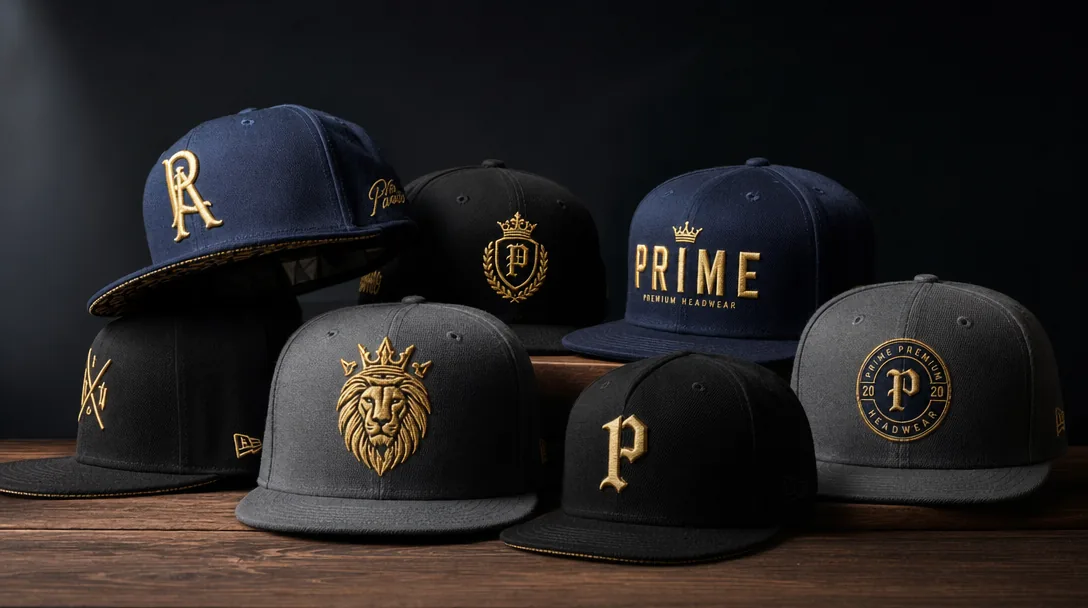
Custom Leather Patch Hat Low Minimum: A 2026 B2B Sourcing Guide
Read article →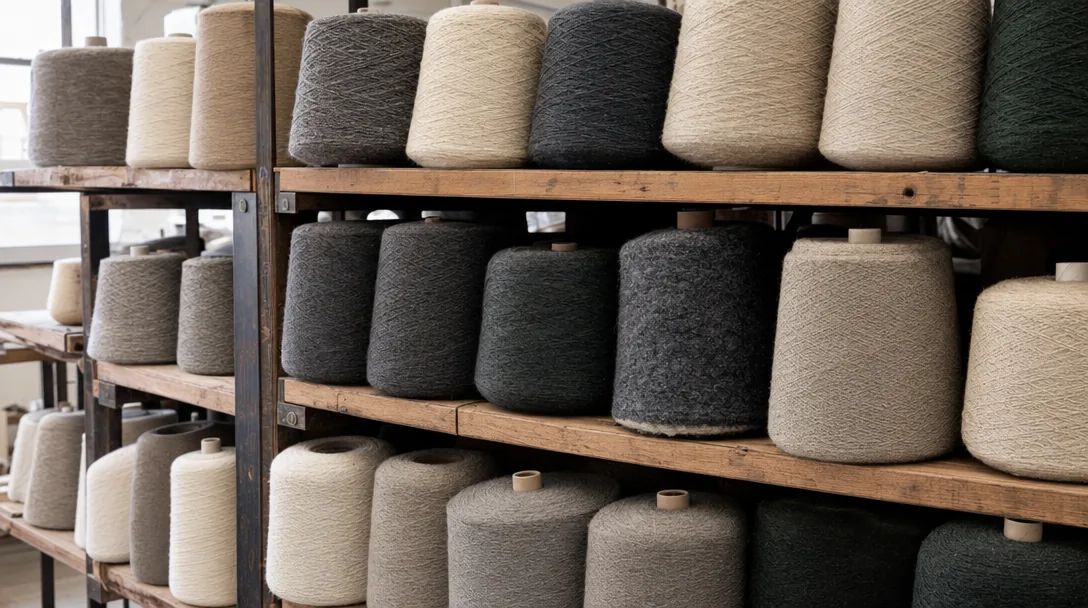
Mens Beanies: Properties, Costs and How to Spec It Right
Read article →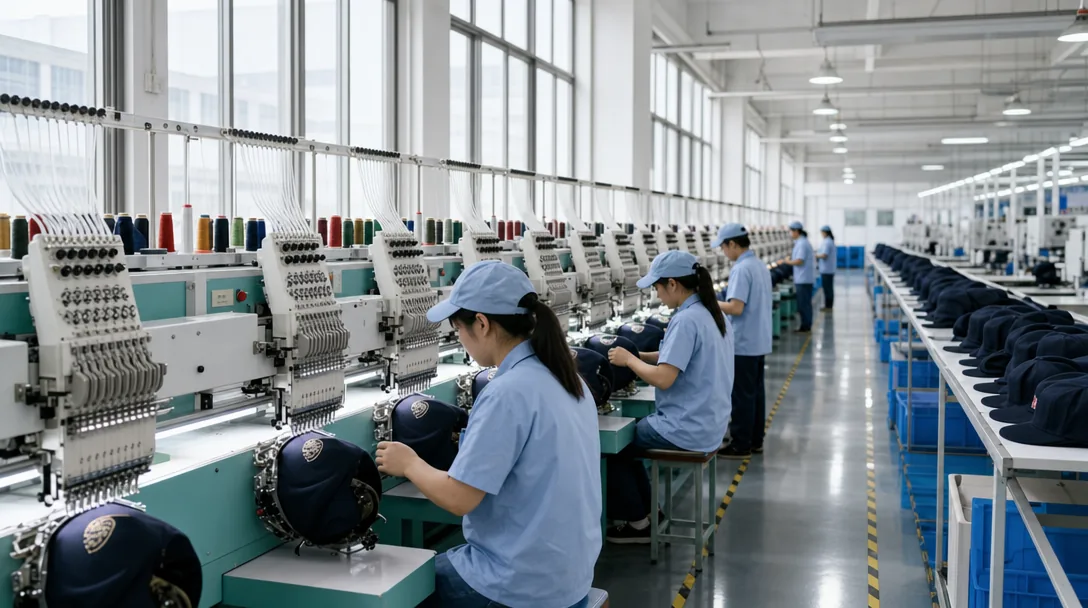
Bulk Trucker Hats Export Shipping Checklist for Custom Hat Buyers - Cost & MOQ Breakdown - Supplier Checklist
Read article →We hope this guide demystifies blank hats sample approval process for custom hat buyers - cost & moq breakdown and helps you move forward with confidence. If you have questions specific to your project, our English-speaking sales engineers are one message away.