
10 Questions to Ask a Cap Manufacturer on Your First Call - Cost & MOQ Breakdown
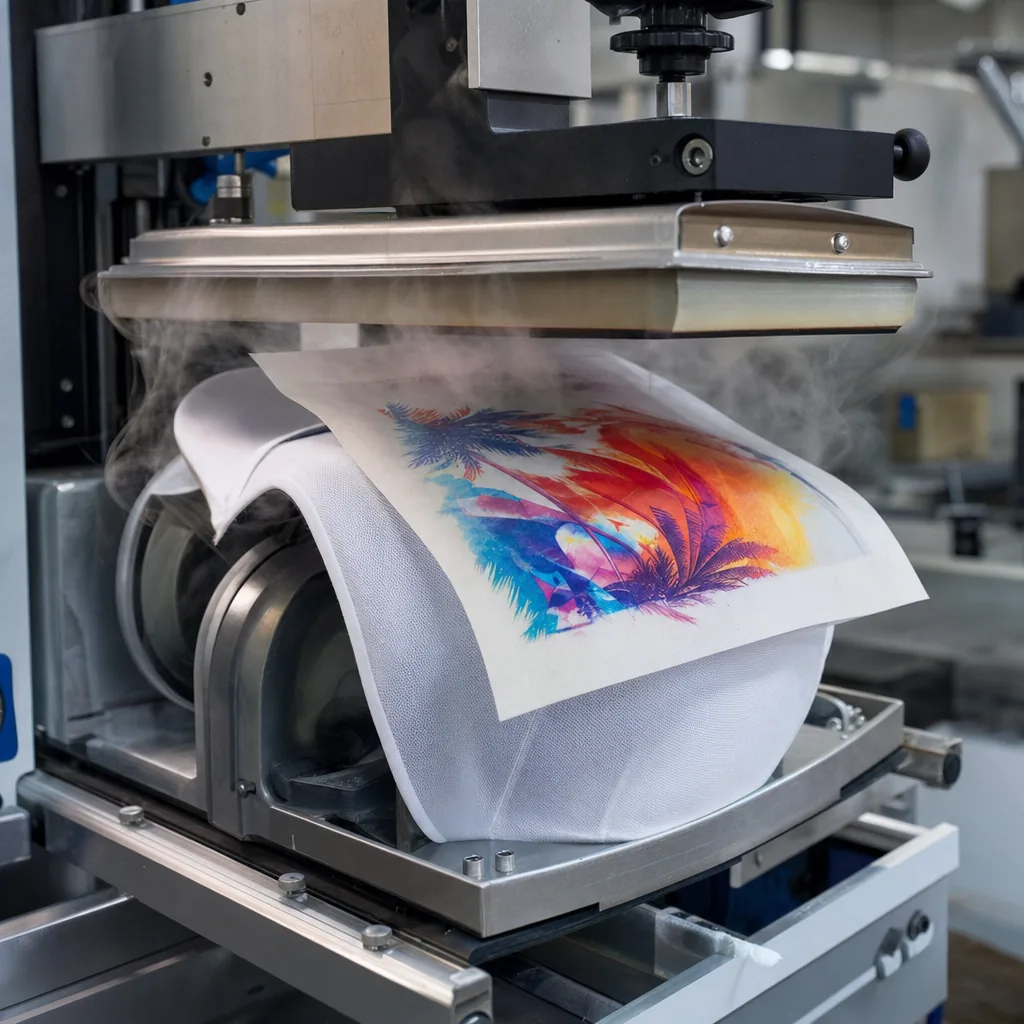
Every week, our sales team answers detailed questions about 10 questions to ask a cap manufacturer on your first call - cost & moq breakdown. We wrote this guide so that wholesalers, streetwear brands, corporate buyers and promotional resellers can compare options with full information, and avoid the traps that show up only after production has started.
Question 1: What's the actual lead time from artwork approval to shipment?
A capable factory should quote lead time by production gate, not with “around a month.” For a standard 6-panel baseball cap or snapback, a realistic FOB schedule after artwork approval is usually 35-45 calendar days: 3-5 days for digitizing and a first embroidery strike-off, 5-7 days for sample making, 2-4 days for courier transit and approval comments, 18-25 days for bulk cutting, sewing, embroidery, shaping, and finishing, then 3-5 days for AQL 2.5 final inspection, carton packing, and booking handoff. If they cannot break out fabric booking, trim readiness, embroidery approval, sewing-line allocation, and final QA, they are not giving you a production plan; they are giving you a sales promise. Among the smartest questions for hat manufacturer calls, this one exposes very quickly whether capacity is actually reserved or just assumed. Lead time also changes materially with the construction and trim package. Stock 10x10 cotton twill, standard buckram, and flat embroidery are routine; custom-dyed fabric, 3D puff embroidery, applique, woven patch application, sandwich brim, or laser-perforated 150-180 gsm performance polyester can add 3-7 days, sometimes more if a trim vendor is outside the province. If Pantone TCX color matching is involved, ask whether the mill confirms lab dips before cutting and what tolerance they accept in bulk; a disciplined factory should speak in Delta-E terms, typically under 1.0-1.5. Ask whether embroidery runs in-house on Tajima, Barudan, or ZSK heads, because outsourced digitizing or strike-offs often cost two extra days and a lot more finger-pointing when approvals stall.
The biggest red flag is the fantasy promise: sample plus bulk in two weeks. Even with stock fabric, a plastic snap closure, and no special packaging, real cap production still requires pattern confirmation, digitizing, strike-off approval, panel cutting, sewing, eyelet and button setting, brim shaping, thread trimming, inline QC, and final inspection. Add 1-2 more days if the order needs retail inserts, barcode labels, polybag suffocation warnings, metal detection, or needle-control records for licensed or big-box programs. Shipment terms matter too: FOB can move once cartons pass final QA and make the booked vessel cutoff, while DDP adds commercial invoice review, customs data, duty calculation, and destination delivery scheduling. The best answer is not the shortest one; it is the one that names the failure points before they happen. Ask what happens if the first sample fails fit, if the logo needs a second punch, or if the fabric mill misses ex-mill by 48 hours. A factory that really controls production should be able to explain its buffer days, line reassignment rules, and whether it locks space with the forwarder before final carton count closes. That is why this remains one of the most useful questions for hat manufacturer vetting: you are not only asking for a ship date, you are testing whether the supplier understands its own bottlenecks well enough to protect your launch calendar.
Question 2: Which embroidery machines do you run?
Get the machine list first, and push for exact models and head counts. A factory that really runs embroidery in-house should answer plainly: for example, Tajima TFMX-IIC 15-heads for bulk, Barudan BEKY-S1501CA single-heads for sampling, or ZSK Sprint 7s reserved for development and urgent remakes. That one answer tells you whether sampling is isolated from production, whether your 500-piece run will sit behind a 20,000-piece promotional order, and whether they control embroidery timing or depend on a subcontractor’s schedule. If the reply is just “we have many machines,” move them down your questions for hat manufacturer list. On first calls, vague machine answers usually mean they outsource decoration or only handle cutting, sewing, and finishing. Capacity is more technical than machine quantity. A 15-head cap line sewing a 9,000 to 12,000 stitch front logo on brushed cotton twill or chino can usually produce around 900 to 1,400 caps in a 10-hour shift, assuming stable tension, two to four thread colors, and minimal frame changes. That number drops quickly when you add 3D puff, metallic thread, side hits, rear logos, applique, or frequent color swaps. Ask which machines are assigned to sampling versus bulk, whether digitizing is done in-house for flat fill and 3D puff, and how many cap frames are kept ready for structured 6-panel caps versus unstructured dad hats. Single-head machines are useful for stitch-outs and corrections; they should not be carrying production volume.
The stronger suppliers connect machine specs to process control instead of hiding behind brand names. Tajima, Barudan, SWF, and ZSK all produce good cap embroidery if the floor knows tension setting, needle selection, backing match, and push-pull compensation. Ask what needles they run on different fabrics—75/11 for lighter cotton, 80/12 for heavier twill—and what backing weights they stock, typically 50 gsm tear-away for simple flat logos and 80 to 120 gsm cut-away for dense fills or unstable panels. If they cannot explain how they reduce flagging on curved crown panels, manage center seam distortion on structured caps, or choose EVA foam thickness for 3D puff, you are probably not speaking to the actual embroidery team. Quality control should sound equally specific. A competent factory should run a sew-out before bulk, confirm thread shades against Pantone TCX, physical thread cards, or approved previous samples, and inspect embroidery to the same finished-goods standard as the cap itself, usually AQL 2.5. The useful question is not just “what machines do you have,” but “how do you keep 300 caps and 30,000 caps sewing the same logo edge, fill density, and thread coverage.” When a supplier can answer with maintenance intervals, thread-break rates, backing specs, and stitch-out approval steps, you are getting factory-floor information instead of a trading-company script.
Question 3: Can I do a video factory tour right now?
Ask for a live video tour on the first call, not after two weeks of sample talk. A real cap factory can usually do it the same day or book a slot within 24-48 hours because cutting, sewing, embroidery, finishing, and packing are already running on any normal production day. If you keep hearing “the boss is out,” “the workshop is messy,” or “phones aren’t allowed,” treat that as a supplier-verification issue, not a cultural quirk. A legitimate manufacturer may refuse to show one licensed-brand zone or a confidential development room, but they should still be able to walk you through raw material racks, panel cutting, crown stitching, visor assembly, eyelet and button attaching, embroidery, trimming, QC, and carton packing. For first-call questions for hat manufacturer screening, that single walkthrough tells you more than any showroom video or polished PDF ever will. The tour should be a continuous WhatsApp or WeChat walkthrough starting at reception or the warehouse door and moving in production order. You want live work-in-progress, not a staged sample room. On the embroidery line, look for running Tajima, Barudan, or ZSK heads, cap frames loaded, and operators actively sewing logos instead of idle machines with finished caps laid out for display. In QC, ask which inspection standard they use; if they can clearly state AQL 2.5 and show actual rejects for skipped stitches, loose thread ends, seam puckering, off-center embroidery, or uneven brim curvature, that is a strong sign they understand process control rather than just sales language. A catalog is easy to borrow. A live floor with real WIP, real defects, and real operators is much harder to fake.
Use the tour to test capability against your own cap program, not just whether the factory exists. If you need 3D puff embroidery, ask to see recent puff caps and ask what foam thickness they run—typically 2 mm to 3 mm—and how they control underlay, satin density, and column width so small lettering does not collapse. If you need washed cotton dad caps, ask to see the actual fabric rolls or finished shells, ideally 210-260 gsm cotton twill, then check the sweatband attachment, buckle plating, back-strap bartacks, and how they pack to prevent crown crush in transit. If color consistency matters, ask how they approve shade against Pantone TCX and what Delta-E tolerance they hold on repeat orders. A serious factory should also be comfortable showing the unglamorous controls: thread inventory by ticket size, needle-change logs, inline QC sheets, metal detection if required by the client, carton drop-test setup, and shipping marks for FOB or DDP orders. Our standard practice is to show these points because they quickly expose whether production is actually in-house or being pushed out to subcontractors. Among all first-call questions for hat manufacturer qualification, this is one of the fastest filters. A supplier willing to put the camera on the floor usually has a real system behind the quotation; a supplier that keeps delaying the tour often turns out weak on MOQ discipline, lead-time reliability, or repeat-order consistency.
Question 4: Which compliance audits do you currently hold and when do they expire?
Ask for the exact audit protocol, audit company, legal entity, factory address, grade, and expiry date on the first call; “we’re compliant” is not a usable answer. A cap factory worth screening should be able to answer with specifics like: “amfori sedex-audit-cap-supplier-guide.html">BSCI 2.0, audited by Intertek at our Yiwu sewing site in May 2025, grade C, valid until May 2026,” or “Sedex SMETA 4-Pillar completed by SGS in November 2025 for the registered embroidery and finishing workshop.” If they blur BSCI with ISO 9001, cannot name the audited site, or say renewal is “in process,” treat that as a control problem, not an admin delay. On the factory floor, expired social-compliance records often sit beside other weak disciplines: missing broken-needle logs, no metal-detection verification, incomplete overtime records, blocked fire exits, or undeclared subcontracting during peak season. Among the most useful questions for hat manufacturer qualification, this one tells you fast whether the supplier runs a real buyer-facing compliance system or is leaning on old PDFs and verbal reassurance.
Do not stop at the certificate title. Ask for the audit ID, audit date, audit type (announced, semi-announced, or unannounced), CAP status, and whether the report covers the actual cut-and-sew, embroidery, and packing site rather than a trading company or sister factory. I also want to know the open non-conformities, especially around working hours, payroll, machine guarding, PPE issuance, dormitory safety, and unauthorized subcontracting. A serious supplier can usually send the report cover page, facility profile, and corrective action summary the same day; “we had BSCI before” or “SMETA is booked next quarter” is a soft fail if you sell into retail, licensed sports, or major promotional programs. There is a real cost attached to staying current: maintaining active BSCI 2.0 or Sedex SMETA 4-Pillar systems typically adds around $0.08 to $0.25 per cap in overhead through EHS training, compliance staff, payroll discipline, fire-safety maintenance, and document control. That cost is usually far cheaper than failing retailer onboarding or having a shipment held over missing compliance records.
Question 5: What's your MOQ and how does it scale?
MOQ is where you find out whether a supplier understands cap production or is just trying to keep the inquiry alive. A credible baseline for a standard program is 100 pieces per color per style for a 6-panel baseball cap in stock 10x10 brushed cotton twill or 600D polyester, with one embroidery file, one closure, and one main shell fabric. If the answer is only “it depends,” push harder. One of the most useful questions for hat manufacturer screening is whether that MOQ is a true sewing MOQ or just a sales number with hidden conditions. In actual factory planning, 100 pieces means one marker, one cutting setup, one button and eyelet color, and one QC standard. Break that into three colorways, mixed snapback and metal buckle closures, plus front and side logos, and the economics change immediately because you add separate trim allocation, more WIP handling, and more chances to fail inline inspection. The important distinction is factory MOQ versus material MOQ. A sewing line may accept 100 caps, but a fabric mill may require 300 to 500 yards for custom-dyed 12-wale corduroy, heather melton wool, or Pantone TCX-matched peach twill, with shade tolerance controlled to roughly Delta-E 1.0 to 1.5 between bulk lots. Trims carry their own minimums too: molded PVC patches often start around 300 pieces per design, custom jacquard sweatbands may require 1,000 meters, and custom color plastic snap closures can trigger a separate injection MOQ. Buyers get burned when suppliers blend those into one vague number. A serious factory should state clearly which MOQ comes from cutting and sewing capacity, which comes from embroidery scheduling, and which comes from outside trim purchasing.
Small runs are possible, but they are rarely cheap, and any factory that says otherwise is usually smoothing over setup cost. On a 50-piece trial order, the fixed work is almost the same as on 100 pieces: embroidery digitizing, paper pattern confirmation, marker making, thread matching, machine setup, and line changeover still happen before the first good cap comes off the table. For a structured brushed twill cap with a 5,000 to 8,000 stitch front logo running on Tajima or Barudan heads, a realistic FOB China price is around $4.80 to $6.20 at 100 pieces per color per design. Cut that to 50 pieces and the same cap often moves to $6.20 to $8.00 FOB, especially with custom inside taping, woven labels, or an antique brass buckle. A 20% to 40% jump on low-volume orders is normal factory math, not price gouging. The right follow-up is not just “what is your MOQ,” but “show me the breakpoints at 100, 300, 1,000, and 5,000 pieces, and explain what changes operationally.” On a well-built quote, 100 to 300 pieces may save 8% to 15% because cutting efficiency improves and fabric waste per unit drops. Another 10% to 18% from 300 to 1,000 is believable when embroidery heads run longer without file changes and purchasing can consolidate trims. After that, prices usually flatten because labor minutes, AQL 2.5 final inspection, carton packing, and freight still cost what they cost. If a supplier claims the price falls off a cliff at 5,000 pieces, ask whether the change is coming from fabric sourcing, lower stitch count, simplified packing, or a looser quote. That is how questions for hat manufacturer due diligence protects margin before you place the PO.
Question 6: What's your sample fee policy?
Sample fees are one of the most useful questions for hat manufacturer teams because the answer tells you whether they price development honestly or simply chase the inquiry. For a standard 6-panel baseball cap or 5-panel camper using stock 100% cotton twill, brushed canvas, or 600D polyester, a credible sample charge is usually $45 to $85 per piece with one flat embroidery location and standard trims. Once you add 3D puff embroidery, applique, molded PVC or rubber patches, metal buckle closures, custom labels, or fabric dyed to a Pantone TCX target, expect $90 to $160. That jump is normal if the factory is actually covering pattern adjustment, embroidery digitizing, trim sourcing, Tajima or Barudan machine setup, and a separate QC review for crown symmetry, stitch count, visor curvature, and measurement tolerance within about plus or minus 3 mm.
The best policy is simple: sample fee paid upfront, then credited back after bulk order confirmation at a defined threshold such as 300 to 500 pieces per colorway or 500 to 1,000 pieces total. A disciplined factory should state exactly what is included: one prototype, one revision round, embroidery tape, stock trims, and workmanship review, while DHL, FedEx, or UPS freight is billed separately. You should also ask whether pricing changes between a blank fit sample, a salesman sample, and a pre-production sample, because those are different jobs on the factory floor. Be skeptical of factories promising free custom samples to every new buyer. In cap manufacturing, “free” samples are often built from leftover bodies, substitute trims, or rushed logo tests that do not match bulk standards for sweatband construction, seam alignment, embroidery density, or final AQL 2.5 inspection. The cost usually reappears later through inflated unit pricing, weaker QC discipline, or remake charges after approval changes.
Question 7: What payment terms do you offer?
For a first order, 30% T/T deposit and 70% against B/L copy is still the cleanest structure for sea freight; for air, courier, or DDP express, the balance is usually paid before cargo release because there is no original B/L leverage point. That 30% normally covers the factory’s real front-end exposure: shell fabric, mesh, sweatband, buckram, woven labels, polybags, export cartons, and embroidery setup. If a supplier asks for 50% upfront, there should be a specific reason you can verify on the PO: low-volume development under 300 pieces, imported nylon taslon, GOTS-certified cotton, custom alloy buckles, or logo trims with nonrefundable mold charges. If they want 100% prepaid for a routine 500-piece six-panel cap in cotton twill with standard flat or 3D embroidery, move that near the top of your questions for hat manufacturer list. On the factory floor, that usually signals weak cash flow, a trading-company relay, or poor credit terms with fabric mills and trim vendors.
Do not accept vague wording like “flexible terms.” Ask which instruments they actually take: T/T, Alibaba Trade Assurance, or irrevocable L/C at sight once order value is above about USD 20,000 to 30,000. Trade Assurance can protect a first-time buyer, but the platform cost is rarely free; many suppliers recover roughly 1% to 3% through unit pricing. The better question is whether payment is tied to production milestones in writing. A solid PI should state whether bulk starts after PPS approval, whether inspection is to AQL 2.5, what locks the ex-factory date, and whether balance is due against B/L copy, before air release, or before DDP dispatch. That sequence matters more than chasing the smallest deposit because it matches cash release to actual production risk: Pantone-matched fabric already dyed, branded inner tape already cut, or embroidery capacity already booked on Tajima, Barudan, or ZSK heads. Suppliers that can explain this clearly usually control their process; suppliers that cannot are often using your deposit to manage uncertainty.
Question 8: Who is my project manager and how do I reach them?
The fastest way to lose a week on a custom cap order is not embroidery or fabric approval; it is unclear ownership. On the first call, ask for the exact person who runs the order from tech pack review to ex-factory date: full name, direct email, WhatsApp or WeChat, UTC+8 working hours, and a backup contact with equal visibility. A serious factory should name one accountable project manager, not hide behind a generic sales inbox. That person should know whether your 3D puff file has already been digitized for Tajima, Barudan, or ZSK heads, whether the shell fabric in the approved Pantone TCX family has been booked, and whether the PP sample is waiting on a buckle, Velcro, or snapback closure from trim stock. For most China-to-US or EU programs, a realistic response standard is 4 to 12 working hours on weekdays; beyond that, your questions are usually bouncing between sales and production. Among the most practical questions for hat manufacturer screening, this one matters because delays rarely start on the sewing line; they start when nobody can give a clear yes, no, or date.
Handoff risk is where small errors become chargebacks. When communication goes buyer to sales, sales to merchandiser, merchandiser to workshop supervisor, then back again, specs drift: a 58 cm cap body becomes 60 cm, a black underbill gets cut instead of Pantone 19-4007 TCX, or thread is matched by eye instead of to an approved standard with Delta-E held under 1.5 to 2.0 on branded programs. Ask directly who signs off the BOM, who approves the embroidery strike-off, who can stop cutting if the lab dip or trim card is off, and who sends AQL 2.5 inspection updates before packing. Strong factories separate quotation work from order control without creating a blind spot: sales can own Incoterms, payment terms, and target FOB or DDP pricing, while your daily contact should still have direct access to the sample room, sewing line, finishing, and QA. Also ask how issues escalate after hours and who covers when that manager is on leave. Miss a vessel cutoff on a 500-piece order and a rushed air top-up can easily add $300 to $800 to landed cost.
Question 9: What's your defect tolerance / AQL policy?
If a factory will not state its defect tolerance in writing, treat that as a red flag. For first orders, the baseline should be ISO 2859-1 single sampling, General Inspection Level II, with AQL 2.5 for major defects and 4.0 for minor defects. For licensed sports, national retail, or influencer launches where returns are expensive, buyers often tighten majors to 1.5 and require shade approval against Pantone TCX or lab dips before bulk cutting. On caps, major defects are measurable, not “factory judgment”: front embroidery shifted more than 2 mm from approved centerline, body fabric outside an agreed Delta-E tolerance of 1.0 to 1.5, skipped topstitching on visor edge, oil marks on the sweatband, incorrect woven labels, or a snapback, metal buckle, or Velcro closure failing pull-strength checks. Minor defects are things like loose threads under 3 mm, slight panel waviness, or light pressing marks that disappear after packing recovery. Among the most practical questions for hat manufacturer qualification, this one tells you immediately whether they run a real QC system or just do a last-minute table check before vessel cutoff.
A credible supplier should explain the inspection flow lot by lot, not just repeat “AQL 2.5.” I expect inline checks at fabric cutting, embroidery strike-off approval on actual production panels, sewing-line audits every 1 to 2 hours, finishing inspection after shaping, and final random inspection by carton count before master cartons are sealed. On embroidery caps, approval should reference actual machine output from Tajima, Barudan, or ZSK heads, because stitch density, push-pull compensation, and thread coverage can shift between digitized artwork and bulk production. A disciplined factory usually runs a 25- to 40-point checklist covering logo placement, visor symmetry, crown height tolerance, seam slippage, bartack strength, label position, needle control logs, assortment ratio, and barcode accuracy. Third-party inspection by SGS, Intertek, Bureau Veritas, or QIMA should be standard procedure, not a drama point. If they refuse outside inspection, quote a vague number like “98% pass rate,” or cannot explain what happens when a lot fails 48 hours before ex-factory, assume there is no real defect classification, no lot traceability, and no controlled rework process. A single failed 1,200-piece order can erase any FOB savings you thought you negotiated.
Question 10: Can you give me 3 reference customers I can contact?
If a factory cannot provide three contactable references, treat that as a commercial risk, not a minor admin gap. A credible cap supplier usually says yes, asks for 24 to 72 hours to get client consent, and then comes back with a buyer name, job title, company type, market, and a direct work email or WhatsApp. That wait is normal because private-label programs are often covered by NDAs, especially for licensed sports, streetwear, and promotional accounts. The real signal is whether the factory gives procedural detail instead of vague excuses. On a first call, one of the most useful questions for hat manufacturer screening is simple: who bought from you recently, what styles did they order, and how often do they reorder. You want to hear specifics such as 30,000 brushed cotton 6-panels per year for a U.S. promo distributor, or quarterly runs of 5,000 acrylic jacquard beanies for a German streetwear label. A supplier with real export depth can usually describe reference accounts by product category, price band, and last shipment month without breaching confidentiality.
Do not accept random references that have nothing to do with your program. If you are buying 1,200 acrylic jacquard beanies and 600 brushed cotton 6-panels with 3D puff embroidery, woven loop labels, and Pantone TCX-matched trims, a customer who only purchased 5,000 low-cost 190 gsm polyester dad caps is not comparable. Ask for a reference with similar order value, decoration count, and deadline pressure, then verify the operational details yourself. A serious buyer should be able to confirm whether strike-offs matched bulk within an agreed Delta-E tolerance, whether embroidery ran on Tajima, Barudan, or ZSK heads, whether inline and final inspection passed at AQL 2.5, and whether ex-factory dates slipped during peak season. The questions factories dislike are the ones that matter most: did MOQ commitments hold after sampling, were surcharge claims added later, what was the defect rate on arrival, and how were remake or chargeback issues handled. If “confidential” keeps dragging past the first discussion, assume trading activity, unstable subcontracting, or no customers willing to vouch for performance.
Frequently Asked Questions
How long does production take?
Sampling takes 7 to 12 days. Bulk production runs 20 to 30 days depending on quantity, fabric availability and decoration complexity. Inspection and packing adds another 3 to 5 days before shipment.
Do you support sustainability certifications?
Yes. We work with GOTS organic cotton, GRS-certified recycled polyester, OEKO-TEX Standard 100 fabrics, and are BSCI and Sedex audited. Certification documentation can be provided per order.
What is the minimum order quantity (MOQ) for custom hats?
Our standard MOQ is 100 pieces per design and color, with sampling available from 1 piece. For complex multi-color logos or premium fabric upgrades, the MOQ can be lowered with a small per-piece surcharge.
What logo decoration techniques do you offer?
3D puff embroidery, flat embroidery, woven patch, leather patch, PVC patch, screen printing, sublimation, applique and laser etching, all in-house with no subcontracting.
Can I order a sample before bulk production?
Yes. We strongly recommend approving a pre-production sample before mass production. Samples are charged at 35 to 60 USD each plus express shipping, fully refundable against confirmed bulk orders over 500 pieces.
What should buyers know about cotton twill army cap kangol?
When evaluating cotton twill army cap kangol, the key considerations are construction quality, decoration capability, MOQ flexibility and lead time. Good answer: '7-10 days sampling, 22-28 days bulk, 3-5 days inspection and packing. Total order-to-FOB 35-45 days.' Vague answer ('around a month'), or impossibly short ('2 weeks total'), means the factory either doesn't track it or is lying to win the order. Good answer names brands: Tajima, SWF, ZSK, Barudan. Number of heads (15-head machines = high-volume; single-head =…
How does ordering best custom baseball cap work?
When evaluating best custom baseball cap, the key considerations are construction quality, decoration capability, MOQ flexibility and lead time. Good answer: '7-10 days sampling, 22-28 days bulk, 3-5 days inspection and packing. Total order-to-FOB 35-45 days.' Vague answer ('around a month'), or impossibly short ('2 weeks total'), means the factory either doesn't track it or is lying to win the order. Good answer names brands: Tajima, SWF, ZSK, Barudan. Number of heads (15-head machines = high-volume; single-head =…
What should buyers know about kangol bucket hat?
When evaluating kangol bucket hat, the key considerations are construction quality, decoration capability, MOQ flexibility and lead time. Good answer: '7-10 days sampling, 22-28 days bulk, 3-5 days inspection and packing. Total order-to-FOB 35-45 days.' Vague answer ('around a month'), or impossibly short ('2 weeks total'), means the factory either doesn't track it or is lying to win the order. Good answer names brands: Tajima, SWF, ZSK, Barudan. Number of heads (15-head machines = high-volume; single-head =…
How does ordering beanie hat custom work?
When evaluating beanie hat custom, the key considerations are construction quality, decoration capability, MOQ flexibility and lead time. Good answer: '7-10 days sampling, 22-28 days bulk, 3-5 days inspection and packing. Total order-to-FOB 35-45 days.' Vague answer ('around a month'), or impossibly short ('2 weeks total'), means the factory either doesn't track it or is lying to win the order. Good answer names brands: Tajima, SWF, ZSK, Barudan. Number of heads (15-head machines = high-volume; single-head =…
Ready to start your custom hat project?
Send us your tech-pack, sketch or even just an inspiration photo. We will respond with a detailed quotation and digital mock-up within 24 hours.
Request a free quoteRelated guides
Snapback vs Fitted vs Adjustable: Cap Closure Systems Compared
Read article →
Sustainable Custom Hats: Eco-Friendly Materials, Recycled Fabrics & Certifications
Read article →
Woven Label Beanie Custom Bulk: A 2026 B2B Sourcing Guide
Read article →Sourcing custom hats does not have to be complicated. With the right manufacturing partner, clear specifications and a small upfront investment in sampling, you can launch a retail-quality product in 30 to 45 days.