
Baseball Hats Vintage: A Vertical-Specific Sourcing Guide
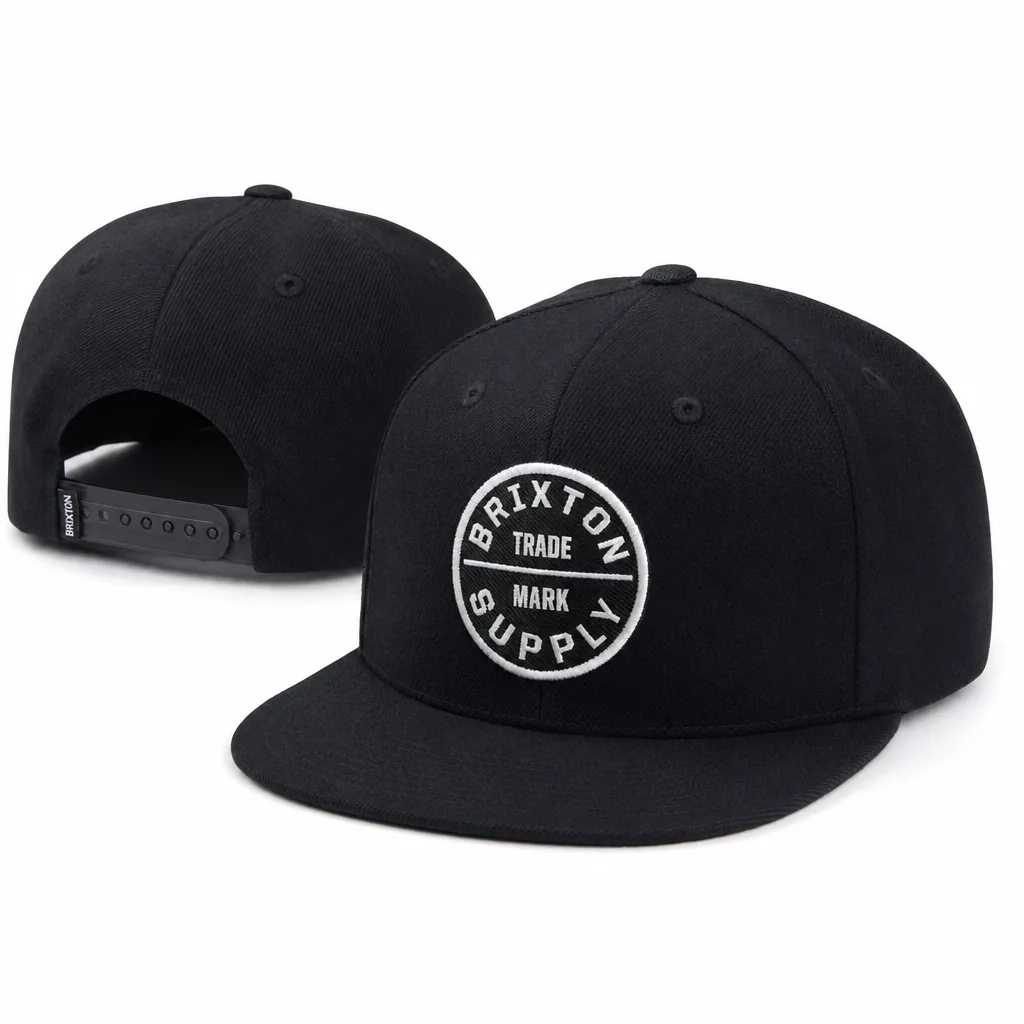
For brand owners, wholesalers and procurement teams entering the custom headwear category, baseball hats vintage: a vertical-specific sourcing guide is one of the highest-leverage decisions you will make. Get it right and your unit economics, retail story and reorder cycle all improve. Get it wrong and you carry the cost for years.
Fitted Hats 59fifty
A true fitted 59FIFTY is a structured wool-blend or polyester crown with a flat visor, closed back, and size-specific blocks, so the factory has to cut more precisely than on snapbacks. For baseball hats vintage, buyers usually want that old-school silhouette with a 6-panel crown, buckram in the front two panels, and a visor board that holds shape without looking cardboard-thick. The specs I ask for are straightforward: crown height, panel fabric weight in gsm, visor board thickness, taping width, sweatband material, and exact size range, usually 6 7/8 to 8 in 1/8-inch increments. If you want cleaner retail results, request Pantone TCX for crown and undervisor, then set tolerance at Delta-E under 2.0. That matters more than people think when they compare runs across baseball hats for men or cross-shop with designer bucket hats and cool bucket hats for guys.
MOQs for fitted hats 59fifty usually start around 300 to 500 pieces per colorway if the factory already has the base block and standard trims. If you want custom seam tape, woven labels, raised embroidery, or a contrast undervisor, the price moves fast: expect roughly $4.20 to $6.80 FOB for plain production on volume, and $7.50 to $11.00 if you add 3D embroidery, custom taping, and specialty wash treatments that push the look toward baseball hats vintage. I tell buyers to ask whether the factory is using Tajima, Barudan, or ZSK heads for the crown embroidery, because stitch density and registration problems show up immediately on front logos and side marks. For baseball caps canada programs, also confirm compliance with fiber labeling, carton marks, and any bilingual packaging needs before you approve samples.
The failures I inspect first are crown collapse, visor warping, off-center seam alignment, and sloppy size grading across the run. On fitted hats, a 2 mm error in block symmetry can turn a clean profile into something that sits crooked on the head, which is why a pre-production size set matters more than a nice salesman sample. Check sweatband stitch security, inner seam finishing, and whether the front panels were properly steamed before blocking; poor pressing leaves bubbles under the embroidery and makes the cap look cheap after one wear. If the brief includes custom baseball team hats, request AQL 2.5 for major defects and insist on pull tests for the eyelets and sweatband joins. That same sourcing discipline applies when buyers move between baseball hats vintage, streetwear-driven baseball hats for men, or adjacent programs like designer bucket hats, because the factory usually uses the same QC mindset across all of them.
Baseball Hats for Men
For baseball hats for men, the manufacturing details matter more than the silhouette. A solid vintage-style six-panel cap usually starts with 100% cotton twill at 260-320 gsm, or brushed cotton for a softer broken-in hand; if you want a cleaner streetwear look, cotton-poly twill in the 65/35 range is more stable and shrinks less after washing. Ask the factory to confirm crown height, brim curvature, seam stitch density, and sweatband construction before you approve anything. For baseball hats vintage, I would always request a physical lab dip or Pantone TCX target on the main fabric, then check Delta-E against the approved standard under D65 light, because color drift is common when mills swap yarn lots. If the hat includes embroidery, specify thread brand and machine setup; Tajima, Barudan, and ZSK heads will all sew well, but the digitizing file needs different stitch density depending on whether the fabric is soft-washed or structured.
Typical MOQ for custom baseball team hats is usually 300 to 500 pieces per colorway if you want sane pricing, though some factories will take 100 to 200 pieces at a premium. On FOB Yiwu, a basic 6-panel embroidered cap might land around USD 2.20 to 3.80 in production cost at 500 pcs, while washed vintage treatments, pigment dye, or heavy appliqué can push it to USD 4.50 to 6.50. Buyers comparing baseball hats for men against designer bucket hats often miss that cap pricing is driven by labor, not just fabric: 3D puff, sandwich brims, enzyme wash, and custom back closures all add cost fast. If you are shipping to baseball caps canada programs, confirm carton marks, fiber content labeling, and any bilingual retail requirements before production, because relabeling at destination is expensive.
The defects I check first are panel symmetry, visor shape memory, puckering around the logo, and sweatband attachment. On a vintage cap, a slightly soft brim is acceptable; a warped brim or a crooked center seam is not. Set AQL 2.5 for major defects and inspect at least 80 pcs in a 500-piece lot, because embroidery misalignment, dirty stains from washing, and inconsistent distressing show up in clusters. For buyers also sourcing cool bucket hats for guys, the main lesson carries over: aged-looking product still needs controlled process, not random abrasion. The broader baseball hats vintage decision comes down to whether you want authentic fade and handfeel or a cheap fake-worn look. If the factory cannot show you pre-production samples, seam allowance specs, and wash recipe control, walk away; that is where most low-cost vintage caps fail in the field.
Designer Bucket Hats
Designer bucket hats are usually simpler than people think, but the details decide whether they look premium or like a souvenir cap. The shell is often 100% cotton twill, washed denim, corduroy, nylon taslan, or 16s/21s canvas at 220–320 gsm, with a 3–5 cm brim and soft or semi-structured crown depending on the fashion profile. If you want a cleaner luxury handfeel, ask for enzyme wash, silicone softener, or garment-dye with a confirmed shade target in Pantone TCX, because bucket hats show color drift faster than baseball hats for men. For branded programs, I usually specify a tighter seam allowance, reinforced crown-top stitches, and a sweatband in poly-cotton or cool-max knit if the hat will be sold as cool bucket hats for guys or in warm-weather markets.
For factory sourcing, request a full tech pack: flat sketch, dimensions, brim width tolerance of ±3 mm, topstitch density, lining yes/no, logo method, and labeling position. Embroidery on a bucket hat should be digitized differently than on baseball caps canada orders because the curved panels distort letters and small text; if the logo is too dense, puckering starts at around 6,000–8,000 stitches unless the backing is chosen correctly. Typical MOQ for a custom style is 300–500 pieces per color for simple cotton builds, and 500–1,000 if you want specialty fabric, all-over print, or custom trim. Ex-factory pricing usually lands around USD 2.20–4.80 for basic cotton, USD 4.50–7.50 for washed or garment-dyed versions, and higher if you add woven labels, metal branding, or full lining.
The quality failures I inspect first are brim symmetry, panel alignment, top button placement, and shrinkage after wash. A good bucket hat should pass a 3% dimensional tolerance after a standard wash test, and the sweatband should not twist or tunnel at the seam. Color consistency matters a lot on baseball hats vintage programs because buyers compare shade, distressing, and fabric handfeel across product families; if the vintage story is sloppy, the hat just looks old, not intentional. That is also why many buyers who source baseball hats vintage ask the same factory for baseball hats for men, custom baseball team hats, and designer bucket hats: consistent fabric mills, dye control, and trim quality matter more than the silhouette. For inspection, use AQL 2.5 on major defects, and if you are selling into fashion retail, confirm carton packing, size tolerance, and needle detection where required.
Custom Baseball Team Hats
Custom baseball team hats are usually built on the same five-panel or structured six-panel chassis as basic baseball hats vintage styles, but the details that separate a decent run from a headache are all in the spec sheet. If you want a true vintage look, ask for washed cotton twill or brushed chino cotton, 280-350 gsm, with a lower crown, shorter bill curve, and soft buckram or unstructured front panels. For embroidery, give the factory a real artwork file plus stitch count target, backing type, and thread standard, then lock colors to Pantone TCX instead of “close enough” photos. On the factory floor, a good cap line should be running Tajima, Barudan, or ZSK heads with trim control and backing matched to the stitch density; otherwise the logo puffs, tunnels, or distorts after washing.
For custom baseball team hats, the practical MOQ is usually 100-300 pcs per colorway if the factory is already set up with the right fabric and trim, though 500 pcs is where pricing gets cleaner. In China, a plain custom cap with embroidery often lands around USD 2.20-4.80 FOB depending on fabric weight, number of stitches, patch type, and whether you add distressing, contrast undervisor, or a custom woven label. Buyers comparing baseball hats for men, baseball caps canada orders, or even crossover styles like designer bucket hats and cool bucket hats for guys should not compare only unit price; compare sample lead time, lab dip approval process, and whether the factory can hold Delta-E under 2.0 on bulk dye lots. CrownsForge’s standard practice is to quote separate costs for crown fabric, embroidery, wash process, and packaging, because that is where margins quietly disappear.
Quality problems are predictable: crooked visors, uneven seam tension, off-center logos, needle marks, loose thread tails, and color drift between sample and bulk. You should inspect panel symmetry, sweatband stitching, visor board thickness, and whether the closure sits square; on vintage-style caps, the wash must look worn, not damaged. For bulk inspection, AQL 2.5 is normal for apparel, but I would tighten critical defects on logo placement and sizing because team buyers notice those first. If the project is really aimed at baseball hats vintage aesthetics, ask for a wash test, rub test, and shrinkage report, then confirm the distressing is applied after embroidery so the threads do not shred. That same discipline is what keeps a casual seasonal cap program from turning into a rejected lot when the order expands from custom baseball team hats into a broader headwear line.
Cool Bucket Hats for Guys
If you want cool bucket hats for guys to sell cleanly at retail, start with the build, not the colorway. A good bucket hat is usually cut from 100% cotton twill, washed twill, 12 oz denim, or heavy canvas in the 260-380 gsm range; anything lighter than that tends to collapse and read cheap. For a vintage look, buyers often ask for garment wash, enzyme wash, or a pigment-dyed finish with a soft hand, slightly uneven tone, and a low-shine brim edge. The factory should confirm crown depth, brim width, stitch density, sweatband material, and panel count before sampling. On the production floor, I’d rather see a 4-panel or 6-panel block with clean topstitching at 7-9 stitches per inch than a trendy shape that warps after washing. For baseball hats vintage programs, the same logic applies: the “old” look has to be engineered, not guessed.
For sourcing, request a tech pack with flat measurements, seam allowances, fabric spec, wash standard, and color targets in Pantone TCX if the hat is dyed. Typical MOQ is 300-500 pcs per color for a standard bucket shape, though printed or heavily washed programs often land at 600-1,000 pcs because cutting and wash-room setup eat efficiency. Factory pricing in China usually starts around USD 2.20-3.80 FOB for basic cotton twill buckets, USD 3.80-6.50 for pigment-washed or custom-trim versions, and more if you want branded taping, woven labels, or embroidery. If you are comparing baseball hats for men against designer bucket hats, the price gap usually comes from trim density, wash loss, and packaging, not just the shell fabric. CrownsForge’s standard practice is to quote separately for sampling, bulk, and any special wash, because wash shrinkage can change the final fit by 0.5-1.0 cm.
Quality control should focus on shape retention, symmetry, and wash consistency. The most common failures are brim edge waviness, crooked side seams, puckered topstitching, shade variation between lots, and sweatband seam irritation. You should inspect at AQL 2.5 for major defects and pull random samples after washing to check shrinkage, seam slippage, and whether the brim still lays flat. If you are doing custom baseball team hats or selling into baseball caps canada channels, ask for pre-production color strike-offs, shrinkage reports, and carton-drop testing if the goods will move through long freight routes. The broader baseball hats vintage decision comes down to whether you want a controlled retro effect or an uncontrolled used look; the market pays for the first one and returns the second one. A factory that can execute both buckets and baseball hats vintage reliably is usually the same factory that understands consistent embroidery, wash management, and low complaint rates.
Baseball Caps Canada
For baseball caps canada orders, the first thing I ask is whether the buyer wants a true washed vintage build or just a retro-looking decoration on a standard 6-panel cap. The manufacturing differences are not subtle: a real vintage style usually uses 100 percent cotton twill or heavy brushed cotton around 280 to 320 gsm, then garment wash or enzyme wash to soften the hand and mute the color. If you want baseball hats vintage that actually feel old stock, request a low-profile crown, unstructured or lightly structured front, 6 rows of visor stitching, matte brass or antique silver hardware, and a self-fabric strap or distressed metal buckle. CrownsForge’s standard practice is to anchor this with Pantone TCX color targets and a wash sample approved before bulk, because once you run garment wash, a Delta-E drift of 1.5 to 2.0 is normal and needs to be accepted on paper, not guessed at on the floor. Factory specs matter more than buyers usually think. Ask for fabric weight, yarn count if the mill provides it, sweatband composition, visor insert type, and embroidery machine platform; Tajima, Barudan, and ZSK heads all behave differently on dense twill and can distort small script logos if the digitizing is sloppy. For custom baseball team hats, I would specify 3D or flat embroidery with stitch counts capped per panel, colorfastness at 4 or better on the gray scale, and shrinkage under 3 percent after wash. Typical MOQ for a true custom run is 300 to 500 pieces per colorway, though some factories will quote 100 to 150 pieces at a higher unit price. In real terms, a simple washed cotton cap often lands around USD 3.20 to 5.80 EXW at 300 pieces, while tighter trim control, custom taping, or branded inner labels can push it above USD 6.50. Inspection is where most baseball hats for men programs get protected or ruined. The common failures are crooked visor curvature, uneven crown symmetry, puckered embroidery, bad wash lots, and sweatband color bleed, especially on darker shades like black, navy, and forest green. I would check the first 20 pieces against an approved golden sample, then run AQL 2.5 for major and minor defects, with extra attention to seam slippage, thread trims, and buckle plating. For buyers comparing baseball hats canada with designer bucket hats or cool bucket hats for guys, the sourcing logic is the same: decide first whether you are paying for silhouette, handfeel, and wash consistency, or just for a logo application. Vintage caps are less forgiving than flat-brim fashion pieces because the wash process exposes weak sewing, poor fabric shrink control, and weak color matching fast; that is why a clean pre-production sample matters more than a glossy sales photo.
When a buyer is sourcing baseball caps canada specifically, I also look at shipping and compliance timing, because winter retail windows in Canada are tight and customs delays hurt sell-through. If the hats are going into a licensed sports or promotional channel, ask for fiber content labels in English and French, carton marks that match the PO, and carton dimensions that keep volumetric weight down for DDP or FOB comparison. A standard 6-panel cap carton of 50 to 100 pieces can run 0.06 to 0.12 cubic meters depending on crown height and visor shape, which affects landed cost more than people expect. For cotton vintage styles, I prefer ozone or enzyme wash over aggressive stone wash if the buyer wants repeatable color, because stone wash can create uneven abrasion from lot to lot and turn a clean baseball hats vintage look into a damaged sample. The broader sourcing decision comes down to how the cap sits in the rest of the assortment. If the buyer is already ordering designer bucket hats or other soft-structured headwear, it is usually cheaper to consolidate fabric, trims, and packaging across the order so the mill and sewing line are not changing setups every day. But if the program is focused on premium baseball hats for men, the cap should be treated as a fit-critical product: request headform measurements, front panel height, brim curve spec, and sample photos under daylight, not showroom lighting. For North American programs, a factory should be able to show sedex-audit-cap-supplier-guide.html">BSCI 2.0 or Sedex SMETA 4-Pillar audit status, basic needle-metal control, and documented shade banding. That is the difference between a cap that looks vintage on Instagram and a cap that survives actual retail returns.
Working with CrownsForge for baseball hats vintage programs
For baseball hats vintage programs, the biggest sourcing mistake is treating old-look caps like a simple colorway exercise. The real risk sits in fabric hand feel, crown shape, wash behavior, and decoration stability after distressing. Our standard practice is to start with a 7 to 10 day development sample, then a pre-production sample after approvals are locked; if a buyer needs color matching, we work from Pantone TCX and keep delta-E under 2.0 on the main body fabric. For first-time buyers, we can start as low as 300 pieces per color on basic cotton twill or pigment-dyed twill, which is useful when testing baseball hats for men or a small capsule against wider streetwear runs. If the program is split across designer bucket hats, cool bucket hats for guys, and baseball hats vintage, we keep the decoration library aligned so the look stays coherent across SKUs.
Decoration is where vintage programs either look premium or fall apart. We run embroidery in-house on Tajima, Barudan, and ZSK heads, with 75D to 90D thread counts depending on stitch density, plus appliqué, woven labels, direct patch sewing, and low-profile chain-stitch effects when the brief calls for a washed, broken-in look. For custom baseball team hats, we usually recommend structured twill fronts with 3D puff only when the logo can tolerate the thicker build; for softer vintage caps, flat embroidery or merrowed patches usually age better. Our order-management workflow is built around a live spec sheet, photo-approved strike-offs, and milestone updates at each stage: fabric cutting, embroidery, washing, final trim, and carton packout. That keeps reorder programs predictable for baseball caps canada shipments and reduces the usual back-and-forth that slows down small-batch buyers.
Compliance and QC matter more on vintage goods because wash processes can hide defects until the final inspection. We work to BSCI 2.0 and Sedex SMETA 4-Pillar expectations, and every bulk lot is checked to AQL 2.5 for major defects, with needle control, colorfastness, sweatband stitching, and panel symmetry all verified before packing. If the buyer needs FOB or DDP, we can structure the shipment with carton marks, HS code support, and consolidated documentation so the import side does not become a surprise. For scale-up brands, that means a clean path from pilot order to 10,000-plus units without retooling the spec every cycle; for newer buyers, it means fewer expensive mistakes when sourcing baseball hats vintage across multiple silhouettes and markets.
Frequently Asked Questions
What logo decoration techniques do you offer?
3D puff embroidery, flat embroidery, woven patch, leather patch, PVC patch, screen printing, sublimation, applique and laser etching, all in-house with no subcontracting.
Do you support sustainability certifications?
Yes. We work with GOTS organic cotton, GRS-certified recycled polyester, OEKO-TEX Standard 100 fabrics, and are BSCI and Sedex audited. Certification documentation can be provided per order.
What is the minimum order quantity (MOQ) for custom hats?
Our standard MOQ is 100 pieces per design and color, with sampling available from 1 piece. For complex multi-color logos or premium fabric upgrades, the MOQ can be lowered with a small per-piece surcharge.
How long does production take?
Sampling takes 7 to 12 days. Bulk production runs 20 to 30 days depending on quantity, fabric availability and decoration complexity. Inspection and packing adds another 3 to 5 days before shipment.
Can I order a sample before bulk production?
Yes. We strongly recommend approving a pre-production sample before mass production. Samples are charged at 35 to 60 USD each plus express shipping, fully refundable against confirmed bulk orders over 500 pieces.
How does ordering custom baseball hats for men work?
When evaluating custom baseball hats for men, the key considerations are construction quality, decoration capability, MOQ flexibility and lead time. Cover everything buyers ask about baseball hats for men: how it's manufactured, what specs to request from a factory, typical MOQ and pricing, common quality issues to inspect for, and how this ties back to the broader baseball hats vintage sourcing decision. Cover everything buyers ask about custom baseball team hats: how it's manufactured, what specs to request from a…
How does ordering custom baseball caps canada work?
When evaluating custom baseball caps canada, the key considerations are construction quality, decoration capability, MOQ flexibility and lead time. Cover everything buyers ask about baseball caps canada: how it's manufactured, what specs to request from a factory, typical MOQ and pricing, common quality issues to inspect for, and how this ties back to the broader baseball hats vintage sourcing decision. Cover everything buyers ask about custom baseball team hats: how it's manufactured, what specs to request from a…
What should buyers know about nike bucket hats for men?
When evaluating nike bucket hats for men, the key considerations are construction quality, decoration capability, MOQ flexibility and lead time. Cover everything buyers ask about baseball hats for men: how it's manufactured, what specs to request from a factory, typical MOQ and pricing, common quality issues to inspect for, and how this ties back to the broader baseball hats vintage sourcing decision. Cover everything buyers ask about designer bucket hats: how it's manufactured, what specs to request from a factory,…
What should buyers know about best baseball caps for men?
When evaluating best baseball caps for men, the key considerations are construction quality, decoration capability, MOQ flexibility and lead time. Cover everything buyers ask about baseball hats for men: how it's manufactured, what specs to request from a factory, typical MOQ and pricing, common quality issues to inspect for, and how this ties back to the broader baseball hats vintage sourcing decision. Cover everything buyers ask about baseball caps canada: how it's manufactured, what specs to request from a factory,…
Ready to start your custom hat project?
Send us your tech-pack, sketch or even just an inspiration photo. We will respond with a detailed quotation and digital mock-up within 24 hours.
Request a free quoteRelated guides
Wholesale Trucker Hats with Custom Logo: A Complete Bulk Sourcing Playbook
Read article →
Private Label vs White Label Caps: Which Model Fits Your Brand?
Read article →
Custom Hat Patch: When to Use It, Costs, and What to Ask Your Factory
Read article →We hope this guide demystifies baseball hats vintage: a vertical-specific sourcing guide and helps you move forward with confidence. If you have questions specific to your project, our English-speaking sales engineers are one message away.