
Baseball Hats Men's: A Vertical-Specific Sourcing Guide - 2026 Buyer's Guide
Baseball Hats Men's: A Vertical-Specific Sourcing Guide - 2026 Buyer's Guide is one of the most-asked questions we receive from international buyers, and for good reason. With dozens of factories competing for your order and an alphabet soup of technical terms in every supplier quote, even experienced importers can feel lost. This guide consolidates what we have learned producing custom hats for clients in 40+ countries.
Baseball Hats
Most failures in baseball hats men's sourcing are locked in before cutting starts. If the PO says only “6-panel cap,” the factory will default to its current block, front buckram, visor mold, and back closure, which is how two supposedly identical reorders end up fitting differently. A usable tech pack should specify profile, crown height, front rise, panel shape, visor length and width, pre-curve angle, closure type, sweatband construction, eyelets, seam tape, top button, and finished circumference. For mainstream men’s retail, the safest baseline is a 6-panel cap with crown height 16.5-18.0 cm, visor length 7.0-7.5 cm, head opening 58 cm with ±0.5 cm tolerance, and a defined curve radius rather than “slight curve.” If the style is fitted, list every size from 55 cm to 61 cm instead of S/M/L shorthand; factories grade fitted caps by actual circumference, not vague labels. Fabric choice changes both appearance and sewing behavior. The standard shells I see for baseball hats men's are cotton twill at 240-280 gsm, brushed chino at 260-300 gsm, recycled poly twill at 200-220 gsm, and nylon taslon at 105-120 gsm for lightweight athletic builds. Color should be tied to Pantone TCX for dyed textiles or Pantone Solid Coated for print references, with lab dips approved at Delta-E 1.5 or tighter on core shades. Decoration has to be engineered into the shell: a front logo at 8,000-12,000 stitches usually runs clean on Tajima or Barudan heads over medium-weight twill, but small dense lettering on a low-profile crown will pucker if the digitizing, underlay, and buckram stiffness are not matched. Our standard practice is to test embroidery on the actual shell fabric and front structure before pre-production approval, because the same DST file behaves differently on 280 gsm chino than on 110 gsm taslon.
Cost and MOQ move fast once the construction gets away from stock trims. For a straightforward baseball hats men's program—6 panels, cotton twill shell, standard snapback or metal buckle, flat or 3D front embroidery—the practical MOQ in Zhejiang is usually 144-300 pieces per colorway. Add custom metal hardware, contrast sandwich visor, corduroy, suede-touch microfiber, wool blend, or mixed decoration like embroidery plus woven patch, and the MOQ often jumps to 300-500 pieces because trim procurement and setup waste go up. In 2026, a realistic FOB China price for a standard embroidered cap is about $2.20-$4.80 depending on stitch count, fabric, and closure; premium builds with heavier trims and specialty fabrics generally land at $5.50-$8.50 FOB. Buyers who get quoted far below that should ask what is being downgraded: shell gsm, buckram weight, visor insert, sweatband quality, or stitch density. Inspection is where weak suppliers get exposed. The repeat defects on baseball hats men's are off-center embroidery, visor twist, left-right panel imbalance, trapped loose thread under the sweatband, buckle oxidation after salt-air transit, and size drift that turns a nominal 58 cm cap into 56.5 or 59.0 cm. Tolerances need to be written into the PO, not argued after production: logo placement within ±2 mm, visor symmetry within 3 mm, finished circumference within ±0.5 cm, and shade control against approved bulk fabric and trim cards. AQL 2.5 remains the practical final standard, but only if the checklist covers SPI consistency, seam slippage at the back opening, embroidery backing trim, needle detection, barcode accuracy, assortment count, and carton drop resistance. A factory passing sedex-audit-cap-supplier-guide.html">BSCI 2.0 or Sedex SMETA 4-Pillar is useful, but audit paperwork does not guarantee a stable cap block; repeatability of shape, color, and fit across reorders matters more than the cheapest unit price.
Bucket Hat Men
Bucket hat programs should never be costed or sampled like standard baseball hats men's styles, because the pattern engineering and labor flow are different from the first cut. Most men's buckets use a 4-panel or 6-panel crown with a 5.5-7.0 cm wraparound brim, cut in 200-280 gsm cotton twill, enzyme-washed canvas, 228T nylon taslon, or 150-210 gsm recycled polyester. Brim body is usually built with 0.3-0.5 mm PE sheet for a cleaner outdoor silhouette, or 80-120 gsm fused nonwoven interlining when the target is a softer streetwear drape. Brim topstitching is not cosmetic; 6 rows is common on promo-grade goods, while 8-10 rows materially improves brim memory and controls edge waving after wash or carton pressure. Decoration has to be planned around construction, not added as an afterthought from a baseball cap tech pack. Side embroidery is typically run flat on Tajima or Barudan single-head machines before crown assembly; once the side seam is closed, puckering and registration drift become much harder to control. A usable spec sheet should lock crown height, finished circumference by size, brim width tolerance, fabric composition, gsm tolerance of plus or minus 5 percent, sweatband material, eyelet finish, SPI target, and artwork size by position. For color-critical retail programs, approve to Pantone TCX or Pantone Solid Coated depending on substrate, and set Delta-E at 1.5 max for premium orders and 2.0 for larger-volume commercial runs.
Sampling errors usually start with vague cost targets, not factory execution. In Zhejiang, MOQ for a true cut-and-sew bucket is typically 300-500 pieces per colorway, while stock-fabric programs can sometimes open at 144 pieces if the shell, lining, and trims are already in mill inventory. Current FOB pricing for a basic cotton bucket is usually US$2.20-3.40, then climbs to roughly US$4.80-7.50 once you add reactive all-over print, woven label set, mesh lining, C0 water-repellent finish, or recycled-content shell fabric with GRS documentation. Packing density also differs from fitted baseball hats men's programs, so freight should be quoted separately; a bucket compresses differently and brim deformation risk rises if carton count is pushed too aggressively. QC has to focus on the defects that survive inline sewing but fail at retail: uneven brim width, wavy stitch rows, crown-to-brim seam torque, off-center embroidery, incorrect head opening, shade variation after wash, and fused brim bubbling after compression. I would hold bulk inspection at AQL 2.5 for majors and physically measure circumference and brim width on-site, because a bucket that runs even 0.8 cm small gets returned faster than most unstructured caps. Also check eyelet burrs, sweatband join overlap, label position, and seam balance around the full circumference. A factory may be strong in baseball hats men's production yet still struggle with soft-brim symmetry, so supplier qualification for bucket hats should be done as a separate capability test, not assumed from cap output alone.
Baseball Hats Women
Do not downsize a men’s cap and call it a women’s fit. A proper women’s block changes at pattern stage: crown height usually drops 5-8 mm, front-panel pitch is reduced so the cap sits cleaner above the brow, visor length is trimmed 3-5 mm, and the rear opening has to clear a ponytail without distorting the sweatband or closure line. That also means separate grading, separate embroidery placement, and often a different hoop file, because artwork that reads balanced on baseball hats men's 6-panel profiles often lands 4-6 mm too high on a lower-profile women’s crown. On the cutting table, if a supplier says both styles come off the same marker, I read that as a fit compromise, not efficiency. Material selection should follow wear case, not habit. For fashion and retail programs, 180-220 gsm brushed cotton twill or 240 gsm chino twill gives enough body to hold a clean front without the stiff hand of heavy buckram. For golf, event, and outdoor use, 75D x 150D polyester paired with moisture-management mesh panels is more practical on hot-weather runs and easier to hold shade consistency across replenishment orders. The smart way to align women’s caps with baseball hats men's assortments is not forcing identical construction; it is matching the fabric lot, Pantone TCX lab dip, visor curve family, and trim finish while keeping the block silhouette honest.
A women’s cap tech pack needs to lock the points factories love to improvise: crown profile, panel count, visor curve radius, closure type, eyelet execution, top-button size, seam-tape artwork, sweatband composition, stitch density, and tolerances by point of measure. For color-sensitive programs, call out Pantone TCX and write Delta-E into the approval standard: 1.0-1.5 for dyed shell fabric is realistic, and 2.0 max for mixed trims keeps the women’s style from drifting away from the baseball hats men's version under 4000K retail lighting. If you leave those standards vague, “same black” often becomes two visibly different blacks once the goods are side by side. Cost and QC should be planned as early as fit. In China, MOQ is typically 144-300 pieces per color in stock fabric, but custom dyeing, branded inner taping, or metal hardware usually pushes the line to 500-1,000 pieces. A standard 6-panel cotton twill cap with flat embroidery generally lands around $2.10-$3.40 FOB, while shaped buckram, woven labels, custom seam tape, and higher stitch counts can move it to $3.80-$5.80 at similar volume. Final inspection should run to AQL 2.5 with fit-heavy checkpoints: embroidery off-center beyond 2 mm, visor asymmetry, front-seam puckering after Tajima or Barudan hooping, needle cuts on lighter twill, and sweatband twist that makes the cap lean on-head. Approve fit separately from artwork; clean embroidery on a bad block still comes back as returns.
Men's Bucket Hat
A men’s bucket hat looks easy on paper, but it exposes sloppy spec control faster than most baseball hats men's programs because there is no back closure to hide grading errors. The key points are head opening, crown depth, brim width, brim drop angle, and topstitch spacing; if one drifts, the silhouette flips from clean streetwear to a bell-shaped reject. For export, I’d spec either a 4-panel or 6-panel crown in 180–240 gsm cotton twill or washed chino, or 110–160 gsm nylon taslon for sport use, with a 5.5–6.5 cm brim and 6–8 stitch rows at 7–9 SPI. “Soft hand feel” is not a usable instruction unless the brim construction is defined: no insert for floppy fashion styles, 1.0–1.5 mm nonwoven fuse for shape retention, or 2 mm foam if you want a fuller edge. If the bucket hat ships beside baseball hats men's caps in the same collection, lock color by lab dip against Pantone TCX and hold bulk fabric within Delta-E 1.5 to 2.0 under D65; washed cotton drifting beyond that is a common approval fight.
Sizing and wash behavior are where most claims start. Standard size runs are usually 58 cm and 60 cm, and a serious factory should hold head opening to +/-0.5 cm and brim width to +/-0.3 cm at final inspection. Once you add enzyme wash, pigment dye, or garment wash, you need shrinkage and seam torque signed off at PPS stage, because I routinely see washed buckets come in 0.8–1.0 cm undersized if the factory cuts from greige assumptions instead of tested shrinkage data. Quoting also gets cleaner when the tech pack defines shell fabric, brim insert, eyelets, lining, embroidery position, and wash recipe before sampling. In Zhejiang, MOQ is typically 300–500 pieces per colorway for a plain style, but AOP, reflective trims, sublimated panels, or custom cords push the practical floor to 800–1,200 pieces. Realistic FOB for a basic 200–220 gsm cotton twill bucket at 500 pieces is about $2.10–$3.40; washed heavy twill with flat embroidery, woven label, and branded seam tape is more like $3.20–$4.80. Dense logos digitized for structured caps usually sew badly on soft crowns, so files should be reworked for Tajima, Barudan, or ZSK heads with lighter underlay and softer backing before bulk.
Inspection should focus on shape and wash consistency, not just loose threads. The failure points I see most are uneven topstitch lanes, brim asymmetry over 0.4 cm, eyelets set off-level, sweatband joins with raw edge exposure, and brim inserts that kink after carton compression. Set AQL 2.5 for major defects and measure at least head opening, crown depth, brim width, and stitch-row count on the line and again at final random inspection. For washed programs, check shading under a D65 lightbox carton to carton, because pigment and enzyme lots can drift enough to make mixed retail packs look like separate productions. If the order includes baseball hats men's styles, approve a side-by-side PPS so logo scale, fabric cast, and brand color stay aligned across the drop. Our standard practice is to lock the brim template, SPI target, and wash panel before pre-production, because if a supplier cannot hold clean curves and stable sizing on a bucket hat, they usually will not hold spec on a larger cap program either.
Baseball Hats Fitted
Pattern grading is what separates a real fitted-cap factory from a shop that mostly makes snapbacks. For baseball hats men's fitted programs, the shell should be graded in true 1/8 increments—usually 6 7/8 to 7 5/8, sometimes up to 7 3/4—with a dedicated sweatband length, buckram shape, visor blocking angle, and finishing block for every size. If a supplier uses one crown pattern and only changes the size sticker, the cap may pass a flat measurement but still bite at the forehead and float at the back arc. On a 6-panel high-profile fitted, practical production tolerances are inside circumference ±3 mm, crown height ±2 mm, visor length ±2 mm, and front-panel symmetry within 1.5 mm from left to right at the center seam. Ask for wear-tested specs by size, not just a graded chart; factories that cannot produce that usually do not control blocking well enough for fitted business. Fabric and finishing have more influence on fit retention than most buyers expect. Cotton twill around 260-280 gsm softens after steaming and a few wears, while 80/20 acrylic-wool serge in the 300-340 gsm range holds crown memory better but needs tighter heat-setting discipline around fused buckram and visor edge tape. Recycled polyester blends are even less forgiving: if the finishing temperature drifts, you get uneven shrinkage at the front panels and size variation at the sweatband join. In the tech pack, lock fabric composition, visor board type, seam tape width, sweatband construction, and blocking temperature window. Decoration specs matter too. Tajima, Barudan, and ZSK heads can all produce clean front embroidery, but raised logos still need stitch density around 0.35-0.40 mm with proper edge-walk and underlay, or the front panel will pucker and distort the fit. China FOB is typically $3.20-$5.80 for cotton fitted caps with flat embroidery, rising to about $5.50-$8.50 with wool blend shells, 3D embroidery, metallic thread, satin taping, or woven interior branding.
Inspection on fitted caps should focus on measurement discipline and shape consistency before cosmetics. At AQL 2.5, samples should be pulled across every size break and checked for inner circumference, crown squareness, visor curve consistency, eyelet spacing, front seam alignment, and sweatband seam position. The repeat failures are predictable: off-grain cutting that twists the crown, brim stitch drift over 2 mm, buckram delamination after steaming, and embroidery pull that drags the front panel out of plane. Carton accuracy matters just as much as sewing quality. One mixed carton of 7 1/8 and 7 1/4 can trigger returns immediately in e-commerce, team issue, or licensed retail because fitted customers notice half-size errors fast. MOQ is almost always higher than adjustable styles because each size is effectively a separate cutting, sewing, blocking, and packing workflow. In practice, expect 144-288 pcs per color with a balanced size ratio; once you drop below 100 pcs per color, marker efficiency and finishing setup costs get ugly. Color approval should reference Pantone Solid Coated for trims and Pantone TCX for dyed fabric, with Delta-E under 1.5 if the cap has to match uniforms or an existing headwear capsule. Our standard practice is to verify size stickers, inside labels, carton assortments, and master-carton markings during final inspection rather than after sealing. If fitted product is core to your baseball hats men's line, prioritize grading accuracy and blocking consistency first; average decoration can be corrected, but poor size control will kill reorder confidence faster than any embroidery issue.
Fitted Hats Sizes
Pattern grading decides whether fitted caps sell through or come back as returns. In baseball hats men's programs, the correct size run is usually 6 7/8 to 7 5/8, equal to about 54.9 cm to 60.6 cm head circumference, and every size needs its own graded shell, buckram, visor, and sweatband pattern. Too many factories cheat by keeping one body and only changing the size sticker. The result is predictable: the inside circumference drifts 0.5 to 1.0 cm once the sweatband is joined, steamed, and top-stitched, which is enough to make a nominal 7 1/4 fit like a bad 7 1/8. A usable spec sheet should list finished inside circumference by size, crown height, visor length and width, top-button centering, and seam tolerance, with circumference held to about ±0.3 cm and brim dimensions to ±0.2 cm. On fitted styles, the sweatband seam overlap is the first place I check, because excess bulk there creates a pressure point that buyers notice faster than any cosmetic defect on the outside.
Material choice matters more on fitted caps than on adjustable styles because there is no closure to absorb shrinkage after embroidery, pressing, or final steaming. For structured baseball hats men's assortments, 80/20 wool-acrylic at 280 to 320 gsm is still the safest balance of hand feel, recovery, and crown memory; brushed cotton twill at 220 to 260 gsm is cheaper but loses shape faster and shows panel distortion sooner after dense 3D embroidery. If the design uses raised foam embroidery, specify the machine platform up front—Tajima and Barudan cap frames usually hold cleaner foam edges and better front-panel symmetry than older mixed fleets—and approve strike-offs in at least two mid sizes, not just one 7 1/4 sample. MOQ also needs to reflect reality: 300 to 500 pieces per color is normal for a basic fitted run because each size requires separate markers and carton ratios, while licensed teamwear programs often start at 1,000-plus. In Yiwu, a plain 6-panel cotton twill fitted cap typically lands around $2.40 to $3.60 FOB; wool-blend with 3D embroidery, woven taping, and branded trims is more realistically $4.80 to $7.20 FOB.
Inspection should focus on measurement stability across the full size spread, not just embroidery cleanliness or loose threads. For fitted baseball hats men's orders, I would inspect to AQL 2.5 and physically measure samples from at least three cartons covering the smallest, middle, and largest sizes, because grading mistakes show up fastest at 6 7/8 and 7 5/8. The repeat defects are consistent: tight spots from sweatband seam overlap, size labels that do not match true inside circumference, visor skew over 0.3 cm side to side, and front-panel pull after high-density embroidery. Color control also needs a hard tolerance. On dark wool blends or black twill, shading above Delta-E 1.0 to 1.5 under D65 is already visible enough to trigger retailer complaints, especially when caps are packed by size and displayed side by side. Before bulk cutting starts, the factory should provide a size matrix, shrink data after embroidery and steaming, and a fit approval on the actual fabric-and-sweatband combination; one approved 7 1/4 sample tells you almost nothing about how 6 7/8 or 7 1/2 will wear.
Working with CrownsForge for baseball hats men's programs
The costliest failure in a baseball hats men's program is usually not a $0.20 FOB swing; it is losing a month because the tech pack missed crown profile, visor curve, seam-tape spec, or approved the wrong decoration for the fabric. A competent factory should pressure-test those points before quoting. CrownsForge’s standard practice is a 24-48 hour technical review covering 5-panel versus 6-panel construction, structured front versus unstructured, buckram weight, closure type, visor board, fabric weight, Pantone TCX references, and maximum logo size by panel shape. On stock 108x56 cotton twill at 260-280 gsm or brushed chino around 240 gsm, a first prototype normally lands in 7-10 days. If the style needs custom-dyed fabric, enzyme wash, contrast sandwich visor, woven flag labels, or branded metal trims, sampling usually extends to 12-18 days because lab dips, wash panels, and trim approvals have to clear in sequence, not in parallel. MOQ discipline matters more than buyers like to admit, especially when they are splitting an order across two fits or two logo executions. For straightforward baseball hats men's styles with stock fabric and flat or standard embroidery, 144 pcs per colorway is realistic. Add molded TPU patches, silicone badges, laser-etched metal buckles, custom sweatbands, or fabric development, and the workable MOQ usually moves to 300-500 pcs per colorway to absorb setup loss and accessory minimums. Decoration control is where weak suppliers get exposed: in-house Tajima, Barudan, or ZSK embroidery gives tighter control over front-seam registration, underlay, pull compensation, and stitch density, especially on structured crowns where 3D puff behaves nothing like it does on a soft dad cap. For color-critical programs, dyed components and patch grounds should be held to the approved standard at Delta-E below 2.0, then locked through PPS approval and a final audit at AQL 2.5 before shipment.
Repeatability is a process question, not a sample-room question. One clean PPS means very little if the factory cannot hold the same crown height, visor shape, and thread shade across bulk sewing lines. On baseball hats men's orders, the predictable failure points are embroidery thread lot variation, needle-oil marks on light cotton, visor board warping after garment wash, closure pull-strength failures, and front-panel collapse when buckram or fusing is inconsistent. A serious factory controls those risks through material booking, fabric or lab-dip confirmation, PPS sign-off, pilot run review, inline inspection, and final random inspection. If nobody is measuring those checkpoints on the floor, the buyer ends up doing QC in their own warehouse. Compliance and logistics deserve the same scrutiny as sewing quality. Buyers should ask for current BSCI 2.0 or Sedex SMETA 4-Pillar audit reports, plus market-specific chemical compliance such as REACH for the EU or CPSIA alignment for the U.S.; an expired audit PDF is not due diligence. Standard bulk production for caps is usually 25-35 days after approvals, assuming stock materials and no artwork revisions. Add roughly 3-7 days when the order includes mixed SKUs, private packaging, carton marking, barcode sticker application, or DDP routing into the U.S. or EU, because those details create real handling steps at both factory and forwarder level. That is where experienced factories separate operational promises from actual delivery control.
Frequently Asked Questions
What logo decoration techniques do you offer?
3D puff embroidery, flat embroidery, woven patch, leather patch, PVC patch, screen printing, sublimation, applique and laser etching, all in-house with no subcontracting.
Can I order a sample before bulk production?
Yes. We strongly recommend approving a pre-production sample before mass production. Samples are charged at 35 to 60 USD each plus express shipping, fully refundable against confirmed bulk orders over 500 pieces.
Do you support sustainability certifications?
Yes. We work with GOTS organic cotton, GRS-certified recycled polyester, OEKO-TEX Standard 100 fabrics, and are BSCI and Sedex audited. Certification documentation can be provided per order.
What file format should I send for my logo?
Vector files (AI, EPS, PDF) are ideal. High-resolution PNG or JPG at 300 dpi on transparent background works as a fallback. Provide Pantone color references for accurate reproduction.
Which shipping methods do you support?
We support FOB, CIF and DDP shipping. Air express for samples and small orders, sea LCL for 100 to 500 pieces, sea FCL for 5,000+ pieces. Door-to-door DDP available for US, EU, UK, Canada and Australia.
What should buyers know about kangol bucket hat?
When evaluating kangol bucket hat, the key considerations are construction quality, decoration capability, MOQ flexibility and lead time. Cover everything buyers ask about bucket hat men: how it's manufactured, what specs to request from a factory, typical MOQ and pricing, common quality issues to inspect for, and how this ties back to the broader baseball hats men's sourcing decision. Cover everything buyers ask about men's bucket hat: how it's manufactured, what specs to request from a factory, typical MOQ…
What should buyers know about corduroy hat men's?
When evaluating corduroy hat men's, the key considerations are construction quality, decoration capability, MOQ flexibility and lead time. Cover everything buyers ask about bucket hat men: how it's manufactured, what specs to request from a factory, typical MOQ and pricing, common quality issues to inspect for, and how this ties back to the broader baseball hats men's sourcing decision. Cover everything buyers ask about men's bucket hat: how it's manufactured, what specs to request from a factory, typical MOQ…
How does ordering custom fitted hats for men work?
When evaluating custom fitted hats for men, the key considerations are construction quality, decoration capability, MOQ flexibility and lead time. Cover everything buyers ask about baseball hats fitted: how it's manufactured, what specs to request from a factory, typical MOQ and pricing, common quality issues to inspect for, and how this ties back to the broader baseball hats men's sourcing decision. Cover everything buyers ask about fitted hats sizes: how it's manufactured, what specs to request from a factory,…
What should buyers know about corduroy bucket hat mens?
When evaluating corduroy bucket hat mens, the key considerations are construction quality, decoration capability, MOQ flexibility and lead time. Cover everything buyers ask about bucket hat men: how it's manufactured, what specs to request from a factory, typical MOQ and pricing, common quality issues to inspect for, and how this ties back to the broader baseball hats men's sourcing decision. Cover everything buyers ask about men's bucket hat: how it's manufactured, what specs to request from a factory, typical MOQ…
Ready to start your custom hat project?
Send us your tech-pack, sketch or even just an inspiration photo. We will respond with a detailed quotation and digital mock-up within 24 hours.
Request a free quoteRelated guides
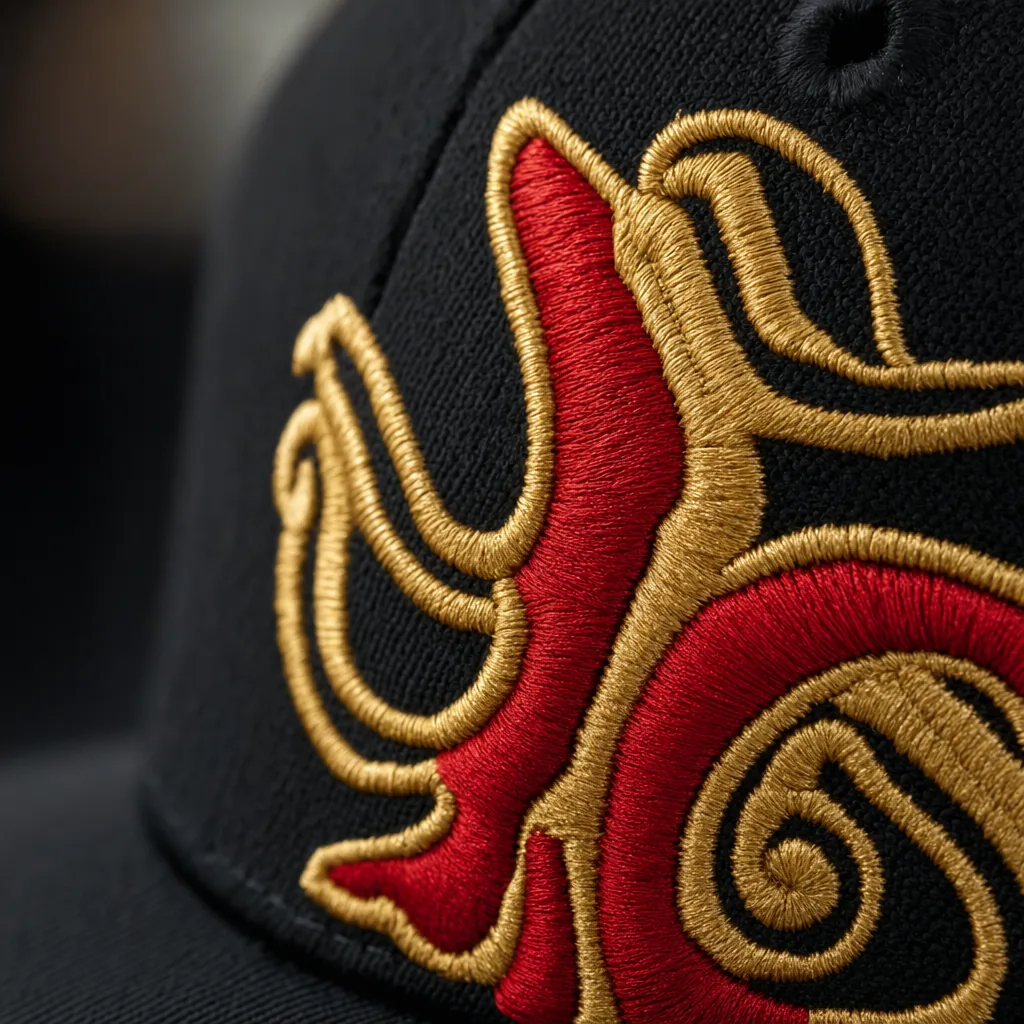
Custom Logo Hats: When to Use It, Costs, and What to Ask Your Factory (2026 Update)
Read article →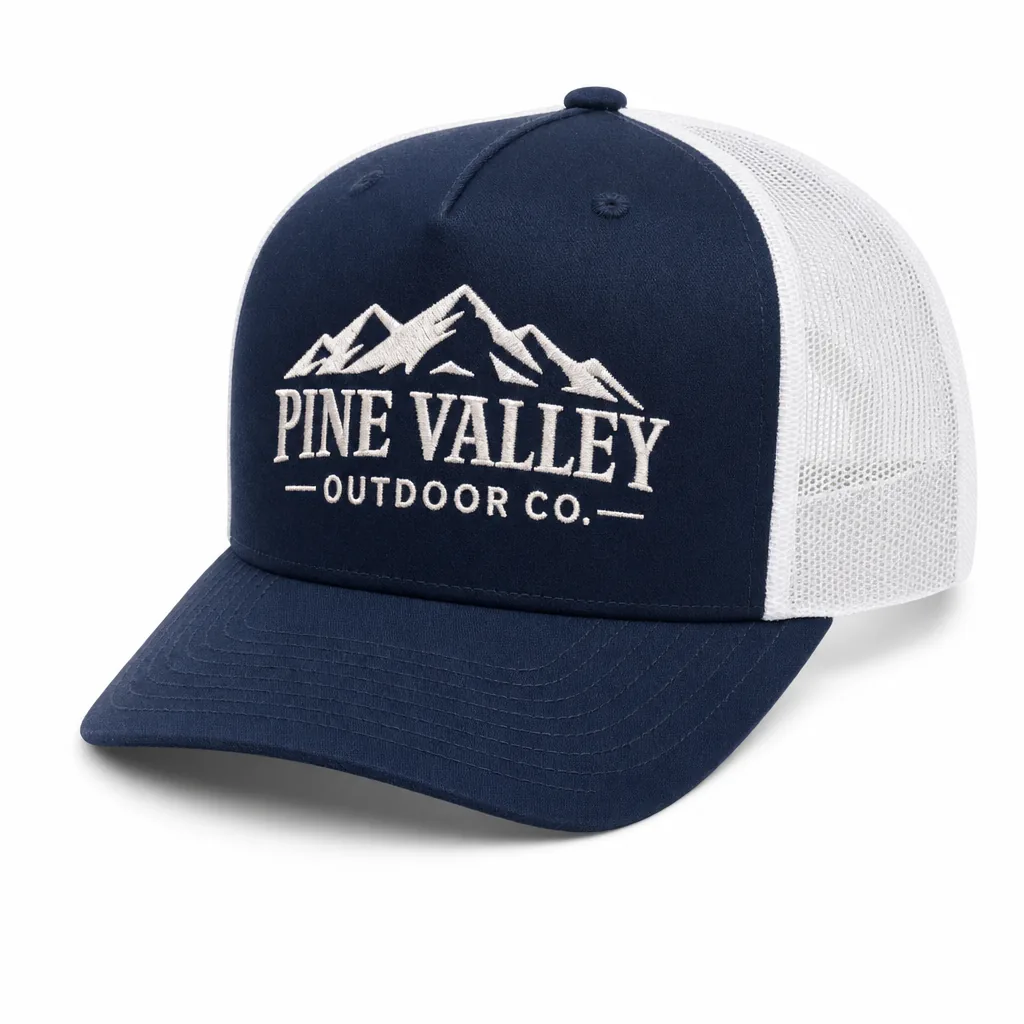
Mesh Caps Wholesale: Trucker Cap Manufacturing Specifications and Pricing
Read article →
Country Hats For Men Fabric And Trim Spec Guide for Custom Hat Buyers
Read article →If you are ready to take the next step on baseball hats men's: a vertical-specific sourcing guide - 2026 buyer's guide, our team can put a tailored quotation and digital mock-up in your inbox within 24 hours. Send the inquiry form on our contact page or message us directly on WhatsApp.