
Baseball Hats For Men Export Shipping Checklist for Custom Hat Buyers - Supplier Checklist

Baseball Hats For Men Export Shipping Checklist for Custom Hat Buyers - Supplier Checklist is one of the most-asked questions we receive from international buyers, and for good reason. With dozens of factories competing for your order and an alphabet soup of technical terms in every supplier quote, even experienced importers can feel lost. This guide consolidates what we have learned producing custom hats for clients in 40+ countries.
Why baseball hats for men export shipping checklist needs a separate sourcing plan
A separate sourcing plan is non-negotiable because export failures start upstream, not at the port. A domestic cap checklist might stop at fit approval, shade comments, and carton count; a proper baseball hats for men export shipping checklist has to lock down HS code, fiber-content declaration, country-of-origin marking, care label language, and carton strength before bulk cutting starts. One spec change can cascade into freight and compliance problems. A structured 58 cm fitted cap in 280 gsm brushed cotton twill with PE-coated buckram front panels rebounds very differently from an unstructured dad cap in 210 gsm enzyme-washed canvas, so inner pack, carton height, and compression tolerance cannot be planned the same way. If the order is shipping to the EU or Canada, the sourcing file also needs retailer barcode position, importer address format, and any bilingual packaging copy confirmed before pre-production, not after inspection. The biggest misses usually come from decoration and pack-out, because buyers treat them as production details when they are really shipping variables. A six-panel cap with 3D puff embroidery, a merrow-edge side patch, and a 6 mm sandwich visor takes more crown protection than a flat-logo promotional cap, especially when the front logo runs 8,000 to 12,000 stitches on Tajima or Barudan heads with 2 mm EVA foam. In practice, that can force the outer carton down from 144 pcs to 96 or 120 pcs to avoid panel crushing and visor distortion. The packaging delta sounds small, but it typically adds $0.03 to $0.08 per cap and increases airfreight disproportionately once carton cube rises. At CrownsForge, we freeze stitch count, patch construction, closure type, insert board requirement, and carton dimensions before PP approval because late changes are what turn a 25-day lead time into 35 days and trigger preventable rework.
Most buyers asking for a baseball hats for men export shipping checklist are not trying to make the cap look better; they are trying to protect landed cost and customs clearance. The three points that deserve a separate sourcing plan are material risk, packaging efficiency, and document accuracy. Material choice affects test exposure immediately: azo dyes, formaldehyde, colorfastness to rubbing, perspiration, and wash, plus shade control against approved Pantone TCX references. For bulk caps, a realistic factory target is Delta-E under 1.5 for core panels and under 2.0 across mixed lots; anything looser starts creating retailer rejection risk under daylight box review. Fabric weight matters too: 16x12 cotton twill at 280 gsm and washed canvas at 210 gsm do not behave the same in needle cutting, crown memory, or moisture recovery after long transit. Document accuracy is the other place generic sourcing plans fall apart. Carton marks, net and gross weight, PO quantity, packing list totals, and declared composition all need to match the commercial invoice and booking file exactly, or the buyer ends up paying relabeling fees, customs exams, or chargebacks. If the customer requires sedex-audit-cap-supplier-guide.html">BSCI 2.0 or Sedex SMETA 4-Pillar records, those audit references should be tied to the order file before shipment booking, not chased after final inspection. Packaging has the same financial impact: a well-planned sea shipment can stay around 0.10 to 0.14 cbm per 1,000 caps, but extra crown supports, oversized inner boxes, or inconsistent visor stacking push cube higher fast. That is why export sourcing has to be managed as a technical control document, not a simple purchasing checklist.
Factory capability checks before quoting
Bad quotes usually trace back to hidden production limits, so the first capability check is embroidery, not price. If your logo crosses the center seam or needs 3D puff, ask exactly what is on the floor: Tajima, Barudan, or ZSK multi-head machines, needle count, and whether they regularly run 3 mm to 4 mm EVA foam on structured fronts without seam distortion. A capable factory should state realistic limits, such as satin columns holding at roughly 1.2 mm to 1.5 mm, stitch density adjusted by fabric type, and pull compensation for buckram-backed 6-panel crowns. For any baseball hats for men export shipping checklist, request macro photos of finished caps showing underside backing, thread trims, seam crossings, eyelet position, sweatband joins, and top-button alignment. If the decoration includes patches, pin down the exact process—merrowed twill, woven label, TPU, leatherette, sublimated patch, or laser-cut heat transfer—because outsourced patch work usually adds 3 to 5 days, around $0.18 to $0.45 per cap, and more failures at stitch-down or heat-press points.
Material and construction capability should be quoted like an engineering spec, not from a mood board. The supplier should price against defined inputs: 260 to 320 gsm cotton twill, brushed chino, washed canvas, 600D polyester, nylon taslon, or recycled polyester with valid GRS transaction certificates if they make sustainability claims. Just as important, confirm the factory can build the profile you want with repeatable tolerances: 6-panel structured with buckram, 5-panel foam trucker, unstructured dad cap, low-profile fitted, or high-crown snapback. Each build changes sewing sequence, front-panel stability, visor shape control, and fit consistency, so a vague quote is a warning sign. Sample-room discipline is the second filter. A competent cap supplier should commit to 5 to 7 days for a proto sample and 3 to 5 days for a revised pre-production sample when trims are available, define color approval against Pantone TCX or coated references, and set a measurable target such as Delta-E below 1.5 on lab dips. Before accepting any bulk price, verify AQL 2.5 inspection standard, needle-control logs, carton assumptions, HS code familiarity, and current BSCI 2.0 or Sedex SMETA 4-Pillar audit reports. If they cannot challenge missing specs or flag export packing risks before sampling, the quote is not dependable.
MOQ, pricing and sample approval
MOQ is where custom cap projects usually get misquoted, because factory MOQ, fabric MOQ, and trim MOQ are not the same number. For a standard 6-panel men’s cap in 108x56 brushed cotton twill, 260-280 gsm, most factories can run 144-300 pieces per colorway if they use stock shell fabric, stock sweatband, and a common hook-and-loop or self-fabric strap. The moment you add custom jacquard labels, logo-engraved metal buckles, printed seam tape, contrast sandwich visor, or individual retail boxes, the economical break point usually moves to 500-1,000 pieces. Any serious baseball hats for men export shipping checklist should ask for MOQ by component: shell fabric, closure, embroidery, patch, packaging, and carton assortment. Pricing follows that structure. A structured cap with 3D front embroidery plus back arch text typically lands around $3.40-$5.90 FOB Ningbo at 500 pieces; fitted styles with TPU, woven, or leatherette patches are more often $4.90-$7.80 because size-run balancing, patch application, and extra QC add labor. Setup charges are separate from unit price: embroidery digitizing is commonly $25-$60 per logo, PVC or TPU mold fees $80-$150, and custom labels, seam tape, or private polybags another $50-$120 per item.
Pre-production sample approval is the cheapest point to stop an expensive mistake, and approving only the logo is amateur hour. A proper PPS should confirm crown height, visor curvature, buckram stiffness, eyelet position, closure spec, sweatband material, logo placement, stitch count, internal branding, barcode sticker, and export packing against the tech pack. Color approval needs a real reference: Pantone TCX for dyed fabric, Pantone Solid Coated for printed paper items, and an agreed tolerance before bulk cutting starts. On licensed or color-sensitive programs, D65 light-box review and Delta-E below 2.0 on dyed trims is a practical standard; embroidery thread is usually approved by closest stock shade because rayon and polyester thread cards do not always lab-match textile dye lots exactly. Stitch quality matters just as much as color. On Tajima or Barudan heads, clean front embroidery on cotton twill often runs best around 0.35-0.45 mm density depending on underlay and column width; over-digitized files cause puckering, needle cutting, and a hard hand feel. Sample lead time is typically 5-7 days for a proto, 7-12 days for a PPS with custom trims, then 25-35 days for bulk after approval. Before Lunar New Year or in peak Q3, 40-55 days is the honest promise.
Quality inspection and shipping risk
Most freight claims start before the container door closes. A practical baseball hats for men export shipping checklist should require final random inspection under ANSI/ASQ Z1.4, General Inspection Level II, with AQL 2.5 for major defects and 4.0 for minor unless the PO tightens it to 1.5/2.5. On caps, a major defect is anything that makes the product unsellable or out of spec: logo placement off by more than 2-3 mm, broken embroidery, twisted crown panels, visor warpage, uneven top button alignment, mismatched eyelet color, or snapback failure after repeated open-close testing. Minor defects are loose thread ends over 3 mm, light seam grin, faint removable handling soil, or panel shade variation still within approved tolerance. Measurement tolerances need to be locked in the tech pack before bulk cutting starts: crown height usually sits at plus or minus 0.5 cm, brim length plus or minus 0.3 cm, and circumference on adjustable styles plus or minus 1.0 cm. If the shipment is bound for Canada, add bilingual care content, fiber-content disclosure, country-of-origin marking, and carton weight control; many 3PLs start rejecting cartons once gross weight moves past about 15-18 kg.
Color and decoration are where chargebacks get expensive fast, especially on dark cotton twill, brushed chino, and heather polyester blends. Bulk should never be approved from phone photos. Use lab dips or embroidery strike-offs against an approved Pantone TCX standard, and write Delta-E tolerance into the PO: under 1.5 for key brand colors is realistic, while trims can sometimes stretch to 2.0. Fabric also needs basic performance testing that matches end use, including colorfastness to crocking and perspiration, because dye transfer onto white sweatbands or white 3D embroidery is a common claim. On Tajima, Barudan, or ZSK cap lines, check embroidery at line and final stage for registration drift, birdnesting, thread breaks, fill gaps, hoop burn, and puckering around dense satin columns or raised 3D foam areas. Carton accuracy is the last place buyers lose money: each master carton should show PO number, style, color, quantity, carton sequence, gross and net weight, and dimensions in centimeters. For Amazon FBA or retailer DC routing, one bad carton mark or missing Made in China declaration can trigger relabel or compliance fees that exceed the value of the sewing defect itself.
Buyer checklist for the next RFQ
A quote is only reliable when the RFQ fixes the six variables that move cost: silhouette, fabric, decoration, quantity, size split, and Incoterm. If you send only a mood-board image, the supplier is guessing on pattern, bill shape, reinforcement, and trim, and the price can shift 15% to 30% once the tech details surface. For a practical baseball hats for men export shipping checklist, define the build in production language: 6-panel structured cap, unstructured dad cap, 5-panel foam trucker, fitted cap, or bucket hat. Then lock the components that change both material consumption and labor minutes: snapback, self-fabric strap, Velcro, or metal buckle closure; pre-curved or flat visor; cotton twill or moisture-wicking sweatband; buckram front panel yes or no; and crown height, for example 16 cm closed or 17.5 cm high-profile. Fabric should be specified by measurable construction, not vague labels: 100% cotton twill 108x56 at 260 gsm, brushed chino twill 240 gsm, 600D polyester, or recycled mesh at 120 gsm. Put Pantone C or Pantone TCX targets in the RFQ from day one, because changing base cloth after sampling can push shade variance beyond Delta-E 1.5, especially on navy, red, and black.
Artwork needs to read like a factory file, not a brand mockup. Send AI, EPS, or layered PDF and state finished logo size in millimeters, placement from center front or visor seam, and the exact decoration method: flat embroidery, 3D puff, woven patch, TPU patch, screen print, or sublimated patch. If embroidery is involved, include an estimated stitch count; a 5,000-stitch logo and a 12,000-stitch logo do not run the same on Tajima or Barudan heads, and the difference commonly adds $0.10 to $0.35 per cap at volume. For patches, specify merrow border or laser-cut edge, border width, backing, and attachment method, because those details affect both labor and rejection risk during final inspection. Before asking for a firm price, attach three reference sets: exterior views, interior construction, and retail packaging. Add a quantity ladder by color and size, such as 300, 500, and 1,000 pieces, and state acceptable over/under tolerance—usually ±5% on custom production. For shipping, give the destination ZIP code or discharge port, target carton limit such as 15 kg gross weight, trade term like FOB Ningbo or DDP Toronto, required in-hands date, inspection level such as AQL 2.5, and any compliance requirement including BSCI 2.0 or Sedex SMETA 4-Pillar.
Working with CrownsForge
Most failures on a baseball hats for men export shipping checklist start upstream, not at the port. If the approved sample exists but the trim card, packing ratio, and carton specification are still unsettled, you are already late. Those three items should be frozen before bulk cutting, with one sealed counter sample, one approved shade swatch, and one trim set held against production. The tech sheet needs measurable tolerances, not vague notes: crown height ±3 mm, visor length ±2 mm, front logo position ±2 mm from center, sweatband width, eyelet diameter, closure spec, inner taping color, and exact pack-out by size or style. On structured six-panel caps in 260 gsm brushed cotton twill with 0.35 mm PE buckram, fabric panels should stay within Delta-E 1.0-1.5 of the approved Pantone TCX under D65 light; otherwise the front panels and side panels can drift by lot even when the embroidery thread still appears matched. Assortment planning also gets mishandled more often than buyers expect. One-size snapbacks, strapbacks, and fitted caps do not pack or ship the same way, and mixing them under one ratio sheet creates downstream errors in carton yield, barcode application, and warehouse receiving. A fitted run in sizes 6 7/8 to 7 5/8 typically needs size-level carton breakdowns and clearer carton markings than an adjustable program packed 24 or 48 pieces per master carton. If the order includes inserts, hangtags, size stickers, or RFID tickets, each item should be listed on the packing approval with placement and count per cap. At CrownsForge, we treat packing approval as a production control document, because once 300-500 cartons are closed in Zhejiang, a missing insert card or incorrect carton ratio is no longer a factory-floor problem; it becomes a chargeback, rework, or customs delay problem.
Decoration and final release are where a cap separates into retail-grade or promo-grade, so the checklist has to follow the actual process. Flat embroidery, 3D puff, woven patches, TPU badges, and heat-transfer side marks each fail differently under freight pressure and humidity. On Tajima or Barudan cap frames, any front logo above roughly 10,000-12,000 stitches should be test-run before bulk, especially on low-profile crowns where dense fills can tunnel over the center seam or pull the front panel off shape. For patch styles, check merrow consistency, stitch-down penetration, adhesive activation temperature, and peel performance after humidity exposure; a 40HQ container can hold cargo for 20-30 days, and weak bonding shows up fast. If one booking combines structured caps with bucket hats, do not force one QC tolerance sheet across both silhouettes. A 180-220 gsm nylon or washed cotton bucket hat simply will not hold the same crown profile, puckering tolerance, or compression limit as a 240-280 gsm twill cap body. Final inspection should be run to AQL 2.5, with attention on size assortment, barcode scanability, labeling compliance, needle detection if required, carton drop resistance, and shipping marks against the booking file line by line. For US routing-guide shipments, PO visibility, carton ID placement, and pallet label format routinely matter as much as the hats themselves; for Canada, bilingual labeling, fiber content, and country-of-origin marking are common failure points. Before release, confirm HS code, invoice description, carton count, net and gross weight, and Incoterm, whether the shipment is FOB Ningbo, FOB Shanghai, or DDP air. A tight baseball hats for men export shipping checklist ends with timestamped photos of inner packing, outer cartons, pallet pattern, container loading, and the seal number, because once cargo departs, the documents are effectively part of the product.
Frequently Asked Questions
How long does production take?
Sampling takes 7 to 12 days. Bulk production runs 20 to 30 days depending on quantity, fabric availability and decoration complexity. Inspection and packing adds another 3 to 5 days before shipment.
What file format should I send for my logo?
Vector files (AI, EPS, PDF) are ideal. High-resolution PNG or JPG at 300 dpi on transparent background works as a fallback. Provide Pantone color references for accurate reproduction.
Can I order a sample before bulk production?
Yes. We strongly recommend approving a pre-production sample before mass production. Samples are charged at 35 to 60 USD each plus express shipping, fully refundable against confirmed bulk orders over 500 pieces.
What is the minimum order quantity (MOQ) for custom hats?
Our standard MOQ is 100 pieces per design and color, with sampling available from 1 piece. For complex multi-color logos or premium fabric upgrades, the MOQ can be lowered with a small per-piece surcharge.
Which shipping methods do you support?
We support FOB, CIF and DDP shipping. Air express for samples and small orders, sea LCL for 100 to 500 pieces, sea FCL for 5,000+ pieces. Door-to-door DDP available for US, EU, UK, Canada and Australia.
How does ordering custom fitted hats for men work?
When evaluating custom fitted hats for men, the key considerations are construction quality, decoration capability, MOQ flexibility and lead time. Explain the buyer intent behind baseball hats for men export shipping checklist, when it differs from generic hat sourcing, and what decisions affect cost, lead time and compliance. Describe how CrownsForge manages baseball hats for men export shipping checklist programs with sampling, decoration, QC and export coordination.
What should buyers know about nike bucket hats for men?
When evaluating nike bucket hats for men, the key considerations are construction quality, decoration capability, MOQ flexibility and lead time. Explain the buyer intent behind baseball hats for men export shipping checklist, when it differs from generic hat sourcing, and what decisions affect cost, lead time and compliance. Describe how CrownsForge manages baseball hats for men export shipping checklist programs with sampling, decoration, QC and export coordination.
How does ordering custom embroidered baseball hats work?
When evaluating custom embroidered baseball hats, the key considerations are construction quality, decoration capability, MOQ flexibility and lead time. Explain the buyer intent behind baseball hats for men export shipping checklist, when it differs from generic hat sourcing, and what decisions affect cost, lead time and compliance. Describe how CrownsForge manages baseball hats for men export shipping checklist programs with sampling, decoration, QC and export coordination.
How does ordering custom leather patches for hats work?
When evaluating custom leather patches for hats, the key considerations are construction quality, decoration capability, MOQ flexibility and lead time. Explain the buyer intent behind baseball hats for men export shipping checklist, when it differs from generic hat sourcing, and what decisions affect cost, lead time and compliance. Describe how CrownsForge manages baseball hats for men export shipping checklist programs with sampling, decoration, QC and export coordination.
What is the best shipping method for hats?
It's always better to package the hat in a size-appropriate box and not mash it into a smaller one. In some instances, maybe you don't need a box. Instead of always using a box, you can choose to ship soft and bendable hats in a plastic shipping bag with some protective material.
Need a low-MOQ test order?
We help emerging brands launch with as few as 100 pieces. Premium fabric, in-house embroidery, retail-ready packaging.
Start a small orderRelated guides
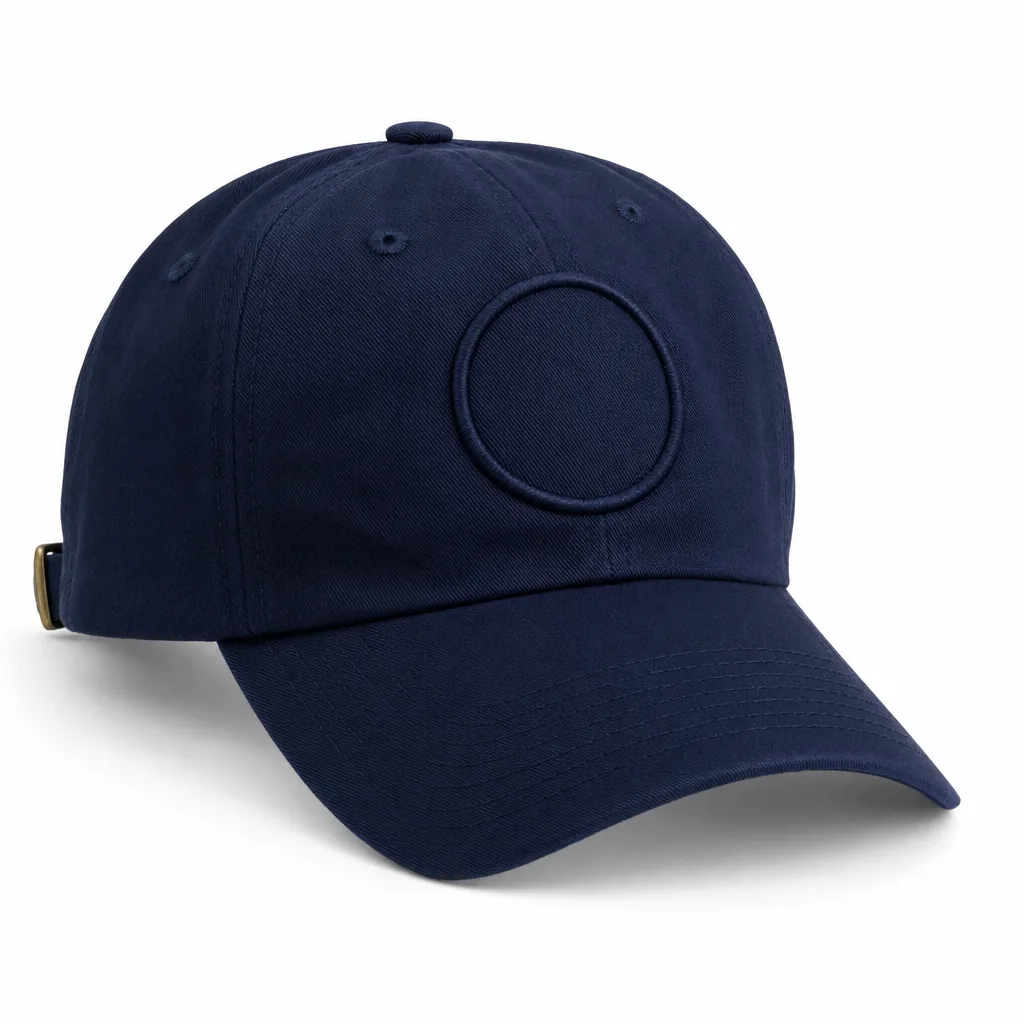
Custom Hat Embroidery: The 2026 Sourcing & Manufacturing Playbook (2026 Update)
Read article →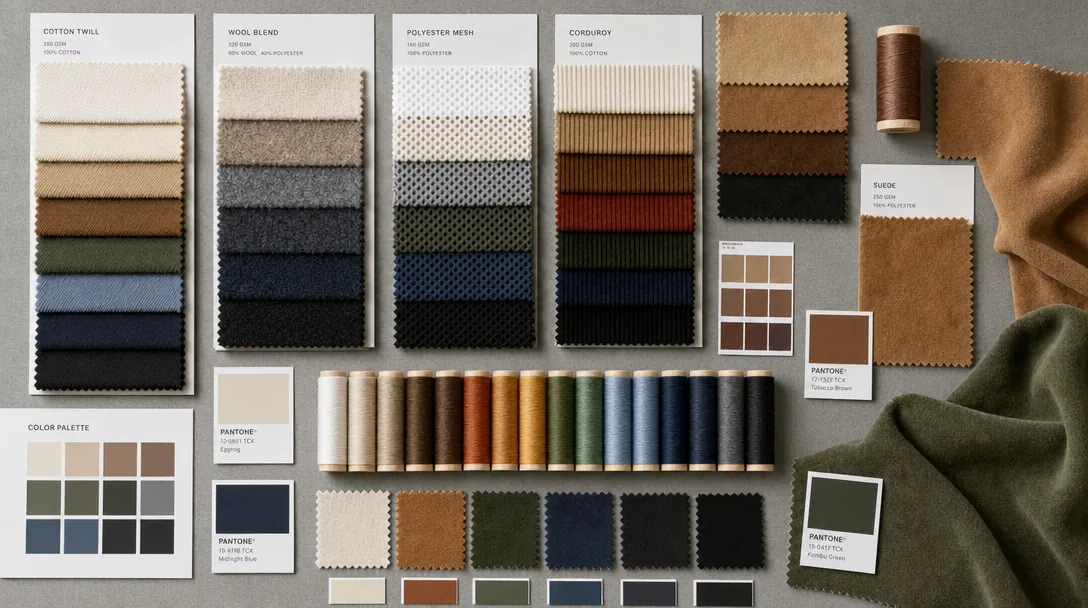
Bucket Hat Corduroy Decoration QC Checklist for Custom Hat Buyers - Cost & MOQ Breakdown (2026 Update)
Read article →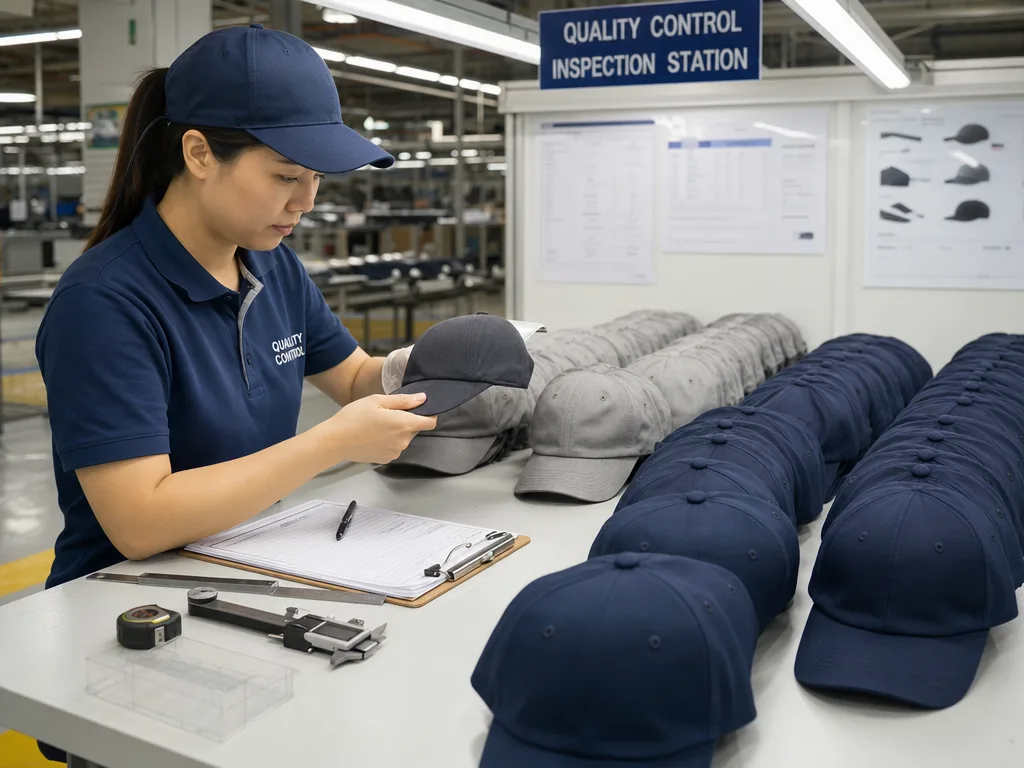
BSCI vs Sedex vs WRAP vs WCA: Compliance Audit Standards Compared - Supplier Checklist - Supplier Checklist - Cost & MOQ Breakdown
Read article →If you are ready to take the next step on baseball hats for men export shipping checklist for custom hat buyers - supplier checklist, our team can put a tailored quotation and digital mock-up in your inbox within 24 hours. Send the inquiry form on our contact page or message us directly on WhatsApp.