
Baseball Hats For Men Export Shipping Checklist for Custom Hat Buyers - Cost & MOQ Breakdown - Supplier Checklist
Baseball Hats For Men Export Shipping Checklist for Custom Hat Buyers - Cost & MOQ Breakdown - Supplier Checklist is one of the most-asked questions we receive from international buyers, and for good reason. With dozens of factories competing for your order and an alphabet soup of technical terms in every supplier quote, even experienced importers can feel lost. This guide consolidates what we have learned producing custom hats for clients in 40+ countries.
Why baseball hats for men export shipping checklist needs a separate sourcing plan
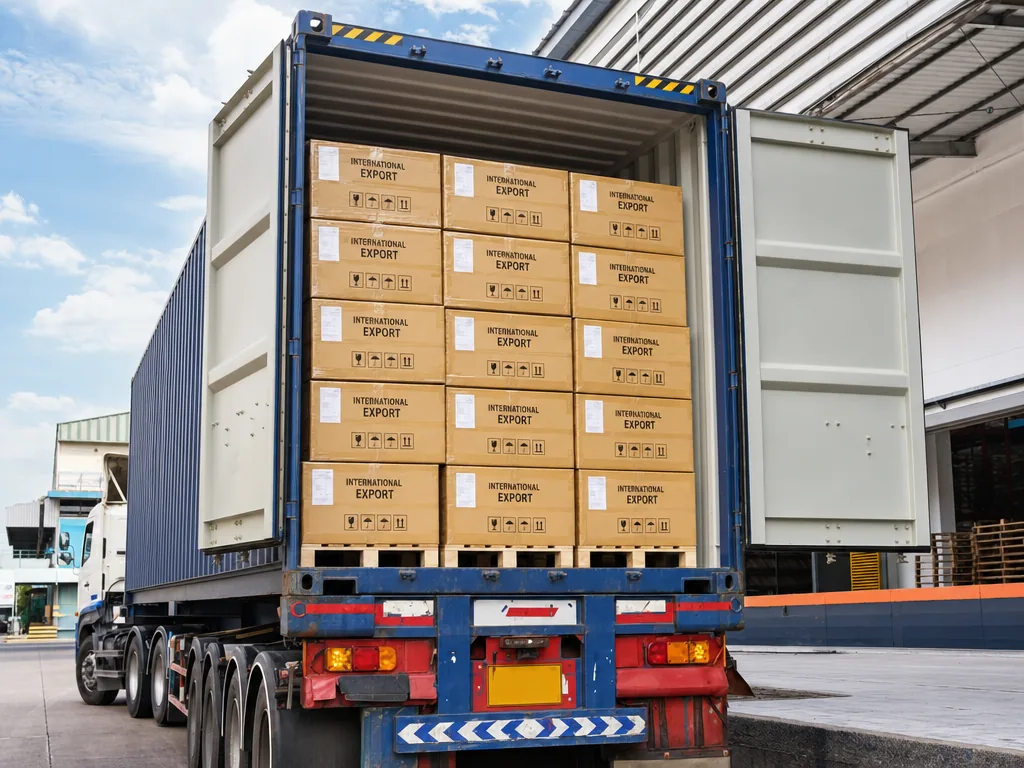
A separate sourcing plan matters because a baseball hats for men export shipping checklist is really a freight-and-risk document disguised as a product spec. Men’s caps, especially structured 6-panel builds with buckram fronts, pre-curved PE visors, and full crown support, usually cube out before they weigh out. On export shipments, carton design can swing landed cost more than swapping 240 gsm brushed cotton twill to 220 gsm chino twill. A 24-piece inner pack of fully shaped structured caps can take 10% to 15% more CBM than a soft, unstructured dad cap, and that difference gets billed immediately on airfreight and LCL. If carton dimensions are guessed instead of tested during PP sample stage, the result is predictable: dead space, visor pressure marks, or crushed front panels. That is why the baseball hats for men export shipping checklist needs its own sourcing plan before PO release, not after bulk sewing starts.
The sourcing path changes again once the order includes operational complexity, not just decoration. A one-color promo cap can survive loose assumptions; a team or retail program with size runs from 54 cm to 61 cm, GS1 barcodes, country-of-origin labels, and style-color-size carton marks cannot. Raised 3D embroidery on Tajima or Barudan heads, merrowed patches, suede sandwich brims, and heavier buckram all reduce nesting efficiency and increase deformation risk in transit, so packing method has to be fixed before bulk cutting. Changing from stacked packing to individual polybagging halfway through production can erase margin on a $2.90 to $4.80 FOB cap, especially once labor and carton replacement are added. At CrownsForge, we freeze carton spec, inner pack ratio, and master carton weight target before line launch because export execution failures usually cost more than minor sewing defects.
Compliance and approval timing are the other reason the baseball hats for men export shipping checklist needs a separate sourcing plan. Fabric is rarely the critical path; approvals are. Once you add Pantone-matched woven labels, custom seam tape, molded metal buckles, or raised satin embroidery, the schedule shifts to digitizing, strike-offs, shade approval, and trim confirmation. If the buyer wants thread and patch color held within Delta-E 2.0 to 3.0 against approved standards, add 2 to 4 days for remakes and sign-off. A clean repeat order may ship in 25 to 30 days, but a first-time custom program with multiple trims can easily run 40 to 50 days. Supplier screening should therefore go beyond FOB price: I would expect correct HS coding, net/gross weights by SKU, scan-ready carton marks, AQL 2.5 final inspection, and sedex-audit-cap-supplier-guide.html">BSCI 2.0 or Sedex SMETA 4-Pillar visibility. MOQ follows the same logic: 144 pieces may work for stock blanks, but true custom men’s baseball caps usually need 300 to 500 pieces per style-color to stabilize yield, embroidery quality, and freight efficiency.
Factory capability checks before quoting
The fastest way to screen a weak supplier is to verify whether they actually make your cap construction in-house, not just assemble a sales sample and subcontract the hard steps. For any baseball hats for men export shipping checklist, I look at three pressure points first: cap-frame embroidery capacity, patch process ownership, and block history for the exact profile you are buying. Ask how many Tajima, Barudan, or ZSK heads are permanently set on cap frames versus flats, and what percentage of daily output is 6-panel structured caps rather than beanies or flat panels. A factory that really runs front puff, side hits, and rear arch every day should be able to talk about 2.0-3.0 mm EVA foam, center-seam pull compensation, underlay selection, and minimum readable text around 2.5 mm after steaming and handling. If they avoid those details, the quote is probably built on assumptions, not production reality. Patch capability needs the same scrutiny: woven labels, merrowed twill, TPU, debossed PU, and laser-cut heat-transfer patches each need different press temperature, dwell time, and edge treatment on a curved crown. If patching is outsourced, add 3-7 days, a higher chance of edge lift, and another color-control point between patch lot and shell fabric.
Most export claims on men’s caps come from material inconsistency and shape failure, not obvious sewing defects, so fabric control and sample-room discipline should be checked before you trust any price. Ask for actual ranges, not vague fabric names: cotton twill at 260-320 gsm, brushed chino at 240-280 gsm, polyester microfiber at 120-160 gsm, nylon taslon at 105-140 gsm, and structured wool blends with matching buckram stiffness. Serious factories can explain how they approve shade against Pantone TCX or TPG references, what Delta-E tolerance they hold on bulk lots—typically 1.0-1.5 for approved shell fabric—and whether visor boards are standard 1.8-2.2 mm PE, paperboard, or recycled composite. Then test the sample room directly. Send one standard structured 6-panel cap and one awkward trim combination, and see whether they challenge seam allowance, crown depth, eyelet finish, closure hardware, sweatband spec, carton pack-out, and country-specific labeling requirements. A repeat sample should take 5-7 days; a new block usually takes 10-14. Before accepting the quote, verify current BSCI 2.0 or Sedex SMETA 4-Pillar reports, needle-control logs, and AQL 2.5 final inspection practice. At CrownsForge, MOQ usually starts around 144 pieces for stock fabric, but custom-dyed shells, bespoke metal trims, or exclusive woven labels often push real MOQ to 300-500 pieces per colorway.
MOQ, pricing and sample approval
MOQ is where cap economics stop being theoretical. For a workable baseball hats for men export shipping checklist, treat 144 pieces per style-color as the absolute factory floor and 300 pieces as the point where pricing becomes rational for a custom 6-panel cap. Below that, fixed costs swamp the unit price: marker planning, fabric relaxation, embroidery digitizing, thread changes, buckram cutting, needle setup, and line balancing cost almost the same whether you run 48 caps or 480. In Zhejiang and Guangdong, a standard brushed cotton twill cap, 108x58 or 110x76 construction, with plastic snapback and one front flat embroidery usually lands around $2.30 to $3.40 FOB China at 300 to 500 pieces. Upgrade to 3D foam embroidery, sandwich visor, woven loop label, printed seam tape, or antique-finish metal buckle and you are more realistically in the $3.90 to $5.80 FOB range. Fitted caps, Flexfit-style sweatbands, TPU badges, or merrowed patches typically add $0.35 to $0.90 per piece because they introduce extra handling, separate trim sourcing, and more in-line inspection points.
Decoration and trim setup is where buyers quietly lose margin. A front-logo digitizing file is usually $25 to $60; each additional location, such as a side hit or back arch, adds machine minutes and hand trimming. On Tajima or Barudan heads, a clean front logo normally runs 8,000 to 14,000 stitches. Push fill density tighter than about 0.40 mm on structured A-frame crowns and you start distorting the buckram, especially with wide satin columns. Color standards should be locked before sampling: Pantone TCX for dyed fabric, Pantone Solid Coated for thread reference, and a clear shade tolerance, ideally Delta-E under 1.5 for critical trim matches. Pre-production sample approval is the real control point. The PPS should freeze crown height, visor curve, embroidery placement tolerance of plus or minus 2 mm, eyelet alignment, sweatband join, closure finish, labels, barcode stickers, carton marks, and packing ratio before bulk cutting. Expect 5 to 10 working days for a revised PPS and roughly 20 to 30 days production for orders under 3,000 pieces, then add booking lead time, AMS filing, vessel cutoff, customs clearance, and final-mile delivery on top.
Quality inspection and shipping risk
Most chargebacks start with defects that were easy to catch before loading. A usable baseball hats for men export shipping checklist should lock a written defect matrix before bulk cutting, then inspect against ANSI/ASQ Z1.4, General Inspection Level II, with AQL 2.5 for major defects and 4.0 for minor unless a licensed program requires tighter limits such as 1.5/2.5. On caps, “major” should be measurable, not debated at carton opening: front logo off-center more than 3 mm, patch placement beyond ±2 mm, brim length outside ±3 mm, crown height outside ±5 mm, fitted circumference outside ±5 mm, cracked PE visor board, skipped topstitching, missing eyelets, wrong closure, or thread breaks visible at 60 cm. Minor defects are short loose threads under 10 mm, slight seam grin, or a sweatband join that is neat but off-center. If the tolerances are not frozen in the tech pack and pre-production sample, the factory, third-party inspector, and buyer will all inspect to different standards and still claim they are right.
Shade and trim control are cheap insurance compared with a return or relabeling claim. On dark cotton twill, brushed chino, washed canvas, and 80/20 acrylic-wool blends, approve bulk lab dips under D65 lighting and hold color within Delta-E 1.0 to 1.5 against the Pantone TCX reference for branded programs; otherwise two mills can both ship “navy” and the cartons will still look mixed on shelf. Ask for actual test data, not verbal promises: crocking grade 3-4 dry and 2-3 wet minimum, perspiration and light fastness appropriate to the market, plus visor flex and snapback pull tests if the cap uses plastic components. Embroidery needs its own checkpoints on Tajima, Barudan, or ZSK heads: registration, fill density, underlay show-through, edge run, backing exposure, and 3D puff height consistency across heads. Metallic and neon thread usually means higher break rates, so stitch count, speed, and tension need closer watching at final inspection.
Packing mistakes create claims even when the sewing is clean. The outer carton must match the booking file exactly: PO, style, color, size ratio, quantity, carton number, gross and net weight, dimensions, country of origin, and shipping mark. Five-layer export cartons are standard, but structured baseball caps with hard buckram fronts need compression control as much as board strength. If the carton height is too low or stacking load is too high, the front panel carries the weight and arrives crushed. Confirm before sealing whether each cap needs a crown support, brim clip, individual polybag with destination-compliant suffocation warning, and desiccant for humid routes or long transit. Lock the Incoterm before labels print—FOB, CIF, or DDP changes consignee format, customs data, and claim responsibility. Our standard practice at CrownsForge is to archive the sealed sample, approved measurement table, carton marks, DST file, and final AQL report together; on a repeat order six months later, that file is what stops fit drift, shade drift, and the same shipping error from happening twice.
Buyer checklist for the next RFQ
The fastest way to get a usable quote is to eliminate factory guesswork in the RFQ. A real baseball hats for men export shipping checklist should lock six items on day one: exact construction, quantity by color and size, decoration method, Incoterm, ex-factory date, and destination country. “6-panel cap” is still incomplete. Specify structured or unstructured crown, buckram or no buckram, crown height, pre-curved visor or flat peak, standard brim or sandwich brim, stitched or metal eyelets, fabric weight and composition, sweatband material, and closure type such as 7-hole PVC snap, hook-and-loop, self-fabric strap, or fitted size run. Quantity split matters more than most buyers assume: 288 pcs in one color can price 12% to 18% lower than 288 pcs across six colorways because of fabric lays, thread changes, trimming loss, and line setup. If the shipment is for Canada, the UK, or the EU, state that upfront; bilingual care labels, fiber-content declarations, HS code confirmation, and retailer carton marking can add both lead time and brokerage cost.
Artwork quality is where many RFQs break down. Send AI, EPS, or layered PDF files, plus logo size in millimeters and placement measured from center front or visor seam. For color control, use Pantone Solid Coated for print and trim colors, and Pantone TCX for dyed fabric references. On cotton twill or brushed chino, a bulk dye lot target of Delta-E under 2.0 is realistic; embroidery thread is usually approved by visual match because polyester and rayon reflect differently than fabric under D65 light. If the front embroidery is likely above 10,000 to 12,000 stitches, ask for stitch count to be quoted separately. On Tajima, Barudan, or ZSK heads, dense embroidery can add $0.08 to $0.25 per cap depending on stitch count, underlay, and thread-color changes. Also include inside trims and compliance requirements on the same page: woven labels, seam tape print, hangtags, size stickers, polybag spec, needle policy, azo-free dyes, REACH or CPSIA if applicable, and AQL 2.5 final inspection. Those “small” details often add $0.12 to $0.40 per piece and decide whether a quote is accurate or padded.
Incoterms and carton rules change the landed cost more than any minor fabric upgrade. A men’s brushed cotton twill cap quoted at $2.60 to $3.10 FOB Ningbo can land around $3.85 to $4.60 DDP Toronto after duty, customs clearance, fuel surcharge, and final-mile delivery. State whether you need EXW, FOB, CIF, or DDP, and always give the delivery ZIP or postal code if you expect a landed estimate. Carton spec matters too: export masters are commonly packed 24 to 36 pcs per carton at roughly 58 x 45 x 38 cm, but the correct pack-out depends on crown profile, visor curve, and whether the buyer accepts nested packing. Flatter packing can cut CBM, but it also increases the risk of visor distortion and front-panel crush on structured caps. Our standard practice is to ask for carton weight limits, pallet rules, and approval method in the RFQ—pre-production sample, TOP sample, or bulk photo approval—because those three lines often determine whether goods ship on schedule or sit waiting for signoff.
Working with CrownsForge
The weak point in a baseball hats for men export shipping checklist is usually approval drift, not the freight quote. Bulk should not open until three documents are frozen against the final tech pack: fabric or lab-dip approval, decoration strike-off, and PPS signoff with measured specs. For men’s caps, that means locking shell construction and weight—typically 265–320 gsm brushed cotton twill for classic 6-panels, 210–240 gsm polyester heather laminated to 0.8–1.2 mm buckram for structured crowns, or 600D Oxford for low-cost promo programs—plus sweatband composition, visor sandwich color, crown depth, closure finish, and button or eyelet matching. If color continuity matters across repeats, freeze Pantone in TCX for dyed textiles and Pantone Coated for printed elements, then hold dyed panels, woven labels, and under-visors to a realistic Delta-E of 1.5–2.0, not “close enough under warehouse light.” Decoration approval has to be machine-tested on the actual cap body. A 3D puff file that runs clean on a structured 6-panel can crack foam, pinch columns, or distort the front seam on a low-profile dad hat if underlay, pull compensation, or stitch angle is wrong. Our standard practice is strike-offs on Tajima, Barudan, or ZSK heads using the real crown profile and backing, then checking fill density around 0.35–0.45 mm, seam clearance, and post-sew panel distortion. Cost swings are not trivial: a flat 3,000-stitch embroidery generally adds $0.28–$0.45 per cap FOB, while a molded PVC patch with heat apply or stitch-down is more often $0.60–$1.10. The same logic applies to MOQ. Stock fabric programs can start at 144 pieces per colorway, but custom-dyed shell fabrics, branded metal trims, or proprietary tapes usually push practical minimums into the 500–1,000 piece range.
QC and shipping should be treated as one control plan, because defects discovered after packing are usually non-repairable. Inline inspection during cutting, embroidery, and sewing catches the problems that create claims later: visor asymmetry, front-panel collapse after logo application, skipped topstitching, sweatband twisting, closure misalignment, and fitted size grading errors. Final random inspection should run at AQL 2.5, with carton audit layered on top for size ratio packs and mixed-color assortments. The checks that matter are measurable: crown circumference tolerance within ±0.5 cm, visor symmetry left to right, SPI consistency on sweatband and rear closure seams, patch edge sealing, needle damage on coated fabrics, and 100% accountability for metal buckles, snap buttons, and adjuster hardware. For structured caps packed 24 or 48 pieces per export carton, board grade and stack strength should be verified before booking, not after the container is sealed. Documentation is where otherwise clean orders get stuck. The commercial invoice should state “men’s baseball caps” or “men’s baseball hats” with fiber content and construction, not vague descriptions like “promotional headwear,” and carton marks must match the packing list line for line. For Canada, the U.S., and EU markets, country-of-origin marking, fiber-content labeling, and consistent HS code use are basic compliance, not clerical detail. Freight economics are just as specific: airfreight becomes expensive once dimensional weight overtakes actual weight, so carton dimensions have to be designed around crown height and visor nesting. As a rule of thumb, sea freight starts to make sense above about 1.5–2.0 CBM; below that, consolidated air or courier can be cheaper after destination handling and local delivery are added. A disciplined baseball hats for men export shipping checklist ends with PPS photo archive, final inspection report, carton manifest, booking cutoff confirmation, and approved shipping marks before goods leave Yiwu.
Frequently Asked Questions
Can I order a sample before bulk production?
Yes. We strongly recommend approving a pre-production sample before mass production. Samples are charged at 35 to 60 USD each plus express shipping, fully refundable against confirmed bulk orders over 500 pieces.
Do you support sustainability certifications?
Yes. We work with GOTS organic cotton, GRS-certified recycled polyester, OEKO-TEX Standard 100 fabrics, and are BSCI and Sedex audited. Certification documentation can be provided per order.
What logo decoration techniques do you offer?
3D puff embroidery, flat embroidery, woven patch, leather patch, PVC patch, screen printing, sublimation, applique and laser etching, all in-house with no subcontracting.
What file format should I send for my logo?
Vector files (AI, EPS, PDF) are ideal. High-resolution PNG or JPG at 300 dpi on transparent background works as a fallback. Provide Pantone color references for accurate reproduction.
What is the minimum order quantity (MOQ) for custom hats?
Our standard MOQ is 100 pieces per design and color, with sampling available from 1 piece. For complex multi-color logos or premium fabric upgrades, the MOQ can be lowered with a small per-piece surcharge.
How does ordering custom fitted hats for men work?
When evaluating custom fitted hats for men, the key considerations are construction quality, decoration capability, MOQ flexibility and lead time. Explain the buyer intent behind baseball hats for men export shipping checklist, when it differs from generic hat sourcing, and what decisions affect cost, lead time and compliance. Describe how CrownsForge manages baseball hats for men export shipping checklist programs with sampling, decoration, QC and export coordination.
What should buyers know about nike bucket hats for men?
When evaluating nike bucket hats for men, the key considerations are construction quality, decoration capability, MOQ flexibility and lead time. Explain the buyer intent behind baseball hats for men export shipping checklist, when it differs from generic hat sourcing, and what decisions affect cost, lead time and compliance. Describe how CrownsForge manages baseball hats for men export shipping checklist programs with sampling, decoration, QC and export coordination.
How does ordering custom embroidered baseball hats work?
When evaluating custom embroidered baseball hats, the key considerations are construction quality, decoration capability, MOQ flexibility and lead time. Explain the buyer intent behind baseball hats for men export shipping checklist, when it differs from generic hat sourcing, and what decisions affect cost, lead time and compliance. Describe how CrownsForge manages baseball hats for men export shipping checklist programs with sampling, decoration, QC and export coordination.
How does ordering custom leather patches for hats work?
When evaluating custom leather patches for hats, the key considerations are construction quality, decoration capability, MOQ flexibility and lead time. Explain the buyer intent behind baseball hats for men export shipping checklist, when it differs from generic hat sourcing, and what decisions affect cost, lead time and compliance. Describe how CrownsForge manages baseball hats for men export shipping checklist programs with sampling, decoration, QC and export coordination.
What is the best shipping method for hats?
It's always better to package the hat in a size-appropriate box and not mash it into a smaller one. In some instances, maybe you don't need a box. Instead of always using a box, you can choose to ship soft and bendable hats in a plastic shipping bag with some protective material.
Ready to start your custom hat project?
Send us your tech-pack, sketch or even just an inspiration photo. We will respond with a detailed quotation and digital mock-up within 24 hours.
Request a free quoteRelated guides
Festival Bucket Hat: A Vertical-Specific Sourcing Guide
Read article →Baseball Caps Canada: A Vertical-Specific Sourcing Guide
Read article →
Refreshing a Hat Collection: A Repeat-Order Playbook for Established Brands (2026 Update)
Read article →We hope this guide demystifies baseball hats for men export shipping checklist for custom hat buyers - cost & moq breakdown - supplier checklist and helps you move forward with confidence. If you have questions specific to your project, our English-speaking sales engineers are one message away.