
Baseball Hats For Men Export Shipping Checklist for Custom Hat Buyers - Cost & MOQ Breakdown - 2026 Buyer's Guide - Supplier Checklist
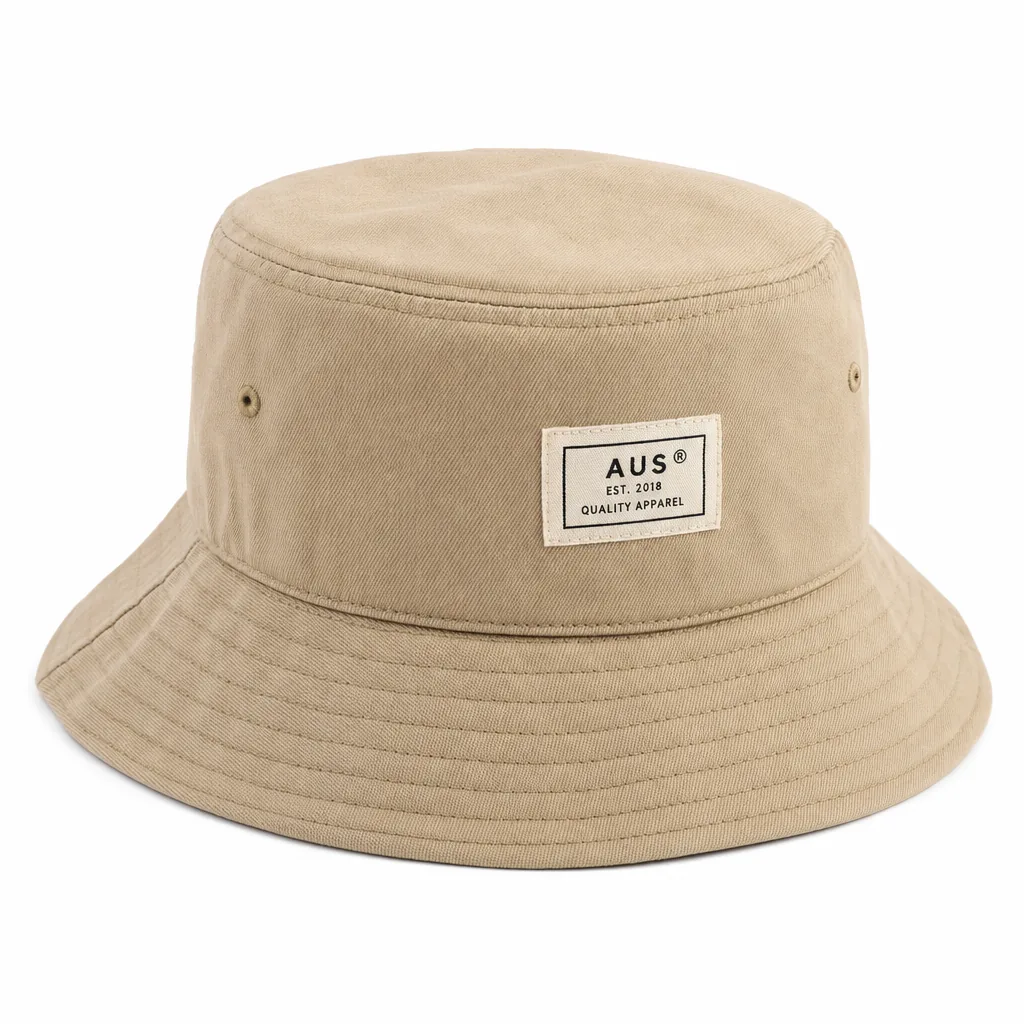
Every week, our sales team answers detailed questions about baseball hats for men export shipping checklist for custom hat buyers - cost & moq breakdown - 2026 buyer's guide - supplier checklist. We wrote this guide so that wholesalers, streetwear brands, corporate buyers and promotional resellers can compare options with full information, and avoid the traps that show up only after production has started.
Why baseball hats for men export shipping checklist needs a separate sourcing plan
A baseball hats for men export shipping checklist needs its own sourcing plan because the cost risk sits in the shipped shape, not the FOB sewing price. A structured men’s 6-panel cap in 280–320 gsm brushed cotton twill with 1.8 mm buckram, PE pre-curved visor, moisture-wicking sweatband, and metal tuck strap behaves very differently in transit than a soft dad hat, knit beanie, or bucket hat. If carton dimensions, nest packing method, inner-pack quantity, and gross weight are not fixed before bulk material booking, the buyer is guessing at both freight and damage exposure. I have seen factories shave $0.12 per cap on make cost, then lose twice that when carton cube jumps from 0.11 to 0.15 CBM or when crushed front panels push the defect rate above AQL 2.5 at destination. Structured crowns do not tolerate arbitrary pack-outs: 72 pcs per export carton may ship cleanly, while 96 pcs in the same shell can create visor pressure marks, panel collapse, and embroidery abrasion. Those are sourcing decisions, not warehouse decisions.
The practical purpose of a baseball hats for men export shipping checklist is to prevent three expensive failures after ex-factory release: customs holds, retailer compliance chargebacks, and arrival defects that cannot be repaired economically. That means the sourcing plan has to lock HS code alignment, country-of-origin label content, FNSKU or EAN placement, suffocation warning text, carton marks, and retailer routing rules before line loading. Licensed and team-color programs need even tighter control. If crown fabric and embroidery must match Pantone TCX standards, you should be approving fabric lab dips, Madeira or Gunold thread cards, and a Delta-E tolerance around 1.5–2.0 across visible components under D65 lighting. Inspection criteria must be written against real cap defects: visor skew over 5 mm, off-center embroidery registration, seam twisting, sweatband join mismatch, metal closure plating scratches, and loose underbill stitching. Our standard practice is to freeze packaging artwork before bulk start, because a barcode move or polybag revision after cutting typically adds 2–4 days plus rework labor.
Destination compliance changes the factory path much earlier than most buyers expect. Canada programs often require bilingual packaging and stricter 3PL carton-label discipline; EU orders may need REACH screening on inks, coatings, and metal trims; DDP shipments require the supplier and forwarder to confirm they can legally clear branded headwear under the declared code and valuation method. None of that is visible in a basic cap tech pack, but any one of those points can stop cargo or force relabeling in a bonded warehouse. Cost and lead time are usually decided during sampling, not when the booking request is sent. As a realistic benchmark, an unstructured cotton dad hat at 1,000 pcs may land around $2.20–$3.10 ex-factory, while a structured fitted cap with merrowed patch, satin seam tape, woven flag label, hangtag, and retail polybag often runs $4.60–$6.80. Add 5–8 days for patch heat-press validation or 3–7 days for azo dye, formaldehyde, or colorfastness testing, and the shipping plan is already affecting sourcing. Buyers who lock those variables early usually avoid split shipments, emergency air freight, and preventable customs queries.
Factory capability checks before quoting
Do not price a cap until the factory proves it can build that exact architecture on its own floor. For a practical baseball hats for men export shipping checklist, machine capability matters more than the catalog PDF. Ask for photos or live video of Tajima, Barudan, or ZSK cap embroidery heads with cap drivers installed, plus a digitizer who can explain why stitch density changes by fabric: around 0.38-0.42 mm on 10x10 cotton twill, reduced on brushed chino to prevent tunneling, and with lighter underlay on 3D puff so the foam keeps height after carton compression. Check whether woven patches, TPU badges, leatherette patches, or laser-cut twill appliqué are made in-house or subcontracted. Once decoration leaves the building, sample lead time usually slips by 3-5 working days and color control gets weaker; Pantone thread matching, merrow width, adhesive bonding, and heat-press temperature discipline become inconsistent. Also ask for actual monthly output by style, not just a sales claim. A credible mid-scale export factory should be able to document roughly 15,000-30,000 caps per month with recent bulk runs across direct embroidery, patch application, screen print, and multi-location decoration.
Construction range is the next hard filter. A supplier that only runs one basic 6-panel cap will struggle when you move into washed cotton dad hats, rope caps, fitted sizes, or lightweight performance styles. The line should already be comfortable with 5-panel foam truckers, structured 6-panel baseball caps using 0.8-1.2 mm buckram, unstructured enzyme-washed caps, and polyester or nylon programs in 75D-150D yarns without eyelet puckering or crown distortion. Ask technical questions that expose whether the team is real: front-panel seam allowance, standard crown height, visor board thickness, sweatband tape denier, closure options, and finished head-size tolerance. For export, +/-0.5 cm circumference is a reasonable control point; anything looser creates carton-level inconsistency and customer complaints. The sample room usually tells the truth faster than the sales team. A capable factory should turn a first prototype in 5-7 working days for stock twill and 7-10 working days for washed fabrics, appliqué, or custom trims, then issue a usable spec sheet listing fabric content, gsm, Pantone reference, visor curve, closure code, carton pack-out, and decoration placement. Before accepting any quote, confirm MOQ by decoration type and colorway, not just per style; direct embroidery may start at 144 pcs, while custom patch combinations often push the effective MOQ to 300-500 pcs because of patch setup and trim loss. Finally, require AQL 2.5 understanding and current sedex-audit-cap-supplier-guide.html">BSCI 2.0 or Sedex SMETA 4-Pillar records under the same legal entity that handles cutting, sewing, embroidery, and packing. If the audit belongs to a different workshop, the quote is less reliable than it looks.
MOQ, pricing and sample approval
MOQ drives cost harder than most buyers admit, because cap factories lose efficiency on both cutting yield and line changeover long before they lose thread or fabric. For fully custom 6-panel baseball hats for men in 108x58 cotton twill at 260-280 gsm, brushed chino, or polyester micro-peach, the realistic MOQ is usually 144 pcs per colorway and logo set. Below that, panel nesting gets inefficient, brim board and sweatband consumption cannot be optimized, and operators spend too much time resetting folders, cap frames, and top-button stations. Stock-shell programs can drop to 48-72 pcs if you accept existing fabric lots, standard PE visor inserts, stock closure hardware, and no custom seam tape. The minute you specify woven inside labels, printed taping, contrast eyelets, sandwich brim piping, or a new buckle mold, the practical MOQ shifts to 200-300 pcs. FOB China pricing in 2026 for a standard structured embroidered cap is typically US$2.20-US$3.40 at 300 pcs and US$1.75-US$2.80 at 1,000 pcs, based on one left-front embroidery, standard sweatband, and export carton packing. Recycled rPET, Coolmax-style performance sweatbands, genuine leather straps, or custom antique-finish buckles usually add US$0.18-US$0.85 per unit before freight.
Setup fees are where small orders get distorted, so serious buyers separate one-time charges from repeatable unit cost. A left-front embroidery file for Tajima, Barudan, or ZSK cap frames usually runs US$25-US$60; 3D puff, side hits, back arch text, or mixed appliqué can push digitizing above US$80 because underlay, pull compensation, foam pathing, and sequencing must be tuned manually. TPU, silicone, and PVC patch logos often require US$80-US$150 in tooling, while custom die-cast buckles or metal logo plates commonly start around US$120 per design. On any baseball hats for men export shipping checklist, sample approval should lock physical tolerances, not just artwork: crown height within about +/-3 mm, embroidery placement within +/-2 mm, visor curve profile, stitch density, closure function, and seam alignment at front center. The PPS should also freeze export compliance details before bulk cutting: fiber-content label, country-of-origin mark, suffocation warning, carton dimensions, GS1 or customer barcode position, and bilingual English/French copy for Canada when required. Our standard practice is 5-7 days for artwork and material confirmation, 7-12 days for PPS, and 18-30 days for production, with final inspection to AQL 2.5 after packing.
Quality inspection and shipping risk
Most claim disputes start before production, not when the cargo reaches Long Beach or Felixstowe. A workable baseball hats for men export shipping checklist needs the inspection protocol written into the PO and approved sample file, otherwise the factory, third-party inspector, and forwarder all use different thresholds. For custom caps, lock final random inspection to ANSI/ASQ Z1.4, General Level II, with AQL 2.5 for major defects and 4.0 for minor; for licensed retail programs or launch-date deliveries, I would tighten majors to AQL 1.5. Make the defect list cap-specific, not generic apparel language: front embroidery off-center over 3 mm, visor twist over 5 mm, visible skipped topstitch, buckram collapse, crown panel puckering, exposed sweatband raw edge, wrong back closure, mixed size labels, or incorrect carton ratios. “Good quality” is not enforceable. Measurement tolerances also have to reflect headwear construction. On a structured 6-panel men’s baseball cap, crown height is usually controlled within ±0.5 cm, brim length within ±0.3 cm, and finished opening within ±1.0 cm for snapback or buckle-back styles; fitted caps need circumference tolerances by size, typically within ±0.5 cm. Put photo-marked measuring points on the golden sample and sign it against Pantone references, trim card, artwork file, and packing spec. Inspectors at factory, consolidation warehouse, or port warehouse will follow the approved file set, not a WeChat voice note. Our standard practice is to include carton count, assortment ratio, barcode, and shipping mark verification during FRI because repeat orders are more often short-packed or mixed-SKU than badly sewn.
The expensive failures are usually color, decoration, and shipping mark errors because they can slip through a casual inline check and only show up under retail lighting or at receiving. For cotton twill, brushed chino, washed canvas, or poly-cotton shell fabrics, require lab data before bulk release: colorfastness to crocking and perspiration under ISO 105, with dry rubbing at grade 4 minimum and wet rubbing at 3-4, especially on black, navy, bottle green, and saturated red. If the factory is matching a Pantone TCX shade, define Delta-E in writing before dyeing starts: trims should usually hold at ≤1.0, while dyed shell fabrics are more realistically ≤1.5 to 2.0 depending on fiber blend, wash, and finish. Without a number, “shade acceptable” turns into a chargeback discussion. Embroidery needs machine-level scrutiny, not just a quick visual pass. On Tajima, Barudan, and ZSK cap frames, the repeat issue on structured fronts is push-pull distortion from flat-garment digitizing used on heavy buckram caps: text under 5 mm fills in, satin columns drift, underlay shows, and patch edges lift more than 2 mm. Check registration, thread breaks, bobbin tension, stitch density, and thread brand consistency before approving bulk. Shipping risk then comes down to packaging and Incoterm discipline. Export cartons should show PO, style, color, carton number sequence, quantity, N.W./G.W., dimensions in cm, COO, and destination mark exactly as booked; one mismatch can trigger relabeling at $0.30 to $1.20 per carton plus missed delivery appointments. Under FOB, confirm named port handoff and gate-in carton count. Under DDP, get HTS code, duty assumption, and last-mile scope in writing so costs are not buried inside an inflated unit price.
Buyer checklist for the next RFQ
A usable RFQ starts with construction, not “quote 500 caps.” For a reliable baseball hats for men export shipping checklist, specify the exact silhouette and build: 6-panel structured cap, unstructured dad cap, 5-panel foam trucker, fitted, or snapback; then lock crown height, buckram weight, visor curve, closure, eyelets, seam tape, sweatband, and size run. If you need an on-field shape, say it. A high-profile fitted crown uses different pattern pieces, heavier buckram, and often a different hooping approach than a relaxed washed cap. Fabric specs should be measurable, not descriptive: brushed chino 245 gsm, cotton twill 270 gsm, recycled nylon 120 gsm, heather polyester 180 gsm, or poly-spandex performance weave with denier and finish noted. Call out Pantone TCX for shell, underbill, top button, eyelets, and tape; if color is critical, state tolerance up front. On piece-dyed solids, Delta-E 1.5-2.0 is commercially realistic. On melange, pigment wash, enzyme wash, or garment-wash lots, expect wider variation and write that acceptance range into the RFQ.
Lock decoration before sampling or your first quote will be fiction. Send editable AI, EPS, or layered PDF artwork and list every placement with size in millimeters: front, wearer-left, wearer-right, back arch, closure tab, inside taping print, woven label, hangtag, and carton mark. Name the technique if you know it—flat embroidery, 3D puff, tatami fill, chainstitch, merrowed patch, TPU patch, sublimated emblem, or screen print—because stitch count and setup time change both price and output on Tajima, Barudan, or ZSK heads. A standard front logo at 55-60 mm wide usually runs 7,000-12,000 stitches; dense fills can exceed 18,000, adding $20-$60 for digitizing and cutting pieces-per-head-per-hour. If you are matching an existing cap, provide clear front, side, back, underbill, interior, closure, and sweatband photos plus crown and visor measurements.
Do not ask for a “best FOB price” without commercial terms. Unit cost moves faster with MOQ, color splits, packaging, and freight method than with a minor trim change. State quantity by color and logo, destination port or final ZIP code, and the trade term: EXW Yiwu, FOB Ningbo, FCA, CIF, or DDP. As a rule, 300-piece rush orders may still justify DHL or FedEx even when landed cost increases by roughly $1.80-$3.50 per cap versus ocean; around 3,000 pieces, sea freight usually wins unless retail inserts or heavy gift boxes inflate carton volume. Include packing details in the RFQ: 1 pc/polybag or bulk pack, 24 or 25 pcs/inner, 72 or 144 pcs/master, carton dimensions, gross and net weight limits, barcode type, FNSKU or UPC placement, and whether the bill needs an insert to hold shape in transit. Quality and compliance belong in the same document: AQL 2.5 major / 4.0 minor, needle control, carton drop test, and whether trims, inks, or PVC require REACH, CPSIA, or California Prop 65 screening. If your program requires BSCI 2.0 or Sedex SMETA 4-Pillar, state that at RFQ stage; it immediately narrows the supplier list and affects lead time.
Working with CrownsForge
Most shipping claims are baked in before bulk production starts, not at the port. A serious baseball hats for men export shipping checklist begins with one sealed pre-production sample tied to a revision-controlled spec pack, then no substitutions without written approval. That pack should freeze the points that trigger disputes later: crown height, visor length and curl radius, panel construction, buckram grade, closure type, shell fabric composition, gsm, sweatband material, logo size in millimeters, thread brand, carton pack-out, and barcode placement. The tolerances also need to be explicit. Our standard practice at CrownsForge is logo placement at ±2 mm, crown height at ±3 mm, visor length at ±2 mm, and thread shade within Delta-E 1.5 under D65 against the approved color standard. If the fabric is custom dyed to Pantone TCX, add 10 to 14 days for lab dip approval and bulk dyeing; stock 108x56 cotton twill or brushed polyester usually samples in 5 to 7 working days. Decoration decisions should be made against cap construction, not just artwork aesthetics. A structured 6-panel cap with 1.5 to 2.0 mm PE buckram can carry dense direct embroidery on Tajima, Barudan, or ZSK heads without front-panel collapse, but washed cotton, taslon nylon, and low-profile unstructured fronts will pucker if the underlay, backing weight, or hoop tension is wrong. Fine text below a 2.0 mm stroke width should not be forced into embroidery; woven patches, PVC, TPU, or HD print labels hold readability far better after wear and wash. Bulk approval should include strike-offs that check satin edge sharpness, fill coverage, jump stitch cleanup, registration on curved panels, and patch adhesion after peel testing. Skipping that step may save 24 hours, but it routinely costs 2 to 4 weeks in remake arguments once 3,000 caps arrive with distorted logos or unreadable small copy.
Freight cost is usually lost in the carton math. Any workable baseball hats for men export shipping checklist has to confirm HS code, Incoterm, booking window, final carton dimensions, net and gross weight, shipping marks, and destination labeling before goods leave the warehouse. Adult baseball caps are commonly packed 100 to 144 pieces per master carton, but the right count depends on visor shape retention, crown structure, and the warehouse’s handling limit. Once a master carton pushes past about 16 kg gross, deformation claims and 3PL rejections increase fast. For air freight and DDP courier, one finished-carton remeasurement is mandatory because dimensional-weight corrections can add roughly $0.20 to $0.60 per cap on a 300 to 800 piece run. FOB ocean is more forgiving, but inconsistent carton sizes still create loading inefficiency and preventable chargebacks. Final QC should be run against the sealed sample and inspection checklist, not against whatever the sewing line considered acceptable that day. Standard points are panel symmetry, seam slippage, visor curvature, top-button centering, eyelet alignment, sweatband joining, needle damage, loose thread, label accuracy, and carton quantity. AQL 2.5 for major defects and 4.0 for minor is standard for promotional orders; licensed sports, retail, and e-commerce programs often tighten that and ask for needle-control logs, metal detection, or carton drop-test records. The release file for FOB Ningbo or Shanghai is usually commercial invoice, packing list, and booking confirmation, while larger accounts may also request BSCI 2.0 or Sedex SMETA 4-Pillar reports. If the destination is Canada or an audited 3PL network, add bilingual carton marks, fiber-content labeling, country-of-origin marking, and pallet height compliance before shipment release, because those failures create customs holds faster than a sewing defect ever will.
Frequently Asked Questions
How long does production take?
Sampling takes 7 to 12 days. Bulk production runs 20 to 30 days depending on quantity, fabric availability and decoration complexity. Inspection and packing adds another 3 to 5 days before shipment.
Do you support sustainability certifications?
Yes. We work with GOTS organic cotton, GRS-certified recycled polyester, OEKO-TEX Standard 100 fabrics, and are BSCI and Sedex audited. Certification documentation can be provided per order.
What file format should I send for my logo?
Vector files (AI, EPS, PDF) are ideal. High-resolution PNG or JPG at 300 dpi on transparent background works as a fallback. Provide Pantone color references for accurate reproduction.
What is the minimum order quantity (MOQ) for custom hats?
Our standard MOQ is 100 pieces per design and color, with sampling available from 1 piece. For complex multi-color logos or premium fabric upgrades, the MOQ can be lowered with a small per-piece surcharge.
Can I order a sample before bulk production?
Yes. We strongly recommend approving a pre-production sample before mass production. Samples are charged at 35 to 60 USD each plus express shipping, fully refundable against confirmed bulk orders over 500 pieces.
How does ordering custom fitted hats for men work?
When evaluating custom fitted hats for men, the key considerations are construction quality, decoration capability, MOQ flexibility and lead time. Explain the buyer intent behind baseball hats for men export shipping checklist, when it differs from generic hat sourcing, and what decisions affect cost, lead time and compliance. Describe how CrownsForge manages baseball hats for men export shipping checklist programs with sampling, decoration, QC and export coordination.
What should buyers know about nike bucket hats for men?
When evaluating nike bucket hats for men, the key considerations are construction quality, decoration capability, MOQ flexibility and lead time. Explain the buyer intent behind baseball hats for men export shipping checklist, when it differs from generic hat sourcing, and what decisions affect cost, lead time and compliance. Describe how CrownsForge manages baseball hats for men export shipping checklist programs with sampling, decoration, QC and export coordination.
How does ordering custom embroidered baseball hats work?
When evaluating custom embroidered baseball hats, the key considerations are construction quality, decoration capability, MOQ flexibility and lead time. Explain the buyer intent behind baseball hats for men export shipping checklist, when it differs from generic hat sourcing, and what decisions affect cost, lead time and compliance. Describe how CrownsForge manages baseball hats for men export shipping checklist programs with sampling, decoration, QC and export coordination.
How does ordering custom leather patches for hats work?
When evaluating custom leather patches for hats, the key considerations are construction quality, decoration capability, MOQ flexibility and lead time. Explain the buyer intent behind baseball hats for men export shipping checklist, when it differs from generic hat sourcing, and what decisions affect cost, lead time and compliance. Describe how CrownsForge manages baseball hats for men export shipping checklist programs with sampling, decoration, QC and export coordination.
What is the best shipping method for hats?
It's always better to package the hat in a size-appropriate box and not mash it into a smaller one. In some instances, maybe you don't need a box. Instead of always using a box, you can choose to ship soft and bendable hats in a plastic shipping bag with some protective material.
Looking for a reliable hat manufacturer in China?
CrownsForge has produced custom hats for 800+ brands across 40 countries. From 100-piece launches to 100,000-piece retail programs, we deliver on time and on spec.
Get in touchRelated guides
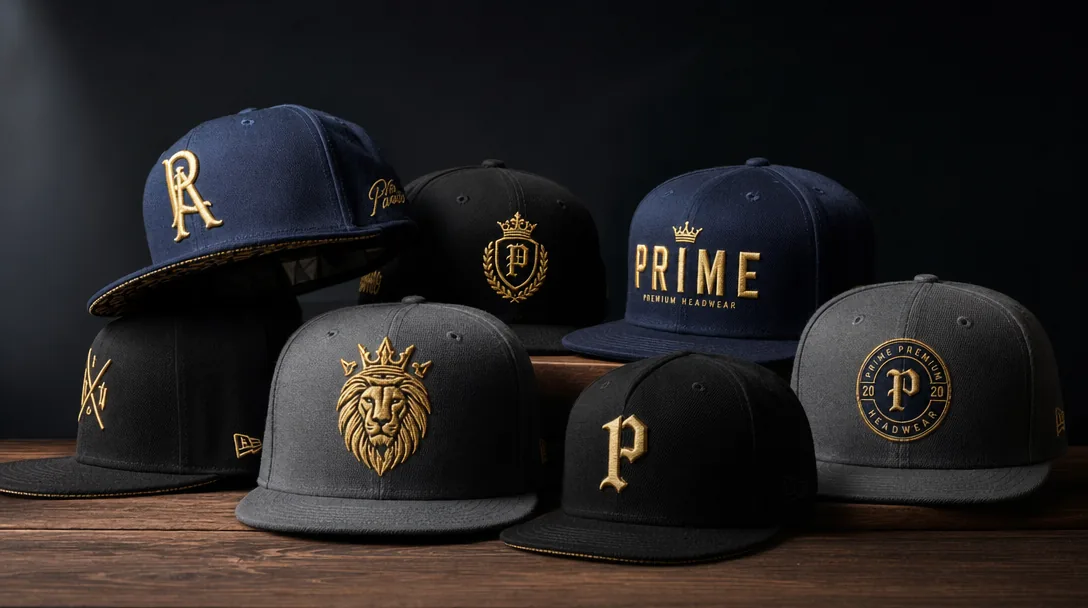
Custom Leather Patch Hat Low Minimum: A 2026 B2B Sourcing Guide
Read article →
Mens Beanies: Properties, Costs and How to Spec It Right
Read article →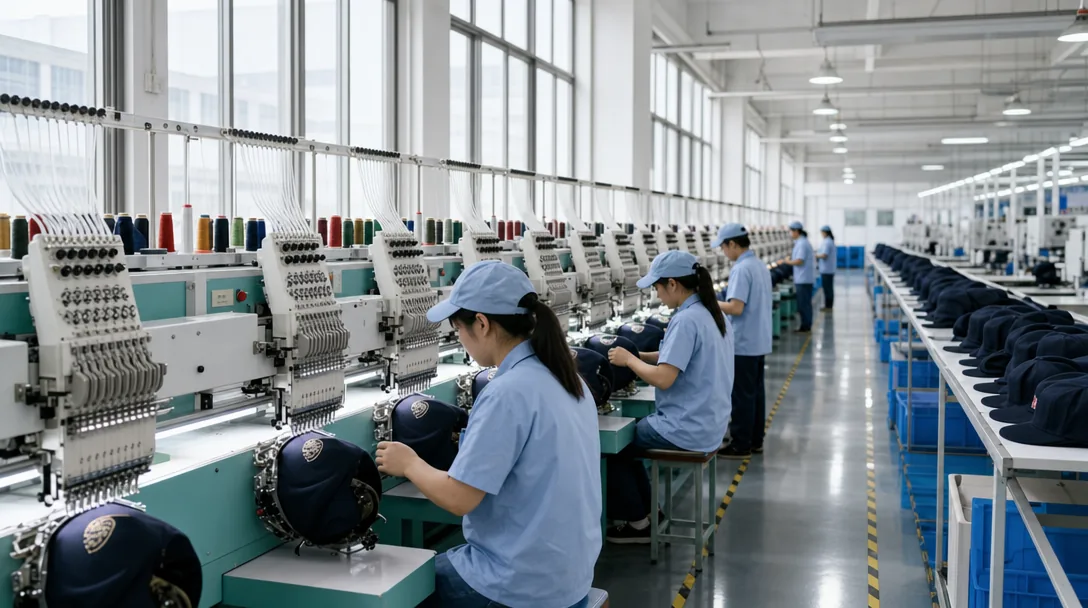
Bulk Trucker Hats Export Shipping Checklist for Custom Hat Buyers - Cost & MOQ Breakdown - Supplier Checklist
Read article →We hope this guide demystifies baseball hats for men export shipping checklist for custom hat buyers - cost & moq breakdown - 2026 buyer's guide - supplier checklist and helps you move forward with confidence. If you have questions specific to your project, our English-speaking sales engineers are one message away.