
Baseball Hats For Men Export Shipping Checklist for Custom Hat Buyers - Cost & MOQ Breakdown - 2026 Buyer's Guide (2026 Update)

For brand owners, wholesalers and procurement teams entering the custom headwear category, baseball hats for men export shipping checklist for custom hat buyers - cost & moq breakdown - 2026 buyer's guide (2026 update) is one of the highest-leverage decisions you will make. Get it right and your unit economics, retail story and reorder cycle all improve. Get it wrong and you carry the cost for years.
Why baseball hats for men export shipping checklist needs a separate sourcing plan
A baseball hats for men export shipping checklist needs its own sourcing plan because most export losses are created before sewing starts, not at booking. Buyers fixate on a $0.20 ex-factory delta between two 6-panel brushed cotton twill caps, then get hit with $600 to $1,800 in relabeling, repacking, customs exams, or destination storage because the supplier never locked carton size, barcode position, country-of-origin marking, or pallet limits. For U.S. retail and Amazon FBA, details like FNSKU placement, suffocation warnings on polybags, carton weight under 15 kg where required, and scannable outer carton labels are sourcing inputs, not shipping admin. If those points are missing from the tech pack, the factory will optimize for sewing cost and leave the logistics risk for later. That is how a clean-looking cap program turns into chargebacks, missed routing windows, or a customs hold over fiber-content declarations and importer-of-record data. Cap construction changes freight math enough that you cannot use a generic sourcing template. Structured baseball hats for men with 2.0 to 2.5 mm PE buckram, high-profile crowns, and 3D embroidery keep shape better than unstructured dad caps, but they cube out faster and punish bad pack ratios with dimensional-weight charges. A flat-packed chino twill cap may load 120 to 144 pcs per master carton; a shape-retained style with EVA support can drop to 48 to 72 pcs depending on crown height and visor curve. Decoration also changes the transit risk: PVC patches can deform at 50°C container temperature, PU leatherette can wrinkle, and heat-transfer badges can ghost if cartons are over-compressed on long ocean moves. Our standard practice is to freeze packing method before PP approval: inner pack 12 or 24 pcs, 5-ply versus 7-ply carton board, silica gel count, drop-test target, and whether the shipment is FOB Ningbo, FCA Yiwu, or DDP delivered duty paid.
MOQ, lead time, and compliance move together on export cap programs, which is why the sourcing plan has to be separated from the basic product quote. A stock-color washed chino dad cap can often run at 144 to 300 pcs per color, but once the buyer wants Pantone TCX-dyed shell fabric, matching underbill, custom woven taping, branded metal buckle, and moisture-wicking sweatband, the practical MOQ usually becomes 500 to 1,000 pcs to absorb fabric dyeing and trim minimums. Decoration is another hidden lever. A 6,000-stitch front logo is routine on Tajima or Barudan heads; push the design to 10,000 to 12,000 stitches plus side hit and rear hit, and machine speed drops, thread changes increase, and production can slip 3 to 5 days on a 3,000-piece order. If the buyer waits until TOP sample stage to approve these points, the factory is already working around preventable schedule damage. Compliance is where generic hat sourcing usually fails. Export channels increasingly require AQL 2.5 final inspection, metal-detection or needle logs, carton assortment verification, azo and colorfastness test reports, and valid sedex-audit-cap-supplier-guide.html">BSCI 2.0 or Sedex SMETA 4-Pillar records before cargo release. Marketplace programs add strict routing windows and carton-label accuracy, while Canada often requires bilingual packaging and broker-ready documents. Even color approval can affect vessel booking: if branded panels must hold Delta-E under 1.5 against the approved lab dip, a re-dye can cost 5 to 7 days. CrownsForge treats the baseball hats for men export shipping checklist as one integrated package covering material approval, sewing execution, packing engineering, and export paperwork. Buyers who split those decisions between separate vendors usually save pennies on the quote and lose dollars in freight corrections, compliance delays, and rework.
Factory capability checks before quoting
Bad quotes usually start with a capability mismatch, not a pricing mistake. Before you ask for numbers, verify the factory runs your exact cap construction at line speed, not as a sample-room showpiece. A plant built around basic 6-panel 100% cotton twill caps with flat embroidery on Tajima 8-heads can struggle with 3D puff on 80/20 acrylic-wool, woven patch registration on brushed chino, or fitted crowns with full seam taping and structured buckram. For a practical baseball hats for men export shipping checklist, ask for date-stamped production video covering front-panel fusing, eyelet punching, sweatband joining, visor edge stitching, top-button setting, and final shaping on the blocking line. Those clips tell you more than a catalog ever will. If the crown collapses after hooping, the visor sits off-center, or the seam tape wanders, that problem scales straight into thousands of units and turns into retailer deductions. A capable factory should also speak in tolerances, not adjectives. For men’s baseball caps, I expect embroidery placement within plus or minus 2 mm, visor curve variance within 3 to 5 mm across a carton, top-button centering within 1.5 mm, and fabric shade consistency below Delta-E 1.5 on repeat lots for navy, black, and licensed team colors. Ask what they inspect inline and at final AQL 2.5, and whether they use needle detectors, color light boxes, and shrinkage test records before cutting bulk. If they cannot explain how they control crown height, panel symmetry, and sweatband join overlap, the quote is just a rough guess with labor and waste hidden inside it.
Construction detail changes MOQ and unit cost far more than most buyers assume. A factory worth quoting should be able to explain why 108x56 cotton twill at 270 to 300 gsm sews differently from 240 gsm peach-brushed chino, and why 600D polyester trucker fronts need different needle sizes, backing, and thread tension than wool-blend fitted caps. Ask which operations are genuinely in-house: embroidery on Barudan or ZSK heads, woven label attachment, merrow patch edging, heat-press patch bonding, brim board cutting, and visor assembly. Once critical steps are subcontracted, your lead time usually slips by 3 to 7 days and defect accountability gets blurry fast. Closures are an easy stress test because they expose whether the factory understands production complexity. A metal buckle strapback, tuck strap, plastic snapback, hook-and-loop closure, Flexfit-style elastic back, and true fitted size run should never be quoted on the same MOQ logic. In real production, one-size strapbacks may start around 48 to 100 pieces per colorway, while fitted runs often need 144 to 288 pieces because crown grading, sweatband length changes, size-stickering, and carton assortment are more demanding. Our standard practice is to treat sample-room response as another capability check: a serious supplier should return a proto in 5 to 7 working days with Pantone TCX references, digitizing notes, patch strike-offs, labeling layout, and a clear FOB or DDP quote basis tied to an AQL 2.5 plan, not a vague all-in number.
MOQ, pricing and sample approval
MOQ is where custom cap budgets get distorted fastest. For a standard men’s 6-panel baseball cap in 210-260 gsm brushed cotton twill, most China factories will quote 144-300 pcs per colorway, but that is only a workable start quantity, not an efficient one. FOB pricing usually stops swinging once you reach 500-1,000 pcs, because spread costs like fabric lay planning, embroidery setup, trimming loss, and master carton fill finally normalize. In real terms, a basic cap with flat front embroidery, woven main label, cotton sweatband, and hook-and-loop closure is typically $2.20-$3.40 FOB Ningbo or Shanghai at 300 pcs, then drops to about $1.80-$2.70 at 1,000 pcs. Buyers who ask for sandwich visor, contrast eyelets, woven flag label, printed seam tape, and custom inner taping often underestimate the cumulative impact; those details can add $0.20-$0.45 per cap before you even touch freight.
Fitted styles are less forgiving because size breaks destroy cutting efficiency and raise dead-stock risk on shell fabric, buckram, visor board, and sweatband inventory. If you need seven head sizes, 500-700 pcs per style is a realistic floor, and some factories will still surcharge small runs because marker utilization falls apart. Our standard practice at CrownsForge is to price fitted caps by confirmed size ratio, not by total units alone, because a 1,000-pc order split unevenly across sizes can cost more than a clean 600-pc run in balanced ratios. That same discipline applies to sample approval. Flat embroidery digitizing on Tajima, Barudan, or ZSK heads usually runs $25-$60; 3D puff with proper foam compensation and sew-out testing is more like $45-$90. For a serious baseball hats for men export shipping checklist, approve only a true PPS made with production shell, closure, labels, and packing method, specify Pantone TCX for fabric and Pantone C for thread reference, and leave at least 7-10 days for PPS comments, AQL 2.5 final inspection, and vessel cutoff movement in peak season.
Quality inspection and shipping risk
Most cap “shipping damage” claims are production defects that left the sewing line, not something caused between Ningbo and the destination warehouse. A practical baseball hats for men export shipping checklist begins in the PO with measurable inspection criteria: AQL 2.5 for major defects, 4.0 for minor, sample size by ANSI/ASQ Z1.4, and a defect glossary the factory cannot reinterpret after balance payment. On structured 6-panel caps, hold visor left-right symmetry within 3 mm, front embroidery centering within 2 mm from panel center, crown height within +/-5 mm, and adjustable head circumference within +/-1 cm; fitted caps need size-by-size graded specs, not one blanket tolerance. Major defects should name the actual failure modes: oil contamination, broken or skipped topstitch, exposed buckram, raw sweatband edge, cracked snap tab, mixed size stickers, wrong carton ratio, and any PO-to-packout variance. If the buyer approves only photos instead of a sealed golden sample with measurements, low-profile versus mid-profile disputes are almost guaranteed because profile drift is subtle on a table and obvious on-head.
Transit risk should be tested before packing, not argued about after receipt. Weak buckram collapses under stacking pressure, sandwich visors twist, and poor seam security shows up first at the back opening, so the final audit should include compression-recovery checks, seam slippage at stress points, and closure cycling on plastic snaps, hook-and-loop, and metal buckle straps. Cartons matter more than buyers think: a 5-ply export carton with suitable burst strength or edge crush test rating is standard for caps, and the board spec should match packed weight, inner pack count, and stacking height for a 40HQ load. Saving $0.08-$0.15 per carton on generic stock board is false economy if crowns arrive flat or visors warped. Our standard practice is to verify carton marks line by line—SKU, color, size, PO, carton number sequence, gross/net weight, dimensions in cm, country of origin, and barcode label placement—because WMS receiving errors create the same chargebacks as sewing defects.
Color and decoration cause faster chargebacks than crooked seams because branding errors are visible the second cartons are opened. Fabric approvals should state Pantone TCX for textile reference or coated Pantone where applicable, plus an agreed Delta-E tolerance before bulk cutting: 1.5 is workable for stable core colors, while washed cotton twill, heather jersey laminates, and pigment-dyed programs usually need a commercial tolerance of 2.0-2.5. Lab dips should be checked under D65 light, not WeChat photos, and fabric lots must stay segregated during cutting to avoid panel-to-panel shading. For dark navy, black, and red caps, ask for crocking and perspiration fastness results of at least grade 4 dry and 3-4 wet. Embroidery also needs its own reject standard across multi-head runs on Tajima, Barudan, or ZSK machines: registration shift over 1 mm, jump thread exposure, looping on satin columns, weak underlay, and puckering around dense fills or 3D puff are all rejectable. On the logistics side, FOB buyers should confirm CY cut-off, VGM timing, and booking release; DDP buyers should get duty, VAT/GST, remote-area, and delivery appointment fees costed before shipment, not added after dispatch.
Buyer checklist for the next RFQ
A workable RFQ starts with manufacturing inputs, not a mood board and a target price. For a reliable baseball hats for men export shipping checklist, send six things on day one: exact cap construction, decoration method, fabric specification, quantity split, size plan, and shipping term with required in-hand date. Write the style the way a factory writes a PO: 6-panel structured snapback with PE buckram, mid-profile A-frame trucker, low-profile unstructured dad cap, or fitted wool-blend cap with full closed back. Include closure type, visor profile, sweatband material, eyelets, sandwich brim if any, and whether the crown needs a hard hand-feel or soft wash. Fabric needs real specs, not "premium cotton": cotton twill 270 gsm, brushed chino 240 gsm, recycled polyester 150D, nylon taslon 120 gsm, or acrylic-wool blend 80/20. Quantity must be split by color, logo version, and size because 600 pcs in 1 color is priced very differently from 6 colors x 100 pcs. Also state Incoterm precisely—EXW Yiwu, FOB Ningbo, CIF Los Angeles, or DDP Toronto—because freight, customs handling, and carton strategy change the landed cost.
Artwork quality is where fake pricing starts. Send logos in AI, EPS, or editable PDF, and list Pantone Solid Coated or Pantone TCX references for every visible color; a PNG pulled from Instagram is not enough for digitizing on Tajima, Barudan, or ZSK heads. If the logo uses 3D puff, small serif text, metallic thread, or layered applique, call that out early because stitch count, foam density, machine speed, and reject risk all move cost. For dyed fabric, a sensible approval standard is Delta-E 1.5-2.0 to the approved lab dip; thread matching is usually visual against Madeira or Gunold charts, not a perfect spectral match. If you need patches, specify twill, woven, TPU, leatherette, or sublimated patch, plus border type, backing, and finished size in millimeters. Include crown height, visor length, fitted size curve, carton pack-out, and whether caps ship with crown inserts, because dimensional weight can erase any savings on unit price.
Most RFQ delays come from compliance and packing details buyers mention too late. If the order is for retail, promotions, or licensed sports, state the requirements at quote stage: azo-free dyes, CPSIA tracking label, Prop 65 screening, REACH SVHC limits, fiber-content labeling, country-of-origin marking, and any retailer packaging rule. If your vendor list requires audited factories, write it plainly: BSCI 2.0, Sedex SMETA 4-Pillar, or a final inspection standard such as AQL 2.5 major / 4.0 minor. Our standard practice is to quote faster and with fewer revisions when the buyer also defines approval points that usually trigger disputes later: inside taping print, seam allowance trimming, embroidery backing color, visor curve tolerance, button diameter, polybag warning text, barcode placement, and whether +/-3% overrun is acceptable. Add target sample timing and shipment mode—express, LCL, FCL, or air DDP—so the factory can build the right production and export plan from the start.
Working with CrownsForge
The most expensive mistake in a baseball hats for men export shipping checklist happens before the container is booked: approving a sales sample without locking the production standard. A usable approval chain is tech pack, BOM, lab dips or swatch card, pre-production sample, then one sealed golden sample tied to the PO, barcode artwork, carton spec, packing ratio, and country-of-origin labeling. For men’s caps, that sealed standard should call out crown height, panel shape, buckram grade, visor curve, sweatband composition, eyelet construction, backstrap hardware finish, and post-finishing handfeel. A 6-panel brushed cotton twill at 260-280 gsm behaves very differently from a 150-180 gsm recycled polyester shell; stitch pull, panel torque, and visor memory will not match even if the pattern is identical. If those variables are not frozen up front, bulk can still be “on spec” on paper and fail at retail. Color also has to be written in factory language, not mood-board language. If fabric is matched to Pantone TCX, thread conversion into Madeira Classic, Gunold Poly, or equivalent should be confirmed before digitizing, then judged under D65 light with an agreed visual standard. On solid piece-dyed cotton twill, a Delta-E target of 1.5-2.0 is achievable from better mills; on washed chino, heather jersey, or melange blends, expecting that tolerance is usually unrealistic because the base already shifts the read. Trims need the same discipline: matte black buckle plating, woven label ground, inside taping print, and hangtag stock should be signed off together. In practice, buyers save far more money by preventing a shade mismatch claim than by negotiating another $0.04 per cap on FOB pricing.
Decoration and final shipment control are where custom cap orders usually break down. Screen-approved artwork does not predict how a logo will sew on different cap bodies. At CrownsForge, we test by structure, fabric, and machine setup: a raised 3D logo that runs clean on a structured acrylic-wool crown with Tajima or Barudan heads may collapse an unstructured chino cap unless underlay, stitch density, pull compensation, and even cap frame selection are adjusted. Patch specs need equal precision. If the style uses woven, merrowed, laser-cut twill, TPU, faux leather, or sublimated patches, the file should state attachment method, edge finish, and minimum adhesion or peel expectation. For heat-applied patches, production should verify temperature, pressure, dwell time, and 24-hour bond stability before releasing bulk. Shipment planning should follow carton reality, not assumptions from the merchandiser’s spreadsheet. A practical inspection standard is AQL 2.5 for major defects and 4.0 for minor defects, with checkpoints on logo position, crown symmetry, visor sandwich alignment, seam slippage, needle damage, odor, loose threads, assortment accuracy, and barcode scan pass rate. Key tolerances should be written down: bill length, crown depth, opening width, and fitted circumference, because a 0.5 cm grading error is enough to create e-commerce returns. Final export review should also confirm fiber-content label, country-of-origin mark, net and gross weight, outer carton dimensions, and booking CBM so the forwarder is not hit with a last-minute re-measure. For standard baseball hats for men, efficient MOQ is usually 144-300 pieces per colorway; custom-dyed shells, special metal trims, or embroidery-plus-patch builds often push the real factory MOQ to 500-1,000 because sourcing setup and line changeover cost more than the sewing itself.
Frequently Asked Questions
What file format should I send for my logo?
Vector files (AI, EPS, PDF) are ideal. High-resolution PNG or JPG at 300 dpi on transparent background works as a fallback. Provide Pantone color references for accurate reproduction.
What logo decoration techniques do you offer?
3D puff embroidery, flat embroidery, woven patch, leather patch, PVC patch, screen printing, sublimation, applique and laser etching, all in-house with no subcontracting.
Which shipping methods do you support?
We support FOB, CIF and DDP shipping. Air express for samples and small orders, sea LCL for 100 to 500 pieces, sea FCL for 5,000+ pieces. Door-to-door DDP available for US, EU, UK, Canada and Australia.
How long does production take?
Sampling takes 7 to 12 days. Bulk production runs 20 to 30 days depending on quantity, fabric availability and decoration complexity. Inspection and packing adds another 3 to 5 days before shipment.
Do you support sustainability certifications?
Yes. We work with GOTS organic cotton, GRS-certified recycled polyester, OEKO-TEX Standard 100 fabrics, and are BSCI and Sedex audited. Certification documentation can be provided per order.
How does ordering custom fitted hats for men work?
When evaluating custom fitted hats for men, the key considerations are construction quality, decoration capability, MOQ flexibility and lead time. Explain the buyer intent behind baseball hats for men export shipping checklist, when it differs from generic hat sourcing, and what decisions affect cost, lead time and compliance. Describe how CrownsForge manages baseball hats for men export shipping checklist programs with sampling, decoration, QC and export coordination.
What should buyers know about nike bucket hats for men?
When evaluating nike bucket hats for men, the key considerations are construction quality, decoration capability, MOQ flexibility and lead time. Explain the buyer intent behind baseball hats for men export shipping checklist, when it differs from generic hat sourcing, and what decisions affect cost, lead time and compliance. Describe how CrownsForge manages baseball hats for men export shipping checklist programs with sampling, decoration, QC and export coordination.
How does ordering custom embroidered baseball hats work?
When evaluating custom embroidered baseball hats, the key considerations are construction quality, decoration capability, MOQ flexibility and lead time. Explain the buyer intent behind baseball hats for men export shipping checklist, when it differs from generic hat sourcing, and what decisions affect cost, lead time and compliance. Describe how CrownsForge manages baseball hats for men export shipping checklist programs with sampling, decoration, QC and export coordination.
How does ordering custom leather patches for hats work?
When evaluating custom leather patches for hats, the key considerations are construction quality, decoration capability, MOQ flexibility and lead time. Explain the buyer intent behind baseball hats for men export shipping checklist, when it differs from generic hat sourcing, and what decisions affect cost, lead time and compliance. Describe how CrownsForge manages baseball hats for men export shipping checklist programs with sampling, decoration, QC and export coordination.
What is the best shipping method for hats?
It's always better to package the hat in a size-appropriate box and not mash it into a smaller one. In some instances, maybe you don't need a box. Instead of always using a box, you can choose to ship soft and bendable hats in a plastic shipping bag with some protective material.
Need a low-MOQ test order?
We help emerging brands launch with as few as 100 pieces. Premium fabric, in-house embroidery, retail-ready packaging.
Start a small orderRelated guides
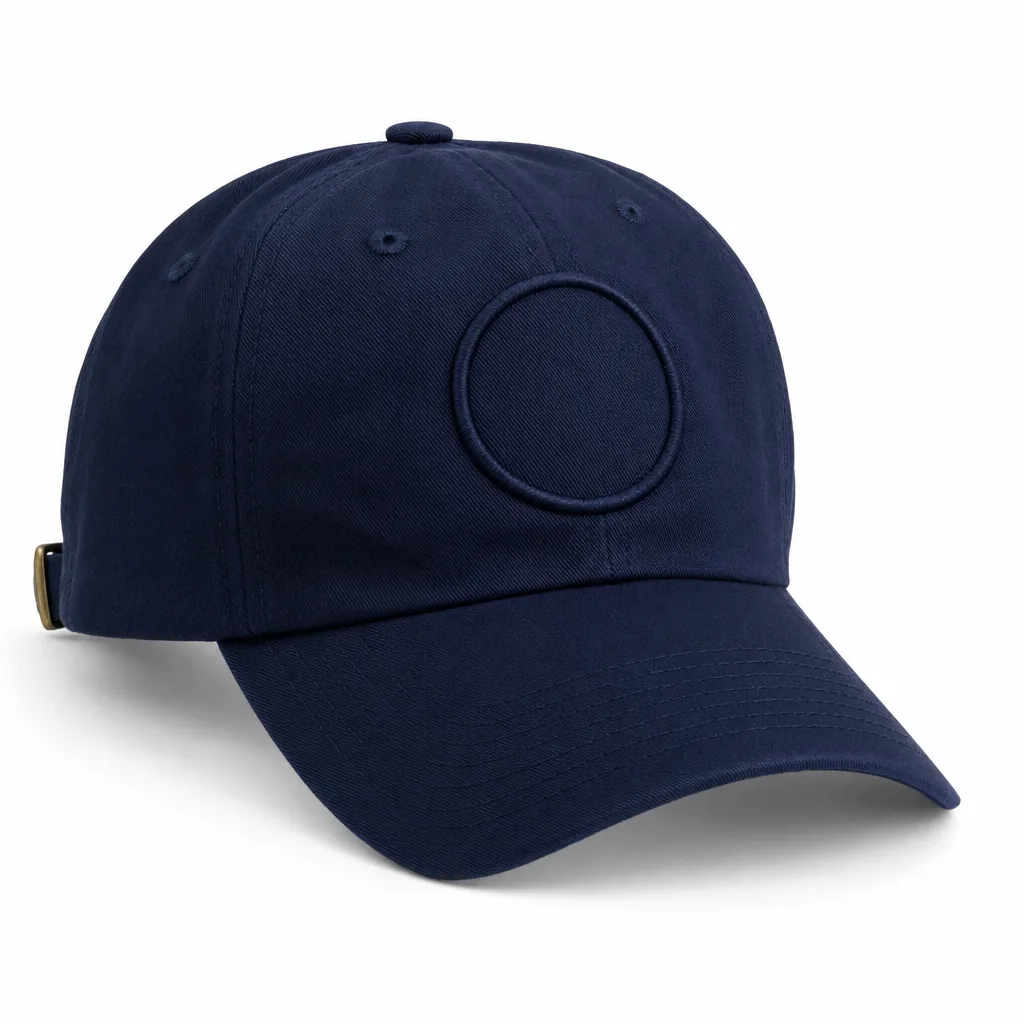
Custom Made Trucker Hat: The 2026 Sourcing & Manufacturing Playbook (2026 Update) (2026 Update) - 2026 Buyer's Guide
Read article →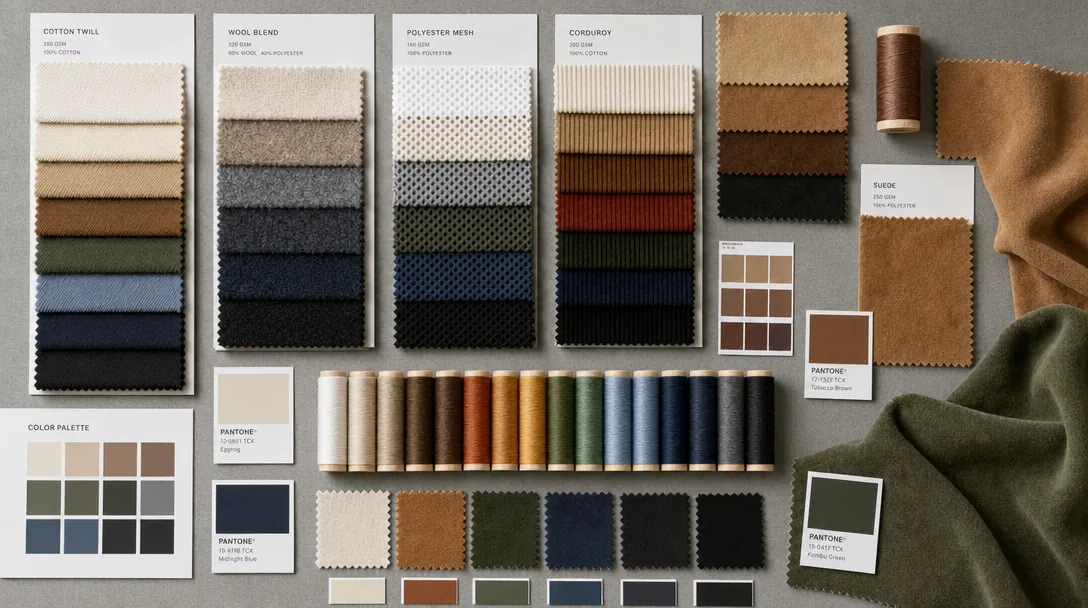
Corduroy Hat Vintage Supplier Audit Checklist for Custom Hat Buyers
Read article →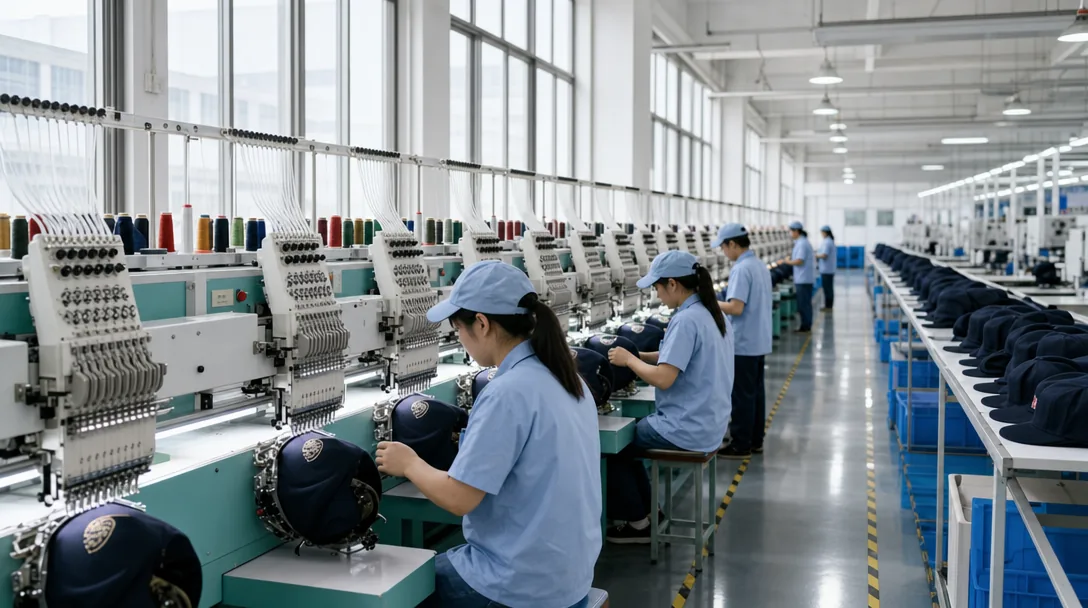
Bulk Trucker Hats Export Shipping Checklist for Custom Hat Buyers - Cost & MOQ Breakdown - Cost & MOQ Breakdown
Read article →We hope this guide demystifies baseball hats for men export shipping checklist for custom hat buyers - cost & moq breakdown - 2026 buyer's guide (2026 update) and helps you move forward with confidence. If you have questions specific to your project, our English-speaking sales engineers are one message away.