
Baseball Hats Fitted: A Vertical-Specific Sourcing Guide
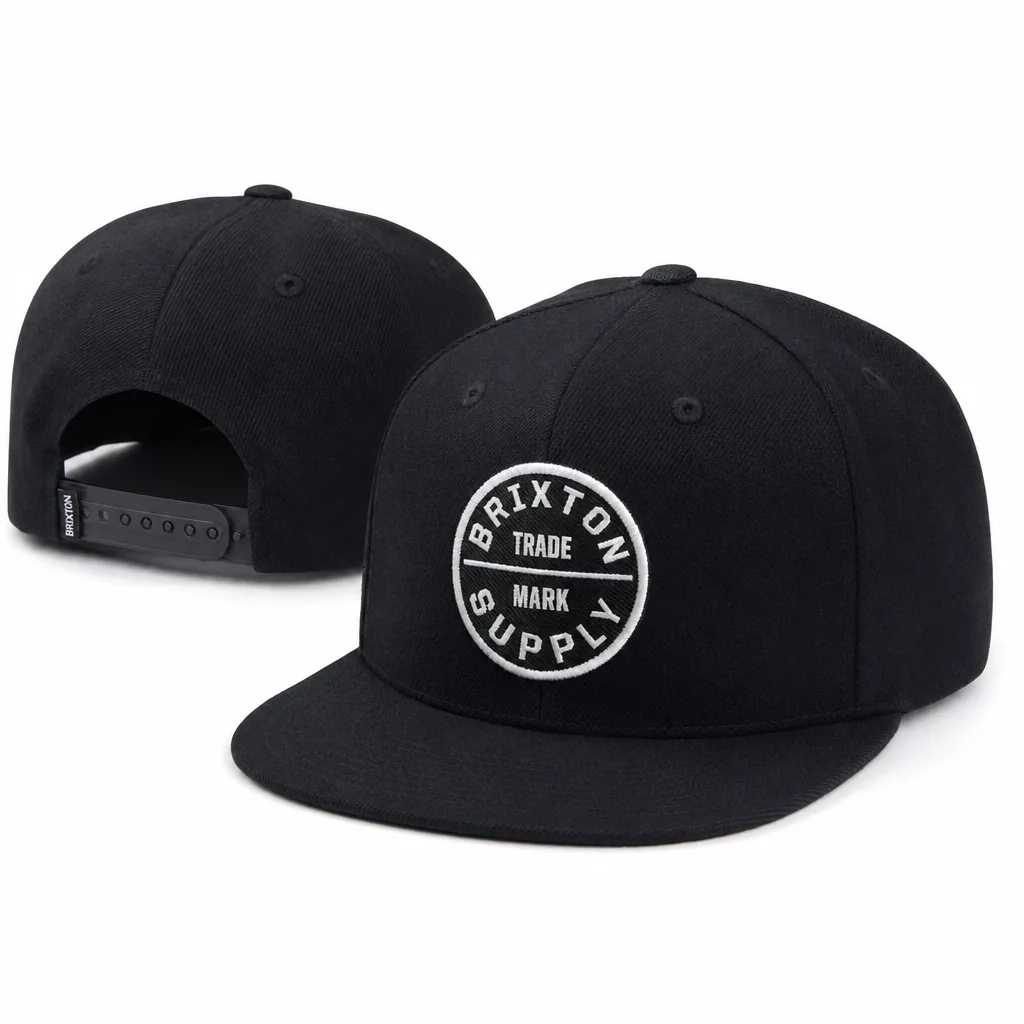
For brand owners, wholesalers and procurement teams entering the custom headwear category, baseball hats fitted: a vertical-specific sourcing guide is one of the highest-leverage decisions you will make. Get it right and your unit economics, retail story and reorder cycle all improve. Get it wrong and you carry the cost for years.
Baseball Hats Women
Women’s baseball hats are usually built on the same hard facts as men’s programs: a structured crown, pre-curved or flat visor, and a sweatband system that has to survive repeated wear without warping. The difference is in fit tolerance and proportion. If you are sourcing baseball hats fitted for a women’s line, ask for exact crown height, front panel buckram weight, and head circumference specs in centimeters, not just S/M/L labels. For fitted hats sizes, a good factory should map 54, 56, 58, and 60 cm with ±0.5 cm tolerance, then confirm fit against live headforms. On the production floor, the real failures are obvious: uneven panel symmetry, off-center embroidery, visor curl mismatch, and sweatband stitching that bites into the seam when the cap is worn for a few hours. CrownsForge’s standard practice is to sample both shallow and medium-depth blocks because women’s baseball hats often need a slightly lower crown than classic fitted hats 59fifty profiles.
For baseball hats custom and fitted hats custom orders, the spec sheet matters more than the artwork. Request 100% cotton twill at 260–300 gsm for a classic hand feel, or brushed chino twill if you want a cleaner premium surface; for vintage programs, garment-dyed cotton with a softer wash can work, but color consistency drops and Delta-E under 2.0 is not always realistic. Ask for a 6-panel construction, 8-row visor stitching, fused buckram front panels, and embroidery digitizing that controls stitch density around 0.38–0.42 mm to avoid puckering on smaller women’s fronts. Typical MOQ is 300–500 pieces per colorway for custom fitted hats, with bulk factory pricing around $2.80–$5.50 FOB depending on fabric, embroidery complexity, and whether you need a woven label, back seam taping, or custom inner print. If you need licensed or retail-grade packaging, budget another $0.25–$0.60 per unit.
The inspection list is where most buyers lose money. Check panel alignment at the center seam, visor curve consistency, sweatband width, and whether the fitted band is actually holding the labeled size after steaming and cooling. Common defects include needle oil marks on light fabrics, loose thread tails around 3D embroidery, shade variation between panels from different dye lots, and crown distortion after carton compression. For higher-volume drops, specify AQL 2.5 for major defects and 4.0 for minor defects, plus torque testing on the fitted band if you are using elastic or hybrid sizing in women’s baseball hats. If your assortment includes baseball hats vintage styles, make sure the wash process is controlled, because acid wash and enzyme wash can shift both color and handfeel batch to batch. That is why baseball hats fitted sourcing is really a block-and-fit decision first, and an artwork decision second.
Fitted Hats Sizes
Fitted hats sizes are not just a S/M/L chart problem; they are built into the cap block, sweatband tension, and shrink allowance at sewing. For baseball hats fitted, a factory should define the crown on a dedicated size set—usually 6 3/4 through 8 in 1/8 increments for the U.S. market, with 59FIFTY-style grading as the reference point. The spec sheet should call out crown height, brim length, front panel buckram stiffness, inner circumference tolerance, and sweatband material, because a 1/8-inch drift can make the same size wear tight after steaming or loose after a wash. If you are comparing baseball hats custom programs against stock blanks, ask for a size run sample first, then measure the finished inner circumference against the pattern, not the paper label.
When buyers source fitted hats custom, the factory needs more than logo art; it needs a grading table, stitch map, and approval on the fit block before production. Typical MOQ for a new fitted program is 300 to 500 pieces per colorway if you are using existing molds and standard cotton twill or wool-blend fabric; for full custom tooling or specialty fabric, 800 to 1,200 pieces is more realistic. Factory pricing in China usually lands around $4.20 to $7.80 FOB per cap depending on embroidery density, fabric weight, and whether you need 3D puff, contrast undervisor, or premium taping. Baseball hats vintage styles can run higher because washed twill, heavier felts, and distressed finishing add labor and increase scrap risk.
The main quality failures are size inconsistency, crooked center seams, warped visors, and sweatband mismatches. I inspect the internal circumference with a tape, then check symmetry from center front to each side seam, because fitted hats 59fifty buyers often reject caps that look fine on a table but sit off-center on the head. Ask for AQL 2.5 inspection on critical dimensions, color approval against Pantone TCX for the crown, and pull tests on the sweatband seam so the elastic recovery does not collapse after packing. If the cap is part of a broader baseball hats fitted sourcing decision, decide early whether you want a hard structured fit or a softer vintage profile, because that choice changes fabric gsm, buckram grade, and even how the logo sits once the cap is worn in.
Baseball Hats Custom
For baseball hats custom programs, the first sourcing decision is whether the crown is truly fitted or only styled to look fitted. A real fitted cap uses size-specific sweatbands, back panels, and blocking; you cannot just close a snapback pattern and call it fitted. Buyers should request a full tech pack with crown profile, visor type, panel construction, seam tape width, sweatband material, button color, eyelet method, and fitted hats sizes from 6 7/8 to 8 if targeting the U.S. market. If you are referencing fitted hats 59fifty, specify high crown, flat visor, structured buckram front, full closed back, and size-grade tolerances of ±3 mm on circumference after steaming. For baseball hats fitted orders, I also ask buyers to provide Pantone TCX fabric colors, embroidery position drawings, and whether the logo is flat embroidery, 3D puff, applique, woven patch, or rubber patch, because each one changes the crown tension during production.
Manufacturing starts with fabric cutting, panel fusing, embroidery, crown assembly, visor setting, blocking, trimming, and final steaming. For structured caps, common fabrics include 100% acrylic twill around 280–320 gsm, wool/acrylic blends for premium streetwear, cotton twill for baseball hats vintage looks, and polyester performance fabric for team or outdoor use. Embroidery is usually run before sewing on Tajima, Barudan, or ZSK multi-head machines; 3D puff needs a clean underlay and 2.5–3.0 mm foam or the edges collapse after pressing. Our standard practice at CrownsForge is to make a pre-production sample using bulk fabric and the actual embroidery file, not substitute stock fabric, because Delta-E color drift and thread density problems are easier to catch before cutting 3,000 caps. For fitted hats custom work, the factory should confirm shrinkage after steaming, visor curve retention, and whether the sweatband is cotton, polyester, or moisture-wicking Spandex blend.
Typical MOQ for baseball hats custom is 288–500 pieces per color for stock fabric and 1,000–3,000 pieces if you need yarn-dyed fabric, custom jacquard tape, or private mold buckles for related styles. Factory pricing from China usually lands around US$4.20–6.80 FOB for standard embroidered fitted caps, US$6.50–9.50 for wool-blend or heavy 3D embroidery builds, and higher if you require licensed-league quality with multiple size runs and strict packaging. Inspect these orders under AQL 2.5 for major defects: uneven crown height, twisted center seam, off-center embroidery over 2 mm, visor asymmetry, loose sweatband stitching, wrong circumference by size, and color mismatch beyond Delta-E 1.5–2.0 for controlled programs. This ties directly back to the broader baseball hats fitted sourcing decision: fitted caps look cleaner than adjustable caps, but they punish weak pattern grading, poor blocking, and sloppy size control. If your buyer base expects fitted hats 59fifty-level consistency, do not chase the lowest quote.
Fitted Hats Custom
Fitted hats custom are a different sourcing problem from adjustable caps because the crown, sweatband, and panel tension have to work as one system. A true fitted build usually starts with a structured 6-panel crown in cotton twill, brushed twill, or wool-blend fabric, then a hard buckram front, molded visor board, and a closed-back finish with no strap. If you are comparing baseball hats fitted against cheaper cut-and-sew alternatives, ask the factory whether they are cutting for exact fitted hats sizes or simply grading one shell up and down. The latter is where you get inconsistent fit, especially on fitted hats 59fifty-style profiles where the front height, crown curvature, and head circumference need to land within tight tolerances. For embroidery, I would request digitized stitch density by area, sew-out approval, and thread brand confirmation, because heavy front logos can distort the front panels if the backing is too soft.
The spec sheet should be boring and precise. Request shell fabric weight in gsm, sweatband composition, inner taping width, visor insert type, eyelet count, panel seam allowance, and the exact size run, usually 6 7/8 through 8 in 1/8-inch increments for North American buyers. For fitted hats custom orders, I also want the factory to confirm shrinkage after steam blocking and whether they use a metal or plastic size ring in finishing; that affects consistency across production lots. Typical MOQ for a real factory run is 300 to 500 pieces per colorway and size assortment, with sampling charged separately. On pricing, a basic cap might land around $3.20 to $5.50 FOB, while heavier embroidery, wool blend fabric, custom taping, or imported sweatband materials can push it into the $6.50 to $9.00 range. If you need baseball hats custom with licensed team color matching, add cost for Pantone TCX lab dip approval and tighter color control.
The common defects are predictable if you know where to look. Measure each size on a circumference gauge, because a half-size drift is enough to create returns on baseball hats vintage-style builds and modern sport orders alike. Check crown symmetry, front-panel collapse, visor curve consistency, stitch skipping on the underbrim, loose thread trimming, and sweatband seam roughness that can irritate the forehead after a few hours of wear. I also inspect logo placement against center front using a fixed ruler, since a 3- to 5-mm off-center embroidery can make a premium cap look cheap. For bulk release, AQL 2.5 is standard for most apparel buyers, but I prefer stricter internal checks on fitted hats custom orders because size complaints are expensive and hard to rework. In the broader baseball hats fitted sourcing decision, the real question is whether you need fashion-grade consistency for streetwear, team resale, or promotional volume; the manufacturing route and tolerance targets change depending on that answer.
Fitted Hats 59fifty
Fitted hats 59fifty are not a generic six-panel cap with a sticker on the visor; the pattern, crown height, sweatband tension, and size grading all have to be locked before cutting starts. The factory should specify shell fabric by composition and weight, usually 100% wool-blend or acrylic-wool twill for heritage builds, or 100% polyester for lower shrink risk, with crown fabric around 260–300 gsm and visor board at 2.5–3.0 mm thickness. For baseball hats fitted, the critical request is the size run: confirm fitted hats sizes in 1/8-inch increments or the exact head-circumference range in centimeters, because a size 7 1/4 that measures 57.8 cm in one plant may come out 58.3 cm in another if seam allowance and sweatband stretch are not controlled. If you are sourcing baseball hats custom or fitted hats custom, ask for a pre-production sample with the final buckram stiffness, eyelet count, and back seam taping already matched to bulk.
Typical MOQ for true fitted hats 59fifty is usually 300 to 500 pieces per colorway if the factory already has matching fabric and underbill board in stock; custom woven labels, embroidered logos, and special dyeing push that higher fast. In China, ex-factory pricing for a normal six-panel fitted build often lands around USD 4.20 to 6.80 at 300 to 1,000 pcs, while heavier embroidery, contrast undervisor, or premium wool-poly shell can move it to USD 7.00 to 9.50. The buyer mistake I see most often is treating baseball hats fitted like a generic blank hat purchase and ignoring the grading curve, because a size 7 may pass while 7 3/8 and 7 5/8 drift out by 4 to 6 mm, which creates returns later. If the style is aimed at baseball hats vintage buyers, request a soft-washed finish, lower gloss thread, and a matte visor wrap instead of a shiny satin look.
Quality control on fitted hats 59fifty starts with circumference tolerance, then crown symmetry, then embroidery registration. A decent factory should hold finished size within ±3 mm on circumference and keep left-right panel symmetry within 2 mm at the crown apex; anything looser and the cap will sit crooked on the head. Inspect for buckram wrinkling at the front two panels, sweatband puckering, skipped stitches around dense logos, and visor edge waviness after pressing, because these are the defects that show up immediately on baseball hats fitted in retail. On shipment, I would still run AQL 2.5 for major defects and check at least 32 pcs from a 500-piece lot, especially if the order includes fitted hats custom embroidery over 10,000 stitches. The broader sourcing decision is simple: if the buyer needs flexible sell-through across many fitted hats sizes, a structured fitted cap with controlled grading is safer than chasing “one size fits most” on a style that lives or dies by exact fit.
Baseball Hats Vintage
Vintage-style baseball hats are usually not truly vintage; they are new production built to look like older 6-panel fitted caps from the 80s and 90s. The factory side starts with the crown block, then the sweatband, visor board, stitch density, and wash treatment if the buyer wants a broken-in finish. For baseball hats fitted, the critical specs are panel shape, crown height, visor curve, and the exact fitted hats sizes range, because a 7 1/4 that fits like a 7 3/8 is a return waiting to happen. If you are ordering baseball hats custom for retail, ask for the fabric GSM, panel construction, buckram type, sweatband material, and embroidery file format up front. Most buyers comparing fitted hats custom to off-the-shelf fitted hats 59fifty care about whether the silhouette is sharp enough to sell as a premium vintage-style cap, not just whether the logo is centered.
On pricing, a realistic MOQ for a proper vintage fitted program is usually 300 to 500 pieces per colorway if you want custom fabrics, custom inner labels, and a unique wash finish; simpler blank shell programs can go lower, but the unit cost rises fast. In China, factory price for a decent wool-blend or heavy brushed cotton cap is often around USD 4.20 to 7.80 FOB depending on embroidery complexity, visor insert, and whether you need enzyme wash, garment dye, or distressing. If the buyer wants baseball hats vintage with chainstitch, 3D puff, or multi-location embroidery, expect an extra USD 0.35 to 1.20 per cap. CrownsForge’s standard practice is to separate blank cap cost, decoration cost, and packing cost line by line, because that is the only way to compare offers across suppliers without getting fooled by a low headline quote.
The usual quality failures are not glamorous: crooked front panels, inconsistent fitted hats sizes across the same size run, loose topstitching at the visor, color drift after wash, and sweatbands that twist because the seam allowance was cut too tight. For inspection, I would request a size spec sheet with tolerance bands of ±1/8 inch on circumference, compare embroidery placement against a signed approved sample, and run AQL 2.5 on major and minor defects before shipping. If the cap is meant to mimic baseball hats 59fifty behavior, test crown stiffness after compression, visor memory, and whether the size sticker or internal label placement matches the target market. The broader sourcing decision is simple: if you need a fashion-forward, retail-ready silhouette, a fitted cap makes sense; if you need broad sell-through with less sizing risk, a strapback or adjustable version is usually safer than forcing baseball hats fitted into a program that should have been baseball hats custom in the first place.
Working with CrownsForge for baseball hats fitted programs
For baseball hats fitted programs, the biggest sourcing mistake is treating fit like a generic blank and decoration like an afterthought. Our standard sampling path is 7–10 days for first proto on a confirmed crown pattern, then 3–5 days for revision rounds if the crown height, brim curve, or sweatband tension needs adjustment. MOQ is practical rather than theatrical: 300 pcs per colorway for core production, but we can run mixed size breakdowns when the size curve is tight and the buyer is still validating fitted hats sizes. For first-time buyers, I push one size run and one embroidery layout first, because baseball hats custom orders fail most often at spec approval, not at sewing.
On decoration, we do not outsource the risky parts. In-house embroidery runs on Tajima, Barudan, and ZSK heads for 3D puff, flat stitch, and dense logo fills; direct-appliqué and woven patches are handled separately so thread pull and edge lift are controlled before bulk. That matters on baseball hats fitted and fitted hats custom orders because crown structure changes how logos read once the cap is worn. For brands chasing fitted hats 59fifty or baseball hats vintage styling, we match profile and visor shape to the reference sample, then verify color against Pantone TCX with Delta-E kept under 2.0 on critical panels. If the artwork requires it, we also specify stitch density, underlay, and backing weight instead of leaving it to the operator.
Compliance and order control are where first-time buyers usually need the most help. We work to sedex-audit-cap-supplier-guide.html">BSCI 2.0 or Sedex SMETA 4-Pillar audit expectations depending on the account, and fabric lots are checked before cutting for shade banding, GSM, and dimensional stability after steam. Every PO gets a production schedule with material arrival, cutting, embroidery, sewing, finishing, and AQL 2.5 final inspection gates, so delays show up early instead of at carton loading. For export, the paperwork path is handled alongside FOB or DDP terms, which is important when buyers are comparing baseball hats vintage runs to a new-line launch and cannot afford a customs surprise.
Frequently Asked Questions
What logo decoration techniques do you offer?
3D puff embroidery, flat embroidery, woven patch, leather patch, PVC patch, screen printing, sublimation, applique and laser etching, all in-house with no subcontracting.
Do you support sustainability certifications?
Yes. We work with GOTS organic cotton, GRS-certified recycled polyester, OEKO-TEX Standard 100 fabrics, and are BSCI and Sedex audited. Certification documentation can be provided per order.
What is the minimum order quantity (MOQ) for custom hats?
Our standard MOQ is 100 pieces per design and color, with sampling available from 1 piece. For complex multi-color logos or premium fabric upgrades, the MOQ can be lowered with a small per-piece surcharge.
How long does production take?
Sampling takes 7 to 12 days. Bulk production runs 20 to 30 days depending on quantity, fabric availability and decoration complexity. Inspection and packing adds another 3 to 5 days before shipment.
Can I order a sample before bulk production?
Yes. We strongly recommend approving a pre-production sample before mass production. Samples are charged at 35 to 60 USD each plus express shipping, fully refundable against confirmed bulk orders over 500 pieces.
How does ordering custom new era 59fifty fitted hats work?
When evaluating custom new era 59fifty fitted hats, the key considerations are construction quality, decoration capability, MOQ flexibility and lead time. Cover everything buyers ask about baseball hats custom: how it's manufactured, what specs to request from a factory, typical MOQ and pricing, common quality issues to inspect for, and how this ties back to the broader baseball hats fitted sourcing decision. Cover everything buyers ask about fitted hats custom: how it's manufactured, what specs to request from a factory,…
How does ordering custom embroidered baseball hats work?
When evaluating custom embroidered baseball hats, the key considerations are construction quality, decoration capability, MOQ flexibility and lead time. Cover everything buyers ask about baseball hats custom: how it's manufactured, what specs to request from a factory, typical MOQ and pricing, common quality issues to inspect for, and how this ties back to the broader baseball hats fitted sourcing decision. Cover everything buyers ask about fitted hats custom: how it's manufactured, what specs to request from a factory,…
How does ordering custom leather patch hats work?
When evaluating custom leather patch hats, the key considerations are construction quality, decoration capability, MOQ flexibility and lead time. Cover everything buyers ask about baseball hats custom: how it's manufactured, what specs to request from a factory, typical MOQ and pricing, common quality issues to inspect for, and how this ties back to the broader baseball hats fitted sourcing decision. Cover everything buyers ask about fitted hats custom: how it's manufactured, what specs to request from a factory,…
How does ordering baseball cap custom embroidery work?
When evaluating baseball cap custom embroidery, the key considerations are construction quality, decoration capability, MOQ flexibility and lead time. Cover everything buyers ask about baseball hats custom: how it's manufactured, what specs to request from a factory, typical MOQ and pricing, common quality issues to inspect for, and how this ties back to the broader baseball hats fitted sourcing decision. Cover everything buyers ask about fitted hats custom: how it's manufactured, what specs to request from a factory,…
Ready to start your custom hat project?
Send us your tech-pack, sketch or even just an inspiration photo. We will respond with a detailed quotation and digital mock-up within 24 hours.
Request a free quoteRelated guides
Wholesale Trucker Hats with Custom Logo: A Complete Bulk Sourcing Playbook
Read article →
Private Label vs White Label Caps: Which Model Fits Your Brand?
Read article →
Custom Hat Patch: When to Use It, Costs, and What to Ask Your Factory
Read article →We hope this guide demystifies baseball hats fitted: a vertical-specific sourcing guide and helps you move forward with confidence. If you have questions specific to your project, our English-speaking sales engineers are one message away.