
Ball Caps for Women: A 2026 Sourcing Playbook for International Buyers - Cost & MOQ Breakdown
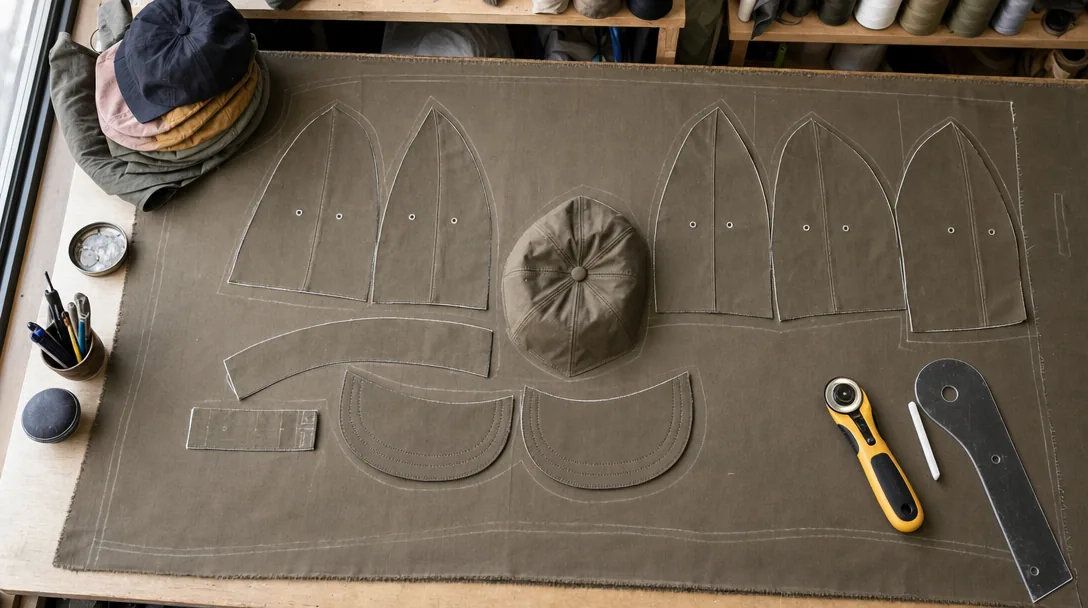
For brand owners, wholesalers and procurement teams entering the custom headwear category, ball caps for women: a 2026 sourcing playbook for international buyers - cost & moq breakdown is one of the highest-leverage decisions you will make. Get it right and your unit economics, retail story and reorder cycle all improve. Get it wrong and you carry the cost for years.
Dad Hats for Men
Most importers get dad hats wrong by spec’ing them like softened baseball caps. A true dad hat is a 6-panel, low-profile, unstructured cap with crown height around 8.5-9.5 cm, no buckram in the front panels, and a pre-curved PE visor matched to a relaxed, broken-in hand feel. In production, the most reliable shells are 100% cotton twill, brushed chino, or bio-washed canvas at roughly 180-260 gsm; below that, the crown collapses too hard, and above that, the wash can turn bulky around the seams. The spec sheet needs to lock early: fabric blend, visor curvature, crown depth, sweatband content, SPI range, and closure type, whether self-fabric tuck strap, antique brass slider, D-ring, or Velcro for opening-price programs. Embroidery is where weak development shows up fast. Unstructured crowns pucker unless the file is re-digitized for lower stitch density, proper edge-run plus center-walk underlay, and cap-appropriate hooping on Tajima, Barudan, or ZSK heads. That matters directly to ball caps for women because many women’s casual washed caps use the same unstructured body, then adjust strap length, head opening, and front logo scale instead of rebuilding the pattern. If the logo was digitized for a structured 6-panel, expect tunneling and distortion on a soft crown unless the supplier compensates before bulk.
The pricing breakpoint is usually 144-300 pieces per colorway on stock fabric; after that, costs rise quickly once you add custom Pantone TCX dyeing, branded metal trims, printed seam tape, or enzyme-wash approvals tied to lab dips and bulk shade bands. In Yiwu or Dongguan, a basic embroidered cotton twill dad hat typically lands around $2.10-$3.40 FOB China at 300-500 pieces. A better-executed pigment-washed version with cleaner internal taping, more consistent topstitching, and upgraded hardware is more realistically $3.20-$4.80 FOB. Quotes below that often exclude small but real cost drivers such as sweatband quality, woven flag label, care label, size sticker, individual polybag, or five-layer export carton. QC on washed dad hats should focus on shape retention and wash consistency, not only obvious sewing defects. The failure points I see most are visor asymmetry, side-seam twisting, strap slippage, embroidery tunneling, and shade variation outside the agreed Delta-E tolerance. AQL 2.5 remains standard for final inspection, but washed programs need tighter carton-to-carton color review and logo placement tolerance within 3 mm. That is why dad hats belong in any ball caps for women sourcing playbook: they are often the base pattern used to cost, fit-test, and quality-control women’s low-profile casual caps before moving into cleaner fashion variations.
Country Hats for Men
Country-style caps are unforgiving to manufacture because the silhouette magnifies small errors. On a tall-profile western baseball shape, a front crown that loses even 4 mm of height or a visor curve drifting 2-3 mm side to side looks cheap immediately at retail. The common build is 100% cotton twill at 260-320 gsm, brushed chino at 240-280 gsm, or 10-12 oz canvas, usually backed with 0.8-1.2 mm buckram in the front panel and a 1.6-1.8 mm PE visor board to keep the line crisp after packing. Better programs often add rope trim, suede-look sandwich visors, metal eyelets, and raised 3D embroidery run on Tajima or Barudan machines. If the same supplier is also developing ball caps for women, the women’s block usually needs a crown depth reduction of 3-5 mm and a cleaner rear opening so ponytail wear does not pull the back arch out of shape. If a tech pack only says “country cap,” expect inconsistent samples, because that label covers everything from foam-front truckers to heavy structured 6-panel twill.
Reliable repeat orders come from buyers who spec construction instead of sending mood boards. Lock the panel layout, interlining weight, visor board thickness, stitch density at 6-8 SPI, sweatband material, seam tape color, closure type, and embroidery file format such as DST or EMB before sampling. Fit and color standards should also be measurable: head circumference tolerance within +/-0.5 cm, visor symmetry within 2 mm, and shade approval under D65 with Delta-E under 1.5 against the signed lab dip or strike-off. For stock fabrics, MOQ is typically 144-300 pcs per colorway; once you add dyed-to-match rope, custom woven labels, or proprietary camo, many factories move to 500-1,000 pcs. Current FOB China pricing is roughly $2.10-$3.40 for a structured cotton twill country cap at 300 pcs, $2.40-$3.80 for mesh-back versions, and $4.20-$6.00 for washed canvas, corduroy, or faux-suede trims. The cheap $1.35-$2.20 blank usually becomes expensive after decoration because weak front panels, poor thread tension, and visor distortion drive rejects. AQL 2.5 is a sensible final standard, but only if inline inspection already caught logo centering, crown collapse, snapback strength, sweatband puckering, and lot-to-lot shading; otherwise final inspection is just sorting defects.
Toilet Bolt Caps
This draft is off-category: toilet bolt caps are a plumbing trim SKU, not a usable subsection for an article on ball caps for women. The only part worth keeping is the sourcing discipline behind it. In cap production, vague specs create the same failure pattern as low-cost molded parts: the supplier quotes against the cheapest workable interpretation, then quality arguments start after bulk goods ship. For women’s baseball caps, the spec sheet should lock crown height, visor length and curve, fabric weight, closure type, sweatband composition, and color standard before RFQ. If the fabric is brushed cotton twill, state the weight plainly—typically 240 to 280 gsm for a structured casual cap—or you will get substitutions that feel thinner, fade faster, and collapse at the front panel. Color also needs hard control: Pantone TCX reference, lab dip approval, and an agreed Delta-E tolerance, usually within 1.0 to 1.5 on body fabric and within 1.5 to 2.0 across mixed trims. The cost logic should also be tied back to headwear, not plumbing. A standard 6-panel women’s cap in cotton twill or washed chino usually lands around $2.20 to $4.80 FOB China at 300 to 1,200 pieces per colorway, depending on embroidery count, closure hardware, and whether the cap is unstructured or built with buckram. Lower MOQs are possible, but the unit cost rises quickly once fabric waste, logo setup, and carton minimums are spread across fewer pieces. Our standard practice is to treat fit approval and finishing as claim-prevention items, not cosmetic extras: check crown symmetry, visor alignment, stitch density, strap function, and embroidery cleanout against a sealed sample, then inspect finished goods to AQL 2.5. Buyers who approve only “match previous sample” usually end up paying for distorted crowns, mismatched visors, and shading variation that could have been prevented in the tech pack.
Inspection and packing are where margin disappears on cheap items, and ball caps for women are no exception. The repeat defects are predictable: panel torque from off-grain cutting, puckering around front embroidery, visor sandwich mismatch, loose top button wrap, and closure slippage after repeated adjustment. These are not abstract factory risks; they show up fast when caps are sewn on mixed-lot fabric or when operators chase output on older single-needle lines without enough in-line QC. A reliable program checks finished head fit, back-strap pull strength, seam balance, and embroidery consistency under the actual lighting standard used for color approval—typically D65 or TL84, depending on the buyer’s protocol. If logos are run on Tajima or Barudan heads, digitizing should also account for smaller female-fit crown profiles so satin columns do not pinch or tunnel on curved panels. Packaging deserves the same level of detail because cap shape is easy to damage and expensive to dispute. For most women’s caps, I would specify individual polybagging only when the fabric or embellishment justifies it; otherwise use tissue-supported bulk packing with defined carton counts, usually 24 to 48 pieces per export carton depending on crown profile and brim shape. Outer cartons should state dimensions, gross weight, and burst strength, and the ship test should include compression and drop performance, not just a visual carton check. Crowns packed too tightly arrive crushed, and pressure on the brim edge can leave permanent set marks that no steaming fixes cleanly. The lesson is straightforward: on ball caps for women, piece price is rarely the real cost driver; accurate specs, fit control, and packaging discipline are what keep a reorder profitable.
Embroidered Caps Wholesale
Embroidery is the first place wholesale cap programs drift out of spec, because a logo approved on a flat PDF does not behave the same on a curved front panel. On ball caps for women, that problem is magnified by lower crown profiles and softer fabrics: a relaxed 6-panel cap in 260-300 gsm brushed cotton twill or washed chino will pull, sink, and pucker differently than a structured foam-front trucker. The right workflow is not complicated, but it is strict: incoming fabric inspection, panel cutting, buckram fusing where required, front-panel embroidery on Tajima or Barudan cap frames, sewing, blocking, trimming, and final AQL 2.5 inspection. Digitizing has to be done for the actual cap profile, not recycled from a flat-garment file. On cap-frame embroidery, I usually expect pull compensation around 0.35-0.40 mm, underlay adjusted to fabric density, and satin borders kept above roughly 1.2 mm to avoid edge breakup. If a factory runs the same file across wholesale blank hats, custom bulk hats, and trucker styles, expect distorted script, uneven fills, and front panels that no longer sit cleanly on the head.
A usable spec sheet needs more than a logo and a Pantone note. Buyers should lock fabric composition, crown height, visor stitch rows, closure type, sweatband material, embroidery stitch count, maximum logo size in millimeters, Pantone TCX references for dyed components, and an acceptable Delta-E tolerance; for women’s sizing programs, sample fit feedback on actual 54-58 cm head sizes matters more than nominal circumference on paper. In Yiwu, MOQ for embroidered caps wholesale is typically 144-300 pieces per color and style using stock fabrics, with real price points around $2.10-$3.40 FOB China for a basic brushed-cotton cap at 300 pieces, and $3.60-$5.20 for a more premium structured style with sandwich visor, metal buckle, printed inner taping, and higher stitch count. Inspection should stay focused on claim-driven defects: off-center embroidery, loose bobbin thread, hoop burn, needle cuts, outline-to-fill registration drift, puckering from over-tension, visor asymmetry, and color mismatch between shell, eyelets, and top button. A Delta-E above 1.5 is already visible on dark fashion shades, and dense front embroidery can stiffen the crown enough to make ball caps for women wear like generic promo caps instead of a cleaner fashion fit.
Wholesale Embroidered Caps
Embroidery quality on wholesale caps is won or lost in the build sequence, not in the AI or DST file. For a structured 6-panel style, the factory should cut panels, fuse the front with 0.45-0.55 mm buckram, run flat embroidery on Tajima, Barudan, or ZSK heads before crown closing, then attach visor, sweatband, closure, eyelets, and top button. That order keeps registration clean and reduces distortion around the seam. A 5-panel foam front gives you a wider uninterrupted embroidery field, while a low-profile brushed twill cap needs center-out digitizing, lower fill density, and tighter underlay control to avoid tunneling and puckering. For ball caps for women, fit has to be engineered up front rather than scaled down from a men’s block: crown depth 15.5-16.5 cm, head circumference 56-58 cm, visor length around 7 cm, and a narrower rear opening so buckle or hook-and-loop closures do not flare above the ponytail line. A usable tech pack should read like a production order, not a mood board. Call out 260-280 gsm brushed cotton twill, 180-220 gsm polyester microfiber, or 300D heather poly; specify thread brand or approved equivalent, embroidery size in millimeters, stitch-count ceiling, needle count, backing type, and Pantone TCX for shell, trim, and closure components. On soft female colorways like blush, stone, or mauve, thread shade drift is obvious, so ask for thread approval under D65 light and hold visible variance to about Delta-E 1.5-2.0. As a working rule, a front logo in the 5,000-8,000 stitch range is commercially safe; once you push beyond 10,000 stitches on lighter fabrics, reject risk rises fast unless tension, underlay, and compensation are dialed in by an experienced digitizer.
If you want real pricing, send the full spec before asking for a quote. MOQ is usually driven by shell fabric allocation, dye-lot control, and line efficiency more than by embroidery alone. In Yiwu and neighboring cap clusters, a fully custom embroidered cap normally starts at 144-300 pcs per colorway; if the factory is using a stock blank and only adding front embroidery plus a standard closure, programs can drop to 48-100 pcs. For 2026 budgeting, a women’s 6-panel 100% cotton twill style with 5,000-8,000 stitches typically lands around $2.10-$3.40 FOB China at 300 pcs. Add custom inside taping, sandwich brim, metal logo buckle, or 3D puff, and a realistic range becomes $3.60-$4.80. Foam-front trucker versions often add another $0.20-$0.70 because machine speed falls and reject rates climb on thick fronts, rope trims, and taller embroidery fields. Inspection is where margin is protected. The repeat problems on embroidered ball caps for women are logo mis-centering over 3 mm, fill gaps from thread breaks, puckering around satin borders, backing shadowing on light panels, and visor curve inconsistency within one carton. AQL 2.5 is the right shipment baseline, but it is not enough on its own; the QC checklist should also include crown height tolerance, head opening, visor symmetry, closure pull strength, stitch density, and color comparison against the approved standard. Embroidery adds perceived value, but it also locks in front-panel structure and fit much earlier than screen print or heat transfer, so mistakes are more expensive to correct once production starts. That is why experienced buyers freeze fit samples, thread shades, and embroidery strike-offs before bulk sewing, not after first carton inspection.
Best Baseball Caps for Men
The best men’s baseball caps are not just scaled-up versions of ball caps for women; the pattern block has to be different from the start. If you leave fit vague, the factory will usually run a generic unisex shell, and that is where you get a crown that sits too high on smaller heads and too shallow on men’s programs. A reliable commercial spec is a 6-panel structured cap with 11.5-12.0 cm crown height, medium buckram on the front two panels, a pre-curved PE visor with 6-8 rows of stitching, six embroidered eyelets, and a 58 cm base circumference graded to ±0.5 cm. For fabric, 260-280 gsm brushed cotton twill is still the safest volume choice because it holds embroidery cleanly and survives repeated shaping without panel distortion. If the account is performance-driven, 75D-150D polyester microfiber with a moisture-wicking sweatband and 210D seam tape gives better heat management in hot-weather markets. Decoration and color control are where buyers either lock in repeatability or create headaches. Front logos meant for cap-frame embroidery should be digitized specifically for Tajima, Barudan, or ZSK heads, with stitch density adjusted for cotton twill versus trucker mesh so the face panel does not tunnel or ripple. Separate tech packs for men’s styles and ball caps for women are worth the extra setup time because visor drop, crown balance, and back opening shape do not grade cleanly across categories. Call out Pantone TCX or TPX references for shell fabric and thread, require Delta-E below 1.5 against approved lab dips, and specify whether the logo is flat embroidery, 3D puff, woven patch, TPU badge, or direct print. Those details matter more than buyers think, especially when one factory is sampling women’s and men’s caps on the same line.
The cost drivers on men’s baseball caps are usually hidden in the trim sheet, not the shell fabric. Buyers often forget to define visor board material, seam allowance, sweatband composition, closure grade, and underbill color standard, then wonder why the second PO does not match the first. In Yiwu or Dongguan, a fully custom cotton twill men’s cap at 300 pcs per colorway typically lands around $2.10-$3.40 FOB China, assuming standard embroidery, woven label, and self-fabric strap or plastic snapback. Washed cotton, faux suede brim, metal clasp, sandwich visor, or molded TPU logo will usually move that to $3.80-$5.80. MOQ for true custom production is commonly 144-300 pcs per colorway; stock blank programs decorated later can start around 48-96 pcs, but you give up control on fabric lot, crown shape, and trim consistency. The failures that hurt sell-through are rarely catastrophic; they are small repeatability issues that make the wall look messy at retail. The most common are front logo misalignment by 2-3 mm, uneven visor curvature inside one carton, seam puckering on side panels, bulky sweatband joins, loose top-button stitching, and shade variation between crown fabric and underbill. Darker men’s caps also need crocking and perspiration checks because reactive-dyed cotton twill can bleed onto sweatbands after wear. Our standard practice is inline inspection after cutting, embroidery, sewing, and shaping, then final inspection at AQL 2.5 with carton drop review and needle or metal control when retailer protocols require it. If the same collection also includes ball caps for women, align fabric lots, closures, packaging specs, and audit requirements such as sedex-audit-cap-supplier-guide.html">BSCI 2.0 or Sedex SMETA 4-Pillar so both categories can ship under one compliance and cost structure.
Working with CrownsForge for ball caps for women programs
The fastest way to de-risk a new ball caps for women program is to lock sampling logic before anyone argues about price. Our standard practice is 3 to 7 working days for a proto sample and 7 to 12 working days for a pre-production sample once artwork, Pantone TCX references, and panel specs are approved. A simple 6-panel brushed cotton twill cap with flat embroidery runs quicker than a mixed-material style with satin lining, metal logo plate, or contrast underbill, because every extra trim adds sourcing and fitting checkpoints. For first-time buyers, I usually recommend approving one fit block first—low profile, women’s relaxed dad cap, or structured mid-profile—then changing colorways after that. It saves real money: one corrected fit issue in sampling costs maybe $25 to $60; the same issue discovered after bulk cutting can burn $600 to $2,000 in rework, freight delay, and replacement labels.
MOQ flexibility matters, but buyers should understand where the hard limits actually sit. A factory can say 144 pieces, but if you want custom dyed fabric, woven loop labels, and two decoration placements, the economics usually settle closer to 300 to 500 pieces per colorway. For stock fabric using wholesale blank hats as the base, 48 to 100 pieces per style is realistic, especially for event merch, custom bulk hats, or test drops. Embroidery is still the most forgiving decoration for low MOQs; on Tajima and Barudan heads, left chest-style logo scaling for front panels is straightforward, while applique, patch attachment, and all-over sublimated sandwich brims need more setup time. The same logic applies if a buyer also runs country hats for men, bulk custom trucker hats, or custom bulk trucker hats in the same PO: shared trims and packaging can lower total landed cost by 3 to 8 percent if the assortment is engineered together instead of style by style.
In-house decoration and order control are where most sourcing programs either stay smooth or go sideways. A serious cap supplier should be able to handle 3D puff embroidery, flat embroidery, woven patches, TPU badges, screen printing on foam fronts, heat transfer, laser-cut applique, and inside seam tape printing without farming half the work out. That shortens lead time and keeps color variance under control; for branded programs, I like setting a Delta-E tolerance of under 1.5 against approved Pantone references on key trims and under 2.0 on dyed fabric lots. Compliance is not optional anymore either—buyers should expect current BSCI 2.0 or Sedex SMETA 4-Pillar audit records, azo-free and REACH-aligned material declarations where needed, and bulk inspection to AQL 2.5 before balance payment. The cleanest workflow is simple: tech pack review, quotation, sampling, revision approval, deposit, line pre-production check, inline inspection, final inspection, then carton photos and shipping docs for FOB or DDP release.
Frequently Asked Questions
What logo decoration techniques do you offer?
3D puff embroidery, flat embroidery, woven patch, leather patch, PVC patch, screen printing, sublimation, applique and laser etching, all in-house with no subcontracting.
Do you support sustainability certifications?
Yes. We work with GOTS organic cotton, GRS-certified recycled polyester, OEKO-TEX Standard 100 fabrics, and are BSCI and Sedex audited. Certification documentation can be provided per order.
What is the minimum order quantity (MOQ) for custom hats?
Our standard MOQ is 100 pieces per design and color, with sampling available from 1 piece. For complex multi-color logos or premium fabric upgrades, the MOQ can be lowered with a small per-piece surcharge.
How long does production take?
Sampling takes 7 to 12 days. Bulk production runs 20 to 30 days depending on quantity, fabric availability and decoration complexity. Inspection and packing adds another 3 to 5 days before shipment.
Can I order a sample before bulk production?
Yes. We strongly recommend approving a pre-production sample before mass production. Samples are charged at 35 to 60 USD each plus express shipping, fully refundable against confirmed bulk orders over 500 pieces.
What should I know about custom trucker hats bulk?
When evaluating custom trucker hats bulk, the key considerations are construction quality, decoration capability, MOQ flexibility and lead time. Cover everything buyers ask about dad hats for men: how it's manufactured, what specs to request from a factory, typical MOQ and pricing, common quality issues to inspect for, and how this ties back to the broader ball caps for women sourcing decision. Cover everything buyers ask about country hats for men: how it's manufactured, what specs to request from a factory,…
What should buyers know about ball caps for men?
When evaluating ball caps for men, the key considerations are construction quality, decoration capability, MOQ flexibility and lead time. Cover everything buyers ask about dad hats for men: how it's manufactured, what specs to request from a factory, typical MOQ and pricing, common quality issues to inspect for, and how this ties back to the broader ball caps for women sourcing decision. Cover everything buyers ask about country hats for men: how it's manufactured, what specs to request from a factory,…
What should I know about new era blank hats wholesale?
When evaluating new era blank hats wholesale, the key considerations are construction quality, decoration capability, MOQ flexibility and lead time. Cover everything buyers ask about dad hats for men: how it's manufactured, what specs to request from a factory, typical MOQ and pricing, common quality issues to inspect for, and how this ties back to the broader ball caps for women sourcing decision. Cover everything buyers ask about country hats for men: how it's manufactured, what specs to request from a factory,…
How does ordering custom golf hats for men work?
When evaluating custom golf hats for men, the key considerations are construction quality, decoration capability, MOQ flexibility and lead time. Cover everything buyers ask about dad hats for men: how it's manufactured, what specs to request from a factory, typical MOQ and pricing, common quality issues to inspect for, and how this ties back to the broader ball caps for women sourcing decision. Cover everything buyers ask about country hats for men: how it's manufactured, what specs to request from a factory,…
Ready to start your custom hat project?
Send us your tech-pack, sketch or even just an inspiration photo. We will respond with a detailed quotation and digital mock-up within 24 hours.
Request a free quoteRelated guides
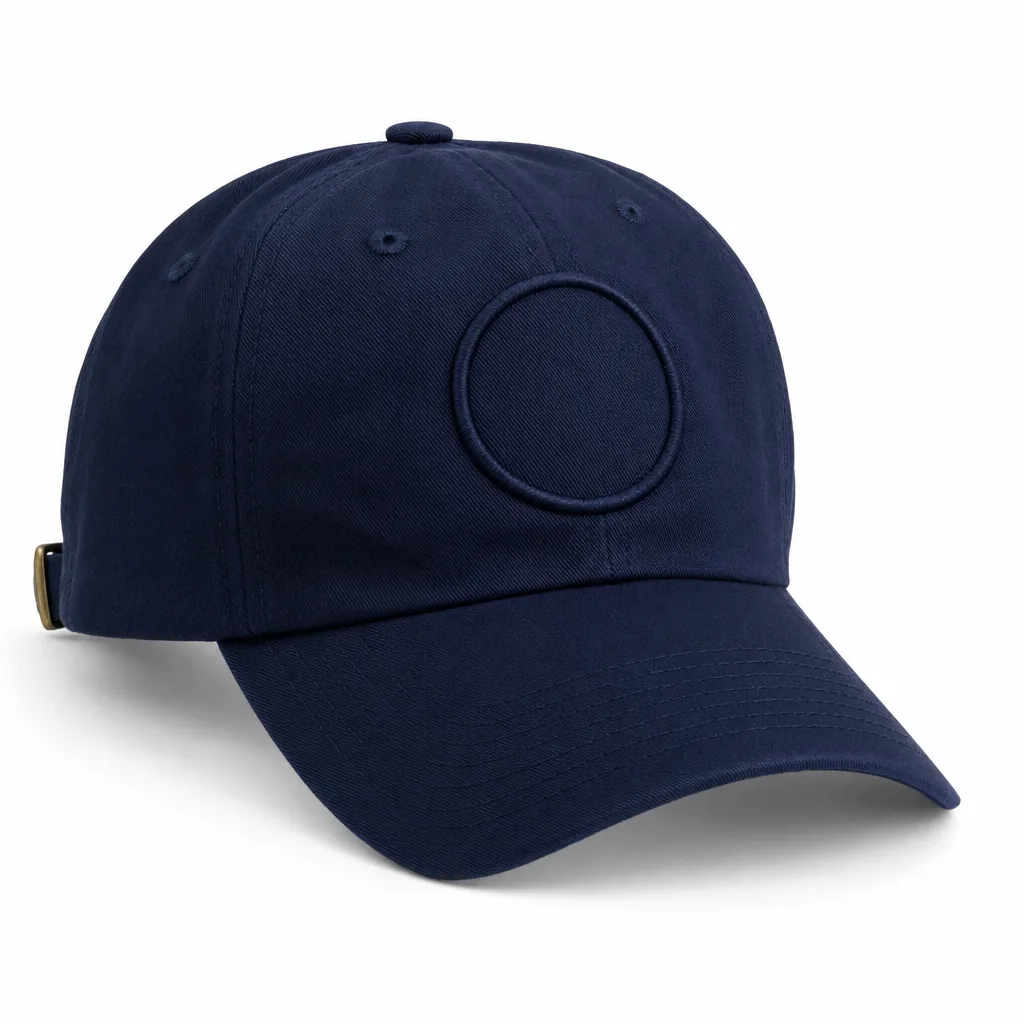
Sports Team Caps & Uniform Headwear: Bulk Manufacturing for Clubs and Schools
Read article →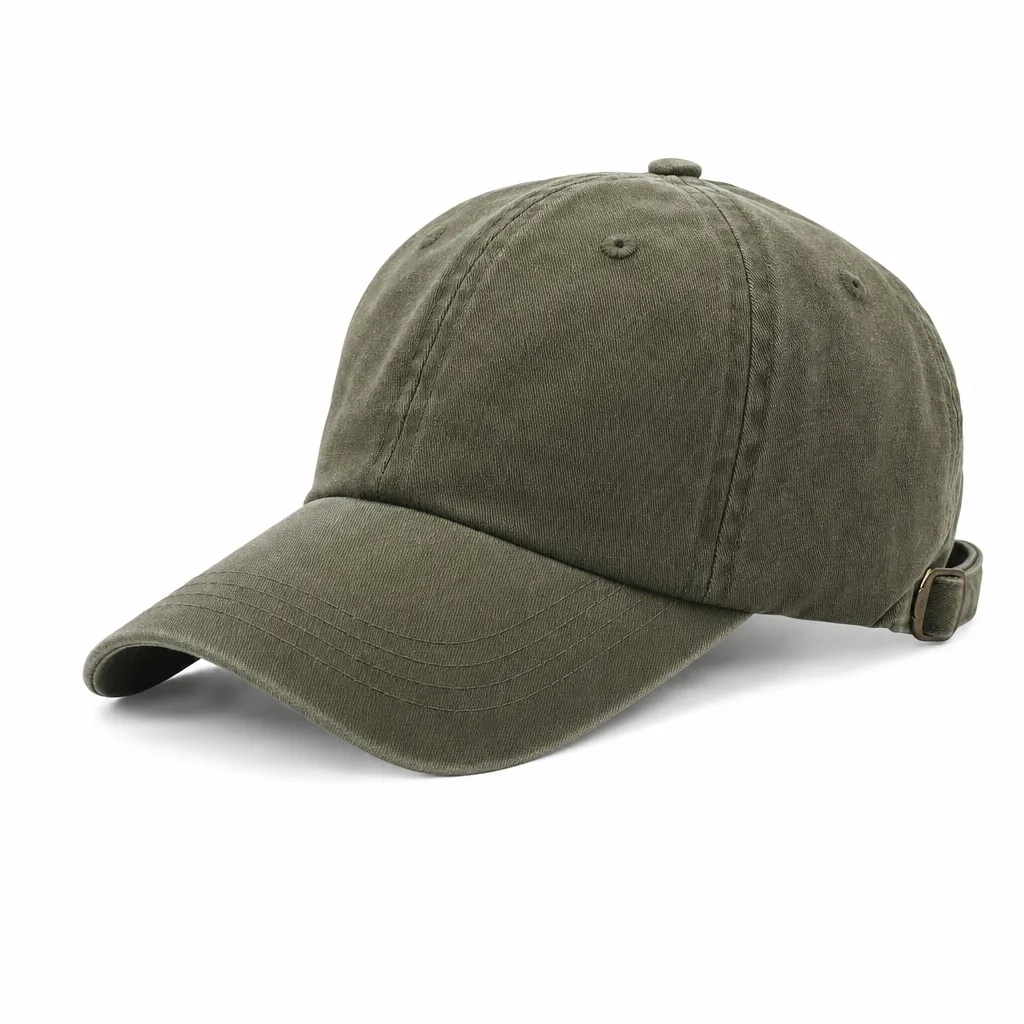
Buckram vs Foam vs Unstructured: Cap Crown Construction Compared
Read article →Custom Trucker Hats: The 2026 Sourcing & Manufacturing Playbook
Read article →We hope this guide demystifies ball caps for women: a 2026 sourcing playbook for international buyers - cost & moq breakdown and helps you move forward with confidence. If you have questions specific to your project, our English-speaking sales engineers are one message away.