
Ball Caps for Men: A 2026 Sourcing Playbook for International Buyers - 2026 Buyer's Guide
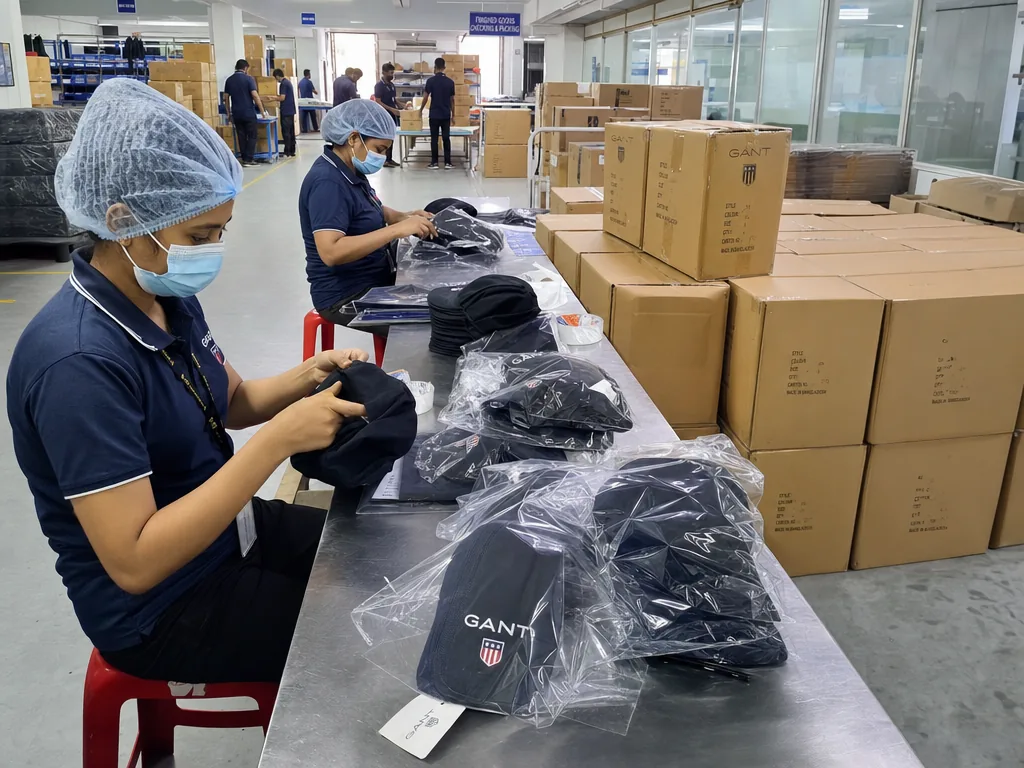
Every week, our sales team answers detailed questions about ball caps for men: a 2026 sourcing playbook for international buyers - 2026 buyer's guide. We wrote this guide so that wholesalers, streetwear brands, corporate buyers and promotional resellers can compare options with full information, and avoid the traps that show up only after production has started.
Dad Hats for Men
Dad hats punish sloppy manufacturing because there is no buckram-heavy front to hide defects. A sellable men’s dad hat needs a true 6-panel unstructured pattern, low crown height around 8.5-9.0 cm, a pre-curved visor that matches left-right within about 3-5 mm, and shell fabric that softens after wash without turning papery. The safest materials are 100% cotton chino twill at 220-270 gsm, brushed twill in a 16x12 construction, or 10-12 oz washed canvas when the brief calls for a heavier vintage hand. For buyers sourcing ball caps for men, shade consistency is a bigger risk than styling: washed black, khaki, and navy can shift badly between lots, so the tech pack should specify Pantone TCX references, approved wash swatches, and a realistic Delta-E tolerance—under 1.5 for piece-dyed solids, closer to 2.0-2.5 for garment-washed colors. Decoration has to respect the softness of the crown. On Tajima or Barudan flat embroidery heads, center-front or left-front logos usually stay clean in the 8,000-10,000 stitch range with balanced underlay; once the file gets too dense, the front panels start tunneling and the visor line pulls off shape. That is why dad hats are harder to execute than many other casual ball caps for men: poor digitizing, weak seam control, or inconsistent visor shaping show immediately. A reference image is not enough. Buyers should lock visor length at roughly 7.0-7.5 cm, 4-row visor stitching, nominal head size at 58 cm, closure type, sweatband spec, stitch count per inch, and the exact enzyme or garment-wash recipe before sampling.
The real quality failures appear after washing, shaping, and packing—not when the panels are still flat. A proper inspection standard should check visor twist over 5 mm off centerline, top-button alignment, front-seam puckering, embroidery misregistration, sweatband twisting, back-strap bartack strength, and crown-depth variation within the same carton. AQL 2.5 is normal for headwear, but washed dad hats need tighter visual control on shade banding because carton-to-carton drift is common if the laundry process is unstable. Post-wash measurements on key points should stay within ±0.5 cm, especially crown height, visor length, and opening circumference. Commercially, the numbers are straightforward if the specification is disciplined. In Yiwu or Dongguan, MOQ for a fully custom washed dad hat is usually 144-300 pcs per colorway; stock-body programs can start lower, but they give up control on fit and fabric hand. FOB pricing for basic cotton twill generally lands around $1.85-$3.20 depending on fabric weight and order volume, while enzyme wash, custom inside labels, metal clamp hardware, and specialty sweatbands add roughly $0.18-$0.45 per cap. For buyers building a broader ball caps for men range, dad hats are the best stress test of a supplier: if they cannot hold wash tone, low-profile shape, and visor symmetry on this silhouette, they usually struggle even more once the line expands into structured caps, mixed fabrics, or heavier embroidery.
Ball Caps for Women
Women’s ball caps are a separate fit problem, not a downsized version of ball caps for men. The block changes first: lower crown pitch, narrower front panel, shorter brim, and a cleaner back opening that sits flat over tied hair instead of kicking the strap upward. The women’s retail shapes that repeat best are usually 6-panel low-profile builds at 54–58 cm finished circumference, 7.0–8.0 cm crown height, and 6.5–7.0 cm visor length. A typical men’s block lands closer to 58–60 cm with a deeper seat and fuller front profile. On the sewing floor, that smaller geometry exposes mistakes fast; a 5 mm error in brim length, front panel height, or back opening placement is obvious on a low-profile cap and hard to hide at finishing. Fabric choice also has a bigger visual impact than many buyers expect because lighter, smaller crowns show puckering and shading sooner. For promo and fashion volume, 100% cotton chino twill at 260–280 gsm is still the most forgiving base: stable under embroidery, decent structure, and predictable wash shrinkage. For a softer hand, brushed cotton works, but seam control needs to be tighter. For athleisure, 180–220 gsm polyester twill or microfiber poly gives lower weight and better crocking performance. If the women’s style must sit next to ball caps for men in the same collection, approve shell fabric against Pantone TCX and hold bulk shade variation within Delta-E 1.5 from the sealed lab dip; otherwise the pair will miss each other at retail under store lighting.
A usable tech pack for women’s caps needs hard numbers, not style adjectives. Call out finished circumference, crown height, brim length, brim pre-curve angle, front panel width, closure type, sweatband content, buckram spec, embroidery max area, and carton ratio by colorway. Details like ponytail openings, satin lining, soft buckram, metal tri-glide closures, or a dedicated narrow-brim mold all change labor content and unit cost. In China, a realistic custom MOQ is 144–300 pcs per colorway depending on shell fabric, closure trim, and decoration count. FOB pricing typically lands around $2.10–$3.40 for washed cotton with standard flat embroidery, and $3.20–$5.20 once you add premium hardware, lining, or extra trims; chain stitch, applique, and multi-location embroidery push it higher fast. Quality failures are predictable, so inspection should be numeric and unforgiving. The defects I see most often are skewed back straps, off-center logos, distorted visor curve, loose sweatband joins, seam puckering on lighter fabrics, and carton-to-carton size drift. Smaller front panels also reduce embroidery tolerance: on Tajima or Barudan heads, weak digitizing closes up small lettering, creates tunneling, and pulls the crown out of shape. I would hold production to AQL 2.5, verify finished circumference within plus or minus 0.5 cm, confirm visor symmetry left-to-right, test closure pull strength, and check shading plus dry/wet crocking on dark colors before shipment. If the program also includes ball caps for men, share shell fabrics if needed, but keep separate blocks; a forced unisex pattern usually saves a few cents and costs margin in sell-through.
Country Hats for Men
Country styling is won or lost on fabric, wash chemistry, and crown profile; the logo is usually the last thing that saves a bad build. For this slice of ball caps for men, the most reliable spec is a 5-panel or 6-panel body in 240-320 gsm brushed cotton twill, enzyme-washed cotton canvas, or 65/35 cotton-poly duck, roughly 8-10 oz depending on the weave and finishing loss. If the brief calls for a broken-in ranch look, never approve color from a retouched photo. Lock the base fabric to a Pantone TCX reference, approve lab dips before cutting, and set post-wash shade tolerance at Delta-E 1.5 maximum; tobacco, olive, khaki, and clay brown can drift fast once enzyme wash, pigment spray, or garment wash enters the process. The fit block should also change from a standard athletic cap: lower crown height around 11.5-12.5 cm, soft or half-structured front, pre-curved PE visor, and closures like self-fabric tuck strap, antique-brass buckle, or matte gunmetal slider instead of a plastic snapback.
The common sourcing mistake is treating country hats as a logo variation on a stock baseball cap. A real tech pack needs crown height, visor length, bill curve radius, front-panel backing, stitch density, seam tape color, eyelet finish, sweatband composition, and exact abrasion placement on brim edge or seam ridges. If the back uses mesh, specify yarn denier, gsm, and colorfastness grade of at least 3-4 after wash so the rear panel does not bleach out ahead of the front. Decoration needs different setup as well: on Tajima or Barudan heads, washed cotton usually runs better with lower fill density, wider pull compensation, and a heavier cutaway backing, or large embroidery fields will pucker after laundering. In China, basic washed twill programs usually start around 144-300 pieces per color, but custom metal trims, faux-suede appliqué, or wash development normally push workable MOQ to 500 pieces. FOB pricing is typically $2.20-$3.60 for simple blanks and $4.10-$6.80 for custom decorated programs.
Inspection should focus on finish repeatability first, because country caps show inconsistency faster than clean performance styles under store lighting. The first failure point is wash control: panel-to-panel shade mismatch, over-abraded brim edges, and uneven fading on seam ridges are obvious at one meter. After that, check crown symmetry, visor memory, strap centering, buckle plating, embroidery registration, and sweatband attachment. Under AQL 2.5, I would classify twisted crowns, cracked metal coating, severe embroidery puckering, or bulk shade variance outside the approved wash band as major defects. If the style includes leather, PU, or suede-look trim, add crocking, odor, peel adhesion, and heat-aging checks; low-grade coatings often look acceptable at inline inspection but fail after container exposure at 55-60°C. Buyers carrying wider assortments should QC these separately from teamwear or performance ball caps for men, because the acceptable hand feel is looser but the fit tolerance cannot drift. A sealed pre-production sample from the actual wash lot is the best control point, especially on orders of 3,000 pieces or more where one unstable wash recipe can turn half the cartons too gray or too red against approval.
Toilet Bolt Caps
Toilet bolt caps are the opposite of soft-goods sourcing. With ball caps for men, buyers can negotiate fabric handfeel, crown shape, and logo execution; with these parts, the real risk is dimensional drift in a low-cost injection-molded component. Most are molded in PP copolymer or ABS, and a 0.3 mm miss on the inner clip diameter is enough to cause either a loose rattle or stress whitening at the locking tabs after a few removals. A usable specification needs more than “match approved sample.” Lock the resin grade, nominal shrink rate, cavity count, wall thickness, and color standard to Pantone or RAL. For matte white bathroom hardware, a practical target is Delta-E under 1.5 against a sealed master, wall thickness around 1.8-2.3 mm, and regrind limited to 10-15% max to prevent brittle clips, gloss variation, and yellowing. UV additive is usually unnecessary unless the part sits in sunlit retail packaging or high-exposure export channels. Most failures trace back to vague tooling control and subjective QC. The drawing should define cap height, base OD, retention geometry, finish texture such as VDI 24 or SPI-B2, and an acceptable pull-off force range on the snap fit. If the cap is sold in a closet-bolt kit, verify fit on both 1/4 in. and 5/16 in. bolt systems because distributor assortments across North America and LATAM are rarely consistent. Existing-mold MOQ usually sits at 3,000-5,000 pcs per color; a new single-color tool typically costs $600-$1,500 depending on steel grade and cavity count, with ex-works pricing often landing at $0.04-$0.12 per piece. CrownsForge’s standard practice is cavity-marked first-article approval followed by AQL 2.5 inspection with live installation tests on sampled nut-and-bolt assemblies, because rim flash, gate vestige, sink on the dome, and inconsistent snap force do not show up reliably on bench measurements alone.
Mixed-category buyers get burned when they manage molded hardware with the same loose approval language used for ball caps for men. The purchase order should separate plastic-part controls from apparel-style wording and state resin family, regrind limit, mold maintenance interval, cavity identification, pack-out method, and transit protection. Defects are predictable if you have stood beside the press: dome sink from poor packing pressure, sharp gate vestige that cuts fingers, clip cracking from excessive regrind through a hot runner, and color drift from off-grade resin or weak lot control. Those issues become chargebacks once installers remove and re-seat the cap during maintenance, so the lot test needs to include wall-thickness checks, clip-flex evaluation, color verification, and live fit testing on the exact nut profile listed on the PO. Packaging discipline matters more than most buyers assume because these parts are light, glossy, and easy to scuff in bulk. Cartons should pass a basic ISTA-style drop standard, and inner bags should prevent abrasion if the caps are packed loose rather than in segregated cells. Ask the supplier for mold steel spec, expected tool life, and cavity-balance data; if they cannot answer clearly, the risk is usually real. A single bad cavity or uneven cooling loop can create snap-force variation that only shows up in field installation. The unit cost is trivial, but a fit issue across 50,000 pcs wipes out any savings fast, especially once you add rework, distributor claims, and replacement freight.
Embroidered Caps Wholesale
Embroidery quality is decided at pre-production, not at final packing. A 6-panel structured cap in 280-320 gsm cotton twill with fused buckram will carry a 7,000-10,000 stitch front logo cleanly; an unstructured 180-220 gsm brushed chino shell often will not, especially with dense fills or wide satin borders. For embroidered caps wholesale, buyers should approve a real build sheet before sign-off: shell composition, panel structure, visor board, sweatband spec, closure, needle count, backing type, logo size in millimeters, and stitch count by location. Tajima, Barudan, and ZSK heads can all run clean registration, but only when the digitizing file is built for the actual cap profile, stitch direction, underlay, and pull compensation. If the tech pack does not list thread brand, Pantone TCX reference, fabric shade tolerance such as Delta-E below 1.5, and whether the logo is flat, satin, tatami fill, or 3D puff, it is not production-ready. For buyers sourcing ball caps for men, those details define the retail tier fast: heavy twill with a 3 mm sandwich visor reads like licensed team product, while lighter chino with low-density embroidery lands closer to promotional retail.
MOQ and FOB move with decoration complexity more than most importers expect. In Zhejiang, a standard 6-panel cotton twill cap with 5,000-8,000 stitches on the front typically starts around 144-300 pcs per colorway, but costs settle more predictably at 500-1,000 pcs per style once fabric spreading, embroidery setup, and trim buying are amortized. Current market range for a basic flat-embroidered cap is usually $2.10-$3.40 FOB Ningbo; add a side logo, rear hit, metal buckle, woven flag label, contrast seam tape, or 3D puff, and the same unit can reach $3.80-$5.80. Recycled polyester, 70D nylon taslon, and performance microfiber also push cost up because mills often require higher fabric minimums and moisture-wicking sweatbands are not priced like standard cotton internals. Smart SKU planning matters just as much as stitch count: keep one crown pattern and visor mold, then vary thread colors, eyelets, sandwich details, or closures to hit MOQ without tying cash up in dead stock. That is usually the cleaner way to build a commercial range of ball caps for men than chasing too many low-volume shapes.
The failure points are predictable, and buyers should treat them as claim risks, not minor cosmetics. The recurring defects are logo centers drifting more than 2 mm off the crown seam, puckering around dense fills, needle cuts on lighter shells, loose thread tails trapped near the peak seam, visor curve inconsistency within one carton, and shade-lot mismatch across panels. Any factory selling into sports, streetwear, or licensed programs should be checking these against a pre-production sample and then inspecting finished goods to AQL 2.5. The control points should include logo placement, crown symmetry, seam slippage, backing cleanliness, thread tension, and panel-to-panel shade consistency. Ask for both exterior and interior embroidery photos before bulk approval; messy underwork, excessive backing, or distorted buckram usually tells you production discipline is weak. At CrownsForge, dark navy, black, and red embroidery on light fabric also gets extra tape, rub, and wash checks because crocking, needle marks, and surface bruising show up fast. In sourcing terms, cheap shells and aggressive embroidery are a bad pairing; for ball caps for men, matching cap body, stitch density, and FOB target is what prevents rework and post-shipment claims.
Wholesale Embroidered Caps
Embroidery is where a cap stops looking premium or starts looking like closeout stock, so the spec has to be fixed before anyone asks for a unit price. For wholesale embroidered caps, the safest build for structured ball caps for men is a 6-panel cotton twill or brushed chino shell at 260-320 gsm with 0.6-0.8 mm buckram on the front two panels; lighter shells and soft, unstructured crowns pucker fast once the stitch count climbs. A workable tech pack should define logo size in millimeters, distance from center-front seam and visor edge, maximum stitch count, Pantone TCX or Madeira reference for each thread color, crown height, visor curve, closure type, and whether the logo is run flat on cut panels or embroidered after crown assembly. That last point matters because center-seam embroidery, especially on low-profile caps, is where distortion starts. Most factories digitize for Tajima, Barudan, or ZSK heads and price standard layouts around 8-12 thread colors without much drama; once you push past 15 colors, thread changes slow output and mis-thread risk goes up. If your artwork has text under 3 mm cap height, satin columns narrower than 0.8 mm, gradients faked with dense fill, or fill stitches running across the center seam, budget for re-digitizing and at least one extra strike-off. On our floor, we also flag 3D puff designs that mix fine outlines with high-density fill, because foam exposure and edge collapse are common unless the digitizer reduces density, widens columns, and adjusts underlay for the exact crown profile.
Decoration detail is what separates a real quote from a placeholder. A fully custom 6-panel embroidered cap from Yiwu or Dongguan typically lands around $2.20-$3.80 FOB China at 300-1,000 pieces for a standard flat logo, but the same shell can move to $4.20-$6.00 once you add 3D puff, metallic thread, appliqué, or extra placements on the side and back. MOQ is usually 144-300 pieces per colorway for a custom shell, while stock blanks with embroidery may open at 48-100 pieces if the body fabric, closure, and sweatband are already in inventory. Buyers should ask whether digitizing, tape charge, backing, needle detection, carton spec, and replacement allowance for embroidery defects are included, because those overlooked line items can shift landed cost by 5%-10%. Inspection should be run to AQL 2.5, but the real job is catching instability before final audit. On embroidered ball caps for men, the common failures are puckering from bad top-thread tension, loose reverse-side trims, hoop burn, visor-top skew, foam exposure on 3D puff, backing show-through, and thread shade drift against the approved standard. If color accuracy matters, set a practical target of Delta-E below 2.0 against the approved thread card or lab dip equivalent, understanding not every Pantone TCX has a perfect rayon or polyester thread match. Measure crown height, visor length, head opening, and logo placement at inline and midline inspection, not just at packing, because once caps are steamed, shaped, stickered, and cartoned, embroidery defects that should have been repaired on the line usually become write-offs.
Working with CrownsForge for ball caps for men programs
Sampling discipline decides whether a ball caps for men program moves in two weeks or stalls for a month. For a standard 6-panel cap in 260-280 gsm brushed cotton twill, chino twill, or 150D recycled polyester, a credible first sample lead time is 5-7 working days after the tech pack, logo files, and Pantone approvals are complete—not after an exploratory email chain. That clock should include pattern confirmation, visor shape, closure selection, crown height, sweatband spec, and one round of fit comments. If the style carries flat embroidery, 3D puff, or applique, the digitizing needs to be done in-house on Wilcom or Tajima DG16 before the cap reaches the embroidery floor; once a factory outsources punch files, buyers usually lose another 3-5 days and introduce avoidable inconsistency in stitch path and foam coverage. For new programs, practical MOQs are usually 144 pieces per colorway on clean constructions, while mixed fabrics, split closures, or multiple logo positions push development runs closer to 300-500 pieces total. That is the sensible range for testing retail sell-through before committing to a 1,200-3,000 piece reorder.
Decoration capacity matters, but process control is what keeps bulk goods saleable. A factory that only stitches shells and subcontracts trimming will struggle to hold consistency once you add woven patches, silicone badges, sublimated emblems, heat transfers, branded seam tape, engraved buckles, or interior woven labels. On embroidery-heavy ball caps for men, the machine platform shows up fast: Barudan, Tajima, and ZSK heads generally deliver sharper satin edges, cleaner underlay, and more stable registration on front logos in the 8,000-12,000 stitch range than budget heads running loose tension control. The smarter approach is to lock the silhouette first—crown profile, buckram stiffness, visor board thickness from roughly 1.8-2.2 mm, sweatband construction, and finished head circumference tolerance within +/-0.5 cm—before debating decorative upgrades. Our standard practice is to freeze those points at PPS stage, then inspect bulk against the sealed sample with inline checks for logo centering, peak symmetry, stitch density, and shade variance within an agreed Delta-E tolerance, followed by a final audit at AQL 2.5. If the goods are heading into chain retail, buyers should also expect sedex-audit-cap-supplier-guide.html">BSCI 2.0 or Sedex SMETA 4-Pillar reports, plus AZO, REACH, and CPSIA documentation where the destination market requires it.
Frequently Asked Questions
What file format should I send for my logo?
Vector files (AI, EPS, PDF) are ideal. High-resolution PNG or JPG at 300 dpi on transparent background works as a fallback. Provide Pantone color references for accurate reproduction.
How long does production take?
Sampling takes 7 to 12 days. Bulk production runs 20 to 30 days depending on quantity, fabric availability and decoration complexity. Inspection and packing adds another 3 to 5 days before shipment.
What logo decoration techniques do you offer?
3D puff embroidery, flat embroidery, woven patch, leather patch, PVC patch, screen printing, sublimation, applique and laser etching, all in-house with no subcontracting.
Do you support sustainability certifications?
Yes. We work with GOTS organic cotton, GRS-certified recycled polyester, OEKO-TEX Standard 100 fabrics, and are BSCI and Sedex audited. Certification documentation can be provided per order.
What is the minimum order quantity (MOQ) for custom hats?
Our standard MOQ is 100 pieces per design and color, with sampling available from 1 piece. For complex multi-color logos or premium fabric upgrades, the MOQ can be lowered with a small per-piece surcharge.
What's the MOQ for custom leather patch hats no minimum?
When evaluating custom leather patch hats no minimum, the key considerations are construction quality, decoration capability, MOQ flexibility and lead time. Cover everything buyers ask about dad hats for men: how it's manufactured, what specs to request from a factory, typical MOQ and pricing, common quality issues to inspect for, and how this ties back to the broader ball caps for men sourcing decision. Cover everything buyers ask about country hats for men: how it's manufactured, what specs to request from a factory, typical…
What's the MOQ for custom new era 59fifty fitted hats no minimum?
When evaluating custom new era 59fifty fitted hats no minimum, the key considerations are construction quality, decoration capability, MOQ flexibility and lead time. Cover everything buyers ask about dad hats for men: how it's manufactured, what specs to request from a factory, typical MOQ and pricing, common quality issues to inspect for, and how this ties back to the broader ball caps for men sourcing decision. Cover everything buyers ask about country hats for men: how it's manufactured, what specs to request from a factory, typical…
What should I know about custom bulk trucker hats?
When evaluating custom bulk trucker hats, the key considerations are construction quality, decoration capability, MOQ flexibility and lead time. Cover everything buyers ask about dad hats for men: how it's manufactured, what specs to request from a factory, typical MOQ and pricing, common quality issues to inspect for, and how this ties back to the broader ball caps for men sourcing decision. Cover everything buyers ask about country hats for men: how it's manufactured, what specs to request from a factory, typical…
What's the MOQ for custom embroidered trucker hats no minimum?
When evaluating custom embroidered trucker hats no minimum, the key considerations are construction quality, decoration capability, MOQ flexibility and lead time. Cover everything buyers ask about dad hats for men: how it's manufactured, what specs to request from a factory, typical MOQ and pricing, common quality issues to inspect for, and how this ties back to the broader ball caps for men sourcing decision. Cover everything buyers ask about country hats for men: how it's manufactured, what specs to request from a factory, typical…
What does a 47 on a baseball cap mean?
The '47 or 47 on hats and caps refers to the '47 Brand company. '47 refers to 1947, which is the year that the '47 Brand company was started by Italian immigrant brothers, Henry D'Angelo and Arthur D'Angelo.
What is the difference between a ball cap and a baseball cap?
Technically, baseball hats are structured ball caps designed for team uniforms. They originated with MLB players in the 1800s. Today, they have evolved into the iconic six-panel cap with a stiffer crown and bill. Today, they're used to make a fashion statement and as a functional accessory.
Need a low-MOQ test order?
We help emerging brands launch with as few as 100 pieces. Premium fabric, in-house embroidery, retail-ready packaging.
Start a small orderRelated guides
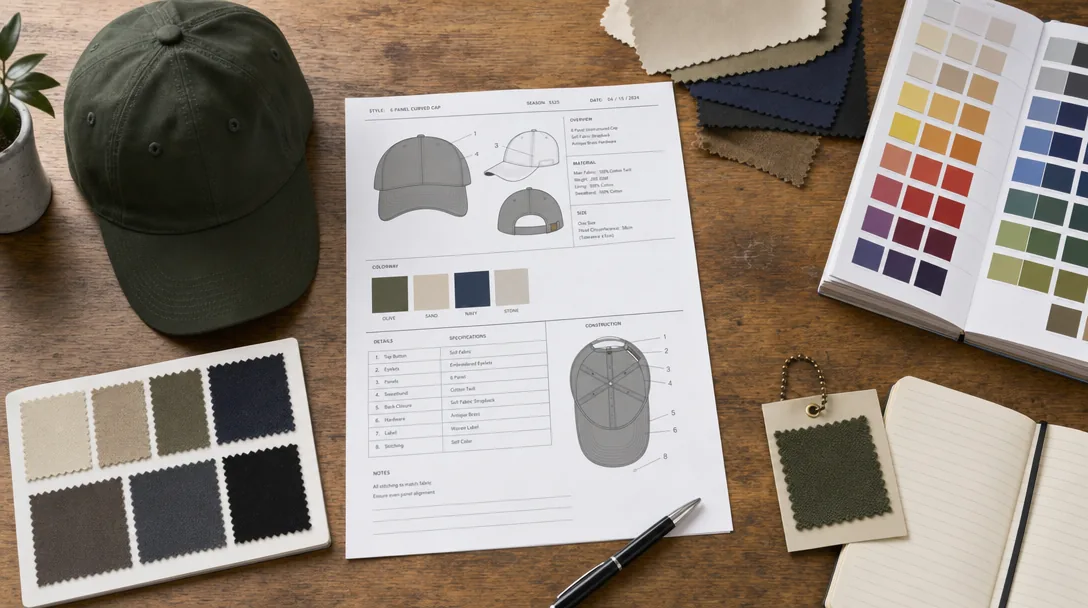
Switching Hat Manufacturers Mid-Program Without Losing Quality - Cost & MOQ Breakdown
Read article →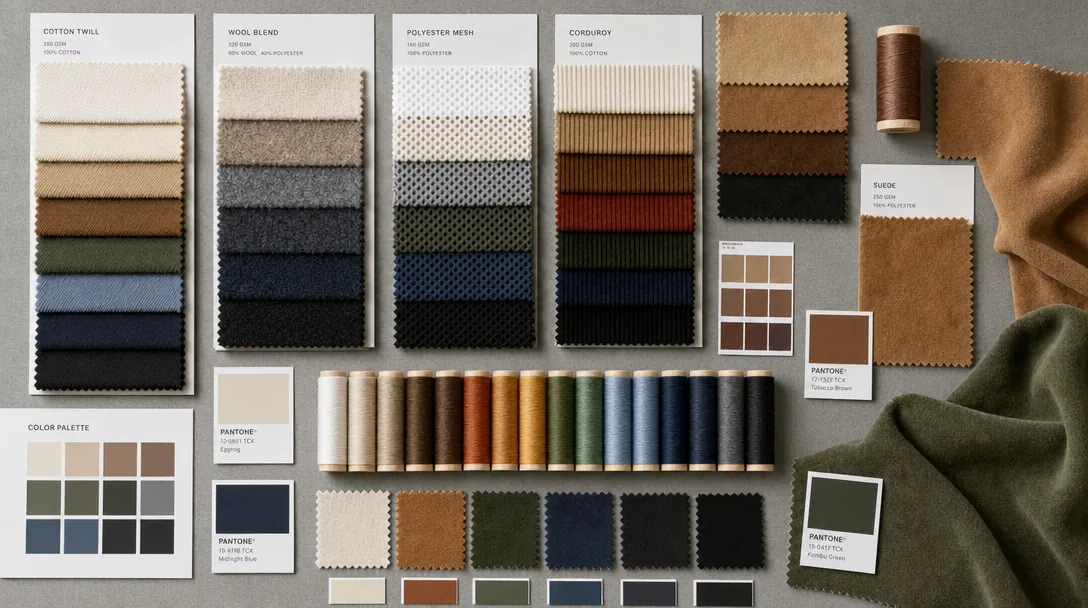
Bucket Hat Women: Properties, Costs and How to Spec It Right - Cost & MOQ Breakdown
Read article →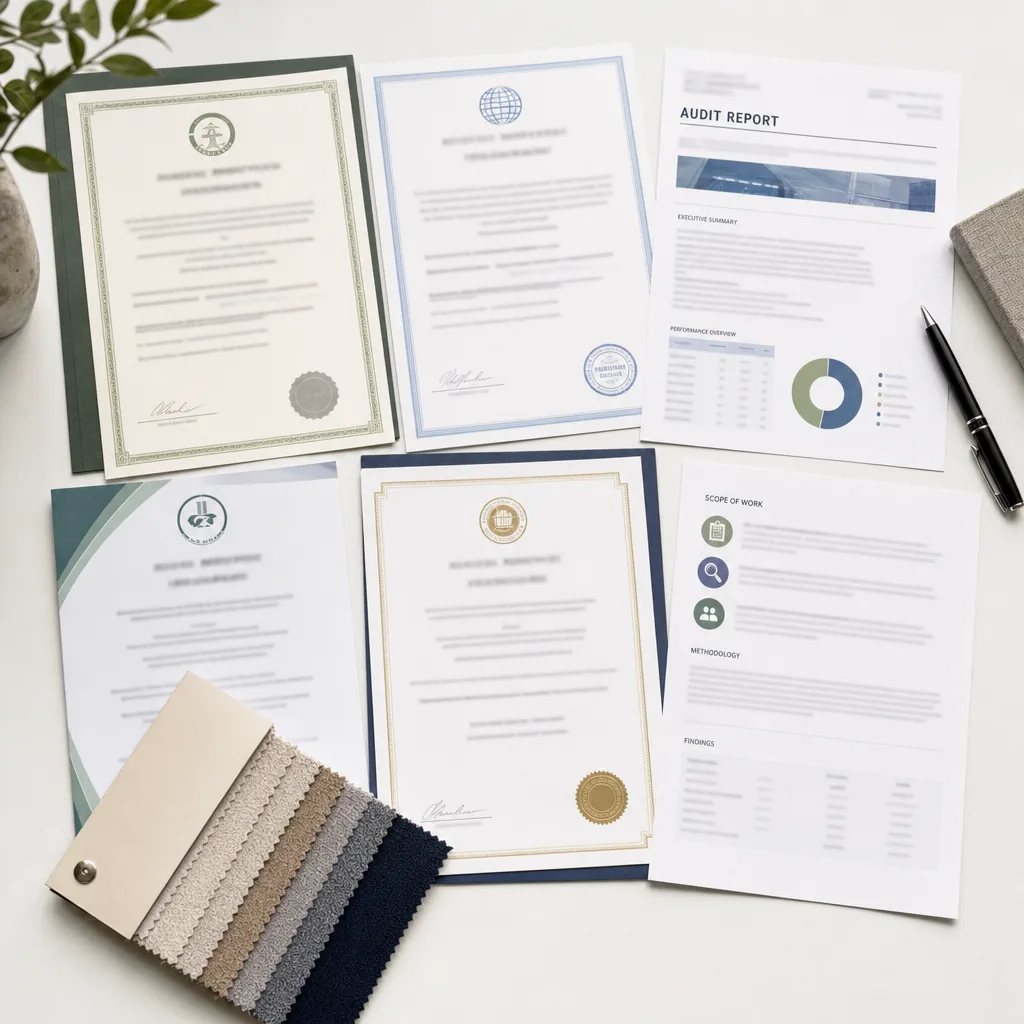
Kids' & Children's Cap Manufacturing: CPSIA Compliance and Sizing
Read article →Sourcing custom hats does not have to be complicated. With the right manufacturing partner, clear specifications and a small upfront investment in sampling, you can launch a retail-quality product in 30 to 45 days.