
Switching Hat Manufacturers Mid-Program Without Losing Quality - Cost & MOQ Breakdown
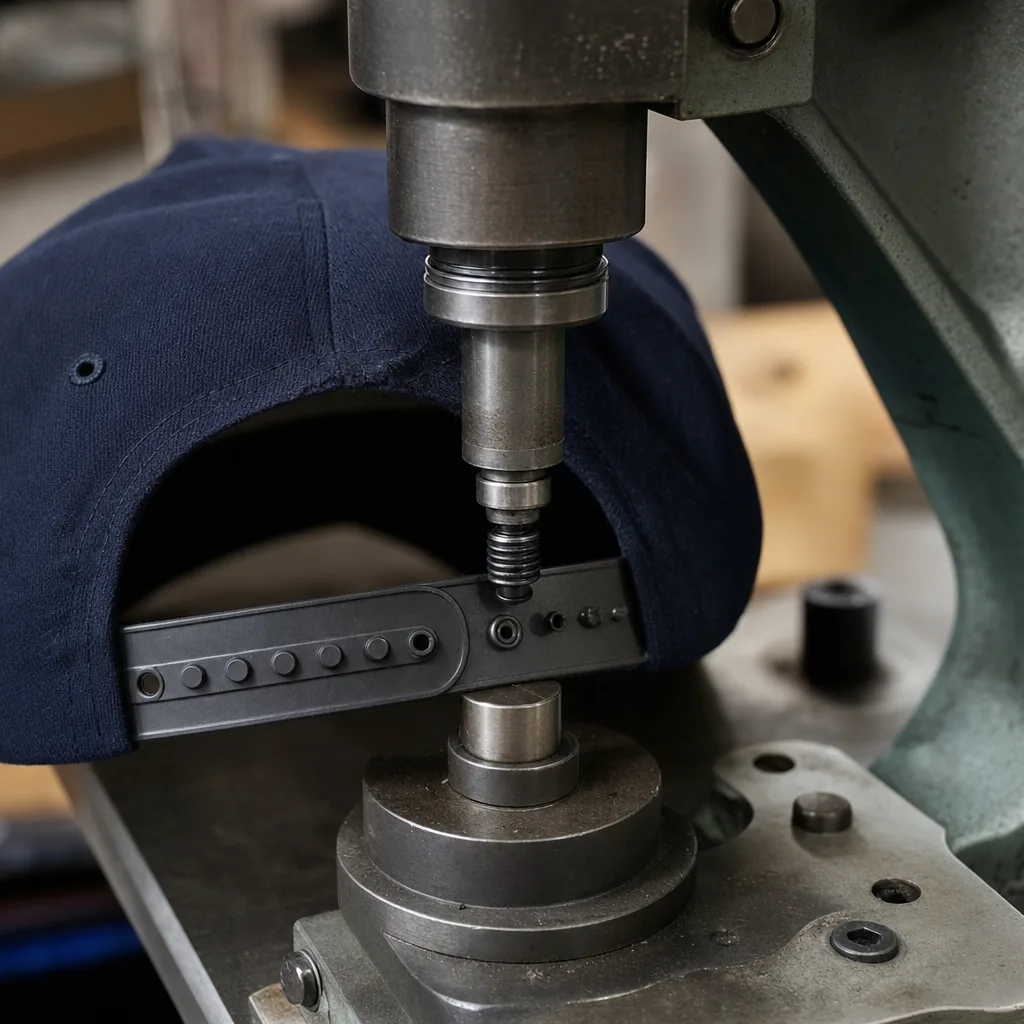
Switching Hat Manufacturers Mid-Program Without Losing Quality - Cost & MOQ Breakdown is one of the most-asked questions we receive from international buyers, and for good reason. With dozens of factories competing for your order and an alphabet soup of technical terms in every supplier quote, even experienced importers can feel lost. This guide consolidates what we have learned producing custom hats for clients in 40+ countries.
Why brands switch manufacturers (real reasons)
Brands usually switch hat manufacturer for five hard reasons: margin erosion, repeat quality drift, missed ship windows, concentration risk, or a factory that has reached its technical ceiling. Cost creep is normally the first warning because it hides inside innocent-looking re-quotes. A 2,000-piece six-panel cotton twill cap quoted at $3.85 FOB Ningbo can quietly move to $4.20-$4.35 within two or three repeat POs once stitch count, woven loop labels, inner seam taping, metal buckle grade, individual polybagging, and carton packout change line by line. The bigger issue is spec instability. I see crown height drift 3-5 mm, visor board jump from 1.8 mm to 2.2 mm, sweatband weight downgraded from 180 gsm to 140 gsm, and Pantone matching slide from Delta-E under 1.5 to above 2.5, which is visibly off under store LED lighting. Buyers can survive one bad lot; they do not tolerate a replenishment program where “same cap” no longer means the same silhouette, hand feel, or color.
Quality drift usually starts when the incumbent factory swaps inputs without documented approval. A brushed cotton twill can slip from 260 gsm to 230 gsm, buckram can soften enough to collapse the front profile, embroidery thread can change from Madeira rayon to a lower-luster domestic cone, or a 12,000-stitch logo can be run on an older Barudan head instead of the Tajima machine used for the salesman sample. None of those shortcuts look dramatic on a cutting table, but together they alter coverage, puckering, brim shape, and incoming rejection rates. That is when brands stop negotiating and start to switch hat manufacturer, because the problem is no longer one shipment; it is process control.
Capacity failure is the other real trigger. A plant that handles 3,000 units per month of basic dad caps can break down fast at 20,000 units spread across snapbacks, mesh truckers, and performance caps with laser-cut vents, seam welding, or silicone heat transfers. The bottleneck is rarely sewing alone. It is production planning, version-controlled tech packs, inline QC discipline, and whether the factory can hold a golden sample standard across multiple lines and subcontract processes. Serious buyers look for audited systems such as sedex-audit-cap-supplier-guide.html">BSCI 2.0 or Sedex SMETA 4-Pillar, final inspection at AQL 2.5, and clear traceability for fabric lots, trims, and embroidery files. Once a supplier cannot protect those basics, switching becomes risk management, not procurement drama.
The tech-pack handoff protocol
If you need to switch hat manufacturer mid-program, the handoff breaks as soon as the new factory starts “re-engineering” instead of matching the approved build. For caps, a PDF tech pack is not enough. The minimum transfer set should be four locked inputs: the last approved tech pack with revision history, one sealed bulk-approved sample from every live colorway, all lab and compliance reports, and a signed tolerance chart. Colorway-specific samples matter because 10 oz brushed cotton twill, 12 oz cotton canvas, and 300D cationic heather polyester behave differently in cutting shrinkage, hoop tension, fusing response, and brim pressing even under the same pattern. Before quoting bulk, the incoming factory should physically measure the approved cap and record crown height, front rise, visor length, visor arc, head opening, sweatband width and position, eyelet pitch, top-button diameter, embroidery width and stitch count, backing type, and shell fabric weight in gsm. If the program uses Pantone TCX references, keep them, but approve color under a D65 lightbox and define an acceptable Delta-E tolerance, usually within 1.0-1.5 for critical panels and 2.0 max for less visible trims, because mill lots drift even when the Pantone callout stays the same.
The physical sample set is the real master standard because headwear construction notes leave too much room for interpretation. A six-panel structured snapback can shift 3-5 mm in front rise, visor length, or eyelet placement when the replacement factory swaps 260 gsm buckram for 300 gsm, changes seam allowance from 1/4 inch to 3/8 inch, or uses a thicker top-button wrap. Send one approved bulk unit from each active colorway, never a salesman sample, and tag which piece is the fit master, embroidery master, finishing master, and packing master. Then require a first-round match report that compares every measurable point against the sealed sample: shell and thread Delta-E, visor sandwich thickness in mm, finished cap weight in grams, sweatband fiber content, snapback pull strength, embroidery thread brand, backing construction, and carton pack-out. Compliance paperwork is where teams get exposed when they change suppliers, so include CPSIA reports if the cap is sold into children’s categories, lead and phthalates declarations where applicable, and any OEKO-TEX Standard 100 documents tied to shell fabric, sweatband, labels, heat transfers, or prints. The real question when you switch hat manufacturer is not whether the new factory can copy the look; it is whether they can hold fit, hand feel, compliance, and packing spec at AQL 2.5 without reopening development.
Color reference transfer is the hardest part
If you switch hat manufacturer mid-program, the Pantone callout is not your master standard; the approved production cap is. Pantone 19-0303 TCX can land noticeably different when one mill dyes 100% cotton brushed twill with a reactive process and another tries to hit the same code on 65/35 poly-cotton using pigment finishing. On the factory floor, I care more about substrate details than the number on the tech pack: fiber content, yarn count, weave density, gsm, and finishing all change how the shade reads under D65. A 10x10 cotton twill at 260 gsm will not present like a 16x12 poly-cotton twill at 240 gsm, and once you add peach finish, enzyme wash, or buckram lamination, the crown can drift away from the visor sandwich and embroidery thread enough to break program consistency. The cleanest way to control that transfer is to send one sealed cap from the last approved lot, plus retained fabric swatches, thread cards, woven-label chips, and any under-visor or sweatband trims, then tell the new factory to match the physical sample first and Pantone second.
Lab dips are where most quality loss either gets caught or baked into bulk. A capable cap supplier should budget 2 to 3 dip rounds, reviewed in a light box under D65 and TL84, then checked by spectrophotometer against the retained control sample. I would hold the main shell fabric to Delta-E 2.0 or tighter, with a practical allowance up to 2.5 on hard-to-control components like sweatband tape, woven labels, or under-visor fabric where texture and reflectance shift the reading. If the style mixes acrylic-wool serge, microfiber suede, polyester embroidery thread, and nylon webbing, each substrate needs its own approval because one formula will not translate across all surfaces. In Yiwu or Dongguan, extra lab-dip development usually costs $35 to $80 per color per fabric, and couriering archived reference caps runs another $25 to $60. That is trivial next to remaking 1,200 caps at $4.80 to $7.50 each because the navy casts purple under retail lighting. Allow 5 to 7 days for first dips, 3 to 5 more for corrections, and do not release bulk fabric until both sides sign off on the same retained standard.
Sample-matching deliverables checklist
When you switch hat manufacturer mid-program, the first deliverable is not a salesman’s counter sample; it is a controlled sample-matching pack with measurable pass/fail limits. Lock the core points that actually expose process control: finished crown circumference within ±0.3 cm, crown height within ±2 mm, visor tip spread and brim curve height within ±2 mm against the retained golden sample, shell fabric weight within ±5% gsm, embroidery stitch count within ±5%, and color at Delta-E 2.0 or better versus the last approved bulk under D65 lighting. Add the dimensions pattern rooms usually miss when reverse-engineering an existing cap: front-panel angle, sweatband width, eyelet spacing, button position, and back-closure placement. If those values are not written on a dated spec sheet tied to a sample code and BOM revision, the new factory is estimating, not matching. Material callouts need the same discipline. “Same fabric” is useless unless the file states fiber content, construction, and finish—for example 100% cotton twill, 280 gsm, 10x10 yarn count, reactive dyed; or 600D recycled polyester with PU backing and 0.25 mm coating. Color should reference a Pantone TCX or TPX standard plus a spectrophotometer reading, not a phone photo. For embroidery, require the native digitizing file version, thread brand, denier, backing spec, needle count, and machine platform; Tajima, Barudan, and ZSK heads do not handle edge columns, pull compensation, and underlay exactly the same way. Also lock visor board thickness, buckram stiffness, seam tape color, sweatband composition, and snapback resin grade. Those are the details buyers notice immediately when a replacement cap feels wrong in hand.
Bulk approval must be written, dated, and traceable before cutting starts. The sign-off sheet should include the measurement method, tolerance table, construction notes, approved concessions, defect photos for any accepted deviation, and the exact reference samples being matched. When a brand needs to switch hat manufacturer while old inventory is still shipping, keep three sealed references: one with the buyer, one in the factory QC room, and one on the production floor with the line supervisor or finishing lead. That prevents the common failure where merchandising, QC, and sewing each compare against a different sample once delivery pressure hits. Our standard practice is to compare the new-factory submission against at least two pieces from the last acceptable bulk lot, not one “hero” sample that may already sit outside normal production variance. Timing matters as much as the checklist. For a mid-program transfer, lock four gates: pre-production approval, first-off-line review, inline audit before 10% of output, and final inspection to AQL 2.5. Recheck color, embroidery density, visor springback, seam alignment, and closure position during inline inspection, because drift usually appears after thread tension changes, heat-forming adjustments, or pressing temperature shifts. The added control cost is usually only $80 to $150 per style for extra measurements, lab checks, and sample sealing. That is trivial compared with a 3,000 to 5,000 piece remake, airfreight recovery, or a retailer chargeback for a missed ship window.
Dual-sourcing strategy: when to keep both
Dual sourcing is usually safer than a hard cutover on any live cap program. When you switch hat manufacturer, keep the incumbent on proven carryover SKUs and assign the new factory to new colorways, seasonal capsules, or overflow during peak months. That split protects the failure points buyers miss until bulk lands: crown height drift after blocking, visor curve memory after packing, embroidery registration on front hits, sweatband handfeel, and trim shade variation between dye lots. On real production, I would start at 70/30 on the first PO and move to 60/40 only after one full bulk cycle clears inspection and ships on time. Below 30%, you do not create enough volume to expose weak fabric booking, unstable sewing-line balance, or sloppy finishing. Above 50% too early is reckless; one missed 10x10 cotton twill lot, one closure shortage, or one AQL 2.5 failure can stall the entire program. The point is not sentimentality toward the old supplier. It is buying time to validate whether the new source can hold the same shape, same handfeel, and same execution at commercial scale, not just on a perfect pre-production sample.
The overlap only works if both factories are locked to the same technical standard. A quoted price that is 6% to 12% lower means nothing if 300 gsm brushed cotton twill becomes 280 gsm, visor board drops from 1.8 mm to 1.6 mm, sweatband fiber content changes from cotton/poly to full polyester, or the embroidery stitch count gets quietly reduced on Tajima or Barudan heads. Freeze one BOM and one tolerance sheet for both suppliers: Pantone TCX lab dips approved at Delta-E below 1.5 on key panels, crown height within plus or minus 2 mm, visor length within 3 mm, closure pull strength defined up front, and identical carton pack-out. Then compare hard numbers after two or three drops: defect ppm, ex-factory on-time rate, rework percentage, MOQ by color, and whether the opening price holds on repeat orders. The cleanest model is to let the established factory keep high-repeat styles while the new supplier proves itself on launches with woven patches, side embroidery, alternate closures, or appliqué. If both factories also meet the same compliance baseline, such as BSCI 2.0 or Sedex SMETA 4-Pillar, you have a real second source instead of a paper backup.
What the old factory will and won't share
Ask the outgoing factory for the paid deliverables, not their factory recipe. In a clean handoff, that means the final tech pack, graded measurement chart with tolerances by point of measure, BOM with fabric composition and trim item codes, approved artwork, carton spec, and any development, salesman, PP, or TOP samples charged to your account. If the cap uses custom decoration, request the native production files: DST or EMB embroidery files, laser appliqué cut paths, woven label layouts, silicone or rubber patch mold drawings, and print separations. When you switch hat manufacturer mid-program, those files are what keep the next supplier from guessing at crown height, visor curvature, eyelet spacing, back opening position, sweatband join, and logo placement. On embroidery, the native file is especially important. Re-digitizing a 12,000-18,000 stitch front logo can easily move satin columns by 1.0-1.5 mm once pull compensation changes, particularly on 260-300 gsm chino twill, brushed cotton twill, or 600D polyester where fabric recovery and distortion differ under the hoop.
Do not expect the old factory to hand over process IP, because that is usually line knowledge they developed at their own cost. In hat production, that includes Tajima or Barudan machine parameters, underlay structure, thread tension windows, needle size and replacement intervals, cap frame setup, blocking sequence, steaming time, operator SOPs, inline defect limits, and rework thresholds. The same rule applies to upstream color and finishing control: lab-dip correction history, dye formulas, wash recipes, finishing chemistry, and internal methods used to hit Pantone TCX or Pantone C targets within Delta-E 1.0-1.5. If you need to switch hat manufacturer, pushing for those records usually burns 7-10 days and produces nothing except resistance. The practical transfer package is different: sealed golden samples, trim cards, approved Pantone swatches, packaging standards, test reports, and defect photos from prior AQL 2.5 inspections. In most programs, document collection takes 7-14 days, then the new factory needs another 2-4 weeks to revalidate embroidery, fit, and color, longer if the original fabric mill will not release the same bulk lot or MOQ forces a substitute material.
First repeat order signals
The first repeat order, usually 45 to 90 days after you switch hat manufacturer, is the real capability test. Any factory can clean up one pre-production sample by putting its strongest line leader on the job, slowing output, and rerunning embroidery until the logo passes. That does not prove it can hold spec across 600, 1,200, or 3,000 caps on a standard 25- to 35-day production cycle. The second batch should be judged against measurable tolerances: crown height within plus or minus 3 mm, peak length within plus or minus 2 mm, embroidery registration within 1.0 mm left to right, visor curvature matched to the approved mold, and fabric shade within Delta-E 1.5 to 2.0 against the sealed standard under D65 lighting. If reorder two lands inside those limits without a spike in rework, thread breaks, panel skew, or loose trims, you are no longer looking at a factory that polished one batch; you are looking at a process that may actually be under control. The common failure after a supplier transition is not a dramatic defect report. It is quiet drift from the approved bill of materials. Batch one uses 250 gsm brushed cotton twill, 1.2 mm PE visor board, 210 denier sweatband tape, and the exact Madeira or Gunold thread shades; batch two comes back with softer buckram, lighter sweatband elastic, a different top-button fabric lot, or fill stitches sitting proud because the operator swapped 75 gsm backing for 50 gsm or changed thread tension on a Tajima or Barudan head. Those changes usually mean the BOM was never locked, or bulk production was moved from the sample line to a subcontract workshop with different blocking jigs, weaker needle-change discipline, and loose inline QC. By the time you see carton-to-carton shade variation, uneven seam allowance, or woven labels drifting off center, the shipment should already have failed AQL 2.5.
A disciplined factory treats the first reorder like a process audit, not a routine PO. The practical method is simple: compare batch one and batch two against the same sealed sample, trim card, Pantone TCX references, embroidery file, and approved BOM, then log defects by workstation instead of arguing from phone photos. If the second run suddenly needs more than 2% to 3% embroidery touch-up, shows unauthorized material substitution, or pushes MOQ from 144 pieces per color to 300, that is not normal variance. It usually signals unstable sourcing, line overbooking, or poor change control between sampling and bulk production. This is also the point where third-party inspection stops being optional. On a 600-piece reorder, spending about $150 to $300 for an inline or final random inspection is cheap compared with the cost of a remake, airfreight correction, or retailer chargeback. Ask the inspector to pull carton samples by lot, verify shade continuity, measure crown and brim dimensions, check sweatband attachment strength, and confirm embroidery density against the approved sew-out. If a factory can pass the first repeat order on spec, at target lead time, and without hidden substitutions, then the decision to switch hat manufacturer is starting to look operationally sound rather than just commercially attractive.
Frequently Asked Questions
How long does production take?
Sampling takes 7 to 12 days. Bulk production runs 20 to 30 days depending on quantity, fabric availability and decoration complexity. Inspection and packing adds another 3 to 5 days before shipment.
Can I order a sample before bulk production?
Yes. We strongly recommend approving a pre-production sample before mass production. Samples are charged at 35 to 60 USD each plus express shipping, fully refundable against confirmed bulk orders over 500 pieces.
What file format should I send for my logo?
Vector files (AI, EPS, PDF) are ideal. High-resolution PNG or JPG at 300 dpi on transparent background works as a fallback. Provide Pantone color references for accurate reproduction.
Do you support sustainability certifications?
Yes. We work with GOTS organic cotton, GRS-certified recycled polyester, OEKO-TEX Standard 100 fabrics, and are BSCI and Sedex audited. Certification documentation can be provided per order.
What logo decoration techniques do you offer?
3D puff embroidery, flat embroidery, woven patch, leather patch, PVC patch, screen printing, sublimation, applique and laser etching, all in-house with no subcontracting.
What should buyers know about cotton twill army cap kangol?
When evaluating cotton twill army cap kangol, the key considerations are construction quality, decoration capability, MOQ flexibility and lead time. Even with identical Pantone TCX references, dyeing chemistry, fabric blend and finishing process produce different results at different factories. Send a physical cap from the old production as the target. Expect 2-3 lab dip iterations before new factory matches old within Delta-E 2.0. Most common: pricing creep over multiple orders, quality drift on repeats, capacity…
How does ordering custom snapback new era work?
When evaluating custom snapback new era, the key considerations are construction quality, decoration capability, MOQ flexibility and lead time. Don't just email the old tech-pack to the new factory. Build a 'matching brief' that includes: original tech-pack, physical samples from the existing production (one from each colorway), test reports (OEKO-TEX, CPSIA if applicable), and a list of pre-approved tolerances. Treats matching as a calibration problem, not a re-design. Even with identical Pantone TCX references,…
How does ordering best custom baseball cap work?
When evaluating best custom baseball cap, the key considerations are construction quality, decoration capability, MOQ flexibility and lead time. Even with identical Pantone TCX references, dyeing chemistry, fabric blend and finishing process produce different results at different factories. Send a physical cap from the old production as the target. Expect 2-3 lab dip iterations before new factory matches old within Delta-E 2.0. Most common: pricing creep over multiple orders, quality drift on repeats, capacity…
How do I find a reliable baseball cap manufacturers usa?
When evaluating baseball cap manufacturers usa, the key considerations are construction quality, decoration capability, MOQ flexibility and lead time. Even with identical Pantone TCX references, dyeing chemistry, fabric blend and finishing process produce different results at different factories. Send a physical cap from the old production as the target. Expect 2-3 lab dip iterations before new factory matches old within Delta-E 2.0. Most common: pricing creep over multiple orders, quality drift on repeats, capacity…
Looking for a reliable hat manufacturer in China?
CrownsForge has produced custom hats for 800+ brands across 40 countries. From 100-piece launches to 100,000-piece retail programs, we deliver on time and on spec.
Get in touchRelated guides
Reflective Trim Running Cap Bulk: A 2026 B2B Sourcing Guide
Read article →
Bulk Trucker Hats Reorder Planning Guide for Custom Hat Buyers
Read article →
Custom Hats for Men: A 2026 B2B Sourcing Guide - Cost & MOQ Breakdown
Read article →Sourcing custom hats does not have to be complicated. With the right manufacturing partner, clear specifications and a small upfront investment in sampling, you can launch a retail-quality product in 30 to 45 days.