
Acrylic Beanie: Properties, Costs and How to Spec It Right - Supplier Checklist
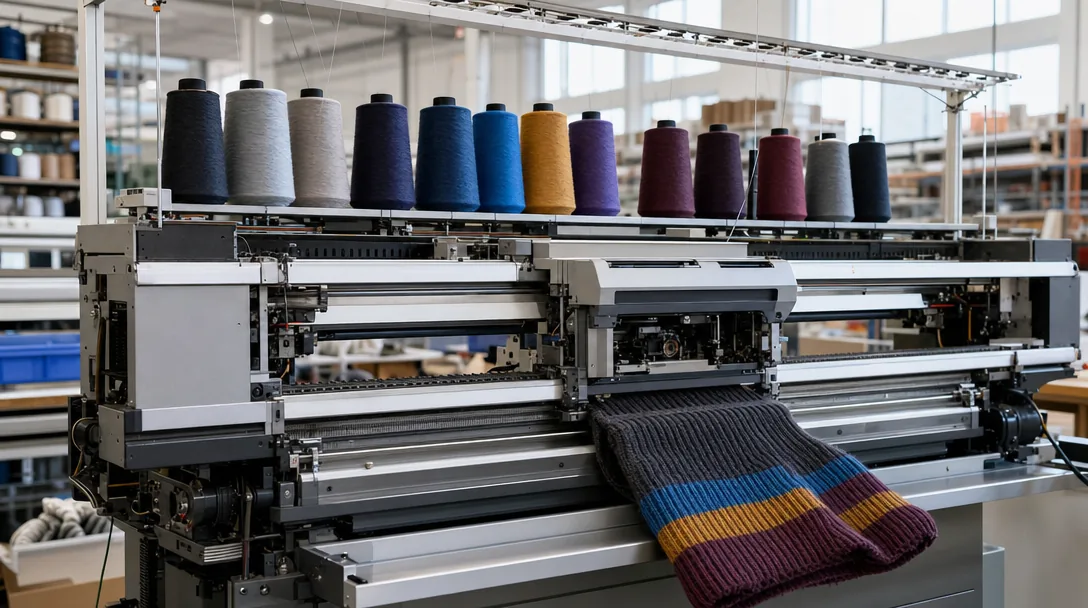
Acrylic Beanie: Properties, Costs and How to Spec It Right - Supplier Checklist is one of the most-asked questions we receive from international buyers, and for good reason. With dozens of factories competing for your order and an alphabet soup of technical terms in every supplier quote, even experienced importers can feel lost. This guide consolidates what we have learned producing custom hats for clients in 40+ countries.
Merino Wool Beanie
Do not buy a merino beanie on the words “100% merino” alone; that is not a production spec, it is a hangtag claim. Lock the fiber diameter, yarn count, blend ratio, gauge, finished weight, and post-wash measurements before the factory prices it. For a commercial cuff style, 19.5-21.5 micron merino is the practical range: soft enough for next-to-skin wear, but not so fine that yield loss and pilling claims eat the margin. Common yarns are 2/30Nm for a fuller winter hand and 2/48Nm for a cleaner, finer retail face, typically knitted on 7GG to 12GG depending on target weight. Fully fashioned construction with linked seams gives a rounder crown and less seam grin than cut-and-sew knit panels, but it usually adds $0.35-$0.80 per piece in labor. Decoration also needs more restraint than on an acrylic beanie. Dense embroidery can sink into the wool surface, telegraph backing, and torque the rib structure; a woven label, loop label, or thin silicone patch is usually the safer trim choice. Write performance tolerances into the spec sheet in numbers, not adjectives. A lightweight fashion merino beanie usually finishes at 75-90 grams; a winter cuff style is more often 95-125 grams depending on gauge, yarn count, and cuff depth. Dyed-yarn approval should be against Pantone TCX with Delta-E under 1.5 on lab dips and under 2.0 in bulk, which is a realistic target for competent mills. Set pilling and dimensional-stability standards before sampling: grade 3-4 minimum on Martindale or equivalent, and finished height and width within +/-1 cm after one approved wash cycle. Inspection is where weak suppliers get exposed fast, especially on barre from mixed yarn lots, needle lines, oil marks, crown seam grin, and wash shrinkage. Do not approve from a raw knit panel; ask for wash-tested TOP samples made from bulk yarn and inspect to AQL 2.5. FOB China pricing today is typically $3.80-$6.50 for a basic 100% merino rib beanie and $6.80-$11.00 for finer-gauge, fully fashioned programs, which is exactly why the acrylic beanie still dominates promotional volume: easier shade matching, lower MOQs, and a more forgiving FOB band around $1.20-$2.80.
Cotton Beanie
A cotton beanie needs a tighter spec than an acrylic beanie because cotton has weaker elastic recovery and less tolerance for sloppy knitting. The workable range is usually 100% combed cotton, 95/5 cotton-spandex, or a 60/40 cotton-acrylic blend, most often spun in Ne 21/1 to 32/1 and knitted on 12GG or 14GG machines. If you want pure cotton, compensate with structure: a firm 2x2 rib, narrower finished circumference, and a post-wash recovery target written into the tech pack. Without that, cuff flare, crown growth, and bagging show up fast, especially on lighter 100 to 140 gsm programs. Fully fashioned construction on Shima Seiki flat-bed machines holds shape better and gives a cleaner crown than cut-and-sew jersey tubes, which may save $0.05 to $0.12 per piece but add seam bulk and higher distortion after laundering. For infant or organic orders, vague “baby safe” language is useless; specify GOTS-certified yarn, azo-free dyestuffs, formaldehyde within buyer limits, and fabric pH in the normal compliance band of 4.0 to 7.5.
A good cotton beanie tech pack should read like an inspection checklist. Lock composition by percentage, yarn count, gauge, finished weight, body height, cuff height, relaxed and stretched circumference, and wash performance. On cotton, any shrinkage above 5% in length or width is claim territory, so I would require a wash test before bulk approval, not after shipment. Color should be tied to Pantone TCX with a realistic lab-dip tolerance of Delta-E 1.5 to 2.0, and trims need separate approval because woven labels, sewing thread, and patches drift sooner than the shell. Typical add-ons are straightforward: woven loop labels add about $0.08 to $0.18, flat embroidery $0.20 to $0.60 depending on stitch count, and knit-in jacquard logos can remove trim handling but need clean contrast and gauge planning from day one. In China, a basic cotton beanie usually lands around $1.20 to $2.80 ex-factory at 300 to 500 pieces per color, while GOTS programs are more often $2.20 to $4.20 once yarn premium, certification controls, and segregated packing are included.
Inspection should focus on failures the approval photo never shows: uneven rib tension, needle lines, spiraling seams, top-close puckering, cuff twist after wash, and shade variation between dye lots. Logo placement on cuff-fold styles is especially unforgiving; a 5 mm center-front drift is obvious at retail, particularly with embroidery or woven patches. Bulk goods should be checked to AQL 2.5, with measurements taken on at least 10 to 20 pieces per lot and wash testing used to confirm shrinkage, torque, and stretch recovery instead of relying on greige-yarn assumptions. If the order is for infants, add metal detection and contamination checks because cotton is more exposed to dark-speck contamination and foreign fiber than a standard acrylic beanie run. The sourcing decision is practical, not aesthetic: choose cotton for breathability, a natural-fiber story, and lighter shoulder-season wear; choose an acrylic beanie when you need stronger memory, lower winter cost, and easier dark-color consistency. Buyers get into trouble when they compare the two by look alone and ignore wash behavior, stretch loss, and claim risk.
Black Beanie Hat
A black acrylic beanie is easy to sample and easy to mess up in production because black exaggerates yarn and finishing defects. The critical variable is not the silhouette; it is the yarn specification and shade control. For a standard adult cuffed acrylic beanie, most factories in Zhejiang knit on 12-gauge or 14-gauge computerized flat or circular hat machines using 28/2 or 32/2 100% acrylic yarn, then crown-link, steam-set, trim, and decorate with a woven fold label, TPU patch, or 5,000- to 8,000-stitch logo run on Tajima or Barudan heads. Do not approve with “match sample.” Lock the black to an approved lab dip or Pantone TCX reference, set acceptable Delta-E at 1.0 to 1.2 under D65 lighting, and require crocking performance of at least grade 4 dry and 3-4 wet. Also state whether the yarn is virgin acrylic, regenerated acrylic, or an acrylic/polyester blend. That choice directly affects luster, pilling, rebound, and whether the cuff starts graying after two weeks of abrasion against jackets or backpack straps.
A usable tech pack for a black acrylic beanie should specify measurable construction, not just a photo and a target look. Call out finished weight of 65 to 90 g per piece for a basic cuffed adult style, body height 21 to 23 cm, cuff depth 7 to 8 cm, relaxed opening 20 to 22 cm, rib structure 1x1 or 2x2, crown closure method, and tolerance of +/-1 cm on key points. Ask for anti-pilling yarn grade, wash protocol, and stretch-recovery standard; if the factory cannot provide those, expect inconsistency in bulk. Our standard practice is to test recovery after 20 extension cycles and check torque or skew after wash and steam because black knitwear hides defects on the inspection table and exposes them immediately under 6000-6500 K retail lighting. On costing, FOB for a plain black acrylic beanie at 1,000 pcs is typically $1.10-$1.80 in Zhejiang, rising to $1.90-$2.70 with flat embroidery, interior branding labels, or a patch. Final inspection should run at AQL 2.5 with extra attention to dropped stitches, oil marks, crown seam grin, loose fiber tape test, carton assortment, and metal detection after decoration if the retailer requires it.
Slouchy Beanie
A slouchy silhouette is a spec problem, not a styling adjective. If the tech pack only says “slouchy,” most knitting rooms will sample something closer to a standard watch cap with insufficient back drop. For a commercial acrylic beanie that actually collapses behind the crown, I’d call out finished height at 28-30 cm, opening width 21-23 cm laid flat, and cuff height at 6-8 cm if cuffed; uncuffed versions need the full height because you lose visual length once the hat is worn. Weight is the second control point. A 65 g body in 2/30Nm acrylic will stand up and feel skimpy, while a 90-95 g body in 2/28Nm or 2/26Nm gives noticeably better drape and recovery after steam setting. Most factories build this style on 7GG, 9GG, or 12GG flat knitting machines, then close the crown with a 4-point or 6-point link; full-fashioned closing looks cleaner but usually needs higher MOQ or a higher unit cost to make sense. The spec sheet should lock four items together: gauge, yarn count, finished weight, and tolerance. If one is missing, the silhouette moves. On a slouchy acrylic beanie, ±1 cm on body height is acceptable, but once you drift past that, the cap starts wearing like a short fisherman fit instead of a relaxed drop-back shape. I’d also state whether the body is single jersey, 1x1 rib, or half cardigan, because stitch structure changes both bulk and hang even at the same weight. Our standard practice is to approve measurements after steam setting and 24-hour relaxation, not straight off the machine, because acrylic can shift materially during finishing.
Hand feel is where a sellable acrylic beanie separates from a cheap one. Buyers should specify whether they want regular spun acrylic, soft-touch acrylic, anti-pilling acrylic, or a brushed finish, because these are not interchangeable in cost or performance. Anti-pilling yarns usually hold up better in daily wear, especially on darker shades that show surface fuzz quickly, but they also cost more per kilo. Color control needs equal discipline: match to Pantone TCX by lab dip and set a realistic textile tolerance of Delta-E 1.5-2.0. Acrylic is sensitive during heat setting, so black, optic white, camel, and neon tones are where tone drift usually shows first. If the order has a mélange effect, confirm whether the supplier is using space-dyed yarn or blending fibers before spinning; the visual result and repeatability are different. Decoration on a slouch fit needs restraint because added stiffness kills the drape. A woven loop label, folded side label, or leatherette patch is low risk; dense front embroidery can flatten the knit face unless the panel is backed or the structure is tightened. In Zhejiang, MOQ is typically 300-500 pcs per color when using stock acrylic yarn, but custom-dyed yarn often starts around 1,000 pcs per color. Current FOB China pricing for a basic single-layer slouchy acrylic beanie is usually $1.10-$1.80, with jacquard logos, fleece lining, heavier rib structures, or premium trims pushing the range to roughly $2.20-$3.80. The checklist should also state composition tolerance, colorfastness target, needle detection requirement if applicable, cuff tacking method, and packing standard, because those details directly affect claim risk and landed cost.
Cotton Beanie Men
If you are evaluating a men’s cotton beanie against an acrylic beanie, start with yarn construction, not decoration. That choice decides stretch recovery, torque after wash, and whether the cuff still sits clean after ten wears. In production, most factories knit men’s cotton beanies on 7GG, 9GG, or 12GG flat or circular machines using 100% combed cotton, cotton-acrylic blends, or cotton with 3% to 5% spandex for memory. A 100% combed cotton beanie typically finishes around 180 to 220 gsm equivalent weight and feels less slick than a standard acrylic beanie, but it also bags out faster unless the rib structure is tightened or elastane is built in. A vague spec such as “cotton beanie men” is asking for substitutions, so the tech pack should lock yarn count, blend ratio, gauge, finished weight, cuff height, crown decrease, head opening, and wash method before sampling.
Color control and commercial planning are where most cotton beanie programs go off track. For yarn-dyed cotton, Pantone TCX should be the reference, with bulk color held within Delta-E 1.5 to 2.0 under D65 light; cotton takes dye less uniformly than solution-dyed acrylic, so lot-to-lot variation needs to be managed early with lab dips and a washed approval sample. Head opening tolerance should stay within +/-1.0 cm and cuff height within +/-0.5 cm, or fit drift becomes obvious in bulk. In China, a plain rib-knit cotton beanie usually needs a 300 to 500 piece MOQ per color per style; stripes, jacquards, and fully fashioned crowns often push that to 800 to 1,000 pieces because of yarn booking minimums and machine waste. A basic 100% cotton style with a woven label generally lands at about $1.60 to $2.40 FOB Ningbo or Shanghai at 500 to 1,000 units, while embroidery, PVC patches, or custom retail packaging move it closer to $2.20 to $3.20.
Inspection should focus on the failures cotton exposes faster than an acrylic beanie: spiraling after wash, uneven rib density, needle lines, seed contamination in pale shades, oil marks from the knitting bed, and embroidery puckering on soft single-layer crowns. Bulk inspection is best run at AQL 2.5 with extra attention on measurements, seam security, crocking, and torque after one home-laundry cycle. If the hand feel is part of the sell, specify the finish precisely—enzyme wash, silicone softener, anti-pilling treatment—and require approval on the washed sample, not just the unwashed counter sample. For baby-adjacent or sensitive-skin programs, add third-party testing for azo dyes and formaldehyde, and put compliance requirements directly into the PO; a supplier may have sedex-audit-cap-supplier-guide.html">BSCI 2.0 or Sedex SMETA 4-Pillar audit status, but that does not control the goods unless the testing and acceptance standard are written into the order.
100 Acrylic Beanie
A 100% acrylic beanie is decided by yarn engineering, not by whatever the hangtag says. On the factory floor, the first thing I check is whether the mill used spun acrylic or BCF acrylic, because both get sold as “soft hand” and they do not wear the same. Spun acrylic, commonly in 28/2 or 32/2 counts, usually gives a wool-like hand, cleaner retail surface, and better visual depth on rib structures; BCF tends to feel slicker and can show pilling faster if the twist and finish are weak. For a standard acrylic beanie, most programs run on 7-gauge or 12-gauge flat knitting depending on whether the customer wants a chunky fisherman rib or a tighter jersey and jacquard face. Lock the spec around yarn count, machine gauge, stitch construction, finished weight, body height, flat width, cuff depth, and stretch recovery after repeated extension to 130% of original width. If the beanie must match apparel or licensed colors, approve against Pantone TCX with a physical lab dip under D65 lighting and hold Delta-E to 1.5 or tighter. Also call out whether logos are knitted-in jacquard, intarsia, or post-embroidered, because that directly changes distortion risk, MOQ, and lead time.
A supplier checklist for an acrylic beanie should leave no room for operator guesswork. A practical adult size is 21-23 cm body height and 19-21 cm width laid flat, with cuff depth specified separately and dimensional tolerance held to ±1 cm after boarding. Construction matters more than many buyers think: a single-layer style usually lands around 65-90 g, while a double-layer acrylic beanie is more often 90-120 g; that piece weight is the fastest way to catch under-knitting or yarn substitution during inline inspection. MOQ is typically 300-500 pcs per color if the supplier uses stock shades, but custom-dyed acrylic, marl yarns, or heather effects usually push workable minimums to 800-1,000 pcs because dye-lot control, yarn loss, and shade approval start driving cost. Real FOB China pricing at 1,000 pcs is usually $1.10-$1.90 for a basic beanie with a woven label; add jacquard graphics, pom-pom assembly, fleece lining, hangtagging, barcode stickers, or individual polybags and the range moves closer to $2.20-$3.40. My standard QC point is AQL 2.5, with piece weight tolerance within ±5%, shade checked in a D65 lightbox, and crown linking, barre, jacquard floats, yarn-oil odor, and lot-to-lot color variation all reviewed side by side before carton seal.
Working with CrownsForge for acrylic beanie programs
Most acrylic beanie programs go wrong in sampling, not production capacity. Once gauge, knit structure, fold height, crown profile, pom spec, and artwork placement are locked, the timeline is straightforward: 3-5 working days for yarn lab dip approval, then 5-7 days for a prototype if trims are already in house. For custom-dyed acrylic, matching a Pantone TCX target within Delta-E 1.0-1.5 is realistic, but only when approval is made under D65 lighting or a standard light box; approving from phone photos is how buyers end up disputing bulk color. The sample package should state flat measurements, finished weight, cuff height, stitch count, knit construction, and decoration position in millimeters. That paperwork matters because most claims trace back to specs that were assumed verbally and never written into the tech pack. MOQ also needs to follow construction. A basic 1x1 rib acrylic beanie can usually start around 144-300 pieces per color, while jacquard, intarsia, or engineered stripe styles are more often 300-500 because of yarn setup loss, color change waste, and lower knitting efficiency.
Decoration is where an acrylic beanie becomes less forgiving than buyers expect. Acrylic yarn softens under heat faster than cotton, and a thick folded cuff will deform quickly if the embroidery file is digitized like a flat 3 mm twill cap panel. On Tajima or Barudan machines, dense fills usually need to open to about 0.35-0.40 mm stitch density, with lighter underlay to avoid tunneling, flagging, and surface rippling on the cuff. Woven labels, TPU patches, silicone badges, felt appliqué, and inside heat-transfer labels are all viable, but each needs wash and steam testing for edge lift, hand feel, and shrink response after packing pressure. Our standard practice is to gate the order through tech pack review, yarn booking, PPS approval, inline inspection, finishing audit, and final inspection to AQL 2.5 before carton sealing. Serious programs also ask for BSCI 2.0 or Sedex SMETA 4-Pillar reports, azo and formaldehyde compliance, needle-control logs, and CPSIA documentation for children’s styles. After approvals, bulk lead time is usually 18-28 days; if repeat color matters, reserve the same dye lot against a forecast instead of buying each PO in isolation.
Frequently Asked Questions
How long does production take?
Sampling takes 7 to 12 days. Bulk production runs 20 to 30 days depending on quantity, fabric availability and decoration complexity. Inspection and packing adds another 3 to 5 days before shipment.
Can I order a sample before bulk production?
Yes. We strongly recommend approving a pre-production sample before mass production. Samples are charged at 35 to 60 USD each plus express shipping, fully refundable against confirmed bulk orders over 500 pieces.
What file format should I send for my logo?
Vector files (AI, EPS, PDF) are ideal. High-resolution PNG or JPG at 300 dpi on transparent background works as a fallback. Provide Pantone color references for accurate reproduction.
Do you support sustainability certifications?
Yes. We work with GOTS organic cotton, GRS-certified recycled polyester, OEKO-TEX Standard 100 fabrics, and are BSCI and Sedex audited. Certification documentation can be provided per order.
What logo decoration techniques do you offer?
3D puff embroidery, flat embroidery, woven patch, leather patch, PVC patch, screen printing, sublimation, applique and laser etching, all in-house with no subcontracting.
What should buyers know about bucket hat men?
When evaluating bucket hat men, the key considerations are construction quality, decoration capability, MOQ flexibility and lead time. Cover everything buyers ask about black beanie hat: how it's manufactured, what specs to request from a factory, typical MOQ and pricing, common quality issues to inspect for, and how this ties back to the broader acrylic beanie sourcing decision. Cover everything buyers ask about cotton beanie men: how it's manufactured, what specs to request from a factory, typical MOQ…
What should buyers know about nike bucket hats for men?
When evaluating nike bucket hats for men, the key considerations are construction quality, decoration capability, MOQ flexibility and lead time. Cover everything buyers ask about cotton beanie men: how it's manufactured, what specs to request from a factory, typical MOQ and pricing, common quality issues to inspect for, and how this ties back to the broader acrylic beanie sourcing decision. Cover everything buyers ask about merino wool beanie: how it's manufactured, what specs to request from a factory, typical MOQ…
What should buyers know about organic cotton hat?
When evaluating organic cotton hat, the key considerations are construction quality, decoration capability, MOQ flexibility and lead time. Cover everything buyers ask about cotton beanie: how it's manufactured, what specs to request from a factory, typical MOQ and pricing, common quality issues to inspect for, and how this ties back to the broader acrylic beanie sourcing decision. Cover everything buyers ask about black beanie hat: how it's manufactured, what specs to request from a factory, typical MOQ and…
What should buyers know about cotton beanie men?
When evaluating cotton beanie men, the key considerations are construction quality, decoration capability, MOQ flexibility and lead time. Cover everything buyers ask about cotton beanie men: how it's manufactured, what specs to request from a factory, typical MOQ and pricing, common quality issues to inspect for, and how this ties back to the broader acrylic beanie sourcing decision. Cover everything buyers ask about cotton beanie: how it's manufactured, what specs to request from a factory, typical MOQ and…
Is acrylic a good material for a beanie?
Durability That Lasts: A quality acrylic beanie can last for years with regular wear. The synthetic fibers resist pilling better than many natural materials, and they don't lose their shape over time. I have acrylic beanies that I've worn for five winters straight, and they still look and feel great.
Is cotton or acrylic better for hats?
Both cotton and acrylic beanies have special properties that do not irritate your skin. However, some consumers are allergic to natural fibres like cotton. So, they can rely on acrylic headwear. Cotton made of fine and curly fibres is very lightweight.
Do 100% acrylic beanies shrink?
100% acrylic beanies: Not reliably shrinkable. You might tighten the knit a little, but high heat can permanently damage the hat.
Is acrylic a good fabric for hats?
Acrylic closely resembles wool in appearance and properties. The fabric is soft, skin-friendly, breathable, virtually wrinkle-free, and provides warmth. Additionally, it is highly resistant to light, making it suitable for various items, including headwear.
Is a 100% acrylic hat good?
Acrylic is intended to mimic woollen fibres. So, you may feel that it will be itchy for you. However, advanced processing technologies have made acrylics less itchy, softer, and smoother than wool. Another important thing is that acrylic is flammable.
Looking for a reliable hat manufacturer in China?
CrownsForge has produced custom hats for 800+ brands across 40 countries. From 100-piece launches to 100,000-piece retail programs, we deliver on time and on spec.
Get in touchRelated guides
Bulk Trucker Hats Reorder Planning Guide for Custom Hat Buyers
Read article →
Custom Hats for Men: A 2026 B2B Sourcing Guide - Cost & MOQ Breakdown
Read article →
Kids' & Children's Cap Manufacturing: CPSIA Compliance and Sizing - 2026 Buyer's Guide
Read article →Sourcing custom hats does not have to be complicated. With the right manufacturing partner, clear specifications and a small upfront investment in sampling, you can launch a retail-quality product in 30 to 45 days.