
Kids' & Children's Cap Manufacturing: CPSIA Compliance and Sizing - 2026 Buyer's Guide
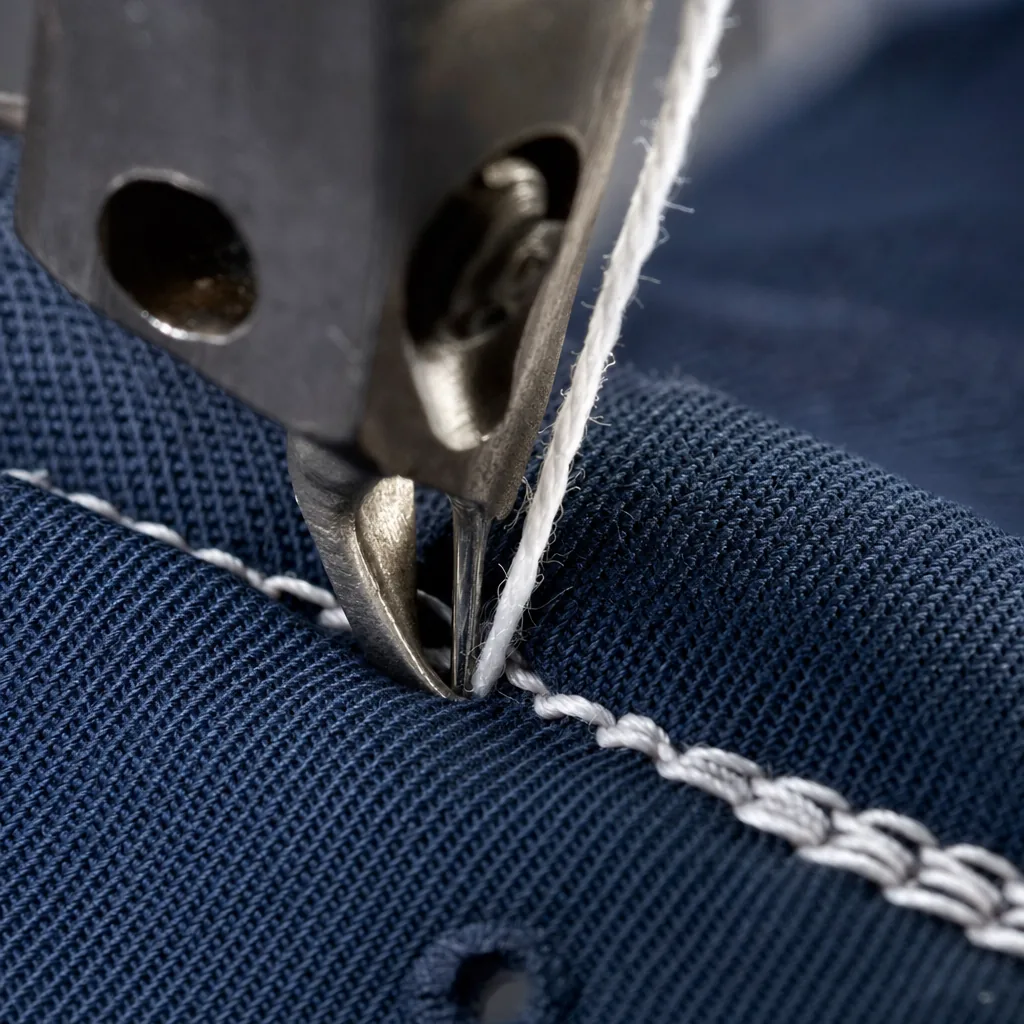
Every week, our sales team answers detailed questions about kids' & children's cap manufacturing: cpsia compliance and sizing - 2026 buyer's guide. We wrote this guide so that wholesalers, streetwear brands, corporate buyers and promotional resellers can compare options with full information, and avoid the traps that show up only after production has started.
Sizing tiers for kids' headwear
Sizing mistakes kill a children’s cap program faster than bad embroidery because kids’ headwear does not tolerate lazy grading. The commercial tiers we use most often are infant at 38–44 cm head circumference, toddler at 46–50 cm, kids at 52–56 cm, and youth at 54–58 cm, with intentional overlap because CDC, EU, and East Asian growth curves do not line up neatly. A 10-year-old in California and a 10-year-old in Tokyo can sit in the same nominal age band but need different crown depth and rear opening allowance. Any competent kids custom cap manufacturer should rebuild the pattern by tier instead of shrinking an adult 58 cm block; the crown height, visor radius, sweatband stretch, and back-strap geometry all change materially. On the sewing floor, 6–8 mm less crown depth or 10–12 mm more closure allowance is often the difference between a cap that clears retail fit tests and one that comes back with pressure-mark complaints. The tooling cost is real, because each tier usually needs its own crown block and visor mold. Infant caps normally run a 4.5–5.5 cm visor with softer front structure, reduced buckram, or 2–3 mm EVA foam so the silhouette stays proportional and the cap does not pitch forward. Toddler styles usually move to a 5.5–6.0 cm visor, while kids run about 6.5–7.0 cm and youth around 7.0–7.2 cm, even though the youth crown is still shallower than adult stock. Small crowns also sew differently: on 210–260 gsm brushed cotton twill or 75D–150D microfiber polyester, top-button pressure, seam turn, and embroidery underlay have to be tuned carefully or the panel will distort after stitching on Tajima or Barudan heads. That is why good factories separate toddler and youth fit approval instead of trying to push one “adjustable” shell across every age bracket.
Fit spec and compliance should be locked together, especially for infant and toddler programs where CPSIA exposure is highest. A cap that passes artwork approval can still fail if it includes accessible metal burrs, detachable PVC badges, decorative studs, or snapback parts that create a small-parts hazard under ASTM F963 screening logic. For younger tiers, I would also reject functional cords, oversized silicone patches, and low-grade plated trim that can flake under abuse testing. In practice, the safest route is soft hook-and-loop, fabric tuck straps, or elasticized back constructions, then verifying all components against CPSIA substrate limits for lead and phthalates before bulk. Measurement discipline matters just as much as material compliance. Finished circumference should be checked at the sweatband under a consistent 0.5 kg tension load, with tolerance held at ±0.5 cm for infant and toddler and ±0.7 cm for kids and youth; anything looser starts generating fit claims quickly, especially in e-commerce. I also recommend pre-production wear trials on at least two live fit references per tier, not just mannequin blocks, because forehead shape and ear position expose problems that tape measurements miss. Final inspection should run at AQL 2.5 and include circumference, visor length, crown depth, closure repeatability over 20 open-close cycles, and color consistency to approved Pantone TCX standards, rather than appearance alone.
CPSIA lead and phthalate testing — when required
The compliance trigger is age grading, not pattern shape. If a cap is marketed, labeled, or sold for children 12 and under, treat it as a children’s product from the first BOM review, even if the crown, visor, and closure are identical to an adult style. For a kids custom cap manufacturer, the risk usually starts in paperwork before it starts on the sewing line: PO description, hangtag, carton marks, Amazon bullets, and retailer spec sheets must all say the same thing. If one document says “youth” or “ages 4-7,” U.S. regulators will not care that the factory internally called it a small adult fit. Once it is a children’s product, the hard limits apply: 100 ppm total lead in accessible substrate materials and 90 ppm lead in paints or other surface coatings under CPSIA and 16 CFR 1303.
On caps, lead failures rarely come from 10 oz cotton twill, brushed chino, or polyester microfiber itself. They come from trims and decorative processes buyers approve without enough material detail: painted metal buckles, zinc-alloy snaps, electroplated eyelets, glitter heat-transfer films, screen-printed sweatband labels, brim-board inks, and low-cost rhinestone studs. Phthalate testing matters when there are accessible plasticized components, and that is more common than many importers assume. The practical red flags are PVC patches, soft rubber logos, clear vinyl windows, plastisol prints, coated zipper pulls on earflap styles, and synthetic trims where the supplier cannot identify whether the resin is PVC, TPU, TPR, or PU. The federal threshold is 0.1 percent, or 1,000 ppm, per regulated phthalate, and most labs now screen at least DEHP, DBP, BBP, DINP, DIBP, and DnOP or an expanded retailer list.
The disciplined method is component-level pretesting before bulk production, then finished-goods confirmation only when the style combines several high-risk materials or the retailer protocol requires final-product reports. A supplier declaration alone is weak protection; one resin substitution on a navy PVC badge to save $0.03 per cap can invalidate older test data. In practice, CPSC-accepted labs such as SGS, Intertek, and Bureau Veritas in China typically quote around $60-$120 per material for lead and $80-$150 per material for phthalates, with standard lead times of 3-5 working days and rush surcharges for 48-hour service. A youth cap with a metal buckle, TPU badge, plastisol side print, and printed underbrim can easily need $350-$700 of testing if there are no valid reports for the exact supplier, color, and lot. Our standard practice is to link every report to the BOM revision, trim vendor, and purchase lot because the U.S. importer still needs the Children’s Product Certificate, tracking label, and records that tie each shipment back to the tested components.
Small-parts inspection: what passes, what fails
For caps labeled 0–24 months, small-parts compliance is binary: if a liberated component fits fully inside the 31.7 mm small-parts cylinder specified in 16 CFR 1501, the style fails. That knocks out most metal logo plaques, riveted badges, snap charms, bead clusters, loose sequins, and many decorative top buttons, even when the base cap fabric passes every physical test. The factory-floor problem is usually trim retention, not the 220–260 gsm brushed cotton twill or 180–200 gsm jersey lining. A badge that survives incoming inspection can still release after laundering, seam flexing, or torque at the retail shelf. For this age grade, the lowest-risk build is soft decoration only: direct embroidery on Tajima, Barudan, or ZSK heads; water-based or plastisol print with post-cure adhesion checked after wash; or appliqué sewn 360 degrees with a lockstitch at 8–10 SPI using continuous stitching, not spot tacks. Any competent kids custom cap manufacturer should review every attachment as a bite-twist-pull hazard first and a branding element second.
Closures are the next failure cluster. Plastic snapbacks are poor practice for infant and toddler programs because broken pegs, ladder teeth, and fractured tabs can become small parts even when the full closure looked acceptable at IQC. For under-3 styles, safer constructions are self-fabric tuck straps, fully enclosed sewn elastic backs, or low-profile hook-and-loop with rounded corners, minimum 20 mm overlap, and a box-X seam in 20/3 polyester thread. We normally reject nonfunctional top buttons outright on this age grade, prohibit hangtags fixed with plastic barbs inside packed units, and ban loose removable size stickers under the sweatband because they migrate, curl, and get picked off. Visual AQL 2.5 is not enough here. Small-parts risk is treated as a critical defect: one detachable component can justify holding a carton or rejecting the lot. The right control is a pre-production trim matrix listing every component by supplier, resin or alloy type, attachment method, wash exposure, and intended age grade before bulk starts.
EU REACH and toy safety standards for kids' caps
For EU shipments, the first technical decision is classification: most children’s caps are apparel articles under REACH, not toys, so chemical compliance usually matters more than toy protocol. The failure points are rarely the cotton twill itself; they are soft PVC patches, plastisol prints, silicone badges, PU brims, foam sweatbands, hook-and-loop, elastic, and plated metal trims with prolonged skin contact. A disciplined kids custom cap manufacturer controls REACH at component level before bulk cutting by locking each material to a supplier lot and screening against Annex XVII restrictions. In real factory terms, that means checking phthalates in PVC trims, lead and cadmium in eyelets and buckles, azo amines in dark dyed fabrics, and formaldehyde in stiffened front panels, printed buckram, and some low-cost sweatband finishes. “REACH compliant” on a quotation sheet means nothing unless it is backed by recent ISO 17025 test reports that identify the exact component, test method, result, and lot number. Mixed-source trims are where clean programs go bad. A shell fabric can pass, then a substituted snap, glitter heat transfer, or rubber pull tab blows the style out of spec after sewing is already finished. On the factory floor, the safest control is a locked BOM down to fabric weight, fiber content, thread denier, foam chemistry, base metal, plating type, and ink system. Our standard practice is to freeze trims after PP sample approval and retest any substitution, even if the new part looks identical. Third-party REACH testing typically lands around USD 250 to 600 per style for a straightforward cap, but reflective films, multiple decoration techniques, or several PVC and silicone components can push the cost higher. That is still cheap compared with an EU customs hold, retailer chargeback, or destruction order on a shipment that failed because one trim was changed without retesting.
EN 71 becomes the main framework only when the cap has an actual play function or detachable novelty features. A standard baseball cap with flat embroidery or a woven patch is still generally treated as apparel, but the risk profile changes fast once you add snap-on ears, spinner details, squeakers, pom-poms, horns, or other handled parts. At that point labs may apply EN 71-1 for mechanical and physical hazards, EN 71-2 for flammability, and EN 71-3 for migration of certain elements. The weak points are predictable: small-part hazards, low pull strength, shallow bartacks, glued decorations, and decorative rivets that loosen after washing or repeated handling. A cap that passes CPSIA chemistry for the U.S. can still fail in the EU if the design creates an EN 71 small-parts or attachment-strength issue. The fix is engineering, not paperwork. Soft 3D parts should be caught inside structural seams with adequate seam allowance and dense stitching, not top-applied to finished panels with glue and two loose bartacks. If removability is part of the design, expect more lab work, tighter tolerances, and less margin for production drift. Documentation also has to be style-specific: full BOM, trim photos, fiber composition, Pantone TCX references for dyed components, and matching ISO 17025 reports tied to the approved bulk lot. For black, navy, and red shades, I always want restricted azo screening because those color families create the most chemistry questions in brushed cotton, rPET, and nylon blends. Retained swatches, sealed golden samples, and bulk-lot traceability matter just as much; when a retailer challenges a Delta-E shift, substituted trim, or retest result, those records are what separate a factual discussion from a costly dispute.
Decoration techniques safe for kids' caps
Flat embroidery is still the safest default for children’s caps because it does not introduce a brittle surface film, loose trim, or glue-dependent attachment. On the production floor, youth logos usually run best on Tajima or Barudan multi-head machines using 120D or 150D polyester thread with an OEKO-TEX or equivalent restricted-substance declaration, then the reverse should be covered with soft tricot or brushed knit for toddler and under-6 programs. That inside finish is not cosmetic. Exposed bobbin thread, sharp jump-stitch tails, or coarse cutaway backing will irritate the forehead long before a cap ever fails a CPSIA lab test. Any serious kids custom cap manufacturer should evaluate decoration for both chemical compliance and wear comfort, especially for school uniform, camp, and licensed youth-team orders. For under-3 caps, I would exclude 3D foam embroidery, metallic thread, sequins, rhinestones, and glue-fixed ornaments outright because chew behavior, laundering, and compression can turn minor trim choices into small-parts or edge-risk issues.
Embroidery is also the easiest decoration to control across repeat orders if the factory manages thread lots properly. We normally approve shades against Pantone TCX under D65 lighting and reject visible thread variation once Delta-E drifts beyond the approved standard, because kids’ programs often reorder in small batches and color inconsistency shows immediately on front logos. A flat logo in the 5,000 to 7,000 stitch range usually adds about $0.18 to $0.45 per cap ex-factory in China, depending on stitch density, head efficiency, and whether an interior cover patch is needed. That cost is usually lower than reworking failed decoration after sewing.
PVC and heat-transfer graphics are not automatically disqualified for children’s caps, but they need far tighter controls than many buyers assume. If a raised rubber-look badge is required, molded TPR or a stitched embroidered twill badge is usually safer than soft PVC, because phthalate compliance has to be verified on the finished compound, not waved through on a supplier statement. Attachment matters as much as chemistry: a stitched-edge patch with a 2.5 to 3.0 mm sew margin is more reliable than glue-only bonding after carton pressure, 50-60°C container heat, and repeated flex on a curved crown panel. For heat transfers, I would only approve water-based or certified low-migration systems with full documentation for the film, adhesive powder, ink, and topcoat. On polyester shells in the 120 to 180 gsm range, sublimation is cleaner because the dye bonds into the fiber instead of forming a peelable layer. In practice, embroidery and sublimation create the fewest CPSIA disputes and the lowest AQL 2.5 rejection rates on U.S.-bound kids’ caps.
What a kids'-cap buyer's compliance pack contains
A usable compliance pack starts with style-specific CPSIA documentation, not a recycled certificate that says “children’s product compliant.” When I vet a kids custom cap manufacturer, I expect a current report from a CPSC-accepted lab such as SGS, Intertek, or Bureau Veritas that matches the exact bill of materials: shell fabric, sweatband, closure, patch, ink, backing, and every trim by internal item code and colorway. For U.S. children’s headwear, that normally means total lead in accessible substrates under CPSIA Section 101, lead in coatings under 16 CFR 1303, and phthalates under CPSIA Section 108 whenever the cap uses PVC or soft plastic components such as snapback straps, heat-transfer films, rubber labels, or molded badges. If the style has metal eyelets, a silicone patch, or a plastic buckle, those parts need to appear in the report with sample photos and material descriptions; otherwise most retailer compliance teams will reject it as non-representative. The pack also needs the paper trail behind the lab result. Labs test submitted samples, but importers still need supplier declarations for inks, coatings, hook-and-loop tape, closure hardware, and any decorative attachment that could change lot to lot. For infant and toddler caps, I also want a small-parts risk review against 16 CFR Part 1501 and attachment-strength records for top buttons, snaps, sewn badges, pom details, and labels, preferably logged in N or kgf at pre-production and again at final inspection. A serious file goes one step further and ties compliance to the finished cap: approved legal labels for fiber content, country of origin, care, and CPSIA tracking data; fabric specifications such as 180-260 gsm cotton twill or poly-cotton; Pantone TCX color approval; and bulk shade tolerance controlled around Delta-E 1.0-1.5 so the tested sample actually reflects shipped production.
The final layer is factory identity and shipment traceability, because a clean test report is meaningless if it does not tie back to the plant making the caps. Ask for the latest sedex-audit-cap-supplier-guide.html">BSCI 2.0 or Sedex SMETA 4-Pillar audit for the exact production site, not a trading office or sister factory, with the site address, audit date, and corrective-action status visible. I also check the business license, carton-mark address, and the named U.S. importer of record when a vendor quotes DDP, since that is where weak suppliers often bluff. At CrownsForge, our standard practice is to align the audit address, packing list address, and production records before bulk cutting; if those three do not match, the compliance pack is already shaky. CPSIA tracking-label compliance is where inexperienced factories usually get exposed. For children’s products, the cap itself needs permanent traceability to the manufacturer or private labeler plus production date and batch detail, not just a removable hangtag. In practice, that means a sewn-in label or durable heat-transfer mark showing maker name, month and year of production, and a PO, lot, or run code that can be traced back to cutting, sewing, and finishing records. If the supplier cannot connect that code to inspection reports, needle-control logs, and shipment cartons, the pack is incomplete. I would also expect final QC evidence tied to the same lot—typically AQL 2.5 visual inspection results, metal-detection or broken-needle control where required by the customer, and photos of approved packing—because retailer compliance failures often start with a documentation gap long before the product itself fails.
Frequently Asked Questions
What is the minimum order quantity (MOQ) for custom hats?
Our standard MOQ is 100 pieces per design and color, with sampling available from 1 piece. For complex multi-color logos or premium fabric upgrades, the MOQ can be lowered with a small per-piece surcharge.
Do you support sustainability certifications?
Yes. We work with GOTS organic cotton, GRS-certified recycled polyester, OEKO-TEX Standard 100 fabrics, and are BSCI and Sedex audited. Certification documentation can be provided per order.
How long does production take?
Sampling takes 7 to 12 days. Bulk production runs 20 to 30 days depending on quantity, fabric availability and decoration complexity. Inspection and packing adds another 3 to 5 days before shipment.
What logo decoration techniques do you offer?
3D puff embroidery, flat embroidery, woven patch, leather patch, PVC patch, screen printing, sublimation, applique and laser etching, all in-house with no subcontracting.
Can I order a sample before bulk production?
Yes. We strongly recommend approving a pre-production sample before mass production. Samples are charged at 35 to 60 USD each plus express shipping, fully refundable against confirmed bulk orders over 500 pieces.
What's the MOQ for custom embroidered baseball caps no minimum?
When evaluating custom embroidered baseball caps no minimum, the key considerations are construction quality, decoration capability, MOQ flexibility and lead time. Anything that can fit through a 31.7 mm small-parts cylinder fails for kids under 3. That means: no decorative beads, no detachable patches, no plastic snap closures on infant caps. Use Velcro or fabric strap. EU treats kids' apparel under REACH; toys (with structural play function) under EN 71. Embroidered logos, sewn-on patches, fabric straps — all REACH. Hats with…
How does ordering high quality custom baseball caps work?
When evaluating high quality custom baseball caps, the key considerations are construction quality, decoration capability, MOQ flexibility and lead time. Anything that can fit through a 31.7 mm small-parts cylinder fails for kids under 3. That means: no decorative beads, no detachable patches, no plastic snap closures on infant caps. Use Velcro or fabric strap. Infant (0-12 months, 38-44 cm), toddler (1-3 years, 46-50 cm), kids (4-12 years, 52-56 cm), youth (12-16 years, 54-58 cm). Manufacturing tooling differs at each tier.
How does ordering baseball cap with custom logo work?
When evaluating baseball cap with custom logo, the key considerations are construction quality, decoration capability, MOQ flexibility and lead time. CPSIA test report (current, under 12 months old), small-parts inspection certificate, fabric content label confirmation, BSCI/Sedex social audit, tracking-label compliance (CPSIA requires manufacturer + production date on the cap). Infant (0-12 months, 38-44 cm), toddler (1-3 years, 46-50 cm), kids (4-12 years, 52-56 cm), youth (12-16 years, 54-58 cm). Manufacturing tooling…
What's the MOQ for custom hat embroidery no minimum?
When evaluating custom hat embroidery no minimum, the key considerations are construction quality, decoration capability, MOQ flexibility and lead time. Flat embroidery is universally safe. PVC patches must be phthalate-tested. Heat-transfer print must use water-based ink (not solvent-based) for the under-3 segment. Sublimation is fine. Infant (0-12 months, 38-44 cm), toddler (1-3 years, 46-50 cm), kids (4-12 years, 52-56 cm), youth (12-16 years, 54-58 cm). Manufacturing tooling differs at each tier.
Ready to start your custom hat project?
Send us your tech-pack, sketch or even just an inspiration photo. We will respond with a detailed quotation and digital mock-up within 24 hours.
Request a free quoteRelated guides
Refreshing a Hat Collection: A Repeat-Order Playbook for Established Brands
Read article →
Ball Caps for Women: A 2026 Sourcing Playbook for International Buyers - 2026 Buyer's Guide
Read article →
Festival Bucket Hats Reorder Planning Guide for Custom Hat Buyers
Read article →We hope this guide demystifies kids' & children's cap manufacturing: cpsia compliance and sizing - 2026 buyer's guide and helps you move forward with confidence. If you have questions specific to your project, our English-speaking sales engineers are one message away.