
Acrylic Beanie: Properties, Costs and How to Spec It Right - 2026 Buyer's Guide
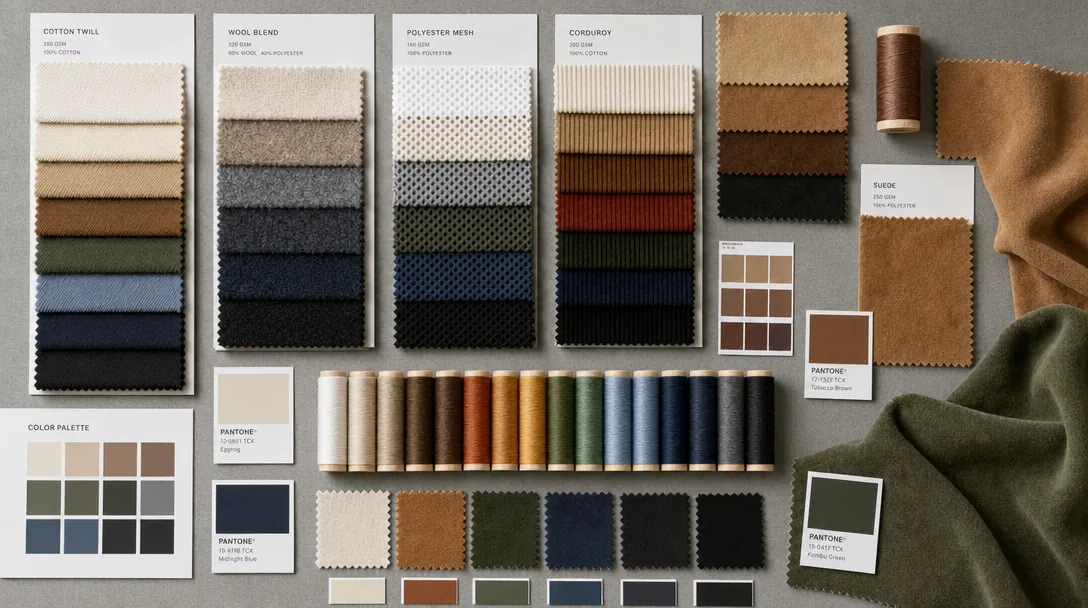
Acrylic Beanie: Properties, Costs and How to Spec It Right - 2026 Buyer's Guide is one of the most-asked questions we receive from international buyers, and for good reason. With dozens of factories competing for your order and an alphabet soup of technical terms in every supplier quote, even experienced importers can feel lost. This guide consolidates what we have learned producing custom hats for clients in 40+ countries.
Merino Wool Beanie
Merino wool beanies live or die on yarn specification, not on the word “merino” printed on a PO. If micron, count, blend, and machine gauge are not fixed, two suppliers can ship visibly different hats under the same description. In commercial programs, the workable range is usually 19.5-21.5 micron merino in Nm 2/30 to 2/48, knitted on 12-gauge or 14-gauge flat machines for a tighter face and better stitch definition. Against an acrylic beanie, merino has better moisture buffering, lower clamminess, and more stable thermal comfort across temperature swings, but it is also more sensitive to washing, steaming, and lot-to-lot yarn variation. That is why many repeat orders land on blends instead of 100% wool. The most production-stable options are typically 70/30 merino-acrylic or 80/20 merino-nylon. Those blends improve abrasion resistance, limit bagging at the cuff, and recover rib structure better after 3-5 home-laundry cycles. They also reduce the cost volatility that hits pure wool every season. Compared with cotton or acrylic, merino needs tighter finishing control after dyeing and boarding; if relaxation and shrinkage are not locked at that stage, body height can move by more than 1.5 cm in bulk, and cuff depth drifts enough to create carton-to-carton inconsistency. On the factory floor, that is the difference between a clean size run and a claim.
A usable merino beanie spec sheet should control the variables that actually shift bulk output: fiber-content tolerance, yarn count, gauge, finished weight, measurements before stretch, crown construction, and color standard. A realistic spec for volume production is 80% merino / 20% nylon, Nm 2/36, 12-gauge, adult one-size, 21-23 cm lay-flat width, 20-22 cm body height, and color signed off to Pantone TCX with bulk Delta-E held below 1.5 against the approved lab dip. Add pilling performance of minimum grade 3.5 after 5,000 rubs, shrinkage within +/-5%, and explicit instruction for linked or fully fashioned crown closure, because crown bulk changes fit and silhouette more than many buyers realize. Cost and MOQ move fast once yarn is no longer stock-supported. In Zhejiang, 300-500 pieces per colorway is realistic for stock shades, while custom melange, heather development, or spinner-dyed matching can push the minimum above 1,000 pieces. Current market levels are roughly $3.20-$5.80 FOB for a commercial merino blend and $6.50-$9.50 for fine 100% merino with cleaner linking, higher gsm equivalent weight, and audited production under sedex-audit-cap-supplier-guide.html">BSCI 2.0 or Sedex SMETA 4-Pillar. For inspection, AQL 2.5 is the right baseline, but the checkpoints that matter are barre, needle lines, contamination, crown symmetry, cuff recovery after stretch, wet-test odor, and fiber-content verification when the retail claim creates legal exposure.
Cotton Beanie
A cotton beanie is usually a cut-and-sew program, not a fully fashioned knit like a standard acrylic beanie, and that changes the risk profile immediately. You are sourcing fabric first, then managing cutting, sewing, and wash stability, so seam variation and shrinkage matter more than yarn count alone. Most workable programs use combed cotton jersey or 1x1 rib at 180 to 320 gsm, with better recovery coming from 95/5 cotton-elastane or 98/2 cotton-spandex blends. Pure 100% cotton can feel cleaner on the head, but after a few wash-and-wear cycles it tends to relax at the opening and crown, especially on lighter 180 to 220 gsm jerseys. Mills should relax rolls for 12 to 24 hours before spreading; if they skip that step, torque, spirality, and post-wash distortion show up fast in bulk. The first question on the tech pack should be whether the body fabric is tubular or open-width. Tubular knit eliminates one side seam and gives a cleaner hand, but it limits width options and size grading; open-width gives more flexibility on fit specs, but sewing variation is usually higher because panel matching and seam alignment become operator-dependent. Compared with an acrylic beanie, cotton is normally chosen for lower static, softer skin contact, and trans-season wear, not for maximum loft or thermal retention. If the end use is fashion retail or light outdoor promo, cotton makes sense; if the buyer expects shape memory and winter insulation, acrylic still performs better gram for gram.
Cotton beanie specs need tighter controls than many buyers assume, because fabric instability shows up later than yarn defects on an acrylic beanie. Lock composition tolerance, finished weight at plus or minus 5%, finished height, cuff depth, opening circumference, seam construction, stitch density, and wash standard in the PO. I would cap dimensional change at under 5% after a 30°C domestic wash and state it explicitly, not leave “pre-shrunk” as a vague claim. For color-critical orders, approve lab dips against Pantone TCX and set a Delta-E tolerance no looser than 1.0 to 1.5, especially on reactive-dyed black, navy, and bottle green, where lot drift is common. Measurement tolerance should be realistic but firm: plus or minus 0.5 cm on key points is normal; anything looser starts to show badly at retail. Branding method also needs to be decided early. Direct embroidery on 180 to 220 gsm cotton jersey can pucker, tunnel, or show backing read-through unless underlay, thread tension, and cutaway stabilizer are adjusted correctly on Tajima or Barudan heads; denser rib fabrics tolerate embroidery better but can distort around satin columns if digitizing is careless. Common bulk defects are seam grin, skewed panels, needle damage, crocking, uneven crown shaping, and color shading between lots. In Zhejiang, a basic single-layer cotton beanie at 220 to 260 gsm typically lands around US$1.10 to US$1.90 FOB at 500 to 3,000 pieces. Add custom dye, enzyme wash, brushed rib, woven labels, or silicone patches, and the range moves closer to US$2.20 to US$3.40. Typical MOQ is 300 to 500 pieces per color for stock fabric, and about 1,000 pieces if you need custom dyeing or special finishing.
Black Beanie Hat
A black beanie is where weak specs get exposed fast: the color hides construction flaws until the first wear, then the acrylic beanie either keeps its rebound or collapses into a limp tube. For bulk production, the safest build is 100% anti-pilling acrylic in 28/2 Nm or 32/2 Nm yarn, knitted in 1x1 or 2x2 rib on a 9G or 12G flat machine, then crown-linked, steamed, and boarded. Adult cuffed styles usually land at 70-85 gsm equivalent finished weight per piece, or about 65-90 grams depending on height and cuff depth. Open-end acrylic can shave a few cents, but it pills earlier, loses edge recovery at the cuff, and often feels harsher after wash testing. Black also needs tighter color control than most buyers realize. I would specify yarn-dyed or dope-dyed black, approve a physical lab dip, and set shade tolerance at Delta-E 1.0 max under both D65 and TL84, because one lot can read blue-black and the next can swing brown-black under retail lighting.
The spec sheet should function like a QC document, not a design brief. Lock composition, yarn count, gauge, rib structure, lay-flat width, body height, cuff depth, finished weight, color standard, and decoration method before knitting starts. A dependable adult size is 20-21 cm lay-flat width, 21-22 cm body height before cuffing, and a 7 cm cuff, with tolerance held at +/-0.5 cm after steaming and conditioning. If embroidery is added, call out the machine platform—Tajima, Barudan, or ZSK—plus stitch-count limit, backing type, and whether the inside needs a knit cover patch to prevent forehead abrasion. On pricing, a plain black acrylic beanie in Yiwu typically runs about $1.10-$1.85 FOB at 500-1,000 pieces in anti-pilling yarn. A woven label usually adds $0.08-$0.15, while dense front embroidery or a patch application adds roughly $0.18-$0.45 depending on machine time and placement.
Most claim disputes on black beanie orders come from finishing and inspection failures, not from knitting capacity. The defects worth policing are weak crown linking, uneven rib density, wash torque, oil marks, trapped fly fiber, excessive pilling, and embroidery puckering that distorts the cuff line. AQL 2.5 is a sensible shipment standard, but only if the checkpoints are written clearly: measure lay-flat dimensions after conditioning, weigh random units by carton, test dry and wet crocking, and check cuff recovery after a 4-hour stretch set. Black goods are unforgiving because lint, carton dust, and stray white fibers show immediately when the bag is opened. Commercially, that is why an acrylic beanie remains the safer program than cotton or wool blends for many buyers: lower FOB, faster yarn availability, and stronger shade consistency on black. Once you move into recycled blends, custom Pantone matching, or specialty hand-feel yarns, MOQ typically jumps to around 1,000 pieces and lead time stretches with it.
Slouchy Beanie
Crown volume determines whether a slouchy acrylic beanie reads intentional or just oversized. In bulk production, a 2 cm miss on finished height is enough to turn a clean back-drape into a collapsed crown. For adult programs, the reliable range is usually 22-24 cm finished body height, 20-21.5 cm flat opening, and 75-105 g finished weight, depending on gauge and yarn count. Most factories knit this style on computerized flat machines at 7GG or 9GG using 2/28Nm or 2/32Nm anti-pilling acrylic; 12GG gives a cleaner face but often loses the heavier drape buyers expect unless yarn consumption is increased. Standard specs are 100% acrylic for better loft and rebound, or a 70/30 acrylic-polyester blend when cost pressure is high. That blend may save only $0.05-$0.12 per piece in Zhejiang, but it usually sacrifices recovery, hand feel, and the fuller silhouette that makes a slouch fit look premium rather than thin.
A sellable slouchy acrylic beanie needs performance language in the tech pack, not vague notes like “soft hand feel.” Specify cashmere-touch acrylic if that is the target, plus pilling grade 3.5-4.0 after Martindale or ICI testing, opening recovery within 8-10% after 24 hours off-stretch, and shade tolerance of Delta-E under 1.5 from approved lab dip to bulk against the Pantone TCX reference. Also lock in cuff depth if folded, top construction, stitch structure, and measurement tolerance of ±1 cm; suppliers that are not pinned down tend to default to a 56-58 cm fit, which can underperform in markets needing 58-60 cm. MOQ is commonly 300-500 pieces per color for stock-supported acrylic shades, while custom-dyed yarn usually starts closer to 1,000 pieces because spinner and dye-house minimums stack up. In the Yiwu market, a basic slouchy acrylic beanie typically lands around $1.10-$1.85 FOB China at 500-1,000 pieces, while jacquard graphics, fleece lining, reflective filament, woven labels, or barcode retail packing push real pricing into the $2.20-$3.40 range.
Inspection should prioritize wear failures before cosmetic ones, because knit defects damage sell-through faster than minor appearance issues. The high-risk points are uneven crown take-down, weak top linking, face-side yarn knots, poor recovery after compression packing, and shade variation between cartons or dye lots. AQL 2.5 is a sensible bulk standard only if the checklist includes stretch-and-recovery, top seam security, wash stability, and pilling performance; a visual check alone misses the defects that cause returns. If trims are attached, add needle control and metal detection to the requirement set. If recycled polyester is in the blend, confirm post-wash dimensional stability, because low-cost blends can torque more than expected. Our standard practice is to approve pre-production samples specifically for drape, crown memory, and opening rebound, since those three variables drift first when yarn sourcing or machine settings change.
Cotton Beanie Men
Men’s cotton beanies need a tighter tech pack than an acrylic beanie because cotton is less forgiving in recovery, shade consistency, and post-wash stability. In production, the mainstream build is 100% combed cotton or a 70/30 cotton/acrylic blend knitted on 12GG to 16GG flat or circular machines in 1x1 or 2x2 rib, then linked, washed, boarded, and needle-trimmed before decoration. The weak point is stretch retention: a soft 100% cotton rib with low stitch density can grow 2% to 5% in opening circumference after several hours of wear, while a 50/50 or 70/30 blend holds the silhouette noticeably better without losing the natural hand buyers want. Lock the construction by yarn count, fiber composition tolerance, gauge, stitch density, finished weight, cuff depth, body height, and relaxed head opening; on factory sheets, ±1 cm on finished dimensions after 24-hour relaxation is a realistic control band, not a wish.
Color control is where many cotton programs go sideways. If the beanie must match apparel or licensed colors, require Pantone TCX approval from lab dip and set bulk lot tolerance at Delta-E 1.5 max under D65 light source; on black, navy, olive, and enzyme-washed earth tones, cotton drift shows faster than on an acrylic beanie, especially when yarn lots are mixed. A usable spec sheet should also define crown closure method, fold line position, decoration technique, wash standard, label attachment, packing ratio, and inspection protocol. In Zhejiang, stock-yarn cotton beanies usually run MOQ 300 to 500 pieces per color, but custom-dyed yarn is more realistically 1,000 pieces and up because dye houses need economical lot weights. FOB for a basic cuffed men’s cotton beanie is typically $1.35 to $2.40 at 500 to 1,000 pieces; garment wash, woven labels, interior tape, or flat embroidery can push it to $2.60 to $4.20. Standard bulk control should be AQL 2.5, with checks for spirality, rib tension variation, needle lines, crown puckering, embroidery tunneling, crocking, perspiration fastness, and pilling at grade 3-4 minimum on the agreed test method.
100 Acrylic Beanie
Most acrylic beanie quality problems start with vague yarn specs, not sewing. If the PO does not lock yarn count, machine gauge, finished weight, and recovery, you will get three different hats from three factories. In Zhejiang, a 100% acrylic beanie is typically knitted on 7GG, 9GG, or 12GG flat or circular machines using 28/2, 32/2, or 36/2 yarn, then linked, washed, boarded, trimmed, and labeled. For a standard cuff style, write the spec in grams per piece: 65-95 g is normal for a basic single-layer acrylic beanie, while a tighter rib or heavier hand usually lands at 90-130 g. Words like “premium” or “thick” are useless once bulk starts. Fiber grade matters more than many buyers realize. Anti-pill acrylic reduces surface fuzz after wear, and high-bulk acrylic gives a fuller hand without pushing weight too far. Recycled acrylic is usable, but lot-to-lot variation in shade and hand feel is usually wider than virgin yarn, so the tolerance needs to reflect that. A usable tech pack should also lock finished body height, relaxed width, cuff depth, and stretch recovery after boarding. For example: 1x1 rib, 21 cm body height after boarding, 7 cm cuff, 19 cm relaxed width, and recovery to within 5% after 30-minute relaxation. That is how you buy a repeatable acrylic beanie instead of a sales sample that cannot be reproduced.
Color and inspection are where claims either get prevented or guaranteed. If shade matters, specify Pantone TCX or TPX, approve lab dips under D65 light, and state an acceptable Delta-E tolerance; for branded winter programs, Delta-E 1.0-1.5 is realistic, while looser promotional work may accept up to 2.0. Also call out pilling performance instead of writing “good quality”: Grade 3-4 after the required cycle count is a practical minimum for a mass-market acrylic beanie. Dark shades such as black, navy, and deep burgundy need extra scrutiny because acrylic takes bright color well, but depth consistency between dye lots is where factories miss. Cost moves fast once decoration and compliance are added. In 2026, a basic 100% acrylic beanie with one woven label is commonly around $1.10-$1.85 FOB Ningbo at 1,000 pieces using stock yarn; add a pom, jacquard pattern, leatherette patch, embroidery, or individual polybag and the same style can reach $1.90-$3.20. Custom-dyed yarn usually requires around 1,000 pieces per shade, while stock-yarn programs can start near 300-500 pieces per color. If the logo is embroidered, ask for Tajima or Barudan production and specify backing, because cheap nonwoven backing makes the interior scratchy on a close-fitting beanie. For bulk inspection, AQL 2.5 is the right baseline, with attention on barre, dropped stitches, twisted body, weak crown linking, logo skew, and recovery loss after boarding.
Working with CrownsForge for acrylic beanie programs
The real failure point in an acrylic beanie program is approval drift, not machine capacity. A clean tech pack should lock five things before sampling starts: yarn composition, gauge, finished weight, cuff height, and decoration method. For a standard 100% acrylic beanie in 7GG or 9GG rib, a factory should be able to turn a plain 1x1 or 2x2 cuffed sample in 5 to 7 working days; add jacquard logos, reflective yarn, pom-poms, or custom woven labels and the window usually moves to 7 to 12 days because the risk shifts to yarn booking, strike-offs, and trim matching. MOQ also needs to reflect process reality. Around 144 pieces per colorway is workable for basic cuffed styles, but custom-dyed yarn, all-over jacquard, or brushed handfeel finishes usually need 300 to 500 pieces to keep the unit cost from spiking. On the floor, I would rather see a buyer approve a correctly specified $2.60 acrylic beanie than chase a nominal $2.10 target that turns into a $3.40 remake once color, label, and packing corrections hit bulk.
Decoration is where a beanie either runs cleanly or becomes a claim. A folded cuff is a thick, unstable embroidery base, so 3D puff that works on a 108x58 cotton twill cap often fails on knit because stitch density, underlay, and yarn recovery fight each other. On Tajima and Barudan heads, clean cuff embroidery usually means simplifying satin columns, controlling pull compensation, and testing backing weight against the actual knit gauge instead of approving artwork from a flat PDF. Direct jacquard logos, woven labels, silicone patches, faux leather patches, and high-density heat transfers each behave differently once the beanie is stretched on headform, packed, and exposed to abrasion. Color control matters just as much as runability: use Pantone TCX as the visual reference for yarn and trim, and for coated patches or dyed labels check Delta-E under D65 light rather than judging under cool-white factory tubes. CrownsForge normally backs that up with a pre-production sample, line-set confirmation, inline checks, and a final AQL 2.5 audit, which is the only practical way to catch crown closure issues, cuff-height variance, loose overlock, shade mismatch, and barcode mistakes before an acrylic beanie order ships FOB Ningbo or Shanghai.
Compliance is not paperwork theater; it directly affects delivery reliability and claim exposure. Serious buyers usually ask for BSCI 2.0 or Sedex SMETA 4-Pillar status, azo-free dye declarations, and REACH screening on trims, especially if the acrylic beanie includes reflective yarn, PVC-free silicone badges, or faux leather patches with coating chemistry. Carton-level traceability should tie the bulk goods back to yarn lot, trim batch, and packing date, because once you get a shade complaint or label issue in market, that record is what tells you whether the problem sits in knitting, decoration, or final packing. The cleanest workflow is still the least glamorous one: tech pack review, yarn and trim approval, pre-production sample sign-off, line-set approval, inline inspection, and final audit before ex-factory. If a supplier cannot show ownership at each checkpoint, the buyer ends up absorbing silent substitutions, missed ex-factory dates, and landed-cost surprises that were avoidable at PO stage.
Frequently Asked Questions
How long does production take?
Sampling takes 7 to 12 days. Bulk production runs 20 to 30 days depending on quantity, fabric availability and decoration complexity. Inspection and packing adds another 3 to 5 days before shipment.
Can I order a sample before bulk production?
Yes. We strongly recommend approving a pre-production sample before mass production. Samples are charged at 35 to 60 USD each plus express shipping, fully refundable against confirmed bulk orders over 500 pieces.
What file format should I send for my logo?
Vector files (AI, EPS, PDF) are ideal. High-resolution PNG or JPG at 300 dpi on transparent background works as a fallback. Provide Pantone color references for accurate reproduction.
Do you support sustainability certifications?
Yes. We work with GOTS organic cotton, GRS-certified recycled polyester, OEKO-TEX Standard 100 fabrics, and are BSCI and Sedex audited. Certification documentation can be provided per order.
What logo decoration techniques do you offer?
3D puff embroidery, flat embroidery, woven patch, leather patch, PVC patch, screen printing, sublimation, applique and laser etching, all in-house with no subcontracting.
What should buyers know about bucket hat men?
When evaluating bucket hat men, the key considerations are construction quality, decoration capability, MOQ flexibility and lead time. Cover everything buyers ask about black beanie hat: how it's manufactured, what specs to request from a factory, typical MOQ and pricing, common quality issues to inspect for, and how this ties back to the broader acrylic beanie sourcing decision. Cover everything buyers ask about cotton beanie men: how it's manufactured, what specs to request from a factory, typical MOQ…
What should buyers know about nike bucket hats for men?
When evaluating nike bucket hats for men, the key considerations are construction quality, decoration capability, MOQ flexibility and lead time. Cover everything buyers ask about cotton beanie men: how it's manufactured, what specs to request from a factory, typical MOQ and pricing, common quality issues to inspect for, and how this ties back to the broader acrylic beanie sourcing decision. Cover everything buyers ask about merino wool beanie: how it's manufactured, what specs to request from a factory, typical MOQ…
What should buyers know about organic cotton hat?
When evaluating organic cotton hat, the key considerations are construction quality, decoration capability, MOQ flexibility and lead time. Cover everything buyers ask about cotton beanie: how it's manufactured, what specs to request from a factory, typical MOQ and pricing, common quality issues to inspect for, and how this ties back to the broader acrylic beanie sourcing decision. Cover everything buyers ask about black beanie hat: how it's manufactured, what specs to request from a factory, typical MOQ and…
What should buyers know about cotton beanie men?
When evaluating cotton beanie men, the key considerations are construction quality, decoration capability, MOQ flexibility and lead time. Cover everything buyers ask about cotton beanie men: how it's manufactured, what specs to request from a factory, typical MOQ and pricing, common quality issues to inspect for, and how this ties back to the broader acrylic beanie sourcing decision. Cover everything buyers ask about cotton beanie: how it's manufactured, what specs to request from a factory, typical MOQ and…
Is acrylic a good material for a beanie?
Durability That Lasts: A quality acrylic beanie can last for years with regular wear. The synthetic fibers resist pilling better than many natural materials, and they don't lose their shape over time. I have acrylic beanies that I've worn for five winters straight, and they still look and feel great.
Is cotton or acrylic better for hats?
Both cotton and acrylic beanies have special properties that do not irritate your skin. However, some consumers are allergic to natural fibres like cotton. So, they can rely on acrylic headwear. Cotton made of fine and curly fibres is very lightweight.
Do 100% acrylic beanies shrink?
100% acrylic beanies: Not reliably shrinkable. You might tighten the knit a little, but high heat can permanently damage the hat.
Is acrylic a good fabric for hats?
Acrylic closely resembles wool in appearance and properties. The fabric is soft, skin-friendly, breathable, virtually wrinkle-free, and provides warmth. Additionally, it is highly resistant to light, making it suitable for various items, including headwear.
Is a 100% acrylic hat good?
Acrylic is intended to mimic woollen fibres. So, you may feel that it will be itchy for you. However, advanced processing technologies have made acrylics less itchy, softer, and smoother than wool. Another important thing is that acrylic is flammable.
Looking for a reliable hat manufacturer in China?
CrownsForge has produced custom hats for 800+ brands across 40 countries. From 100-piece launches to 100,000-piece retail programs, we deliver on time and on spec.
Get in touchRelated guides
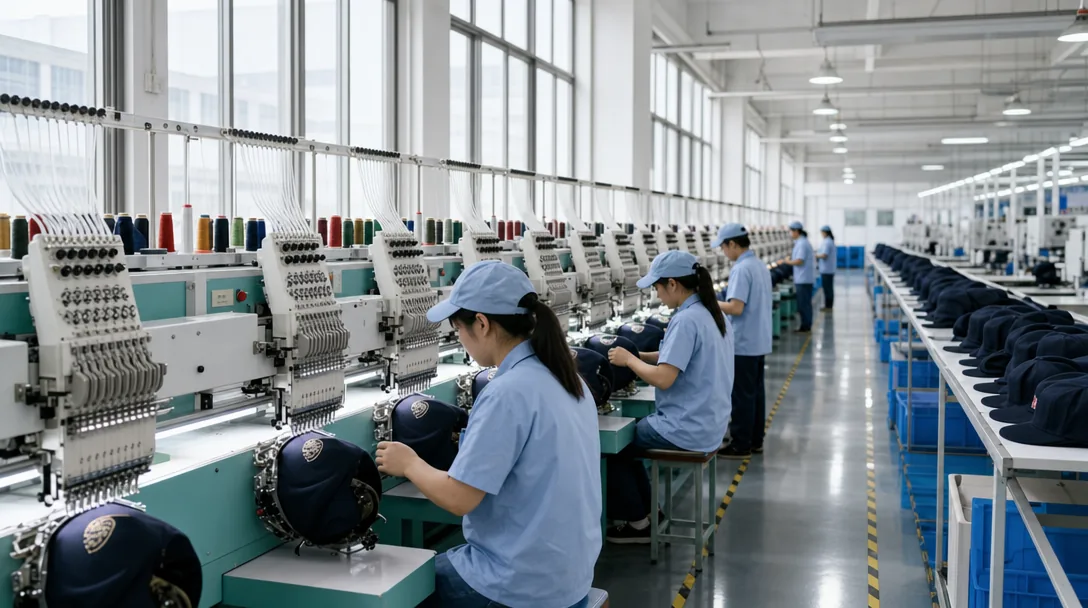
Bulk Trucker Hats Reorder Planning Guide for Custom Hat Buyers
Read article →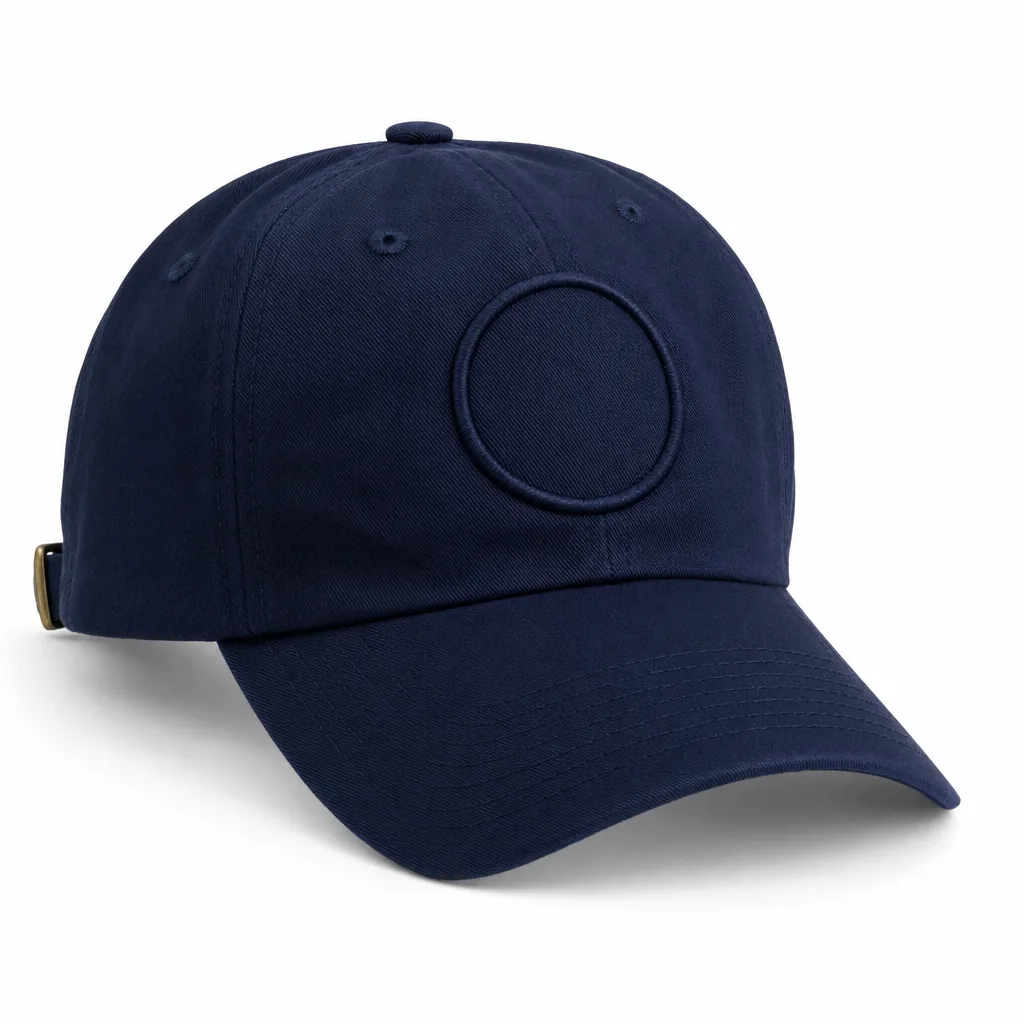
Custom Hats for Men: A 2026 B2B Sourcing Guide - Cost & MOQ Breakdown
Read article →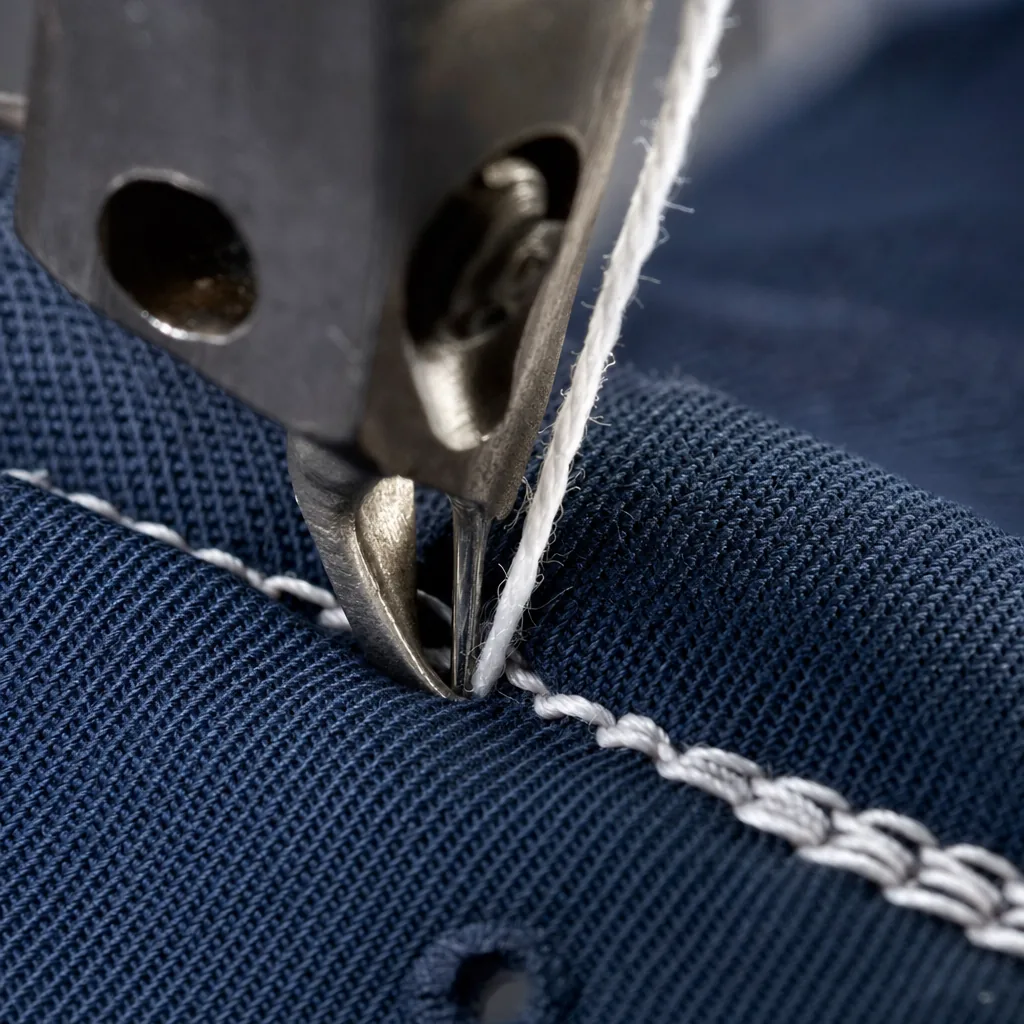
Kids' & Children's Cap Manufacturing: CPSIA Compliance and Sizing - 2026 Buyer's Guide
Read article →Sourcing custom hats does not have to be complicated. With the right manufacturing partner, clear specifications and a small upfront investment in sampling, you can launch a retail-quality product in 30 to 45 days.