
5-Panel vs 6-Panel Caps: Construction, Use Cases and Cost Compared - 2026 Buyer's Guide
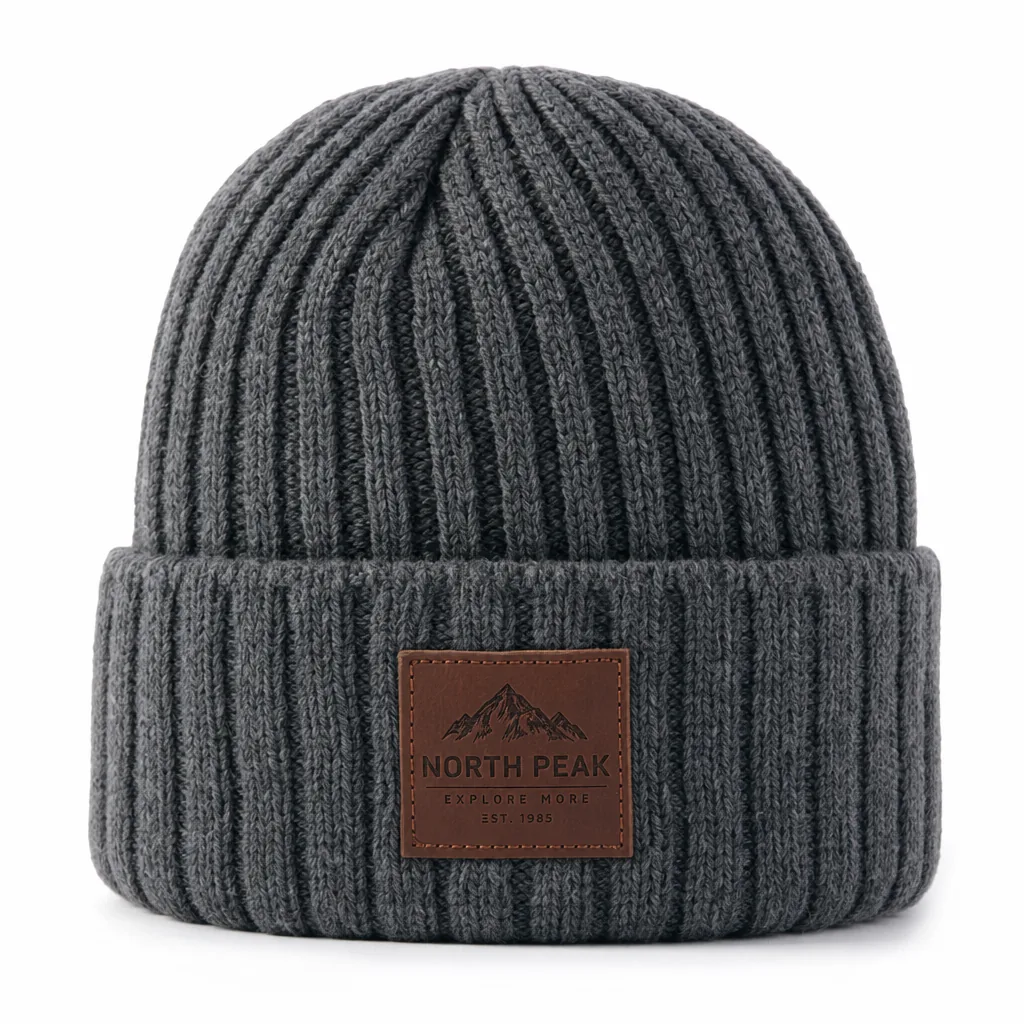
5-Panel vs 6-Panel Caps: Construction, Use Cases and Cost Compared - 2026 Buyer's Guide is one of the most-asked questions we receive from international buyers, and for good reason. With dozens of factories competing for your order and an alphabet soup of technical terms in every supplier quote, even experienced importers can feel lost. This guide consolidates what we have learned producing custom hats for clients in 40+ countries.
The visual and structural difference
In a real 5 panel vs 6 panel cap comparison, the front profile is the first thing that matters. A 6-panel cap is built from six wedge-shaped pattern pieces, with the two front panels joined by a center seam that runs from the visor stitch line to the top button. That seam pulls the crown into a rounder, more anatomical shape, which is why 6-panel baseball caps read as classic teamwear, golf, and licensed sports product. A 5-panel cap replaces those two front wedges with one continuous front panel plus two side and two back panels. The result is a flatter visual plane, a squarer face, and less seam interruption, which is why it shows up so often in skate, streetwear, cycling, and camp-cap programs. Panel count alone does not dictate the final look, though: crown height, visor curve, buckram weight, and fabric memory all matter. A high-profile 5-panel in 100% cotton twill at 260 gsm reads very differently from a soft unstructured nylon taslon version at 120 gsm, even if both share the same basic crown layout.
Decoration is where the structural difference stops being theoretical. On a 6-panel cap, the center-front seam can split narrow satin columns, throw off small text under 5 mm height, and make a woven patch or TPU badge sit slightly tented unless the art is scaled and positioned with that seam in mind. A 5-panel front gives a cleaner decoration field, usually around 12 to 14 cm wide and 6 to 8 cm tall on an adult OSFM cap, so it handles oversized flat embroidery, screen print, sublimated patches, and silicone heat transfers with fewer compromises. Structurally, though, the 6-panel has an advantage: the center seam acts like a spine, especially when paired with 0.35 to 0.50 mm buckram or laminated front support, helping the crown hold shape through embroidery, carton packing, and wear. A 5-panel front has no seam to hide drift, so cutting accuracy, fusing shrinkage, and hooping discipline have to be tighter. On Tajima or Barudan embroidery heads, even 2 to 3 mm of skew in front-panel alignment is obvious on a seamless face, which is exactly why cheap 5-panels look crooked faster than cheap 6-panels.
Decoration sweet spots for each construction
The center seam is the first technical filter in any 5 panel vs 6 panel cap decision because it limits what can survive production, not just what looks good on a mockup. A 6-panel crown splits the front with a raised join, so centered artwork with fine counters, thin serifs, or clean circles tends to break visually once it crosses that ridge. On structured brushed cotton twill, chino, or acrylic-wool blends around 180 to 240 gsm, I treat 45 to 55 mm as the safe width for direct embroidery that must bridge the seam; after that, tunneling, edge lift, and registration drift increase sharply, especially above about 6,500 to 8,000 stitches. On Tajima and Barudan cap frames, 40 wt polyester thread will usually run clean at roughly 0.40 to 0.45 mm spacing on a left-front logo, but a dead-center emblem over the seam often needs pull compensation of 2 to 3 mm, lighter underlay, and lower stitch count to avoid a rope-like ridge down the middle.
If the buyer wants a centered badge look on a 6-panel, I usually move them to a woven patch, merrowless label, TPU weld badge, felt applique, or silicone heat transfer instead of forcing dense satin and fill stitches over the join. Those methods absorb the seam better and reduce first-pass rejects at finishing. A 5-panel crown gives one uninterrupted front panel, so it handles oversized branding much better: 80 to 100 mm script logos, horizontal sponsor lockups, scenic prints, and large foam-backed patches all land cleaner because there is no center interruption. That advantage is even more obvious on lighter shells such as nylon taslan, polyester microfiber, and cotton-nylon at 140 to 200 gsm, where aggressive digitizing causes puckering fast. On ZSK heads, our standard practice is to open density to about 0.38 to 0.42 mm, use soft cutaway or low-profile tearaway depending on structure, and keep cap-frame tension moderate so the front panel does not dish inward. For print programs, 5-panel caps also hold front-to-side graphic flow better, with practical registration tolerance around plus or minus 1.5 mm and color approval typically checked to Delta-E below 2.0 against Pantone TCX references. By contrast, 6-panel constructions still win for classic placements: left-front corporate marks, small crests, arched team text, and 3D puff designed to sit to either side of the seam rather than fight it.
Cost difference and MOQ implications
In a 5 panel vs 6 panel cap comparison, the unit-cost gap is usually only a few cents, and it can reverse depending on fabric width and decoration. On a standard FOB order of 3,000 pieces using 260-280 gsm brushed cotton twill, 6-row visor stitching, 8-row sweatband stitching, PE snapback, and fused buckram, the ex-factory difference is commonly $0.04-$0.09 per cap. A 5-panel crown removes one front seam operation, so sewing time is typically 6-10 seconds lower in SAM on a balanced line. That sounds meaningful until cutting is costed correctly. The wider single front panel reduces marker efficiency by roughly 1.5%-3.0% on 58/60 inch goods, and on directional camouflage, corduroy, or engineered yardage the yield loss can erase the labor gain entirely. On narrow-width specialty fabrics such as 54 inch nylon taslan or brushed canvas with strict grain direction, a 5-panel can even end up slightly more expensive than a 6-panel despite simpler assembly.
Decoration changes the math faster than shell construction. A 5-panel front is cleaner for oversized flat embroidery, screen print, TPU patch, or silicone heat transfer because the artwork does not cross a center seam. On a 6-panel cap, logos with text below 4 mm height, satin columns under 1.2 mm, or fill areas running into the seam usually need seam-aware digitizing and at least one extra sew-out on Tajima, Barudan, or ZSK heads. That adds about $15-$40 per design in development and increases rejection risk from seam deflection, poor registration, or puckering after finishing. MOQ follows the same logic: structure matters less than sourcing. With stock twill, stock mesh, standard sweatband, and off-the-shelf closure, either cap can often run at 144-300 pieces per colorway. Once the BOM includes Pantone-matched dyeing, custom rope, branded metal buckle, sublimated undervisor, or molded patch, the practical MOQ usually moves to 500-1,000 pieces per color because fabric mills, trim vendors, and packaging suppliers impose their own minimums. Our standard practice is to quote both constructions against the exact BOM, then check AQL 2.5 defect history and expected rework before locking price or MOQ.
Retail positioning by panel count
For mainstream retail, the 6-panel is still the safer SKU because shoppers decode it instantly as a baseball cap, and that recognition shows up in sell-through. In team stores, sporting-goods chains, college bookstores, and tourist retail, six-panel programs usually outperform novelty shapes simply because the crown profile already matches what the customer expects to try on. From a construction standpoint, the 6-panel crown is more forgiving: two front panels share the shaping load, and the center-front seam helps control collapse across a wider fabric range, from 180-260 gsm brushed cotton twill and chino to melton wool blends and 150D-300D recycled polyester. That matters when you are building replenishment programs and cannot afford style drift between dye lots or mills. In a real 5 panel vs 6 panel cap decision, six-panel usually wins on lower return risk, broader fit acceptance, and easier repeat ordering across mixed-gender, mixed-age retail traffic.
Decoration is another reason six-panel stays dominant in volume channels. A standard front embroidery at 5,000-8,000 stitches, with 0.35-0.4 mm underlay and medium tear-away backing, generally runs more predictably on Tajima or Barudan heads because the front panels can be stabilized with consistent tension before sewing and finishing. Our standard practice is to hold logo placement tolerance within plus or minus 2 mm and shade variation to Delta-E below 1.5 against approved Pantone TCX references; six-panel construction makes those controls easier to maintain at scale. By contrast, a 5-panel cap sells when the silhouette itself is the message. The uninterrupted front panel gives more usable real estate for oversized embroidery, screen print, silicone heat transfers, or woven patch applications, but the shape skews toward skate, cycling, surf, festival, and technical-outdoor assortments rather than broad family retail. FOB pricing reflects that positioning: a basic 6-panel cotton twill cap at 3,000 pieces typically lands around $2.20-$3.40, while a well-built 5-panel in 120-160 gsm nylon taslan, 70D ripstop, or quick-dry polyester with perforated side panels and a moisture-wicking sweatband is more often $2.80-$4.60. Buyers comparing 5 panel vs 6 panel cap assortments are really choosing between familiarity that converts and differentiation that can support a higher ASP.
Closure and brim pairings buyers commonly request
Closure is where the 5 panel vs 6 panel cap choice starts affecting yield, not just styling. A 6-panel crown tolerates more hardware because the rear opening is centered between two balanced back panels, so the operator can install a PP snap, nylon snap, self-fabric strap with tri-glide, hook-and-loop, or a fully fitted back with less risk of twisting the silhouette. In production, a standard 7-hole PP snapback set typically adds $0.12 to $0.18 per cap, hook-and-loop lands around $0.10 to $0.16 depending on tape grade, and a self-fabric strap with brass or gunmetal buckle is usually $0.22 to $0.38 once extra folding and topstitch time is counted. Fitted 6-panel caps cost more for a simple reason: each size run needs separate markers, sweatband size labels, carton ratio planning, and tighter inventory control on 6 7/8 through 7 5/8 assortments. A 5-panel is less forgiving because the eye goes straight to the uninterrupted front face, so buyers usually stay with snapback or a webbing strap to keep adjustability and protect the block shape. Fitted 5-panel programs exist, but they are niche because any mismatch between crown depth and head size shows immediately when the foam-backed or buckram-supported front sits too high or collapses at the side seam. On factory lines, heavier closures can also exaggerate sewing drift after the closing operation; if feed is not controlled, the back opening and sweatband join can finish 2 to 4 mm off-center, which is visible on clean streetwear styles. That is why Velcro on a 5-panel often reads like a price-driven promo shortcut unless the brief is outdoor or event merchandise.
Brim pairing is where buyers often confuse a 5-panel with a generic baseball cap. A 6-panel naturally accepts more visor profiles because the crown already has roundness from the seam architecture, so a medium pre-curve usually looks balanced whether the shell is 210 gsm cotton twill, brushed chino, or 300D taslan nylon. Most baseball-cap programs therefore default to a 6-panel with a 7.0 cm visor and PE visor board in the 1.8 to 2.2 mm range; that setup survives packing pressure better than lighter inserts and holds shape through ocean transit. Flat brims also work on 6-panel snapbacks, but the sell-through is strongest when the crown height and visor width are proportioned for team, promo, or licensed retail channels. A 5-panel generally looks sharper with a flat brim or only a light pre-curve because the front panel is broad and upright. Push too much curvature into the visor and the side view starts to look pinched, especially on camper-style blocks using foam front support or lighter buckram. Our standard practice is to sample 5-panel visors at 6.5 to 7.0 cm depth with lower curve memory, then check left-right pitch on a physical sealed sample rather than photos. Photos miss the defects inspectors actually catch: warped brim edge, asymmetrical stitch rows, and visor pitch drift beyond what will pass under AQL 2.5. If the artwork also includes front embroidery on Tajima or Barudan heads, keeping the brim flatter usually helps the cap present cleaner at retail.
When to spec each construction for your brand
If the brief is broad sell-through with minimal QC drama, spec a 6-panel first. In a real 5 panel vs 6 panel cap decision, 6-panel wins because it is easier to stabilize across 1,000 to 10,000 units: crown tension is split across six seams, the front break is predictable, and center-front embroidery holds registration better across colorways and head sizes. For licensed sports, school spirit, and promotional programs, I would call out a structured crown with 2.0 to 2.5 mm PE buckram, a pre-curved 8-row visor, and either 260 to 280 gsm cotton twill or an 80/20 acrylic-wool serge around 340 gsm. On Tajima or Barudan heads, standard 6,000 to 10,000-stitch logos usually run cleaner on this shape because the hooping tech is not compensating for a wide unsupported face panel. In AQL 2.5 inspections, that shows up as fewer rejects for logo tilt, crown asymmetry, and visor-to-crown mismatch after carton compression.
Choose a 5-panel when the front real estate is the design, not just the place the logo sits. Removing the center-front seam gives you a clean decoration field for oversized screen print, sublimated patch, satin applique, silicone heat transfer, or 3 mm EVA foam embroidery that would telegraph badly over a 6-panel seam. That is why skate, cycling, trail, and festival brands keep buying it, especially in technical builds: 120 to 160 gsm nylon taslon, 150 to 180 gsm four-way stretch polyester, or 70D to 160D Supplex with laser-cut vents and a mesh moisture-wicking sweatband. The tradeoff is production sensitivity. A soft 5-panel needs tighter control on panel grain direction, fusing weight, and front-panel sewing to avoid torque, rippling, or a collapsed profile after packing. At 1,000 pieces FOB China, a basic cotton 6-panel with flat embroidery is typically $2.20 to $3.40; a technical 5-panel with woven label, printed seam tape, perforation, and custom trims is more often $3.10 to $5.20. Our standard practice is simple: 6-panel for promo, uniform, and evergreen retail reorders; 5-panel for capsules where silhouette and decoration area justify the extra process control.
Working with CrownsForge on either construction
If you are placing one PO that mixes both constructions, the real risk in a 5 panel vs 6 panel cap program is not the extra seam; it is whether the tech pack controls shape, front support, and decoration tolerances tightly enough to keep both silhouettes consistent. With stock cotton twill, brushed chino, foam, or 70D-210D nylon, counter samples are usually 7-10 calendar days and bulk is 22-28 days after PPS sign-off; custom-dyed fabric adds 5-7 days for lab dips and mill booking. MOQ is normally the same on both bodies, 144-300 pcs per colorway, because factory planning is driven more by embroidery run time, patch application, closure type, and pack-out than by crown panel count. The actual sewing delta is small: a 5-panel removes the center-front join and one crown assembly step, while a 6-panel adds seam matching, center-front tape control, and more careful buckram positioning. On a line basis, that is usually a labor difference measured in minutes per dozen, not in a separate pricing tier.
The expensive mistake is approving artwork before the front geometry is fixed. A 5-panel gives one uninterrupted print and embroidery field, so oversized foam screen print, woven labels, appliqué, and wide satin columns generally register cleaner. A 6-panel is often better for classic baseball profiles and smaller left-front logos, but the center seam can split copy, deflect fill stitching, and destabilize 3D puff if the buckram is soft. On Tajima or Barudan heads, any stroke under about 1.2 mm crossing a seam needs a digitizing review, and puff density has to be reduced when the shell is lightweight nylon or the front panel lacks firm laminated backing. CrownsForge typically asks buyers to sample both shells when the logo is seam-sensitive, then locks QC to measurable points: Pantone TCX or coated reference approval with a pre-agreed Delta-E tolerance, embroidery placement within ±3 mm, visor-to-crown alignment, closure pull strength, and final inspection at AQL 2.5 before ex-factory release.
Frequently Asked Questions
What file format should I send for my logo?
Vector files (AI, EPS, PDF) are ideal. High-resolution PNG or JPG at 300 dpi on transparent background works as a fallback. Provide Pantone color references for accurate reproduction.
Which shipping methods do you support?
We support FOB, CIF and DDP shipping. Air express for samples and small orders, sea LCL for 100 to 500 pieces, sea FCL for 5,000+ pieces. Door-to-door DDP available for US, EU, UK, Canada and Australia.
Can I order a sample before bulk production?
Yes. We strongly recommend approving a pre-production sample before mass production. Samples are charged at 35 to 60 USD each plus express shipping, fully refundable against confirmed bulk orders over 500 pieces.
What logo decoration techniques do you offer?
3D puff embroidery, flat embroidery, woven patch, leather patch, PVC patch, screen printing, sublimation, applique and laser etching, all in-house with no subcontracting.
What is the minimum order quantity (MOQ) for custom hats?
Our standard MOQ is 100 pieces per design and color, with sampling available from 1 piece. For complex multi-color logos or premium fabric upgrades, the MOQ can be lowered with a small per-piece surcharge.
How does ordering baseball cap embroidered custom work?
When evaluating baseball cap embroidered custom, the key considerations are construction quality, decoration capability, MOQ flexibility and lead time. The 6-panel cap has six fabric triangles meeting at a center seam at the top of the crown; the 5-panel cap has a single seamless front panel plus two side and two back panels. Brim, sweatband and closure are identical between the two; the front panel construction is the entire difference. 6-panel is the universal sports/streetwear/promotional default — instantly readable as…
How does ordering custom embroidered trucker hat work?
When evaluating custom embroidered trucker hat, the key considerations are construction quality, decoration capability, MOQ flexibility and lead time. The 6-panel cap has six fabric triangles meeting at a center seam at the top of the crown; the 5-panel cap has a single seamless front panel plus two side and two back panels. Brim, sweatband and closure are identical between the two; the front panel construction is the entire difference. 6-panel has visible front seam that runs vertically through center; embroidery is…
How does ordering custom dad hat embroidery work?
When evaluating custom dad hat embroidery, the key considerations are construction quality, decoration capability, MOQ flexibility and lead time. 6-panel has visible front seam that runs vertically through center; embroidery is normally placed offset from the seam (4-5 cm wide centered logos work). 5-panel has uninterrupted front canvas — perfect for wider patches, woven labels, larger embroidery (8-10 cm wide), all-over sublimation print. The 6-panel cap has six fabric triangles meeting at a center seam at the top…
What's the MOQ for custom embroidered baseball caps no minimum?
When evaluating custom embroidered baseball caps no minimum, the key considerations are construction quality, decoration capability, MOQ flexibility and lead time. Choose 6-panel for: retail-distribution baseball caps, snapbacks, sports licensee programs, promotional/event programs. Choose 5-panel for: outdoor/skate brand capsules, festival merch, technical headwear, brand differentiation from competing 6-panel programs. The 6-panel cap has six fabric triangles meeting at a center seam at the top of the crown; the 5-panel cap has a…
How to know if a 5 panel or 6 panel cap suits?
A key difference is the fit. 5-panels have a boxier silhouette, while 6-panels feature a rounded crown with a more secure feel. 5-panel hats are often linked to streetwear style and skate culture, while 6-panel hats are popular in sports (think classic baseball hats) and everyday wear.
Ready to start your custom hat project?
Send us your tech-pack, sketch or even just an inspiration photo. We will respond with a detailed quotation and digital mock-up within 24 hours.
Request a free quoteRelated guides
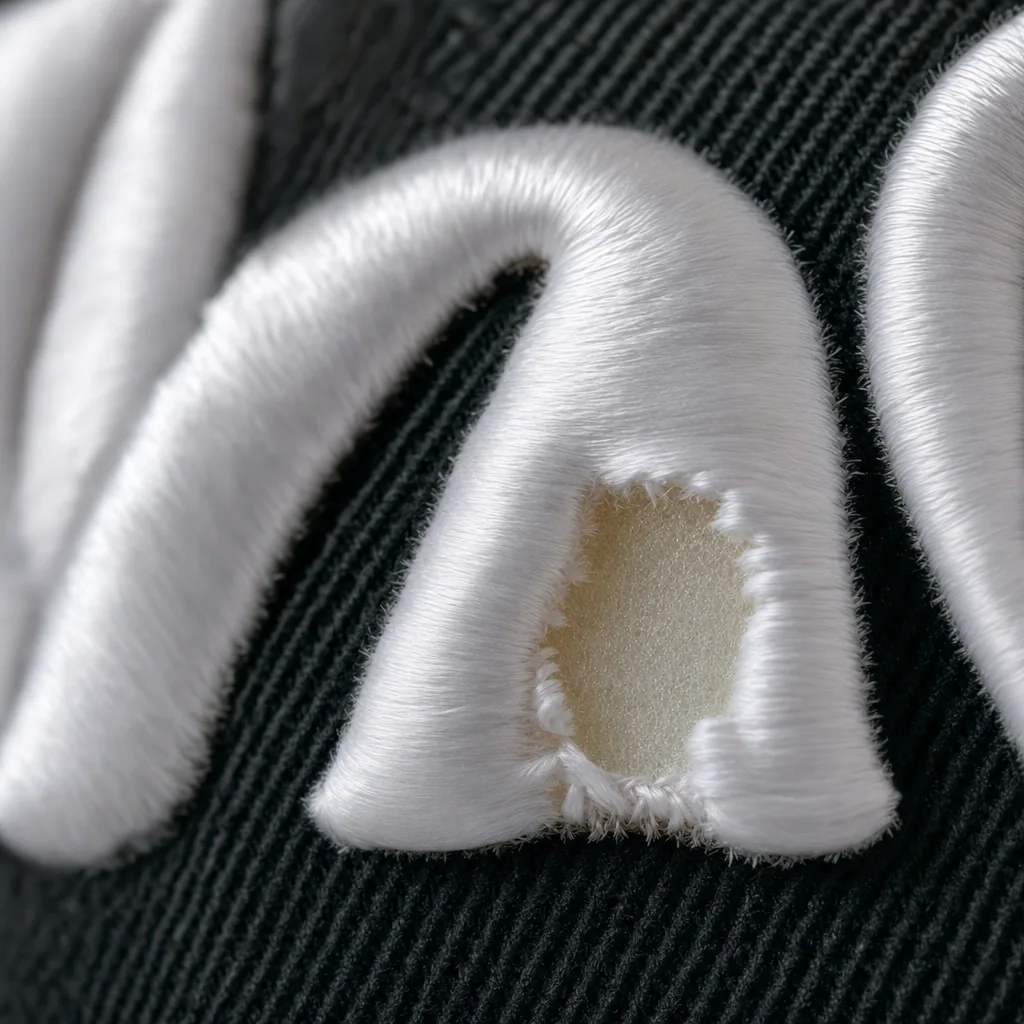
Embroidery Stitch Count & Thread Density: A Cost-and-Quality Reference - 2026 Buyer's Guide
Read article →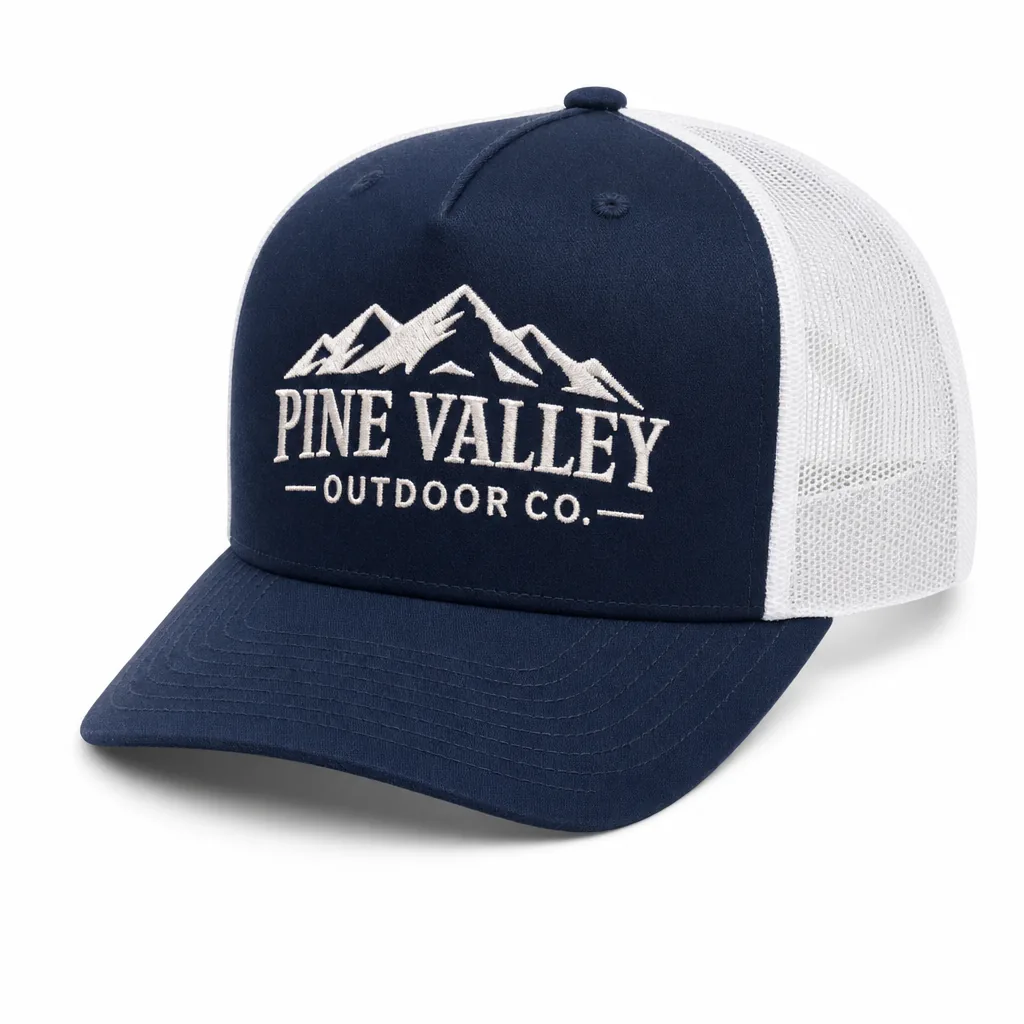
Wholesale Trucker Hats with Custom Logo: A Complete Bulk Sourcing Playbook
Read article →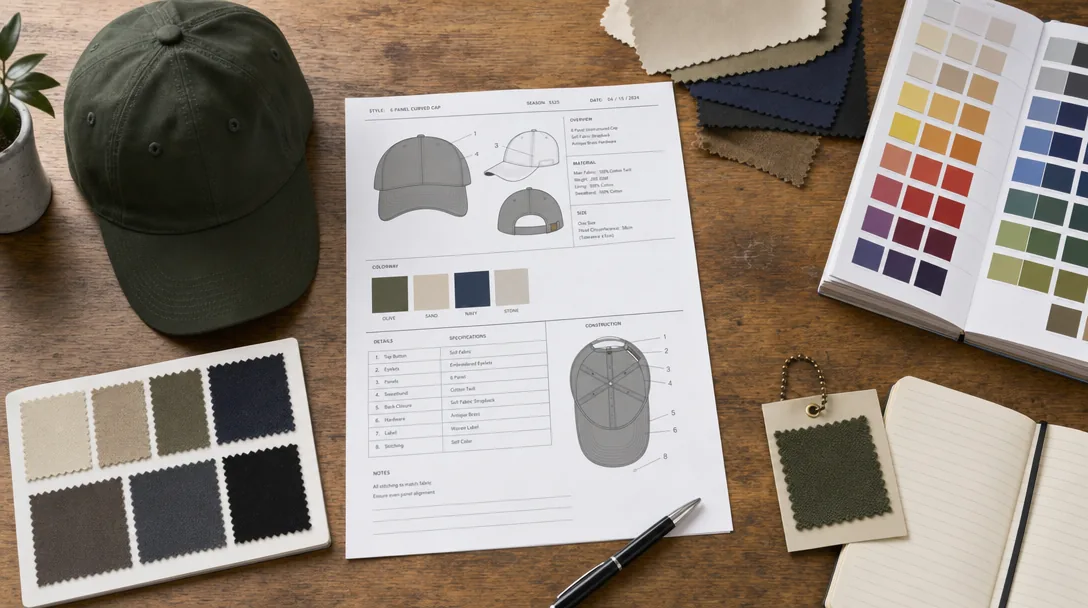
Esports Team Caps: Manufacturing Specs for Pro and Amateur Gaming Brands (2026 Update)
Read article →If you are ready to take the next step on 5-panel vs 6-panel caps: construction, use cases and cost compared - 2026 buyer's guide, our team can put a tailored quotation and digital mock-up in your inbox within 24 hours. Send the inquiry form on our contact page or message us directly on WhatsApp.