
5-Panel Camp Cap Manufacturing: A Buyer's Specification Guide - Cost & MOQ Breakdown
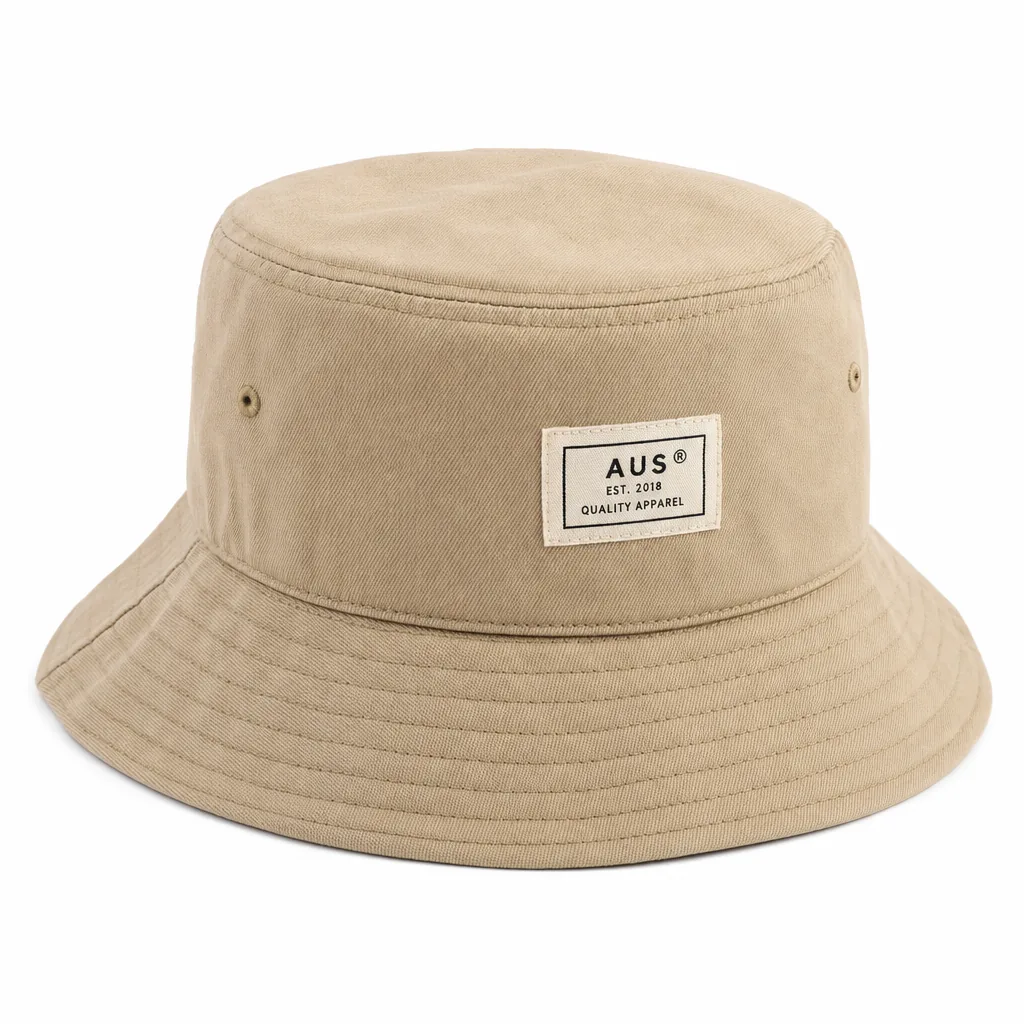
Every week, our sales team answers detailed questions about 5-panel camp cap manufacturing: a buyer's specification guide - cost & moq breakdown. We wrote this guide so that wholesalers, streetwear brands, corporate buyers and promotional resellers can compare options with full information, and avoid the traps that show up only after production has started.
The 5-panel silhouette: how it differs from 6-panel baseball caps
The defining difference is the front architecture. A 5-panel camp cap uses one uninterrupted front crown panel, while a 6-panel baseball cap splits the face with a center seam that can break a straight logo, woven patch edge, or screen print registration. For branding-heavy programs, that single panel is the reason buyers choose the silhouette: it gives cleaner placement for satin-stitch embroidery, TPU heat-transfer badges, sublimated patches, and direct print graphics that need to read clearly from roughly 1.5 to 2 meters on shelf. The downside is brutal visibility of defects. On a 6-panel cap, slight torque or asymmetry can hide inside the center seam; on a 5-panel crown, a 2 mm visor drift, uneven topstitch spacing, or left-right panel mismatch is obvious immediately. A capable 5 panel camp cap manufacturer controls this with tighter die-cut tolerance on the front panel, matched side-panel height within about 1.5 mm, and buckram selection that fits the intended hand feel, whether that is a soft unstructured streetwear cap or a lightly reinforced retail shape.
Fit is different as well, and this is where weak sampling shows. A true camp cap usually wears lower and squarer than a standard baseball cap, with a flatter peak and bill length around 6.5 to 7.0 cm instead of the longer curved sports profile common on 6-panel team caps. You cannot get that shape by simply deleting one seam from a baseball pattern. The block needs its own crown height, side-wall curve, sweatband length, and visor angle, or the cap starts wearing too tall and reads like a failed hybrid. In production, softer fashion builds often use 180-260 gsm cotton twill, enzyme-washed canvas, or 228T nylon taslan, while outdoor versions shift to 110-160 gsm polyester ripstop with quick-dry finish, mesh sweatband, or laser-cut eyelets. Those fabric choices change panel memory, seam puckering, and embroidery behavior, so the silhouette and material spec have to be engineered together before bulk approval.
On the sewing floor, the 5-panel silhouette is less forgiving than it looks. Because the front panel is uninterrupted, every issue shows up at once: puckered seam allowance, off-center patch, top button shift, or visor notching that pulls the bill left or right more than 2 mm. Inline QC should be checking front-panel symmetry, crown height consistency, visor-to-crown alignment, and strapback centering before closing, then auditing final goods at AQL 2.5. Embroidery needs restraint too. Heavy full-fill logos can collapse a soft front, especially on washed cotton or lightweight nylon, so lower-density fills, applique, or merrowed patches usually perform better. On Tajima or Barudan heads, the result is clean only when the digitizing is built for a flatter crown with controlled underlay and stitch count. That is the practical benchmark for choosing a 5 panel camp cap manufacturer: not whether they can copy a tech pack, but whether they can hold graphic centering, silhouette consistency, and approved shape from salesman sample to production bulk.
Fabric choices: cotton, nylon, recycled polyester
Fabric choice sets both your cost floor and your defect rate, and for mainstream retail the safest base spec is still 100% cotton twill at 220-230 gsm, about 6.5-6.8 oz/yd2. I would lock the fabric to reactive dyeing, pre-shrunk finishing with residual shrinkage under 3% after wash, and lab-dip approval against Pantone TCX at Delta-E 1.5 maximum; navy, black, and khaki are the colors most likely to drift between dye lots, so they need stricter bulk-roll checking. Cotton twill gives the cleanest surface for flat embroidery, woven patches, and discharge or plastisol prints, and it behaves predictably in cutting, crown setting, and brim binding. A competent 5 panel camp cap manufacturer can usually hold this build at $2.10-$3.40 FOB China for 300-1,000 pieces, assuming a standard plastic snap, self-fabric strap, or nylon webbing closure. The penalty is performance: cotton absorbs sweat, fades faster under UV exposure, and will show salt marks long before a synthetic shell does.
Nylon is the better call when the cap needs lower weight, faster drying, and better abrasion resistance. The usable range for camp caps is usually 70D-120D nylon ripstop at 105-160 gsm with a 2x2 mm or 3x3 mm grid; lighter than that, the crown collapses, heavier than that, the profile starts reading more like a utility cap than a true camp cap. Sewing nylon is less forgiving than approving a hand swatch suggests: slippery fabric needs tighter seam control, sharper needle selection such as DBxK5 #11, and lighter presser-foot pressure to prevent panel shift. On Tajima or Barudan embroidery heads, uncoated ripstop runs cleanly, but PU-coated or water-resistant nylon generally needs reduced stitch density, adjusted underlay, and careful hooping or you get puckering around eyelets and logos. FOB pricing usually lands at $2.60-$4.20 once you add laser-cut vents, moisture-wicking mesh sweatbands, or branded performance closures.
Recycled polyester is no longer just a marketing fabric; for many licensed and ESG-driven programs, it is a compliance requirement. A workable shell spec is 100% rPET woven fabric at 130-180 gsm with valid GRS transaction certificates tied to the exact lot numbers received, because a generic recycled-content statement does not survive an audit. Any factory handling these orders needs physical segregation of certified shell fabric, trims, and packing materials, plus records that can withstand sedex-audit-cap-supplier-guide.html">BSCI 2.0 or Sedex SMETA 4-Pillar review; once certified and non-certified rolls are mixed in cutting, the recycled claim is compromised. In wear performance, rPET usually beats cotton on colorfastness, drying time, and wrinkle recovery, though the hand feel is flatter than nylon unless you specify a peached or mechanical-stretch finish. In real costing, shell-only certification may add $0.15-$0.30 per cap, while full-chain certified programs with certified labels, sweatbands, hangtags, and polybags often add $0.35-$0.70. That is where an experienced 5 panel camp cap manufacturer earns its keep: maintaining GRS segregation, shade consistency, and AQL 2.5 pass rates without hiding cost in remake risk.
Construction details that matter
Underbrim and visor spec will tell you fast whether a 5 panel camp cap manufacturer genuinely builds camp silhouettes or is forcing a 6-panel baseball-cap process onto a flatter profile. A contrast underbrim should never be left as "match shell" on the tech pack. Call it out as a separate component with Pantone TCX, fabric content, weight, finish, and tolerance: for example, 70D cotton-nylon taslon shell with a 110-130 gsm peach-skin polyester underbrim for streetwear, or a matte microfiber underbrim on performance styles to cut reflected glare and hide salt marks. If color consistency matters across repeat orders, write Delta-E <= 1.5 to the approved lab dip; dark olive, navy, and washed black are the shades that most often drift lot to lot. The visor insert also needs a hard number. In practice, 1.5-2.0 mm EVA or PE sheet keeps shape better after vacuum packing and 30-40 days of sea transit, while recycled paperboard is cheaper by a few cents but can ripple once container humidity climbs above 75% RH.
Eyelets, sweatband, and closure look minor on the BOM, but they trigger a lot of failed pre-shipment inspections because brands under-spec them. On lightweight 120-160 gsm nylon or taslon, eyelets set too close to the crown seam will pucker after heat pressing; on heavier 240-280 gsm cotton twill, symmetry is the bigger issue, and anything beyond 2 mm left-right deviation is obvious under AQL 2.5. A factory that knows what it is doing fixes eyelet placement from the graded pattern and sewing template, then confirms whether the cap needs stitched eyelets, metal eyelets, laser-cut vents, or no eyelets at all on perforated fabric. Inside, the cheapest option is usually 100% polyester tricot, but 20-25 mm brushed cotton twill or poly-cotton terry sweatbands absorb better and usually add only $0.08-$0.22 per cap. Closure hardware changes both unit cost and schedule: a standard plastic snap adds about $0.05-$0.09, while a custom antique-brass slider, clip buckle, or debossed webbing adjuster can add $0.28-$0.45 plus 7-12 days for trim sourcing, plating, and pull-test approval.
Decoration: what works on the single front panel
The single front panel is the make-or-break decoration zone on this silhouette, and any serious 5 panel camp cap manufacturer should treat it like a material-control issue, not a branding exercise. Flat embroidery remains the safest retail option because there is no center seam cutting through the artwork, but the usable area is narrower than the panel looks on screen. On 120-160 gsm cotton twill, 70D-210D nylon, or lightweight taslon, I usually cap embroidery height at 45-55 mm with total stitch count around 6,000-9,000. Push beyond that without enough structure and the panel starts rippling, especially on unstructured crowns. To stabilize the face, you typically need fused buckram, an extra non-woven backing, or a 1.5-2.0 mm foam laminate depending on the hand feel you want. On Tajima or Barudan heads, good digitizing can hold line width at roughly 1.0-1.2 mm and legible text at 4.5-5.0 mm high, but only when underlay, pull compensation, and thread density are matched to the shell fabric. Overpacked density on a light camp cap never reads premium; it warps the panel and telegraphs needle penetration.
Woven patches are usually the better call when the artwork has fine typography, narrow keylines, gradients translated into weave, or more than four thread colors. A heat-cut woven patch at 0.8-1.2 mm thickness sits flatter than direct embroidery and keeps edge definition cleaner across the uninterrupted front panel. PVC has its place for outdoor or technical branding, but a molded patch in the 1.5-2.5 mm range adds noticeable mass; on a 120 gsm nylon crown, an oversized badge can drag the panel forward and change the cap profile after a few wears. I would only approve PVC after checking patch weight against shell weight and reviewing a wear test, because a 420 gsm canvas front behaves completely differently from supplex nylon. For raised effects, 3D puff only works when the logo is designed for it: open shapes, satin columns above about 3.0 mm, and a structured front that can resist tunneling. On lightweight performance caps, screen print is often the smarter specification. Plastisol, silicone, or water-based ink should be chosen against the fabric finish, then verified with tape pull, wash, and adhesion testing before bulk; on DWR-coated nylon, skipping that step is how clean pre-production samples become claim-prone shipments.
MOQ, lead time, pricing — 5-panel specifics
A real MOQ on a 5-panel camp cap program is driven by how many variables you introduce, not by the headline number on a quote sheet. One hundred pieces is workable only for a stripped spec: one stock shell fabric, one Pantone-approved body color, one closure, one size run, one embroidery file, and one export carton ratio. Once you split colorways, add youth and adult sizing, or mix logo executions, cutting yield and line efficiency fall fast. In practice, 100 pcs suits a stock 16x12 cotton twill or 75D taslon cap with flat embroidery and a self-fabric strap; 200 to 300 pcs is the honest range for contrast panels, rope trim, woven labels, or printed seam tape; 300 pcs and up is where custom-milled fabric, branded metal adjusters, sublimated side panels, or specialty labels stop carrying punitive unit costs. Any 5 panel camp cap manufacturer promising 100 pcs on a heavily customized build is usually shifting the MOQ penalty into the piece price, sampling charge, or trim surcharge.
Lead time is usually lost upstream in approvals, not on the sewing line. A disciplined sample cycle runs 7 to 10 calendar days when artwork, Pantone TCX references, visor profile, crown height, and closure details are confirmed at the start; add 1 to 2 days if the logo needs fresh digitizing for Tajima, Barudan, or ZSK heads, especially on foam-backed or lightly fused front panels where stitch pull changes panel shape. For bulk, 22 to 28 days ex-factory is realistic for 100 to 1,000 pcs using ready-dyed inventory, while custom dye lots, enzyme wash, reactive wash, or outsourced branded trims typically add 5 to 8 days. FOB China pricing is straightforward when the spec is written correctly: $3.40 to $4.10 per piece is credible for brushed cotton twill or basic polyester with flat embroidery up to about 8,000 stitches, standard PE bag packing, and a self-fabric closure. A more technical build lands around $4.80 to $6.20, usually covering 210 gsm canvas, supplex nylon, or water-resistant 75D x 150D polyester, plus woven patches, multi-position embroidery, printed seam tape, satin labels, visor tolerance of plus or minus 3 mm, crown tolerance of plus or minus 5 mm, Delta-E 1.5 to 2.0 color control, and final inspection at AQL 2.5 rather than vague in-house standards.
Who buys 5-panel camp caps?
Outdoor and performance brands are the pickiest 5-panel camp-cap buyers because they purchase function first and branding second. A Patagonia- or Cotopaxi-level brief usually specifies an unstructured crown in 70D-160D nylon taslon, Supplex, or 110-140 gsm recycled polyester, with laser-cut side vents, spacer-mesh sweatbands, and a soft front panel instead of hard buckram. Heavy front embroidery is usually rejected: 8,000-12,000 stitches on lightweight shell fabric will distort the crown and telegraph backing through the face. These buyers prefer woven flag labels, TPU heat transfers, reflective prints, or low-density flat embroidery. A competent 5 panel camp cap manufacturer should be able to discuss C0 versus C6 DWR, hydrostatic resistance, seam slippage, and colorfastness to perspiration at grade 4 minimum, then prove repeat bulk can hold shade within Delta-E 1.0-1.5 against the approved Pantone TCX standard. Compliance is rarely negotiable. Recycled programs normally require GRS transaction certificates by lot, plus audited factory records under BSCI 2.0 or Sedex SMETA 4-Pillar.
Skate labels, indie streetwear brands, and limited-drop merch projects buy the silhouette as a style signal, so their specs shift toward heavier, more tactile materials: 8 oz cotton twill, 10-12 wale corduroy, brushed canvas, or crisp crinkle nylon. They usually want a flatter peak, lower crown profile, contrast stitching, and larger front artwork run on Tajima, Barudan, or ZSK heads, sometimes with chain stitch or printed twill patches. The commercial pressure is different here: MOQ and trim count drive almost every decision. Small launches commonly sit at 144-288 pcs across two colorways, while retailer-backed programs typically need 600-1,200 pcs per style to stabilize FOB pricing. In real factory terms, a basic cotton-twill cap at 300-500 pcs is usually around $2.20-$3.40 FOB China; upgrade to corduroy, satin seam tape, custom woven inside labels, metal eyelets, and a branded metal buckle, and the same hat can reach $4.50-$5.20. Event buyers such as festivals, fishing tournaments, and promo resellers care less about trim nuance than delivery risk. They favor 120-160 gsm microfiber polyester, perforated side panels, dark underbrims, and snapback closures, and they will prioritize AQL 2.5 inspection, carton drop testing, and a 7-10 day booking buffer before vessel cutoff over saving a few cents per unit.
Frequently Asked Questions
How long does production take?
Sampling takes 7 to 12 days. Bulk production runs 20 to 30 days depending on quantity, fabric availability and decoration complexity. Inspection and packing adds another 3 to 5 days before shipment.
Do you support sustainability certifications?
Yes. We work with GOTS organic cotton, GRS-certified recycled polyester, OEKO-TEX Standard 100 fabrics, and are BSCI and Sedex audited. Certification documentation can be provided per order.
What file format should I send for my logo?
Vector files (AI, EPS, PDF) are ideal. High-resolution PNG or JPG at 300 dpi on transparent background works as a fallback. Provide Pantone color references for accurate reproduction.
What is the minimum order quantity (MOQ) for custom hats?
Our standard MOQ is 100 pieces per design and color, with sampling available from 1 piece. For complex multi-color logos or premium fabric upgrades, the MOQ can be lowered with a small per-piece surcharge.
Can I order a sample before bulk production?
Yes. We strongly recommend approving a pre-production sample before mass production. Samples are charged at 35 to 60 USD each plus express shipping, fully refundable against confirmed bulk orders over 500 pieces.
How does ordering baseball cap embroidered custom work?
When evaluating baseball cap embroidered custom, the key considerations are construction quality, decoration capability, MOQ flexibility and lead time. Single front panel (no front seam), two side panels, two back panels, low-profile flat brim. Originated in 90s skate culture; now an outdoor and streetwear staple. Cotton twill 6.4 oz is standard. Lightweight nylon ripstop for technical outdoor. Recycled polyester for sustainability programs. Wool blend for cold-weather variants.
How does ordering custom embroidered trucker hat work?
When evaluating custom embroidered trucker hat, the key considerations are construction quality, decoration capability, MOQ flexibility and lead time. Single front panel (no front seam), two side panels, two back panels, low-profile flat brim. Originated in 90s skate culture; now an outdoor and streetwear staple. Cotton twill 6.4 oz is standard. Lightweight nylon ripstop for technical outdoor. Recycled polyester for sustainability programs. Wool blend for cold-weather variants.
What's the MOQ for custom embroidered baseball caps no minimum?
When evaluating custom embroidered baseball caps no minimum, the key considerations are construction quality, decoration capability, MOQ flexibility and lead time. Single front panel (no front seam), two side panels, two back panels, low-profile flat brim. Originated in 90s skate culture; now an outdoor and streetwear staple. Cotton twill 6.4 oz is standard. Lightweight nylon ripstop for technical outdoor. Recycled polyester for sustainability programs. Wool blend for cold-weather variants.
What should I know about wholesale baseball caps made in usa?
When evaluating wholesale baseball caps made in usa, the key considerations are construction quality, decoration capability, MOQ flexibility and lead time. Single front panel (no front seam), two side panels, two back panels, low-profile flat brim. Originated in 90s skate culture; now an outdoor and streetwear staple. Cotton twill 6.4 oz is standard. Lightweight nylon ripstop for technical outdoor. Recycled polyester for sustainability programs. Wool blend for cold-weather variants.
Looking for a reliable hat manufacturer in China?
CrownsForge has produced custom hats for 800+ brands across 40 countries. From 100-piece launches to 100,000-piece retail programs, we deliver on time and on spec.
Get in touchRelated guides
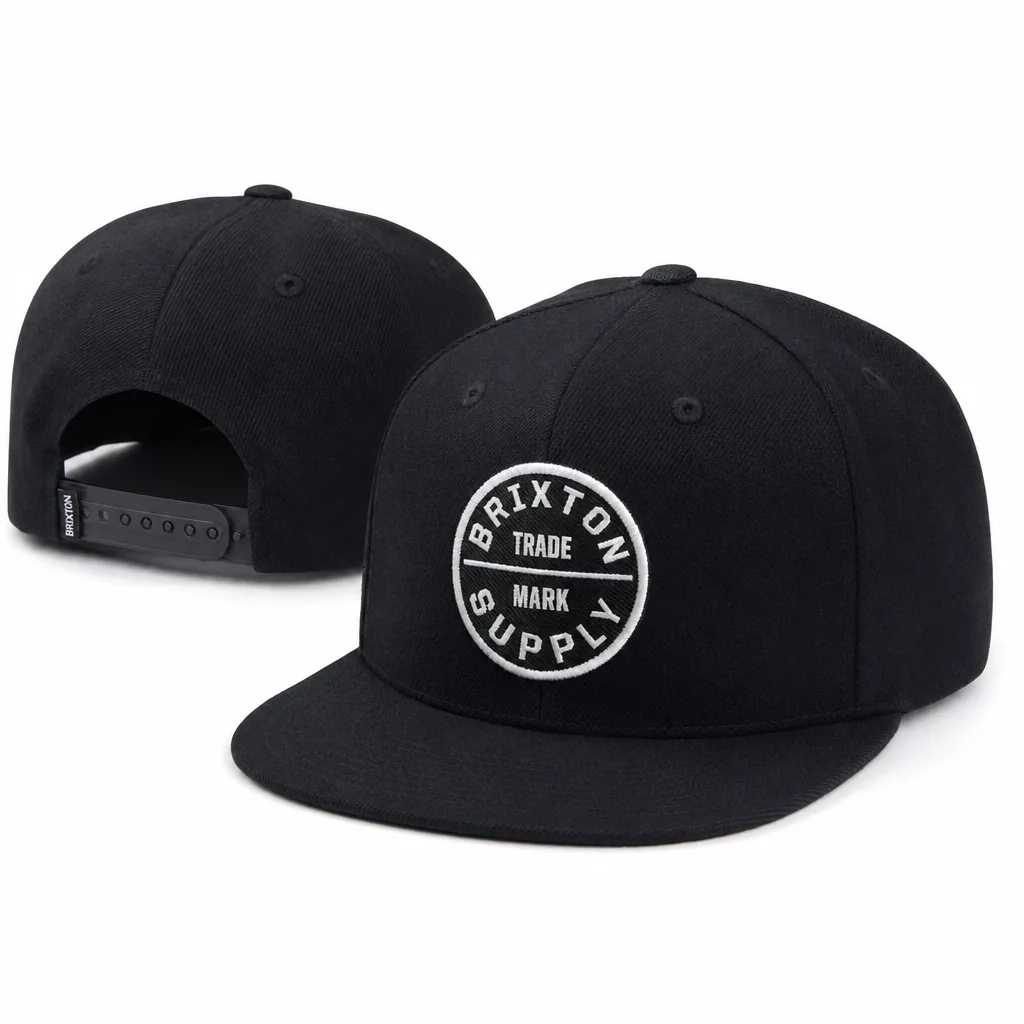
Snapback vs Fitted vs Adjustable: Cap Closure Systems Compared
Read article →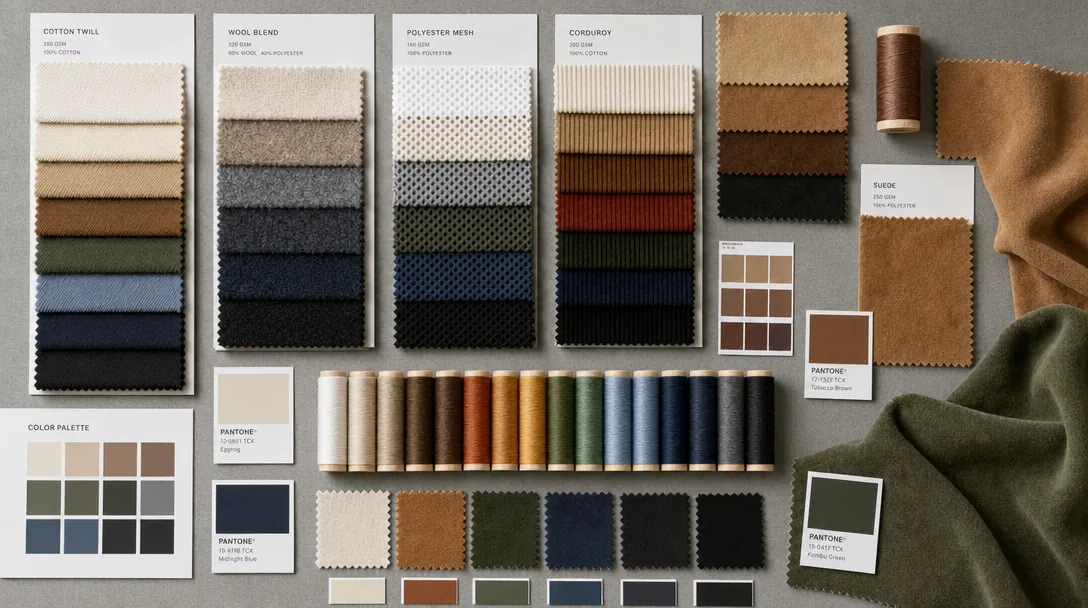
Sustainable Custom Hats: Eco-Friendly Materials, Recycled Fabrics & Certifications
Read article →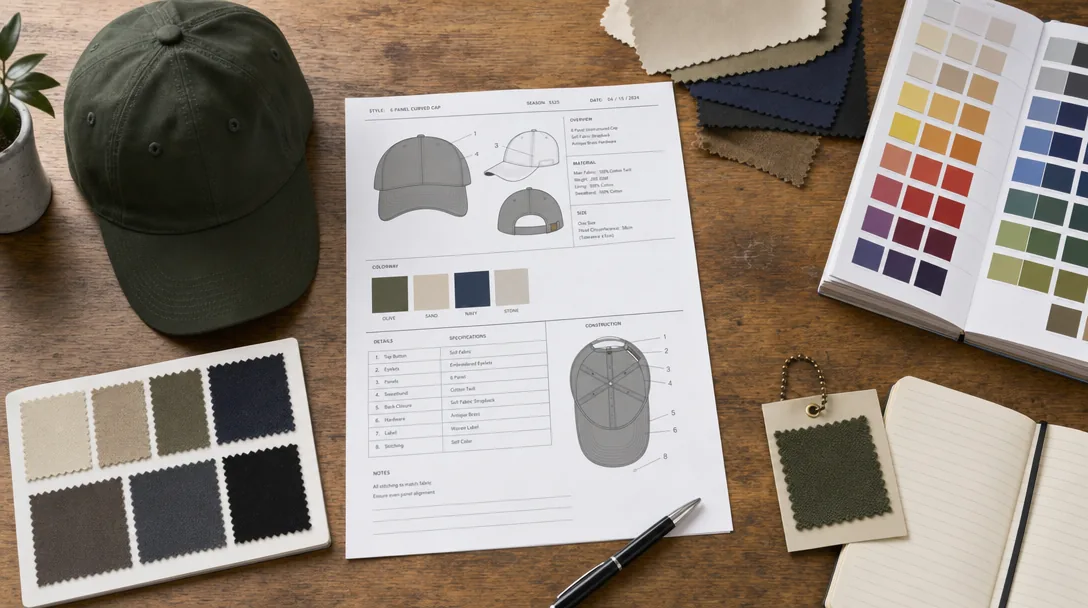
Switching Hat Manufacturers Mid-Program Without Losing Quality - Supplier Checklist
Read article →We hope this guide demystifies 5-panel camp cap manufacturing: a buyer's specification guide - cost & moq breakdown and helps you move forward with confidence. If you have questions specific to your project, our English-speaking sales engineers are one message away.