
How to Vet a China Hat Manufacturer Before You Wire the Deposit - 2026 Buyer's Guide
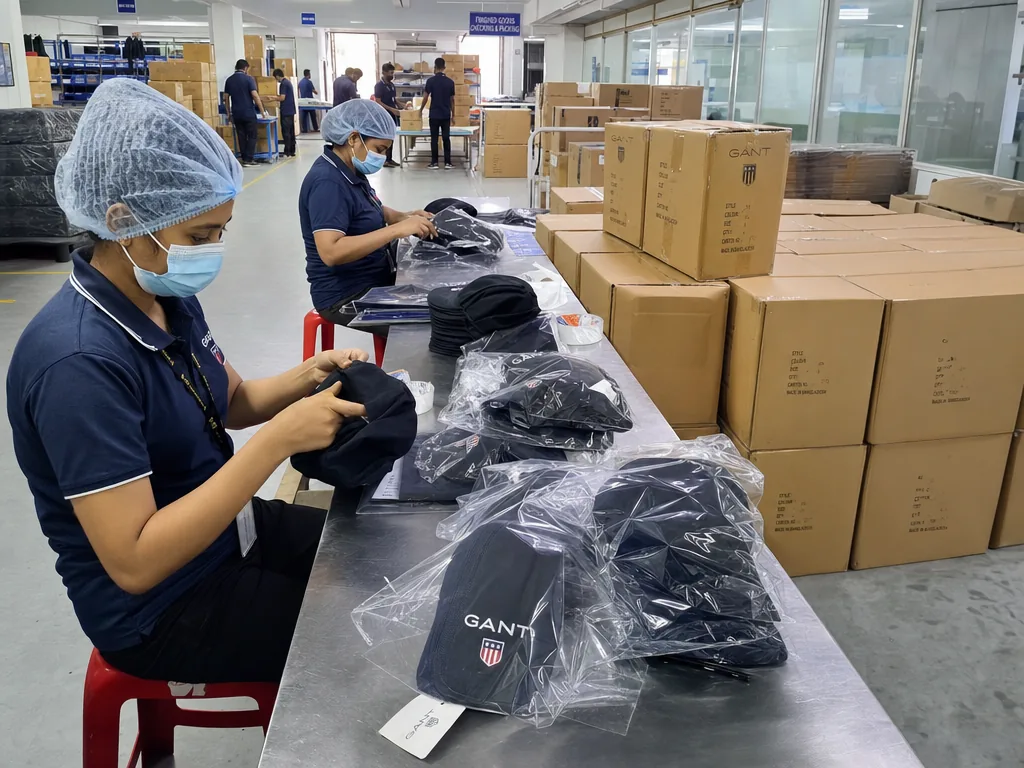
How to Vet a China Hat Manufacturer Before You Wire the Deposit - 2026 Buyer's Guide is one of the most-asked questions we receive from international buyers, and for good reason. With dozens of factories competing for your order and an alphabet soup of technical terms in every supplier quote, even experienced importers can feel lost. This guide consolidates what we have learned producing custom hats for clients in 40+ countries.
Business license verification (5 minutes, free)
Use the National Enterprise Credit Information Publicity System first, not after sampling. If a supplier cannot provide its exact Chinese legal name, stop there; you cannot safely wire a deposit to an entity you cannot identify in the registry. To vet hat manufacturer china properly, match four records to one legal entity: the business license, pro forma invoice, beneficiary bank account, and any export or customs paperwork. Check the 18-digit Unified Social Credit Code, legal representative, registered address, business status, incorporation date, and annual filing history. A company with 8 to 15 years of continuous registration and normal annual reports is a different risk class from an entity formed 6 months ago. Registered capital is not proof of production, but it is still a signal: RMB 500,000 is typical for a small trading company; RMB 2 million to 10 million is more consistent with a cut-and-sew workshop running eyelet setting, sweatband attaching, and Tajima, Barudan, or ZSK embroidery heads for FOB export orders.
The business scope line is where many “factory” claims collapse. For a real headwear producer, look for wording such as 帽子制造, 服装制造, 纺织品生产加工, 绣花加工, or 货物进出口. If the scope only covers domestic wholesale, e-commerce, or accessories distribution, treat the supplier as a trader until documents prove otherwise. Then open 经营异常名录, administrative penalties, and serious violations. An abnormal-operation listing is not automatic disqualification; sometimes it comes from a missed filing or address issue. It does, however, move the supplier from routine screening to exception handling. Cross-check the registry entity against the red company chop on the PI and the beneficiary name on the bank details, character for character. A missing character, a different province, or a Hong Kong collection company standing in for a mainland “factory” is enough to pause payment unless there is a documented group structure and matching contracts. Apply the same standard to sedex-audit-cap-supplier-guide.html">BSCI 2.0, Sedex SMETA 4-Pillar, and ISO 9001 claims: the audited entity name and site address must match the license exactly, not approximately.
Audit history: what should be on file?
Start with a current, site-specific social-compliance audit, not a promise to “arrange one after deposit.” Any export-capable hat factory should already have an amfori BSCI 2.0 report or Sedex SMETA 4-Pillar audit issued within the last 12 months, showing the exact factory address, Chinese legal entity, worker headcount, auditor name, audit firm, scope, and nonconformity grading. If the supplier says renewal is “next month,” treat that as a yellow-to-red flag; disciplined factories renew before buyers ask because expired audits slow bookings with serious importers. When you vet hat manufacturer China options, the audit must match the physical production site where cutting, panel sewing, eyelet setting, embroidery, finishing, and packing actually happen. A clean audit for a trading office in Shenzhen means nothing if the cap lines are really in Jiangxi, Anhui, or a rented workshop outside Dongguan. Do not accept a cover page, cropped screenshot, or a sales rep’s translated summary. Ask for the report ID, issue date, audit company, audited entity’s Chinese name, and full scope, then verify it in the correct system. For SMETA, confirm the record in Sedex and make sure the scope states manufacturing, not only warehousing or logistics; for BSCI, require access or screen verification tied to the supplier’s amfori profile. Then cross-check the audited address against the business license, export invoice beneficiary, and bank beneficiary. If the company taking your wire is different from the company on the audit, you need a clear explanation and documentary linkage. In practice, refusal to share the report number usually means one of three things: the audit expired, the report belongs to another facility, or the real production is subcontracted.
A useful audit file tells you much more than whether the factory “passed.” Read the findings and CAP status carefully: excessive overtime, incomplete payroll records, missing social insurance, blocked fire exits, dormitory issues, chemical segregation, and weak needle-control are the items that matter in cap production. A plant running 12-head Tajima or Barudan embroidery machines, heat-transfer presses at 160-170°C, steam shaping, and brim forming has obvious safety-control points, and auditors usually catch weak EHS management fast. Major findings without verified corrective action are not paperwork problems; they often show up later as missed ship dates, unstable inline quality, or panic subcontracting during peak season. Check whether the audit data reconciles with the supplier’s claimed capacity. If a factory quotes 250,000 to 300,000 caps per month but the audit shows 35 to 40 workers, two sewing lines, and no documented night-shift controls, the math is wrong. The same mismatch applies when the scope lists only trimming and packing, but the supplier quotes in-house 3D puff embroidery, woven patch attachment, seam taping, or silicone heat transfers. Our standard practice is to treat unresolved major findings as both a compliance risk and a pricing signal, because legal overtime control, social insurance, and remediation costs all affect real FOB levels. A current, verifiable BSCI or SMETA report is not full due diligence, but if it is missing, mismatched, or unverifiable, do not wire the deposit.
Video factory tour: what to look for
A live walk-through is still the quickest way to vet hat manufacturer china options because edited clips hide the expensive problems: subcontracted embroidery, a borrowed sample room, or a line that only wakes up when overseas buyers call. Insist on one continuous video from the exterior sign and time-stamped phone screen through cutting, sewing, embroidery, QC, and packing, with no camera cuts and no “bad signal” pauses. On a real cap floor you should see PO sheets, bundle tickets, WIP baskets, color-lot cards, and operators actually feeding machines. For baseball caps, the sequence should be obvious: panel joining, eyelet punching, sweatband setting, visor stitching, top-button pressing, closure attachment, and trimming. Capacity claims are easy to test. If a supplier quotes 30,000 to 50,000 caps per month but shows eight operators, two single-needle stations, and one idle embroidery corner, the math does not work unless most production is outsourced.
Embroidery and lot control expose weak factories fast. Do not settle for one Tajima or Barudan machine parked in a clean corner; ask how many heads are in-house, what is running that day, and whether they have 12-head or 15-head bulk machines plus a 6-head sample unit with flat and cap frames. On structured 6-panel caps, ask who handles digitizing, what software they use, and how they manage pull compensation, underlay, and center-out sequencing so the front crown does not tunnel or skew. In cutting, look for marker tables, fused buckram, style-separated bins, and fabric rolls labeled by composition and lot, such as 260 gsm brushed cotton twill, 10x10 canvas, or 75D nylon taslon. If fabric, closures, sweatbands, and woven labels are loose on the floor with no PO staging, expect shade mismatch, wrong trims, and crown-shape drift.
QC and packing are where fake factories get exposed. Ask to see inline inspection, final inspection, and carton sealing in the same call. A legitimate QC table should have measuring tapes, visor curve gauges, logo-position templates, stitch-density samples, loose-thread trimmers, and a defect board listing skipped stitches, seam puckering, off-center embroidery, dirty marks, wrong closure, and incorrect label placement. If they say they inspect to AQL 2.5, ask to see the actual report and explain major versus minor defects; sales reps who cannot describe the sampling plan are repeating buzzwords. Color control is another good stress test: for dyed twill or washed canvas, I want to hear Pantone TCX approval standards and a Delta-E target around 1.5 to 2.0 on visible logo components, not “close enough.” Clean aisles, needle logs, chemical cabinets, posted fire maps, and shipment-staged cartons usually tell you more about management discipline than any audit certificate, even at a BSCI 2.0 or Sedex SMETA 4-Pillar site.
Sample evaluation: what physical and functional checks?
A cap sample tells you more than any polished compliance deck. Start with construction, because sewing discipline is hard to fake and easy to measure. On a woven baseball cap, I expect 10-12 stitches per inch on major seams, balanced thread tension, no skipped stitches, and no thread tails longer than 2 mm at cutoff points. At the sweatband join, look for clean back-tacking without needle damage or blown seam allowance. On a structured 6-panel crown, press the front panel and then sight it in profile: the buckram should recover evenly, with no bubbles, soft spots, or diagonal distortion. If it collapses, the supplier is usually using low-grade buckram, unstable fusible, or poor temperature and dwell-time control during fusing. Embroidery is another fast tell. A logo sewn on Tajima, Barudan, or ZSK heads should show crisp satin borders, consistent fill density, clean trims at color changes, and no bird-nesting on the reverse. If the base fabric grins through a standard retail logo, that is usually weak digitizing, not an acceptable cosmetic variance.
Functional checks separate a showroom sample from a production-capable factory. If you want to vet hat manufacturer china suppliers properly, ask for two samples from the same run: one untouched control and one after a simple abuse cycle. For most cotton twill or poly-cotton caps, I use a 30°C hand wash with mild detergent, then 24 hours air dry and a 4-hour compression check under carton weight. After that, inspect brim delamination, seam torque, crown warping, embroidery puckering, and shrink distortion around eyelets and panel joins. Put the brim on a granite table or other known-flat surface; for a flat bill retail program, more than 2 mm variance across the width is a reject, and any sandwich ridge telegraphing through the top fabric is a material or pressing issue. Then run color control under D65 light against a physical standard or Pantone TCX reference, not office LEDs. I treat Delta-E 3.0 as the maximum for general programs and 2.5 or tighter for licensed logos. Check each component separately—crown, visor top, underbill, closure, eyelets, button, thread, and labels—because mixed-lot sourcing is where shade drift usually starts.
Payment terms: 30% deposit / 70% balance is standard. Be wary of any variation
For custom cut-and-sew caps, 30% deposit and 70% balance after finished-goods inspection is still the cleanest payment structure in Zhejiang and Guangdong. If a supplier asks for 50%, 70%, or full payment before PPS approval, assume one of two things: they are underfunded, or they are shifting trading-company risk onto you. A genuine cap factory does not need a buyer to finance stock buckram, sweatband tape, seam tape, care labels, polybags, common 40 wt thread, or standard snap and strapback hardware; those are routine consumables. On a 1,200-piece structured snapback order priced around $4.80 to $6.50 FOB, the deposit should mainly cover committed shell fabric, custom trims, patch molds, and reserved sewing and embroidery capacity. In most cases, real preproduction cash exposure lands around 20% to 35% of order value, even with Pantone TCX-matched woven labels, molded PVC patches, or custom 1680D cases. When buyers vet hat manufacturer china suppliers, I always tell them to request a one-page cost breakout by fabric, decoration, trims, packaging, and sampling. If the deposit materially exceeds raw-material commitment, you are funding their cash cycle, not protecting your order.
Do not release the 70% balance against a casual message saying the goods are “completed.” Tie it to a sealed PPS or golden sample, then final QC against that frozen standard: measurements, crown profile, visor curve, Pantone references, artwork size, stitch count, patch placement, carton pack-out, and shipping marks. On embroidery-heavy caps running on Tajima, Barudan, or ZSK heads, poor digitizing shows up quickly as panel distortion, tunneling, loose underlay, or excessive density, and that can create a 3% to 5% internal reject rate before packing. The practical control point is pre-shipment inspection to AQL 2.5, with carton count, assortment ratio, barcode scan, needle policy record, and random measurement checks against the approved spec sheet. Bank instructions deserve the same scrutiny as the percentage split. Wire only to the legal entity named on the proforma invoice, business license, and customs export documents. If the seller claims to be a Yiwu or Dongguan factory but wants funds sent to a personal account, a Hong Kong shell company, or an unrelated Fujian beneficiary, treat that as a diversion risk, not an admin error. T/T is standard for B2B headwear; Alibaba Trade Assurance is acceptable for trial runs under about $5,000, but PayPal-only is not normal for repeat production because of fee drag and weak document control. A serious exporter should accept balance payment after SGS, Intertek, or Bureau Veritas inspection, especially if they claim BSCI 2.0 or Sedex SMETA 4-Pillar compliance. At CrownsForge, our standard practice is simple: match beneficiary name, invoice chop, and exporter-of-record before any deposit is wired. That single reconciliation catches more problems than most desktop factory checks.
Third-party inspection: when worth the $300
Once your cap order is above about $10,000 FOB, a $300 to $450 Final Random Inspection is usually cheaper than one avoidable claim. I have seen buyers save $0.06 per cap on a 6,000-piece order, then absorb $2,000 to $4,000 in losses because the shipped goods did not match the approved sample: carton ratios mixed, closures swapped to brittle low-grade POM snaps, black twill drifting past Delta-E 1.5 from the approved Pantone TCX, or woven labels sewn upside down on half the run. If you want to vet hat manufacturer china suppliers with something more defensible than WhatsApp photos, book the inspection only when 100% of units are finished, at least 80% packed, and export cartons sealed and accessible. Earlier than that, you are auditing WIP, not shipment risk. For headwear, the PO should call out ANSI/ASQ Z1.4, Single Sampling, General Level II, with AQL 2.5 for major defects and 4.0 for minor unless your customer compliance manual is tighter. Define the defects before production: logo placement tolerance within plus or minus 2 mm, crown height within 3 mm, visor length within 2 mm, stitch density, needle cuts, puckering, panel skew, and shipping mark accuracy against the packing list and carton count.
Third-party inspection earns its keep fastest on mixed-SKU programs and deadline-driven shipments, where end-line mistakes spike before vessel cutoff. A container with 5-panel 70D nylon taslon runners, 260 gsm brushed cotton dad caps, and 80/20 acrylic-wool snapbacks has far more failure points than a single-style baseball cap run: wrong sweatband composition, incorrect seam tape copy, visor insert changed from HDPE to recycled paperboard, size ratio packed incorrectly, or embroidery registration drifting because one Tajima or Barudan head ran out of calibration. A competent inspector from SGS, Intertek, Bureau Veritas, or QIMA should pull cartons randomly across the lot, verify total quantity by color and size, measure finished circumference and visor length, check panel symmetry, confirm closure function, and inspect embroidery for backing show-through, thread trims, loose fills, and color match under D65 lighting. Ask for a full report with defect photos, carton-mark images, assortment reconciliation, and a measurement table; a one-page pass/fail summary is not enough to release payment. Third-party inspection is not supplier due diligence; it is the release gate after sample approval. Our standard practice is simple: tie the FRI to the sealed golden sample, signed spec sheet, and approved packing method, then hold the final 70% balance until the lot passes.
Frequently Asked Questions
Can I order a sample before bulk production?
Yes. We strongly recommend approving a pre-production sample before mass production. Samples are charged at 35 to 60 USD each plus express shipping, fully refundable against confirmed bulk orders over 500 pieces.
Do you support sustainability certifications?
Yes. We work with GOTS organic cotton, GRS-certified recycled polyester, OEKO-TEX Standard 100 fabrics, and are BSCI and Sedex audited. Certification documentation can be provided per order.
What logo decoration techniques do you offer?
3D puff embroidery, flat embroidery, woven patch, leather patch, PVC patch, screen printing, sublimation, applique and laser etching, all in-house with no subcontracting.
What file format should I send for my logo?
Vector files (AI, EPS, PDF) are ideal. High-resolution PNG or JPG at 300 dpi on transparent background works as a fallback. Provide Pantone color references for accurate reproduction.
What is the minimum order quantity (MOQ) for custom hats?
Our standard MOQ is 100 pieces per design and color, with sampling available from 1 piece. For complex multi-color logos or premium fabric upgrades, the MOQ can be lowered with a small per-piece surcharge.
How does ordering custom trucker hat bar work?
When evaluating custom trucker hat bar, the key considerations are construction quality, decoration capability, MOQ flexibility and lead time. Look up the supplier on the Chinese government's business registration site (国家企业信用信息公示系统). Confirm legal name, registered capital, year founded, scope of business includes textile/garment manufacturing. A real manufacturer has at least a current BSCI or Sedex SMETA report. Ask for the report ID and verify via the certifying body. 'Coming next month' is a soft-fail.
What should I know about wholesale custom baseball cap?
When evaluating wholesale custom baseball cap, the key considerations are construction quality, decoration capability, MOQ flexibility and lead time. Look up the supplier on the Chinese government's business registration site (国家企业信用信息公示系统). Confirm legal name, registered capital, year founded, scope of business includes textile/garment manufacturing. A real manufacturer has at least a current BSCI or Sedex SMETA report. Ask for the report ID and verify via the certifying body. 'Coming next month' is a soft-fail.
How does ordering custom dad hat embroidery work?
When evaluating custom dad hat embroidery, the key considerations are construction quality, decoration capability, MOQ flexibility and lead time. Live tour (not pre-recorded), walk through cutting / sewing / embroidery / QC / packing. Look for actual workers at workstations, organized fabric inventory, posted safety signage. Look up the supplier on the Chinese government's business registration site (国家企业信用信息公示系统). Confirm legal name, registered capital, year founded, scope of business includes textile/garment…
How does ordering custom baseball cap motorcycle helmet work?
When evaluating custom baseball cap motorcycle helmet, the key considerations are construction quality, decoration capability, MOQ flexibility and lead time. Look up the supplier on the Chinese government's business registration site (国家企业信用信息公示系统). Confirm legal name, registered capital, year founded, scope of business includes textile/garment manufacturing. A real manufacturer has at least a current BSCI or Sedex SMETA report. Ask for the report ID and verify via the certifying body. 'Coming next month' is a soft-fail.
Which country makes the best hats?
The combination of centuries-old craftsmanship and modern-day fashion has made Italy one of the best countries for hats. From classic fedoras to straw panamas, Italian milliners produce some of the world's finest headwear.
Are 47 brand hats made in China?
47 Brand caps are manufactured and imported mostly from countries such as Vietnam, China, Bangladesh due to cheaper labor costs and material costs. The 47 Brand company contracts with factories overseas to produce the hats, which are then shipped to distribution locations and warehouses in the United States.
Ready to start your custom hat project?
Send us your tech-pack, sketch or even just an inspiration photo. We will respond with a detailed quotation and digital mock-up within 24 hours.
Request a free quoteRelated guides
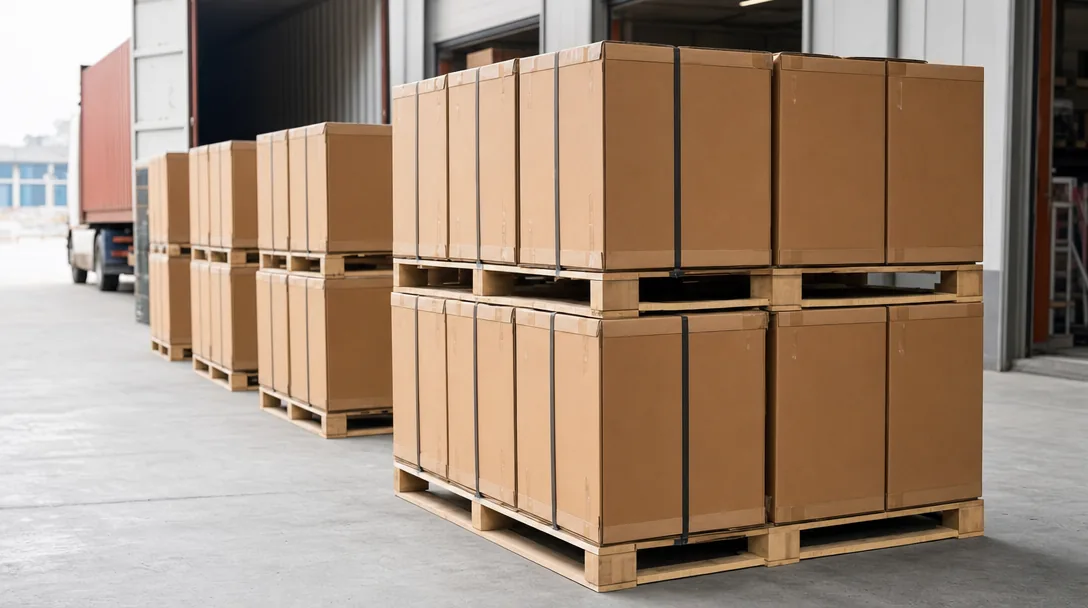
First Custom Hat Order: 10 Mistakes That Cost First-Time Buyers Money
Read article →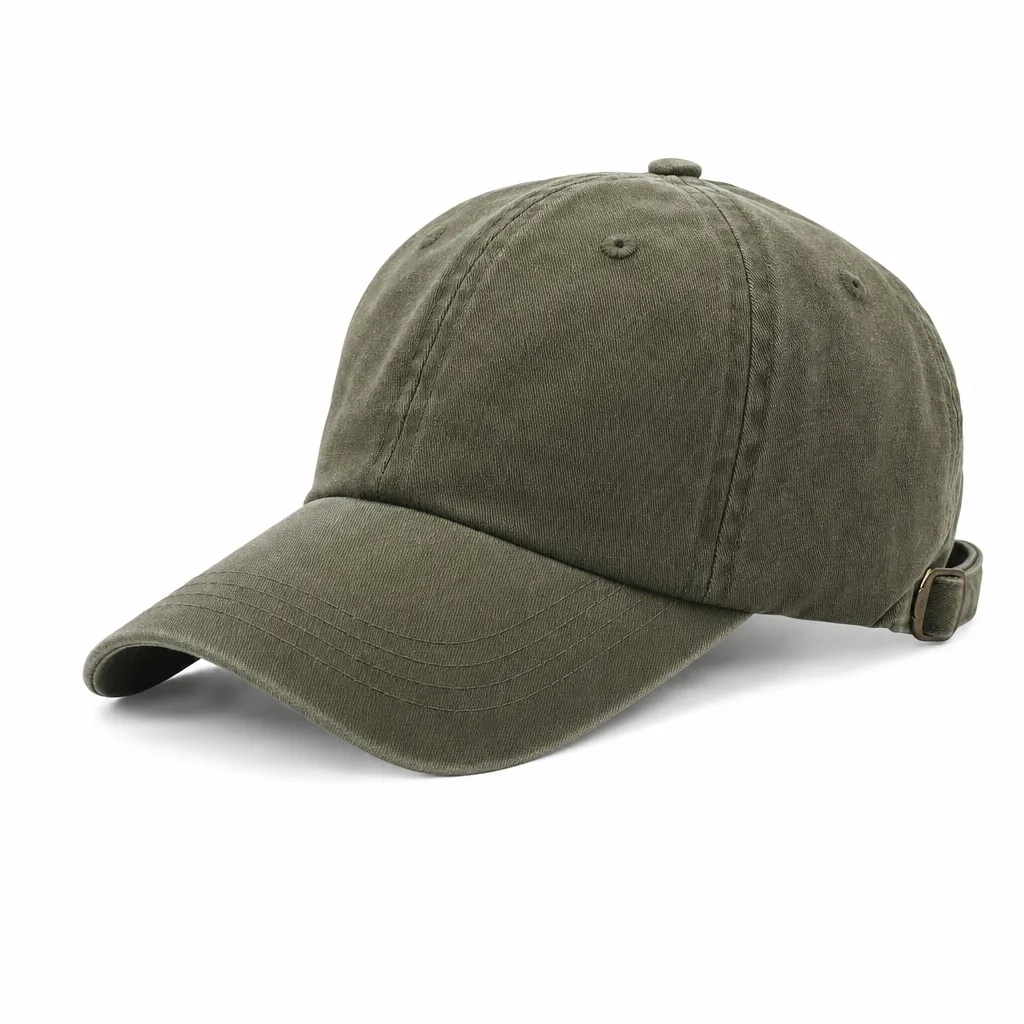
Buckram vs Foam vs Unstructured: Cap Crown Construction Compared
Read article →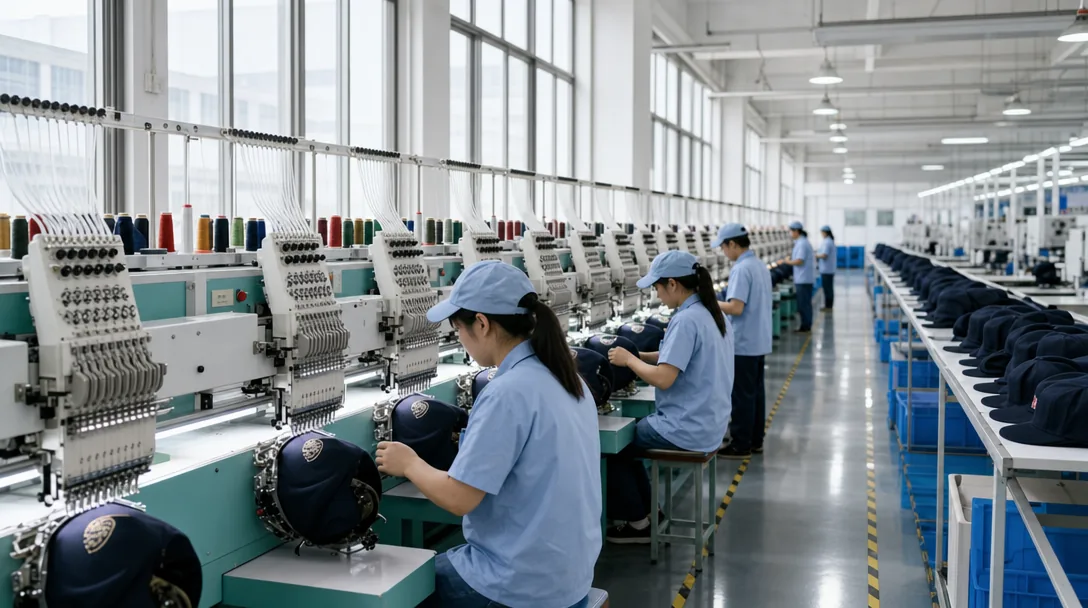
Country Hats For Men Export Shipping Checklist for Custom Hat Buyers
Read article →We hope this guide demystifies how to vet a china hat manufacturer before you wire the deposit - 2026 buyer's guide and helps you move forward with confidence. If you have questions specific to your project, our English-speaking sales engineers are one message away.