
Straw Bucket Hat: Properties, Costs and How to Spec It Right
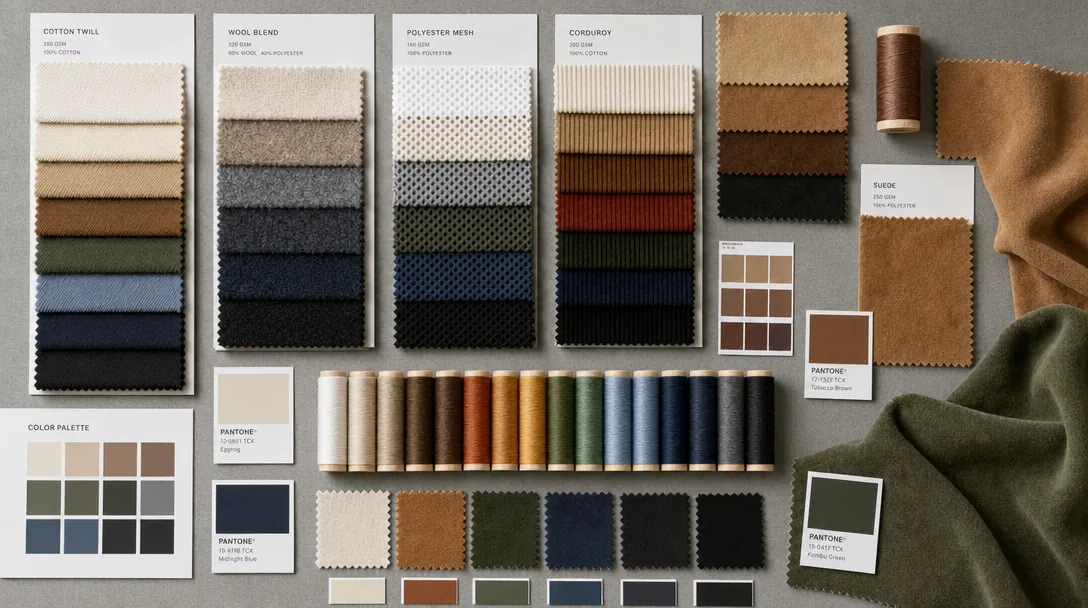
Every week, our sales team answers detailed questions about straw bucket hat: properties, costs and how to spec it right. We wrote this guide so that wholesalers, streetwear brands, corporate buyers and promotional resellers can compare options with full information, and avoid the traps that show up only after production has started.
Corduroy Hat Wholesale
Corduroy hat wholesale is straightforward only if the factory treats it like a cut-and-sew job, not a generic cap blank. Ask for the corduroy by wale count and fiber blend first: 8-wale cotton cord is common for a corduroy hat brown, while 11-wale feels tighter and prints cleaner. For outer shell, request fabric weight in gsm, shrinkage after wash, and color target by Pantone TCX with a Delta-E limit under 2.0 for repeat orders. Our standard practice is to confirm crown panels, brim stiffness, sweatband material, and stitch density before sampling, because that is where most wholesale mistakes happen. If you are comparing it with a straw bucket hat program, the decision is usually about seasonality and handfeel: corduroy sells better for fall, while straw is lighter and more sensitive to molding, fiber breakage, and edge finishing.
Typical MOQs for a basic corduroy cap run 300 to 500 pieces per color and size, with landed factory pricing often landing around USD 2.20 to 4.80 depending on lining, embroidery, and washing. A flat embroidery logo on Tajima, Barudan, or ZSK heads is usually the cheapest decoration; woven labels and metal clips add less cost than all-over wash effects. Buyers asking for cotton hats for men or cotton beanie women usually want the same discipline in spec control: crown depth, sweatband width, and trim consistency. A 100 acrylic beanie is simpler to knit than a structured cap, but the same sourcing rule applies: if you do not lock down yarn count, stitch tension, and packaging, the quote is meaningless. For wholesale, insist on separate pricing for blank, decorated, and packed units, because carton packing and polybagging can move the final price by 8 to 15 percent.
The quality issues to inspect are predictable: skewed panels, crushed ribs, off-grain brim inserts, loose topstitching, and color mismatch between panels and underbrim. For corduroy, the pile direction matters; if the nap runs the wrong way, the cap looks uneven under light and buyers will reject it even when the dimensions are correct. Ask for in-line checks at AQL 2.5, plus pull testing on the seam at the crown and a wash test if the style is garment dyed or enzyme washed. For cotton beanie men and cotton beanie women programs, you would watch pilling and gauge inconsistency; for corduroy, you watch crushing and dye migration. The broader sourcing lesson is the same as with a straw bucket hat: the material drives the risk. Straw needs braid integrity and moisture control, corduroy needs wale alignment and abrasion resistance, so spec the fabric behavior first and the decoration second.
Wholesale Hat Manufacturers Usa
Wholesale hat manufacturers in the USA usually do not make a straw bucket hat from raw straw the way a small craft workshop would; most build it from paper braid, raffia braid, or polypropylene braid, then block and stitch it into shape with sweatband insertion, binding, and trimming. The details that matter are the braid width, density, crown depth, brim angle, and whether the material is dyed before or after braiding, because that changes stiffness and color consistency. If you are comparing this against a corduroy hat brown or a cotton beanie men program, the manufacturing logic is different: woven or knit goods tolerate tighter dimensional control, while straw-style headwear is more sensitive to humidity, steam setting, and brim symmetry. For a real factory quote, request a spec sheet with braid composition, hat circumference in cm, brim width, crown height, sweatband type, stitch gauge, and packaging method. CrownsForge’s standard practice is to confirm color against Pantone TCX only after the braid lot is approved, because dyed natural fibers drift more than buyers expect.
For wholesale buying, most U.S. hat factories and decorators will push back on tiny runs because labor is the expensive part. A realistic MOQ for a custom straw bucket hat is often 300 to 500 pieces per color if the style is based on an existing block, and 1,000 pieces or more if you want a custom mold, custom woven label, or special braid. Pricing varies hard with fiber type and finishing, but a simple blank can land around $6 to $10 FOB for volume orders, while decorated or lined versions can run $10 to $16 before domestic freight and relabeling. That is not far from what buyers see on a 100 acrylic beanie or cotton beanie women program once embroidery, woven patches, and fulfillment are added. Ask for breakdowns on labor, trim, and carton pack-out so you can see where the factory is padding margin. If a supplier cannot explain whether the price assumes hand-blocked shaping, machine stitching, or steam finishing, the quote is not usable.
Quality control on this category is less about dramatic defects and more about annoying ones that create returns. The common failures are uneven brim width, waviness after unpacking, broken braid at stress points, loose binding tape, crooked center-front seams, and color mismatch across production lots. For a straw bucket hat, I would inspect at AQL 2.5 with focus on circumference tolerance within plus or minus 0.5 cm, brim symmetry within 3 mm, and sweatband attachment strength after repeated flexing. If you source alongside cotton hats for men or winter knit products, do not assume the same inspection checklist works; straw-style products need compression recovery checks and carton humidity control, ideally under 60 percent RH. Before you place a bulk order, ask for preproduction photos, a sealed golden sample, and shipping cartons that prevent crush damage. The sourcing decision is not just about the hat itself; it is about whether the factory can hold shape, color, and pack-out consistency from sample to 5,000 units without burning the edge quality that makes the product sell.
Corduroy Hat Vintage
A corduroy hat vintage build is usually cut from 8-wale or 11-wale cotton corduroy, then stitched on the same cut-and-sew lines used for twill or canvas caps. The fabric is not the hard part; the shape control is. You want a stable crown interface, clean front panel buckram or foam spec, and a bill core that holds curve without cracking after steam pressing. For color, ask the factory to match Pantone TCX, not a loose photo reference, because rib direction and nap can shift perceived shade by more than Delta-E 2.0 under shop light. If you are comparing this to a straw bucket hat program, the sourcing logic is similar: define material weight, construction, and finishing before talking price, or you will get samples that look close but fail on handfeel and silhouette.
For specs, request fabric weight in gsm, wale count, shrinkage limit, seam allowance, sweatband type, and stitch density. A normal vintage corduroy cap might use 280 to 320 gsm fabric, 1.5 to 2.0 mm EVA or buckram for the front, 8 to 10 stitches per inch, and a cotton twill sweatband with woven label or embroidery at 3,000 to 5,000 stitches. CrownsForge typically treats this as a 500 to 1,000 piece MOQ item for custom colorways, with sample cost around USD 35 to 60 and bulk pricing often landing near USD 4.20 to 7.80 FOB depending on trim and wash. If you need a corduroy hat brown for a retail capsule, lock the thread chart, eyelet color, and top-button finish early; that avoids a second sampling round and keeps the lead time closer to 25 to 35 days.
The failure points are predictable: rib crushing on packing, off-grain panel cutting, uneven enzyme wash, and shade variation between rolls. Inspect seam puckering at the front seam, sweatband attachment, and visor symmetry; if the visor centerline drifts by more than 3 mm, the hat will read cheap even if the fabric is good. For testing, I would still require a basic pull check on seams and colorfastness to rubbing, especially if the hat is garment-washed for a worn vintage look. Buyers often cross-shop this with cotton beanie men, 100 acrylic beanie, cotton beanie women, and cotton hats for men programs because the price band and margin logic are similar, but a straw bucket hat has a different seasonal role and material risk. The practical decision is whether you want a structured fall headwear program or a lighter summer SKU; that determines whether corduroy belongs in the line at all.
Bucket Hat Corduroy
A bucket hat corduroy is usually built from 8-wale or 11-wale cotton corduroy, then cut with a circular crown and a ring-shaped brim from the same face fabric or a lighter twill facing. The factory spec that matters most is wale count, fabric weight, and nap direction. For a premium retail hand feel, I usually ask for 280 to 340 gsm corduroy with a 100% cotton shell, 100% cotton twill sweatband, and a polyester or cotton-poly lining only if the hat needs more structure. A corduroy hat brown version hides minor shading better than light colors, but it also shows oil marks if the dye bath is unstable. For a straw bucket hat program, the contrast is useful: straw is more sensitive to weave consistency and seam distortion, while corduroy is more sensitive to pile crush, shrinkage, and color lot drift.
When you request samples, specify brim width, crown height, topstitch gauge, thread count, and shrinkage limits after wash or steam. A standard fashion MOQ is often 300 to 500 pieces per color for a basic corduroy bucket, but if the factory is cutting from stock fabric and using a simple one-color logo, 200 pieces is sometimes workable at a higher unit cost. Typical FOB pricing in Yiwu or similar sourcing hubs lands around USD 2.10 to 3.80 for a plain corduroy bucket hat, rising to USD 4.20 to 6.50 with custom lining, woven labels, enzyme wash, or pigment dye. Buyers who also source cotton hats for men, cotton beanie women, cotton beanie men, or a 100 acrylic beanie should be careful not to compare prices directly; knit headwear uses different labor and trim cost structures, so the fabric base and construction complexity matter more than the silhouette.
The common defects are predictable: crushed corduroy on the brim from poor stacking, twisted seams because the cut direction ignored the nap, wavy edge binding, off-center crowns, and shade mismatch between panels. I would inspect seam allowance consistency, brim symmetry, and whether the nap runs uniformly front to back; on a dark corduroy hat brown, a 2 to 3 mm distortion is easy to hide in photos and easy to miss in weak QC. For production control, ask for inline checks plus final AQL 2.5 for major defects and AQL 4.0 for minor cosmetic issues, with color approval against Pantone TCX or a physical standard under D65 light. If the goal is broader assortment planning, corduroy is a colder-season, higher-touch alternative to a straw bucket hat, so it usually sells better when buyers want a more urban look and can accept slightly higher weight, lower breathability, and a tighter return tolerance on finish quality.
Bucket Hat Strings
Bucket hat strings are simple on the sample card and annoying on the line, because the attachment point has to survive pull tests without distorting the brim. On a straw bucket hat, the string is usually a braided cotton, polyester, or PP cord sewn through a reinforced seam, then finished with knotting, a metal tip, or a cord lock. The factory should spec cord diameter, finished length, color standard, end finish, and attachment method. I ask for a 2.5 to 4 mm cord, 28 to 32 cm per side on adult hats, color matched to Pantone TCX, and a minimum 8 to 10 mm bartack or reinforced box stitch where the cord enters the crown. CrownsForge treats this as a structural trim, not just decoration, because weak anchoring is what turns into warranty returns after one season.
The pricing is usually modest, but buyers underestimate setup costs. For plain cotton cord strings, the add-on is often about $0.15 to $0.35 per piece at 300 to 500 pcs MOQ, and closer to $0.40 to $0.60 if you want woven cord, custom metal tips, or a branded cord lock. If the factory has to source a new color yarn or run a special braid, the real MOQ usually rises to 1,000 pcs per color to avoid dead inventory. Buyers comparing a corduroy hat brown, cotton beanie men, 100 acrylic beanie, or cotton beanie women often expect neat trim with almost no variation, but a straw bucket hat needs tighter process control because the body material is less forgiving and the trim is more exposed. That is why you should lock the string spec before you approve the bulk straw.
The quality issues are predictable and easy to inspect if you know where to look. Check for left-right symmetry in length, frayed cut ends, visible glue bleed, rusty metal tips, color rub-off on the straw, and seam distortion around the entry point after a 3 to 5 kg pull test. Natural straw and paper straw behave differently: paper straw tears faster at the stitch hole, so heavy cords or oversized cord locks are a bad idea unless the crown is backed with tape or a hidden patch. For sourcing, the right question is not only whether the straw bucket hat looks good on arrival, but whether the string construction matches the base material and the end use. A festival retail hat can tolerate decorative ties; a workwear or resort program cannot, because the first failure is usually a pulled anchor, not a broken cord.
Corduroy Bucket Hat
A corduroy bucket hat is cut and sewn very differently from a straw bucket hat, even if buyers treat them as the same silhouette. Corduroy is a woven pile fabric, usually 8 wale to 16 wale in 100% cotton or a cotton-poly blend, so the factory has to control nap direction, shrinkage, and seam bulk. For a standard 58 cm crown, I would ask for fabric GSM, wale count, shrinkage after wash, and a clear spec on brim stiffness, usually a 2.5 to 4.0 mm PE board or stitched-in buckram depending on the price point. If the order is a corduroy hat brown for retail, ask for pantone matching under D65 light and set tolerance at Delta-E 2.0 or tighter. Production normally runs on flatbed cutters, multi-needle sewing stations, and topstitching with 40s or 30s thread; if embroidery is needed, Tajima or Barudan heads are standard. A straw bucket hat is more sensitive to braid consistency and crown shape, but corduroy has its own risk: the fabric can twist if the grain is not laid correctly.
For MOQs, most cut-and-sew factories will start around 300 to 500 pcs per color for corduroy bucket hats, with better pricing at 1,000 pcs and up. At 500 pcs, a simple unlined cap with woven label, one-color embroidery, and basic packaging often lands around USD 2.40 to 4.20 EXW depending on fabric weight and brim construction; add another USD 0.35 to 0.80 for custom taping, lining, or garment wash. Buyers comparing this with a straw bucket hat should not only compare unit price, because straw styles usually carry different labor and defect profiles, especially if braided materials or stitched raffia are involved. Standard factory specs should include crown height, brim width, seam allowance, label placement, color fastness, and whether the sweatband is self-fabric, twill, or cotton tape. If you are also sourcing cotton hats for men, cotton beanie women, cotton beanie men, or a 100 acrylic beanie, keep the spec discipline the same: construction details matter more than the style name on the sample photo.
The main quality issues on corduroy bucket hats are obvious once you know where to look: crushed pile from bad packing, uneven nap direction between panels, crooked topstitching, loose threads at the brim join, and shade variation between production lots. On a brown corduroy program, even a small shade shift reads as a second quality item, so I would require pre-production approval of lab dips and a golden sample. For inspection, AQL 2.5 is normal for general apparel, but I would tighten critical points like circumference, brim symmetry, and embroidery registration. If the hat is washed, test for dimensional change and color bleeding, especially on darker dyes. CrownsForge’s standard practice is to keep a sealed pre-production sample, a paper spec sheet, and a trim card signed off before bulk cutting; that matters more on a corduroy bucket hat than on a straw bucket hat because fabric defects are harder to hide once the pile is flattened. If your broader sourcing decision is between straw and corduroy, decide first by end-use: straw favors summer and vacation retail, corduroy is stronger for fall, colder climates, and a more premium streetwear look.
Working with CrownsForge for straw bucket hat programs
For a straw bucket hat program, the real risk is not the finished hat, it is whether the sample matches the sellable spec before you commit to bulk. Our standard practice at CrownsForge is to move a development round in 7 to 10 days once the bill of materials is clear: crown shape, brim width, weave density, sweatband construction, and trim details all get locked before we cut production paper. That matters because straw behaves differently from a corduroy hat brown or a knit cap like a cotton beanie men or 100 acrylic beanie; the material does not forgive vague measurements. We ask for Pantone TCX targets for any fabric trims, then verify appearance under controlled light so first-time buyers are not approving from a phone screen and hoping for the best. For brands testing a straw bucket hat against cotton beanie women or cotton hats for men in the same seasonal drop, the sample stage should be treated as a sales tool, not a formality.
MOQ flexibility is where small brands usually get trapped by factories that only want container-level volume. For straw styles, we can keep the first order modest when the construction is simple and the trim set is stable, then scale once the fit and decoration are proven. The usual factory mistake is treating every order like a blank cap program, when straw needs more handling discipline around breakage, moisture, and packaging compression. Decoration is also where we separate workable ideas from bad ones: direct embroidery on structured patches, woven labels, heat-transfer logos on compatible tapes, and custom inner taping are all more dependable than trying to force a logo into a brittle surface. If a buyer needs a prototype for a straw bucket hat plus companion knit styles, we keep the artwork consistent across the line so the customer sees one brand system, not disconnected products.
Compliance and order control are what keep a cheap-looking sample from becoming an expensive shipment problem. We normally align raw-material checks, in-line inspection, and final AQL 2.5 sampling with photo documentation at each stage, then confirm carton counts, size ratios, and labeling before booking freight. On the paperwork side, sedex-audit-cap-supplier-guide.html">BSCI 2.0 and Sedex SMETA 4-Pillar documentation are straightforward only if the factory has been maintaining them continuously; retrofitting those files after the order lands is where delays start. For decoration approvals, we specify machine type and thread control rather than leaving it to guesswork, because Tajima, Barudan, and ZSK embroidery heads do not all behave the same on dense trims. That level of order management is what makes a straw bucket hat program predictable for first-time buyers and useful for scale-up brands that need repeatable reorders, not one-off luck.
Frequently Asked Questions
Do you support sustainability certifications?
Yes. We work with GOTS organic cotton, GRS-certified recycled polyester, OEKO-TEX Standard 100 fabrics, and are BSCI and Sedex audited. Certification documentation can be provided per order.
Can I order a sample before bulk production?
Yes. We strongly recommend approving a pre-production sample before mass production. Samples are charged at 35 to 60 USD each plus express shipping, fully refundable against confirmed bulk orders over 500 pieces.
What is the minimum order quantity (MOQ) for custom hats?
Our standard MOQ is 100 pieces per design and color, with sampling available from 1 piece. For complex multi-color logos or premium fabric upgrades, the MOQ can be lowered with a small per-piece surcharge.
How long does production take?
Sampling takes 7 to 12 days. Bulk production runs 20 to 30 days depending on quantity, fabric availability and decoration complexity. Inspection and packing adds another 3 to 5 days before shipment.
What logo decoration techniques do you offer?
3D puff embroidery, flat embroidery, woven patch, leather patch, PVC patch, screen printing, sublimation, applique and laser etching, all in-house with no subcontracting.
What should buyers know about brown corduroy bucket hat?
When evaluating brown corduroy bucket hat, the key considerations are construction quality, decoration capability, MOQ flexibility and lead time. Cover everything buyers ask about corduroy hat wholesale: how it's manufactured, what specs to request from a factory, typical MOQ and pricing, common quality issues to inspect for, and how this ties back to the broader straw bucket hat sourcing decision. Cover everything buyers ask about corduroy hat vintage: how it's manufactured, what specs to request from a factory,…
What should buyers know about bucket hat men nike?
When evaluating bucket hat men nike, the key considerations are construction quality, decoration capability, MOQ flexibility and lead time. Cover everything buyers ask about corduroy hat wholesale: how it's manufactured, what specs to request from a factory, typical MOQ and pricing, common quality issues to inspect for, and how this ties back to the broader straw bucket hat sourcing decision. Cover everything buyers ask about wholesale hat manufacturers usa: how it's manufactured, what specs to request from a…
What should buyers know about acrylic beanie hat?
When evaluating acrylic beanie hat, the key considerations are construction quality, decoration capability, MOQ flexibility and lead time. Cover everything buyers ask about corduroy hat wholesale: how it's manufactured, what specs to request from a factory, typical MOQ and pricing, common quality issues to inspect for, and how this ties back to the broader straw bucket hat sourcing decision. Cover everything buyers ask about wholesale hat manufacturers usa: how it's manufactured, what specs to request from a…
What should buyers know about 100 percent cotton beanie?
When evaluating 100 percent cotton beanie, the key considerations are construction quality, decoration capability, MOQ flexibility and lead time. Cover everything buyers ask about corduroy hat wholesale: how it's manufactured, what specs to request from a factory, typical MOQ and pricing, common quality issues to inspect for, and how this ties back to the broader straw bucket hat sourcing decision. Cover everything buyers ask about wholesale hat manufacturers usa: how it's manufactured, what specs to request from a…
Ready to start your custom hat project?
Send us your tech-pack, sketch or even just an inspiration photo. We will respond with a detailed quotation and digital mock-up within 24 hours.
Request a free quoteRelated guides
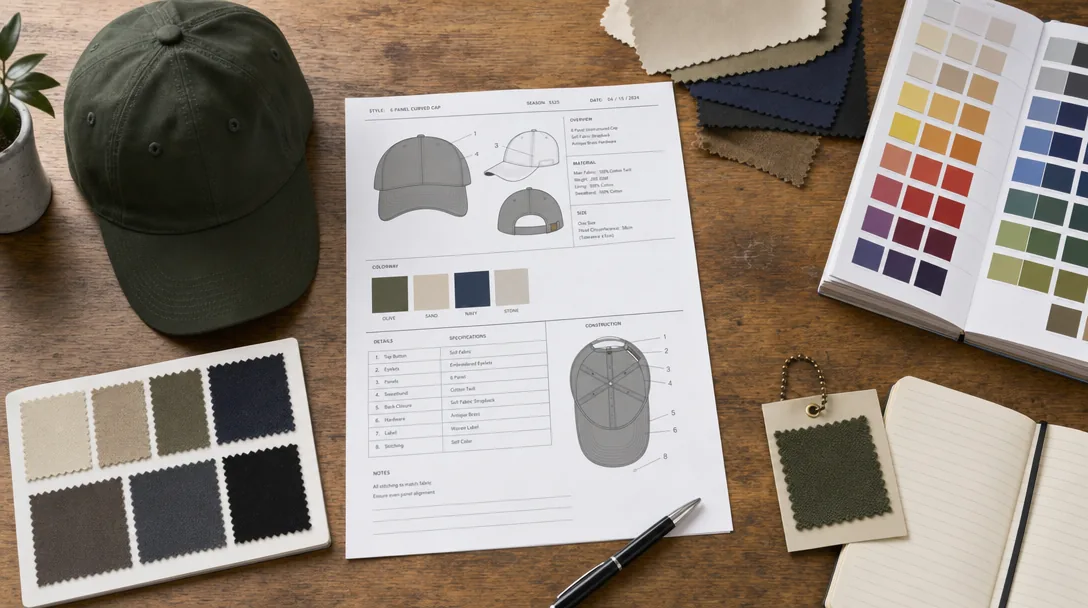
Hat Quality Inspection Checklist: 32 Points Every Importer Should Verify
Read article →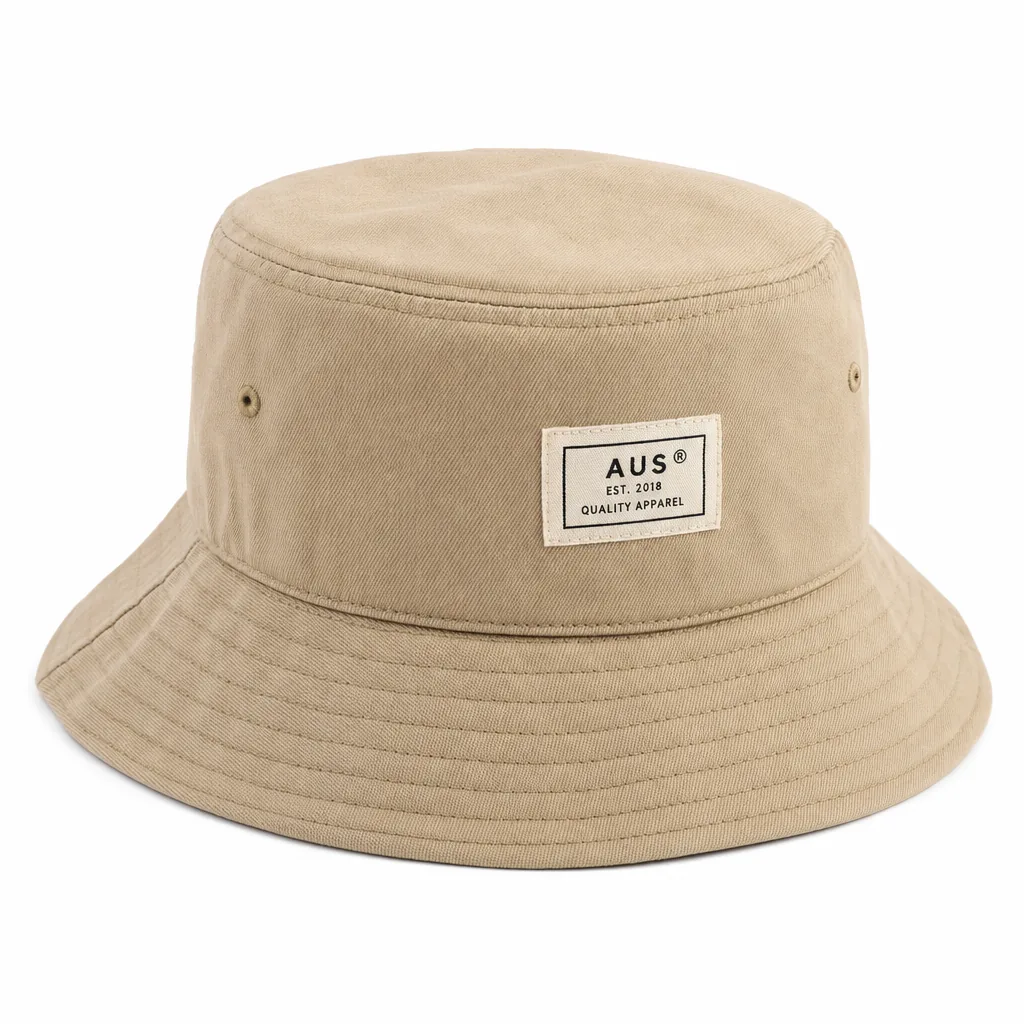
Private Label Bucket Hat Manufacturing: Materials, Trims & Bulk Ordering
Read article →
Custom Hats for Women: A 2026 B2B Sourcing Guide
Read article →Sourcing custom hats does not have to be complicated. With the right manufacturing partner, clear specifications and a small upfront investment in sampling, you can launch a retail-quality product in 30 to 45 days.