
Sports Team Caps & Uniform Headwear: Bulk Manufacturing for Clubs and Schools (2026 Update)
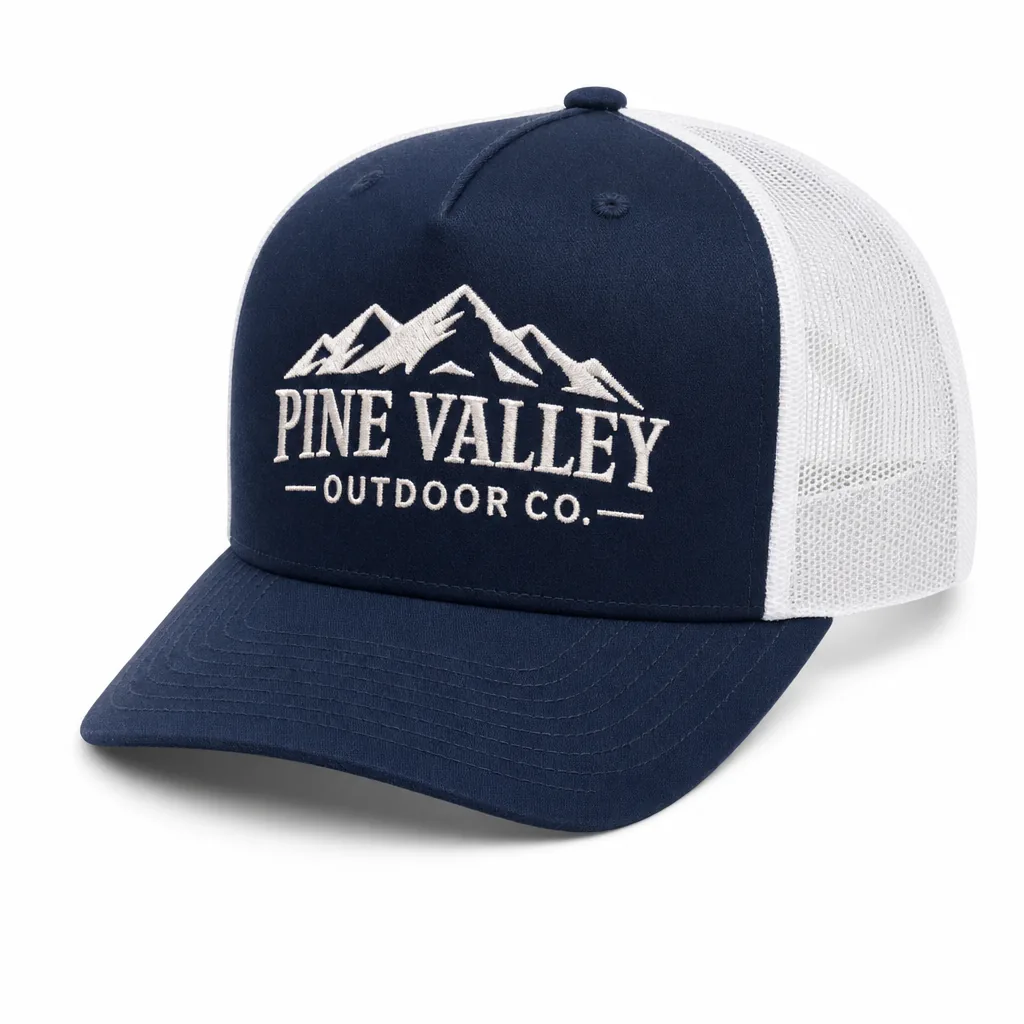
For brand owners, wholesalers and procurement teams entering the custom headwear category, sports team caps & uniform headwear: bulk manufacturing for clubs and schools (2026 update) is one of the highest-leverage decisions you will make. Get it right and your unit economics, retail story and reorder cycle all improve. Get it wrong and you carry the cost for years.
Why teams need a specialist manufacturer
Color consistency is usually the first place generic promo-cap vendors break down. A school athletic department does not need “approximately navy”; it needs the same navy across sideline photos, booster-store restocks, and a top-up order placed nine months later. A specialist factory will lock shades to Pantone C or Pantone Fashion, Home + Interiors references, keep signed lab dips on file, and check finished panels with a spectrophotometer before cutting so Delta-E stays within an agreed window, typically 1.0-1.5 on core team colors. That control matters because 10 oz cotton twill, 280-320 gsm polyester mesh, and 80/20 acrylic-wool serge all take dye differently. If the mill lot changes and nobody is tracking it, sports team caps that matched in the sample room can look off under LED field lighting or in daylight photography. The practical fix is boring but non-negotiable: approved fabric lots, trim cards, and continuity records covering visor sandwich, eyelets, top button, undervisor, seam tape, and sweatband.
Reorder accuracy is the second reason teams need a specialist manufacturer. Real programs do not buy on a tidy annual calendar; they add late roster spots, replace lost coach caps, and need playoff inventory in 15-30 days, not a fresh 45-60 day development cycle. A proper factory archives the full tech pack and production history: crown height, profile, buckram weight, visor curve, closure supplier, seam tape artwork, embroidery stitch count, and original digitizing file. If the front mark was run in 3D puff on a 6-panel mid-profile cap, the factory should already know the foam thickness, pull compensation, density, thread brand, and machine settings used on the Tajima or Barudan heads. That is how a 144-piece repeat can match a 3,000-piece run without crown collapse, logo distortion, or visible stitch drift.
Specialist production also matters once one program splits into multiple SKUs, which is now standard for clubs, schools, and travel teams. One order often needs player initials on the side panel, coach titles on the back arch, sponsor logos for tournament use, and cleaner retail versions for parents or alumni. That only works if the factory runs barcode-based bundling, carton segregation, and inline inspection to AQL 2.5 so names, variants, and packing lists do not get crossed on the finishing line. The efficient structure is usually one approved shell platform with controlled decoration changes—flat embroidery, 3D puff, twill applique, sublimated patches, or heat-applied numbers—across varsity, JV, staff, and fan channels. Good sports team caps are not just customized; they are controlled at scale, with consistent silhouette, hand feel, and fit even when the decoration matrix gets complicated.
Fabric specs for athletic caps
Moisture management should drive the fabric spec; softness is secondary once athletes start training in heat. For sports team caps, the safest core fabric is 100% filament polyester at 150-160 gsm, typically micro-pique or interlock, with a tested wicking finish rather than brushed cotton twill or peach-finish blends that absorb sweat and stay wet. That weight holds crown shape without feeling heavy, and it gives better print registration for school logos and number marks. If the program uses sublimated side panels or full-wrap graphics, specify 75D-100D filament yarns instead of spun polyester. Filament yarn gives a cleaner face, sharper edge definition, and lower pilling after repeated laundering. Sweatband specs also need to be written, not implied: 110-140 gsm Coolmax-type polyester or a nylon/poly performance knit generally outlasts basic tricot and rebounds better after long practice sessions. Ventilation should be engineered into panel construction, not treated as a cosmetic add-on. For side and back panels, 100-130 gsm warp-knit mesh or sandwich mesh moves heat better than coated fabric with laser perforation, especially in humid conditions. The tradeoff is seam strength, so the mesh-to-crown join should be reinforced and tested for seam slippage before bulk cutting. On structured sports team caps, the front panel needs enough support to keep the logo field flat under embroidery. A 2.0-2.5 mm EVA or buckram backing stabilizes 3D embroidery on Tajima, Barudan, or ZSK heads, while 1.8-2.2 mm HDPE visor inserts hold shape far better than cardboard after sweat, rain, and repeated packing.
Color control is where bulk athletic orders usually fail, because buyers approve the silhouette but leave the dye standard too loose. School and club programs should write shade tolerance directly into the tech pack: Delta-E below 1.5 against approved Pantone TCX references is a practical target for navy, maroon, black, and forest green, which are the colors most likely to drift between dye lots. Colorfastness requirements should also be explicit, especially for perspiration and home laundering, because low-cost polyester can bleed or dull after one season of use. If the cap combines dyed fabric with sublimated panels, require lab dips and strike-offs to be approved together; otherwise the body color and graphic panels will miss each other even when both are technically “close.” The spec is still incomplete if performance and compliance are not documented. For outdoor team use, request verified UPF 30+ to 50+ where relevant, especially for tennis, baseball, and field sports. Factories should also confirm seam slippage performance on mesh joins, visor insert material, and final inspection to AQL 2.5 before shipment. Our standard practice at CrownsForge is to treat these as pre-production controls, not end-of-line surprises, because once embroidery is sewn and panels are assembled, a weak fabric spec becomes an expensive rework problem. Buyers who lock fabric weight, denier, backing thickness, color tolerance, and test standards at sampling stage usually get more consistent sports team caps and fewer replacements mid-season.
Color matching across multiple SKUs
A single Pantone number is not a color-control system. For sports team caps that need to sit next to jerseys, shorts, and warm-up pieces, you are matching across different fiber contents, dye chemistries, and surface textures: 14-wale cotton chino, 300D cationic polyester, 210 gsm polyester interlock, recycled birdseye mesh, and acrylic rib all throw light differently. The practical method is to lock two references before sampling starts: a physical Pantone TCX standard and an approved cut swatch from the actual uniform body fabric. Then run separate lab dips for each cap material, because a red like Pantone 19-1664 TCX can look sharp on filament polyester and noticeably duller on brushed cotton if the mill does not compensate for absorbency, pile, and finish. On factory floor terms, reasonable tolerance is Delta-E 1.5 or lower between adjacent cap components and Delta-E 2.0 or lower for cap-to-uniform matching, checked under D65 lighting in a calibrated light box. Beyond that, the color drift is visible at normal viewing distance and parents will call it the wrong school color.
Reorder failures usually come from lot variation, not artwork mistakes. Caps often go into bulk 60 to 90 days after the uniforms, from a different greige lot, different dye house, or different factory, and that is where navy shifts violet or scarlet picks up orange. The fix is procedural: seal one master standard for each SKU family, retain back swatches from every approved bulk lot, and record batch numbers for crown fabric, visor facing, sandwich trim, top button, eyelets, and sweatband. Buyers should send actual jersey and short fabrics before cap cutting; a digital Pantone callout on a tech pack is not enough when multiple substrates are involved. Bulk shade should be approved before embroidery starts, because a dense satin-fill or tatami-fill logo on Tajima or Barudan heads can change perceived crown color through contrast, especially on lighter grounds. For school and club programs in the 2,000 to 10,000 piece range, $80 to $150 per shade for lab dips, spectrophotometer checks, and cross-material approvals is cheap compared with a failed shipment. Once cartons are packed, even a clean AQL 2.5 inspection cannot rescue a bad pre-production color decision.
Personalization at scale
The hard part in personalization is not stitching a name or pressing on a patch; it is keeping 300 caps consistent when every third panel has a different number, roster name, and sponsor lockup. For sports team caps, we normally separate the order into static and variable decorations before production starts: left chest-style sponsor logo stays on one embroidery program, while player numbers and names run as indexed variable-data files tied to carton packing lists. On Tajima or Barudan multi-head machines, that means controlling thread maps, trim paths, and sequence order so a #08 and a #88 sew with the same density and edge coverage. A clean setup usually keeps logo registration within ±1.0 mm and thread color variance under Delta-E 1.5 against approved Pantone TCX references. If the buyer wants matching team uniform hats across varsity, JV, and coaching staff, we also lock artwork by size grade so a youth small crown does not distort a sponsor mark that looked fine on an adult mid-profile cap.
Names and numbers add labor faster than most buyers expect. A plain 3D front logo on brushed cotton twill might cost $1.10 to $1.60 per cap in embroidery, but adding a player name on the side and a stitched number on the back can push decoration cost up by another $0.45 to $1.20 depending on stitch count, thread changes, and whether the roster is fully individualized. Season-specific patches are even more sensitive: woven or sublimated emblems with merrowed borders are fine for club cap bulk orders, but heat-applied TPU badges on nylon performance caps need wash, abrasion, and peel testing before approval. Our standard practice is to run a pre-production personalization matrix showing every SKU, name spell-out, digit combination, and patch position, because one missed roster line is cheaper to catch on paper than after 1,200 units are packed by player number for school distribution.
The best school cap manufacturer or athletic cap supplier treats personalization like data management, not just decoration. Sponsor logos often arrive in five versions from different local partners, and unless the team apparel cap factory standardizes line weight, minimum text height, and underlay settings, small lettering will close up on structured fronts or bleed on mesh backs. For school programs, we usually recommend a minimum 4.5 mm letter height for satin-stitch names and at least 0.8 mm stroke width on sponsor art to survive production cleanly. AQL 2.5 final inspection should include variable-content checks by carton, not only workmanship, because the defect is often wrong identity rather than bad sewing. When clubs need reorders mid-season, keeping digitizing files, patch molds, and placement specs archived by season code lets the factory reproduce matching team uniform hats in 15 to 25 days without rebuilding the whole program from zero.
MOQ flexibility for school orders
The practical breakpoint for school orders is not the marketing MOQ on a website; it is the point where fabric yield, trim setup, and embroidery time stop wasting money. For most sports team caps, a realistic low-tier MOQ is 48 to 72 pieces per colorway if you use stock 100% cotton twill at 260 to 280 gsm, standard buckram, and one front logo run on 12-head Tajima or Barudan machines. Once a school wants custom-dyed shell fabric, contrast sandwich visor, woven taping, and player numbering, the efficient floor usually moves to 144 pieces because the cap body cutting loss and trim matching costs climb fast. A good school cap manufacturer should separate true setup charges from unit cost instead of hiding them inside an inflated FOB price; on simple builds, I would expect a one-time digitizing fee of $20 to $45 and no mold cost unless there is a custom metal badge or silicone patch involved.
Educational and community programs need tiered MOQ logic, not a single threshold. For elementary schools, PTA projects, and local clubs ordering team uniform hats for one season, mixed-size programs are easy because caps are mostly adjustable; the real issue is mixed designs. Our standard practice is to allow one base fabric and one closure across 3 to 4 logo variations, as long as each logo version still holds at least 24 pieces, because that keeps embroidery thread changes, QC segregation, and carton labeling manageable under AQL 2.5. If the order is for performance caps in 120 to 140 gsm recycled polyester with laser eyelets or heat-transfer branding, I would still push buyers to consolidate Pantone references and visor details. Every extra variation adds small factory touches—thread swaps, heat press dwell checks, carton stickers—that do not look expensive on paper but can add $0.18 to $0.45 per cap in real production.
The best club cap bulk programs are built around repeatability for next season. A competent athletic cap supplier should archive the approved tech pack, embroidery file, Pantone TCX references, closure spec, and carton marks so a school can top up 50 to 100 units later without visible shade drift. For reorders, I would want fabric shade tolerance controlled within Delta-E 1.5 to 2.0 against the approved lot card, especially on navy, maroon, and forest green, where mismatch is obvious next to jerseys. A reliable team apparel cap factory can also combine small school runs in one production window—say, three schools at 72 pieces each using the same crown profile and fabric—to keep lead times around 20 to 30 days ex-factory instead of forcing every program into a 300-piece commitment. That is the difference between a factory that actually understands school business and one that only wants easy high-volume orders.
Sample, approve, produce: timeline for season launch
Work backward from first wear date, not art approval. For new offshore sports team caps, the schedule that actually survives sampling, production, and transit is usually 45 to 75 calendar days from approved tech pack to delivered goods; repeat orders using the same fit block, fabric, closure, and embroidery file can compress to 25 to 40 days. A realistic 2026 breakdown is 3 to 5 days for quotation revision and artwork cleanup, 5 to 7 days for sample making, 2 to 4 days for courier transit, 2 to 5 days for approval comments, 18 to 30 days for bulk cutting, sewing, and embroidery, then 7 to 18 days for delivery depending on air, rail, or ocean service. If first game day is August 20, final approval should be locked by roughly June 25 for any new build, especially when the cap includes raised 3D embroidery, a contrast sandwich visor, woven loop labels, or Pantone TCX matching against jerseys and warm-up sets.
Sampling is where launch calendars usually slip. A usable cap spec must define crown profile, visor curve, closure, fabric composition, sweatband color, eyelet style, logo size in millimeters, stitch direction, and backing type; without that, approvals are guesswork. On a Tajima or Barudan machine, a front crest that looks sharp on screen can still tunnel or distort on a structured buckram crown if the underlay, stitch density, or satin column width is wrong. Plan on one pre-production sample to confirm fit, color, and construction, and only authorize a second if there is a real defect such as crest pull, wrong mesh shade, incorrect closure, or Delta-E above 1.5 from the approved standard. Bulk production should not start until the sealed sample, embroidery file, and carton markings are approved in writing. A 3 mm placement drift or a visor curve error repeated across 300 caps is not a minor repair; it becomes a remake. Good factories control that risk with inline checks for panel alignment, button centering, visor symmetry, embroidery placement tolerance, closure function, and a final AQL 2.5 inspection before packing.
For clubs and schools launching multiple squads at once, the safest timeline is to standardize the cap body and vary only the embroidery file by team. That reduces fabric and trim complexity, keeps MOQs manageable, and prevents one late roster or logo revision from stalling the entire order. It also shortens the rework cycle: if a logo changes after approval, expect 2 to 3 extra days for redigitizing, sew-out testing, and machine rebooking on Tajima, Barudan, or ZSK heads before bulk can resume. In practical terms, standard 6-panel sports team caps at 144 to 500 pieces usually price around $4.20 to $7.80 FOB, depending on fabric weight, closure type, embroidery stitch count, and whether you add woven labels or custom interior taping. The most common scheduling mistake is mixing too many body colors, fabrics, and logo versions into one launch. That does not just add cost; it lengthens pre-production before the sewing floor even starts.
Frequently Asked Questions
What logo decoration techniques do you offer?
3D puff embroidery, flat embroidery, woven patch, leather patch, PVC patch, screen printing, sublimation, applique and laser etching, all in-house with no subcontracting.
Can I order a sample before bulk production?
Yes. We strongly recommend approving a pre-production sample before mass production. Samples are charged at 35 to 60 USD each plus express shipping, fully refundable against confirmed bulk orders over 500 pieces.
Do you support sustainability certifications?
Yes. We work with GOTS organic cotton, GRS-certified recycled polyester, OEKO-TEX Standard 100 fabrics, and are BSCI and Sedex audited. Certification documentation can be provided per order.
What file format should I send for my logo?
Vector files (AI, EPS, PDF) are ideal. High-resolution PNG or JPG at 300 dpi on transparent background works as a fallback. Provide Pantone color references for accurate reproduction.
Which shipping methods do you support?
We support FOB, CIF and DDP shipping. Air express for samples and small orders, sea LCL for 100 to 500 pieces, sea FCL for 5,000+ pieces. Door-to-door DDP available for US, EU, UK, Canada and Australia.
How much does cheap custom hats in bulk typically cost?
When evaluating cheap custom hats in bulk, the key considerations are construction quality, decoration capability, MOQ flexibility and lead time. Repeatable color matching across seasons, fast reorder, individualization options. Moisture-wicking polyester, mesh ventilation panels, UV protection.
How does ordering custom beanie cap work?
When evaluating custom beanie cap, the key considerations are construction quality, decoration capability, MOQ flexibility and lead time. Repeatable color matching across seasons, fast reorder, individualization options. Moisture-wicking polyester, mesh ventilation panels, UV protection.
What should buyers know about nike bucket hats for men?
When evaluating nike bucket hats for men, the key considerations are construction quality, decoration capability, MOQ flexibility and lead time. Repeatable color matching across seasons, fast reorder, individualization options. Moisture-wicking polyester, mesh ventilation panels, UV protection.
What should buyers know about cool bucket hats for guys?
When evaluating cool bucket hats for guys, the key considerations are construction quality, decoration capability, MOQ flexibility and lead time. Repeatable color matching across seasons, fast reorder, individualization options. Moisture-wicking polyester, mesh ventilation panels, UV protection.
What is the most popular sports team hat?
1. New York Yankees Cap. The New York Yankees cap has been a classic since the 1970s and remains popular today.
What is a sports cap called?
A baseball cap is a type of soft hat with a rounded crown and a stiff bill projecting in front.
Ready to start your custom hat project?
Send us your tech-pack, sketch or even just an inspiration photo. We will respond with a detailed quotation and digital mock-up within 24 hours.
Request a free quoteRelated guides
Embroidery Hats Machine: When to Use It, Costs, and What to Ask Your Factory - Cost & MOQ Breakdown
Read article →
Country Trucker Caps: The 2026 Sourcing & Manufacturing Playbook
Read article →
5-Panel vs 6-Panel Caps: Construction, Use Cases and Cost Compared (2026 Update)
Read article →If you are ready to take the next step on sports team caps & uniform headwear: bulk manufacturing for clubs and schools (2026 update), our team can put a tailored quotation and digital mock-up in your inbox within 24 hours. Send the inquiry form on our contact page or message us directly on WhatsApp.