
Snapback vs Fitted vs Adjustable: Cap Closure Systems Compared (2026 Update) - 2026 Buyer's Guide (2026 Update)
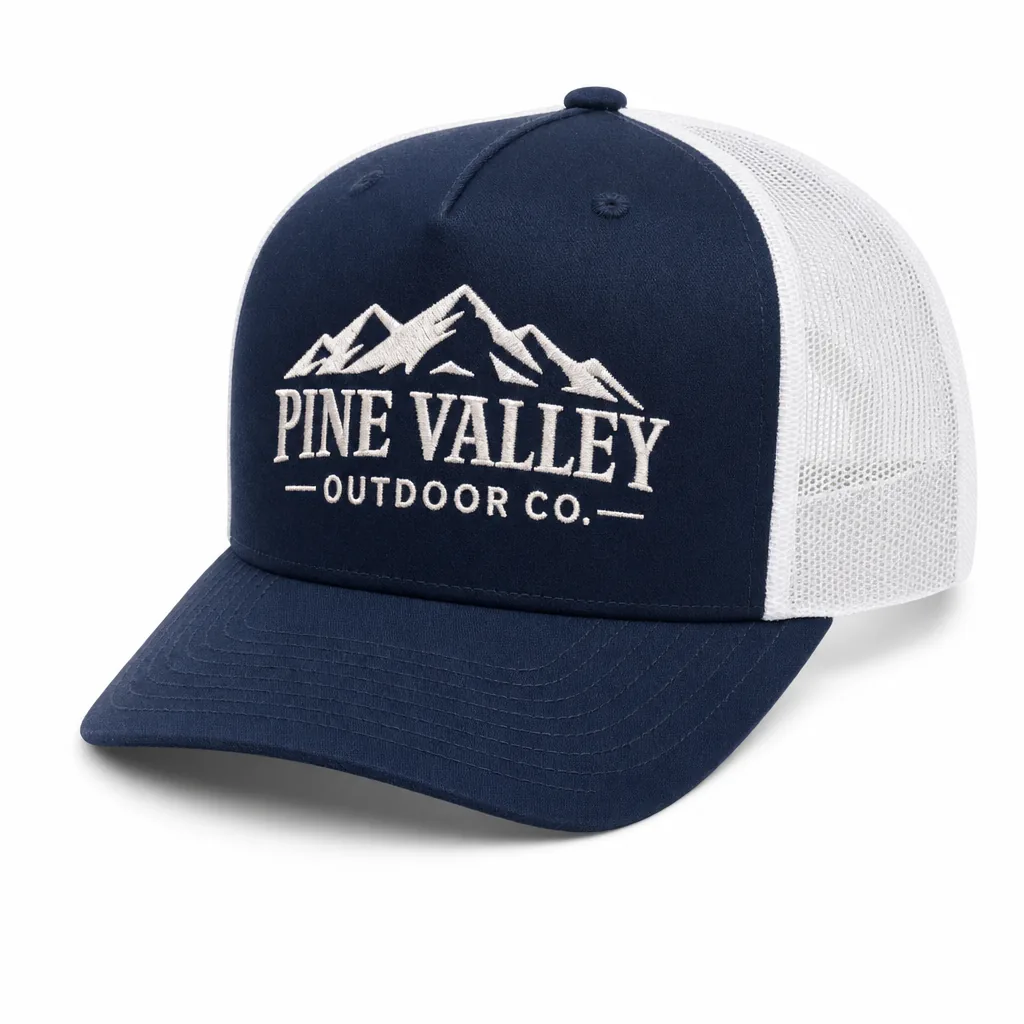
Every week, our sales team answers detailed questions about snapback vs fitted vs adjustable: cap closure systems compared (2026 update) - 2026 buyer's guide (2026 update). We wrote this guide so that wholesalers, streetwear brands, corporate buyers and promotional resellers can compare options with full information, and avoid the traps that show up only after production has started.
The five closure systems in commercial production
The five closure systems that matter in commercial cap production are plastic snap, self-fabric strap with metal slider, self-fabric tuck strap, hook-and-loop, and fitted. In any snapback vs fitted decision, the real issue is SKU compression. A standard adult snapback is usually built on a 58 cm nominal block and, with a 7-hole snap, covers roughly 54-61 cm; one body size can service most unisex retail and promo programs. A fitted cap turns that into a size curve—typically 6 7/8 to 7 5/8, sometimes 7 sizes if you include 6 3/4 and 7 3/4—so every size becomes its own forecast, carton ratio, and reorder risk. On licensed sports drops, the weak sizes are what kill margin: 7 1/4 sells out first, 6 7/8 and 7 5/8 linger, and late top-up orders rarely match the original curve. Plastic snap is still the cheapest scalable closure, usually adding $0.10-$0.18 per cap depending on resin grade, Pantone matching, and whether the stud/socket set comes from a branded trim source or a local molder. Fitted construction may only add $0.18-$0.35 in direct sewing and finishing, but total landed cost is higher because QC is tighter and size-specific inventory ties up cash. On wool blend melton or 300 gsm brushed cotton twill, we normally hold finished inside circumference to ±0.5 cm and verify on calibrated metal head forms during inline and final inspection under AQL 2.5. Below about 1,200 pcs per style, fitted programs are forecast-sensitive unless the buyer has clean historical size splits by market and channel.
Strapback closures sit between those extremes, and the choice is less about fit than about perceived value, rear decoration space, and post-wash stability. A self-fabric strap with metal slider usually costs $0.28-$0.55 depending on buckle finish, strap width, and fabric weight—210 gsm chino, enzyme-washed twill, and 10 oz canvas do not behave the same under fold and bartack tension. Tuck straps look cleaner because the tail is hidden inside the back opening or sweatband channel, but they require better sewing control; if the fold is off-center by even 2-3 mm or the bartacks are unbalanced, the strap will torque after garment wash. Rear embroidery is also tighter on buckle styles: a 50-60 mm wordmark can crowd the closure area, especially on 12-head Tajima, Barudan, or ZSK machines where hoop clearance is unforgiving. Hook-and-loop gives the widest usable adjustment range and the lowest perceived retail value. It works for golf events, uniforms, and promotional runs because the fit is fast and forgiving, but the failure points are predictable: lint contamination, grip loss after repeated laundry cycles, and snagging against knits when caps are bulk packed without individual polybags. For fashion retail, fitted still gives the cleanest rear profile because there is no hardware or strap tail interrupting the crown line. Still, in a practical snapback vs fitted comparison, snapback remains the safer commercial default: fewer SKUs, easier replenishment, and lower dead-stock exposure. Fitted only pays off when the brand can support deeper size curves, stricter circumference control, and a higher tolerance for inventory imbalance.
Plastic snap (snapback) economics
The economics of a plastic snap are driven less by the part cost than by size-risk reduction. One adult snapback shell usually fits about 54–62 cm with 7 or 8 holes, so a single SKU can replace three to five fitted sizes depending on your curve and sweatband tolerance. In a real snapback vs fitted buy, that matters more than the closure price itself. A standard injection-molded PP snap set in China is typically $0.035–$0.060 at 3,000–10,000 pcs, with black and white at the low end and body-matched colors a little higher. By contrast, fitted programs force you to split demand across sizes like 6 7/8, 7, 7 1/4, 7 3/8, and 7 1/2, which means more cartons, more pick errors, and more dead stock in the tails. For event merch, promotional retail, truckers, and open-size streetwear capsules, the snapback usually protects gross margin better than any closure with a broader size matrix.
Production risk is also lower with plastic snaps, and that shows up directly in factory yield. Operators attach the rear strip on a standard binder setup in seconds; if the strip is skewed, under-topstitched, or cracked, it can usually be reworked during inline QC without scrapping the cap. Fitted caps are less forgiving: once the wrong crown size or sweatband circumference is sewn in, the unit often drops to seconds. Stock colors such as black, navy, red, royal, gray, khaki, and dark green are normally available with no extra trim lead time. Custom-matched snaps are feasible from about 500 pcs per color, but expect a $0.02–$0.04 upcharge and roughly 7–12 days for molding approval and color confirmation. Our standard practice is to verify closure color against Pantone Solid Coated or TCX references and allow a practical Delta-E tolerance, because PP will not read exactly like wool serge or brushed cotton under D65, TL84, and store LEDs. Against strapbacks, which often add $0.12–$0.35 in hardware and labor, the plastic snap is still the cheapest scalable option when broad adult fit matters more than a heritage handfeel.
Fabric strap with metal buckle (dad hat aesthetic)
A fabric strap with a metal slider belongs on a true dad hat: low crown, soft buckram or no front reinforcement, and a rear opening that does not interrupt the silhouette. The commercial spec is usually a 16–18 mm self-fabric strap cut from 240–280 gsm washed cotton twill, chino twill, or brushed canvas, folded with a clean turnback and locked with a zinc-alloy or stainless slider in antique brass, matte black, or brushed nickel. Properly graded, that setup covers about 54–62 cm head circumference, which is enough for most one-size retail programs without the visual bulk of a 7-hole plastic snap. In a real snapback vs fitted decision, this closure is not about athletic function or exact sizing; it is about keeping the back profile quiet so the cap still reads soft, broken-in, and premium on shelf and in PDP photos.
The hardware is cheap; the workmanship is where factories get exposed. A standard self-fabric strap with generic plated slider usually adds $0.12–$0.20 per cap versus a simple tuck strap, but the reject risk climbs fast if the trim supplier is weak. The recurring failures are burrs on slider edges that snag the fabric, uneven strap-end folding, bartacks that miss the keeper layer, and plating that dulls or flakes after wash and humidity. On washed cotton, we also see puckering around the strap base if SPI is too high or thread tension is not reset after enzyme wash shrinkage. At CrownsForge, inline QC checks include hand-feel on buckle edges, stitch-density review at the keeper, and trim verification against nickel-release or REACH requirements for EU orders; for plated parts, a 24-hour salt-spray screen is a sensible minimum. If a buyer is weighing snapback vs fitted for a fashion-led SKU, the metal-buckle strap usually sells better because it gives adjustable sizing without dragging the hat back into promo-cap territory.
Velcro (lowest cost, widest range)
Hook-and-loop is still the floor-price closure that scales cleanly, and the cost gap becomes obvious once you are booking 1,000 to 10,000 units. In Yiwu trim sourcing, a standard 20 mm nylon hook-and-loop set typically costs $0.03 to $0.05 per cap in black or white, with dyed-to-match shades adding lead time and usually another $0.005 to $0.01. Comparable plastic snap tabs are more often $0.08 to $0.12, while metal buckle, D-ring, or tuck-strap systems land around $0.10 to $0.18 depending on plating, logo emboss, and whether the strap is self-fabric, PU, or woven tape. The bigger advantage is size coverage: on an adult 6-panel or trucker block, a properly drafted rear opening with a 75 to 90 mm mating length can usually cover about 54 to 63 cm finished head circumference. In practical buying terms, that often matters more than the usual snapback vs fitted debate, because one SKU can absorb team giveaways, tourist retail, and promotional distribution without the inventory exposure of splitting size runs.
The downside is not performance so much as perceived value. Hook-and-loop looks functional, not premium, so it works on brushed cotton twill, cadet caps, fishing hats, uniforms, and price-point truckers, but it drags down the rear profile on melton wool blends, suede-touch microfiber, or streetwear 6-panels where closure aesthetics affect sell-through. The common failures are predictable on the line: low-cycle tape under roughly 300 gsm equivalent face weight loses engagement fast, cheap hook surfaces load up with lint, and narrow edge stitching causes curling or tunneling after carton compression or heat exposure above 45 to 50°C in transit. Our standard practice is nylon tape, 301 lockstitch edge attachment, and box-X bartack reinforcement at both strap ends, followed by a 200-cycle open-close test during PP sample approval. If the target retail is above roughly $12 to $18 MSRP, or the program needs a cleaner licensed-sports or fashion look, spending the extra $0.05 to $0.12 for snap, buckle, or fitted construction usually pays back in perceived value.
Fitted: why some brands accept the operational cost
Fitted caps cost more because sizing multiplies operational risk, not just SKU count. A real fitted program usually runs 6 7/8 to 7 1/2 as the base size range, with 7 5/8 and 7 3/4 added for North America once sell-through data justifies it. One colorway instantly becomes 6 to 8 active SKUs, and each size needs its own cutting marker yield, sweatband length control, carton ratio, and replenishment forecast. In a snapback vs fitted decision, this is where buyers underestimate the math: a factory MOQ quoted at 144 pcs per color is meaningless if you need six sizes in a workable curve. Even a modest launch typically lands at 864 pcs, and most programs are safer at 1,008 to 1,200 pcs so 7 1/8 and 7 1/4 do not sell out first. Get the size curve wrong by 8% to 10%, and you are left with dead stock that cannot be rescued by swapping a closure or relabeling the back opening.
Brands still absorb that complexity when the category rewards precision fit and a clean rear profile. Licensed sports is the clearest case: buyers expect numeric sizing, no snap opening, and a silhouette that matches an on-field 59FIFTY-style cap. Premium streetwear follows the same logic because removing a plastic snap or fabric strap changes the back view and keeps the crown line cleaner, especially on high-profile 6-panel builds with heavy front embroidery. FOB China pricing reflects that burden: a fitted in 180-220 gsm polyester performance twill or a 20/80 wool-acrylic blend typically lands around $4.90 to $7.80 depending on stitch count, raised embroidery, seam taping, undervisor detailing, and whether the logo is run on Tajima or Barudan heads at high density. At CrownsForge, fitted is treated as a measurement-controlled product, not just another cap body: inline circumference checks by size, sweatband join verification, back seam alignment review, and final inspection at AQL 2.5. A tolerance drift of 1/8 inch is enough to trigger returns even when color, embroidery, and general workmanship all pass.
MOQ implications by closure type compared
MOQ is where snapback vs fitted stops being a design choice and becomes an inventory math problem. Adjustable closures—PE snap, nylon web strap with tri-glide, self-fabric tuck strap, or hook-and-loop—are usually workable at 100–144 pcs per colorway because one shell size covers the commercial adult range, typically 58–61 cm. The factory only needs one crown pattern, one sweatband length, one back opening spec, and one packing ratio. On a standard 6-panel cap in 80/20 acrylic-wool serge or 260 gsm cotton twill, that means one cutting marker, one embroidery setup, and one finished-goods SKU. In practice, the MOQ constraint is rarely the shell fabric; it is matching closure trims by Pantone, spreading embroidery setup time across too few units, and avoiding half-empty export cartons. Fitted caps break that efficiency immediately because every size is a separate lot with its own tolerance control. A quoted minimum of 100 pcs for fitted often means 100 pcs per size per color, not 100 pcs total, and most adult runs need at least five sizes: 7, 7 1/8, 7 1/4, 7 3/8, and 7 1/2. That pushes an opening order to 500 pcs before youth sizes, alternate undervisors, or a second colorway. Each size requires its own marker, sweatband join position, size label, sticker, carton assortment, and stricter inline segregation to avoid mixed packs. On the floor, the hidden cost is handling: more WIP bins, more QC checkpoints, and more final-packing verification under AQL 2.5 because one wrong size ratio can turn a sellable run into chargeback exposure.
The unit-price gap in snapback vs fitted is usually smaller than the cash-flow gap. For current China FOB buying on a mid-tier program, an adjustable cap with flat embroidery generally lands around $3.20–$4.70 in acrylic-wool or cotton twill, while a fitted version is more often $3.80–$5.40, depending on stitch count, undervisor fabric, taping, and whether the embroidery runs on Tajima, Barudan, or ZSK heads. Buyers fixate on the $0.50–$0.90 piece-price increase and miss the real risk: 120 snapbacks may tie up only $400–$560 FOB, while a five-size fitted launch can easily commit $1,900–$2,700 before freight, duty, and any size-breakage reserve. That is the real commercial difference inside the snapback vs fitted decision. The practical rule is blunt: do not launch fitted without size-curve data from actual sell-through. Adjustable programs let you test crown height, visor shape, logo scale, and sweatband hand feel with a 100–144 pc run, then correct quickly on the second PO. Fitted inventory is far less forgiving because excess 7 1/2 stock cannot solve a shortage in 7 1/8. Our standard practice is to push first-time buyers toward adjustable until they can prove channel-specific size ratios—DTC, team sales, wholesale, or event merchandise—with at least one or two reorder cycles. Once the size curve is stable, fitted MOQ becomes manageable; before that, it is usually an avoidable dead-stock trap.
How to spec the right closure for your retail positioning
Closure should be set by inventory economics before aesthetics. In snapback vs fitted, the core tradeoff is one-size inventory efficiency against the authenticity cue that some sports and streetwear buyers still attach to true sized caps. A snapback typically covers about 58–61 cm with one SKU; a fitted run usually means 6 7/8 to 7 5/8 in 1/8 increments, so 7 sizes minimum and often 8 if you include 7 3/4 for North America. Put that into a 4-color program and you are managing 28–32 SKUs before carton assortments, replenishment, and region-specific size curves. That complexity raises carry cost faster than most first-time brands expect. If you want a snapback silhouette that can sit in retail without looking cheap, spec a high-profile 6-panel crown, 3.0–3.5 mm PE front buckram, a 7-hole or 8-hole polypropylene snap, and closure color matched to Pantone TCX within a practical Delta-E under 1.5 on the resin master sample. Avoid low-grade PVC snaps; on incoming inspection they are where you see flash, brittle posts, poor gate trimming, and inconsistent tooth engagement.
Adjustable closures outperform fitted when size data is weak, returns matter, or the customer mix is broad unisex traffic. For promo, campus, and event channels, fitted is usually the wrong operational decision: any savings from deleting closure hardware get erased by slower packing, broken size runs, and dead stock in fringe sizes. Ex-factory closure deltas are modest and easy to budget: PP snap hardware is usually $0.10–0.18 per cap, a self-fabric strap with metal buckle or tri-glide lands around $0.22–0.40, and hook-and-loop is cheapest but reads low-value in retail unless the program is strictly functional. Strapbacks look right on 180–220 gsm brushed cotton twill, enzyme-washed chino, suede-touch microfiber, or 16-wale corduroy; they look off on a rigid 80/20 acrylic-wool shell built around a structured team silhouette. Fitted still has a place in licensed sports and proven hero SKUs, but only if the factory can hold half-size grading, crown-depth tolerance within plus or minus 3 mm, and embroidery registration centered across blocked sizes on Tajima or Barudan runs. Our standard practice is to put snapback into the volume forecast, then expand fitted only after sell-through data proves the size curve.
Frequently Asked Questions
What logo decoration techniques do you offer?
3D puff embroidery, flat embroidery, woven patch, leather patch, PVC patch, screen printing, sublimation, applique and laser etching, all in-house with no subcontracting.
What file format should I send for my logo?
Vector files (AI, EPS, PDF) are ideal. High-resolution PNG or JPG at 300 dpi on transparent background works as a fallback. Provide Pantone color references for accurate reproduction.
How long does production take?
Sampling takes 7 to 12 days. Bulk production runs 20 to 30 days depending on quantity, fabric availability and decoration complexity. Inspection and packing adds another 3 to 5 days before shipment.
Do you support sustainability certifications?
Yes. We work with GOTS organic cotton, GRS-certified recycled polyester, OEKO-TEX Standard 100 fabrics, and are BSCI and Sedex audited. Certification documentation can be provided per order.
Which shipping methods do you support?
We support FOB, CIF and DDP shipping. Air express for samples and small orders, sea LCL for 100 to 500 pieces, sea FCL for 5,000+ pieces. Door-to-door DDP available for US, EU, UK, Canada and Australia.
What should buyers know about cotton twill baseball cap?
When evaluating cotton twill baseball cap, the key considerations are construction quality, decoration capability, MOQ flexibility and lead time. Universal sizing 54-62cm with 8 snap positions. Single SKU per design covers most adults. Adds ~$0.05 per cap for hardware. Industry-standard for retail snapback hats, trucker caps, casual baseball caps. Available in 8 stocked colors; custom Pantone-matched snaps at 500+ pieces. Plastic snap (snapback), fabric strap with metal slide buckle, fabric strap with tuck-buckle,…
What should buyers know about flat bill hats snapback?
When evaluating flat bill hats snapback, the key considerations are construction quality, decoration capability, MOQ flexibility and lead time. Universal sizing 54-62cm with 8 snap positions. Single SKU per design covers most adults. Adds ~$0.05 per cap for hardware. Industry-standard for retail snapback hats, trucker caps, casual baseball caps. Available in 8 stocked colors; custom Pantone-matched snaps at 500+ pieces. Plastic snap (snapback), fabric strap with metal slide buckle, fabric strap with tuck-buckle,…
How does ordering custom flat bill hat embroidery work?
When evaluating custom flat bill hat embroidery, the key considerations are construction quality, decoration capability, MOQ flexibility and lead time. Universal sizing 54-62cm with 8 snap positions. Single SKU per design covers most adults. Adds ~$0.05 per cap for hardware. Industry-standard for retail snapback hats, trucker caps, casual baseball caps. Available in 8 stocked colors; custom Pantone-matched snaps at 500+ pieces. Soft fabric strap (1.5-2cm wide) with antique brass slide buckle. Fits 54-63cm. Adds ~$0.15 per…
What should buyers know about baseball hats women?
When evaluating baseball hats women, the key considerations are construction quality, decoration capability, MOQ flexibility and lead time. Universal sizing 54-62cm with 8 snap positions. Single SKU per design covers most adults. Adds ~$0.05 per cap for hardware. Industry-standard for retail snapback hats, trucker caps, casual baseball caps. Available in 8 stocked colors; custom Pantone-matched snaps at 500+ pieces. Plastic snap (snapback), fabric strap with metal slide buckle, fabric strap with tuck-buckle,…
Are snapbacks better than fitted?
Fitted hats are a great choice if you know your size and want to build a collection of caps for casual wear, while snapback caps are ideal for streetwear fashion enthusiasts and make a bold statement. Both hats come in a range of colors and designs, so the right choice for you all comes down to your own personal style.
Do baseball players wear snapbacks or fitted?
The snaps are usually plastic even if the cap is made of wool, cotton, or other material. Popularized by New Era, the official hat supplier to the MLB, the snapback cap is de rigueur for Major League baseball players.
What does it mean if a hat is fitted?
Fitted hats are called “fitted” because they're designed to fit the wearer's head snugly without adjustable snaps or straps. That means these hats are sized specifically to the wearer's head, ensuring a natural fit. This modern-day baseball cap comes in 20 sizes to fit nearly any head shape or size.
Do fitted hats look better?
The seamless design without a closure in the back is much sleeker with a fitted hat. It's not that snapback hats don't look as good, but you can wear a fitted hat in nearly any setting. Because fitted hats look so sleek, they're a better choice for an elevated look.
Is a fitted hat a snapback?
Snapbacks have an adjustable snap closure, usually made from plastic, that you can use to adjust the size of the cap to fit your head perfectly. A fitted cap is just a hat, with no adjustable sizing. The snapback design is bolder, with a more structured high crown and a flat brim.
Ready to start your custom hat project?
Send us your tech-pack, sketch or even just an inspiration photo. We will respond with a detailed quotation and digital mock-up within 24 hours.
Request a free quoteRelated guides
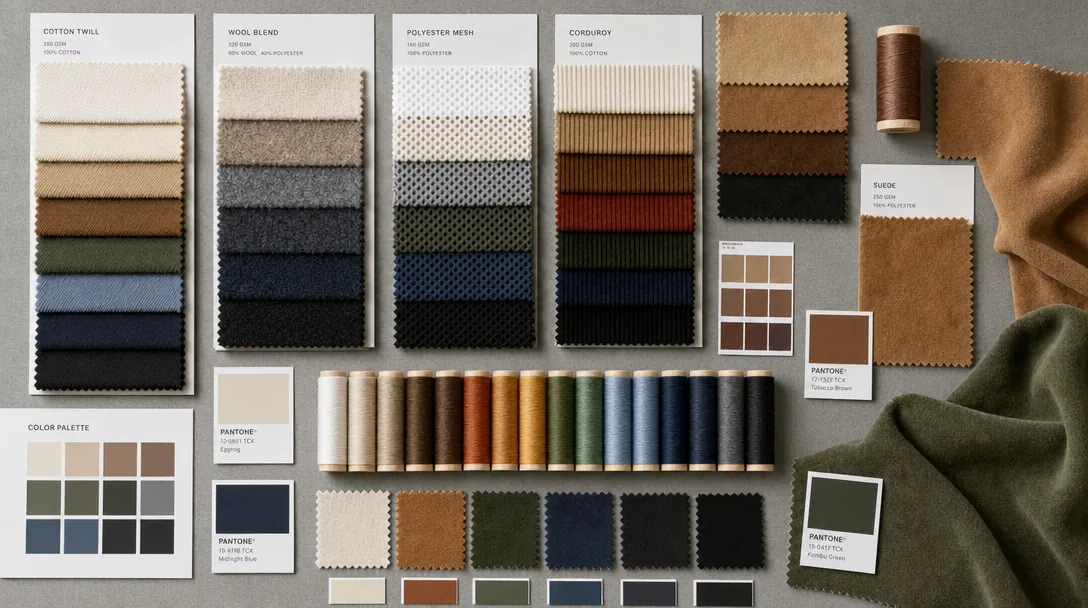
Camouflage Bucket Hat: Properties, Costs and How to Spec It Right
Read article →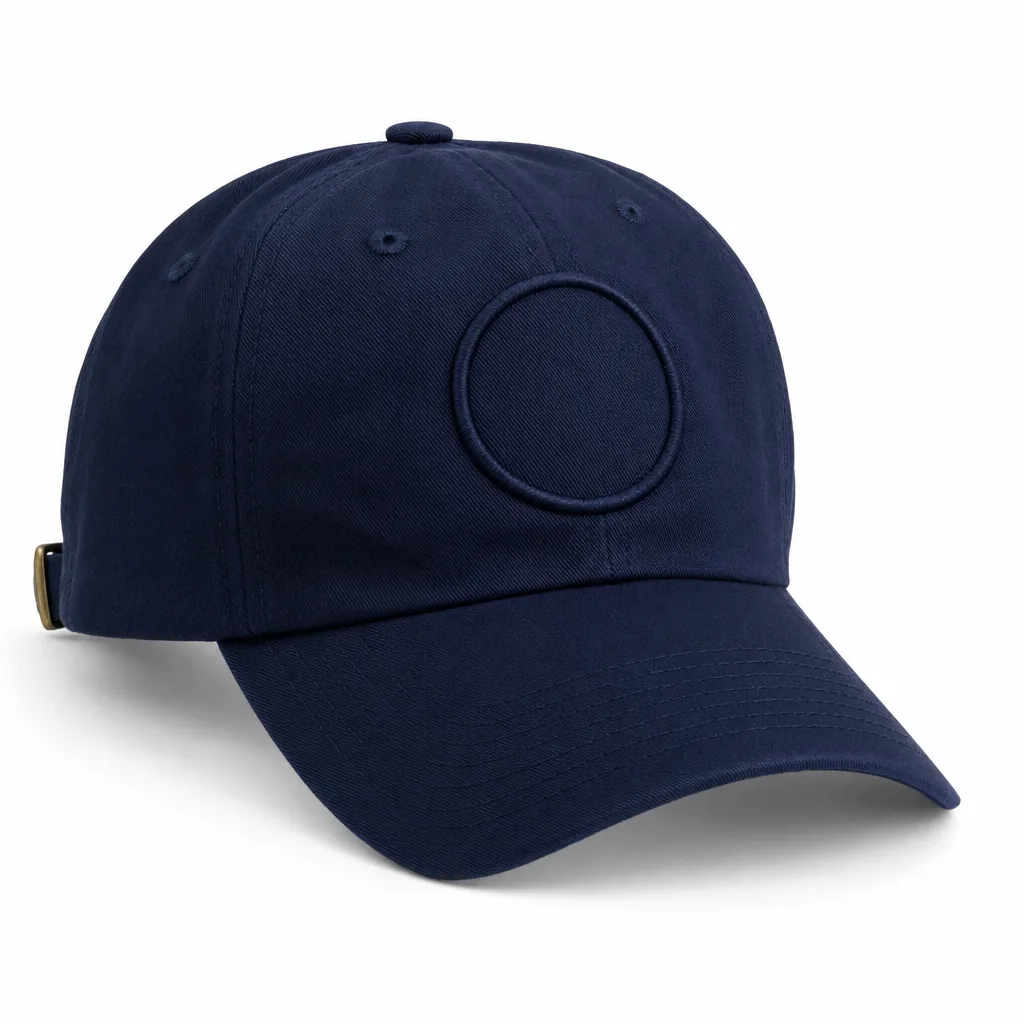
Custom Made Trucker Hat: The 2026 Sourcing & Manufacturing Playbook (2026 Update) - Supplier Checklist
Read article →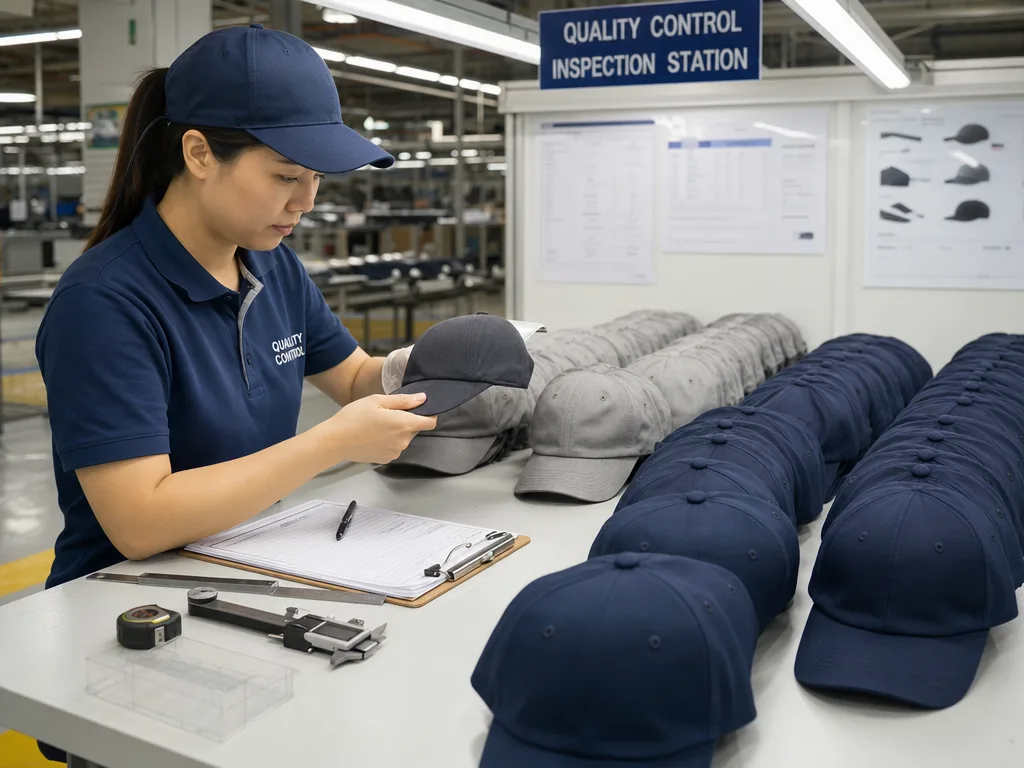
BSCI vs Sedex vs WRAP vs WCA: Compliance Audit Standards Compared (2026 Update) (2026 Update) (2026 Update)
Read article →Sourcing custom hats does not have to be complicated. With the right manufacturing partner, clear specifications and a small upfront investment in sampling, you can launch a retail-quality product in 30 to 45 days.