
Custom Made Trucker Hat: The 2026 Sourcing & Manufacturing Playbook (2026 Update) - Supplier Checklist
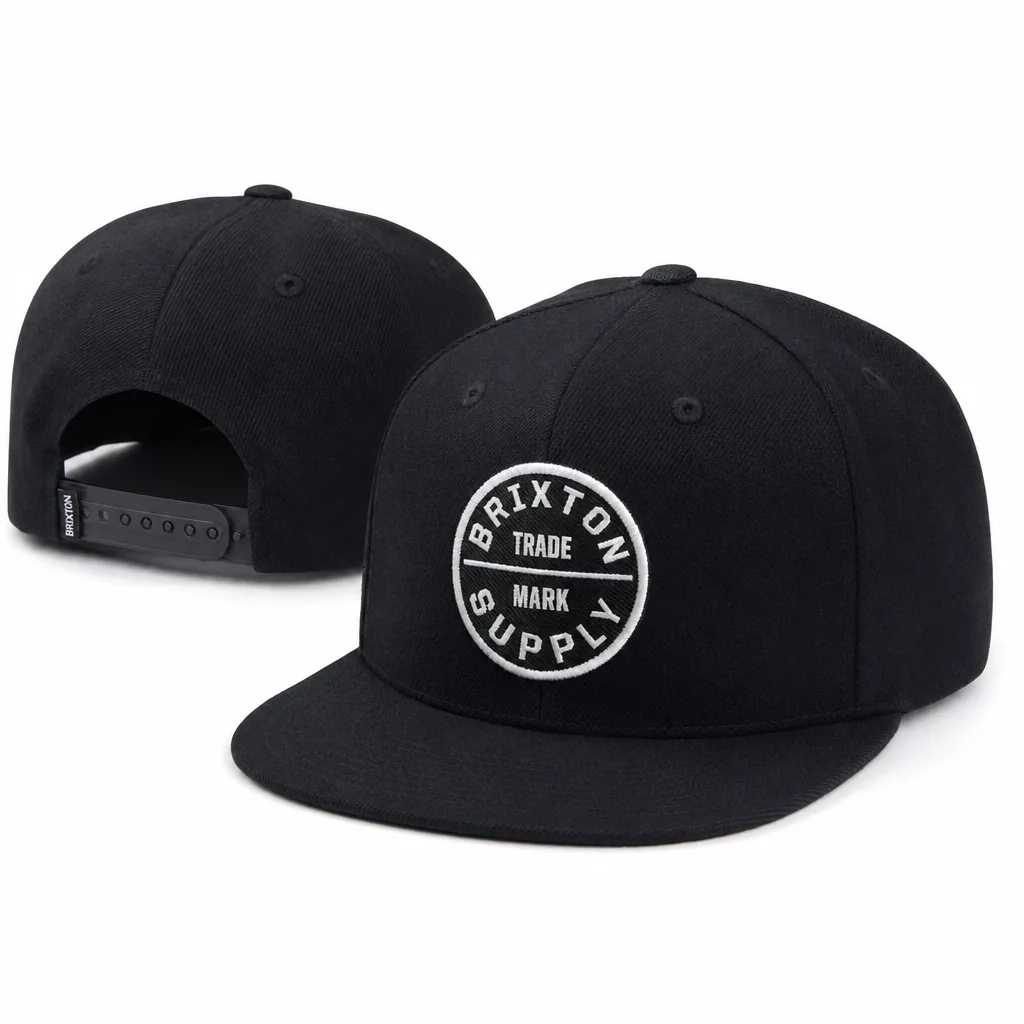
Custom Made Trucker Hat: The 2026 Sourcing & Manufacturing Playbook (2026 Update) - Supplier Checklist is one of the most-asked questions we receive from international buyers, and for good reason. With dozens of factories competing for your order and an alphabet soup of technical terms in every supplier quote, even experienced importers can feel lost. This guide consolidates what we have learned producing custom hats for clients in 40+ countries.
Custom Embroidered Hats
A custom made trucker hat should be engineered from the shell inward, not quoted from a photo. Lock the bill of materials first: front panel fabric, mesh type, buckram or foam structure, visor board, sweatband, snap closure, and the exact embroidery position measured from crown seam and visor stitch line. A usable spec sheet names fabric content and weight—12x12 cotton twill at 240 to 260 gsm, polyester twill at 220 to 250 gsm, or brushed chino around 260 gsm—plus mesh gauge, typically polyester trucker mesh in the 160 to 180 gsm range. Call out visor board thickness at 1.8 to 2.2 mm, crown height, stitch count target, logo size in millimeters, and thread system such as Madeira Polyneon 40 or Gunold 40 wt. If the factory is running Tajima, Barudan, or ZSK heads, require the DST file, a sewout on the actual cap material, and one pre-production cap assembled with final buckram and visor, because embroidery behavior changes dramatically on foam fronts versus fused twill. Color control is where otherwise decent programs drift. Use Pantone TCX for dyed fabric approvals and Madeira or Pantone-matched thread references for embroidery, then set a tolerance: Delta-E under 2.0 for body fabric and under 2.5 for contrast components is realistic in bulk. On structured fronts, digitizing matters more than buyers expect; center seam compensation, edge walk, and underlay choice decide whether satin columns stay clean or split at the seam. For 3D puff, I would not run text below 4.5 mm cap height or columns narrower than 1.2 mm, because the foam will either show through or collapse after packing. Our standard practice is to reject paper proofs as final approval on any custom made trucker hat with puff, seam-crossing logos, or coarse mesh proximity, since only a sewn cap reveals needle penetration, push-pull distortion, and crown deflection.
MOQ and pricing move with machine time, not with artwork alone. For one-location flat embroidery on a standard 5-panel or 6-panel trucker, realistic MOQ is 300 to 500 pieces per colorway; add 3D puff, woven loop labels, printed seam tape, custom inner tape, mixed closures, or multiple logo placements and most factories will push to 500 to 1,000 pieces to protect line efficiency. In 2026, a basic FOB China price for a custom made trucker hat sits around USD 1.90 to 3.10 using stock twill, standard polyester mesh, PE snapback, and 5,000 to 8,000 stitches. A more built-out cap—structured foam front, 3D puff, side hit, woven label, branded sweatband, custom taping, and individual polybag—lands closer to USD 3.60 to 6.40 FOB. The expensive part is not thread; it is rehooping, tension resets, machine downtime, and reject risk when the front panel refuses to stay flat under the embroidery head. QC is straightforward if you inspect the failure points that actually matter. Use AQL 2.5 for major defects and 4.0 for minor, with checkpoints on embroidery registration across the center seam, top button centering, mesh panel symmetry, snap closure function, visor curvature consistency, sweatband join neatness, and carton quantity. On flat embroidery, look for tunneling, puckering, loose trims, and weak underlay that lets the logo wash out after wear. On 3D puff, foam must be fully enclosed with no exposed edges, crushed satin, or ridge cracking after five manual flexes of the front panel. If artwork includes hairlines, serif text under 3 mm, or tonal gradients, embroidery is usually the wrong decoration method; a woven patch, sublimated patch, or printed twill appliqué will hold detail better and cut approval rounds. That is the practical test: not whether the sewout looks good under showroom lighting, but whether bulk can repeat it on cap number 1 and cap number 1,000.
Custom Hat Embroidery
Embroidery is where a custom made trucker hat either looks intentional or looks like a rushed blank with a logo on it. The foam front, buckram structure, and mesh back all change how thread sinks, so a factory should digitize the art into a real stitch file, not resize a generic template and call it done. Ask which machine line they run; Tajima, Barudan, and ZSK heads do not behave the same on dense fills, satin columns, and small text. For a front-panel logo, 6,000 to 9,000 stitches is normal. If you move to 3D puff, expect 3 to 5 mm foam, 15% to 25% more thread volume, and tighter density control so the edges do not crack or collapse. Thin serifs and lettering below 5 mm are already at the edge of what a trucker cap can carry cleanly.
The procurement details decide whether the sample survives bulk. Specify Pantone TCX targets for thread, require a sew-out on the actual cap stock, and approve underlay, density, backing, and edge trim before production starts. On structured fronts, cutaway or fusible backing is usually more reliable than light tearaway because it stabilizes the crown and reduces rippling around the foam. For standard flat embroidery, MOQ is usually 100 to 300 pieces per colorway; 3D puff, metallic thread, or multiple placements often pushes that to 300 to 500 pieces. In Yiwu or coastal China, FOB pricing for one-location embroidery commonly lands around $1.20 to $2.80 per custom made trucker hat, with metallic thread, dense fills, and small lettering moving the number up fast.
Inspection is where a lot of custom trucker hats fail after the sample looked fine. Check thread tension, bobbin show-through, needle burn on polyester twill, broken starts and stops, puckering at the crown seam, and centerline drift between the embroidery and the cap frame. Mesh distortion is another common defect when the operator over-clamps the back panels or the front foam is too soft for the stitch count. Our standard practice is to approve the first sample against a Delta-E target for thread color, then inspect bulk at AQL 2.5 so the buyer is not guessing about consistency. In sourcing terms, embroidery is only one variable; on a weak blank, a woven patch or printed applique can outperform dense stitching and cost less than forcing heavy thread load onto poor front-panel material.
Custom Trucker Hat
A custom made trucker hat is defined by five specs that matter more than the showroom sample: crown height, front-panel construction, mesh gauge, closure, and decoration method. On the factory floor, the front is usually a foam-backed polyester or cotton twill panel, the back is a 100% polyester mesh, and the visor uses 8-row stitching over a plastic or cardboard board, depending on target price and hand feel. Put the spec in measurable terms: crown height in centimeters, front panel fabric and gsm, mesh weight around 80 to 120 gsm, visor board thickness, sweatband material, and closure type, whether plastic snap, velcro, or metal buckle. For decoration, name the process explicitly, such as flat embroidery, 3D puff, woven patch, PVC patch, or heat-transfer print, and if you need color control, call out Pantone TCX targets with a Delta-E tolerance. A factory that needs to guess at these details is not ready for production.
For 2026 sourcing, a realistic MOQ for a custom made trucker hat is 300 to 500 pieces per colorway, with lower numbers only if you accept stock blanks or a very narrow material set. At 500 pieces, a basic foam-front cap with simple 2D embroidery typically lands around USD 2.10 to 3.80 FOB Yiwu, while 3D puff embroidery, woven patches, custom labels, or all-over print can push the unit cost up 20% to 45%. Sampling and tooling are separate line items: embroidery digitizing usually runs USD 15 to 40 per logo, while patch molds, deboss dies, or custom woven-label setup can add another USD 30 to 150 depending on size and finish. Freight, import duty, carton labeling, and DDP handling sit outside the factory quote, and that is where many buyers lose margin because the low offer was built on thin foam, soft mesh, or cheap thread that fails after one wash.
The defects are predictable if you inspect the right points. Check panel symmetry, crown collapse, visor curve consistency, embroidery registration, thread trimming, mesh tearing at the seam, and snapback pull strength; for a custom made trucker hat, also verify that the front panel recovers after steaming and that the sweatband lies flat without twisting. Use AQL 2.5 for general inspection, but treat logo placement, stitch count, and Pantone match as critical attributes, especially when one order contains multiple SKUs or colorways. On repeat production, the bigger risk is not the first approved sample but drift in mesh lots, foam density, and machine settings between runs. CrownsForge’s standard practice is sample approval, pre-production confirmation, and a written inspection standard before mass cutting starts. That is what keeps the bulk order aligned with the sign-off sample instead of only looking right under controlled lighting on approval day.
Custom Trucker Hats
The failures that matter on a custom made trucker hat usually show up after the first wear cycle or a hot container, not on the opening photo. Watch for crown asymmetry beyond 3 mm side to side, mesh puckering at the front-back seam, off-center embroidery, loose snapback ladders, and visor boards that soften, crack, or spring with heat. For production control, keep sample and bulk inspections on AQL 2.5 and separate critical, major, and minor defects; one blended pass/fail number is how factories bury repeated problems. On color, hold dyed panels, printed patches, and embroidered twill to Delta-E 2.0 or better against the approved Pantone TCX lab dip or sealed strike-off. If the order is retail, league, or licensed, ask for shrinkage after 3 wash cycles, colorfastness to rubbing and perspiration, and sweatband absorption data before you release bulk.
A decent custom made trucker hat spec also needs to pin down the boring parts that decide whether the order ships cleanly. Use 100 percent polyester mesh at 50 to 65 gsm, 600D or 900D front panels where structure matters, and a snapback or plastic buckle tested for 1,500 opening cycles; cheap hardware usually fails before the fabric does. Embroidery should be digitized for the actual crown curvature, not copied from a flat front panel, and a Tajima, Barudan, or ZSK head will still show every digitizing mistake if the pull compensation is wrong. Our standard practice is to confirm carton pack-out, polybag ventilation, and master carton dimensions early, because a hat that passes sewing but arrives crushed is still a reject. For compliant sourcing, keep sedex-audit-cap-supplier-guide.html">BSCI 2.0 or Sedex SMETA 4-Pillar status current when the PO mentions social audits, and do not treat that as paperwork noise; it is part of the cost of avoiding chargebacks and rework.
Hat Trucker Custom
A custom made trucker hat lives or dies on front-panel engineering, not on the logo file alone. Lock the construction before sampling: 5-panel or 6-panel layout, crown height in cm, visor length and curve, front substrate, mesh spec, sweatband, and closure. For a structured foam-front build, call out 3 to 5 mm EVA or laminated foam, and state whether the front uses buckram, tricot, or no reinforcement. Mesh should never be written as just “poly mesh”; specify 100% polyester mesh at 120 to 160 gsm, or nylon mesh if you need better recovery. If embroidery is involved, ask for thread brand, denier, underlay type, and minimum letter height. Tajima, Barudan, and ZSK heads can all sew a clean front logo, but bad digitizing still ruins small text, especially on soft foam or lightly stabilized twill. If the hat has a molded patch or heat-transfer emblem, the factory also needs the target hand feel, edge lift tolerance, and wash requirement in writing.
Pricing is driven by construction detail and process count more than by the word “custom.” For 500 to 1,000 pieces, a basic custom made trucker hat with stock mesh, plastic snapback, and flat embroidery usually lands around $2.30 to $4.60 FOB China. Move to Pantone-matched twill, HD woven patch, custom printed seam tape, moisture-wicking sweatband, and a molded TPU badge, and the range is more like $4.80 to $7.80 FOB before duty and last-mile freight. First proto samples typically take 7 to 12 days if materials are in stock; custom-dyed fabric or bespoke patch molds adds another 5 to 10 days. On repeat programs, color tolerance should be written into the tech pack, with Delta-E under 1.5 for critical retail colors, and finished goods should be inspected to AQL 2.5. The defects worth policing are predictable: off-center front logos, visor seam grin, mesh lot shade variation, puckering from excessive stitch density, and crushed crowns from weak carton specs. CrownsForge’s standard practice is to test closure pull strength, measure logo placement against a template, and review carton compression before mass shipment.
Trucker Custom Hat
A custom made trucker hat is defined by five specs that matter more than the logo: front panel structure, mesh density, brim curve, closure type, and decoration method. In production, the shell is usually cut from 180 to 260 gsm cotton twill, brushed polyester, or foam-backed fabric, then sewn on single-needle or multi-needle machines before the front panel is stabilized for embroidery, woven patch application, or heat-transfer labeling. A useful factory brief names the front support material, whether that is buckram, foam, or fused interfacing, plus the mesh yarn count or denier, sweatband fabric, and crown height. Those choices decide whether the hat holds shape after compression in polybags and whether a 10,000 to 15,000-stitch logo will pucker across the front panel. For a real custom made trucker hat program, construction is the product and the artwork is only the last layer.
Send factories a production sheet, not a mood board. Specify Pantone TCX targets for every visible component, an acceptable Delta-E of 1.5 to 2.0, thread type, stitch density, logo width in millimeters, and whether the brim is flat, pre-curved, or sandwich construction. If the order includes embroidery or patches, ask whether they run Tajima, Barudan, or ZSK heads and how they digitize dense fills, because bad digitizing causes push, thread breaks, and front-panel distortion. Typical MOQ is 200 to 500 pieces per colorway at a serious supplier, with smaller runs priced sharply higher. In China, a plain six-panel custom made trucker hat often lands around $2.20 to $3.80 FOB at 500 pieces, while 3D embroidery, woven patches, or contrast sandwich brims usually move it to $4.50 to $7.00 depending on trim and fabric.
The common failures are predictable: mesh panels that do not match, crooked crown symmetry, foam crush marks, off-center decoration, loose underbrim stitching, weak plastic snaps, and color drift between the sample and bulk. I check seam alignment at the front panels, brim stiffness after flexing, sweatband stitch security, and crown height consistency across 12 random units; for bulk, AQL 2.5 is the normal starting point, not a premium service. Lock the approved pre-production sample against the order sheet and require inline checks before packing, because once a custom made trucker hat is boxed with a bad curve or a shifted logo, the correction is usually scrap or discount stock. The real sourcing decision is whether you are buying the lowest FOB number or a factory that can hold shape, color, and decoration through repeat production without drift.
Working with CrownsForge for custom made trucker hat programs
Compliance and workflow are what separate a sample room that can make one good cap from a factory system that can repeat 5,000. For export programs, the floor should include BSCI 2.0 or Sedex SMETA 4-Pillar coverage, needle-control logs, restricted-substance control for ink prints and PU patches, and metal detection when brand policy or retailer rules require it. Buyers shipping into the US or EU should confirm fiber-content labeling, carton marks, and whether any component creates a Prop 65 or REACH documentation gap. Color approval should be done against a physical Pantone TCX or lab-dip standard under D65 light with a realistic Delta-E target, not by phone photo. For bulk QC, AQL 2.5 is the normal starting point for workmanship and appearance, with tighter checks on logo placement, crown symmetry, top-button centering, and snapback or hook-and-loop function.
Order control should be boring, documented, and hard to improvise. The clean sequence is tech pack review, quotation with assumptions spelled out, digital mockup, sample order, one consolidated comment sheet, then a pre-production sample if anything changed before bulk booking against a signed spec sheet. Freeze logo size, Pantone reference, fabric code, mesh weight, and carton packout before cutting starts; late WhatsApp revisions are how a custom made trucker hat program turns into rework. On high-risk logos, a serious factory should show embroidery panel approval before cap assembly, especially when using Tajima, Barudan, or ZSK heads and dense satin-stitch fills. For timing, 25 to 35 days of production is realistic for ocean programs, plus vessel transit; air DDP can land in 7 to 12 days after goods finish, but freight often costs more than the sewing on a small run.
Frequently Asked Questions
What file format should I send for my logo?
Vector files (AI, EPS, PDF) are ideal. High-resolution PNG or JPG at 300 dpi on transparent background works as a fallback. Provide Pantone color references for accurate reproduction.
How long does production take?
Sampling takes 7 to 12 days. Bulk production runs 20 to 30 days depending on quantity, fabric availability and decoration complexity. Inspection and packing adds another 3 to 5 days before shipment.
Can I order a sample before bulk production?
Yes. We strongly recommend approving a pre-production sample before mass production. Samples are charged at 35 to 60 USD each plus express shipping, fully refundable against confirmed bulk orders over 500 pieces.
What is the minimum order quantity (MOQ) for custom hats?
Our standard MOQ is 100 pieces per design and color, with sampling available from 1 piece. For complex multi-color logos or premium fabric upgrades, the MOQ can be lowered with a small per-piece surcharge.
Which shipping methods do you support?
We support FOB, CIF and DDP shipping. Air express for samples and small orders, sea LCL for 100 to 500 pieces, sea FCL for 5,000+ pieces. Door-to-door DDP available for US, EU, UK, Canada and Australia.
How does ordering custom hat trucker work?
When evaluating custom hat trucker, the key considerations are construction quality, decoration capability, MOQ flexibility and lead time. Cover everything buyers ask about custom embroidered hats: how it's manufactured, what specs to request from a factory, typical MOQ and pricing, common quality issues to inspect for, and how this ties back to the broader custom made trucker hat sourcing decision. Cover everything buyers ask about custom hat embroidery: how it's manufactured, what specs to request from a…
How does ordering custom embroidered trucker hats work?
When evaluating custom embroidered trucker hats, the key considerations are construction quality, decoration capability, MOQ flexibility and lead time. Cover everything buyers ask about custom embroidered hats: how it's manufactured, what specs to request from a factory, typical MOQ and pricing, common quality issues to inspect for, and how this ties back to the broader custom made trucker hat sourcing decision. Cover everything buyers ask about custom trucker hats: how it's manufactured, what specs to request from a…
How does ordering custom made hats for men work?
When evaluating custom made hats for men, the key considerations are construction quality, decoration capability, MOQ flexibility and lead time. Cover everything buyers ask about custom embroidered hats: how it's manufactured, what specs to request from a factory, typical MOQ and pricing, common quality issues to inspect for, and how this ties back to the broader custom made trucker hat sourcing decision. Cover everything buyers ask about custom trucker hats: how it's manufactured, what specs to request from a…
How does ordering high quality custom trucker hats work?
When evaluating high quality custom trucker hats, the key considerations are construction quality, decoration capability, MOQ flexibility and lead time. Cover everything buyers ask about custom embroidered hats: how it's manufactured, what specs to request from a factory, typical MOQ and pricing, common quality issues to inspect for, and how this ties back to the broader custom made trucker hat sourcing decision. Cover everything buyers ask about custom trucker hats: how it's manufactured, what specs to request from a…
Ready to start your custom hat project?
Send us your tech-pack, sketch or even just an inspiration photo. We will respond with a detailed quotation and digital mock-up within 24 hours.
Request a free quoteRelated guides
Custom Made Trucker Hat: The 2026 Sourcing & Manufacturing Playbook (2026 Update) - Cost & MOQ Breakdown
Read article →
Blank Hats MOQ And Pricing Plan for Custom Hat Buyers
Read article →Ball Caps for Women: A 2026 Sourcing Playbook for International Buyers
Read article →If you are ready to take the next step on custom made trucker hat: the 2026 sourcing & manufacturing playbook (2026 update) - supplier checklist, our team can put a tailored quotation and digital mock-up in your inbox within 24 hours. Send the inquiry form on our contact page or message us directly on WhatsApp.