
Blank Hats MOQ And Pricing Plan for Custom Hat Buyers
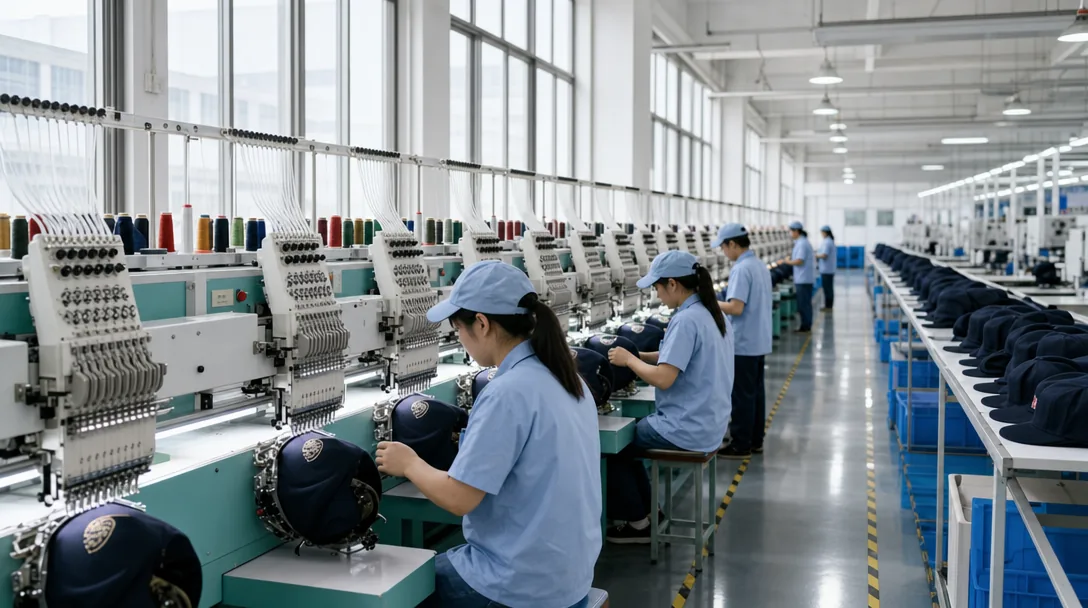
Blank Hats MOQ And Pricing Plan for Custom Hat Buyers is one of the most-asked questions we receive from international buyers, and for good reason. With dozens of factories competing for your order and an alphabet soup of technical terms in every supplier quote, even experienced importers can feel lost. This guide consolidates what we have learned producing custom hats for clients in 40+ countries.
Why blank hats moq and pricing plan needs a separate sourcing plan
Lead time and compliance are where blank sourcing becomes its own project. If the buyer accepts stock fabric, blank production can be 15–25 days after sample approval; custom-dyed cotton or recycled polyester can push that to 35–50 days, and washed caps need extra time for shrinkage testing because crown height can move 3–5 mm after enzyme or stone wash. Our standard practice at CrownsForge is to inspect blanks under AQL 2.5 for major defects and AQL 4.0 for minor defects before any decoration, because crooked visors, wavy seams, or shade variation cannot be fixed by Tajima, Barudan, or ZSK embroidery later. Compliance also changes by sales channel: big-box or licensed sports buyers may require sedex-audit-cap-supplier-guide.html">BSCI 2.0, Sedex SMETA 4-Pillar, needle control logs, restricted substances declarations, and nickel-free buckle confirmation. For online brands, the key risk is usually repeatability: the second 1,000 pieces must match the first drop in crown shape, fabric handfeel, and color within the approved standard.
Factory capability checks before quoting
The first capability check is not price; it is whether the factory can build the blank correctly before decoration. For wholesale blank hats, I ask for panel specs, crown height, visor curve, seam allowance, sweatband material, and whether the cap is 5-panel, 6-panel, unstructured, semi-structured, or laminated buckram. A supplier quoting a blank hats moq and pricing plan without confirming fabric weight is guessing. Cotton twill at 280 gsm, brushed chino at 310 gsm, polyester ripstop at 150D, and foam-front trucker panels all sew differently. Country hats for men often use heavier washed cotton, faux suede patches, or distressed visors, so needle size, thread tension, and post-wash shrinkage must be checked before bulk. For closures, I want real options listed: plastic snapback, brass buckle, tri-glide, Velcro, elastic Flexfit-style band, or nylon webbing. If a factory cannot show photos of inside taping, eyelet spacing, and back-arch symmetry, their low MOQ is not a production advantage; it is a risk.
Decoration capacity decides whether bulk custom trucker hats will look retail-grade or promotional-grade. Embroidery should be checked by machine type and head count: Tajima, Barudan, or ZSK heads can all run clean work, but the digitizing standard matters more than the logo mockup. I want to see stitch count estimates, thread brand, Madeira or Gunold color references, 3D puff foam thickness, backing type, and whether small lettering under 5 mm has been tested. Patch work needs the same scrutiny: woven label, TPU, PVC, genuine leather, faux leather, sublimated twill, or embroidered patch with merrowed edge. Heat-press patches on foam truckers need temperature records around 150-165°C and dwell time around 12-18 seconds, otherwise the front panel can collapse or yellow. For custom bulk trucker hats, mesh quality should be specified by denier and hand feel, not just called “poly mesh.” Pantone TCX or TPX matching, Delta-E tolerance under 2.0 for key colors, and pre-production sample approval should be written into the quote.
The sample room is where a serious custom hat manufacturer separates itself from a trading desk. Before accepting a blank hats moq and pricing plan, ask how many sample technicians they have, whether pattern revisions are done in-house, and how fast they can produce a fitted sample after artwork and fabric confirmation. Our standard practice at CrownsForge is to run one fit sample and one decoration strike-off when the order has new construction or a difficult logo, because combining both into one sample often hides problems. Audit readiness also matters: BSCI 2.0, Sedex SMETA 4-Pillar, WRAP, or ISO 9001 files should be current, not “available later.” Communication is a production capability too. A dependable factory answers with BOM details, MOQ by fabric and color, sample lead time of roughly 7-12 days, bulk lead time of 25-45 days, carton dimensions, AQL 2.5 inspection terms, and whether pricing is EXW, FOB Ningbo/Shanghai, or DDP. Vague replies usually become vague delivery dates.
MOQ, pricing and sample approval
MOQ is not one number; it changes by fabric position, color count, and whether the blank is already in our greige or finished-stock pipeline. For wholesale blank hats, a practical starting band is 144 pieces per style/color when using stocked cotton twill, poly-cotton, or 100% polyester mesh. At 300 pieces, buyers can usually lock a private woven label, standard sweatband color, and carton mark without painful surcharges. At 500–1,000 pieces, the blank hats moq and pricing plan becomes more efficient because fabric dyeing, cutting markers, and line setup are spread across more units. True custom dye lots normally need 600–1,200 pieces per Pantone TCX shade, and specialty fabrics like 420D nylon, wool blend, brushed canvas, or recycled RPET mesh may require higher fabric MOQ from the mill. For country hats for men or bulk custom trucker hats using foam front plus mesh back, 300 pieces per color is a realistic floor; below that, the unit price rises fast because the panel-blocking, brim pressing, and packing labor do not shrink with order size.
Decoration setup is where many buyers underestimate cost. Flat embroidery digitizing is usually $25–$60 per logo, 3D puff digitizing $45–$90, and woven or rubber patch molds can run $80–$180 depending on size and color separation. On Tajima, Barudan, or ZSK heads, stitch density matters more than a pretty PDF: a 7,000-stitch flat logo is cheap and stable, while a 14,000-stitch front design can add $0.35–$0.80 per cap and may pucker on light 160–180 gsm cotton unless backing is adjusted. Our standard practice at CrownsForge is to approve thread colors against Madeira or Isacord charts, then compare fabric and trim to Pantone TCX under a D65 light box, keeping Delta-E under 1.5 for branded programs when the fabric mill can support it. A paid PPS is the control point: expect $50–$120 for a decorated pre-production sample, credited back on larger custom bulk trucker hats orders when the production run is confirmed.
A proper PPS approval should lock more than the front logo. Buyers should sign off crown height, brim curve, eyelet thread, top button fabric, snapback or metal buckle quality, inside taping, woven label placement, hangtag, UPC sticker, polybag warning text, and master carton strength. For a custom hat manufacturer, these trims affect both price and lead time: a standard snapback might add $0.18–$0.35, a branded metal buckle $0.45–$0.90, a woven patch $0.35–$0.75, and individual retail polybagging with barcode can add $0.08–$0.18 per unit. Realistic timing is 5–8 days for artwork review and digitizing, 7–12 days for PPS after artwork approval, then 20–35 days for bulk production depending on season and quantity. Add 3–7 days for AQL 2.5 final inspection, carton labeling, and booking. A reliable blank hats moq and pricing plan should separate cap cost, decoration setup, trims, packaging, inspection, and FOB or DDP freight instead of hiding everything in one vague unit price.
Quality inspection and shipping risk
Quality risk on blank caps is usually not the fabric roll; it is the accumulated error from cutting, blocking, sewing, packing, and then moving cartons through two or three logistics hands. For wholesale blank hats, I recommend AQL 2.5 for major defects and AQL 4.0 for minor defects, with critical defects at zero tolerance. A normal Level II inspection on a 5,000-piece PO usually pulls 200 samples, which is enough to catch uneven crown height, twisted sweatbands, loose button rivets, cracked plastic snaps, and dirty panels. Measurement tolerance should be written before production: crown height ±3 mm, visor length ±2 mm, circumference ±5 mm, and logo placement ±2 mm if embroidery is added later. If the buyer is building a blank hats moq and pricing plan, inspection cost must be included early; a third-party pre-shipment inspection in Zhejiang normally costs USD 180–320 per man-day, much cheaper than sorting bad caps in a U.S. warehouse at USD 0.25–0.60 per piece.
Color and decoration checks need to be treated as production controls, not afterthoughts. For dyed cotton twill, washed chino, or polyester mesh used on bulk custom trucker hats, we test shade against Pantone TCX or a physical swatch under D65 light, with Delta-E under 1.5 for solid reorder programs and under 2.0 for promotional orders. Colorfastness to rubbing should reach Grade 4 dry and Grade 3–4 wet under ISO 105-X12; dark navy, black, and red panels are the usual troublemakers. Embroidery defects are different from fabric defects: broken satin columns, bird-nesting, backing show-through, skipped stitches, and puckering around 3D puff foam should be called major if visible at arm’s length. On Tajima, Barudan, or ZSK heads, a clean 8,000-stitch front logo can still fail if the buckram is too soft or the thread tension is uneven. Our standard practice at CrownsForge is to keep approved sew-out panels, thread cones, and digitizing files with each reorder record.
Shipping risk starts with carton discipline. Carton markings should show PO number, SKU, color, size if applicable, quantity, gross/net weight, carton dimensions, country of origin, and a scannable carton ID if the buyer uses 3PL receiving. For custom bulk trucker hats or country hats for men with curved visors, avoid over-compression; 25 or 50 pieces per inner polybag and 100 or 200 pieces per export carton is safer than forcing 300 pieces into one box to save USD 0.03 per cap. FOB Ningbo or Shanghai makes sense when the buyer has a forwarder and wants control of sailing schedules, insurance, and customs entry. DDP is cleaner for small brands, but it hides tariff, bond, and last-mile costs inside the unit price, so compare landed cost, not factory cost. A serious custom hat manufacturer should keep reorder documentation for fabric gsm, mesh denier, Pantone references, mold shape, visor curve, carton spec, HS code, and inspection photos; that is what keeps the second shipment from drifting away from the approved sample.
Buyer checklist for the next RFQ
A firm RFQ starts with a locked spec sheet, not a screenshot from Instagram. For wholesale blank hats, send the cap style first: 5-panel camper, 6-panel structured baseball cap, foam-front trucker, unstructured dad cap, or performance rope cap. Then list crown height in cm, visor type, closure, sweatband, taping, eyelets, and packing method. Fabric must be named by construction, not just “cotton”: 16x12 cotton twill at 260 gsm, 108x58 washed chino twill, 100% polyester mesh at 120 gsm, or nylon taslan with PU coating. If you are sourcing country hats for men, specify whether the look is oilskin, brushed cotton, camo twill, faux suede patch, or distressed wash, because those finishing steps change yield and price. For a blank hats moq and pricing plan, tell the factory your target quantity bands upfront: 144, 300, 500, 1,000, and 3,000 pieces are normal breakpoints.
Send artwork and reference files before asking for a “final best price.” For embroidery, provide vector AI/PDF plus a flat PNG, exact logo width in mm, thread colors by Madeira/Rayon number or Pantone TCX, and placement from seam or visor edge. For patches, specify woven, embroidered, PVC, leatherette, genuine leather, sublimated, or rubber, with thickness and backing method. For bulk custom trucker hats or custom bulk trucker hats, include front panel material, foam density, mesh color, snapback color, and whether the visor is pre-curved or flat. Photos should include front, side, back, inside sweatband, under-visor, closure, and any label positions. A custom hat manufacturer also needs compliance notes early: CPSIA for kids, Prop 65 labeling, AZO-free dyes, BSCI 2.0 or Sedex SMETA 4-Pillar requirement, and whether inspection is AQL 2.5 major / 4.0 minor.
The buyer should state commercial terms as clearly as product specs: EXW, FOB Ningbo/Shanghai, CIF, or DDP destination; requested lead time; carton mark format; barcode or polybag requirements; and whether a pre-production sample is needed before bulk. Normal sampling is 5–10 days for blank construction and 7–14 days with embroidery or patch tooling; bulk production is usually 20–35 days after sample approval depending on fabric availability. Give target pricing if you have it, because a $1.85 promotional cap and a $4.20 retail-grade washed twill cap use different decisions from the first cut. Our standard practice at CrownsForge is to quote with a line-item blank hats moq and pricing plan showing fabric MOQ, decoration MOQ, sample cost, mold or digitizing fee, carton CBM, and price breaks, so the buyer can see whether the cost is driven by fabric dyeing, decoration setup, or assembly labor.
Working with CrownsForge
A blank hats moq and pricing plan should start with the real constraint: fabric and trim availability, not the logo. For wholesale blank hats, our baseline MOQ is usually 144 pcs per color for stock shapes and 300–500 pcs per color for dyed-to-match cotton twill, brushed chino, ripstop nylon, or 100% polyester performance fabric. If the buyer needs Pantone TCX matching on shell fabric, sweatband, sandwich piping, or plastic snapback, I normally push the plan to 1,000 pcs because lab dips, bulk dyeing, and Delta-E control below 1.5 are not stable on tiny lots. CrownsForge typically builds the program in three layers: blank cap approval, decoration test, and locked production spec. A pre-production sample with embroidery or patch work costs about $45–$90 depending on mold, digitizing, and express freight; blank fit samples are cheaper, usually $15–$30 each if we use an existing 5-panel, 6-panel, dad cap, or trucker crown block.
Decoration planning changes the price more than many buyers expect. A plain structured cotton cap might FOB at $2.10–$3.20 at 500 pcs, but raised embroidery on Tajima or Barudan heads can add $0.35–$0.90 depending on stitch count, foam height, and thread changes. Woven patches run about $0.28–$0.65, leatherette patches $0.45–$1.20, and PVC patches often need a mold fee of $60–$150 before unit pricing makes sense. For bulk custom trucker hats and custom bulk trucker hats, mesh quality also matters: cheap 100D mesh collapses and pills faster, while 150D–200D polyester mesh holds shape better for sports teams, outdoor brands, and country hats for men where crown height and brim curve are part of the look. A good custom hat manufacturer should quote decoration as a separate line item so buyers can see whether the cost is coming from fabric, logo execution, packaging, or inland trucking.
QC and export coordination have to be built into the pricing plan before the purchase order is signed. For most blank and decorated cap orders, I use AQL 2.5 for major defects and AQL 4.0 for minor defects, checking crown symmetry, visor centerline, sweatband tension, embroidery registration within 1.5 mm, thread trimming, carton mix, and barcode accuracy. Color checks are done against approved swatches under D65 light; for black, navy, olive, and khaki, I still keep a sealed production standard because these shades drift easily between dye lots. Export terms also change the final landed cost: FOB Ningbo or Shanghai is clean for experienced importers, while DDP to the U.S. or EU must include duty classification, carton CBM, HS code review, and last-mile handling. A realistic blank hats moq and pricing plan should show sample fees, mold fees, unit tiers, QC hold points, packing method, lead time, and Incoterms in one sheet, not scattered across five emails.
Frequently Asked Questions
What logo decoration techniques do you offer?
3D puff embroidery, flat embroidery, woven patch, leather patch, PVC patch, screen printing, sublimation, applique and laser etching, all in-house with no subcontracting.
How long does production take?
Sampling takes 7 to 12 days. Bulk production runs 20 to 30 days depending on quantity, fabric availability and decoration complexity. Inspection and packing adds another 3 to 5 days before shipment.
Can I order a sample before bulk production?
Yes. We strongly recommend approving a pre-production sample before mass production. Samples are charged at 35 to 60 USD each plus express shipping, fully refundable against confirmed bulk orders over 500 pieces.
What is the minimum order quantity (MOQ) for custom hats?
Our standard MOQ is 100 pieces per design and color, with sampling available from 1 piece. For complex multi-color logos or premium fabric upgrades, the MOQ can be lowered with a small per-piece surcharge.
Which shipping methods do you support?
We support FOB, CIF and DDP shipping. Air express for samples and small orders, sea LCL for 100 to 500 pieces, sea FCL for 5,000+ pieces. Door-to-door DDP available for US, EU, UK, Canada and Australia.
What should I know about blank trucker cap wholesale bulk?
When evaluating blank trucker cap wholesale bulk, the key considerations are construction quality, decoration capability, MOQ flexibility and lead time. Explain the buyer intent behind blank hats moq and pricing plan, when it differs from generic hat sourcing, and what decisions affect cost, lead time and compliance. Describe how CrownsForge manages blank hats moq and pricing plan programs with sampling, decoration, QC and export coordination.
How does ordering custom embroidered trucker hat work?
When evaluating custom embroidered trucker hat, the key considerations are construction quality, decoration capability, MOQ flexibility and lead time. Explain the buyer intent behind blank hats moq and pricing plan, when it differs from generic hat sourcing, and what decisions affect cost, lead time and compliance. Cover embroidery, patch, fabric, panel construction, closure options, sample room capability, audit readiness and communication checks.
What should I know about custom rope hat wholesale bulk?
When evaluating custom rope hat wholesale bulk, the key considerations are construction quality, decoration capability, MOQ flexibility and lead time. Explain the buyer intent behind blank hats moq and pricing plan, when it differs from generic hat sourcing, and what decisions affect cost, lead time and compliance. Cover embroidery, patch, fabric, panel construction, closure options, sample room capability, audit readiness and communication checks.
What should I know about custom trucker hats bulk?
When evaluating custom trucker hats bulk, the key considerations are construction quality, decoration capability, MOQ flexibility and lead time. Explain the buyer intent behind blank hats moq and pricing plan, when it differs from generic hat sourcing, and what decisions affect cost, lead time and compliance. Describe how CrownsForge manages blank hats moq and pricing plan programs with sampling, decoration, QC and export coordination.
Need a low-MOQ test order?
We help emerging brands launch with as few as 100 pieces. Premium fabric, in-house embroidery, retail-ready packaging.
Start a small orderRelated guides
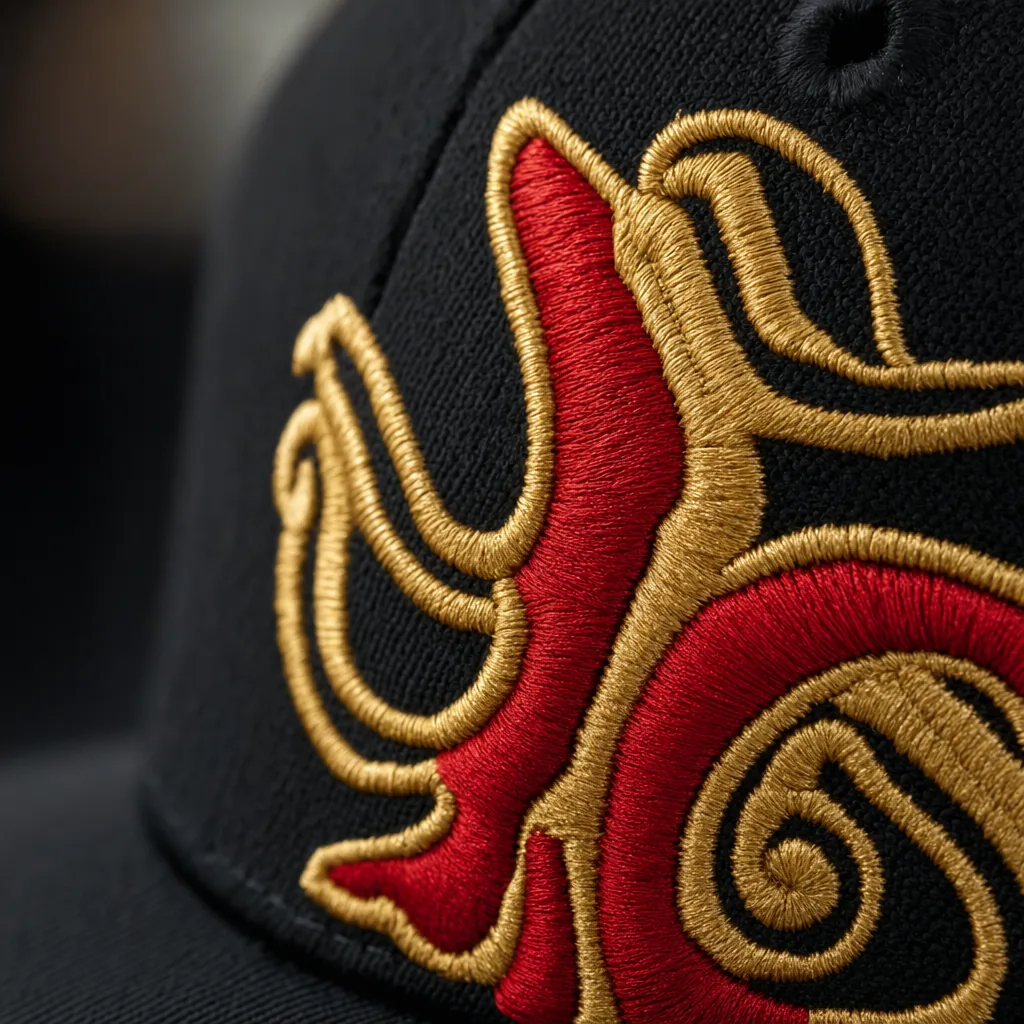
Custom Logo Hats: When to Use It, Costs, and What to Ask Your Factory
Read article →
Golf Hats For Men Sample Approval Process for Custom Hat Buyers
Read article →Hat With Patch Supplier Audit Checklist for Custom Hat Buyers
Read article →If you are ready to take the next step on blank hats moq and pricing plan for custom hat buyers, our team can put a tailored quotation and digital mock-up in your inbox within 24 hours. Send the inquiry form on our contact page or message us directly on WhatsApp.