
Snapback vs Fitted vs Adjustable: Cap Closure Systems Compared (2026 Update) - 2026 Buyer's Guide - 2026 Buyer's Guide - Cost & MOQ Breakdown
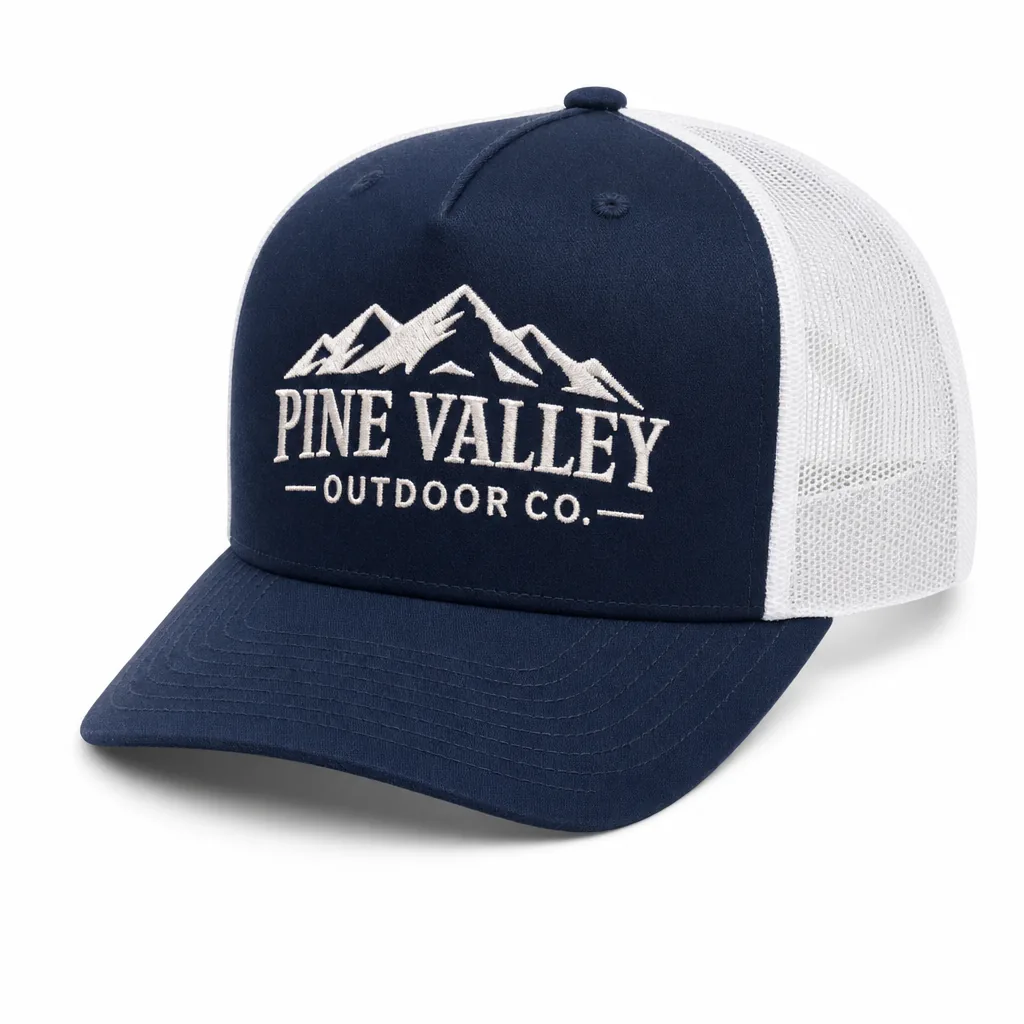
Every week, our sales team answers detailed questions about snapback vs fitted vs adjustable: cap closure systems compared (2026 update) - 2026 buyer's guide - 2026 buyer's guide - cost & moq breakdown. We wrote this guide so that wholesalers, streetwear brands, corporate buyers and promotional resellers can compare options with full information, and avoid the traps that show up only after production has started.
The five closure systems in commercial production
Plastic snapback is still the lowest-risk commercial default when the brief is streetwear, merch, or any order below about 2,000 pieces per color, because one rear opening normally covers 56–61 cm adult circumference without size grading. A standard 7-hole PE or PP double-row snap weighs 6–8 g and costs about $0.08–$0.18 per set at 10,000 sets; matte finish, translucent resin, recycled PP, or Pantone-matched compound usually pushes it to $0.25–$0.45 and adds 10–15 days for chip approval. The real snapback vs fitted decision is inventory exposure: a 500-piece black cap can ship as one adjustable SKU, while fitted has to be split across 6 7/8 through 7 3/4, with edge sizes becoming dead stock. Snapbacks pattern best on structured 5-panel or 6-panel crowns with buckram fronts and flat or lightly pre-curved PE visors. On shallow unstructured promo crowns, the rear arch often collapses unless the back panels are reinforced and the opening is correctly taped.
Fabric strap systems split into exposed slide buckle and tuck-buckle, and they should be specified separately because the sewing risk is different. The exposed slide buckle is the normal choice for dad caps in 8–12 oz cotton twill, washed chino, enzyme-washed canvas, and unstructured 6-panel builds. A cotton or polyester self-fabric strap with zinc-alloy hardware in antique brass, nickel, gunmetal, or matte black typically lands at $0.18–$0.45, depending on plating and strap construction. Tuck-buckle hides the tail inside a rear tunnel for a cleaner retail finish, but it is less forgiving: tunnel width, strap fusing, rear-panel symmetry, and bartack placement must stay tight or the strap twists and drags. At CrownsForge, our strap-width tolerance is ±1 mm, and we test slider pull resistance before bulk packing rather than after complaints. Tuck systems usually add $0.12–$0.35 over a simple slide buckle and often block rear-center embroidery, so side-panel embroidery, buckle-tab debossing, or a woven flag label is usually the better layout.
Hook-and-loop, elastic stretch, and true fitted construction solve different production problems and should not be lumped together as “adjustable.” Hook-and-loop is practical for uniforms, kids’ caps, safety programs, and glove-use environments because it adjusts fast and covers a broad size range, but nylon tape collects lint, makes noise, and can abrade brushed cotton, peach-skin polyester, or microfiber if the tape is packed open in cartons. Stock black or white tape keeps MOQ low; custom Pantone TCX tape often requires 1,000–3,000 meters and 10–18 extra days. Elastic stretch systems, including spandex sweatbands and Flexfit-style builds, remove visible rear hardware but require tighter circumference control, recovery checks after heat exposure, and cleaner sweatband feeding to avoid puckering. True fitted caps have no closure at all. The benefit is a clean rear panel, authentic team styling, and better 360-degree embroidery placement on Tajima, Barudan, or ZSK machines. The penalty is measurement risk: under AQL 2.5, a 0.5 cm sweatband error is a size defect, not a cosmetic issue.
Plastic snap (snapback) economics
The plastic snap is the lowest-cost closure that still passes a retail shelf test, but the saving is not mainly the resin. A standard 7-hole male strip paired with a 7- or 8-position female strip covers roughly 54–62 cm head circumference, so one adult snapback SKU can replace a fitted run from 6 7/8 to 7 7/8. On a snapback vs fitted cost sheet, a stock PP or PE snap set normally lands at $0.045–$0.075 per cap; ABS may add $0.02–$0.04 when the buyer wants a harder, glossier hand. The real saving is SKU compression. A 1,000-piece order in four crown colors becomes four sellable lines as snapbacks, but 28–32 lines if you break each color into seven or eight fitted sizes. That affects barcode setup, carton labels, warehouse bins, size-level forecasting, and dead stock in fringe sizes like 7 1/8 or 7 7/8. For streetwear drops, event merch, and promo resale, that inventory control is usually worth more than a few cents on the BOM.
Stock snap colors are commonly black, white, navy, red, royal, gray, khaki, and dark green, but do not treat “navy” as a controlled shade unless the masterbatch is specified and retained. I have seen glossy PP navy shift toward purple after an injection molder changed pigment supplier, even though the purchase order still said navy. Pantone TCX matching is possible, but a realistic custom-color MOQ is 500–1,000 snap sets because the molder must purge the barrel, run a dedicated compound, and absorb start-up scrap. Fabric tolerance and plastic tolerance should not be judged the same way. On cotton twill, polyester mesh, or wool-blend suiting, I push for Delta-E under 2.0 under D65 lighting; on molded plastic, Delta-E 2.5–3.5 is more realistic because gloss, curvature, and reflection distort the reading. Our standard practice at CrownsForge is to approve the snap only after it is sewn into the rear panels, not as a loose strip beside a Pantone chip. A purple-cast snap against a true navy crown makes the cap look cheaper than the actual materials.
Plastic snapbacks beat strapbacks and fitted caps on speed, size forgiveness, and landed inventory risk, but they do not automatically look premium. A self-fabric strap with zinc-alloy slider, brass buckle, or antique nickel clasp usually adds $0.18–$0.45 per cap, plus slower sewing and tighter rear-opening alignment. Fitted caps remove the closure part, but they add graded crown patterns, separate sweatband lengths, shrinkage control, and circumference checks by size; for licensed team work, I inspect finished circumference under AQL 2.5 with a practical tolerance of ±0.5 cm. Snapbacks make the most sense when the wearer’s size is unknown: campus stores, online drops, stadium merchandise, music tours, and distributor programs. The weak point is perceived cheapness. Low-density foam fronts, loose rear-arch stitching, thin sweatbands, and mirror-shiny snaps all push the product toward mass-market giveaway. Use stable buckram, clean rear binding, 280–350 gsm cotton twill or quality trucker mesh, and embroidery from Tajima, Barudan, or ZSK heads so the snap reads as an intentional closure choice, not a cost-cutting confession.
Fabric strap with metal buckle (dad hat aesthetic)
A fabric strap with a metal slide buckle is the right closure when the brief says low-profile dad hat but the buyer cannot manage fitted-size inventory. My normal spec is a 15–20 mm self-fabric strap cut from the same dye lot as the crown: 8–10 oz cotton twill, enzyme-washed chino, 14-wale corduroy, washed canvas, or 70D–160D nylon taslan. Hardware is usually antique brass, matte black, gunmetal, or brushed nickel, using a tri-glide, ladder-lock, or clasp buckle with the tail tucked into a sewn back tunnel. On an unstructured 6-panel with a pre-curved PE visor and 35–40 mm cotton sweatband, the practical adult fit range is about 54–63 cm, but crown depth matters as much as strap length. In a snapback vs fitted comparison, this closure gives one-size coverage like a snapback while keeping a softer, more retail back view than plastic snaps.
The cost looks minor until the order reaches 20,000 pieces. Versus a basic fabric hook-and-loop strap, stocked metal hardware plus the tunnel operation and extra handling normally adds $0.12–$0.18 per cap FOB Yiwu. Custom plating, laser logo engraving, debossed buckles, or color-matched enamel can add $0.08–$0.25, and accessory vendors often require 3,000–5,000 pieces MOQ per finish. The failure points are not theoretical: weak strap-root stitching pulls out, tunnel mouths pucker after enzyme wash, and cheap sliders twist after repeated adjustment. Our standard practice at CrownsForge is two rows of lockstitch plus a dense bartack at the strap root, followed by a 7–10 kg pull test during inline QC and at least 20 adjustment cycles on pre-shipment samples. For washed black, navy, khaki, and olive, strap-to-crown shade must be checked under D65 light; Delta-E above 1.5 is usually visible before AQL 2.5 final inspection.
Treat the metal-buckle strap as a premium adjustable closure, not a precision sizing system. A fitted cap program may need 1 cm grading or U.S. sizes such as 7 1/8, 7 1/4, 7 3/8, and 7 1/2, which means extra patterns, size-set samples, carton segregation, and leftover inventory. A plastic snapback adjusts faster and reads more clearly for teamwear, skate, and streetwear, but it can look wrong on garment-washed cotton, tonal Tajima or Barudan embroidery, and a soft low-crown silhouette. If the design is a true flat-visor snapback, keep the plastic snap. If the target is golf, resort, vintage retail, bookstore merch, or quiet branding, the metal buckle is usually stronger. For production safety, stocked antique brass, matte black, and brushed nickel beat custom finishes because they reduce plating-approval delays, 24-hour salt-spray failures, and finish disputes. Incoming inspection should check burrs, plating consistency, strap alignment, bartack density, tunnel puckering, and fabric abrasion after repeated buckle movement.
Velcro (lowest cost, widest range)
Velcro is the lowest-cost adjustable closure, but it also reads instantly as “promo cap” unless the rest of the build is intentionally utilitarian. A normal 20–25 mm nylon hook-and-loop strap covers roughly 54–63 cm head circumference, so one SKU can handle most youth and adult wearers without the size-curve risk of fitted caps. In a snapback vs fitted costing table, basic Velcro typically adds $0.025–$0.045 per cap FOB China; a molded 7-hole plastic snapback is closer to $0.08–$0.16, and fitted caps add cost through graded cutting markers, more carton sorting, slower packing, and remakes when the buyer guesses the wrong S/M/L/XL ratio. The visual penalty is real: loop tape grabs lint, loose thread, and carton dust after polybagging. It belongs on 160–180 gsm polyester promo caps, cotton twill staff uniforms, brushed canvas fishing caps, cadet caps, and kids’ headwear. On wool-blend flat brims, suede visors, melton crown panels, or licensed streetwear, Velcro cheapens the rear opening before the customer even looks at the front embroidery.
The strongest use case is 500–5,000 piece ad-specialty volume: banks, schools, municipal crews, trade shows, warehouse uniforms, volunteer kits, and giveaway programs where universal fit beats resale margin. Velcro is also forgiving in sewing because the wearer can compensate for a slightly high or low rear arch better than with a metal buckle or leather strap. For buyers comparing fitted vs adjustable caps without reliable head-size data, it is the safest closure for avoiding dead stock. Our standard practice at CrownsForge is a rounded strap end, 8–10 mm edge stitch, and a bartack at the anchor point; square-cut tabs curl after washing and start looking tired after 20–30 open-close cycles. The closure does not require different Tajima, Barudan, or ZSK embroidery settings, but exposed hook tape can snag 3D puff foam, metallic thread, loose tearaway backing, or untrimmed bobbin tails during trimming, inspection, bagging, and carton loading.
The quality risk is not first-day grip; it is aging, noise, and shade control. Low-density loop paired with overly aggressive hook tape may pass a quick hand pull test, then lose holding power after 300–500 cycles or make a harsh ripping sound that feels wrong for retail. I want peel strength checked on pre-production samples and spot-verified during AQL 2.5 final inspection, with bartack security, strap twist, and rear-opening alignment held within 2–3 mm. Stock black, white, navy, and khaki tapes are easy to source, but custom-dyed hook-and-loop rarely matches a tight Pantone TCX target. Delta-E 2.5–4.0 is normal; demanding under 2.0 only makes sense with lab dips, bulk approval, and enough order volume to justify custom dyeing. Against snapback, fitted, metal buckle, elastic, leather strapback, and Velcro closures, I rank Velcro last for brand perception and first for budget control. Use it when cost, lead time, wash tolerance, and one-size coverage matter more than premium shelf appeal.
Fitted: why some brands accept the operational cost
Fitted caps are not snapbacks with the closure deleted; they are a size-control program with inventory liability built in. In a snapback vs fitted costing review, the fitted version needs size-separated cutting markers, different sweatband lengths, adjusted blocking, size-specific UPCs, polybag stickers, and carton segregation. On a structured 6-panel cap in 100% wool serge, 80/20 acrylic-wool, or 420 gsm cotton twill, the factory premium is usually $0.35–$0.90 per piece versus the same build with a plastic snap. The real cost is size risk. A 1,200-piece snapback order covers one adjustable wear range; a fitted run may span 6 7/8 through 8, with most demand often sitting in 7 1/4, 7 3/8, and 7 1/2. If the size curve is wrong, the goods can pass AQL inspection and still fail commercially through markdowns, store transfers, and dead stock in 6 7/8 or 8.
MOQ pressure comes from breaking one efficient production run into small internal lots. Fabric mills may accept 300–500 meters per Pantone TCX color, but the cutting room loses rhythm when every size needs its own bundle ticket, sweatband cut length, woven label, barcode, and carton mark. Our standard practice at CrownsForge is to require the size ratio before quoting, because “1,200 pieces assorted” is meaningless if the buyer has not decided between six sizes and ten. A workable fitted MOQ is usually 600–1,200 pieces per color, with 72–144 pieces per size on a broad curve. A premium fitted cap with raised front embroidery on Tajima or Barudan heads, woven rear label, branded seam tape, satin undervisor, and taped inside seams commonly lands at $5.20–$8.40 FOB China at 1,200 pieces. The comparable snapback is often $0.50–$1.20 cheaper and easier to reorder without rebalancing leftover sizes.
Quality control is less forgiving on fitted caps because a fit error becomes a return, not a customer adjustment. Finished circumference must be checked after steam blocking and crown shaping with calibrated tape or steel hat-size rings; embroidery tension, fusing temperature, buckram stiffness, and pressing can move the final fit by 2–4 mm. Under AQL 2.5, wrong size labels, twisted sweatband joins, distorted crown height, off-center front embroidery, and inconsistent front-panel buckram should be treated as major defects. A cap labeled 7 3/8 that wears like 7 1/4 is commercially defective even if the sewing is clean. Fitted makes sense for licensed baseball, golf, esports, and boutique streetwear programs retailing around $38–$65, where authentic sizing supports the price. For promotional giveaways, campus events, corporate uniforms, or a first drop with no historical sell-through by size, adjustable closures are the safer buy.
MOQ implications by closure type compared
MOQ is mainly a size-management problem, not a closure-price problem. For snapback, strapback, tri-glide, and hook-and-loop caps, 100 pieces per design/colorway is normally workable because one adjustable SKU covers most adult heads, about 56–60 cm, on a 58 cm crown block. The factory cuts one fabric lay, runs one embroidery program on Tajima, Barudan, or ZSK heads, installs one sweatband spec, and packs under one barcode. In a snapback vs fitted MOQ comparison, that single-SKU structure is the real cost advantage. The closure itself is a small line item: a 7-hole plastic snap is usually $0.08–$0.15, a cotton strap with metal buckle is $0.25–$0.45, and a 1.4–1.6 mm leather strap with embossing, edge paint, and plated buckle adds roughly $0.60–$1.10 per cap. Those trims affect FOB, but they do not force size segregation through cutting, sewing, blocking, inspection, and packing.
Fitted caps change the MOQ math because each circumference becomes its own SKU. A serious fitted order is usually 100 pieces per size per design, not 100 pieces total, since sweatband length, back seam allowance, size sticker, polybag label, carton mark, and retail barcode must stay separated from bundle cutting to final packing. A basic five-size launch—7, 7 1/8, 7 1/4, 7 3/8, and 7 1/2—therefore starts at 500 pieces before colorways; two colors make it 1,000 pieces. Sewing the cap is not the bottleneck. Controlling WIP and finished circumference is. After steaming and blocking, we hold fitted caps to about ±0.5 cm; beyond that, returns climb quickly. Under AQL 2.5 final inspection, mixed-size cartons, wrong visor stickers, and barcode mismatches are major defects, because a 7 1/4 cap shipped as 7 3/8 is a commercial failure, not a cosmetic issue.
For a new brand, adjustable closures are usually the cleaner demand test. A 100–300 piece snapback run can validate crown depth, visor curve, buckram stiffness, 320–380 gsm cotton twill handfeel, Pantone TCX shade tolerance, and embroidery density before inventory cash is trapped in edge sizes. Once sell-through is proven, fitted sizing should be ordered from data, not ego. For U.S. streetwear, a practical five-size starting ratio is often 10% / 20% / 35% / 25% / 10%, with 7 1/4 and 7 3/8 carrying the volume. CrownsForge quotes closure MOQ and size MOQ separately because a $4.80 FOB fitted cap can create more total exposure than a $5.20 FOB snapback if 15–20% of stock sits in slow-moving sizes. Buyers comparing snapback vs fitted should model working capital, carton segregation, barcode setup fees, and reorder lead time, not just the first unit price on the proforma invoice.
How to spec the right closure for your retail positioning
Spec the closure from the sell-through model, not the mood board. In a snapback vs fitted decision, the biggest issue is size risk: one OSFA snapback usually covers 56–61 cm head circumference, while fitted caps need 6–8 SKUs, commonly 6 7/8 through 7 5/8 for U.S. retail and up to 7 3/4 for athlete or big-head programs. That means more forecasting error, more bin locations, and more dead stock in fringe sizes. A standard PP or ABS snap closure costs about $0.09–$0.16 FOB Yiwu; Pantone-matched resin, cleaner sprue trimming, and better whitening resistance at the hinge push it to $0.20–$0.30. A self-fabric strap with brass, zinc-alloy, or matte black slide buckle usually lands at $0.28–$0.60 because it adds folding, edge stitching, bar-tack reinforcement, and pull testing. On a $38–$65 retail cap, the upgrade is defendable. On a $6–$9 promotional cap, it can erase margin after polybag, carton, and inland freight.
Promotional, school, event, and workwear orders should usually stay adjustable because the buyer is purchasing fit tolerance, not collector authenticity. Hook-and-loop is the cheapest practical option at $0.04–$0.10 per set and works for volunteers, youth teams, warehouse crews, and one-day events where nobody can collect accurate head sizes. The tradeoff is positioning and durability: low-grade nylon tape picks up lint, loses peel strength after abrasion, and curls along the stitch line after steaming if the backing is too soft. For youth sports, fitted sizing is usually a bad call unless a league license requires it; adjustable closures absorb growth, parent ordering mistakes, and mixed-gender rosters. Our standard practice at CrownsForge is to test closure pull strength after final blocking and steaming, not only during inline sewing, because heat, buckram pressure, and sweatband compression expose weak snap posts, loose metal rivets, soft hook tape, and mis-set eyelets that can pass before shaping.
Fitted belongs on licensed pro sports, collector drops, and structured 6-panel caps where the customer expects authenticity, not convenience. Lock the grading table before PO release: size ratio, sweatband type, crown block, seam allowance, stretch allowance, measuring method, and tolerance. For premium fitted production, I use ±0.5 cm as the working tolerance and inspect under AQL 2.5; a cap marked 7 3/8 that measures close to 7 1/4 is a functional defect, not a cosmetic one. Fabric changes the final fit after pressing: 380–420 gsm polyester performance twill, 80/20 acrylic-wool serge, cotton chino, and spandex sweatbands all shrink or recover differently under steam. A stretch sweatband can mask small variation, but it cannot rescue a poorly graded crown. For a balanced retail line, run snapbacks for core colors and volume graphics, reserve fitted for hero SKUs and stadium exclusives, and use strapback when the brand language is minimalist, unstructured, or dad-hat focused.
Frequently Asked Questions
How long does production take?
Sampling takes 7 to 12 days. Bulk production runs 20 to 30 days depending on quantity, fabric availability and decoration complexity. Inspection and packing adds another 3 to 5 days before shipment.
Do you support sustainability certifications?
Yes. We work with GOTS organic cotton, GRS-certified recycled polyester, OEKO-TEX Standard 100 fabrics, and are BSCI and Sedex audited. Certification documentation can be provided per order.
What file format should I send for my logo?
Vector files (AI, EPS, PDF) are ideal. High-resolution PNG or JPG at 300 dpi on transparent background works as a fallback. Provide Pantone color references for accurate reproduction.
What is the minimum order quantity (MOQ) for custom hats?
Our standard MOQ is 100 pieces per design and color, with sampling available from 1 piece. For complex multi-color logos or premium fabric upgrades, the MOQ can be lowered with a small per-piece surcharge.
Can I order a sample before bulk production?
Yes. We strongly recommend approving a pre-production sample before mass production. Samples are charged at 35 to 60 USD each plus express shipping, fully refundable against confirmed bulk orders over 500 pieces.
What should buyers know about cotton twill baseball cap?
When evaluating cotton twill baseball cap, the key considerations are construction quality, decoration capability, MOQ flexibility and lead time. Universal sizing 54-62cm with 8 snap positions. Single SKU per design covers most adults. Adds ~$0.05 per cap for hardware. Industry-standard for retail snapback hats, trucker caps, casual baseball caps. Available in 8 stocked colors; custom Pantone-matched snaps at 500+ pieces. Plastic snap (snapback), fabric strap with metal slide buckle, fabric strap with tuck-buckle,…
What should buyers know about flat bill hats snapback?
When evaluating flat bill hats snapback, the key considerations are construction quality, decoration capability, MOQ flexibility and lead time. Universal sizing 54-62cm with 8 snap positions. Single SKU per design covers most adults. Adds ~$0.05 per cap for hardware. Industry-standard for retail snapback hats, trucker caps, casual baseball caps. Available in 8 stocked colors; custom Pantone-matched snaps at 500+ pieces. Plastic snap (snapback), fabric strap with metal slide buckle, fabric strap with tuck-buckle,…
How does ordering custom flat bill hat embroidery work?
When evaluating custom flat bill hat embroidery, the key considerations are construction quality, decoration capability, MOQ flexibility and lead time. Universal sizing 54-62cm with 8 snap positions. Single SKU per design covers most adults. Adds ~$0.05 per cap for hardware. Industry-standard for retail snapback hats, trucker caps, casual baseball caps. Available in 8 stocked colors; custom Pantone-matched snaps at 500+ pieces. Soft fabric strap (1.5-2cm wide) with antique brass slide buckle. Fits 54-63cm. Adds ~$0.15 per…
What should buyers know about baseball hats women?
When evaluating baseball hats women, the key considerations are construction quality, decoration capability, MOQ flexibility and lead time. Universal sizing 54-62cm with 8 snap positions. Single SKU per design covers most adults. Adds ~$0.05 per cap for hardware. Industry-standard for retail snapback hats, trucker caps, casual baseball caps. Available in 8 stocked colors; custom Pantone-matched snaps at 500+ pieces. Plastic snap (snapback), fabric strap with metal slide buckle, fabric strap with tuck-buckle,…
Are snapbacks better than fitted?
Fitted hats are a great choice if you know your size and want to build a collection of caps for casual wear, while snapback caps are ideal for streetwear fashion enthusiasts and make a bold statement. Both hats come in a range of colors and designs, so the right choice for you all comes down to your own personal style.
Do baseball players wear snapbacks or fitted?
The snaps are usually plastic even if the cap is made of wool, cotton, or other material. Popularized by New Era, the official hat supplier to the MLB, the snapback cap is de rigueur for Major League baseball players.
What does it mean if a hat is fitted?
Fitted hats are called “fitted” because they're designed to fit the wearer's head snugly without adjustable snaps or straps. That means these hats are sized specifically to the wearer's head, ensuring a natural fit. This modern-day baseball cap comes in 20 sizes to fit nearly any head shape or size.
Do fitted hats look better?
The seamless design without a closure in the back is much sleeker with a fitted hat. It's not that snapback hats don't look as good, but you can wear a fitted hat in nearly any setting. Because fitted hats look so sleek, they're a better choice for an elevated look.
Is a fitted hat a snapback?
Snapbacks have an adjustable snap closure, usually made from plastic, that you can use to adjust the size of the cap to fit your head perfectly. A fitted cap is just a hat, with no adjustable sizing. The snapback design is bolder, with a more structured high crown and a flat brim.
Looking for a reliable hat manufacturer in China?
CrownsForge has produced custom hats for 800+ brands across 40 countries. From 100-piece launches to 100,000-piece retail programs, we deliver on time and on spec.
Get in touchRelated guides
Custom Leather Patch Hat Low Minimum: A 2026 B2B Sourcing Guide
Read article →
Mens Beanies: Properties, Costs and How to Spec It Right
Read article →
Bulk Trucker Hats Export Shipping Checklist for Custom Hat Buyers - Cost & MOQ Breakdown - Supplier Checklist
Read article →We hope this guide demystifies snapback vs fitted vs adjustable: cap closure systems compared (2026 update) - 2026 buyer's guide - 2026 buyer's guide - cost & moq breakdown and helps you move forward with confidence. If you have questions specific to your project, our English-speaking sales engineers are one message away.