
Rave Bucket Hats: A Vertical-Specific Sourcing Guide
For brand owners, wholesalers and procurement teams entering the custom headwear category, rave bucket hats: a vertical-specific sourcing guide is one of the highest-leverage decisions you will make. Get it right and your unit economics, retail story and reorder cycle all improve. Get it wrong and you carry the cost for years.
Baseball Hats for Men
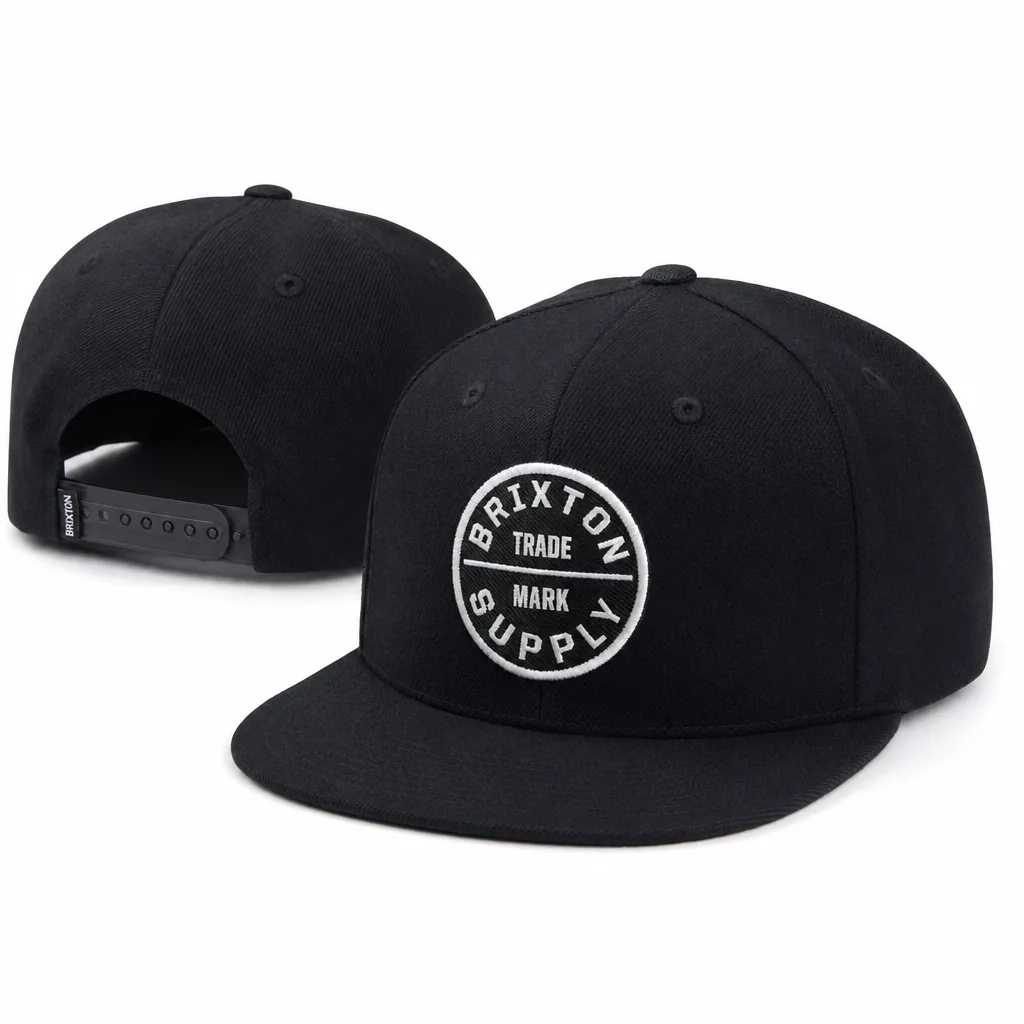
Baseball hats for men are usually built on a six-panel crown with a structured front, curved or semi-curved brim, and a closure that matches the price point: metal buckle, plastic snapback, or self-fabric strap. The factory workflow is straightforward but easy to get wrong. Panels are cut from cotton twill, brushed cotton, polyester twill, or a poly-wool blend, then stitched, buckram is inserted in the front panels, the visor is layered with PE or cardboard insert, and the cap is finished on Tajima, Barudan, or ZSK embroidery heads if the logo needs stitching. For streetwear buyers, ask for crown height, panel seam allowance, brim curve, sweatband material, and whether the front panel is fused or fully buckramed. Those details matter because a cap that looks fine in photos can feel cheap on head shape and collapse after one wash, which is the same kind of mistake people make when they source rave bucket hats without checking construction.
For sourcing, a serious factory quote should specify fabric weight, thread count, logo method, color standard, and testing requirements. Ask for a Pantone TCX or Pantone C reference, embroidery digitizing approval, sweatband gsm, eyelet count, and a sample based on the final size spec rather than a generic blank. Typical MOQs for custom baseball hats for men are 300 to 500 pieces per colorway if you want normal factory pricing, with FOB factory costs often around USD 2.20 to 4.80 for basic embroidered styles and USD 5.50 to 8.50 for heavier wash effects, 3D puff, or custom trims. CrownsForge’s standard practice is to lock the spec sheet before production and sample against it, because hidden changes in visor insert, stitch density, or back closure are where margin gets burned. That discipline also helps when the same buyer later asks for reversible bucket hats or a 90s bucket hat program with tighter margin control.
Quality control on baseball caps should focus on panel symmetry, logo placement, stitch count, brim memory, and color consistency across dye lots. The common failures are crooked center seams, puckered embroidery, weak snap closures, uneven visor curves, and shade shifts that miss Delta-E tolerance on repeat orders. For wholesale, push for AQL 2.5 on major defects and 4.0 on minor defects, and inspect at least opening, midline, and packed cartons for crushed crowns. The broader sourcing decision is simple: if a factory can hold tolerances on baseball hats for men, it usually has the process discipline to handle bucket hats for men, fitted hats women, and festival hat women's programs without constant babysitting. That matters when you are comparing rave bucket hats against a more conventional cap line, because the best supplier is usually the one that can control construction, not the one that offers the loudest trim card.
Custom Baseball Team Hats
Custom baseball team hats are usually built as structured 6-panel caps with a buckram front, pre-curved or flat visor, stitched eyelets, and a standard cotton twill or brushed chino body around 180 to 260 gsm. The factory flow is simple but unforgiving: cut panels, fuse buckram, sew crown, insert visor board, add sweatband, then decorate with flat embroidery, 3D puff, woven patch, or TPU badge on Tajima, Barudan, or ZSK heads. If you are sourcing properly, ask for panel count, crown height, visor length, stitch density, seam tape color, sweatband spec, closure type, and a Pantone TCX target for every color. For team orders, I also ask for logo placement in millimeters, not just a mockup, because a 5 mm shift on a front panel looks sloppy on field photos and resale listings.
Typical MOQ is 100 to 300 pieces per colorway for a real factory order, with samples at 1 to 3 pcs and bulk pricing often landing around $3.20 to $7.80 FOB depending on embroidery complexity, patch type, and closure. Leather patches, contrast undervisors, and custom taping push cost up fast; fully fitted builds or all-over sublimation can move higher. The quality failures I check first are crooked fronts, puckered embroidery, warped brims, loose back closures, and color drift greater than Delta-E 2.0 on repeat production. If a supplier can hold AQL 2.5 on a structured team cap, they usually have enough process control to handle rave bucket hats, reversible bucket hats, and even more fashion-driven SKUs like bucket hats for men, fitted hats women, a 90s bucket hat, or a festival hat women's line without guessing at the construction.
Baseball Hats Canada
Baseball hats Canada orders are usually built on the same production logic as any structured cap: crown panels cut from cotton twill, brushed cotton, poly-cotton, or recycled polyester, then stitched on flatbed or programmable machines before the visor is inserted and topstitched. For buyers, the useful specs are not vague style references but measurable details: 280-320 gsm fabric weight, 6-panel or 5-panel construction, buckram stiffness, visor curve radius, sweatband composition, closure type, and embroidery density in stitches per cm2. On a factory floor, the difference between a clean sample and a retail return is usually in the details, especially thread tension on Tajima, Barudan, or ZSK embroidery heads and the consistency of panel alignment. For Canadian buyers, I would also request fiber composition, color tolerance against Pantone TCX, and shrinkage limits after wash testing if the hat is cotton-heavy.
Typical MOQ for a basic baseball cap is 300-500 pieces per colorway, though factories will usually quote better unit pricing at 1,000 pieces and up. In China, simple blank caps often land around USD 2.20-3.80 FOB depending on fabric, wash treatment, and closure, while embroidered or patch-heavy builds can move to USD 4.50-7.50. If you are comparing baseball hats Canada sourcing against rave bucket hats, the math changes fast once you add reversible construction, contrast binding, or all-over print. Reversible bucket hats use more sewing labor, more lining fabric, and tighter symmetry control, so they cost more even when the raw fabric is cheaper. Buyers asking for bucket hats for men or fitted hats women should separate the fit requirement from the decoration requirement, because the same blank can behave very differently once the sweatband, crown depth, or panel shaping changes.
The quality issues I would inspect first are crooked front panels, loose embroidery, inconsistent crown height, bad visor memory, and color drift between sample and bulk. For Canadian importers, formal inspection should include AQL 2.5 for major defects and a clear definition of minor defects, plus pull tests for snaps, clips, and strapback hardware. If the program uses heat transfers or woven labels, ask for wash and abrasion testing, and check seam slippage on the visor edge because that is where cheaper factories cut corners. This matters when you are also buying rave bucket hats, because festival buyers notice comfort and finish immediately, while retail buyers will return anything that feels flimsy or off-balance. A strong 90s bucket hat or festival hat women's program usually starts with the same discipline: clear specs, approved lab dips, pilot bulk, and no tolerance for guessing on fit, color, or stitch quality.
Fitted Hats with Patches
A fitted hat with patches is usually built from a structured crown first, then finished with the patch as a separate operation. The cap body is cut from wool-blend melton, acrylic, or brushed cotton twill, then the front panels are fused with buckram or foam-backed interfacing so the patch sits flat instead of rippling after a few wears. The patch itself can be woven, embroidered, chenille, PVC, or leather, and it is normally applied by heat press, embroidery tack-down, or edge stitching depending on the look and wash requirements. For rave bucket hats buyers usually compare this against reversible bucket hats or softer silhouettes, but the fitted construction holds shape better on the shelf and in retail photos. If the design includes a structured front panel, ask for panel spec, stitch density, visor board thickness, sweatband material, and patch attachment method up front, not after sample approval.
For sourcing, the useful specs are practical, not cosmetic: head circumference range by size, crown height, visor curve, 6- or 8-panel layout, buckram weight, thread count, and patch tolerance. If the patch includes embroidery, request sew files compatible with Tajima, Barudan, or ZSK heads, plus a thread chart with Pantone TCX references and an agreed Delta-E target for color matching. Our standard practice is to sample with the exact patch size and placement, because a 2 mm shift on a front panel is obvious in a fitted silhouette. Typical MOQ is 300 to 500 pieces per colorway for simple patch work, and 800 to 1,500 pieces if the patch needs custom molds or complex multi-stage embroidery. Factory pricing often lands around $3.20 to $6.80 EXW for basic units, with chenille or PVC patches pushing higher depending on size and stitch count.
The main quality problems are easy to miss if you only check the top of the hat: patch curling from weak heat adhesive, crooked centerline placement, crown collapse from underspecified interfacing, and size drift after blocking. Run a wear-and-shape check across the full range, then inspect seam slippage, sweatband comfort, and whether the patch edge scratches the forehead on a festival hat women's build. AQL 2.5 is common for general inspection, but patch alignment deserves a tighter internal standard because retail buyers notice asymmetry immediately. For bucket hats for men and fitted hats women, the sourcing decision is usually about structure versus flexibility; fitted hats lock in shape, while rave bucket hats can absorb more graphic risk, reversibility, and color blocking. If the patch story is strong, fitted hats give you cleaner merchandising, but only if the factory can hold tolerances consistently and document every approval stage.
Festival Bucket Hat
A festival bucket hat is usually a simple cut-and-sew job, but the details decide whether it survives sweat, UV, and packing abuse. For rave bucket hats, I ask factories to quote the shell, lining, brim insert, seam tape, and decoration separately so we can see where cost and failure risk sit. The common build is 100 percent cotton twill at 220 to 280 gsm, or polyester peach skin around 140 to 160 gsm if the buyer wants faster drying and lower shrinkage. A 5.5 to 6 cm brim is standard, with 6 to 8 panels depending on crown shape; reversible bucket hats need two finished faces, which adds labor, extra labels, and tighter seam matching. If the target is a 90s bucket hat look, ask for a softer unstructured crown and washed hand feel; if it is a festival hat women's program or mixed-gender program, size grading matters more than the style name because head circumference tolerance on the factory floor is often too loose.
What buyers should request is a written spec sheet with crown height, brim width, stitch density, panel count, sweatband width, label method, and color targets against Pantone TCX. For embroidery, insist on a stitch count estimate and needle limit because a heavy front logo can warp a lightweight crown if the digitizing is too dense. CrownsForge normally treats Delta-E under 2.0 as the practical target for bulk approvals, and I would keep the same standard for print panels, woven labels, and binding tape so the hat does not look assembled from mismatched parts. Typical MOQ sits at 300 to 500 pieces per color for plain production, 500 to 1,000 when there is custom woven tape or full sublimation, and 1,000 plus for reversible bucket hats with multiple artwork placements. Ex-factory pricing usually lands around $2.20 to $4.80 for basic cotton or poly builds, then climbs to $5.50 to $8.50 when you add reversible construction, all-over print, or premium trim.
The quality problems I see most often are crooked brim topstitching, crown asymmetry, weak thread tension, color bleeding after the first wet rub, and labels that peel after heat or sweat exposure. For rave bucket hats, the real risk is not just appearance; it is how the hat holds shape after compression in cartons, a hot warehouse, and one night on a dance floor. Ask for AQL 2.5 on major defects and a wash/rub check on at least one sample per colorway, plus carton drop testing if the shipment is going air or mixed with other soft goods. If the buyer is comparing bucket hats for men against a wider unisex or fitted hats women program, the decision should come down to crown depth, internal sweatband comfort, and whether the hat needs pack-flat performance. That is the point where a cheap 90s bucket hat replica stops being a good sourcing choice and becomes a return-rate problem.
Festival Bucket Hats
Festival bucket hats are usually cut from 100 percent cotton twill, nylon taslan, or 210D to 420D polyester depending on whether the buyer wants a soft hand, quick-dry performance, or a cheaper giveaway style. The build is straightforward: crown panels are stitched on a single-needle or 5-thread machine, brim interlining is inserted for shape, then the outside is finished with woven labels, embroidery, screen print, or all-over sublimation if the artwork is loud. For rave bucket hats, I would ask the factory for a spec sheet with panel count, crown height, brim width, stitch density, seam allowance, and shrinkage after wash. If the design needs reversible bucket hats, confirm two complete fabric layers, clean internal seam binding, and a reversible label solution, because sloppy turning is where most factories lose control. For a 90s bucket hat look, the brim needs a softer drape and lower crown; for bucket hats for men and festival hat women styles, the fit range should be tested on head circumferences from 56 to 60 cm, not just one sample head.
The numbers matter more than the mood board. For custom festival bucket hats, a serious factory will usually quote MOQ at 300 to 500 pieces per colorway for basic fabric and 800 to 1,000 pieces if there is custom printing, special washing, or reversible construction. Typical FOB pricing lands around $2.20 to $4.80 for simple cotton or polyester versions, with embroidered or reversible styles often in the $4.50 to $7.50 range depending on logo complexity, fabric weight, and packing. Our standard practice is to request bulk lab dips or Pantone TCX references, target Delta-E under 2.0, and confirm needle detectors if metal trims are used. The common defects are uneven brim width, twisted crown seams, puckering around embroidery, shade variation between dye lots, and poor topstitch tension that shows up after steam pressing. If you are sourcing rave bucket hats for resale, the buying decision is not just about style; it is whether the factory can hold consistent measurements, pass AQL 2.5 on finished goods, and ship a repeatable product that does not fail when the crowd actually wears it hard.
Working with CrownsForge for rave bucket hats programs
For rave bucket hats, the first thing I look at is whether the supplier can move from concept to a physical proto without wasting two weeks on avoidable back-and-forth. Our standard sampling window is 5 to 7 working days for a first proto and 7 to 10 days if the build includes reversible bucket hats, contrast panels, or cut-and-sewn artwork placement. Minimums are flexible at the sample stage, which matters for first-time buyers testing a 90s bucket hat drop or a festival hat women's collection before they commit to a full run. If the design needs a tighter silhouette for bucket hats for men or a softer crown for a mixed-gender fit, we adjust block size, brim stiffness, and seam allowance early instead of forcing a production fix later.
Decoration is where a lot of rave bucket hats go wrong, because low-resolution artwork and bad stitch density will show up immediately under event lighting. We run embroidery in-house on Tajima, Barudan, and ZSK heads, which gives us control over thread tension, density, and edge cleanup on logos that need to read from 3 meters away. For woven labels, heat-transfer graphics, or patch placement on reversible bucket hats, the goal is to keep the surface clean and the hand feel usable, not just pack more decoration onto the cap. If the buyer wants Pantone TCX matching, we target a practical Delta-E tolerance under 2.0 on bulk fabric and under 1.5 on appliqué trims, because neon palettes can drift fast when the base cloth and thread come from different lots.
On the compliance side, the de-risking is mostly about boring discipline: fiber traceability, needle control, carton counts, and inspection points that get documented before shipment, not after a claim. CrownsForge works to sedex-audit-cap-supplier-guide.html">BSCI 2.0 and Sedex SMETA 4-Pillar expectations, and we treat that as a floor, not a badge; buyers still need actual factory photos, trim cards, and pre-production approval for a production order. For order management, we lock the tech pack, confirm the size set, and schedule inline checks at 30 percent and 80 percent completion, then final inspect to AQL 2.5 before packing. That workflow matters more than marketing language when a brand is scaling from 300 units to 10,000 units and needs the same fit on every batch of rave bucket hats.
Frequently Asked Questions
What file format should I send for my logo?
Vector files (AI, EPS, PDF) are ideal. High-resolution PNG or JPG at 300 dpi on transparent background works as a fallback. Provide Pantone color references for accurate reproduction.
What logo decoration techniques do you offer?
3D puff embroidery, flat embroidery, woven patch, leather patch, PVC patch, screen printing, sublimation, applique and laser etching, all in-house with no subcontracting.
Which shipping methods do you support?
We support FOB, CIF and DDP shipping. Air express for samples and small orders, sea LCL for 100 to 500 pieces, sea FCL for 5,000+ pieces. Door-to-door DDP available for US, EU, UK, Canada and Australia.
How long does production take?
Sampling takes 7 to 12 days. Bulk production runs 20 to 30 days depending on quantity, fabric availability and decoration complexity. Inspection and packing adds another 3 to 5 days before shipment.
Do you support sustainability certifications?
Yes. We work with GOTS organic cotton, GRS-certified recycled polyester, OEKO-TEX Standard 100 fabrics, and are BSCI and Sedex audited. Certification documentation can be provided per order.
What should buyers know about bucket hat men?
When evaluating bucket hat men, the key considerations are construction quality, decoration capability, MOQ flexibility and lead time. Cover everything buyers ask about baseball hats for men: how it's manufactured, what specs to request from a factory, typical MOQ and pricing, common quality issues to inspect for, and how this ties back to the broader rave bucket hats sourcing decision. Cover everything buyers ask about festival bucket hat: how it's manufactured, what specs to request from a factory,…
What should buyers know about nike bucket hats for men?
When evaluating nike bucket hats for men, the key considerations are construction quality, decoration capability, MOQ flexibility and lead time. Cover everything buyers ask about baseball hats for men: how it's manufactured, what specs to request from a factory, typical MOQ and pricing, common quality issues to inspect for, and how this ties back to the broader rave bucket hats sourcing decision. Cover everything buyers ask about custom baseball team hats: how it's manufactured, what specs to request from a factory,…
What should buyers know about kangol bucket hat 90s?
When evaluating kangol bucket hat 90s, the key considerations are construction quality, decoration capability, MOQ flexibility and lead time. Cover everything buyers ask about festival bucket hat: how it's manufactured, what specs to request from a factory, typical MOQ and pricing, common quality issues to inspect for, and how this ties back to the broader rave bucket hats sourcing decision. Cover everything buyers ask about baseball hats for men: how it's manufactured, what specs to request from a factory,…
How does ordering custom fitted hats for men work?
When evaluating custom fitted hats for men, the key considerations are construction quality, decoration capability, MOQ flexibility and lead time. Cover everything buyers ask about baseball hats for men: how it's manufactured, what specs to request from a factory, typical MOQ and pricing, common quality issues to inspect for, and how this ties back to the broader rave bucket hats sourcing decision. Cover everything buyers ask about custom baseball team hats: how it's manufactured, what specs to request from a factory,…
Need a low-MOQ test order?
We help emerging brands launch with as few as 100 pieces. Premium fabric, in-house embroidery, retail-ready packaging.
Start a small orderRelated guides
Ball Caps for Women: A 2026 Sourcing Playbook for International Buyers
Read article →
Mens Beanies: Properties, Costs and How to Spec It Right
Read article →Baseball Hats Vintage: A Vertical-Specific Sourcing Guide
Read article →We hope this guide demystifies rave bucket hats: a vertical-specific sourcing guide and helps you move forward with confidence. If you have questions specific to your project, our English-speaking sales engineers are one message away.