
Promotional Hat Pricing Tiers: What $2, $4 and $7 Each Get You - Cost & MOQ Breakdown
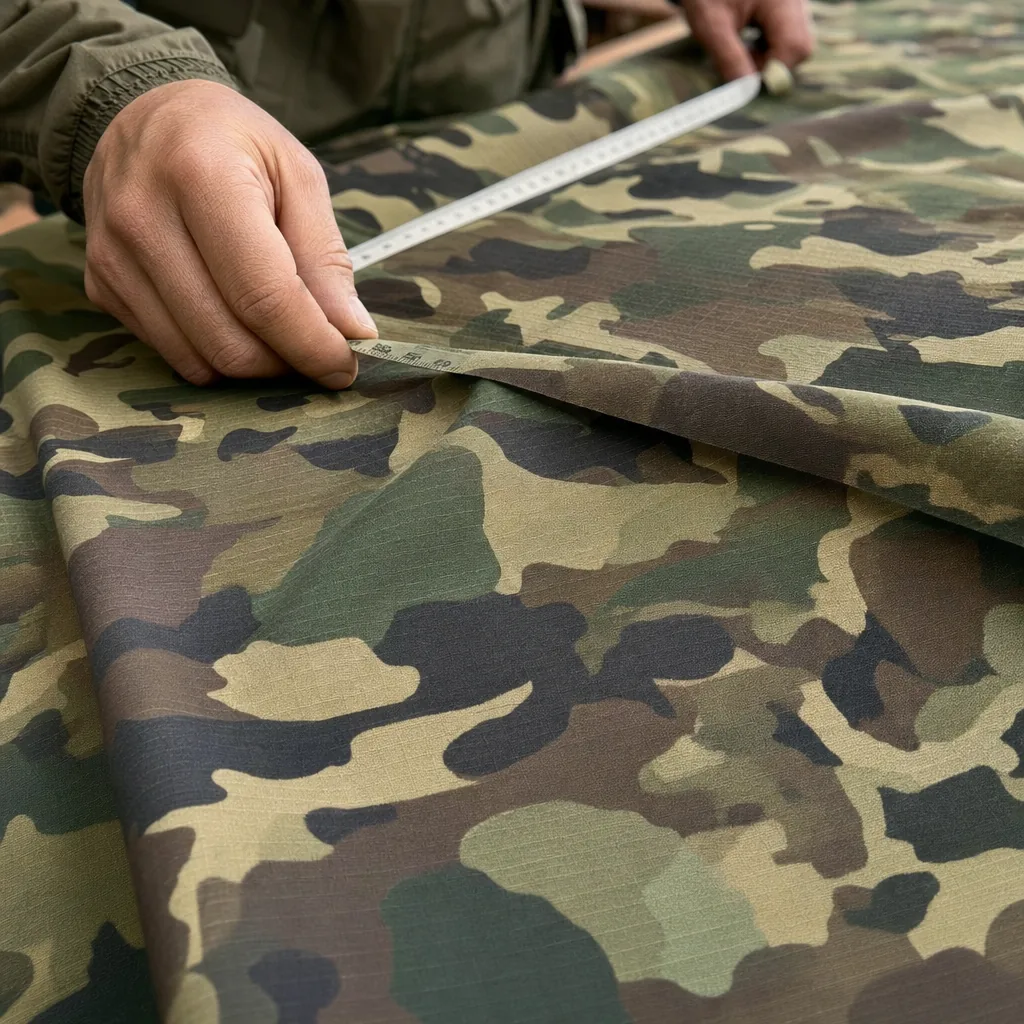
Every week, our sales team answers detailed questions about promotional hat pricing tiers: what $2, $4 and $7 each get you - cost & moq breakdown. We wrote this guide so that wholesalers, streetwear brands, corporate buyers and promotional resellers can compare options with full information, and avoid the traps that show up only after production has started.
The $2 tier: how it's possible and what it sacrifices
A real $2.00 FOB China cap is only achievable when the spec is stripped to the fastest build in the factory: a 5-panel foam-front trucker using 140-160 gsm polyester foam laminated to tricot, polyester mesh back panels, a pre-curved PE visor insert, and a stock PP snap closure. In promotional cap pricing, this tier works only because nearly every variable is locked down: stock black, white, or navy body colors, one adult size, one standard carton count, and a single flat embroidery location under roughly 3,000 stitches. On Tajima or Barudan multi-head machines, that usually means a one-color logo about 25-30 mm tall, run with minimal underlay, no thread changes, no 3D puff, no applique, and no metallics. The commercial reality is MOQ. Below 1,000 pieces, fixed costs such as digitizing, setup loss, thread waste, carton rounding, and FOB documentation stop the math from working; at 300-500 pieces, the same cap typically moves into the $2.60-$3.20 FOB range even before tighter QC or better packaging is added.
The first thing sacrificed is structure. At this level, the front panel normally uses light buckram or partial stiffener—just enough to get through sewing and case packing, not enough to keep a clean crown after 30-45 days in compressed sea-freight cartons. Trim is equally basic: generic sweatband, standard seam tape, no woven label set, no custom closure tab, no visor sandwich, and no branded inside finish. Color control is also loose. Mills are usually supplying stock shades from existing programs rather than custom Pantone TCX lab dips, so expecting tight brand matching is unrealistic, especially if the target is anything close to Delta-E 2.0 consistency. Embroidery quality also has a hard ceiling: small counters tend to close, satin columns under about 1.2 mm can plug up, and thread-lot sheen variation is visible faster than most brand teams expect.
The savings show up even more clearly in packaging and inspection. A typical packout is one cap per PE bag into export master cartons with no crown support, no inner cartons, and no retail-ready presentation. Factories may still inspect to AQL 2.5, but tolerance is usually wider on crown symmetry, seam puckering, visor curve consistency, foam thickness, and mesh shade variation than on a $4 or $7 program. Our standard practice is to warn buyers that this tier is built for distribution efficiency, not brand longevity. That is why it fits campaign giveaways, school events, charity runs, and short-life promotions: the cap only needs to be serviceable, delivered on time, and inexpensive. For retail shelves, licensed merchandise, or any program where the hat carries brand value beyond a single event, the apparent savings usually disappear in returns, complaints, or a weak first impression.
The $4 tier: where most promotional programs land
At $3.80 to $4.60 FOB China at 1,000 pieces, the $4 tier is where promotional caps stop reading as throwaway product and start looking program-ready. The standard build is a 6-panel structured cap in 65/35 cotton-poly twill, typically 180 to 220 gsm, with buckram-backed front panels, a pre-curved PE visor board, sewn eyelets, and a plastic snap closure. Base price normally covers front flat embroidery in the 7,000 to 8,000 stitch range; 3D puff usually adds $0.12 to $0.20, while a side or back logo adds roughly $0.18 to $0.35 depending on stitch count, color changes, and machine time. In real promotional cap pricing, this is the commercial center of the market: enough body to hold a clean logo, enough fabric weight to avoid a collapsing crown, and still low enough for beverage promotions, campus stores, trade events, and large-field giveaways. The real upgrade from the $2 tier is process discipline, not premium trim. A competent factory should be able to hold one fabric lot, one visor pattern, and one closure spec across a 1,000-piece run, which cuts shade variation and panel mismatch fast. On embroidery, I would expect thread matching against approved Pantone TCX references within roughly Delta-E 1.5 to 2.0, stable registration on Tajima or Barudan heads, and logo placement tolerance within plus or minus 3 mm. Standard trims at this level usually include a polyester sweatband, woven main label, care label, individual polybag, and a basic hangtag, but not custom seam tape, molded closures, or premium stickers. That consistency is why this bracket dominates promotional cap pricing conversations: buyers remember whether caps look even across the carton, not whether they saved another $0.40 per unit.
It is still a cost-built cap, so the weak points need to be called out in the tech pack. The common failures in this bracket are crown height drift, uneven visor curvature, rough sweatband handfeel, loose top-button stitching, and embroidery sinking into softer twill because the underlay or digitizing was wrong. I would not accept crown height variation above 5 mm within the same carton, seam slippage at the back arch, cracked snaps under a basic pull test, or obvious visor asymmetry. For bulk orders, AQL 2.5 final inspection is the right standard, with sampling focused on stitch density, needle contamination, visor symmetry, thread trims, and logo alignment. MOQ is often quoted at 500 pieces per colorway, but the pricing really starts to behave at 1,000 to 3,000 pieces because fabric utilization, embroidery setup, and packing efficiency all improve. This is not the tier for brushed chino, laser-perf side panels, exact sandwich-peak contrast control, or branded trim like YKK and Duraflex. What it does deliver is the safest middle spec in promotional cap pricing: a cap that presents cleanly in hand, survives distribution, and does not push the buyer into retail headwear cost territory. For most branded merch programs, that repeatability matters more than chasing a cheaper first quote.
The $7 tier: premium retail-grade promotional
At the $7 ex-factory tier, promotional cap pricing is driven less by shell fabric and more by construction, trim, and finishing discipline. The base is typically 260-300 gsm cotton twill, brushed chino, or a 15%-20% wool blend with better crown memory than the $2 or $4 brackets, but the real cost sits in the spec: molded buckram, matching undervisor, moisture-wicking polyester sweatband, branded seam tape, and metal hardware such as a brass buckle tuck strap or plated snap set. For a structured 6-panel made in China, a realistic FOB range at 3,000 pieces is $6.40-$7.30, with another $0.20-$0.45 for custom closure branding, woven labels, and retail hangtags. MOQ is usually 500 pieces per color when you stay on stock fabric, but 1,000 pieces is the practical floor for custom-dyed Pantone TCX shades, wool blends, or genuine leather patch programs, where small runs push unit cost out of range fast.
Decoration is where this tier either lands as retail-grade or turns into an expensive promo cap. Front 3D embroidery on Tajima, Barudan, or ZSK heads usually runs 8,000-12,000 stitches, but stitch count is secondary to digitizing quality: foam height, underlay, pull compensation, and thread tension have to be tuned so the logo stays sharp after packing and transit instead of tunneling or collapsing. A 1.2-1.6 mm genuine leather patch with deboss and a clean stitch-down line often gives a more premium result than bulky embroidery, provided placement is held within plus/minus 2 mm. Buyers at this level should expect Delta-E below 1.5 from approved lab dip to bulk, inline checks plus final AQL 2.5, and specific inspections for embroidery centering, visor curve consistency, panel symmetry, closure plating, and carton crush strength.
The last dollar is justified by finishing and process control, not by adding random extras. A true retail-grade cap should arrive with clean thread trimming, no hoop burn, no visor wave, and no oil staining around the eyelets or top button. Standard packing at this tier is individual polybagging, printed swing tag, woven care label, optional size sticker, and export cartons with enough board strength to survive 30-45 days of ocean transit without flattening front panels or scuffing metal trims. A factory quoting this level should also be able to show shade-lot control on black and navy runs, embroidery needle-change records, and current compliance history such as sedex-audit-cap-supplier-guide.html">BSCI 2.0 or Sedex SMETA 4-Pillar. For multi-SKU promotional programs, carton barcode labeling by SKU and colorway is worth doing, because receiving errors in a 3PL usually cost more than the packaging upgrade.
What changes the per-piece cost the most
Fabric and construction move promotional cap pricing faster than most decoration decisions. At 300-500 pcs, a basic 6-panel unstructured cap in 160-180 gsm brushed cotton twill or 120-140 gsm low-density polyester usually lands around $2.00-$2.40 EXW only if you stay with stock colors, a self-fabric tuck strap, 58 cm standard pattern, generic sweatband, and no wash or coating. Move to 240-270 gsm chino twill, 75D peached microfiber, heather interlock performance poly, or GRS-certified RPET, and the shell cost typically rises $0.45-$1.10 before decoration. Construction details stack up quietly: 0.8 mm rebound buckram instead of soft paper-like stiffener, a pre-curved PE visor with cleaner edge binding, woven seam tape, and a moisture-wicking sweatband can add another $0.20-$0.60 per piece. The reason cheap fabric often produces an expensive cap is reject rate. On the floor, low-grade twill is more likely to run off-grain, crock on dark shades, pucker at the front panel, or shrink above 3 percent after finishing. That creates visor bowing, crown asymmetry, and embroidery distortion, especially on structured fronts. AQL 2.5 inspection catches the failures, but by then the cost is already in rework, replacement panels, and extra pressing time. Buyers chasing the lowest promotional cap pricing often miss that a $0.15 material downgrade can easily become a $0.30-$0.40 real cost once defects and lower line efficiency are counted.
Decoration is usually the next biggest cost driver because machine minutes, not thread, set the price. A clean front logo in the 5,000-8,000 stitch range on a Tajima, Barudan, or ZSK multi-head is efficient work and commonly adds $0.35-$0.70 at volume. Once the art adds 3D puff, a side logo, rear arch, woven patch stitch-down, applique, or metallic thread, the cap moves out of the cheap lane. A three-position embroidery program totaling 12,000-18,000 stitches often adds $1.10-$2.20 because the heads slow from roughly 850 spm to 650-700 spm, with more thread trims, more manual placement, and higher spoilage on small counters or satin borders. Bad digitizing is expensive in a way buyers can actually feel on the invoice. Color variation, packaging, and MOQ are smaller levers, but they often decide whether a style stays near $4 or drifts toward $7. Every extra shell color, contrast sandwich, closure substitution, or thread change creates more WIP separation and more packing risk. Stock black, navy, and khaki with Pantone-close stock thread are much cheaper than custom dyeing, where lab dips, shade bands, and Delta-E approval can trigger 800-1,000 meter fabric minimums per color. Packaging also adds up: bulk pack is standard, while individual polybags, UPC labels, hangtags, insert cards, and size stickers typically add $0.08-$0.40 per cap and reduce carton density. At CrownsForge, pricing normally gets materially better only after 500 pcs per style-color, when digitizing, sample approval, cutting loss, and line changeover stop dominating the unit cost.
When to choose $2 vs $7 — and when to mix
Choose the $2 to $3 tier when reach matters more than wear life. In promotional cap pricing, this is the lane for 2,000 to 10,000-piece handouts where cost per impression has to stay tight: 5-panel polyester, basic 21s x 21s cotton twill around 160 to 180 gsm, PE pre-curved visor, PVC snapback, standard sweatband, and either a 1-color screen print or a small flat embroidery under roughly 5,000 stitches. FOB China, most factories can only hold this level if the spec stays disciplined: one main fabric, limited color blocking, no custom seam tape, no inner-label package, and no expectation of luxury hand feel. Shade tolerance around Delta-E 1.5 to 2.0 against Pantone TCX is typical, and AQL 2.5 still allows minor thread ends and lighter inside finishing. For trade shows, campus giveaways, delivery platforms, and street-team programs, that tradeoff is commercially sound.
Step into $5 to $7 when the cap will be inspected, photographed, or resold. That budget usually gets you 240 to 260 gsm chino twill or washed cotton, firmer buckram, better crown memory, cleaner seam taping, stronger visor rebound, and upgraded closure hardware such as a metal buckle or branded snap. Decoration also changes materially: 8,000 to 12,000 stitches on Tajima or Barudan heads, tighter digitizing, cleaner jump-thread trimming, and more consistent thread matching to Pantone references. Reorders are easier to keep visually stable because factories will spend more labor on panel alignment, crown shaping, and final QC rather than just pushing output. This tier fits customer gift packs, athlete onboarding, influencer seeding, and licensed merchandise where the cap has to represent the brand, not just carry a logo.
The most efficient buying strategy is usually to mix tiers instead of forcing one specification across every audience. A practical structure is 3,000 economy units for open-distribution traffic, 500 mid-spec caps for qualified prospects, and 150 premium units for staff, media, or VIP accounts. That approach keeps total spend under control while making the status difference intentional. The discipline is in standardizing what should stay fixed: artwork size, embroidery file, thread callouts, and Pantone references. Then adjust by tier through construction and decoration, such as screen print at the low end and flat or 3D embroidery on the upper tier. MOQ follows the build. A $2 cap often needs 1,000 pieces per colorway to land the FOB target, while a $7 cap can still be viable at 144 to 300 pieces because a larger share of cost sits in embroidery time, hardware, and sewing labor rather than raw fabric alone.
The hidden cost: setup, sampling, freight
The unit quote is the least reliable number in promotional cap pricing. Below 500 pieces, fixed charges move the real landed cost far more than most buyers expect. A factory may quote a 6-panel brushed cotton twill cap at $2.10 FOB Ningbo, but once you spread embroidery digitizing, decoration setup, and outbound carton freight across a 144-piece order, the true cost is often $2.65 to $2.85 each. A front-logo embroidery file in the 5,000 to 8,000 stitch range typically costs $35 to $60 to digitize; screen print setup is usually $25 to $40 per color, per position; woven label loom setup commonly adds another $30 to $50. None of that is padding. It is standard pre-production cost, and at 144 or 288 pieces it can add $0.30 to $0.55 per cap. At 3,000 pieces, the same charges are basically noise. At 144 pieces, they can push a nominal $2 cap into a $3 tier. Sampling is the next place buyers underbudget, and most of the time the charge is justified. A pre-production sample for a basic dad cap or mesh-back trucker usually runs $45 to $80. A structured acrylic/wool snapback with sandwich peak, custom inside seam tape, and mixed decoration can hit $90 to $150 because the line has to stop, switch folders and guides, and verify sew-out quality on Tajima or Barudan heads before bulk sewing starts. If you need body fabric matched to a Pantone TCX reference instead of a stock mill shade, expect lab-dip review with a practical Delta-E tolerance around 1.0 to 1.5, plus added lead time before cutting. Freight is the last hidden jump: sea freight on dense volume orders may add only $0.06 to $0.18 per cap, but air or express can land anywhere from $0.35 to $1.20 depending on carton size, crown support, flat-pack method, and destination clearance fees. Compare FOB, CIF, and DDP on the same basis, or the cheapest quote on paper will usually be the wrong buy.
Frequently Asked Questions
Do you support sustainability certifications?
Yes. We work with GOTS organic cotton, GRS-certified recycled polyester, OEKO-TEX Standard 100 fabrics, and are BSCI and Sedex audited. Certification documentation can be provided per order.
Can I order a sample before bulk production?
Yes. We strongly recommend approving a pre-production sample before mass production. Samples are charged at 35 to 60 USD each plus express shipping, fully refundable against confirmed bulk orders over 500 pieces.
What is the minimum order quantity (MOQ) for custom hats?
Our standard MOQ is 100 pieces per design and color, with sampling available from 1 piece. For complex multi-color logos or premium fabric upgrades, the MOQ can be lowered with a small per-piece surcharge.
How long does production take?
Sampling takes 7 to 12 days. Bulk production runs 20 to 30 days depending on quantity, fabric availability and decoration complexity. Inspection and packing adds another 3 to 5 days before shipment.
What logo decoration techniques do you offer?
3D puff embroidery, flat embroidery, woven patch, leather patch, PVC patch, screen printing, sublimation, applique and laser etching, all in-house with no subcontracting.
What should I know about bulk custom trucker hats?
When evaluating bulk custom trucker hats, the key considerations are construction quality, decoration capability, MOQ flexibility and lead time. 100% polyester foam-front trucker, 5-panel construction with partial buckram, single-color 1cm flat embroidery, no sweatband upgrade, polybag-only packaging. MOQ 1000+. Cotton-poly 6-panel structured, 3D puff or flat embroidery (up to 8000 stitches), polyester sweatband, plastic snap closure, polybag with hangtag.
How do I find a reliable custom hat manufacturer usa?
When evaluating custom hat manufacturer usa, the key considerations are construction quality, decoration capability, MOQ flexibility and lead time. 100% polyester foam-front trucker, 5-panel construction with partial buckram, single-color 1cm flat embroidery, no sweatband upgrade, polybag-only packaging. MOQ 1000+. Cotton-poly 6-panel structured, 3D puff or flat embroidery (up to 8000 stitches), polyester sweatband, plastic snap closure, polybag with hangtag.
How does ordering custom made trucker hat work?
When evaluating custom made trucker hat, the key considerations are construction quality, decoration capability, MOQ flexibility and lead time. 100% polyester foam-front trucker, 5-panel construction with partial buckram, single-color 1cm flat embroidery, no sweatband upgrade, polybag-only packaging. MOQ 1000+. Cotton-poly 6-panel structured, 3D puff or flat embroidery (up to 8000 stitches), polyester sweatband, plastic snap closure, polybag with hangtag.
How much does cheap baseball hats in bulk typically cost?
When evaluating cheap baseball hats in bulk, the key considerations are construction quality, decoration capability, MOQ flexibility and lead time. 100% polyester foam-front trucker, 5-panel construction with partial buckram, single-color 1cm flat embroidery, no sweatband upgrade, polybag-only packaging. MOQ 1000+. Cotton-poly 6-panel structured, 3D puff or flat embroidery (up to 8000 stitches), polyester sweatband, plastic snap closure, polybag with hangtag.
Ready to start your custom hat project?
Send us your tech-pack, sketch or even just an inspiration photo. We will respond with a detailed quotation and digital mock-up within 24 hours.
Request a free quoteRelated guides
Launching a Hat Brand: Marketing Playbook for the First 12 Months
Read article →
Embroidery Hats Machine: When to Use It, Costs, and What to Ask Your Factory
Read article →Custom Hats for Corporate, Business and Branded Merchandise Programs - Cost & MOQ Breakdown
Read article →Sourcing custom hats does not have to be complicated. With the right manufacturing partner, clear specifications and a small upfront investment in sampling, you can launch a retail-quality product in 30 to 45 days.