
Private Label vs White Label Caps: Which Model Fits Your Brand? - Supplier Checklist
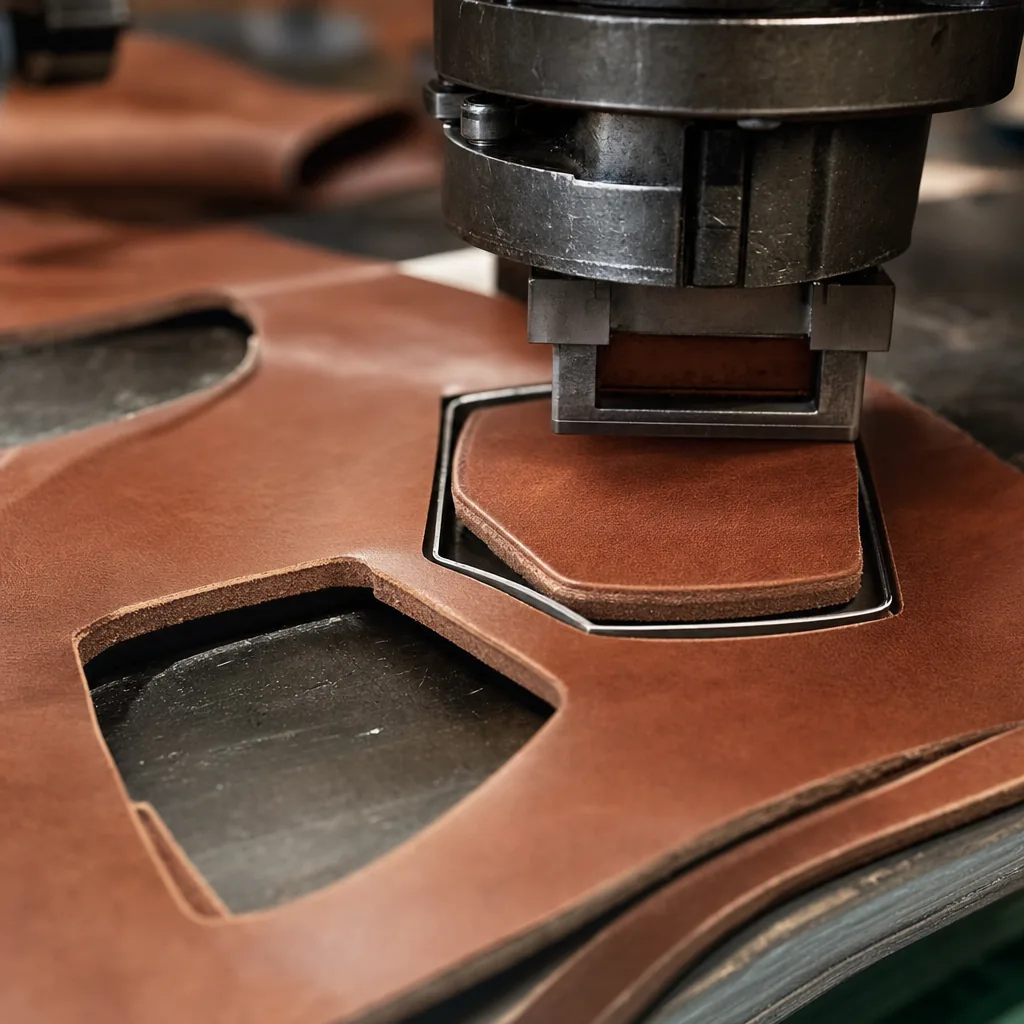
For brand owners, wholesalers and procurement teams entering the custom headwear category, private label vs white label caps: which model fits your brand? - supplier checklist is one of the highest-leverage decisions you will make. Get it right and your unit economics, retail story and reorder cycle all improve. Get it wrong and you carry the cost for years.
Definitions: private label, white label, OEM, ODM
The real split is ownership of the base specification. With private label caps, the factory usually works from an existing block, shell pattern, and visor mold, then customizes the parts customers actually see and touch: woven main label, printed seam tape, swing tag, metal back closure, eyelet thread, undervisor color, taping layout, and retail pack. White label is narrower. In most programs, the cap is a stock blank and your logo decoration is the only meaningful variable, often limited to flat embroidery, heat transfer, or a woven patch. That is why white label moves faster: fabric, buckram, visor board, and fit have already passed production approval, so repeats can ship in 7 to 15 days with MOQs around 48 to 144 pieces per color per style. Private label caps usually need 20 to 35 days because trims are custom, embroidery files must be digitized, and labels or printed polybags often come from separate trim vendors. In practice, white label suits promo orders where speed and landed cost matter more than silhouette control. You are buying into a standard profile, usually the same 6-panel baseball shape or trucker body sold to multiple accounts, so there is little protection against looking interchangeable at retail. Private label caps are the middle ground for brands that want differentiation without paying full development cost for a new pattern. You can adjust the closure, visor curve, crown height, stitch color, and branding package while avoiding the tooling and sampling cycle of a true from-scratch build. At CrownsForge, that usually means a modest upcharge of about $0.25 to $1.20 per cap versus a blank-based white label program, depending on trim count and packaging complexity.
OEM and ODM get abused in sourcing conversations, but on the factory floor the distinction is simple: OEM means you bring the specification, ODM means the supplier brings it. In an OEM cap program, your tech pack should lock measurable details such as crown height in millimeters, panel geometry, seam allowance, stitch density, visor board thickness, sweatband composition, fabric weight, Pantone TCX reference, embroidery file type, carton packout, and barcode position. That level of control adds checkpoints. A competent factory will issue lab dips, fabric approvals, embroidery strike-offs on Tajima, Barudan, or ZSK heads, fit samples, then a PPS before bulk cutting. Color tolerance on dyed trims should be controlled around Delta-E 1.5 to 2.0, and finished goods should be inspected to AQL 2.5 rather than waved through on appearance alone. ODM is faster because the development cost has already been absorbed by the supplier. You choose from existing patterns and material packages such as a 5-panel camper in 120 gsm nylon taslon, a 6-panel cap in 260 gsm brushed cotton twill, or a trucker with 100% polyester mesh back panels, then remap colors, branding, and decoration. Lead times are shorter because the pattern, visor mold, and sewing method are already proven, but the tradeoff is exclusivity: the same body may sit in the supplier’s library for other buyers. The practical question is not whether a supplier says “OEM” or “ODM,” but who owns the pattern, digitized artwork, molds, and approved material set once production starts. If that is vague, expect disputes later over reorders, switching factories, and brand consistency.
Private label: full brand control, custom design
Private label caps make sense only when the factory builds to your spec, not when it quietly drops your logo onto a stock 6-panel body. The control lives in the tech pack: crown profile, front panel height in millimeters, brim length and curve, seam allowance, stitch count per inch, buckram weight, sweatband construction, closure spec, fabric composition, and every branding position from inside seam tape print to woven flag label. If the shell is 280 gsm brushed cotton twill, the side panels are 60 gsm polyester mesh, and the embroidery thread must hit Pantone 186 C within an agreed Delta-E tolerance, those points need signed approval sheets and a locked BOM. Experienced buyers also specify button material, eyelet finish, undervisor color, visor board type, and export carton marks, because those “small” details are exactly what separate a branded silhouette from a generic cap with swapped artwork.
The real cost of private label caps is development discipline, not just a higher unit price. A factory that knows headwear should sample on your pattern, run logos on Tajima or Barudan heads, and hold panel and visor measurements within agreed tolerances, typically +/-2 to 3 mm on finished components, without freelancing shape or artwork placement. In practice, MOQ is usually 300 to 500 pieces per colorway for a fully custom build, while sampling, pattern correction, and embroidery digitizing commonly add $80 to $200 per style before bulk. Costs rise fast when you introduce custom buckle molds, metal badges, TPU or silicone patches, or specialty fabrics like 600D recycled polyester or cotton-spandex twill. Lock down IP ownership in writing, approve a pre-production sample, keep run cards and fabric test reports on file, and inspect finished goods at AQL 2.5 instead of accepting the supplier’s internal standard. If you paid for custom molds, woven badges, or digitized embroidery files, ownership terms should be explicit before bulk production starts.
White label: existing factory designs with your logo
White label makes sense when launch speed and cash control matter more than exclusivity. The factory has already fixed the expensive variables: block, panel geometry, brim curve, closure setup, seam construction, and sewing sequence. You pick a stocked 5-panel, 6-panel, dad cap, snapback, or trucker shell, then add branding through flat embroidery, 3D puff, woven labels, TPU patches, screen-printed seam tape, or inside taping. On a real production floor, that usually cuts sample lead time from 21 to 45 days for a custom development program down to 7 to 12 days, because there is no first-round pattern making, paper fitting, mold adjustment, or crown-depth correction. MOQ drops too. A stock-body program can often start at 144 to 300 pieces per colorway, while private label caps with custom fabric dyeing, branded trims, and dedicated packaging more often land at 500 to 1,000 pieces per style to absorb setup cost.
The tradeoff is that your logo is custom, but the hat architecture usually is not. If the shell comes from a standard factory block, another buyer can source almost the same silhouette in 260 to 280 gsm brushed cotton twill, 240 gsm chino twill, or a classic trucker build with 18 x 12 foam and polyester mesh back panels. Crown height, visor length, stitch pitch, buckram stiffness, eyelet position, and closure hardware are normally fixed or only adjustable within tight limits. That is acceptable for promotions, events, seasonal drops, and low-risk market testing, but weak if your brand depends on a signature profile or premium handfeel. In those cases, private label caps are the better model because you can control fabric weight, sweatband composition, visor board density, Pantone TCX trim matching, buckle finish, and logo placement instead of decorating a stock blank.
The supplier checklist should separate what is genuinely customizable from what is locked. Ask whether the program is decoration-only, semi-custom, or ODM with modified trims. Request fabric specs in gsm, sweatband content, closure options by style, stitch count, and color tolerance standard; a serious factory should quote Delta-E under D65 lighting, not just promise a “close match.” For decoration, confirm whether embroidery runs on Tajima, Barudan, or ZSK machines, whether 3D puff is sewn on finished cap frames or flat panels before assembly, and how lead time changes by technique. Inspection standards should also be explicit: AQL 2.5 is common for finished caps, with defect criteria defined for embroidery alignment, brim symmetry, loose threads, and carton assortment. That level of clarity keeps buyers from expecting private label caps flexibility from a white label offer that is really just stock bodies plus logo application.
When to upgrade from white label to private label
Move out of white label only when your reorder pattern is boringly predictable. On the factory floor, the break point is usually three repeat POs on the same shape and decoration, with at least 1,200 to 2,500 units per SKU per season and no more than two or three proven colorways. Below that, custom inventory gets expensive fast: you are carrying woven labels, branded seam tape, custom sweatbands, size stickers, and packaging that cannot be redeployed if a color misses. Once volume is stable, private label caps stop looking like a branding vanity project and start behaving like a costed program, because the fixed spend for sampling, trim development, embroidery digitizing, and stricter final inspection can be amortized across a real run. The buying conversation also changes completely. Instead of picking a stock 6-panel trucker or washed dad cap that ships in seven days, you are specifying crown height in millimeters, buckram weight, visor curvature, stitch count per inch, snapback resin grade, and label placement tolerances. That is no longer blank-program purchasing; it is low-volume OEM development. If you still cannot commit to MOQ by style-color with confidence, white label is the safer model because it protects cash flow and reduces dead-stock risk.
Volume alone is not enough; brand recognition has to justify the extra control. The right time to launch private label caps is when customers already notice your fit, fabric story, or logo execution and would spot the difference between a warehouse blank and your own build. At that stage, a real tech pack should lock Pantone TCX references for fabric and trim, embroidery thread matching within Delta-E 1.5 to 2.0, visor row count, closure finish, interior label copy, and packaging details down to UPC placement and polybag warnings. That level of specification matters because stock shells are easy for other brands to copy; a controlled construction is not. Budget is the final filter. A credible first program usually needs $1,500 to $4,000 before bulk production for pattern adjustment, fit samples, woven-label development, trim approvals, and a pre-production sample, then bulk MOQs typically start around 144 to 300 pieces per style-color. Costs climb quickly if you want custom-dyed 300 gsm brushed cotton twill, 600D recycled polyester, embossed metal hardware, or specialty closures. If your margin can carry a 30 to 45 day development cycle plus AQL 2.5 inspection, the shift to private label caps is usually commercially sound.
Hybrid approaches
The smartest hybrid keeps a proven stock block and customizes the details customers register immediately: shell fabric, panel and visor contrast, closure, branded sweatband, and front decoration. That gets you most of the way to private label caps without paying for new paper patterns, visor molds, and multiple fit corrections. On the factory floor, I would start from a production-stable shape such as a 5-panel trucker, unstructured 6-panel dad cap, or high-profile snapback, then upgrade the shell from basic 10x10 cotton twill into brushed chino, 75D-150D recycled polyester, nylon taslon, or 16-wale corduroy in the 180-280 gsm range. Using an existing block matters because first-time custom programs usually fail on fit consistency, not on logo artwork: visor curve drifts, crown depth comes in 5-8 mm shallow, or panel alignment looks clean on the salesman sample but inconsistent in bulk. A stable block removes those variables and lets you spend your budget where shoppers actually see the difference.
Hybrid programs look premium only when color and trim control are handled like a full OEM run. Fabric should be matched to Pantone TCX standards, lab dips approved under D65 light, and Delta-E tolerance fixed before cutting; for navy, charcoal, or forest, I would hold bulk within Delta-E 1.0-1.5 so crown panels, visor, and under-visor tape do not read as separate shades. Once volume reaches roughly 1,200-2,000 pieces per color, reserving mill-dyed lots is safer than piecing together small dye runs, which is where panel shading starts to show. The same logic applies to trims: snap color, woven loop label, printed seam tape, hangtag, and silicone transfer are easy changes, but buckram weight shifting from 120 gsm to 160 gsm or swapping PE visor board for paper board can noticeably change hand feel, front panel stiffness, and packing recovery. Commercially, hybrid usually adds about $0.35-$1.20 per cap over a plain white-label body, while full custom development can burn $800-$2,000 in sampling and tooling before bulk production starts. MOQ is usually set by the most customized component, so a 300-piece stock body can quickly become a 1,000-piece program if custom corduroy, embossed metal hardware, or jacquard sweatbands are involved. That only works if QC stays strict: embroidery strike-off on Tajima, Barudan, or ZSK heads, inline shading checks, carton drop testing, and final inspection at AQL 2.5.
Working with CrownsForge across all three models
The real choice between white label, private label caps, and full OEM is not creativity; it is how much development risk you want to absorb in materials, trims, and approval cycles. White label works when speed and predictable replenishment matter more than unique construction. You start from proven 5-panel, 6-panel, trucker, or unstructured dad-cap blocks using stock 180-260 gsm brushed cotton twill, polyester microfiber, or 65/35 poly-cotton, then add decoration by flat embroidery, 3D puff, woven patch, sublimated patch, or heat transfer. A competent factory can turn a sample in 3-5 working days, keep MOQ around 48-144 pieces per colorway, and hold repeat orders steady because the pattern, buckram, sweatband, visor board, and closure have already been run in bulk. That lowers failure risk at final inspection under AQL 2.5. In my experience, buyers waste margin when they over-customize a white-label base with low-impact changes; stock snapbacks, hook-and-loop, or self-fabric straps usually sell just as well unless your customer actually notices the difference on shelf.
Private label caps are the commercial sweet spot because you keep a stable fit block while owning the details that create brand recognition and better margin. The useful levers are shell fabric, undervisor color, inner seam tape print, woven main label, care label, hangtag, closure hardware, and Pantone-matched embroidery thread, with a realistic Delta-E tolerance of 1.5-2.0 from approved lab dips rather than fantasy-level color matching. MOQ usually sits around 200-300 pieces per style-color and climbs quickly if you specify custom-dyed fabric, enzyme wash, 600D RPET, 16-wale corduroy, wool-blend melton, or branded metal trims. The discipline matters as much as the design: lock BOM, barcode sticker placement, carton marks, polybag warning copy, and insert specs before PP sample approval, because those small packaging decisions directly affect Amazon FNSKU labeling, 3PL receiving accuracy, and retail presentation. Full OEM only makes sense when you need new crown height, visor curve memory, buckram stiffness, stitch density, moisture-management fabrics, or license-driven construction standards. That route usually starts at 300-500 pieces per style, adds digitizing and machine setup on Tajima, Barudan, or ZSK heads, and often requires extra testing for colorfastness, crocking, seam slippage, or nickel release. If a supplier cannot show sedex-audit-cap-supplier-guide.html">BSCI 2.0 or Sedex SMETA 4-Pillar records and a clean PP-to-bulk control process, they are not ready for it.
Frequently Asked Questions
What logo decoration techniques do you offer?
3D puff embroidery, flat embroidery, woven patch, leather patch, PVC patch, screen printing, sublimation, applique and laser etching, all in-house with no subcontracting.
Do you support sustainability certifications?
Yes. We work with GOTS organic cotton, GRS-certified recycled polyester, OEKO-TEX Standard 100 fabrics, and are BSCI and Sedex audited. Certification documentation can be provided per order.
What is the minimum order quantity (MOQ) for custom hats?
Our standard MOQ is 100 pieces per design and color, with sampling available from 1 piece. For complex multi-color logos or premium fabric upgrades, the MOQ can be lowered with a small per-piece surcharge.
How long does production take?
Sampling takes 7 to 12 days. Bulk production runs 20 to 30 days depending on quantity, fabric availability and decoration complexity. Inspection and packing adds another 3 to 5 days before shipment.
Can I order a sample before bulk production?
Yes. We strongly recommend approving a pre-production sample before mass production. Samples are charged at 35 to 60 USD each plus express shipping, fully refundable against confirmed bulk orders over 500 pieces.
How do I find a reliable wholesale hat manufacturers usa?
When evaluating wholesale hat manufacturers usa, the key considerations are construction quality, decoration capability, MOQ flexibility and lead time. Clear distinctions and what each implies for your supply chain. You provide tech-packs and own all IP; factory only produces.
What should buyers know about best baseball caps for men?
When evaluating best baseball caps for men, the key considerations are construction quality, decoration capability, MOQ flexibility and lead time. Clear distinctions and what each implies for your supply chain. You provide tech-packs and own all IP; factory only produces.
What should buyers know about acrylic beanie hat?
When evaluating acrylic beanie hat, the key considerations are construction quality, decoration capability, MOQ flexibility and lead time. Clear distinctions and what each implies for your supply chain. You provide tech-packs and own all IP; factory only produces.
What should buyers know about branded bills performance hat?
When evaluating branded bills performance hat, the key considerations are construction quality, decoration capability, MOQ flexibility and lead time. Clear distinctions and what each implies for your supply chain. You provide tech-packs and own all IP; factory only produces.
Ready to start your custom hat project?
Send us your tech-pack, sketch or even just an inspiration photo. We will respond with a detailed quotation and digital mock-up within 24 hours.
Request a free quoteRelated guides
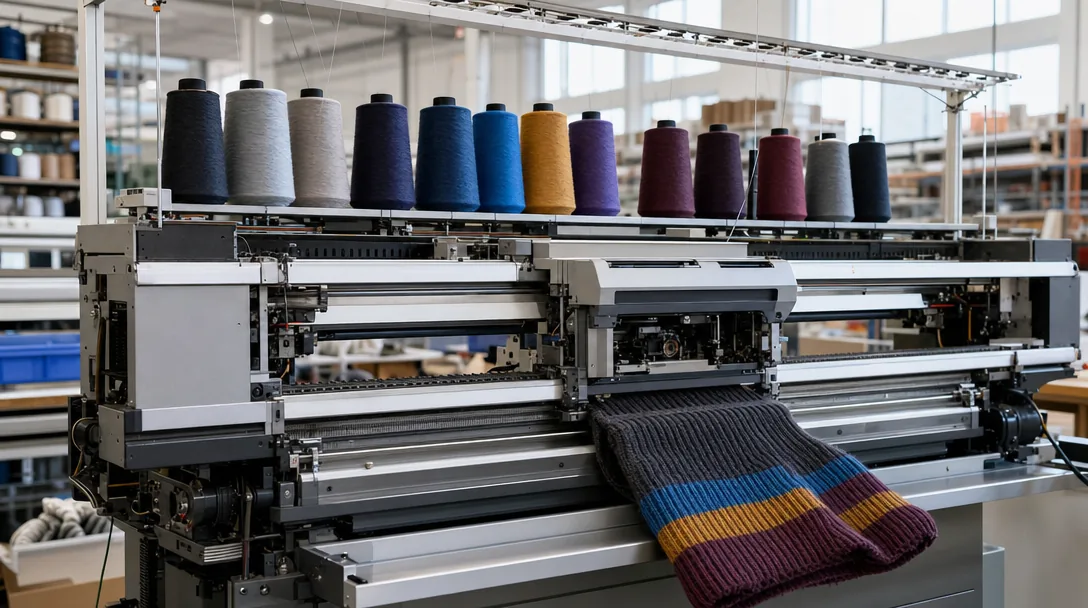
Acrylic Beanie: Properties, Costs and How to Spec It Right
Read article →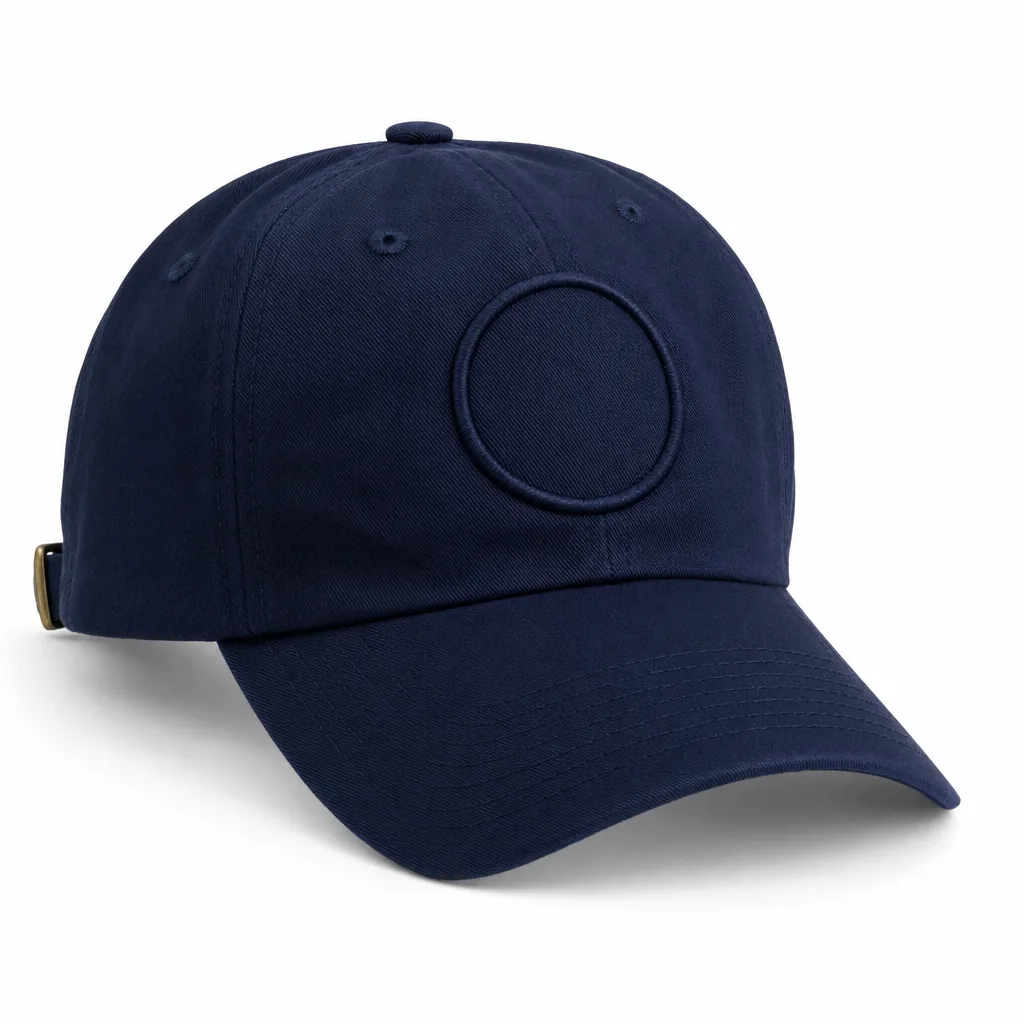
Custom Hat Design: The 2026 Sourcing & Manufacturing Playbook
Read article →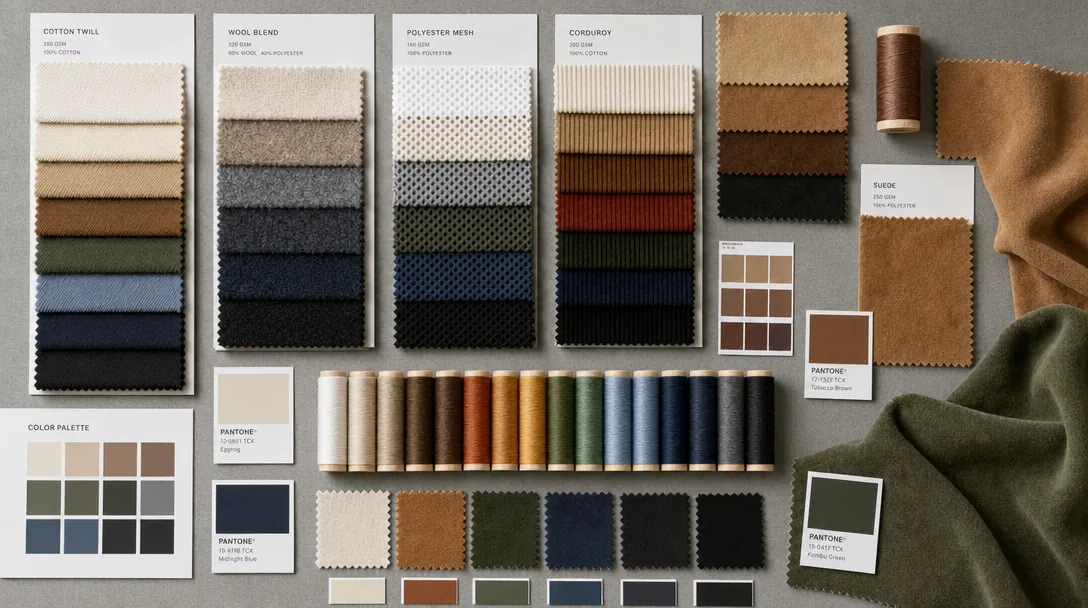
Bucket Hat Corduroy Retail Packaging Guide for Custom Hat Buyers
Read article →We hope this guide demystifies private label vs white label caps: which model fits your brand? - supplier checklist and helps you move forward with confidence. If you have questions specific to your project, our English-speaking sales engineers are one message away.