
Private Label vs White Label Caps: Which Model Fits Your Brand? - 2026 Buyer's Guide
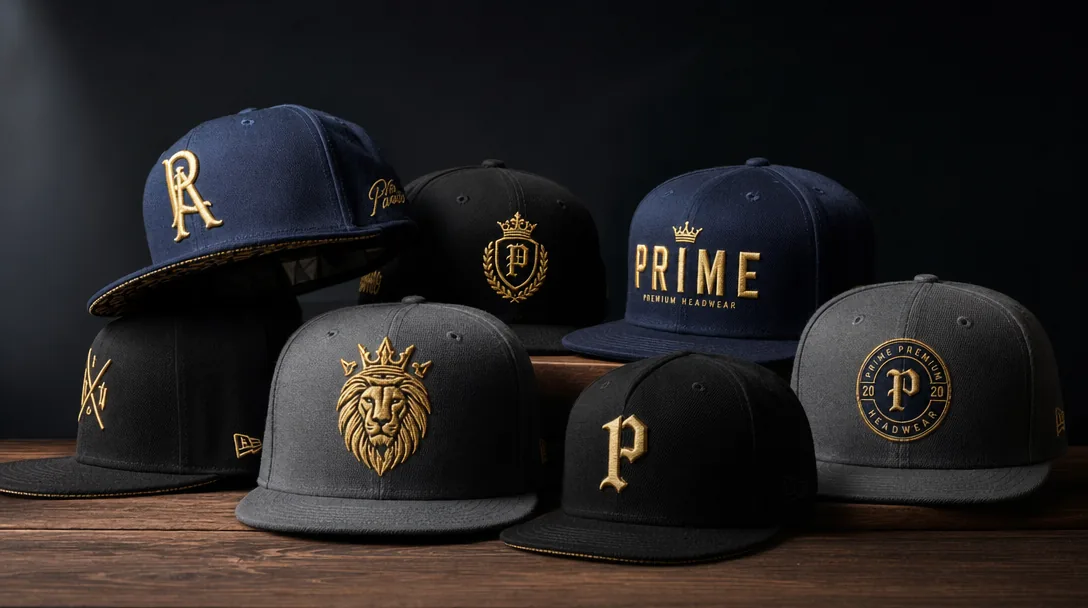
Private Label vs White Label Caps: Which Model Fits Your Brand? - 2026 Buyer's Guide is one of the most-asked questions we receive from international buyers, and for good reason. With dozens of factories competing for your order and an alphabet soup of technical terms in every supplier quote, even experienced importers can feel lost. This guide consolidates what we have learned producing custom hats for clients in 40+ countries.
Definitions: private label, white label, OEM, ODM
The practical dividing line is specification ownership. With private label caps, the buyer controls the tech pack: profile, crown height in millimeters, visor curvature, panel construction, seam allowance, shell fabric, sweatband composition, closure type, interior taping, labels, and retail pack-out. That usually sits inside an OEM workflow: the factory is not designing the cap for you; it is converting your spec into production-ready pattern data, operation bulletins, and quality checkpoints. White label is much narrower. The supplier already has an approved block, a standard fabric card, and a proven sewing route, and the buyer mainly adds branding such as flat embroidery, 3D puff, a woven patch, silicone heat transfer, or a custom hangtag. The calendar reflects that difference immediately. A white label cap built from stock 10x10 cotton twill or 600D poly can go from artwork approval to bulk in roughly 15 to 30 days. Private label caps usually need 30 to 60 days because every change—fabric sourcing, visor board density, closure hardware, label layout, even carton markings—creates another approval gate and another chance to drift off spec.
OEM and ODM are not interchangeable terms; they decide who carries the design burden. In OEM, the buyer supplies the design intent and the factory industrializes it: pattern correction, crown balance, buckram weight, PE or paper visor board selection, embroidery digitizing on Tajima or Barudan heads, stitch-density control, and sewing sequence by operation. In ODM, the supplier starts with its own fit block or product concept and the buyer modifies branding, trims, and sometimes fabric. A typical ODM menu is predictable: a 6-panel brushed cotton twill cap around 240 to 280 gsm, a trucker with polyester mesh back panels and a pre-curved PE visor, or a lightweight running cap in 75D polyester with laser-cut vents. Cost and MOQ follow that structure. OEM development usually means $80 to $200 per prototype and 300 to 500 pieces per colorway for a genuinely custom style, especially if you want Pantone TCX-matched trims, branded inside tape, custom woven labels, and color tolerance controlled to Delta-E under 2.0. White label or light ODM programs often start at 144 to 300 pieces because the pattern, fit, and core materials are already proven.
For buyers, the real decision is risk allocation. White label is mostly a decoration project: lower sampling cost, fewer technical failure points, and faster repeat orders because the factory is re-running known materials and stable operations. Private label caps are a process-control project. You are approving lab dips, fabric handfeel, embroidery strike-offs, size and fit samples, barcode placement, carton specs, and final inspection criteria such as AQL 2.5. That extra control is exactly what makes the finished cap harder to compare against a competitor’s stock program, but it also demands cleaner documentation and tighter decision-making from the buyer. If your priority is speed, cash preservation, and low MOQ, white label usually makes more sense. If you need a brand-specific silhouette, a distinct fabric story, and trim details that cannot be copied by swapping logos onto a stock shell, private label is the stronger model.
Private label: full brand control, custom design
Private label caps are the right model when design control matters more than launch speed. In a proper private-label program, the buyer supplies the tech pack and the factory executes against it line by line: crown height, brim length and curve, stitch count, seam tape artwork, closure spec, fabric weight, and Pantone TCX references. That is not paperwork for its own sake; it is what prevents expensive line errors once cutting starts. If your front logo must stay within Delta-E 1.5 of the approved lab dip, the undervisor needs 210D nylon in a custom shade, and the back strap label has to sit 8 mm off center seam, the factory needs those numbers before sampling, not after. A capable supplier will also confirm embroidery file ownership, punch parameters, woven label layout, carton marks, and packing method so every reorder matches the first approved standard instead of drifting by operator judgment.
The real advantage is repeatability across seasons and sales channels. You can spec 260 gsm cotton twill for an entry 6-panel dad cap, shift to 380 gsm brushed canvas for a premium capsule, or build a performance shape in 92/8 polyester-spandex with laser-cut eyelets and moisture-wicking sweatband tape. More importantly, you can lock the details white label programs usually leave generic: buckram hardness, visor board thickness, sandwich peak width, snapback resin grade, and embroidery density on Tajima, Barudan, or ZSK heads. That control costs time and money up front. Expect first samples in 7 to 12 days, bulk production about 25 to 35 days after approval, digitizing fees around $20 to $50 per logo, and extra tooling charges for custom metal trims or unusual closures. But if you sell through retail, licensed programs, or a serious DTC brand, private label caps protect margin because consistency is what keeps returns, chargebacks, and reputation damage under control.
The downside is simple: weak preparation gets exposed fast. A vague tech pack creates avoidable back-and-forth on sizing, label folds, carton marks, packing ratio, and even basic construction points like SPI target or sweatband attachment. Once a 3,000-piece order is cut, a "small" change to crown profile or logo position can mean scrapping panels, re-digitizing files, and missing vessel cutoff. That is why disciplined factories insist on strike-offs, fabric swatches, and a pre-production sample before bulk; our standard practice is to hold bulk until all three are signed off. Buyers who want speed with minimal decisions usually fit white label better. Buyers building distinct IP, however, usually accept the slower development cycle because private label caps let them own the silhouette, trim language, packaging system, and visual consistency instead of renting a factory's stock design vocabulary.
White label: existing factory designs with your logo
White label wins on speed because the factory already owns the pattern, fit block, visor mold, embroidery program layout, and sewing sequence; you are swapping branding, not engineering a new cap. A supplier can pull a proven 6-panel baseball cap, trucker, dad hat, or rope cap from its ODM range, then add flat embroidery, 3D puff embroidery, woven labels, inside taping, swing tags, barcode stickers, and carton marks without rebuilding the tech pack. In practice, sampling is usually 5 to 10 business days and bulk lead time 20 to 30 days on stocked fabric, versus 20 to 35 days just for development on many private label caps programs. MOQ is lower for the same reason: 144 to 300 pieces per colorway is realistic on stock brushed cotton twill or chino, while a custom style with new shell fabric bookings, trims, and markers often starts at 500 to 1,000 pieces. Cost is also easier to control. A stock 10x10 cotton twill cap with a plastic snap, 6-row visor stitching, and an 8,000 to 12,000-stitch front logo typically lands around $2.20 to $3.80 EXW; once you alter crown shape, closure hardware, or panel structure, cost usually jumps 20% to 40% before freight.
The ceiling shows up when a brand needs recognizable product architecture, not just a recognizable logo. If multiple buyers are running the same crown height, visor curve, mesh profile, and snapback from one factory, differentiation gets thin fast in streetwear, golf, licensed lifestyle, and boutique retail. Decoration can help: raised embroidery on Tajima or Barudan heads, TPU patches, contrast undervisors, printed seam tape, and Pantone TCX-matched woven labels all improve shelf impact, but they do not change the silhouette. White label works best when speed and repeatability matter more than exclusivity, especially for promotions, events, tourism, and quick-turn replenishment. Quality is usually steadier because the line has already been debugged: stitch density, needle sequence, visor board thickness, sweatband attachment, and packout standards are established, so first-bulk risk is lower and inspections more often clear at AQL 2.5. The tradeoff is material freedom. You are buying from the factory's approved menu, which may include stock cotton twill, heather jersey, 600D polyester, or RPET, but not your exact 380 gsm canvas, custom crown depth, or proprietary buckle. If you need a signature fit customers recognize before they see the logo, private label caps are the stronger long-term model.
When to upgrade from white label to private label
Repeatable sell-through is the cleanest trigger to move beyond white label. Under about 300 to 500 pieces per SKU, white label usually makes more sense because you are buying existing cap bodies, stocked 108x56 or 108x58 twill, and standard trims with almost no development amortization. Once a style is consistently moving 1,000 to 2,000 units per drop, the economics change fast. At that point, private label caps usually add only about $0.60 to $1.80 FOB per piece on a standard 6-panel baseball cap for custom inside taping, woven labels, branded hangtags, closure marks, and approved packaging, while removing expensive inconsistency that buyers tend to undercount: stock fabric swaps, crown height drift, visor curve variation, off-shade sweatband prints, and fit complaints tied to generic blocks. If returns, markdowns, or repack labor are already eating 3% to 5% of landed value, the “cheap” white label option is often no longer cheap.
Brand maturity is the second signal, and it matters as much as volume. If customers can recognize your brim curve, crown depth, logo position, or snapback profile before they see the label, you are already designing beyond blank inventory. That is where a locked tech pack starts paying for itself: defined shell fabric at 260 gsm instead of a generic brushed canvas, specified buckram hand feel, visor board thickness held at 2.0 to 2.2 mm, stitch count per inch, and embroidery density calibrated on Tajima or Barudan heads. Real private label control also shows up in color and repeatability standards: lab dips approved to Pantone TCX, bulk fabric held within Delta-E 1.5, and fit consistency checked across repeat POs instead of one lucky production run. Buyers should also budget for the front-loaded cost honestly. A proper program often needs $3,000 to $8,000 before bulk for proto rounds, custom molds, wash tests, trim development, and compliance paperwork. Upgrade when you can support MOQ commitments, a 35 to 45 day production window after approval, and final inspection at AQL 2.5 without rushing decisions.
Hybrid approaches
The most efficient hybrid model keeps a proven cap body and customizes the touchpoints customers notice immediately: shell fabric, crown/visor contrast, sandwich, closure, eyelets, sweatband, seam tape, and front decoration. That is usually a better first move than jumping straight into fully bespoke private label caps, because you avoid paying for a new pattern, fresh fit block, and two or three extra proto rounds that often add 3 to 5 weeks without improving sell-through. On actual production lines, the common approach is to start from an existing 6-panel snapback, A-frame trucker, or unstructured dad cap, then upgrade stock brushed twill to 260 gsm cotton chino, 180 gsm recycled polyester twill, or 120D nylon taslon depending on channel and price point. The technical detail buyers miss is color control: if shell, visor, and back strap come from different mills, Pantone TCX alignment needs to stay around Delta-E 1.5 to 2.0 or the cap will look visibly off under 4000K retail lighting and in e-commerce photography.
Hybrid programs also solve the white-label commodity problem without forcing full OEM minimums. A stock-body program typically works at 144 to 300 pieces per colorway; once you add custom dyeing, internal taping, proprietary trims, and fit approval, minimums usually move to 500 to 1,000 pieces. Pricing follows the same logic. A basic blank with standard embroidery may land at US$1.90 to US$3.00 FOB, while a hybrid cotton twill cap with flat embroidery, 3D puff embroidery, or a woven patch more often sits at US$2.80 to US$4.60 FOB. A deeper custom build with new patterning and branded trims can push US$4.80 to US$7.50 before inserts or retail packaging. The smartest budget is rarely spent on subtle silhouette edits; it is spent on fabric handfeel, embroidery quality, and trim execution. A heather wool-touch poly shell, matching woven flag label, branded seam tape, and a clean sew-out on Tajima, Barudan, or ZSK heads will differentiate faster than an expensive block redraw.
Execution is where hybrid cap programs either protect margin or create rework. Lock the base fit first, then approve lab dips, decoration strike-offs, and embroidery sew-outs before bulk cutting starts; if those approvals slide, buyers end up arguing over stitch density and color after fabric is already committed. For front-panel embroidery, clean coverage comes from correct digitizing, backing choice, and balanced density, not from simply adding more thread. On structured crowns, poor file setup will pucker buckram quickly, especially on lightweight 180 gsm twill or soft foam-backed trucker fronts. Our standard practice is to inspect to AQL 2.5, hold logo placement within roughly 2 to 3 mm tolerance, and check closure function, visor symmetry, stitch count, and carton assortment before shipment. That is why hybrids work so well as a bridge model: they give brands enough control to stop looking generic, while keeping lead times, MOQ exposure, and cash risk far lower than a fully custom private label caps program.
Working with CrownsForge across all three models
The real dividing line between white label, ODM, and private label caps is operational control, not branding language. White label moves fastest because the pattern, crown block, visor mold, and sewing sequence are already production-proven; you are usually changing decoration and trims only. On a standard 6-panel baseball cap in 260-280 gsm cotton twill or 240 gsm brushed chino, a factory can turn a sales sample in 5-7 days and ship bulk in 18-25 days for 1,000-3,000 pcs if fabric is in stock. That only works when approvals are technical: Pantone TCX for dyed components, measured Delta-E below 1.5 for trims and below 2.0 for fabric, embroidery strike-off approved against actual thread cards, and closure hardware signed off before cutting. Once you move into private label caps, the job stops being decoration-first and becomes engineering-first. Crown height by millimeter, visor curve radius, buckram hardness, sweatband fiber blend, seam tape print registration, stitch count per inch, and retail packaging spec all affect FOB cost, sample rounds, and AQL 2.5 failure risk.
ODM is the practical middle lane, but only if the buyer understands where customization adds value and where it creates avoidable defects. Starting from an existing block lets you change fabric, crown depth, eyelet type, woven labels, direct embroidery, closure style, and hangtag system without reopening the entire pattern. That usually protects margin better than forcing a full custom build too early. Our standard practice is to push buyers toward modified stock silhouettes when the target can be hit that way, because repeated pattern revisions, new visor tooling, and extra fit rounds can add 10-20 days and $150-$400 per revision cycle before bulk even starts. Full custom private label caps make sense when fit, material story, or retail positioning genuinely depend on details such as 0.8 mm vs 1.2 mm buckram, 3D puff density on Tajima or Barudan heads, peak sandwich construction, closure pull strength, or custom inner tape and cartons. In that lane, a real tech pack and BOM are non-negotiable; otherwise the quote is guesswork, the sample loop drags, and the cheapest price usually becomes the most expensive production run.
Frequently Asked Questions
What file format should I send for my logo?
Vector files (AI, EPS, PDF) are ideal. High-resolution PNG or JPG at 300 dpi on transparent background works as a fallback. Provide Pantone color references for accurate reproduction.
How long does production take?
Sampling takes 7 to 12 days. Bulk production runs 20 to 30 days depending on quantity, fabric availability and decoration complexity. Inspection and packing adds another 3 to 5 days before shipment.
Can I order a sample before bulk production?
Yes. We strongly recommend approving a pre-production sample before mass production. Samples are charged at 35 to 60 USD each plus express shipping, fully refundable against confirmed bulk orders over 500 pieces.
What is the minimum order quantity (MOQ) for custom hats?
Our standard MOQ is 100 pieces per design and color, with sampling available from 1 piece. For complex multi-color logos or premium fabric upgrades, the MOQ can be lowered with a small per-piece surcharge.
Which shipping methods do you support?
We support FOB, CIF and DDP shipping. Air express for samples and small orders, sea LCL for 100 to 500 pieces, sea FCL for 5,000+ pieces. Door-to-door DDP available for US, EU, UK, Canada and Australia.
How do I find a reliable wholesale hat manufacturers usa?
When evaluating wholesale hat manufacturers usa, the key considerations are construction quality, decoration capability, MOQ flexibility and lead time. Clear distinctions and what each implies for your supply chain. You provide tech-packs and own all IP; factory only produces.
What should buyers know about best baseball caps for men?
When evaluating best baseball caps for men, the key considerations are construction quality, decoration capability, MOQ flexibility and lead time. Clear distinctions and what each implies for your supply chain. You provide tech-packs and own all IP; factory only produces.
What should buyers know about acrylic beanie hat?
When evaluating acrylic beanie hat, the key considerations are construction quality, decoration capability, MOQ flexibility and lead time. Clear distinctions and what each implies for your supply chain. You provide tech-packs and own all IP; factory only produces.
What should buyers know about branded bills performance hat?
When evaluating branded bills performance hat, the key considerations are construction quality, decoration capability, MOQ flexibility and lead time. Clear distinctions and what each implies for your supply chain. You provide tech-packs and own all IP; factory only produces.
Ready to start your custom hat project?
Send us your tech-pack, sketch or even just an inspiration photo. We will respond with a detailed quotation and digital mock-up within 24 hours.
Request a free quoteRelated guides
Custom Made Trucker Hat: The 2026 Sourcing & Manufacturing Playbook (2026 Update) - Cost & MOQ Breakdown
Read article →
Blank Hats MOQ And Pricing Plan for Custom Hat Buyers
Read article →Ball Caps for Women: A 2026 Sourcing Playbook for International Buyers
Read article →If you are ready to take the next step on private label vs white label caps: which model fits your brand? - 2026 buyer's guide, our team can put a tailored quotation and digital mock-up in your inbox within 24 hours. Send the inquiry form on our contact page or message us directly on WhatsApp.