
Performance & Athletic Caps: Moisture-Wicking, UPF and Buyer Specs - Supplier Checklist (2026 Update)
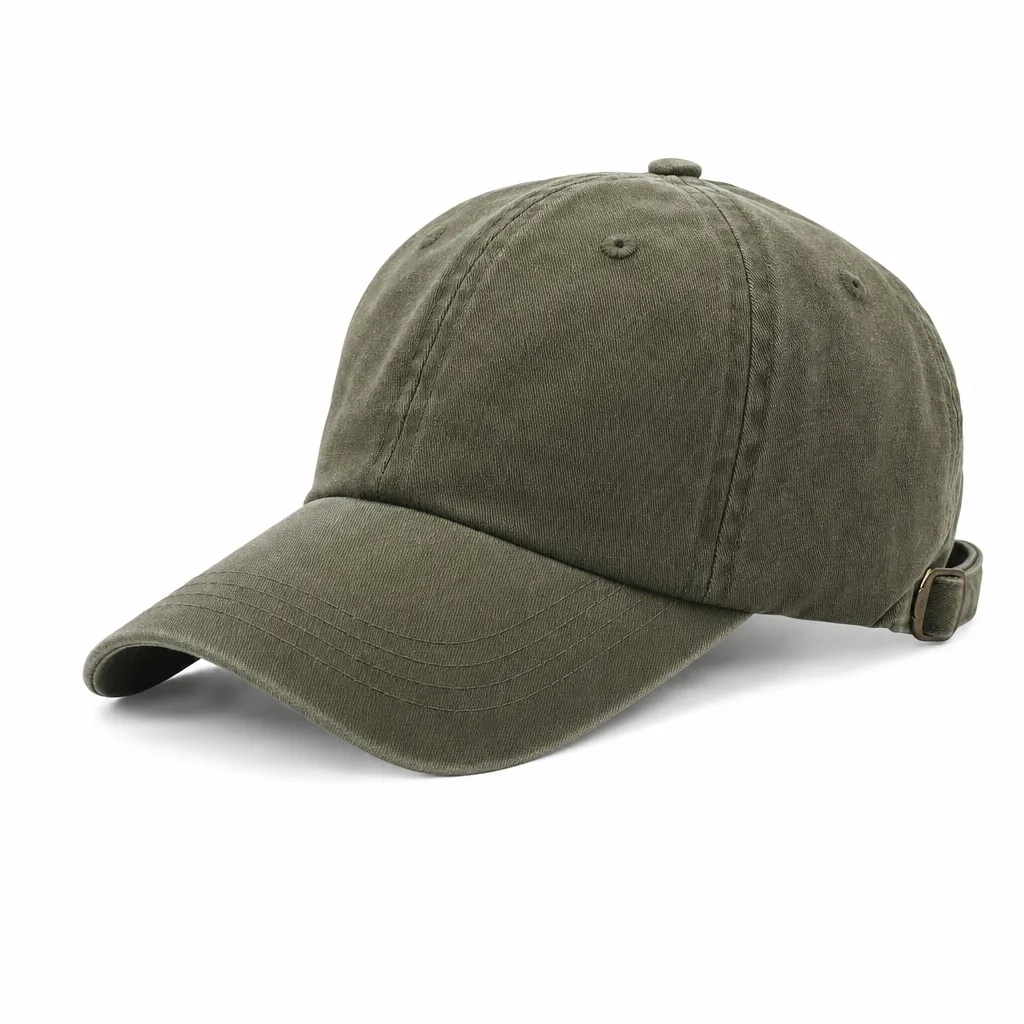
Performance & Athletic Caps: Moisture-Wicking, UPF and Buyer Specs - Supplier Checklist (2026 Update) is one of the most-asked questions we receive from international buyers, and for good reason. With dozens of factories competing for your order and an alphabet soup of technical terms in every supplier quote, even experienced importers can feel lost. This guide consolidates what we have learned producing custom hats for clients in 40+ countries.
What makes a cap 'performance' vs 'standard'
A cap earns the word performance when the build is engineered for heat, sweat, and shape recovery under repeated wear, not when a standard baseball cap gets switched into polyester. Most standard caps still rely on 100% cotton twill at 180-240 gsm; that fabric embroiders cleanly, but it absorbs perspiration, dries slowly, and can pick up roughly 8-12% in weight once saturated. A real performance style usually starts with 75D-150D polyester microfiber, mini ripstop, or mechanical-stretch woven fabric in the 90-140 gsm range, often backed by a yarn-level capillary cross-section or a durable wicking finish. If the shell cannot spread moisture across the surface and dry within a practical wear cycle, it is athletic-looking merchandise, not technical headwear. Any serious performance cap manufacturer should be validating crown rebound, visor memory, seam slippage, and panel distortion after heat transfer, wash cycles, and perspiration exposure, because low-gsm shells usually fail first at the fusing line, not at the embroidery head.
The separation gets clearer in the sweatband, ventilation, and weight targets. Commodity promo caps often use cotton jersey or brushed tricot bands that feel soft in the hand but hold sweat, show salt marks, and lose recovery fast. A performance build normally uses a polyester-elastane sweatband around 180-220 gsm, sometimes with mesh facing, so it moves moisture off the forehead instead of trapping it there. For running, training, and technical golf, finished cap weight under 80 grams is a practical benchmark; well-developed programs usually land between 55 and 70 grams depending on visor insert, closure, and seam-tape use. Ventilation also needs to be specified, not advertised: laser-cut rear panels, perforated side panels, and low-bulk seam construction improve airflow far more than a generic breathable claim. If a supplier cannot quote shell gsm, denier, sweatband composition, finished weight, and shape retention after decoration, they are selling a standard cap with performance language.
UPF is another dividing line, but buyers need the test basis, not a hangtag claim. Dense filament polyester in darker shades can reach useful protection through fabric construction alone, while pale colors, open weaves, and aggressive perforation often need additional chemistry or tighter fabric engineering to achieve verified UPF 30, 40, or 50+. The only answer that matters is a lab report under AATCC 183 or AS/NZS 4399, with clarity on whether the rating applies before washing only or after a defined laundering cycle. Lightweight technical shells also expose weak production control faster than heavy twill, so a disciplined factory should still hold approved Pantone TCX references, manage Delta-E around 1.5 on repeat orders where feasible, and inspect to AQL 2.5 for puckering, tape read-through, visor symmetry, and warped crowns. If the spec sheet does not lock shell gsm, sweatband fiber content, finished cap weight, and the UPF test standard before bulk, the cap is not truly performance-driven.
UPF ratings: what's actually meaningful
The only UPF claim worth paying for is the finished-cap result on the exact build you are ordering: same fiber blend, gsm, colorway, print method, perforation pattern, seam layout, and wash condition. UPF 30 still allows 1/30 of UV through, roughly 3.3% transmission; UPF 50+ caps that at under 2.0%, which is the threshold most buyers want for running, golf, fishing, and youth outdoor programs. On the factory floor, plenty of 100% polyester or polyester/nylon woven shells in the 110-160 gsm range can hit UPF 30 on construction alone, especially in dark shades like black, navy, forest, or deep red. That is the right starting point: a competent performance cap manufacturer should evaluate cover factor, yarn denier, weave density, and shade depth before pushing a chemical UV finish that may add cost without solving the real weak point. Once you introduce white or pastel grounds, 1.5-2.0 mm laser perforations, side mesh, or 8-12% elastane for stretch, the UPF number usually falls much faster than buyers expect.
UPF 50+ is where vague tech packs break down, because a mill swatch passing AATCC 183 does not prove the blocked, sewn, vented cap will pass. Common failure points are low-denier microfilament shells, sublimation on white bases, polyester spacer mesh, and crowns tensioned during blocking after perforation. I have seen greige or dyed yardage test above UPF 50, then the finished crown miss spec once laser holes and panel stretch reduced effective cover. To hold UPF 50+, mills typically tighten construction, increase yarn coverage, switch to darker Pantone-adjacent shades, or add a UV-absorbing finish; at commercial MOQs, that usually adds about $0.12-$0.35 per cap depending on chemistry and fabric width utilization. Buyers should require the actual test standard—AATCC 183, AS/NZS 4399, or UV Standard 801—plus a current report tied to the bulk lot and exact panel material. Lock the requirement by colorway in the tech pack, prohibit unapproved fabric substitutions in bulk QC, and do not treat a white crown with 120 gsm spacer mesh as equivalent to an all-black 150 gsm woven shell.
Sweatband construction for athletic use
The sweatband is where athletic caps usually fail first, and cotton is still the wrong default. A 100% cotton twill or brushed cotton band may feel soft in a fitting room, but in real wear it saturates quickly, holds sweat against the skin, and starts pushing moisture into seam tape and the front panel seam. On running, golf, and team caps worn above 28°C, you typically see that weakness within 15 to 20 minutes, especially on dark shades where salt bloom shows immediately. A better baseline is a polyester-elastane wicking band at 130 to 180 gsm, commonly 88/12 or 90/10, because it spreads moisture across the knit face instead of letting it pool at the forehead. Buyers routinely over-spec laser perforation, undervisor color, or logo placement, then sign off on a generic “sports sweatband” that compromises the entire cap.
Construction matters as much as fiber content. The most reliable setup for athletic use is a double-knit or birdseye polyester sweatband built with 75D/72F to 100D filament yarns and either a mechanical capillary structure or a durable topical wicking finish that still performs after 20 home-laundry cycles. If the band is too dense, it runs hot; if it is too light, it rolls, tunnels, or loses recovery after stitching. A competent performance cap manufacturer should call out seam build, not just fabric: clean overlock or flatlock joining, a controlled rear overlap so there is no pressure point above the buckle opening, and perspiration colorfastness of at least grade 4. On the line, the failure signs are obvious—needle cutting at the top edge, seam grin under stretch, puckering after sweat exposure, and poor recovery at the join seam—and those defects should be written into AQL 2.5 inspection criteria, not treated as minor cosmetic issues.
Buyers should ask for exact sweatband composition, gsm, yarn denier, attachment method, wicking test data, wash durability, and seam recovery requirements in the tech pack. “Moisture-wicking sweatband” is not a usable specification. For sun-protective athletic caps, the band also has to work with the full build: micro-perforated side panels, UPF-rated shell fabric, and shade control within Delta-E 1.5 to 2.0 against approved Pantone TCX standards. Our standard practice is to verify perspiration dye stability and stretch recovery at the rear join because that is where weak mills and poor sewing control get exposed first. If a supplier can show shell swatches and embroidery strike-offs but cannot produce lab data on the sweatband itself, they are not ready for serious running, golf, or licensed team programs.
Reflective trim, vented panels, and other athletic features
Reflective trim is the athletic feature buyers underspec most often, and it is also the quickest route to returns when it is treated like decoration. For running and cycling styles, use segmented 3M Scotchlite heat-transfer film or 3-5 mm reflective piping at the brim edge, rear arch, or closure tab; those locations stay visible under motion and do not fight crown curvature. On a 75D-100D polyester shell, reflective elements wider than 8 mm usually feel stiff, print through the face, or start lifting after wash and flex. A reliable performance cap manufacturer should provide the transfer’s application window, typically 145-160°C for 8-12 seconds, plus peel-strength data and home-laundry results showing no cracking or edge lift after at least 20 cycles. If the shell is sublimated, test reflective adhesion after sublimation and final heat setting, not on greige panels, because adhesives behave differently once the fabric has already seen a 190-200°C press cycle. I also reject reflective artwork crossing seam-taped joins, eyelet punches, or stretch-heavy rear panels; those placements survive a PP sample and then fail the first time the cap is folded into a gym bag.
Laser-cut venting only works when fabric denier, hole geometry, and reinforcement are engineered as one system. Decorative perforation on 120 gsm woven polyester rarely adds meaningful airflow if the pitch is too tight, and without fused stabilization it can turn into tear propagation around the first stitch line. For high-output running caps, a practical starting spec is 2-3 mm micro-perforation on side panels at 4-6 mm pitch, using 50D or 75D polyester with either a 20-30 gsm tricot backing or no backing only after Elmendorf or tongue-tear testing passes. The factory should be able to explain melt behavior under laser cutting, edge sealing, and scorch control on white and pastel shades; poor settings leave a brown halo that makes new goods look aged straight out of carton. Shade control matters too, because laser heat can shift tone locally: on light colors, keep panel variation within Delta-E 1.0-1.5 against the approved lab dip or Pantone TCX reference. UPF claims also get weaker the moment you add venting, so approve against a finished-cap report under AATCC 183, not a raw-fabric certificate. For vented athletic caps, UPF 30+ is the minimum credible claim, and the supplier should disclose tested panel layout, dry versus wet conditioning, and laundering results before shipment.
Color and design considerations for athletic positioning
Color discipline decides whether an athletic cap reads premium or slips into promo territory. For training and teamwear, I’d keep the shell within one tonal family and build contrast with texture and luster instead of aggressive color blocking. A 120-140 gsm heathered micro-poly crown paired with laser-perforated side panels, a matte silicone transfer, or a low-gloss welded badge can create enough separation if trims are held within Delta-E 1.5-2.0 against the base fabric. Approvals should start from Pantone TCX or TPX references, then move immediately to lab dips and strike-offs checked under D65 and direct sunlight; that second step matters because dark tonal pairings often fail outdoors. Charcoal on black, navy on royal, and olive on forest are repeat offenders, especially after the fabric absorbs sweat and the surface darkens by half a shade. A competent performance cap manufacturer should challenge tonal artwork before sampling, not after bulk approval. We’ve seen logos that passed on a flat swatch disappear once a 75D or 100D polyester shell stretched over the crown and picked up moisture. If the cap has to stay legible at 10-15 feet during drills, buyers should ask for contrast validation on the actual finished cap, not just on fabric cards. For retail programs, I’d also keep reflective trims narrow and controlled—3 mm piping, a rear tab hit, or a side logo—because too much silver film quickly pushes the style from technical to cheap. The cleanest athletic color stories usually come from restraint: one stable body color, one functional contrast, and one branding element with verified visibility.
Decoration has to respect fabric weight, denier, and crown structure, or the cap loses the very performance features the buyer is paying for. On 75D-100D moisture-wicking polyester, dense flat embroidery is usually the wrong choice for unstructured running caps because stitch packs above roughly 7,000-8,500 stitches can tunnel the front panel, print backing through the face, and reduce airflow across the crown. On these light synthetics, 0.3-0.5 mm welded TPU badges, high-density silicone prints, and reflective heat transfers hold shape better and preserve stretch recovery. If embroidery is required, the digitizing needs lower fill density, lighter underlay, and careful pull compensation; otherwise even good Tajima or Barudan heads will leave the panel wavy. Structured golf, team, and sideline caps give embroidery more room, but even there I’d keep logos clean and avoid oversized left-chest style art translated onto headwear. A 5-panel pinch-front or buckram-backed crown can carry embroidery well if the stitch count is controlled and the backing matches the shell weight. For scalable team or event programs, the most practical design architecture is a locked body color—black, white, stone, or navy—with one or two controlled variables such as an undervisor print, side-panel mark, or interior seam tape. That reduces MOQ fragmentation, limits shade drift between dye lots, and makes a 300-piece capsule easier to repeat as a 5,000-10,000 piece seasonal order without redesigning the whole cap.
Pricing: performance fabric costs vs standard cotton
The biggest pricing mistake buyers make is comparing a performance cap to a basic brushed cotton twill cap line by line. They are not built on the same material cost curve. A standard 6-panel cotton cap in 260-280 gsm twill might use fabric that lands around $1.80-$2.40 per meter ex-mill, while a 120-160 gsm performance polyester with mechanical stretch, moisture management, or micro-perforation usually pushes that to $2.60-$3.80 per meter. On a finished cap, that typically adds about $0.40-$0.80 versus standard cotton, which is consistent with what we see when quoting a moisture wicking cap for teamwear, golf, or running programs. If the buyer also wants lighter crown structure, laser-cut ventilation, or bonded seams, the sewing minutes go up too, so material is only part of the delta.
UPF is usually a smaller add-on than buyers expect, but you need to ask how the protection is achieved. If the fabric mill is supplying a certified UPF 40+ or UPF 50+ base fabric, the cost increase is often cleaner and more stable than applying an after-treatment at the dye house. In practical cap costing, UPF treatment or certified UV-protective fabric generally adds another $0.20-$0.30 per cap, assuming the test standard is clearly defined upfront. A serious upf hat manufacturer should be able to show test data tied to the exact fabric lot, not just a generic lab report. For brands sourcing from a performance cap manufacturer, I strongly recommend locking Pantone TCX targets and acceptable Delta-E tolerance before any UV finish is approved, because some finishes can shift handfeel and shade slightly on lighter colors.
The sweatband upgrade is the most underpriced feature on many tech-cap inquiries, even though it affects wear comfort immediately. Swapping a basic cotton sweatband to a poly-spandex moisture-management band or molded quick-dry terry usually adds $0.10-$0.20 per cap, depending on width, gsm, and whether you need branded taping or printed care content. For an athletic hat custom program, that is money well spent; the wearer notices the sweatband long before they notice a fancy hangtag. The same applies to running cap custom and golf cap wholesale orders where repeat wear matters more than shelf appeal. At CrownsForge, our standard practice is to break these costs out separately on the quote so procurement teams can decide whether they want performance fabric, UPF, and sweatband upgrades bundled together or value-engineered one by one.
Frequently Asked Questions
How long does production take?
Sampling takes 7 to 12 days. Bulk production runs 20 to 30 days depending on quantity, fabric availability and decoration complexity. Inspection and packing adds another 3 to 5 days before shipment.
Do you support sustainability certifications?
Yes. We work with GOTS organic cotton, GRS-certified recycled polyester, OEKO-TEX Standard 100 fabrics, and are BSCI and Sedex audited. Certification documentation can be provided per order.
What logo decoration techniques do you offer?
3D puff embroidery, flat embroidery, woven patch, leather patch, PVC patch, screen printing, sublimation, applique and laser etching, all in-house with no subcontracting.
Can I order a sample before bulk production?
Yes. We strongly recommend approving a pre-production sample before mass production. Samples are charged at 35 to 60 USD each plus express shipping, fully refundable against confirmed bulk orders over 500 pieces.
Which shipping methods do you support?
We support FOB, CIF and DDP shipping. Air express for samples and small orders, sea LCL for 100 to 500 pieces, sea FCL for 5,000+ pieces. Door-to-door DDP available for US, EU, UK, Canada and Australia.
How does ordering baseball cap custom logo work?
When evaluating baseball cap custom logo, the key considerations are construction quality, decoration capability, MOQ flexibility and lead time. Performance polyester adds roughly $0.40-$0.80 per cap vs standard cotton. UPF treatment adds another $0.20-$0.30. Sweatband upgrade adds $0.10-$0.20. Moisture-wicking fabric (typically polyester with wicking finish), moisture-wicking sweatband (usually polyester-elastane blend), lightweight construction (under 80g), and often UPF treatment.
What should buyers know about branded bills performance hat?
When evaluating branded bills performance hat, the key considerations are construction quality, decoration capability, MOQ flexibility and lead time. UPF 30 blocks ~97% of UV. UPF 50+ blocks 98%+. Most performance polyester fabric reaches UPF 30 naturally without chemical treatment. UPF 50+ usually requires treated fabric, which adds cost. Performance polyester adds roughly $0.40-$0.80 per cap vs standard cotton. UPF treatment adds another $0.20-$0.30. Sweatband upgrade adds $0.10-$0.20.
How much does branded bills custom hat cost typically cost?
When evaluating branded bills custom hat cost, the key considerations are construction quality, decoration capability, MOQ flexibility and lead time. UPF 30 blocks ~97% of UV. UPF 50+ blocks 98%+. Most performance polyester fabric reaches UPF 30 naturally without chemical treatment. UPF 50+ usually requires treated fabric, which adds cost. Moisture-wicking fabric (typically polyester with wicking finish), moisture-wicking sweatband (usually polyester-elastane blend), lightweight construction (under 80g), and often UPF…
How does ordering custom logo bucket hat work?
When evaluating custom logo bucket hat, the key considerations are construction quality, decoration capability, MOQ flexibility and lead time. Moisture-wicking fabric (typically polyester with wicking finish), moisture-wicking sweatband (usually polyester-elastane blend), lightweight construction (under 80g), and often UPF treatment. UPF 30 blocks ~97% of UV. UPF 50+ blocks 98%+. Most performance polyester fabric reaches UPF 30 naturally without chemical treatment. UPF 50+ usually requires treated fabric, which…
Looking for a reliable hat manufacturer in China?
CrownsForge has produced custom hats for 800+ brands across 40 countries. From 100-piece launches to 100,000-piece retail programs, we deliver on time and on spec.
Get in touchRelated guides
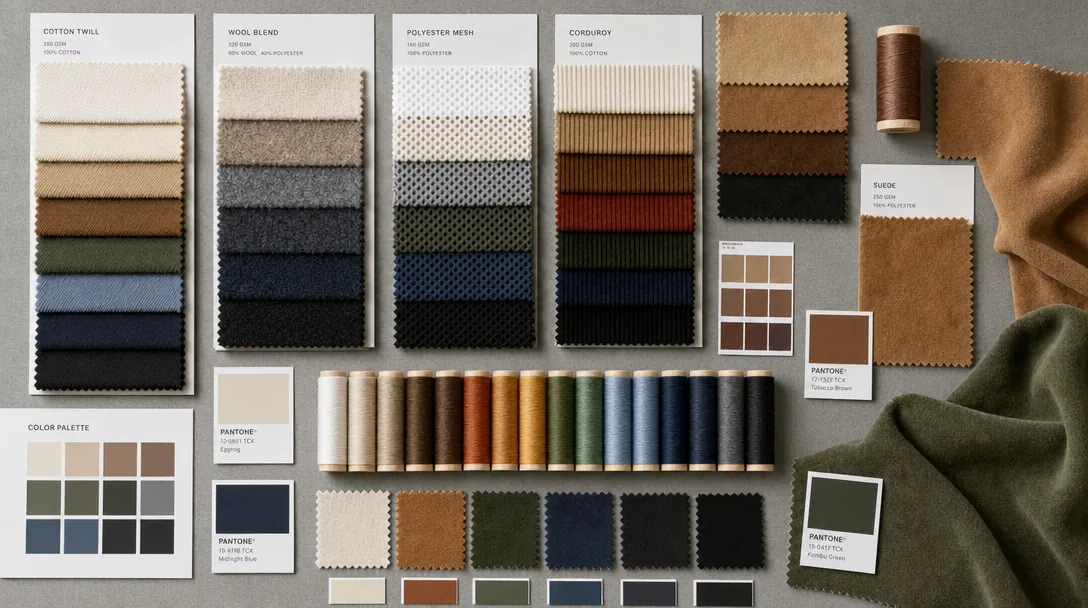
Corduroy Hat: Properties, Costs and How to Spec It Right (2026 Update)
Read article →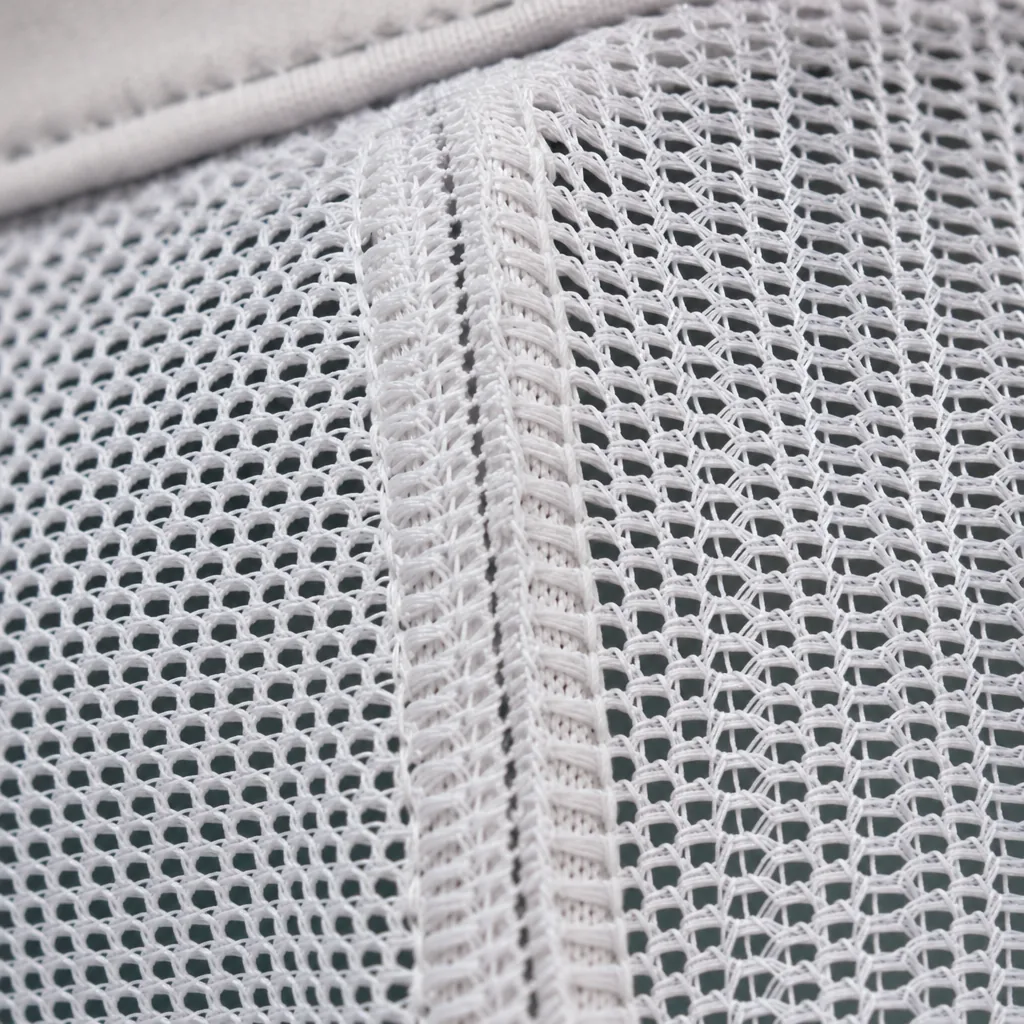
Custom Hat Trucker: The 2026 Sourcing & Manufacturing Playbook - Cost & MOQ Breakdown
Read article →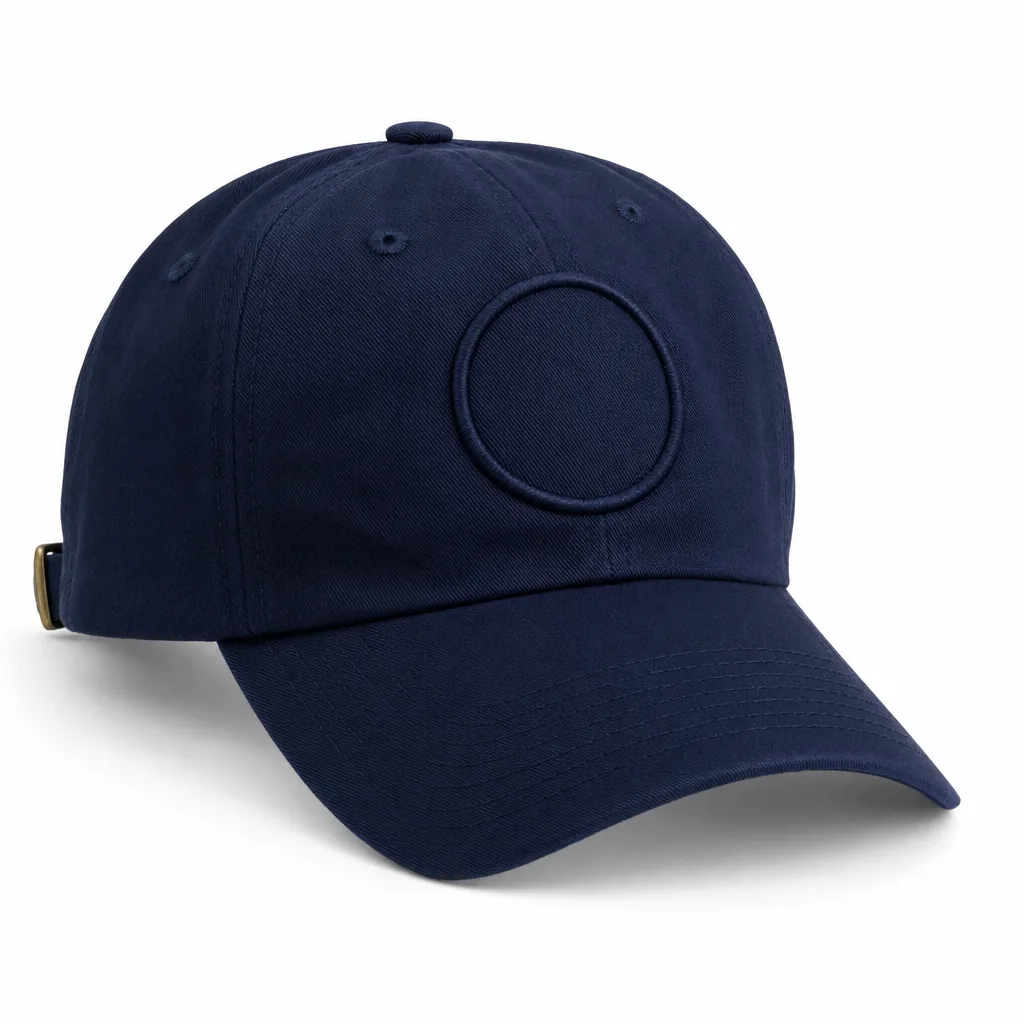
Cap Sweatband Material Selection for Custom Headwear Buyers
Read article →We hope this guide demystifies performance & athletic caps: moisture-wicking, upf and buyer specs - supplier checklist (2026 update) and helps you move forward with confidence. If you have questions specific to your project, our English-speaking sales engineers are one message away.