
Performance & Athletic Caps: Moisture-Wicking, UPF and Buyer Specs (2026 Update) - Cost & MOQ Breakdown
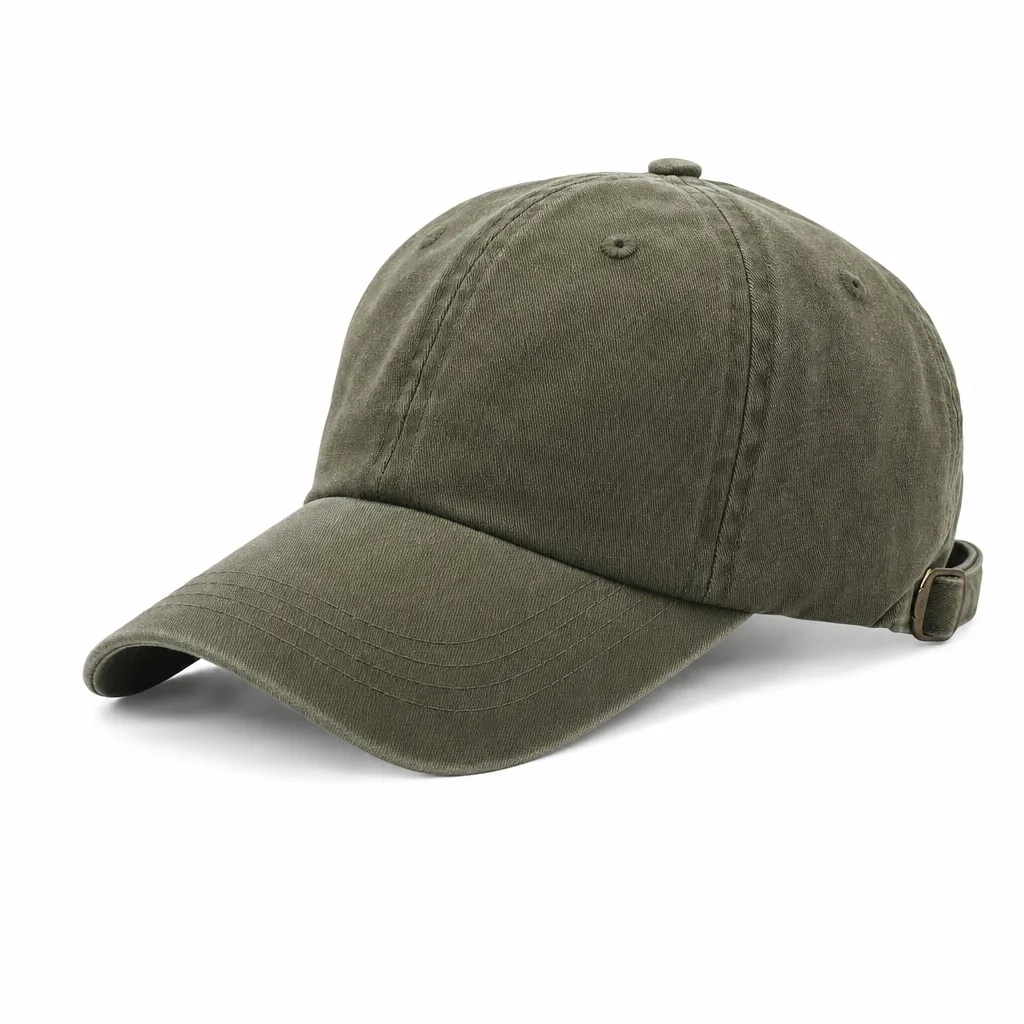
Every week, our sales team answers detailed questions about performance & athletic caps: moisture-wicking, upf and buyer specs (2026 update) - cost & moq breakdown. We wrote this guide so that wholesalers, streetwear brands, corporate buyers and promotional resellers can compare options with full information, and avoid the traps that show up only after production has started.
What makes a cap 'performance' vs 'standard'
A cap earns the “performance” label when the bill of materials is engineered for sweat, heat, and repeat laundering, not just retail shape retention. Standard promo caps still rely on brushed cotton twill or chino in the 180–260 gsm range with cotton sweatbands; they soak up perspiration, show salt rings, and stay damp long after wear. A true athletic build usually starts with 75D–150D polyester microfiber, mini-ripstop, or mechanical-stretch woven shell fabric at roughly 95–140 gsm, sometimes blended with 8%–12% spandex for recovery on packable or runner styles. The useful screening questions are measurable, not cosmetic: air permeability, moisture management, dry time, and whether the wicking finish still performs after 20 home-laundry cycles. Any credible performance cap manufacturer should be talking about shell gsm, denier, finish durability, and seam bulk before discussing front logo scale. The sweatband is where weak specs fail first. Pairing a lightweight shell with old cotton terry turns an “athletic” cap into a standard cap after one run because the band traps sweat, salt, and odor directly on the skin line. Better builds use polyester-elastane sweatbands around 120–180 gsm with 5%–12% spandex, usually in brushed jersey or honeycomb knit, so moisture spreads laterally instead of pooling at the forehead. Construction details matter just as much: thick seam allowances at the center front join or rear opening start rubbing once the cap gets wet. On a typical adult 58 cm fit, finished weight is a reliable filter. Unstructured performance caps usually land around 45–70 grams; once a supposed running or golf cap gets above 85–90 grams, wearers notice the heat load fast, even if the silhouette still looks clean on a tech pack.
Structure, UV performance, and decoration are the quickest factory-floor tests for whether a cap is genuinely performance-driven or just standard headwear with sporty language. A conventional baseball cap is built to hold shape using heavy buckram, wide seam tape, and a rigid visor board. A performance cap is built to disappear on the head, so the better specification is soft fuse or no front support, narrower seam tape, lighter PE visor inserts, and laser-cut perforation or mesh ventilation placed where heat dumps without compromising coverage. If UV protection is part of the brief, buyers should ask for lab data to AATCC 183 or AS/NZS 4399, with UPF 30+ as a baseline and UPF 50+ for serious sun programs. “Sun cap” on a hangtag means nothing. Tighter weave density and darker shades usually improve blocking, while open mesh panels can reduce protection sharply if they sit in high-exposure zones. On color-managed programs, UV finishes and heavy dye loads also need control against Pantone TCX approvals, typically within Delta-E 1.5–2.0. Decoration is where many lightweight shells get ruined. A dense 3D embroidery file that runs fine on 240 gsm cotton twill will pucker a 110 gsm polyester panel, reduce stretch recovery, and leave a sweat trap behind the backing. On Tajima, Barudan, or ZSK heads, these fabrics generally perform better with low-stitch-count embroidery, 60 wt thread, thin backing, welded patches, reflective heat transfers, or bonded labels. Durability should be specified beyond appearance only: colorfastness to perspiration and washing at grade 4 minimum, closure slippage, brim-edge delamination, and reflective adhesion after flex testing. Our standard practice is AQL 2.5 for bulk inspection, but athletic caps need extra checkpoints on laser-perforation burrs, seam pop at the back opening, and sweatband odor retention after wash. That is why 2026 FOB China pricing for a competent moisture-wicking, UPF-capable cap usually lands around $2.80–$6.50, versus under $2.00 for a basic cotton style.
UPF ratings: what's actually meaningful
UPF only matters when the claim is tied to the actual cap geometry, colorway, and test protocol. On paper, UPF 30 allows about 3.3% UV transmission and UPF 50 about 2.0%, with UPF 50+ simply meaning the measured value exceeded the upper reporting threshold under AATCC 183, AS/NZS 4399, or EN 13758. Buyers routinely overvalue that label gap. On the factory floor, the bigger variables are cover factor, dye depth, yarn denier, and how much of the crown has been opened up with laser perforation or mesh. Most dark-color 110-160 gsm polyester microfiber wovens, interlocks, and mechanical-stretch shells can hit UPF 20-30 without chemical assist if the construction is tight enough; white, stone, and pastel programs are where failures start. A competent performance cap manufacturer should review 50D/72F versus 75D/144F yarns, pick count, panel mapping, and visor coverage as one system, not sell UPF as a hangtag feature divorced from the build.
UPF 50+ gets expensive when buyers want all three of the usual contradictions: light shade, low weight, and aggressive ventilation. To keep white or ice-blue running caps in the 50+ band, mills often tighten construction, raise cover factor, or add UV-absorber finishes that survive sweat, hydrolysis, and at least 20 home launderings. In China, that usually adds $0.08-$0.22 per cap at scale, and more if you require shade-specific lab reports instead of a single fabric-family certificate. The real risk is retention, not first-pass compliance: low-grade finishes can clear one AATCC 183 test and then drop after salt exposure or repeated wash cycles. Our standard practice is to approve light-color sun programs only with pre-wash and post-wash data, color-specific reports, and locked mill tolerances on gsm, denier, and Delta-E. A quiet substitution from 135 gsm to 120 gsm, or from 75D/72F to 75D/36F, can knock a fabric out of the 50+ range with no obvious visual warning.
A fabric certificate is not proof of real-world protection because a cap is a 3D product with intentional weak points. Laser-cut side vents, spacer mesh inserts, bonded seam zones, and rear ponytail openings all reduce effective coverage even when the base shell tests UPF 50+. I have seen lightweight 5-panel runners post excellent lab numbers on flat crown fabric, then underperform outdoors because the vent map put too much exposure on the side and top panels. For golf, fishing, and teamwear, a smarter spec is often UPF 30 body fabric combined with a 7.0-7.5 cm curved visor, dark undervisor to cut reflected glare, and tighter weave on the forehead and top crown where exposure is highest. Buyers should ask for the exact standard, accredited lab name, test date, colorway tested, and whether the result came from greige, dyed, or fully finished fabric. If the program is controlled under AQL 2.5, add a bulk-approval checkpoint for shade and handfeel consistency, because UPF failures usually come from unnoticed mill changes, not final inspection defects.
Sweatband construction for athletic use
The sweatband is where athletic caps usually fail first, and cotton twill is still the biggest mistake in low-cost specs. It absorbs quickly, swells, holds salt, and stays wet against the forehead; by the 30-minute mark the lower crown feels heavier, hotter, and noticeably less stable. For running, golf, tennis, and training caps, the practical baseline is a circular-knit 88/12 or 92/8 polyester-spandex band at 180-220 gsm, ideally with a brushed skin side and a filament-rich outer face that spreads moisture laterally instead of pooling it at the seam line. In wear trials, that knit construction dries materially faster than a woven band and leaves less visible salt bloom, especially on closed-front or laminated-front styles where internal heat buildup is already high. The spec needs to read like an engineering sheet, not a hangtag claim. A 32-38 mm finished width is the safe range for most adult caps; below 30 mm the band tends to roll, while above 40 mm it starts to stack bulk at the front seam and can print through lightweight crowns. Join placement matters too: keep the seam off the temple and use a flatlock or low-profile 4-thread overlock with soft seam tape if the cap is built for long-duration wear. A serious performance cap manufacturer should also specify yarn type, not just fiber content. Micro-denier polyester and cationic polyester outperform cheap dyed tape on capillary spread, laundering appearance, and color consistency, and they reduce the risk of dark sweatbands bleeding into white front panels during wet crocking tests.
Most sweatband complaints show up after washing, not on the approval sample. Entry-level bands often depend on a topical wicking finish that tests well out of the box, then drops sharply after 20-30 home-laundry cycles if curing was inconsistent or the chemistry was chosen on price alone. Better programs build moisture management into the yarn and knit structure first, then add anti-odor chemistry only if the use case justifies the extra cost. Polygiene or HeiQ treatments typically add US$0.18-US$0.40 per cap depending on add-on rate, claim labeling, and whether the buyer needs supporting test reports. For high-sweat applications, I would also require spiral shrinkage, seam torque, and dimensional stability checks on the band, because twisting at the join is a common failure on lightweight unstructured caps. The cost jump from a basic cotton band to a proper polyester-elastane wicking band is modest relative to the wear difference: typically US$0.12-US$0.28 per piece at 3,000 units, and around US$0.20-US$0.38 at 300-500 units where narrow knitting and shade control are less efficient. MOQ is usually set by yarn dyeing rather than sewing capacity. Black and white can often start at 300 pieces, while custom Pantone TCX shades usually need 1,000-1,500 pieces if you want repeat-lot Delta-E held to roughly 1.0-1.5. Our standard practice is to inspect sweatband attachment, seam smoothness, puckering, and shade variation to AQL 2.5, then verify the lab report with treadmill wear and outdoor exposure before bulk release.
Reflective trim, vented panels, and other athletic features
Reflective trim is cheap only when the geometry is disciplined. For running and cycling caps, the lowest-risk construction is 3M Scotchlite 8910-style reflective piping on the visor edge or a 6-8 mm folded reflective tab above the rear hook-and-loop, buckle, or elastic adjuster; both survive repeated crown flex better than a large heat-transfer film laid over curved seams. On a 6-panel 90/10 or 92/8 polyester-spandex shell at 3,000 pcs, visor piping typically adds $0.18-$0.32 per cap, while segmented reflective heat transfers land closer to $0.24-$0.48 depending on logo area, press temperature, and transfer source. A buyer spec that just says “reflective logo” is unfinished. Lock reflectivity retention after 20 home-laundry cycles, adhesion after crown-fold packing, and crack resistance after carton compression, because low-grade silver film starts whitening and micro-fracturing at seam breaks long before final AQL 2.5 catches it.
Trim placement matters as much as the reflective substrate. If reflective tape is stitched through a high-sweat contact zone, runners feel the seam ridge fast, especially on shallow low-profile crowns. A competent performance cap manufacturer will move reflective details to the visor perimeter or rear quarter and call out thread denier, needle size, and SPI so lightweight 95-140 gsm fabric does not tunnel or pucker. Our standard practice is to recheck reflective parts after wash, 50°C heat exposure, and carton compression because many failures show up in transit, not at sewing. For dark shells, also specify a Delta-E tolerance—practically, ≤1.0 to approved lab dip under D65 light—around reflective attachments; mismatched black or navy looks defective under retail LEDs even when the reflective trim passes.
Laser-cut ventilation works only when the base fabric is engineered for it. The dependable window is 95-140 gsm woven polyester with 8%-12% spandex or mechanical stretch, using 0.8-1.2 mm apertures mapped on the rear side panels or upper crown. If the shell has a dense microfiber face, heavy PU coating, or aggressive calendering, the laser fuses the edge and the airflow gain is mostly cosmetic. Put real numbers in the tech pack: open-area ratio, vent map by panel, and minimum post-cut tear strength. On ultralight 20D-50D shells, we usually tighten cut spacing or add narrow reinforcement tape to stop propagation in crown pull tests. Mesh inserts are still safer when the front panel needs structure for embroidery or heat-transfer logos: 120-160 gsm birdseye mesh, mini-ripstop mesh, or perforated sandwich knit on side or rear panels adds roughly $0.12-$0.28 per cap and usually outperforms laser vents in low-wind conditions. If the style carries a UPF claim, define the test scope clearly; a UPF 50+ woven crown does not remain UPF 50+ once mesh takes up 20%-30% of panel area.
Color and design considerations for athletic positioning
Athletic positioning is mostly a restraint exercise. The best programs usually anchor around one body color family—black, optic white, navy, graphite, or one seasonal Pantone TCX—then use decoration that speaks the same technical language as the fabric: matte silicone transfer, 0.2 to 0.4 mm TPU weld, micro flat embroidery, or reflective heat seal. On 75D to 150D polyester microfiber, 90 to 120 gsm stretch woven nylon, or laser-perforated recycled polyester, large front embroidery is where buyers get into trouble. Once stitch count moves past roughly 7,000 to 9,000 on an unstructured runner or golf cap, the crown starts to lose drape, needle penetration can pucker the panel, and the decorated area holds more heat because you have effectively added a backing layer. A competent performance cap manufacturer should push back on heavy applique, satin-stitch borders, thick felt patches, and mixed-fabric front panels unless the buyer accepts the tradeoff in weight, airflow, and silhouette.
Distance matters more than shelf detail. In training, golf, and licensed team programs, the cap has to read cleanly from 10 meters under hard daylight and still photograph correctly for e-commerce. Tonal branding works because it keeps the silhouette visually fast while preserving recognition, but only if color control is real. On solid athletic fabrics, a practical target is Delta-E 1.5 to 2.0 for logo-to-shell matching; on heathers, perforated constructions, or brushed recycled yarns, Delta-E 2.5 is usually the honest ceiling because texture changes how the eye reads shade. Our standard practice is to approve lab dips under D65 and cross-check under TL84, then test decoration placement on sewn crowns rather than flat CAD art. A logo that looks centered on a template often sits 6 to 10 mm too high once the panel is curved and the sweatband is installed. Buyers also need to think about end use: optic white shows sunscreen and sweat fastest, while stone, muted olive, cool beige, and medium gray usually wear cleaner in hot-weather retail without looking as severe as black.
The safest way to add energy is through controlled logo variation, not by rebuilding the cap every season. Keep the body pattern, UPF-rated shell, sweatband package, closure, and visor construction fixed, then rotate sub-brand marks by event, region, or sponsor tier. On Tajima or Barudan embroidery lines, a 300-piece order in one shell color split into three logo versions at 100 units each is usually efficient if thread chart, backing, and machine setup stay constant; once you split all three into different shell colors, you add fabric minimums, extra cutting lays, carton fragmentation, and more shade-risk between lots. Reflective silver is also easy to overuse. It performs best on side panels, rear adjuster tabs, or visor-edge piping where it adds a technical cue without turning the hat into run-specialty product. Front-panel reflective graphics can work for event caps, but for year-round retail they often narrow the customer too much and hurt sell-through outside performance-only channels.
Pricing: performance fabric costs vs standard cotton
Shell fabric is where athletic-cap pricing separates from basic cotton, and experienced buyers should expect that premium before they look at logos. At 1,000 pieces, a standard 6-panel brushed cotton twill shell in 180-220 gsm usually lands around $0.62-$0.88 per cap. Move to technical shells—75D or 100D microfiber polyester woven, 120-140 gsm birdseye knit with tricot backing, or a lightweight stretch dobby—and the fabric adder is more typically $0.40-$0.80 per hat. That spread is not just raw material cost. Technical goods are less forgiving in spreading, cutting, and sewing: low-denier fabrics creep, laser-perf panels distort under tension, and seam tape or bonded eyelet placements drifting 1-2 mm can turn first-quality into seconds. A competent performance cap manufacturer prices that reject risk into the quote, especially on unstructured running styles where panel shape retention is tighter than on a commodity baseball cap.
The premium widens fast when buyers specify certified inputs or performance claims. Generic moisture-wicking polyester is one tier; GRS-certified RPET with transaction certificates, cationic heather yarns, or nylon-spandex blends for featherweight running caps are another. Below 500 pieces per color, mills often add short-lot dyeing and finishing surcharges, so the gap versus cotton can climb to $0.70-$0.95 per cap on a simple unstructured style. UPF is another cost line, and buyers should ask whether the rating comes from fabric construction, UV-absorbing chemistry, or both. In practice, UPF 30+ to 50+ supported by AATCC 183 or AS/NZS 4399 test reports usually adds $0.18-$0.30 per cap. Dark shades and tighter constructions hit spec more cheaply; pale 110 gsm fabrics are harder to stabilize for both shade and UV performance, and they require stricter lot control if you want Pantone TCX approval and Delta-E around 1.0-1.5 across repeat orders.
The most cost-effective upgrade is usually the sweatband, not the shell. Replacing a basic cotton twill or foam-backed band with cool-dry polyester, spacer mesh, or microfiber terry with an antimicrobial finish generally adds only $0.10-$0.20 per cap, but that is where wear complaints are won or lost. On the factory floor, technical shells paired with cheap bands are a common failure point: salt-line buildup, forehead staining, odor retention, and crown collapse after several hot cycles. If the shell wicks and the band does not, the cap still feels like a low-end promo item. For golf, running, and outdoor event programs, that mismatch kills reorders faster than a small shell downgrade. In FOB terms, a plain cotton cap at roughly $2.10-$2.80 can realistically move to $2.80-$3.90 once you add a technical shell, UPF program, and upgraded sweatband, before decoration. Flat embroidery on Tajima, Barudan, or ZSK heads usually adds $0.35-$0.55, while reflective heat transfer, silicone weld badges, or welded film applications common in athletic product run closer to $0.60-$1.20 depending on size and placement.
Frequently Asked Questions
How long does production take?
Sampling takes 7 to 12 days. Bulk production runs 20 to 30 days depending on quantity, fabric availability and decoration complexity. Inspection and packing adds another 3 to 5 days before shipment.
Do you support sustainability certifications?
Yes. We work with GOTS organic cotton, GRS-certified recycled polyester, OEKO-TEX Standard 100 fabrics, and are BSCI and Sedex audited. Certification documentation can be provided per order.
Which shipping methods do you support?
We support FOB, CIF and DDP shipping. Air express for samples and small orders, sea LCL for 100 to 500 pieces, sea FCL for 5,000+ pieces. Door-to-door DDP available for US, EU, UK, Canada and Australia.
What logo decoration techniques do you offer?
3D puff embroidery, flat embroidery, woven patch, leather patch, PVC patch, screen printing, sublimation, applique and laser etching, all in-house with no subcontracting.
What file format should I send for my logo?
Vector files (AI, EPS, PDF) are ideal. High-resolution PNG or JPG at 300 dpi on transparent background works as a fallback. Provide Pantone color references for accurate reproduction.
How does ordering baseball cap custom logo work?
When evaluating baseball cap custom logo, the key considerations are construction quality, decoration capability, MOQ flexibility and lead time. Performance polyester adds roughly $0.40-$0.80 per cap vs standard cotton. UPF treatment adds another $0.20-$0.30. Sweatband upgrade adds $0.10-$0.20. Moisture-wicking fabric (typically polyester with wicking finish), moisture-wicking sweatband (usually polyester-elastane blend), lightweight construction (under 80g), and often UPF treatment.
What should buyers know about branded bills performance hat?
When evaluating branded bills performance hat, the key considerations are construction quality, decoration capability, MOQ flexibility and lead time. UPF 30 blocks ~97% of UV. UPF 50+ blocks 98%+. Most performance polyester fabric reaches UPF 30 naturally without chemical treatment. UPF 50+ usually requires treated fabric, which adds cost. Performance polyester adds roughly $0.40-$0.80 per cap vs standard cotton. UPF treatment adds another $0.20-$0.30. Sweatband upgrade adds $0.10-$0.20.
How much does branded bills custom hat cost typically cost?
When evaluating branded bills custom hat cost, the key considerations are construction quality, decoration capability, MOQ flexibility and lead time. UPF 30 blocks ~97% of UV. UPF 50+ blocks 98%+. Most performance polyester fabric reaches UPF 30 naturally without chemical treatment. UPF 50+ usually requires treated fabric, which adds cost. Moisture-wicking fabric (typically polyester with wicking finish), moisture-wicking sweatband (usually polyester-elastane blend), lightweight construction (under 80g), and often UPF…
How does ordering custom logo bucket hat work?
When evaluating custom logo bucket hat, the key considerations are construction quality, decoration capability, MOQ flexibility and lead time. Moisture-wicking fabric (typically polyester with wicking finish), moisture-wicking sweatband (usually polyester-elastane blend), lightweight construction (under 80g), and often UPF treatment. UPF 30 blocks ~97% of UV. UPF 50+ blocks 98%+. Most performance polyester fabric reaches UPF 30 naturally without chemical treatment. UPF 50+ usually requires treated fabric, which…
Need a low-MOQ test order?
We help emerging brands launch with as few as 100 pieces. Premium fabric, in-house embroidery, retail-ready packaging.
Start a small orderRelated guides
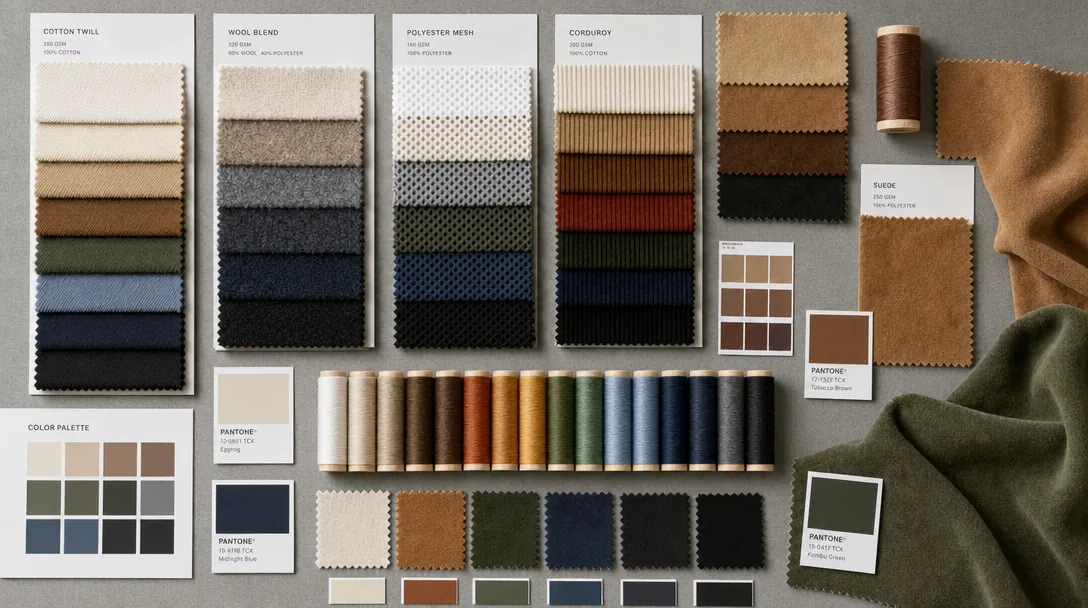
Camouflage Bucket Hat: Properties, Costs and How to Spec It Right
Read article →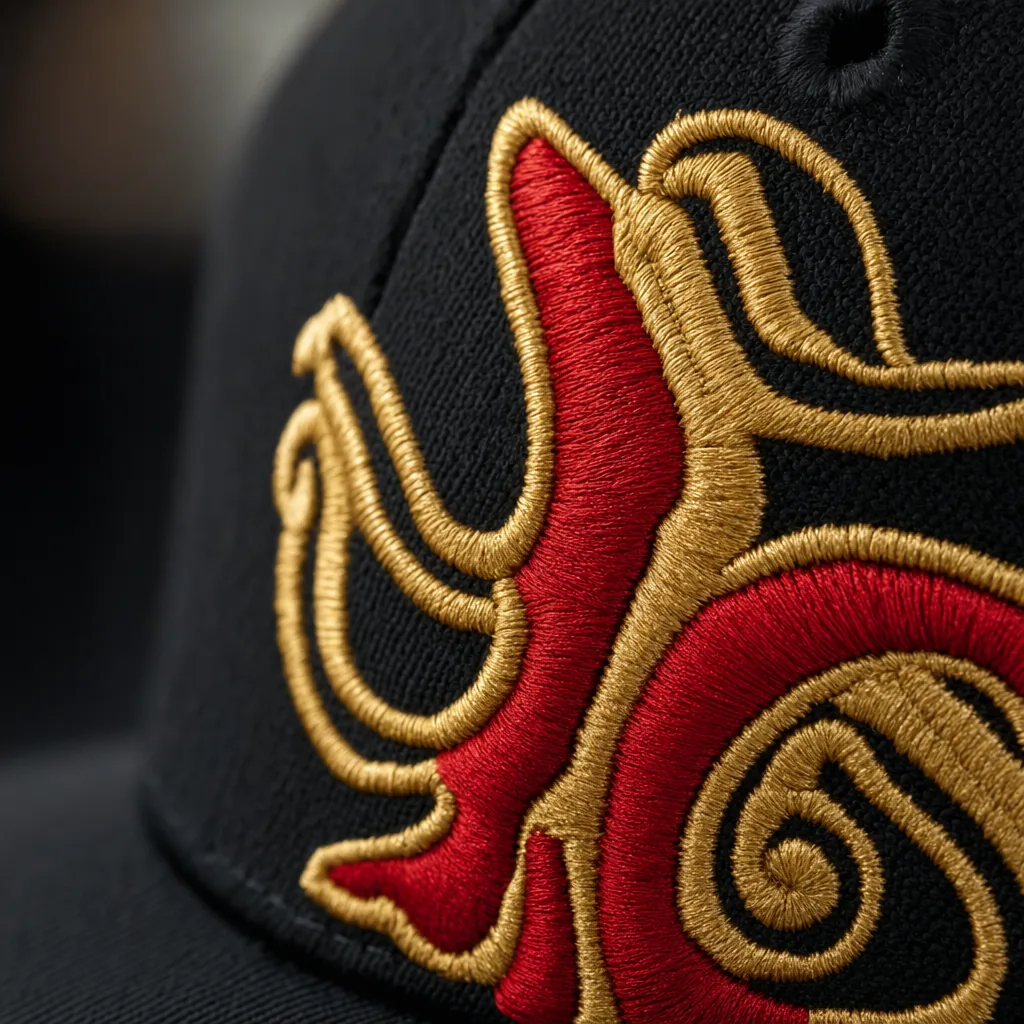
Patch Hats Retail Packaging Guide for Custom Hat Buyers
Read article →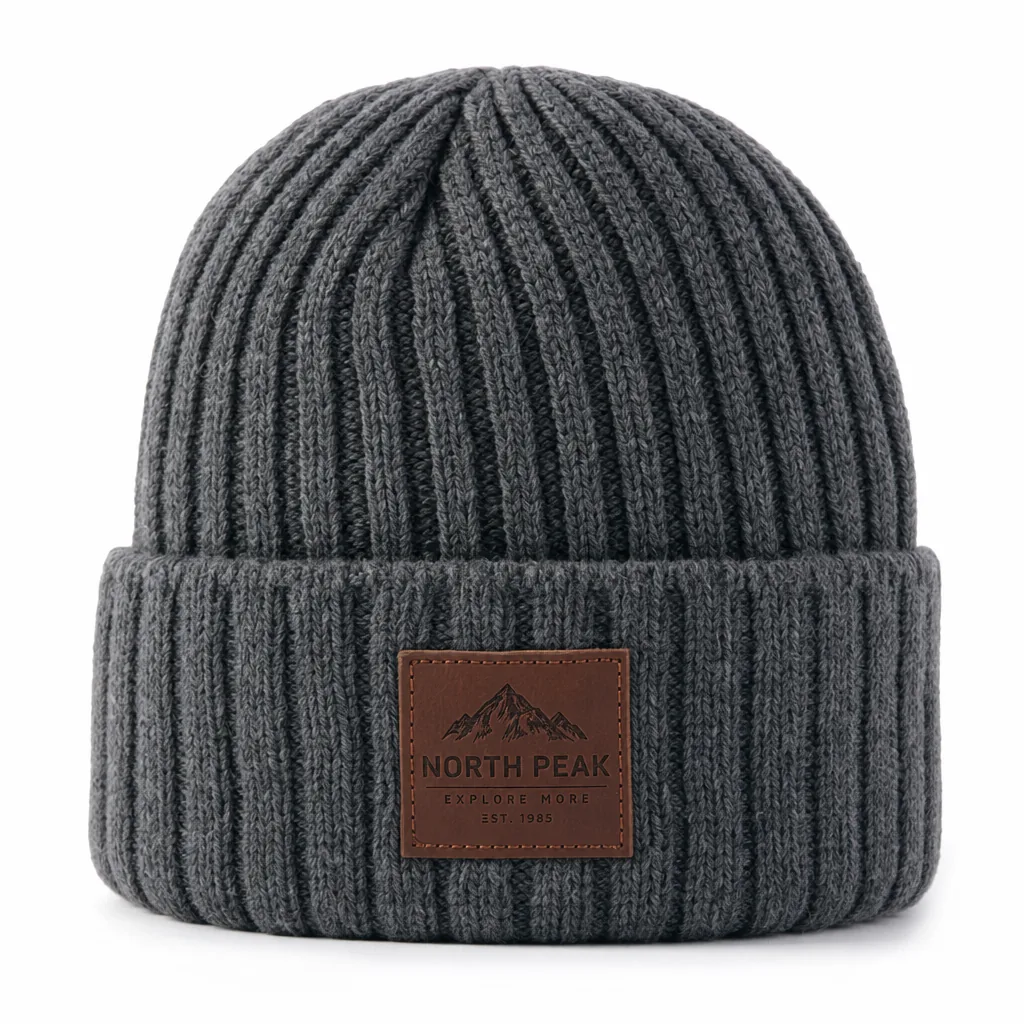
Merino Wool Beanie: Properties, Costs and How to Spec It Right - Cost & MOQ Breakdown - 2026 Buyer's Guide
Read article →We hope this guide demystifies performance & athletic caps: moisture-wicking, upf and buyer specs (2026 update) - cost & moq breakdown and helps you move forward with confidence. If you have questions specific to your project, our English-speaking sales engineers are one message away.