
Patch Hats Retail Packaging Guide for Custom Hat Buyers
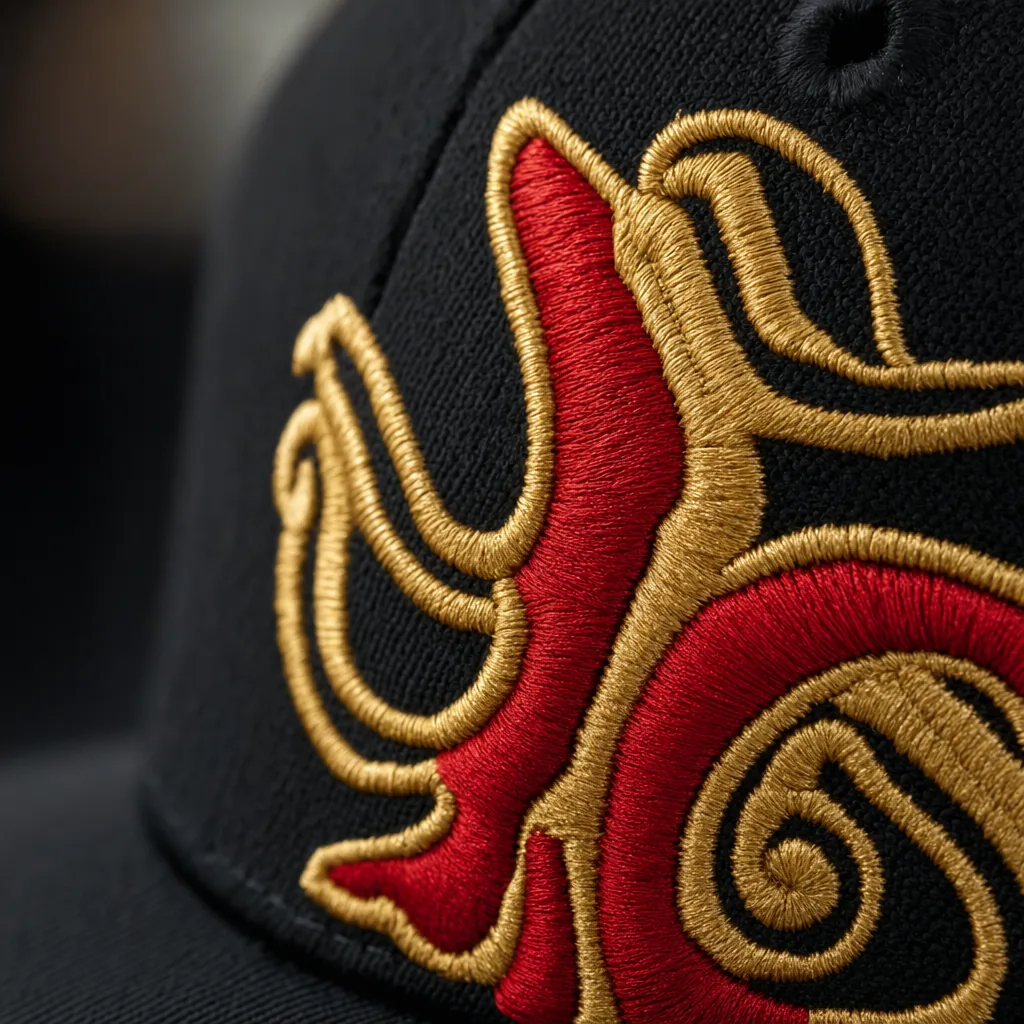
Every week, our sales team answers detailed questions about patch hats retail packaging guide for custom hat buyers. We wrote this guide so that wholesalers, streetwear brands, corporate buyers and promotional resellers can compare options with full information, and avoid the traps that show up only after production has started.
Why patch hats retail packaging guide needs a separate sourcing plan
Lead time and compliance are where retail packaging causes the most surprises. Printed tags and belly bands usually add 5–10 days after artwork approval; FSC-certified paper, recycled polybags, or retailer-specific packaging tests can add another week. Color approvals should use Pantone TCX or Pantone C references, with Delta-E under 1.5 for brand-critical labels, not a screenshot from a phone. For hat patches custom orders sold into major retailers, buyers should confirm CPSIA tracking labels for children’s caps, California Proposition 65 requirements, suffocation warnings on polybags, and carton drop-test expectations before production starts. A patch for hat custom order may pass AQL 2.5 for stitching and appearance, but still fail receiving inspection if barcode scan rate, carton assortment, or country-of-origin marking is wrong. That is why packaging belongs in the sourcing plan, not in the shipping email.
Factory capability checks before quoting
Before I quote custom patch hats, I want to know whether the factory can control the decoration and the cap body under one roof, because most retail-packaging failures start upstream. Ask what embroidery machines they run—Tajima, Barudan, or ZSK heads are normal in serious cap shops—and whether they digitize in-house or outsource DST files. For woven, chenille, PVC, leather, felt, or rubber patches, confirm minimum stroke width, merrow border limits, heat-press temperature range, and whether they can test adhesion after 24 hours. A clean hat with custom patch needs patch placement held within ±2 mm on the front panel; if the factory says “manual is fine” without a jig, expect crooked retail photos. For fabric, request gsm, composition, and shade tolerance: 280 gsm cotton twill, 340 gsm brushed canvas, 150D polyester ripstop, or 380 gsm wool blend all sew differently. For color, I use Pantone TCX for fabric and Pantone C for printed patch artwork, with Delta-E under 1.5 for premium retail orders.
Panel construction tells you more about capability than any showroom photo. A 5-panel camper with a flat woven patch is easy; a structured 6-panel trucker with foam backing, buckram, sandwich visor, and raised PVC patch needs better blocking, needle selection, and crown shaping. Check if the sample room can make snapback, dad cap, trucker, rope cap, unstructured 6-panel, performance running cap, and youth sizing without moving the order to a subcontractor. Closure options should be specific: 7-hole plastic snap, brass buckle with tuck strap, hook-and-loop, nylon clip, Flexfit-style elastic sweatband, or metal press buckle. For a real patch hats retail packaging guide workflow, also ask whether the factory can match packaging to cap construction: high-crown snapbacks often need 5-ply cartons and crown inserts, while soft dad caps can ship nested but still need anti-crush control. Our standard practice at CrownsForge is to make one packaging sample together with the fit sample, not after bulk production.
Audit readiness and communication are not paperwork details; they decide whether your retail launch ships on time. Ask for current sedex-audit-cap-supplier-guide.html">BSCI 2.0, Sedex SMETA 4-Pillar, ISO 9001, or WRAP records, plus the last corrective-action report, not just a logo on a PDF. For inspection, define AQL before quoting: AQL 2.5 for major defects and 4.0 for minor defects is common, but retail buyers often tighten visible decoration defects to 1.5. Communication checks should include a bilingual tech pack review, artwork proof with stitch count or patch mold cost, carton drop-test plan, and a dated sample calendar. A hat patch custom order may need 7–10 days for embroidery sampling, 12–15 days for PVC mold approval, and 25–35 days for bulk after PP sample signoff. If the supplier cannot explain mold fees, patch for hat custom placement tolerances, hangtag barcode handling, or FOB versus DDP cost assumptions, do not treat their quote as final. Cheap pricing without these checks usually becomes rework, air freight, or rejected retail packaging.
MOQ, pricing and sample approval
Lead time depends less on sewing and more on approval discipline. For custom patch hats, expect 5–7 days for artwork cleanup and patch sampling, 7–10 days for PPS after materials are confirmed, and 25–35 days for bulk production after PPS sign-off and deposit. Add 5–8 days if custom trims are involved, such as branded metal buckles, jacquard sweatbands, printed seam tape, UPC stickers, or retail belly bands. Hat patches custom made in PVC or leather need longer tooling confirmation than flat woven labels, especially when buyers revise thickness, edge radius, or emboss depth after seeing the first sample. Packaging also affects MOQ and cost: a standard polybag is $0.03–$0.06, a printed polybag is $0.08–$0.15 with a 1,000–3,000 piece MOQ, and a rigid retail box can add $0.60–$1.80 per unit plus carton volume. For any patch hats retail packaging guide, the approval checkpoint should include carton drop marks, barcode placement, suffocation warnings, case pack, AQL 2.5 inspection criteria, and whether hats ship nested, stuffed, or individually boxed.
Quality inspection and shipping risk
Inspection has to start before cartons are sealed, because patch hats hide defects better than flat embroidery caps. For custom patch hats, I normally set final random inspection at AQL 2.5 for major defects and AQL 4.0 for minor defects, using ANSI/ASQ Z1.4 sampling. Major defects include loose patch edges, glue bleed-through, crooked placement over 3 mm from approved position, broken satin stitch, missing bar-tack on leather or woven labels, and oil marks on crown panels. Measurement tolerance should be written on the tech pack: crown height ±5 mm, brim length ±3 mm, patch position ±2 mm, back-strap length ±5 mm, and cap circumference ±10 mm for adjustable styles. If a buyer accepts “visually centered” without numbers, the dispute always comes after delivery, not during production.
Color and durability checks matter more for retail packaging because the product may sit under warehouse heat, store lighting, or DDP transit for 45-60 days. For a hat with custom patch, we check fabric color against Pantone TCX or TPX under D65 light, with Delta-E under 1.5 for solid dyed cotton twill and under 2.0 for washed pigment styles. Patch materials need their own tests: embroidered patch thread should pass dry rub grade 4 and wet rub grade 3-4; faux leather should not crack after a 20-cycle bend test; PVC patches should stay within agreed Shore A hardness. Embroidery defects are judged under 60 cm viewing distance, not with a magnifier, but jump stitches over 3 mm, bird-nesting, puckering, and exposed backing are rejectable. This is where a patch hats retail packaging guide becomes practical: the packaging plan must not trap moisture against metallic thread, heat-transfer backing, or suede-look patches.
Shipping risk is mostly documentation discipline. Carton markings should show PO number, style code, color, size or adjustable type, quantity, gross/net weight, carton number, and destination; retail barcodes must match the packing list, not just the hangtag artwork. Our standard practice at CrownsForge is to photograph the approved bulk sample, carton mark, inner polybag, master carton, and pallet layout before release, then store the digitizing file, patch mold or stitch file, Pantone reference, BOM, and inspection report for reorders. FOB Ningbo or Shanghai gives buyers control over freight and insurance, usually better for experienced importers moving full containers. DDP is cleaner for small retail drops, but the supplier must price duties, fuel surcharge, customs bond risk, and last-mile delivery honestly; a $0.25 cheaper patch for hat custom order can become expensive if HS code, declared material, or carton dimensions are wrong.
Buyer checklist for the next RFQ
A serious RFQ for custom patch hats should start with the hat build, not the decoration artwork. Send the cap style first: 5-panel camper, 6-panel structured snapback, unstructured dad cap, trucker, bucket, or performance running cap. Include crown height in centimeters, brim type, closure, size range, fabric weight, and color target. “Black cotton” is not enough; specify 10 oz washed cotton twill, 260 gsm brushed cotton, 210D nylon, 100% polyester mesh, or recycled rPET if that is the intent. For color, provide Pantone TCX or TPX references and tell the supplier whether Delta-E under 1.5 is required or if commercial tolerance around 2.0–2.5 is acceptable. If you have a previous sample, send front, side, back, inside sweatband, closure, and label photos with a ruler in frame. That removes 80% of quoting guesswork before anyone discusses the patch for hat custom cost.
For the patch itself, attach vector artwork in AI, EPS, or PDF, plus a flattened PNG or JPG for visual checking. State finished patch size in millimeters, patch type, edge treatment, and placement. Woven patches suit small text down to roughly 1.2 mm stroke width; embroidered patches need bolder shapes and usually look better above 70 mm wide; leather, PU, rubber PVC, chenille, and sublimated twill all quote differently. If you want a hat with custom patch centered on the front panel, specify whether it is stitched, heat-pressed, or adhesive-backed before final sewing. For a hat patch custom order, also send thread colors, Pantone references, backing preference, and whether the patch must pass wash, crocking, or nickel-free hardware requirements. Our standard practice at CrownsForge is to quote patch setup separately because mold, digitizing, and woven loom sampling can swing from $35 to $180 depending on complexity.
Retail packaging must be quoted with the same discipline as the cap, which is why a patch hats retail packaging guide belongs inside the RFQ instead of after sampling. Tell the factory if each cap needs a hangtag, barcode sticker, UPC/EAN, size sticker, silica gel, tissue wrap, recycled polybag, kraft box, or display-ready carton. Provide dielines for hangtags and belly bands, carton marks, marketplace labeling rules, and any Amazon FBA or retailer routing guide before price confirmation. Also state order quantity by color and SKU, target Incoterm such as FOB Ningbo/Shanghai or DDP Los Angeles, required audit level such as BSCI 2.0 or Sedex SMETA 4-Pillar, and inspection standard such as AQL 2.5 major / 4.0 minor. For hat patches custom programs, ask for separate line items: cap unit price, patch unit price, setup, packaging, sample fee, bulk lead time, carton dimensions, gross weight, and HS code. That is the difference between a loose estimate and a quote procurement can actually compare.
Working with CrownsForge
QC and export are tied together because a clean factory inspection means little if the retail cartons arrive crushed or mislabeled. Our standard practice is inline inspection after panel embroidery or patch attachment, then final inspection under AQL 2.5 for major defects and AQL 4.0 for minor defects, with separate checks for patch placement tolerance, usually plus or minus 2 mm from the approved sample. Hat patches custom orders with mixed SKUs need carton-level reconciliation: colorway, size, patch version, barcode, country-of-origin label, and carton gross weight must match the packing list. For DDP or retailer DC shipments, we confirm master carton burst strength, commonly 170 to 200 lb, and keep finished carton weight under 15 kg when possible to reduce deformation. Export files include commercial invoice, packing list, HS code, audit documents such as BSCI 2.0 or Sedex SMETA 4-Pillar when required, and photo records of sealed cartons before FOB Ningbo or Shanghai handover. This is the unglamorous part of a patch hats retail packaging guide, but it is where chargebacks are prevented.
Frequently Asked Questions
How long does production take?
Sampling takes 7 to 12 days. Bulk production runs 20 to 30 days depending on quantity, fabric availability and decoration complexity. Inspection and packing adds another 3 to 5 days before shipment.
Do you support sustainability certifications?
Yes. We work with GOTS organic cotton, GRS-certified recycled polyester, OEKO-TEX Standard 100 fabrics, and are BSCI and Sedex audited. Certification documentation can be provided per order.
What file format should I send for my logo?
Vector files (AI, EPS, PDF) are ideal. High-resolution PNG or JPG at 300 dpi on transparent background works as a fallback. Provide Pantone color references for accurate reproduction.
What is the minimum order quantity (MOQ) for custom hats?
Our standard MOQ is 100 pieces per design and color, with sampling available from 1 piece. For complex multi-color logos or premium fabric upgrades, the MOQ can be lowered with a small per-piece surcharge.
Can I order a sample before bulk production?
Yes. We strongly recommend approving a pre-production sample before mass production. Samples are charged at 35 to 60 USD each plus express shipping, fully refundable against confirmed bulk orders over 500 pieces.
How does ordering custom hat leather patch work?
When evaluating custom hat leather patch, the key considerations are construction quality, decoration capability, MOQ flexibility and lead time. Explain the buyer intent behind patch hats retail packaging guide, when it differs from generic hat sourcing, and what decisions affect cost, lead time and compliance. Cover embroidery, patch, fabric, panel construction, closure options, sample room capability, audit readiness and communication checks.
What's the MOQ for custom leather patch hat low minimum?
When evaluating custom leather patch hat low minimum, the key considerations are construction quality, decoration capability, MOQ flexibility and lead time. Explain the buyer intent behind patch hats retail packaging guide, when it differs from generic hat sourcing, and what decisions affect cost, lead time and compliance. Cover embroidery, patch, fabric, panel construction, closure options, sample room capability, audit readiness and communication checks.
How does ordering custom leather patches for hats work?
When evaluating custom leather patches for hats, the key considerations are construction quality, decoration capability, MOQ flexibility and lead time. Explain the buyer intent behind patch hats retail packaging guide, when it differs from generic hat sourcing, and what decisions affect cost, lead time and compliance. Describe how CrownsForge manages patch hats retail packaging guide programs with sampling, decoration, QC and export coordination.
How does ordering custom patch trucker hats work?
When evaluating custom patch trucker hats, the key considerations are construction quality, decoration capability, MOQ flexibility and lead time. Explain the buyer intent behind patch hats retail packaging guide, when it differs from generic hat sourcing, and what decisions affect cost, lead time and compliance. Describe how CrownsForge manages patch hats retail packaging guide programs with sampling, decoration, QC and export coordination.
Looking for a reliable hat manufacturer in China?
CrownsForge has produced custom hats for 800+ brands across 40 countries. From 100-piece launches to 100,000-piece retail programs, we deliver on time and on spec.
Get in touchRelated guides
Corduroy Hat: Properties, Costs and How to Spec It Right
Read article →
Cap Fabric Guide: Cotton Twill, Wool Blend, Polyester & Performance Materials
Read article →
Country Hats For Men Decoration QC Checklist for Custom Hat Buyers
Read article →We hope this guide demystifies patch hats retail packaging guide for custom hat buyers and helps you move forward with confidence. If you have questions specific to your project, our English-speaking sales engineers are one message away.