
Performance & Athletic Caps: Moisture-Wicking, UPF and Buyer Specs (2026 Update) (2026 Update)
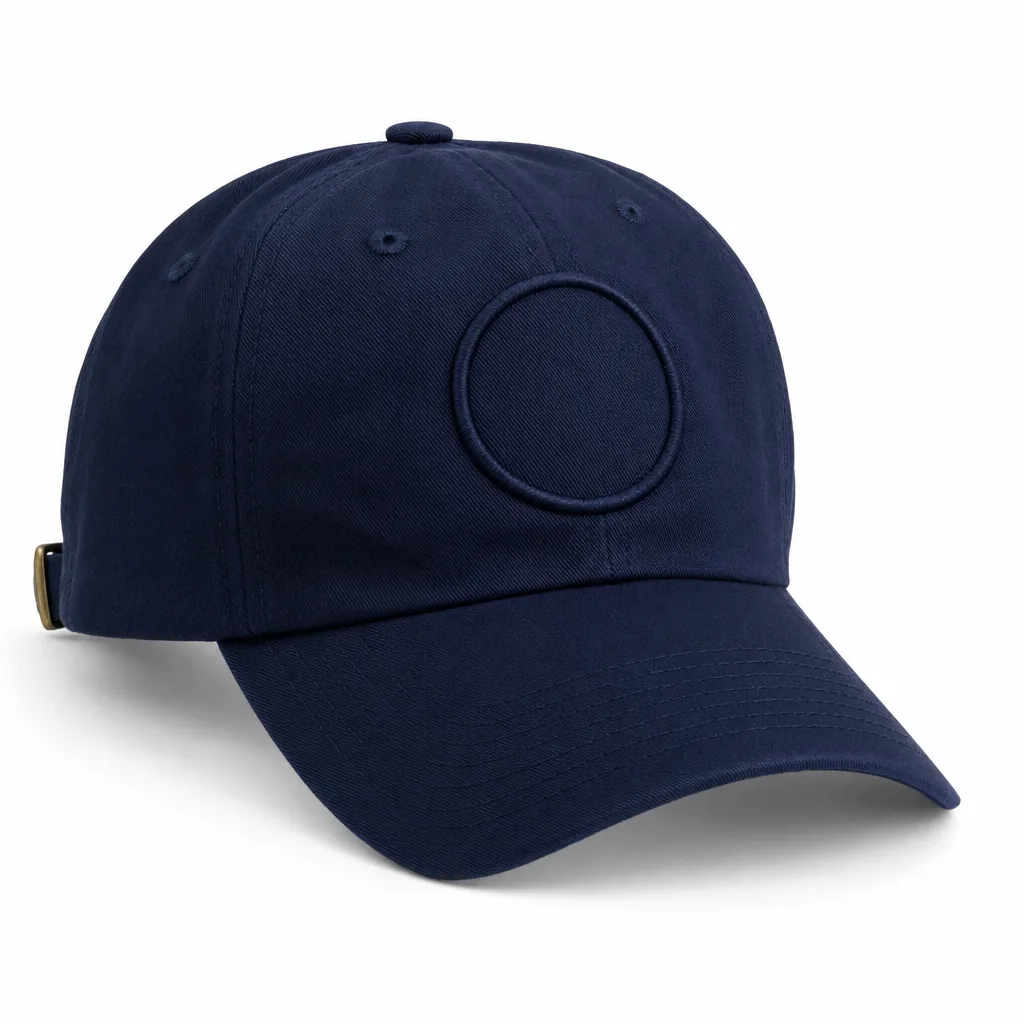
For brand owners, wholesalers and procurement teams entering the custom headwear category, performance & athletic caps: moisture-wicking, upf and buyer specs (2026 update) (2026 update) is one of the highest-leverage decisions you will make. Get it right and your unit economics, retail story and reorder cycle all improve. Get it wrong and you carry the cost for years.
What makes a cap 'performance' vs 'standard'
A cap only deserves the “performance” label when the bill of materials is built around heat release, sweat transport, and low carry weight; a standard cap is usually built around shape retention and decoration. In production, the split starts with the shell fabric. Standard retail caps commonly use 100% cotton twill or brushed chino at 180 to 260 gsm, which darkens with perspiration, holds water, and dries slowly once the front panels and sweat zone are saturated. A true performance build usually moves to 75D to 150D polyester microfiber, mini-ripstop, closed-hole mesh, or perforated interlock in the 95 to 140 gsm range, using either a mechanical capillary structure or a C6/C0 wicking finish. I trust wear and dry-back behavior more than hangtags: after a 30-minute wear test, a real performance cap should release moisture evenly and line-dry without obvious sweat mapping or a cold, clammy handfeel in the crown. A competent performance cap manufacturer will also control colorfastness to perspiration, crocking, and shade consistency, because sunscreen, salt, and repeated laundering expose weak dye fixation fast, especially on dark heather or bright team colors where Delta-E drift becomes visible.
The sweatband and trim package usually decide whether an athletic cap performs on the head or just looks technical on a sales sheet. A basic woven cotton band is inexpensive and easy to sew, but it traps moisture against the forehead and starts holding odor quickly in hot conditions. Better builds use an 88/12 or 90/10 polyester-elastane sweatband with a brushed skin side, quick-dry finish, and controlled rebound after repeated stretch; if foam is added, it should be thin and limited to structure-critical areas, not laminated everywhere. Finished weight matters more than many buyers expect: once a cap pushes past about 80 grams, runners, golfers, and field crews notice the drag, especially above 28°C and high humidity. That is why serious specs cut bulk everywhere else—lighter buckram, narrower seam tape, low-profile hook-and-loop or elastic webbing closures, and lower embroidery density. On Tajima or Barudan machines, a dense front logo can easily add 6 to 12 grams and choke airflow through the most important vent zone.
UPF is the clearest measurable line between a technical cap and a standard one, but only if the number is tied to an actual test report. Polyester often outperforms cotton on UV blocking, yet usable protection usually comes from the combination of fabric density, color depth, cover factor, and sometimes a UV-absorbing finish verified to AATCC 183 or AS 4399. Buyers should ask for the tested colorway, the construction details, and whether the result holds after laundering, because a pale cap with oversized laser perforation or wide-aperture mesh can lose protection exactly where the wearer expects coverage. At CrownsForge, we treat performance caps as technical SKUs with hard controls: shell fabrics typically below 140 gsm, finished weight around 55 to 78 grams, sweatband recovery checked after repeated extension, and visual inspection held to AQL 2.5 because puckering, delamination, warped perforation, or blocked eyelets will compromise function before the customer complains about cosmetics. That is the practical difference: a standard cap can survive retail display, while a performance cap has to survive sweat, sun, wash cycles, and repeated wear without losing its job.
UPF ratings: what's actually meaningful
For buyers, the meaningful cutoff is simple: UPF 30 already blocks about 96.7% of UV, while UPF 50 blocks 98% and UPF 50+ exceeds that threshold under the test method. On the factory side, that last 1% to 2% is where cost and sourcing complexity start to climb. Most 120 to 160 gsm performance polyester used in a moisture wicking cap or running cap custom program will test around UPF 25 to 35 naturally because filament density, yarn denier, and darker dye shades already reduce transmission. A lightweight 75D interlock or mini-ripstop in black, navy, or deep red often passes UPF 30 without any special finish. That is why many athletic programs do not need to pay for upgraded UV chemistry if the cap is mainly for weekend running, school sports, or promotional outdoor use.
UPF 50+ becomes meaningful when the end use is prolonged sun exposure and the claim must survive lab review, retailer compliance, or licensing scrutiny. Golf, fishing, trail, and resort accounts usually ask for test reports to AATCC 183 or AS/NZS 4399, not just a supplier statement. To hit that level consistently, mills often tighten construction, move to higher-coverage microfiber polyester, or apply a UV-absorbing finish at the fabric stage. That treatment can add roughly $0.12 to $0.35 per cap depending on yardage, color count, and whether the fabric is piece-dyed or sublimation-ready. A good performance cap manufacturer will also remind buyers that stretch, laser perforation, mesh panel area, and even aggressive enzyme washing can reduce final protection, so the tested fabric spec must match the production build, not a cleaner lab swatch.
The practical buying spec is to separate marketing language from measurable risk. If you are sourcing from a performance cap manufacturer or an upf hat manufacturer, ask for the exact fabric composition, gsm, construction, color, and the finished-garment test report, then lock those into the tech pack. For example, "100% polyester, 145 gsm, 75D/72F, UPF 50+ tested to AATCC 183 after finishing" is useful; "sun protection fabric" is not. For an athletic hat custom or golf cap wholesale order, our standard practice is to treat UPF 30 as the baseline commercial spec for standard polyester caps and reserve UPF 50+ for customers who truly need a compliance-backed claim. That avoids paying a premium for a badge that many end users cannot distinguish in real wear, while still protecting buyers from vague UV claims that fail during QA or retailer document review.
Sweatband construction for athletic use
The sweatband is the first part of a performance cap to fail in real wear, and buyers still underestimate how much it drives comfort after 30 to 60 minutes of activity. Brushed cotton bands at 180 to 220 gsm remain common because they are easy to source and forgiving to sew, but they are the wrong choice for running, golf, tennis, and team-training caps. Cotton absorbs into the fiber, gains weight as the forehead zone saturates, and dries slowly once salt and body oil load the yarn. In factory wear trials, comfort usually drops sharply after 10 to 15 minutes of steady movement, especially on structured 5-panel profiles with fused buckram that already trap heat at center front. The visible failures are predictable: salt-ring formation, darker wet zones, dye transfer onto white seam tape, and a band that feels heavier every lap. Any buyer working with a performance cap manufacturer should lock the sweatband spec before approving crown fabric, because this trim affects perceived cooling more than most “breathable” fabric claims printed on a sell sheet.
For true athletic use, the practical baseline is a 150 to 190 gsm polyester-elastane sweatband, usually 88/12 or 90/10, in warp knit or fine circular knit with a hydrophilic moisture-management finish. I would spec 30 to 35 mm finished width, 10 to 15 percent elastane, and stretch recovery above 85 percent after extension testing; lower recovery bands tend to curl or collapse at the center-front join after wash and wear. Construction is not a detail here. A 4-needle flatseam or low-profile coverstitch sits flatter against the forehead than a bulky overlock, which matters immediately on low-crown running silhouettes. For dark shades, require perspiration colorfastness minimum grade 4 and crocking grade 4 dry, 3 to 4 wet; black and navy are the usual claim colors. The buyer spec should also call out shrinkage below 3 percent, seam tunneling after laundering, and testable moisture data rather than a vague “wicking” promise. Upgrading from a standard cotton band to a true athletic spec typically adds only $0.18 to $0.45 per cap, which is cheap compared with returns for odor retention, staining, or forehead pressure telegraphing through the crown.
Reflective trim, vented panels, and other athletic features
Reflective trim on a running or cycling cap is only useful if it survives salt, flex, and repeated laundering; otherwise it turns into a warranty claim. The safest layouts are still narrow 3-5 mm reflective piping or segmented microprismatic tape placed on the brim edge, rear opening arc, and crown seam intersections where headlights actually catch the cap in low-light use. I avoid broad reflective heat transfers on 75D-100D polyester shells because they add hand feel, restrict panel recovery, and crack along fold lines after compression packing. A serious performance cap manufacturer should be able to tell you whether the trim is glass-bead or microprismatic, how it is attached, and what retention it shows after at least 10 home-laundry cycles, plus colorfastness to perspiration and seam-slippage data at the stitch line. If the reflective element starts peeling at the brim seam, that is a field failure, not a cosmetic issue.
Laser-cut ventilation only works when fabric weight, panel support, and hole geometry are specified together. On high-output training caps, the reliable range is usually 90-130 gsm polyester or polyester-spandex, with perforation kept to side and rear panels while the front stays intact for structure and clean decoration. In production, hole diameters around 1.0-1.8 mm are common, but pitch matters more than buyers think: open the pattern too far and rebound drops; tighten it too much and airflow gains are negligible. Poor laser settings on low-denier shells will brown the edge, harden the cut line, and create tear points after repeated flexing. For golf and tennis programs that still need shape retention and consistent UPF performance, side or rear inserts in polyester sandwich mesh or mechanical-stretch micro mesh at roughly 120-160 gsm usually outperform a fully perforated crown. Our standard practice is to verify airflow and panel distortion after heat-setting, then lock the final spec to sweatband content, stitch density, Delta-E under 1.0 to approved Pantone TCX standards, and AQL 2.5 appearance criteria.
Color and design considerations for athletic positioning
Color on an athletic cap has to read in motion, under sweat, and at 10 to 20 feet; the mood board comes second. Team, golf, and run buyers usually stay with optic white, Black 6 C, deep navy, graphite, and controlled club colors because they stay legible on 95–130 gsm polyester microfiber and 110–140 gsm mechanical-stretch woven without exaggerating seam grin, crown waviness, or panel torque. High-contrast blocking looks sharp in a tech pack but often makes every construction flaw obvious once the shell has been worn, packed, and washed. Tonal branding is cleaner and more premium, but it is also less forgiving: on a dark shell such as Pantone 19-4007 TCX, a thread shift of Delta-E 1.0 to 1.5 can make the logo look off-tone immediately, especially under stadium LEDs or broadcast lighting. Good color control starts with the substrate, not the artwork. Recycled polyester with a C0 or C6 DWR finish can show crease whitening and needle stress more than virgin yarn, while bright white programs can yellow if the sweatband foam, hook-and-loop, or top button resin is not heat-stable during finishing. The practical fix is disciplined shade management: one approved lab dip for all visible components, strike-offs sewn on actual production fabric, and light-box review under D65 and TL84 before bulk. At CrownsForge, our standard is to hold visible component matching within commercial tolerance and check inline plus final to AQL 2.5, because shell, underbill mesh, binding, and closure tape from different dye houses will drift if nobody owns the color standard.
Decoration should be chosen around shell weight and use case, not around what looked impressive on a fashion cap. On unstructured runners and lightweight training caps, heavy chenille, thick satin appliqué, and tall 3D puff usually ruin the hand feel, flatten ventilation zones, and create hot spots on the front panel. Flat embroidery on Tajima or Barudan heads needs lower stitch density and cleaner underlay on thin 75D to 150D athletic shells, otherwise you get tunneling, puckering, and visible strike-through on the inside. Reflective heat transfers are usually safer at about 0.2–0.4 mm film thickness; beyond that, you start adding stiffness and edge lift risk after repeated flexing. For golf and high-heat training programs, perforated TPU patches, matte silicone transfers, low-profile HD weld badges, and tatami fill logos usually outperform raised treatments because they keep the crown flexible and lighter. A competent performance cap manufacturer should force the visibility conversation early: sunrise roadwork, shaded fairway, televised dugout, or night training all need different contrast and reflectivity. Modular design is where buyers control cost without making the line look repetitive. The most efficient programs lock one approved body—often a 4-panel running cap or a laser-perf 6-panel—then rotate side hits, undervisor prints, seam tape graphics, or closure tabs across events and accounts. That keeps fit approval, moisture-management testing, carton packing, and trim inventory stable while reducing bulk risk. I would rather see one hero body color with two disciplined accents than six near-matching shades from different mills; once shell, mesh, binding, and strap tapes come from separate sources, shade drift becomes the quality problem, not creativity.
Pricing: performance fabric costs vs standard cotton
The real price break between standard cotton and athletic headwear starts at the shell, not the silhouette. In current South China quoting, a 6-panel brushed cotton twill cap at 180-220 gsm usually costs about $0.55-$0.90 less per unit than a true performance shell built from 75D-150D polyester microfiber, mini-ripstop, interlock knit, or mechanical-stretch woven. That spread widens once the mill adds moisture-management chemistry, heat setting, anti-snag finishing, or sublimation preparation. A buyer comparing two “6-panel caps” on a tech pack can miss the point entirely: a 120-140 gsm running cap with laser-cut vent holes, perforated side panels, and bonded taping is engineered more like lightweight activewear than like a structured cotton baseball cap. Any serious performance cap manufacturer should quote against the full bill of materials, because yarn denier, gsm, seam construction, and finishing package drive cost far more than panel count. The hidden risk is fabric consistency after production, not just the opening quote. Cheap performance fabrics often drift in shade after piece dyeing or fail to hold shape after heat pressing, which creates rework costs that never show up on the first pro forma. For branded programs, we usually hold color to within commercial tolerance of about Delta-E 1.5-2.0 against the approved Pantone reference and check shrinkage and torque after finishing, especially on lighter 100% polyester shells. If the factory is buying from an unstable mill, the apparent savings disappear in rejected lots, embroidery puckering, or cap crowns that twist after wash and wear. That is why buyers should ask for fiber content, denier, gsm, finish type, and test method on the quote sheet rather than accepting vague language like “sports fabric” or “quick dry material.”
UPF is usually a smaller cost adder than buyers expect. If the fabric reaches the target through tight construction, yarn choice, and darker shades, the uplift can be close to negligible; if the brief requires documented UPF 30+ or UPF 50+ on pale colors or very lightweight shells, the fabric program typically adds around $0.12-$0.28 per cap. Formal verification is separate: AATCC 183 or AS/NZS 4399 testing can add a few hundred dollars per submitted colorway or fabric group, depending on the lab and whether the buyer wants full reports rather than a mill declaration. Ventilation also changes the equation. Mesh inserts, eyelet density, and laser perforation improve airflow, but every open area reduces the effective UV barrier, so buyers should stop treating breathability and UPF as if they are free upgrades that stack without compromise. Trim upgrades are often a better place to spend money than chasing marginal shell savings. Moving from a basic cotton terry sweatband to a polyester-spandex moisture-wicking band usually adds $0.10-$0.18, while an elasticized back strap, soft hook-and-loop, or micro-injected TPU closure commonly adds another $0.08-$0.20. Those are small numbers on paper, but they materially change first-wear comfort and perceived quality. Our standard practice is to break out these line items because value engineering works best when the buyer can see exactly what is being traded off. Cutting a woven flag label, reducing Barudan flat-embroidery stitch count, or simplifying interior taping is usually less damaging than downgrading the sweatband or shell fabric, which the wearer notices within ten minutes and the retailer notices in return rates.
Frequently Asked Questions
Which shipping methods do you support?
We support FOB, CIF and DDP shipping. Air express for samples and small orders, sea LCL for 100 to 500 pieces, sea FCL for 5,000+ pieces. Door-to-door DDP available for US, EU, UK, Canada and Australia.
What is the minimum order quantity (MOQ) for custom hats?
Our standard MOQ is 100 pieces per design and color, with sampling available from 1 piece. For complex multi-color logos or premium fabric upgrades, the MOQ can be lowered with a small per-piece surcharge.
Can I order a sample before bulk production?
Yes. We strongly recommend approving a pre-production sample before mass production. Samples are charged at 35 to 60 USD each plus express shipping, fully refundable against confirmed bulk orders over 500 pieces.
What logo decoration techniques do you offer?
3D puff embroidery, flat embroidery, woven patch, leather patch, PVC patch, screen printing, sublimation, applique and laser etching, all in-house with no subcontracting.
Do you support sustainability certifications?
Yes. We work with GOTS organic cotton, GRS-certified recycled polyester, OEKO-TEX Standard 100 fabrics, and are BSCI and Sedex audited. Certification documentation can be provided per order.
How does ordering baseball cap custom logo work?
When evaluating baseball cap custom logo, the key considerations are construction quality, decoration capability, MOQ flexibility and lead time. Performance polyester adds roughly $0.40-$0.80 per cap vs standard cotton. UPF treatment adds another $0.20-$0.30. Sweatband upgrade adds $0.10-$0.20. Moisture-wicking fabric (typically polyester with wicking finish), moisture-wicking sweatband (usually polyester-elastane blend), lightweight construction (under 80g), and often UPF treatment.
What should buyers know about branded bills performance hat?
When evaluating branded bills performance hat, the key considerations are construction quality, decoration capability, MOQ flexibility and lead time. UPF 30 blocks ~97% of UV. UPF 50+ blocks 98%+. Most performance polyester fabric reaches UPF 30 naturally without chemical treatment. UPF 50+ usually requires treated fabric, which adds cost. Performance polyester adds roughly $0.40-$0.80 per cap vs standard cotton. UPF treatment adds another $0.20-$0.30. Sweatband upgrade adds $0.10-$0.20.
How much does branded bills custom hat cost typically cost?
When evaluating branded bills custom hat cost, the key considerations are construction quality, decoration capability, MOQ flexibility and lead time. UPF 30 blocks ~97% of UV. UPF 50+ blocks 98%+. Most performance polyester fabric reaches UPF 30 naturally without chemical treatment. UPF 50+ usually requires treated fabric, which adds cost. Moisture-wicking fabric (typically polyester with wicking finish), moisture-wicking sweatband (usually polyester-elastane blend), lightweight construction (under 80g), and often UPF…
How does ordering custom logo bucket hat work?
When evaluating custom logo bucket hat, the key considerations are construction quality, decoration capability, MOQ flexibility and lead time. Moisture-wicking fabric (typically polyester with wicking finish), moisture-wicking sweatband (usually polyester-elastane blend), lightweight construction (under 80g), and often UPF treatment. UPF 30 blocks ~97% of UV. UPF 50+ blocks 98%+. Most performance polyester fabric reaches UPF 30 naturally without chemical treatment. UPF 50+ usually requires treated fabric, which…
Ready to start your custom hat project?
Send us your tech-pack, sketch or even just an inspiration photo. We will respond with a detailed quotation and digital mock-up within 24 hours.
Request a free quoteRelated guides
Bucket Hat Corduroy MOQ And Pricing Plan for Custom Hat Buyers
Read article →
Compliance Documentation Checklist for First Hat Import to US/EU - Cost & MOQ Breakdown
Read article →
Festival Bucket Hat: A Vertical-Specific Sourcing Guide
Read article →Sourcing custom hats does not have to be complicated. With the right manufacturing partner, clear specifications and a small upfront investment in sampling, you can launch a retail-quality product in 30 to 45 days.