
Patch Hats Supplier Audit Checklist for Custom Hat Buyers
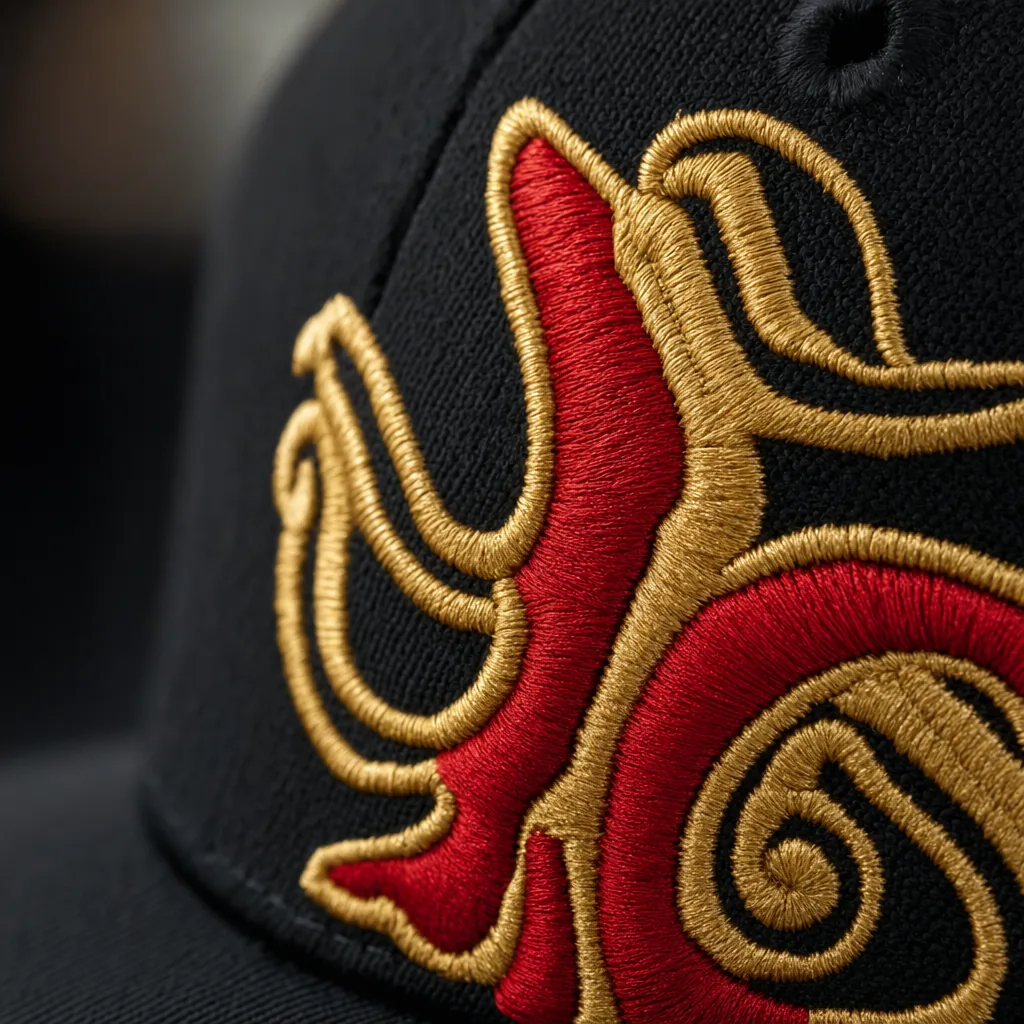
Every week, our sales team answers detailed questions about patch hats supplier audit checklist for custom hat buyers. We wrote this guide so that wholesalers, streetwear brands, corporate buyers and promotional resellers can compare options with full information, and avoid the traps that show up only after production has started.
Why patch hats supplier audit checklist needs a separate sourcing plan
A patch hats supplier audit checklist needs its own sourcing plan because the risk is not only in sewing a cap; it is in controlling two production systems that meet on the front panel. A plain embroidered cap can be checked by fabric, stitching, sizing, and logo density on one Tajima or Barudan line. Custom patch hats add patch material sourcing, edge finishing, adhesive or stitch-down method, placement tolerance, and heat behavior after packing. Leatherette patches can darken under high-pressure heat press settings above 150°C, woven patches can fray if the merrow border is under 2.5 mm, and PVC patches can warp if the mold shore hardness is wrong. A generic cap supplier may pass a basic AQL 2.5 inspection but still fail when 3,000 hats arrive with off-center patches at 4 mm deviation, glue bleed, or a patch that cracks after 20 flex cycles.
Buyer intent behind this search is usually practical: the buyer has already seen cheap samples that looked acceptable, then bulk quality collapsed. For a hat with custom patch, the audit must separate the cap body from the patch vendor, because many Yiwu and Guangzhou cap workshops subcontract hat patches custom to small leather, rubber, woven-label, or sublimation shops. That affects lead time immediately. A standard 6-panel cotton twill cap may sample in 5–7 days, but a hat patch custom job with debossed genuine leather may need 7–10 days just for die setup and color testing. PVC molds can add $80–$180 in tooling and 10–14 days before cap assembly even starts. If the buyer needs Pantone TCX matching within Delta-E 2.0, the patch material lot, thread color, and cap fabric dye lot must be approved together, not as separate photos from different suppliers.
Cost and compliance decisions also change when a patch for hat custom order involves restricted materials or licensed marks. Faux leather is usually cheaper at $0.35–$0.90 per patch, woven patches run about $0.25–$0.65, PVC can be $0.60–$1.40 depending on mold size, and genuine leather may reach $1.20–$2.80 before sewing. But the bigger cost mistake is ignoring compliance paperwork: PU coatings, recycled polyester backings, metal rivets, and adhesive films may need OEKO-TEX, GRS transaction certificates, CPSIA lead checks, or brand-specific restricted substance declarations. Our standard practice at CrownsForge is to audit whether the supplier can show sedex-audit-cap-supplier-guide.html">BSCI 2.0 or Sedex SMETA 4-Pillar records, then verify patch subcontractors against the same order file, artwork version, AQL 2.5 inspection plan, and packing standard. That is why the patch hats supplier audit checklist should cover sourcing, decoration, assembly, and compliance as one linked workflow.
Factory capability checks before quoting
The first capability check is not price; it is whether the factory can make the decoration you are actually buying. For custom patch hats, ask what patch types they run in-house versus subcontract: woven patch, embroidered patch, chenille, PVC, leather deboss, sublimated twill, and merrowed-edge badge. A serious supplier should show stitch-out records from Tajima, Barudan, or ZSK heads, not just showroom samples. For flat embroidery, I want to see clean 3D puff at 2.5–3.0 mm foam, satin columns under 8 mm, and thread charts matched to Madeira or Gunold with Pantone TCX references. For a hat with custom patch, confirm attachment method: satin stitch border, heat press plus stitch, zigzag tack, or adhesive-backed temporary positioning before sewing. If they cannot explain pull compensation, patch shrinkage after heat pressing, or minimum border thickness, your hat patch custom order will drift after bulk production.
Fabric and construction checks separate real cap factories from traders with a sample wall. Ask for fabric cards with gsm and composition: 260–280 gsm cotton twill, 320 gsm brushed chino, 150D polyester performance fabric, 100% nylon taslon, corduroy at 8-wale or 14-wale, and recycled polyester with GRS transaction certificates if claimed. Panel construction matters because a patch for hat custom placement behaves differently on 5-panel camper caps, 6-panel structured snapbacks, low-profile dad hats, and foam truckers. Check whether they stock buckram in soft, medium, and hard grades, whether seams are taped evenly, and whether crown height can be controlled within ±3 mm. Closures should include plastic snap, brass or matte black metal buckle, hook-and-loop, elastic Flexfit-style band, rope trim, and woven label loop. Our standard practice at CrownsForge is to review pattern, blocking mold, sweatband width, and visor curve before quoting anything over 300 pieces.
The sample room tells you how painful bulk production will be. A qualified supplier should produce a physical pre-production sample in 5–10 working days, provide digitizing files or at least stitch count, confirm patch dimensions in millimeters, and record Delta-E color tolerance, normally under 1.5 for critical brand colors and under 2.5 for standard trims. Your patch hats supplier audit checklist should also include compliance and communication: current BSCI 2.0 or Sedex SMETA 4-Pillar report, needle-control logs, broken-needle records, AQL 2.5 final inspection procedure, fabric incoming inspection, and carton drop-test records. For quoting, require a BOM that lists shell fabric, lining, sweatband, closure, patch type, thread count, packing method, FOB Ningbo or Shanghai terms, and sample charge. If the merchandiser cannot answer technical questions within 24 hours or keeps saying “same as picture,” expect errors when hat patches custom specs move from sample to bulk.
MOQ, pricing and sample approval
MOQ is where many custom patch hats projects get misquoted. For woven, embroidered, PVC, leather, or chenille patches sewn onto stock cap bodies, a realistic starting MOQ is 100–144 pcs per colorway, but the price is usually ugly because patch setup and cap line changeover are spread across too few units. At 300 pcs, most suppliers can quote properly; at 500–1,000 pcs, fabric cutting, patch batching, and sewing efficiency improve enough to reduce FOB China pricing by roughly 12–22%. A basic cotton twill 6-panel hat with custom patch may land around US$3.20–4.80 FOB at 300 pcs, while washed canvas, rope trim, sandwich visor, metal buckle, or private label sweatband can push it to US$5.20–7.80. The patch hats supplier audit checklist should verify whether the quoted MOQ is per design, per patch type, per cap color, or per shipment, because factories sometimes hide split-color surcharges until after artwork approval.
Decoration setup costs should be separated from unit price during audit. Embroidered patch digitizing is typically US$25–60 per design; woven patch artwork conversion is US$30–80; PVC mold fees run US$80–180 depending on size and number of color cavities; debossed leather patch plates are usually US$50–120. Stitch density matters: a 75 mm embroidered patch at 9,000 stitches behaves very differently from one at 15,000 stitches, especially after merrow border sewing on curved crown panels. For Pantone matching, ask whether the supplier uses Pantone TCX for fabric and Pantone C/U for thread, PVC, and print inks, then set a Delta-E tolerance. Our standard practice at CrownsForge is Delta-E under 1.5 for approved lab dips when material allows, but washed cotton and suede-like microfiber can shift after enzyme washing. A good PPS should include the final patch for hat custom artwork, actual thread, crown fabric, trims, closure, and packaging—not a similar factory sample from last season.
Pre-production sample approval is not just a photo confirmation; buyers should require a physical PPS for every hat patch custom combination before bulk cutting. Check patch placement tolerance, usually ±2 mm horizontally and ±3 mm vertically, seam alignment, crown height, visor curve, edge lifting after 10 flex cycles, and whether backing glue bleeds through light fabrics. Trims need the same discipline: woven label yarn color, snapback resin grade, buckle plating, eyelet count, taping print, and polybag thickness, commonly 0.03–0.05 mm. Packaging adds cost and time: individual polybags are often US$0.03–0.06, barcode stickers US$0.02–0.04, custom inner boxes US$0.35–0.80 each. For custom patch hats, plan 5–7 days for artwork and patch proofing, 7–10 days for PPS, and 25–35 days for bulk production after approval; add 5–12 days if dyeing fabric to Pantone or producing hat patches custom by PVC mold.
Quality inspection and shipping risk
Quality risk on custom patch hats usually starts before packing, not at the port. A serious patch hats supplier audit checklist should require inline inspection after panel cutting, after patch attachment, and again at final packing under AQL 2.5 for major defects and AQL 4.0 for minor defects. For cap measurements, I accept ±3 mm on visor width, ±5 mm on crown height, and ±6 mm on back strap length; anything looser creates visible size drift across a 500-piece run. Patch placement should be checked from the center front seam or panel midpoint, not by eye. A sewn patch for hat custom order should stay within ±2 mm vertical and horizontal position, because even a small tilt looks bad on structured 6-panel caps. Inspectors should also pull random samples for seam tension, skipped stitches, loose threads, puckering around twill patches, and heat-press edge lifting after 10 seconds of manual flexing.
Color and decoration failures are the most common reason buyers reject custom patch hats after delivery. Fabric, thread, and patch backing should be approved against Pantone TCX or Pantone Coated references with a Delta-E target under 1.5 for repeat orders and under 2.0 for first bulk production. For garment-washed cotton twill at 260–320 gsm, I require dry and wet crocking tests at Grade 4 minimum; dark navy, black, and burgundy are the colors that usually bleed onto light PVC, felt, or chenille patches. Embroidery defects need a separate defect board: broken satin borders, bird-nesting on the reverse, thread tension gaps, and distorted small lettering under 4 mm should all be classified before production starts. Tajima, Barudan, and ZSK heads can all produce clean borders, but only if the digitizing uses proper underlay and density around 0.35–0.45 mm, not a cheap auto-trace file.
Shipping risk is controlled by documentation as much as inspection. Carton markings should show PO number, style code, color, quantity, carton sequence, gross/net weight, and destination, with inner polybags matching the buyer’s SKU logic; mixed cartons save space but create warehouse chargebacks if not mapped clearly. For FOB Ningbo or Shanghai, the buyer controls freight but must confirm forwarder cutoff dates, VGM, and customs data early. For DDP, the supplier controls more risk, but the quote should separate duty, last-mile delivery, and remote-area surcharges because a hat with custom patch can swing USD 0.25–0.60 per piece depending on destination and carton cube. Our standard practice at CrownsForge is to archive the approved sample, embroidery DST file, patch mold or artwork, Pantone references, trim card, carton label, and final inspection report for reorders, so hat patches custom production does not drift six months later.
Buyer checklist for the next RFQ
A serious RFQ for custom patch hats should start with the cap body spec, not the patch artwork. Send the exact silhouette first: 5-panel camper, 6-panel structured trucker, unstructured dad cap, snapback, rope cap, bucket, or beanie. Include crown height in cm, brim type, closure, sweatband, eyelets, seam tape, and target fabric weight. For cotton twill, specify 280–320 gsm; for nylon, give denier such as 210D or 420D; for mesh, state whether it is standard polyester trucker mesh or softer 100% recycled PET. If you only write “black hat with custom patch,” the supplier will quote the cheapest available blank and you will lose control of handfeel, crown shape, and retail quality.
For the patch itself, the RFQ should include vector artwork in AI, EPS, or PDF, plus a flat JPG mockup showing placement and scale. State the patch type clearly: woven label, embroidered patch, chenille, leather debossed, TPU/rubber, sublimated, PVC, or printed canvas. Give finished patch size in mm, border style, backing method, and stitch-down requirements. A patch for hat custom order usually needs a placement tolerance of ±2 mm, especially on curved crown panels. For color, provide Pantone TCX or Pantone Solid Coated references and acceptable Delta-E, normally under 2.0 for brand work and under 3.0 for promotional orders. If metallic thread, merrow border, laser-cut edge, or heat-press adhesive is required, write it in the quote request before sampling.
The best patch hats supplier audit checklist also asks for factory evidence before price negotiation: recent cap production photos, patch attachment close-ups, inside seam finishing, packing method, needle detector process, and AQL standard. Ask whether final inspection is run at AQL 2.5 major / 4.0 minor, whether the factory has BSCI 2.0 or Sedex SMETA 4-Pillar, and whether subcontracting is used for embroidery, rubber molding, or leather patch cutting. For firm costing, send order quantity by color, size breakdown, Incoterm such as FOB Ningbo or DDP Los Angeles, carton mark requirements, barcode/polybag needs, and delivery deadline. Our standard practice at CrownsForge is to quote only after receiving artwork, material target, placement photo, quantity matrix, and packaging spec, because missing details can swing a hat patch custom quote by $0.35–$1.20 per unit.
Working with CrownsForge
A useful patch hats supplier audit checklist has to start before artwork approval, because most failures in custom patch hats come from weak sampling discipline, not sewing. Our standard practice at CrownsForge is to lock three things in the first development round: cap body spec, patch construction, and attachment method. For a woven label patch, we confirm yarn density, merrow border width, heat-cut tolerance, and Pantone TCX target under D65 light; for rubber PVC, we check mold depth, Shore A hardness, backing flatness, and color Delta-E, normally keeping solid brand colors under 1.5 when the material allows it. Samples are not just pretty photos. We measure crown height within ±3 mm, visor length within ±2 mm, sweatband width, button alignment, and patch placement from center front seam. A hat with custom patch that looks acceptable online can still fail retail if the patch is 4 mm off-center on a six-panel crown.
Decoration control is where buyers should get very specific in the audit. A hat patch custom program may use flat embroidery underlay, chenille, leather debossing, sublimated twill, TPU, or woven jacquard, and each behaves differently on curved panels. For direct embroidery around a patch, Tajima, Barudan, and ZSK heads must run at stable tension; otherwise thread pull can distort the patch edge after steaming. For leather or faux-suede patches, we test needle perforation, adhesive bleed, and corner lift after a 30-minute 50°C heat exposure, because weak glue often looks fine at packing and fails during container transit. For hat patches custom orders, I prefer a signed pre-production sample plus a decoration worksheet showing stitch count, backing type, thread brand, patch size, and placement jig reference. Without that, operators improvise when the line changes shifts, and that is how 2,000 caps become slightly different from the approved sample.
Final QC and export coordination should be written into the patch hats supplier audit checklist, not handled by email at the end. For production lots, we use inline checks at cutting, panel embroidery or patch attachment, crown closing, blocking, trimming, and packing, then final inspection under AQL 2.5 for major defects and AQL 4.0 for minor cosmetic defects unless the buyer requires tighter limits. Typical major defects include wrong Pantone family, crooked patch over 3 mm, loose patch corners, oil stains, broken visor stitching, carton shortage, and barcode mismatch. Export control matters just as much: FOB Ningbo or Shanghai needs carton marks, HS code confirmation, polybag warning text, and packing list consistency; DDP programs also need importer data, duty estimate, and destination compliance checks. For a patch for hat custom order going into EU or U.S. retail, buyers should also ask for BSCI 2.0 or Sedex SMETA 4-Pillar status, needle control records, and fabric composition declarations before bulk cutting starts.
Frequently Asked Questions
What logo decoration techniques do you offer?
3D puff embroidery, flat embroidery, woven patch, leather patch, PVC patch, screen printing, sublimation, applique and laser etching, all in-house with no subcontracting.
What file format should I send for my logo?
Vector files (AI, EPS, PDF) are ideal. High-resolution PNG or JPG at 300 dpi on transparent background works as a fallback. Provide Pantone color references for accurate reproduction.
How long does production take?
Sampling takes 7 to 12 days. Bulk production runs 20 to 30 days depending on quantity, fabric availability and decoration complexity. Inspection and packing adds another 3 to 5 days before shipment.
Do you support sustainability certifications?
Yes. We work with GOTS organic cotton, GRS-certified recycled polyester, OEKO-TEX Standard 100 fabrics, and are BSCI and Sedex audited. Certification documentation can be provided per order.
What is the minimum order quantity (MOQ) for custom hats?
Our standard MOQ is 100 pieces per design and color, with sampling available from 1 piece. For complex multi-color logos or premium fabric upgrades, the MOQ can be lowered with a small per-piece surcharge.
How does ordering custom hat leather patch work?
When evaluating custom hat leather patch, the key considerations are construction quality, decoration capability, MOQ flexibility and lead time. Explain the buyer intent behind patch hats supplier audit checklist, when it differs from generic hat sourcing, and what decisions affect cost, lead time and compliance. Cover embroidery, patch, fabric, panel construction, closure options, sample room capability, audit readiness and communication checks.
What's the MOQ for custom leather patch hat low minimum?
When evaluating custom leather patch hat low minimum, the key considerations are construction quality, decoration capability, MOQ flexibility and lead time. Explain the buyer intent behind patch hats supplier audit checklist, when it differs from generic hat sourcing, and what decisions affect cost, lead time and compliance. Cover embroidery, patch, fabric, panel construction, closure options, sample room capability, audit readiness and communication checks.
How does ordering custom leather patches for hats work?
When evaluating custom leather patches for hats, the key considerations are construction quality, decoration capability, MOQ flexibility and lead time. Explain the buyer intent behind patch hats supplier audit checklist, when it differs from generic hat sourcing, and what decisions affect cost, lead time and compliance. Describe how CrownsForge manages patch hats supplier audit checklist programs with sampling, decoration, QC and export coordination.
How does ordering custom patch trucker hats work?
When evaluating custom patch trucker hats, the key considerations are construction quality, decoration capability, MOQ flexibility and lead time. Explain the buyer intent behind patch hats supplier audit checklist, when it differs from generic hat sourcing, and what decisions affect cost, lead time and compliance. Describe how CrownsForge manages patch hats supplier audit checklist programs with sampling, decoration, QC and export coordination.
Ready to start your custom hat project?
Send us your tech-pack, sketch or even just an inspiration photo. We will respond with a detailed quotation and digital mock-up within 24 hours.
Request a free quoteRelated guides
Golf Hats For Men Reorder Planning Guide for Custom Hat Buyers
Read article →Patch Hats Retail Packaging Guide for Custom Hat Buyers
Read article →Hat With Patch Sample Approval Process for Custom Hat Buyers
Read article →Sourcing custom hats does not have to be complicated. With the right manufacturing partner, clear specifications and a small upfront investment in sampling, you can launch a retail-quality product in 30 to 45 days.