
Patch Hats Sample Approval Process for Custom Hat Buyers - Cost & MOQ Breakdown
Every week, our sales team answers detailed questions about patch hats sample approval process for custom hat buyers - cost & moq breakdown. We wrote this guide so that wholesalers, streetwear brands, corporate buyers and promotional resellers can compare options with full information, and avoid the traps that show up only after production has started.
Why patch hats sample approval process needs a separate sourcing plan
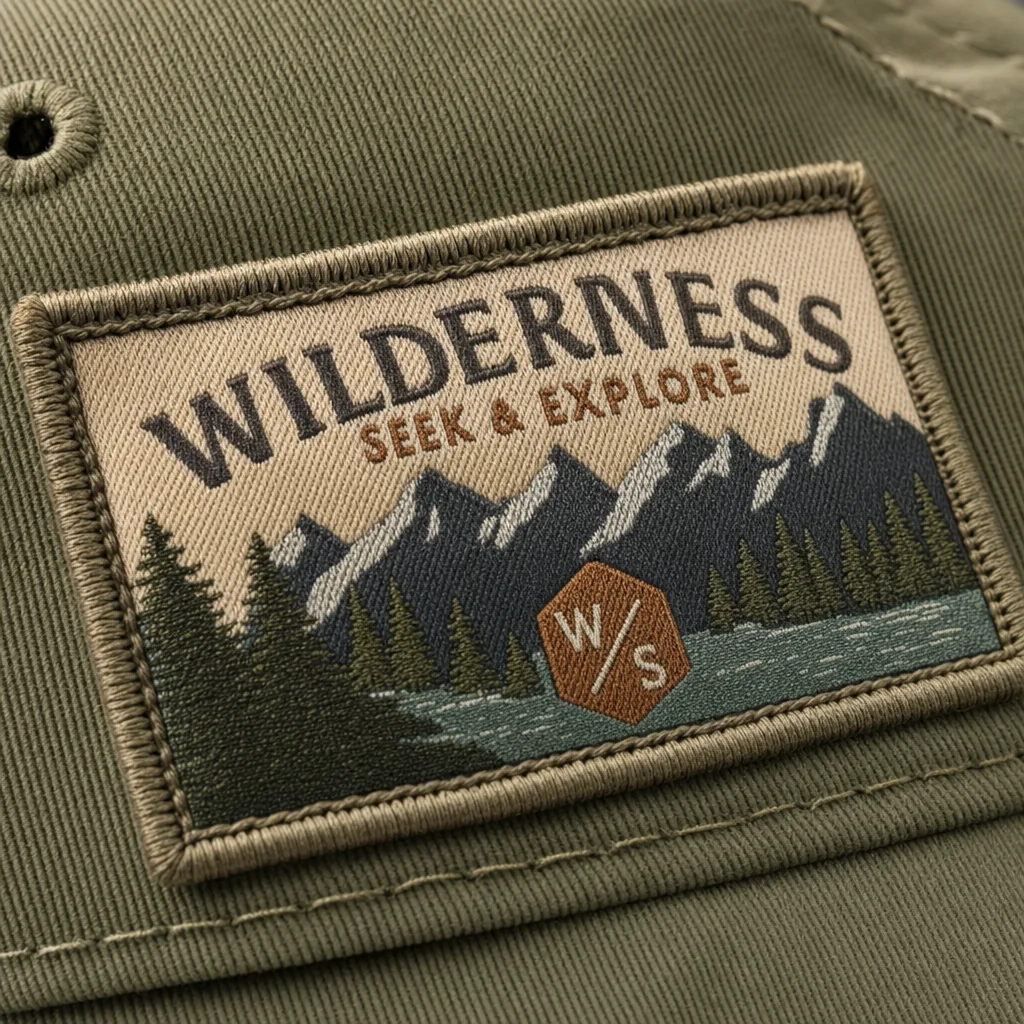
A patch hats sample approval process isn't a checkbox exercise — it's where your design intent meets production reality. Unlike plain embroidered hats where digitizing and stitch count are the main variables, custom patch hats introduce a separate manufacturing layer: patch fabrication, edge finishing (merrowed, laser-cut, or heat-sealed), and attachment method (sew-on, Velcro, or snap-back compatibility). Each decision cascades into cost and lead time. A merrowed-edge patch, for example, requires a dedicated looping machine and adds 2–3 days to the sample cycle. Buyers who skip a structured approval plan often discover that their Pantone-matched thread looks different on 600D polyester versus cotton twill backing, or that a 4-inch patch won't sit flat on a structured crown. That's why the patch hats sample approval process must be treated as a parallel sourcing track — not a subset of standard hat sampling.
The sourcing plan diverges most sharply at the digitizing and material confirmation stage. For hat patch custom orders, the embroidery file must be optimized for patch density (typically 60–70% of cap embroidery density) to prevent puckering on the patch substrate. We see frequent delays when buyers approve a patch design without specifying the backing material — PVC, woven, or embroidered felt each require different needle configurations and adhesive layers. A 3D puff patch, for instance, demands a foam underlay that adds 0.15–0.25 RMB per unit in material cost alone. Lead time compounds further: patch fabrication runs 5–7 days, followed by attachment to the hat body and final QC. Without a separate timeline, buyers end up compressing the AQL 2.5 inspection window, risking bulk rejects for misaligned patches or color shift beyond Delta-E 1.5.
Cost and compliance hinge on decisions made during the patch hats sample approval process. A single patch revision — say, changing from a woven to an embroidered construction — can reset the sample fee by 120–180 RMB and add 4 days. For hat patches custom orders bound for EU retailers, the patch adhesive must comply with REACH SVHC limits, which adds 3–5 days for third-party lab testing if not pre-validated. Our standard practice at CrownsForge is to lock the patch spec (size, edge type, attachment method) before the first sample run, then use a digital color approval via Pantone TCX references to avoid physical re-shipments. Buyers who bundle patch sampling into a generic hat plan routinely face 30–40% higher sampling costs and delayed production starts. A separate sourcing plan with a dedicated patch timeline keeps MOQ at 500–1,000 units per style while maintaining a 25–30 day total lead time from sample approval to bulk shipment.
Factory capability checks before quoting
Before a single quote lands on your desk, a factory must prove it can execute the specific construction your design demands. For custom patch hats, this means verifying embroidery capability first — not just any machine, but multi-head Tajima or Barudan units with 9 to 12 needles per head, capable of running 270-degree or 360-degree patch sew-down without puckering. A factory that subcontracts embroidery loses control over stitch density, thread tension, and registration accuracy, which directly impacts the patch hats sample approval process. We check whether the shop can handle both woven and PVC patches, because the backing material (heat-seal vs. sew-on) changes the digitizing parameters and the final look. If your design includes a raised 3D puff patch, the machine must support foam underlay; without that, the patch will flatten after washing. These are the non-negotiables that separate a 30-day sample cycle from a 60-day disaster.
Panel construction and closure options are equally critical. A hat with custom patch requires a structured front panel (usually 100% cotton twill or polyester mesh at 220–280 gsm) to hold the patch flat without buckling. For unstructured styles, the fabric must be lighter — around 180 gsm — but still rigid enough to prevent the patch from sagging. We test the snapback closure for snap retention (minimum 50 open-close cycles without failure) and the strapback for buckle durability. If the buyer wants a strapback with a metal buckle, we verify the plating process (nickel vs. antique brass) to avoid corrosion complaints. The sample room must have a dedicated digitizer who understands how patch density (typically 8,000–12,000 stitches per square inch) interacts with fabric stretch. A factory that rushes this step will deliver a sample where the patch edges curl or the fabric wrinkles around the sew-down line.
Audit readiness and communication speed are the final gatekeepers. A factory that passes sedex-audit-cap-supplier-guide.html">BSCI 2.0 or Sedex SMETA 4-Pillar audits demonstrates consistent labor practices and environmental controls, which is non-negotiable for European or North American buyers. We also check whether the sample room can produce a first article within 5–7 business days for a standard patch hat, and whether they offer a digital proof (PDF or 3D render) before cutting fabric. If the factory cannot reply to a design revision email within 24 hours, the patch hats sample approval process will stall. For hat patches custom orders, we insist on a pre-production sample that includes the actual patch material, thread color matching to Pantone TCX (with Delta-E under 2.0), and a wash test report. Without these checks, your quote is just a guess.
MOQ, pricing and sample approval
MOQ is not one fixed number for patch hats; it changes with patch construction, crown style, and how much machine time the logo consumes. Woven patches usually pencil out at 300 pieces per design, while embroidered patches often start at 500 because Tajima or Barudan setup, thread changes, border stitching, and backing application eat labor before the first saleable unit comes off the line. For a standard 5-panel or 6-panel snapback, realistic FOB pricing usually sits around $3.80-$4.20 at 300-600 units, $3.20-$3.60 at 600-1,200, and $2.80-$3.10 above 1,200, assuming the hat body, patch, and basic assembly are included. The patch hats sample approval process starts with a $75-$150 setup charge per artwork version, covering digitizing for embroidery or vector prep for woven construction, plus a first-article sample that must be approved as a PPS before bulk starts. That sample needs to show patch placement, stitch density, edge finish, and backing on the actual crown, because a patch that looks flat and clean on paper can pull or dome once it is sewn onto a structured panel.
Color control is where time gets burned. We lock hat fabric and thread references to Pantone TCX, then check against the approved swatch under D65 light with a practical Delta-E target of 2.0 or less; if the match is looser than that, production drift shows up fast once the sample-room light is gone. Stitch count matters too: a dense embroidered patch at 7,000-12,000 stitches can add $0.15-$0.25 per unit versus a simpler 5,000-7,000-stitch build, especially when the design uses satin borders, underlay, or layered fills. Backing is not cosmetic. Heat-seal is fine for retail and event caps, while Velcro or sew-on backing is better for tactical, team, or workwear use. On the hat itself, expect another $0.30-$0.80 for options like branded sweatbands, contrast undervisors, premium snap closures, or custom eyelets, and packaging can move landed cost by 5%-8% depending on whether you want bulk packs or a polybag with header card.
Lead times stay tight only after approval is locked. A clean digital mock-up should come back in about 48 hours, a physical PPS in 8-12 working days, and bulk production in roughly 25-30 working days for orders under 1,200 units once the sample is signed off. If the order climbs above 1,200 pieces, add 5-7 days for fabric cutting and line balancing, especially with custom-dyed panels or special trims. The patch hats sample approval process should usually stop at two rounds: one round for artwork, placement, and color comments, then one physical approval. Holding approval longer than 7 days after receipt can cost you the production slot, because embroidery heads and sewing lines are typically booked 2-3 weeks ahead. Rush sampling is possible in about 5 working days, but only when Pantone references, patch size, backing, and thread chart are already frozen; otherwise you are paying for speed on top of uncertainty, which is the wrong place to spend money.
Quality inspection and shipping risk
Shipping risk is not a logistics problem—it is a documentation and compression problem. After the patch hats sample approval process closes, the first physical failure point is the carton label. A mismatch between the stated 48 pieces and the actual 50 on the packing list triggers a forwarder rejection at the container yard, and customs brokers will not touch a last-minute HS code correction. The real test comes when 50 to 100 patch hats are packed per export carton: crown height, brim curve, patch placement, and adhesive or stitch security that looked clean on a table can distort under compression. On FOB terms, the buyer controls freight booking and can consolidate shipments for a better all-in rate; on DDP, the factory carries brokerage, duty, HS code classification, and last-mile delivery, which reduces clearance stress for first-time importers but leaves less control over timing if the broker misreads the tariff line.
Repeat orders drift fast without a frozen record set. The re-order packet must include the approved golden sample, stitch-out file, fabric and patch spec, Pantone TCX references, tolerance sheet, carton label photo, and the pilot lot inspection result. Tajima, Barudan, and ZSK embroidery heads reproduce the same design differently if the digitizing file, thread tension, or backing choice changes, so the patch hats sample approval process only stays stable when the approved parameters are archived in writing. Our standard practice is to link lot numbers, carton IDs, and AQL 2.5 inspection records together, because when a buyer opens a claim two months later, traceability to the exact approval set beats a vague email trail every time. A single operator or machine change without a re-approval step can introduce a 0.5 mm patch shift that passes visual check but fails a retail buyer's template.
For larger programs, build a pre-shipment checkpoint on the first 300 to 500 pieces or one full carton from each size/colorway, then measure defect rate against AQL 2.5: wrong patch position, loose merrow edge, crooked eyelets, color drift above Delta-E 1.0, or crushed crown. That is the point where a cheap fix still exists—a re-stitch or a backing swap costs cents per unit. After the container is sealed, every mistake turns into a chargeback, a reshipment, or a missed launch date. If the buyer is selling into retail or licensed sports channels, a one-week delay can cost more than the freight delta between FOB and DDP, so the approval file should also note who owns each handoff: factory QC, forwarder, customs broker, warehouse receiving, and the buyer's own inbound inspection. A missed handoff at the warehouse receiving stage is the most common cause of a 30-day delay that the buyer blames on the factory.
Buyer checklist for the next RFQ
A usable RFQ starts with the patch spec, not the cap silhouette. Send a flat-lay of the target hat, front and back views of the patch zone, and one close-up with a ruler in frame so the factory can judge curvature, seam crossings, and usable panel width. State the patch construction, finished size in millimeters, edge finish, backing, and attachment method, then define the cap build separately: structured or unstructured, 5-panel or 6-panel, mid or high crown, curved or flat brim, closure type, and whether the front panel has buckram reinforcement. In the patch hats sample approval process, this is where pricing moves the most. A 3D PVC patch, merrowed embroidered patch, laser-cut leather patch, chenille patch, and woven patch all have different tooling, labor, and reject rates; if the buyer only says “patch,” the first quote is usually off by 10 to 30 percent.
Artwork should be production-ready, not something the factory has to redraw. Provide AI, EPS, or layered PDF files with editable text, then specify color the right way: Pantone TCX for the cap body, Pantone Solid Coated for printed, PVC, or enamel-style patch elements, and target Delta-E limits up front. For tighter branded programs, I’d set Delta-E under 2.0; for general promo work, under 3.0 is usually acceptable. If the patch is embroidered or mixed media, include stitch count targets, thread type and finish, and whether the edge is merrowed, die-cut, or laser-cut. Placement matters too: front panel, side, back, over a seam, or on a curved crown all change needle path, puckering risk, and whether the sample can be built on a Tajima, Barudan, or ZSK head without hand correction.
Quantity bands matter because MOQ and sample cost change by process, not just by factory. A debossed leather patch on 300 gsm cotton twill has a different setup cost than a molded silicone patch on brushed cotton or an acrylic wool blend, and the RFQ should split out artwork proof, patch strike-off, sewn sample, tooling, production MOQ, and bulk lead time. A realistic sample budget is $25 to $80 for a simple sewn patch hat and $80 to $180 when a mold, metal die, or custom silicone tool is involved, with 7 to 14 days for the first sample and another 5 to 10 days after revisions. State the commercial term too, such as FOB Ningbo or DDP to the final warehouse, and specify the inspection standard, usually AQL 2.5 for major and minor defects. Our standard practice is to treat the pre-production sample as the last approval gate, because that is where color registration, stitch density, and patch hand-feel stop hiding behind renderings.
Working with CrownsForge
Our patch hats sample approval process starts with a two-tier sampling structure that cuts buyer guesswork. The stock-sample stage (3–5 business days, $45–$65 per style) uses generic blanks to verify patch placement, size, and embroidery density before any custom fabric is cut. For the full-production prototype (7–10 business days, $120–$180 per style), we switch to your exact shell fabric, Pantone-matched thread, and sewn-in custom patch hats. We digitize your vector art directly onto our Tajima 12-needle heads, producing a .DST file we share for approval before any thread touches the machine. This upfront step prevents the most common rejection reasons: misaligned seams, puckered patches, or off-register colors. We also run a Delta-E color check on the patch against your Pantone TCX submission, ensuring the hat patches custom order matches within a 1.5 tolerance before moving to bulk production.
Once the sample is approved, we lock the spec into a QC protocol that mirrors the final AQL 2.5 inspection. Our decorators work on Barudan and ZSK machines, and each patch for hat custom run is inspected at three points: after digitizing, after sewing, and after final steaming. We photograph the approved sample against a color card and archive it as a digital reference; any deviation during bulk production triggers a stop-work order until the decorator re-aligns to the sample. For hat with custom patch designs requiring multiple patch layers or dimensional embroidery, we add a pre-production mockup of the patch itself—printed on fabric and sewn onto a test cap—to verify stiffness and peel resistance. This layered check reduces the risk of a 10,000-piece order failing at final QC, which we've seen happen with less rigorous processes.
Export coordination is embedded into the patch hats sample approval process from day one. We assign a dedicated production coordinator who tracks your sample through every stage—digitizing, sewing, QC, packing—and sends you a photo-based progress report at each milestone. For FOB Yiwu or Shanghai, we consolidate samples into your bulk shipment without extra freight; for DDP orders, we handle customs classification and HS code assignment (typically 6505.00 for caps with patches). We also maintain BSCI 2.0 and Sedex SMETA 4-Pillar certifications, so if your compliance team requests audit documentation during the sampling phase, we provide it within 48 hours. The result is a seamless handoff from sample to production, with no surprises in cost or timeline.
Frequently Asked Questions
How long does production take?
Sampling takes 7 to 12 days. Bulk production runs 20 to 30 days depending on quantity, fabric availability and decoration complexity. Inspection and packing adds another 3 to 5 days before shipment.
Do you support sustainability certifications?
Yes. We work with GOTS organic cotton, GRS-certified recycled polyester, OEKO-TEX Standard 100 fabrics, and are BSCI and Sedex audited. Certification documentation can be provided per order.
What file format should I send for my logo?
Vector files (AI, EPS, PDF) are ideal. High-resolution PNG or JPG at 300 dpi on transparent background works as a fallback. Provide Pantone color references for accurate reproduction.
What is the minimum order quantity (MOQ) for custom hats?
Our standard MOQ is 100 pieces per design and color, with sampling available from 1 piece. For complex multi-color logos or premium fabric upgrades, the MOQ can be lowered with a small per-piece surcharge.
Can I order a sample before bulk production?
Yes. We strongly recommend approving a pre-production sample before mass production. Samples are charged at 35 to 60 USD each plus express shipping, fully refundable against confirmed bulk orders over 500 pieces.
How does ordering custom hat leather patch work?
When evaluating custom hat leather patch, the key considerations are construction quality, decoration capability, MOQ flexibility and lead time. Explain the buyer intent behind patch hats sample approval process, when it differs from generic hat sourcing, and what decisions affect cost, lead time and compliance. Cover embroidery, patch, fabric, panel construction, closure options, sample room capability, audit readiness and communication checks.
What's the MOQ for custom leather patch hat low minimum?
When evaluating custom leather patch hat low minimum, the key considerations are construction quality, decoration capability, MOQ flexibility and lead time. Explain the buyer intent behind patch hats sample approval process, when it differs from generic hat sourcing, and what decisions affect cost, lead time and compliance. Cover embroidery, patch, fabric, panel construction, closure options, sample room capability, audit readiness and communication checks.
How does ordering custom leather patches for hats work?
When evaluating custom leather patches for hats, the key considerations are construction quality, decoration capability, MOQ flexibility and lead time. Explain the buyer intent behind patch hats sample approval process, when it differs from generic hat sourcing, and what decisions affect cost, lead time and compliance. Describe how CrownsForge manages patch hats sample approval process programs with sampling, decoration, QC and export coordination.
How does ordering custom patch trucker hats work?
When evaluating custom patch trucker hats, the key considerations are construction quality, decoration capability, MOQ flexibility and lead time. Explain the buyer intent behind patch hats sample approval process, when it differs from generic hat sourcing, and what decisions affect cost, lead time and compliance. Describe how CrownsForge manages patch hats sample approval process programs with sampling, decoration, QC and export coordination.
How are patches applied to hats?
Position your patch on the front, side, or brim of the hat. Preheat the iron to medium heat. Place a cloth over the patch to protect it from direct heat. Press the iron firmly for 30–40 seconds, applying steady pressure.
How long does it take to make a patch?
Time estimate to complete one patch: One patch can take an entire day to hand embroider if you do it by hand including the breaks in the middle of the workday. They are cost-effective and effective identity builders in a variety of situations. Multiple patterns and designs may be used using embroidered pattern designs.
Looking for a reliable hat manufacturer in China?
CrownsForge has produced custom hats for 800+ brands across 40 countries. From 100-piece launches to 100,000-piece retail programs, we deliver on time and on spec.
Get in touchRelated guides
Custom Leather Patch Hat Low Minimum: A 2026 B2B Sourcing Guide
Read article →
Mens Beanies: Properties, Costs and How to Spec It Right
Read article →
Bulk Trucker Hats Export Shipping Checklist for Custom Hat Buyers - Cost & MOQ Breakdown - Supplier Checklist
Read article →We hope this guide demystifies patch hats sample approval process for custom hat buyers - cost & moq breakdown and helps you move forward with confidence. If you have questions specific to your project, our English-speaking sales engineers are one message away.