
Patch Hats Sample Approval Process for Custom Hat Buyers (2026 Update)
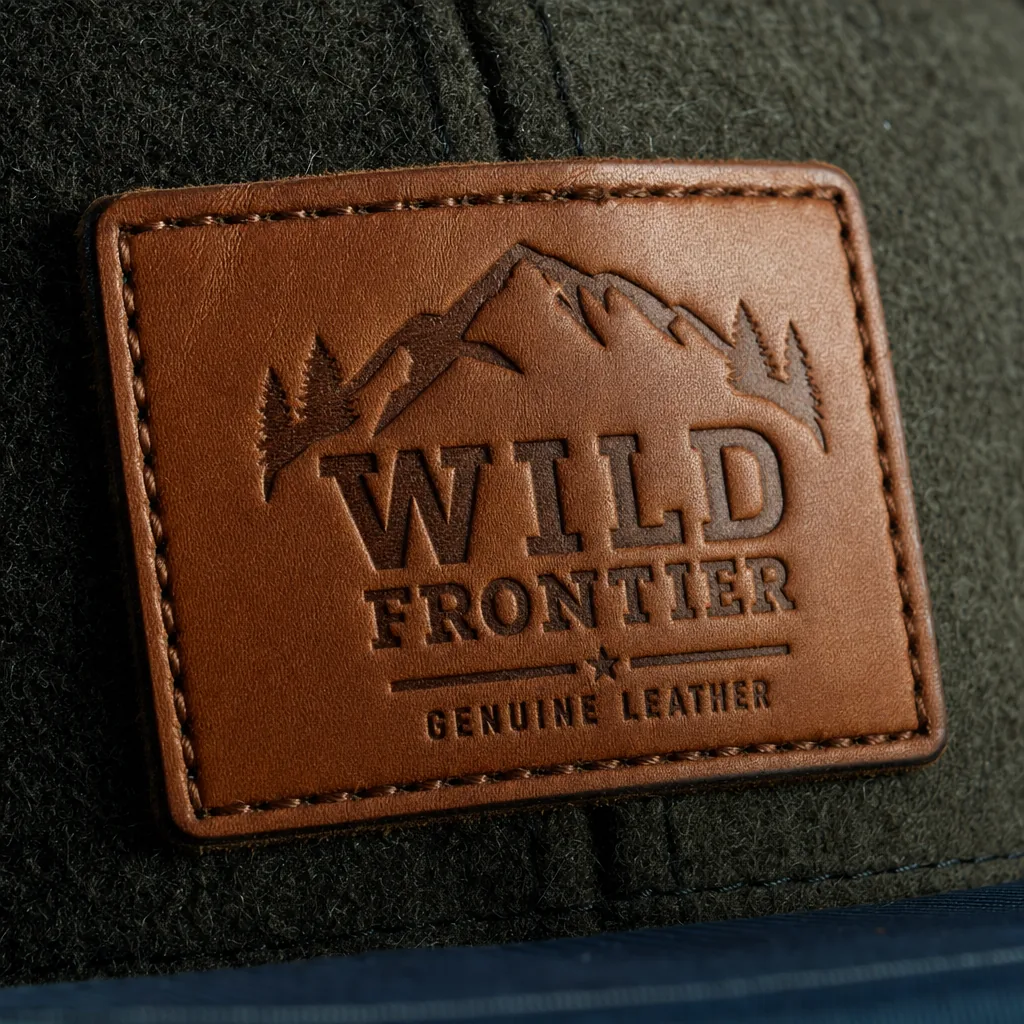
Every week, our sales team answers detailed questions about patch hats sample approval process for custom hat buyers (2026 update). We wrote this guide so that wholesalers, streetwear brands, corporate buyers and promotional resellers can compare options with full information, and avoid the traps that show up only after production has started.
Why patch hats sample approval process needs a separate sourcing plan
Most delays start when buyers source a patch cap as if it were a standard cap plus one trim. On the factory floor, the patch hats sample approval process is really three linked approvals: the hat body, the patch construction, and the attachment performance after shaping, packing, and wear. A direct-embroidered 6-panel cotton twill cap on Tajima or Barudan heads can usually be sampled in 5 to 7 working days. Once you add a patch, the path often stretches to 10 to 18 working days because you may need a woven strike-off, merrow width confirmation, laser-cut edge trial, backing selection, and a placement test on the actual crown profile. The risk is not the artwork in isolation; it is the interface between the patch and the front panel. A patch that looks sharp on a flat approval board can still cause buckling over buckram, uneven stitch margins, seam grin near the center front, or edge lift after carton compression at 12 to 15 kg stacking load.
The sourcing plan changes again depending on patch type, because each construction has its own tooling, compliance, and failure points. Woven patches made with 50D to 75D yarn can hold detail below about 0.8 mm line width better than standard embroidery, but they usually require a separate loom setup fee of around $35 to $80 and tighter shade control against Pantone TCX or coated references, ideally within Delta-E 1.5 to 2.0. Embroidered patches need decisions on stitch density, merrow width, twill ground, and backing weight; leather, PU, microfiber suede, and molded PVC need crocking, odor, migration, and heat-aging checks before they ever reach the cap line. For EU programs, REACH screening should be confirmed before sampling if the patch includes PU, PVC, metal hardware, or dyed leather. For kids, licensed sports, and mass retail, lock CPSIA, phthalates, azo dyes, and nickel release requirements before booking patch materials, not after a pre-production sample is already approved.
Cost and lead time are usually driven more by the patch route than by the cap shell. A stock brushed twill or chino cotton hat body may sit around $1.80 to $3.20 FOB, while the patch can add $0.22 for a simple woven badge, $0.45 to $0.75 for a stitched embroidered emblem, or $1.10 and up for debossed leather, molded PVC, or layered felt constructions. Attachment needs its own sourcing plan as well: stitch-down is slower but mechanically reliable; heat-press adhesive is fast but fails too often on corduroy ribs, brushed surfaces, and low-surface-energy coatings; hook-and-loop systems add labor and often require stiffer front buckram to avoid a collapsed crown. The cleanest sequence is patch strike-off first, then placement approval on the exact cap style, then a wearable pre-production sample checked for center-front alignment, ±2 mm placement tolerance, rub resistance, and appearance after packing. At CrownsForge, that order catches the expensive failures early, and it also forces visibility on subcontracted patch vendors that should meet sedex-audit-cap-supplier-guide.html">BSCI 2.0 or Sedex SMETA 4-Pillar standards before bulk starts.
Factory capability checks before quoting
Do not accept a quote until the factory proves it can make your exact cap-and-patch combination in-house or through controlled approved vendors. In the patch hats sample approval process, the first real risk is not price; it is process mismatch. A 70D woven damask patch, 2.0-2.5 mm molded PVC badge, merrowed twill patch, and laser-cut TPU emblem all behave differently on a curved front panel. Edge finish, backing, needle system, press temperature, dwell time, and cooling all change. If the supplier only runs older 9-head flat-bed embroidery machines and outsources patch production ad hoc, expect failures on satin borders under 2.5 mm, warped PVC on low-temp shells, or scorching when heat-applying onto corduroy or brushed cotton. Ask for recent production records from Tajima, Barudan, or ZSK heads and actual sample photos showing front crown, side panel, and back arch placements without tunneling, panel torque, or needle strikes around the patch perimeter.
The second capability check is whether the factory understands structure before it quotes. A competent team should specify body fabrics by construction, not vague names: 108x58 cotton twill at 260-280 gsm, brushed chino around 240 gsm, 16-wale corduroy, 600D polyester, nylon taslon, or wool-acrylic blend, plus sweatband options from 180 to 220 gsm. It should also know when the shell itself creates risk: a 5-panel camper cannot take a wide center-front patch if the artwork crosses the seam, and an unstructured 6-panel will telegraph a heavy heat-applied badge unless the front is reinforced. Closure quality belongs in the same check; brittle snapback resin, weak hook-and-loop, and plated buckles that fail 24-hour salt-spray all become claim issues later. At CrownsForge, unusual combinations like suede patches on washed canvas or embossed rubber on ripstop are not quoted blind; we request swatches, closure samples, and a patch mockup first because that is where hidden labor, setup loss, and reject risk usually sit.
Sample-room discipline is the last filter before you trust a timeline. In a reliable patch hats sample approval process, the factory should digitize embroidery in-house, strike off patch colors to Pantone TCX or Pantone Coated references, test adhesion on the actual shell fabric, and return a first prototype in 5-7 working days. Ask for hard tolerances: dyed fabric Delta-E target, patch size tolerance, stitch count control, backing specification, and whether samples are checked against an internal standard equivalent to AQL 2.5 before shipment. Good technicians flag problems before the first sample leaves the room: patch width exceeding crown curvature, merrow edge colliding with eyelets, or a heat-applied badge printing through a soft low-profile front. Also verify operational controls early: BSCI 2.0 or Sedex SMETA 4-Pillar status, needle log discipline, metal detection if the program involves children’s headwear, and sample traceability by PO, revision code, and material lot.
MOQ, pricing and sample approval
MOQ on custom patch hats is driven by setup loss and changeover time, not the cap blank. A 48-piece run is only commercially sane when you stay on a stock 5-panel or 6-panel shell, one fabric, one closure, one colorway, and a standard embroidered or woven patch with no special packing. Add custom-dyed fabric, size splits, multiple colorways, or separate cutting markers, and the real floor MOQ jumps to 100-144 pcs. Once you specify molded PVC, debossed rubber, printed seam tape, custom sweatband print, barcode labels, and individual retail boxes, 300 pcs is usually the break-even point where fixed charges stop wrecking the FOB. Typical setup costs in Zhejiang are not huge, but they stack fast: embroidery digitizing $15-35 per file, woven patch carding $40-80, PVC mold opening $120-250, and laser-cut twill applique development $20-50. As a live benchmark, a stock cotton twill cap with one sewn woven patch usually lands around $3.20-4.80 FOB at 144 pcs, while a melton wool snapback with merrowed patch, custom inside taping, satin label, and hangtag is more realistically $5.80-8.50 FOB at 300 pcs.
The patch hats sample approval process should finish with a physical PPS sample in hand, not a WeChat photo, not a PDF mockup, and definitely not verbal approval. Before bulk cutting starts, lock five things in writing: crown profile and front panel height, patch placement tolerance of +/-2 mm, Pantone references for shell fabric and patch yarn, patch construction, and the full trim pack from closure to packing method. On embroidered patches, the most common failure is over-digitized art; once fill density gets too tight, especially below roughly 0.40-0.45 mm row spacing in small satin areas, the patch starts tunneling, edge distortion shows up, and sewing onto the crown amplifies the problem. On woven patches, damask construction in 50-75 denier yarn holds much finer detail than embroidery, but reversed text under about 1.2 mm still needs simplification or the loom will close it up.
Color approval needs hard tolerances because a center-front patch exposes mismatch much faster than side embroidery. For shell fabric against woven patch yarn, a realistic target is Delta-E under 1.5 for licensed retail programs and under 2.0 for standard promotional orders; PVC, merrow border thread, and heat-transfer inks often drift wider because they are different material systems. If the buyer submits Pantone TCX for fabric and Pantone C for printed or patch elements, someone has to resolve that conversion before sample making starts, especially on black, athletic red, and fluorescent shades where metamerism shows under store lighting. Our standard practice is one physical PPS for at least one production colorway, plus strike-offs or lab dips for the rest, with trims approved at the same time: snap finish, eyelet color, care label copy, polybag warning text, carton marks, and barcode position. A straightforward PPS sample usually takes 7-10 days; bulk production after sign-off is typically 18-28 days, while custom boxes, split packing, and peak-season FOB booking can easily add another week.
Quality inspection and shipping risk
Most claims are created at sample sign-off, not after the vessel sails. If the approved hat is only "looks good," the factory has nothing measurable to inspect against. A workable patch hats sample approval process ties the sealed sample to a spec sheet, defect library, and AQL plan before cutting, fusing, embroidery, or molding starts. For caps, I would write tolerances as crown height ±0.5 cm, brim length ±0.3 cm, finished circumference ±1.0 cm after forming, top button centering ±2 mm, and front patch placement ±2 mm horizontal / ±3 mm vertical. Patch defects also need factory-grade language: edge lift above 1 mm, merrow break, exposed bobbin, skipped underlay, satin column thinning, heat-bond delamination, strike-through glue, and puckering at the patch perimeter. CrownsForge standard practice is to archive ruler photos, inside seam photos, bent-brim profiles, and Pantone TCX references under D65 light so inline QC and final inspection are comparing to a fixed standard, not somebody's memory on the sewing floor.
Mixed-material hats are where approvals usually collapse. A 100% cotton twill crown can match the desk sample, then shift after wash or steaming while the patch stays stable, leaving visible contrast or torque once the front panel is curved. If the program uses merrowed twill, PVC, suede microfiber, felt, or woven labels on reactive-dyed fabric, I would not release bulk without colorfastness targets of grade 4 dry crocking, 3-4 wet crocking, grade 4 perspiration, and grade 4 light fastness, with patch-to-body shade control typically held within Delta-E 1.5-2.0 against the approved standard. Digitizing risk should be checked on formed caps, not flat tables: Tajima, Barudan, and ZSK heads will expose weak files fastest on narrow satin borders under 2.5 mm, where registration drift, poor fill coverage, and border wobble over 1.5 mm become obvious after steaming.
Packing errors and customs paperwork create more chargebacks than most buyers expect. Every master carton should match the booking exactly: PO, style, color, quantity, carton sequence, gross and net weight, dimensions in cm, country of origin, and shipping mark. If the shipment mixes snapbacks, truckers, and unstructured dad caps, carton labels should also show inner-pack ratio and SKU breakdown to prevent warehouse short-receipt claims. Under FOB Ningbo or Shanghai, cargo should not be released until final inspection passes and the packing list, carton map, and commercial invoice match the booking cutoff line for line; one wrong carton count or weight can trigger forwarder rework and roll the shipment to the next sailing. The shipping-risk side of the patch hats sample approval process should also lock down HTS classification, fiber-content labeling, importer details, backing type, twill gsm, thread brand, closure spec, and signed golden-sample date, because that is what keeps reorders six months later from becoming visibly different goods with technically correct paperwork.
Buyer checklist for the next RFQ
If you want a quote that survives sampling, send the decoration package before asking for unit price. Most failures in the patch hats sample approval process come from vague patch specs: raster logo only, no finished size, no edge construction, no backing callout. A usable RFQ includes vector art in AI, EPS, or layered PDF; finished patch size in mm; patch type; edge finish; backing; and attachment method to the cap. Name the patch construction exactly: embroidered, woven, dye-sublimated twill, chenille, debossed PU or genuine leather, TPU, silicone, or molded PVC. A 55 x 35 mm patch can cost about $0.15 to $0.25 as a simple woven label, $0.35 to $0.65 as embroidery, and $0.90 to $1.20 as multi-level PVC before attachment labor. If it is PVC, state thickness, usually 1.2 to 2.5 mm, plus the number of color levels and whether the surface is matte or gloss. If it is embroidery, specify stitch coverage, satin vs tatami areas, and whether 2 mm or 3 mm EVA foam is allowed for 3D.
Color control and cap construction need the same level of discipline, or the sample will pass visually and still fail bulk expectations. Lock critical shades with Pantone Solid Coated for logos and trims, or Pantone TCX when textile dyeing is required, and call out any Delta-E tolerance if shade matching matters across fabric and patch materials; in practice, Delta-E under 1.5 is realistic for hard materials, while dyed textiles often land closer to 2.0 to 3.0. Then specify the hat body with real build data: 5-panel foam trucker, 6-panel structured baseball, low-profile unstructured dad cap, rope cap, or bucket; fabric weight such as 270 gsm cotton twill or 180 gsm brushed poly; mesh denier; visor board type; sweatband; seam tape; eyelets; and closure, whether 7-hole snap, self-fabric strap, or YKK metal buckle. Patch placement should be dimensioned from center front and visor seam, not described as “slightly higher.” On low-profile crowns, a 3 mm shift is obvious; on foam truckers, bad placement can wrinkle the front panel or skew the sew line.
The RFQs that move fastest also freeze commercial terms and approval standards before the first sample is cut. State quantity by colorway, any size split, target Incoterm such as FOB Ningbo or DDP to a named U.S. ZIP code, and the required ex-factory or ship window. If your acceptance level is AQL 2.5, write it into the RFQ; if you need CPSIA, REACH, California Proposition 65, needle policy records, BSCI 2.0, or Sedex SMETA 4-Pillar, include those requirements before sampling rather than after approval. For repeat programs, attach side-by-side photos of an approved previous run and mark what must match: crown profile, visor curve, patch edge finish, stitch density, and patch hand feel. Our standard practice is to treat one page as non-negotiable: artwork files, BOM, measured placement drawing, Pantone references, packaging spec, carton marks, barcode format, quantity, ship window, and one written note naming the features that cannot change. That single line prevents the usual re-quote disaster when a “same hat” quietly adds molded backing, individual polybags, retail hangtags, or testing.
Working with CrownsForge
Most delays in the patch hats sample approval process are caused by approving artwork before locking the physical cap build. A patch that looks centered on a PDF can distort once it is sewn over a curved front panel, especially on low-profile crowns with soft support. The first approval needs to tie cap architecture to patch construction at the same time: crown height, front panel structure, buckram weight, visor curl, closure, sweatband, and exact patch type. A 65 mm merrow-edge patch may sit cleanly on a structured 5-panel trucker with 1.8-2.0 mm PE foam and hard buckram, then wrinkle badly on a 6-panel brushed cotton cap backed only with 80-100 gsm fusible. That is why the sample spec should call out not just size, but thickness, border finish, backing, and seam interaction. Color approval also needs to be handled like production, not aesthetics. We normally ask buyers for Pantone TCX references for fabric and Pantone Solid Coated or Madeira thread references for logo colors, then confirm tolerance before sampling starts. For serious brand programs, Delta-E under 2.0 on hero colors is realistic; under 3.0 is acceptable for secondary shades, lining, or interior tape. If the patch is woven damask, embroidered twill, molded PVC, debossed PU, or genuine leather, each material reflects color differently under D65 light, so a “close enough” digital mockup is useless. At CrownsForge, we would rather spend one extra day on a proper strike-off than lose a week remaking a hat after the buyer notices patch lift, color drift, or seam distortion on the first physical sample.
A sample only protects the order if it is built through the same route as bulk. If the production spec says 260-280 gsm cotton twill, 600D polyester, or 100% nylon Taslon, then the sample must use that exact shell, not substitute stock fabric from the development room. Fabric density changes needle penetration, patch laydown, and how much the front panel recovers after hooping. The sample comments should freeze attachment details in measurable terms: satin stitch width, stitch density, SPI where relevant, needle size, backing weight, and whether the patch uses hidden tacks, heat film, or full perimeter sew-down. Leather patches usually need lower density to avoid perforation tear-out; woven patches need tighter edge control to stop corner lift after carton pressure. Changing from a sewn woven patch to a heat-applied PVC badge after fit approval typically adds 7-10 days and a fresh strike-off charge of about $35-$80, depending on tooling. Final approval is not “the photo looks good”; it is placement, tolerance, and QC standards frozen in writing. Center-front patch position should be measured from crown seam and visor centerline, not judged by eye. On Tajima, Barudan, or ZSK cap frames, a structured cap can usually hold patch placement within ±2 mm; on unstructured crowns or patches crossing a seam, ±3 mm is a more honest tolerance. Once the sealed sample is signed, BOM, packing method, barcode location, and shipping marks should stop moving. Inline and final inspection should then run against a written standard, commonly AQL 2.5 for major defects and AQL 4.0 for minor, with patch-specific checks for skipped perimeter stitches, merrow fray, adhesive bleed, PVC scratching, leather delamination, visor asymmetry, and carton crush risk. If shipment is FOB Ningbo or Shanghai, sign-off has to work backward from vessel cutoff; under DDP, oversized trucker cartons can add roughly $0.18-$0.40 per cap in chargeable freight, so carton dimensions belong in the approval stage, not after production starts.
Frequently Asked Questions
How long does production take?
Sampling takes 7 to 12 days. Bulk production runs 20 to 30 days depending on quantity, fabric availability and decoration complexity. Inspection and packing adds another 3 to 5 days before shipment.
Do you support sustainability certifications?
Yes. We work with GOTS organic cotton, GRS-certified recycled polyester, OEKO-TEX Standard 100 fabrics, and are BSCI and Sedex audited. Certification documentation can be provided per order.
What file format should I send for my logo?
Vector files (AI, EPS, PDF) are ideal. High-resolution PNG or JPG at 300 dpi on transparent background works as a fallback. Provide Pantone color references for accurate reproduction.
What is the minimum order quantity (MOQ) for custom hats?
Our standard MOQ is 100 pieces per design and color, with sampling available from 1 piece. For complex multi-color logos or premium fabric upgrades, the MOQ can be lowered with a small per-piece surcharge.
Can I order a sample before bulk production?
Yes. We strongly recommend approving a pre-production sample before mass production. Samples are charged at 35 to 60 USD each plus express shipping, fully refundable against confirmed bulk orders over 500 pieces.
How does ordering custom hat leather patch work?
When evaluating custom hat leather patch, the key considerations are construction quality, decoration capability, MOQ flexibility and lead time. Explain the buyer intent behind patch hats sample approval process, when it differs from generic hat sourcing, and what decisions affect cost, lead time and compliance. Cover embroidery, patch, fabric, panel construction, closure options, sample room capability, audit readiness and communication checks.
What's the MOQ for custom leather patch hat low minimum?
When evaluating custom leather patch hat low minimum, the key considerations are construction quality, decoration capability, MOQ flexibility and lead time. Explain the buyer intent behind patch hats sample approval process, when it differs from generic hat sourcing, and what decisions affect cost, lead time and compliance. Cover embroidery, patch, fabric, panel construction, closure options, sample room capability, audit readiness and communication checks.
How does ordering custom leather patches for hats work?
When evaluating custom leather patches for hats, the key considerations are construction quality, decoration capability, MOQ flexibility and lead time. Explain the buyer intent behind patch hats sample approval process, when it differs from generic hat sourcing, and what decisions affect cost, lead time and compliance. Describe how CrownsForge manages patch hats sample approval process programs with sampling, decoration, QC and export coordination.
How does ordering custom patch trucker hats work?
When evaluating custom patch trucker hats, the key considerations are construction quality, decoration capability, MOQ flexibility and lead time. Explain the buyer intent behind patch hats sample approval process, when it differs from generic hat sourcing, and what decisions affect cost, lead time and compliance. Describe how CrownsForge manages patch hats sample approval process programs with sampling, decoration, QC and export coordination.
How are patches applied to hats?
Position your patch on the front, side, or brim of the hat. Preheat the iron to medium heat. Place a cloth over the patch to protect it from direct heat. Press the iron firmly for 30–40 seconds, applying steady pressure.
How long does it take to make a patch?
Time estimate to complete one patch: One patch can take an entire day to hand embroider if you do it by hand including the breaks in the middle of the workday. They are cost-effective and effective identity builders in a variety of situations. Multiple patterns and designs may be used using embroidered pattern designs.
Looking for a reliable hat manufacturer in China?
CrownsForge has produced custom hats for 800+ brands across 40 countries. From 100-piece launches to 100,000-piece retail programs, we deliver on time and on spec.
Get in touchRelated guides
Custom Leather Patch Hat Low Minimum: A 2026 B2B Sourcing Guide
Read article →
Mens Beanies: Properties, Costs and How to Spec It Right
Read article →
Bulk Trucker Hats Export Shipping Checklist for Custom Hat Buyers - Cost & MOQ Breakdown - Supplier Checklist
Read article →We hope this guide demystifies patch hats sample approval process for custom hat buyers (2026 update) and helps you move forward with confidence. If you have questions specific to your project, our English-speaking sales engineers are one message away.