
Patch Hats Reorder Planning Guide for Custom Hat Buyers
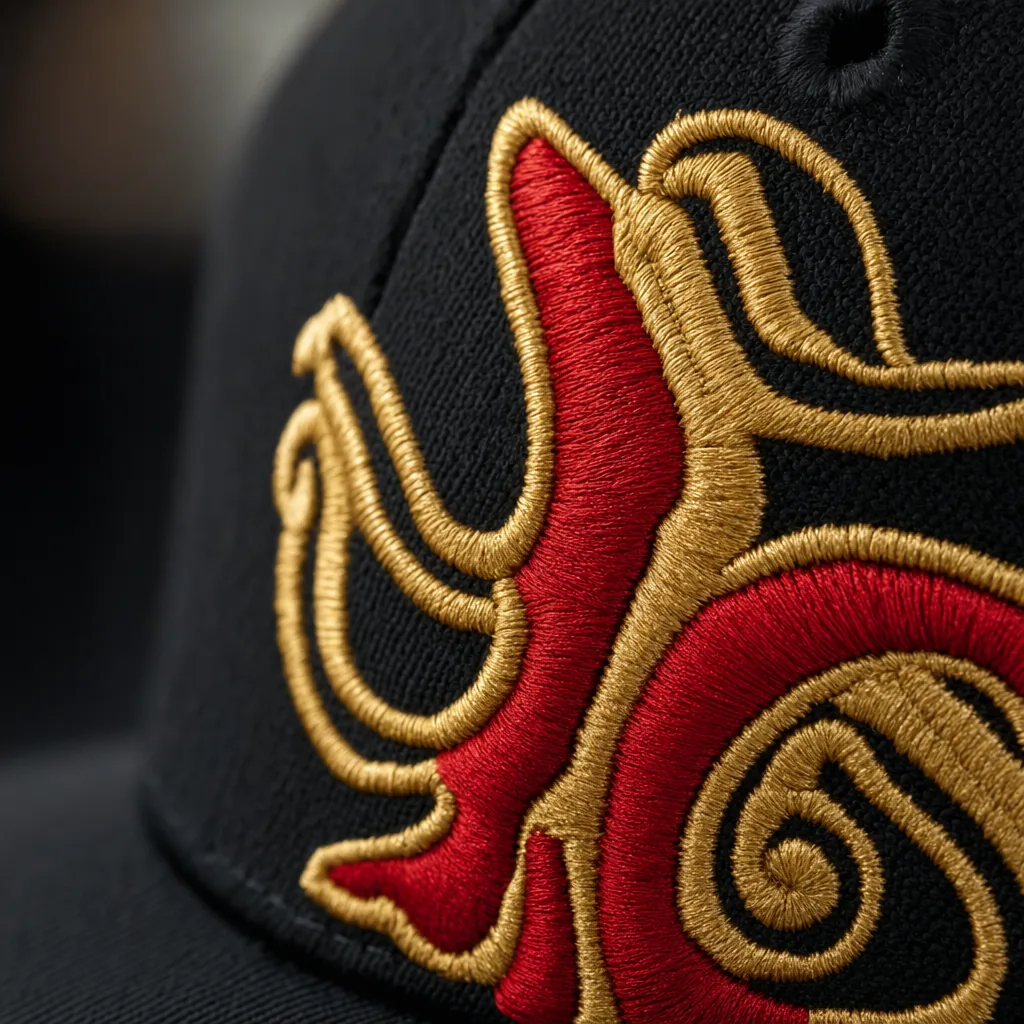
Every week, our sales team answers detailed questions about patch hats reorder planning guide for custom hat buyers. We wrote this guide so that wholesalers, streetwear brands, corporate buyers and promotional resellers can compare options with full information, and avoid the traps that show up only after production has started.
Why patch hats reorder planning guide needs a separate sourcing plan
Patch hats behave like a two-part product, not a normal cap order, so a patch hats reorder planning guide has to separate cap body sourcing from patch production. A 6-panel cotton twill cap may be ready in 18–25 days, but a woven patch, rubber PVC patch, leather deboss patch, or sublimated patch can add 7–20 days depending on mold, backing, edge finish, and color matching. Buyers searching this topic usually are not asking, “Can you make custom patch hats?” They are asking how to avoid stockouts, repeat the same look across multiple drops, and control small differences that customers notice: patch height, stitch density, merrow border thickness, adhesive bleed, and placement tolerance within ±2 mm on the front panel.
Generic hat sourcing starts with fabric, silhouette, and decoration method; hat patch custom sourcing starts with the repeatability of the patch itself. If the first order used a 2.2 mm PVC patch from a steel mold, the reorder cost is lower because the mold is already paid, often $80–$180 saved per design. If it used genuine leather, the reorder risk is shade variation; even “black” leather can shift by Delta-E 2–4 between lots. For woven hat patches custom work, thread color should be locked to Pantone TCX or Madeira/Isacord codes, not described as “navy” or “khaki.” A hat with custom patch also needs attachment planning: heat press, satin stitch, zigzag stitch, rivets, or Velcro each changes labor cost by roughly $0.15–$0.80 per cap and affects wash durability.
Compliance and lead time are where reorders fail quietly. If a buyer changes from cotton twill to recycled polyester, or from PU leather to genuine leather, the factory may need new REACH, CPSIA, Prop 65, or country-of-origin documentation, especially for retail and licensed sports programs. Our standard practice at CrownsForge is to keep a reorder file with approved cap pattern, patch artwork, mold number, Pantone references, AQL 2.5 inspection points, and carton marks, because one missing detail can turn a 30-day repeat into a 50-day remake. A practical patch for hat custom reorder plan should decide minimum stock trigger, patch preproduction quantity, packaging rules, audit requirements such as sedex-audit-cap-supplier-guide.html">BSCI 2.0 or Sedex SMETA 4-Pillar, and whether shipment is FOB Ningbo/Shanghai or DDP to the buyer’s warehouse.
Factory capability checks before quoting
The sample room and compliance desk are where reorder risk becomes visible. A capable sample room should turn a hat with custom patch in 7–12 days after artwork approval, keep retained samples with signed spec sheets, and record thread, fabric, patch material, stitch files, mold number, closure, packing method, and carton marks. Our standard practice at CrownsForge is to run pre-production samples before bulk cutting, then inspect against AQL 2.5 major / 4.0 minor with measurement checkpoints for crown height, visor length, patch placement, seam symmetry, and color variance. Audit readiness is not decoration; if your customer is a retailer, ask for current BSCI 2.0, Sedex SMETA 4-Pillar, ISO 9001, or at least a recent social compliance report with corrective actions closed. Communication is the last capability check: a supplier handling hat patches custom work should answer technical questions in writing, flag MOQ risks, explain DDP versus FOB Yiwu/Ningbo costs, and send clear WIP photos before goods are packed.
MOQ, pricing and sample approval
MOQ planning for custom patch hats should start with the patch process, not the cap body. For woven patches, a realistic factory MOQ is 100–300 pcs per design, while chenille, leather debossed, PVC, and embroidered patches usually price cleanly at 300–500 pcs because molds, cutting dies, and color setup are spread across more units. At 100 pcs, expect a structured cotton twill snapback with an embroidered patch to land around US$7.20–10.80 FOB Ningbo/Shanghai; at 500 pcs it may drop to US$4.80–6.80, depending on fabric, crown construction, sweatband, closure, and patch size. Setup costs are separate: US$35–80 for embroidery digitizing, US$60–150 for woven patch artwork/loom setup, US$80–200 for PVC mold, and US$40–120 for leather embossing plates. A serious patch hats reorder planning guide should lock these setup files so reorders do not restart from zero unless the artwork, size, or backing changes.
Pre-production sample approval is where buyers either save the order or create a future claims problem. PPS should be checked against the approved tech pack: crown height, visor curve, seam alignment, patch placement tolerance, thread color, backing stiffness, and stitch density. For embroidered patches, I like to see satin borders at 0.8–1.2 mm density and fill stitches around 0.35–0.45 mm spacing; too dense and the patch cups, too loose and twill shows through. Pantone TCX or TPG references should be named before sampling, but fabric and thread still need visual approval under D65 light because a Delta-E under 2.0 is not always achievable across cotton twill, polyester thread, PVC, and faux leather. Our standard practice at CrownsForge is to photograph the PPS beside the Pantone chip and a ruler, then seal one physical sample for bulk comparison under AQL 2.5 final inspection.
Lead time depends on how many small decisions are already approved. A hat with custom patch using stock fabric, standard plastic snap, and normal polybag packaging can usually sample in 7–10 days and bulk produce in 25–35 days after deposit and PPS approval. Add 5–10 days for dyed-to-match fabric, custom metal buckle, branded sweatband, woven labels, barcode stickers, or retail carton marks. PVC and molded rubber patches can add another week if the mold needs revision, while chenille patches slow down when edge cutting or merrow border color is not confirmed early. Packaging is not cosmetic at reorder stage: individual polybags cost about US$0.03–0.06, hangtags US$0.05–0.12, printed inner boxes US$0.35–0.70, and Amazon-style FNSKU labeling adds labor. In a practical patch hats reorder planning guide, freeze trims and packaging codes before the first shipment so repeat orders can move straight to material booking.
Quality inspection and shipping risk
Quality risk on a reorder is usually not the patch itself; it is drift from the approved sample. For custom patch hats, I set AQL 2.5 for major defects and AQL 4.0 for minor defects, with a normal Level II sample size unless the PO is under 500 pieces. Critical checks include patch placement tolerance of ±2 mm from center front, crown height within ±5 mm, brim length within ±3 mm, and circumference within ±0.5 cm for adjustable caps. Patch edge lift, glue bleed, heat-press scorch marks, loose merrow threads, and crooked woven-label grain should be classified as major defects, not cosmetic comments. If the patch includes embroidery, Tajima, Barudan, or ZSK output should be checked for thread breaks, birdnesting, missing underlay, satin stitch gaps, and puckering around dense fills. A good patch hats reorder planning guide should also lock the inspection checklist to the last approved gold sample, not just the new tech pack.
Color and wash performance need hard numbers because “same as last time” is not a QC standard. For fabric, I prefer Pantone TCX or TPX references plus a measured Delta-E target under 1.5 for solids and under 2.0 for heather or enzyme-washed cotton twill. If the order uses 260–320 gsm cotton twill, 150D polyester, wool-blend felt, or suede-look microfiber, each material reacts differently to heat pressing and steaming. Colorfastness should be tested to rubbing and perspiration, especially on dark caps with light PVC, woven, chenille, or leather patches. Dry crocking should reach Grade 4, wet crocking at least Grade 3–4, and sweat staining should not migrate into off-white patch borders. For a hat with custom patch using embroidery over felt or twill, thread color should be matched by actual Madeira or Gunold thread code, not only by Pantone, because sheen changes under LED inspection lights.
Shipping errors are expensive because caps are bulky, and reorders often move faster than the paperwork. Carton markings should show PO number, SKU, color, size breakdown, carton count, net/gross weight, and country of origin; for retail or team-license programs, carton labels should also match the buyer’s barcode and carton SSCC format if required. Our standard practice at CrownsForge is to keep the reorder file with the approved patch artwork, digitized DST file, mold or die-cut reference, thread chart, packing method, carton dimension, and final inspection report from the previous run. FOB Ningbo or Shanghai usually gives buyers better control when they already have a forwarder; DDP is safer for small brands but can add USD 0.45–1.20 per cap depending on destination, duty code, and fuel surcharge. For any patch for hat custom reorder, confirm HTS code, Incoterms, insurance value, and booking cutoff before production finishes, not after cartons are sealed.
Buyer checklist for the next RFQ
A useful RFQ starts with the exact hat build, not just a logo file. For custom patch hats, send the cap style first: 5-panel camp cap, 6-panel structured snapback, unstructured Dad cap, trucker, bucket, or performance rope cap. Add fabric type and weight if known, such as 10 oz cotton canvas, 280 gsm brushed cotton twill, 150D polyester ripstop, nylon taslan, or poly mesh. Specify crown height, visor type, closure, sweatband, taping color, and whether the front panel needs buckram support for patch sewing. If you have a physical sample, include front, side, back, inside seam, closure, and visor underside photos with a ruler in frame. A patch hats reorder planning guide should also lock the previous order’s PO number, approved sample date, and any deviations you want corrected before asking for a firm quote.
Patch details drive price more than many buyers expect, so separate the cap spec from the patch spec. Send vector artwork in AI, EPS, or PDF, plus a Pantone TCX or coated Pantone reference for every color; screenshots from Canva are not enough for color matching. For a hat with custom patch, define patch type: woven, embroidered, chenille, PVC, leatherette, genuine leather, sublimated twill, or debossed suede. Include patch size in millimeters, border style, backing method, stitch-down thread color, and placement from visor seam to patch edge. If you are matching an earlier hat patch custom order, send clear photos of the approved bulk piece and close-ups of the patch texture, edge, and attachment stitching. For embroidery-style patches, we check stitch density, merrow border thickness, and thread color under D65 light; our standard practice at CrownsForge is to keep bulk color within Delta-E 1.5–2.0 when the material allows it.
For a firm quote, give quantities by colorway and size, not only total volume. A 1,000-piece order split into ten cap colors and six patch versions costs differently than two 500-piece colorways because cutting, thread changes, heat-press setup, and packing segregation all add labor. State target Incoterm, usually FOB Ningbo/Shanghai, EXW Yiwu, DDP USA, or DDP EU, and include delivery address if you want freight included. Add packing requirements: 25 pcs/polybag, individual polybags, UPC/FNSKU labels, carton marks, hangtags, or retail cartons. If the buyer needs BSCI 2.0, Sedex SMETA 4-Pillar, CPSIA, REACH, or Prop 65 documents, say so before sampling because compliant trims and test reports affect lead time and cost. A complete patch hats reorder planning guide should also list target ship date, approved AQL level such as AQL 2.5 major/4.0 minor, payment terms, and whether pre-production samples must be couriered before bulk cutting.
Working with CrownsForge
QC and export planning decide whether a reorder arrives sellable, not just whether it ships on time. Our standard practice is inline inspection after panel cutting, decoration inspection before crown assembly, and final AQL 2.5 inspection for major defects such as off-center patches, loose stitching, color mismatch, dirty sweatbands, and carton marking errors. For a patch for hat custom order, I want the inspector checking peel strength on heat-pressed patches, needle damage around leather patches, and puckering on structured fronts after blocking. Export coordination should be built into the same reorder calendar: book fabric, confirm patch production, reserve sewing capacity, schedule inspection, then align FOB Ningbo or DDP delivery with the buyer’s launch date. BSCI 2.0 or Sedex SMETA 4-Pillar documentation, HS codes, packing lists, and logo authorization letters should be ready before final inspection. A good patch hats reorder planning guide prevents air freight surprises, which can add $2.80–$5.50 per cap on urgent U.S. deliveries.
Frequently Asked Questions
What is the minimum order quantity (MOQ) for custom hats?
Our standard MOQ is 100 pieces per design and color, with sampling available from 1 piece. For complex multi-color logos or premium fabric upgrades, the MOQ can be lowered with a small per-piece surcharge.
Do you support sustainability certifications?
Yes. We work with GOTS organic cotton, GRS-certified recycled polyester, OEKO-TEX Standard 100 fabrics, and are BSCI and Sedex audited. Certification documentation can be provided per order.
How long does production take?
Sampling takes 7 to 12 days. Bulk production runs 20 to 30 days depending on quantity, fabric availability and decoration complexity. Inspection and packing adds another 3 to 5 days before shipment.
What logo decoration techniques do you offer?
3D puff embroidery, flat embroidery, woven patch, leather patch, PVC patch, screen printing, sublimation, applique and laser etching, all in-house with no subcontracting.
Can I order a sample before bulk production?
Yes. We strongly recommend approving a pre-production sample before mass production. Samples are charged at 35 to 60 USD each plus express shipping, fully refundable against confirmed bulk orders over 500 pieces.
How does ordering custom hat leather patch work?
When evaluating custom hat leather patch, the key considerations are construction quality, decoration capability, MOQ flexibility and lead time. Explain the buyer intent behind patch hats reorder planning guide, when it differs from generic hat sourcing, and what decisions affect cost, lead time and compliance. Cover embroidery, patch, fabric, panel construction, closure options, sample room capability, audit readiness and communication checks.
What's the MOQ for custom leather patch hat low minimum?
When evaluating custom leather patch hat low minimum, the key considerations are construction quality, decoration capability, MOQ flexibility and lead time. Explain the buyer intent behind patch hats reorder planning guide, when it differs from generic hat sourcing, and what decisions affect cost, lead time and compliance. Cover embroidery, patch, fabric, panel construction, closure options, sample room capability, audit readiness and communication checks.
How does ordering custom leather patches for hats work?
When evaluating custom leather patches for hats, the key considerations are construction quality, decoration capability, MOQ flexibility and lead time. Explain the buyer intent behind patch hats reorder planning guide, when it differs from generic hat sourcing, and what decisions affect cost, lead time and compliance. Describe how CrownsForge manages patch hats reorder planning guide programs with sampling, decoration, QC and export coordination.
How does ordering custom patch trucker hats work?
When evaluating custom patch trucker hats, the key considerations are construction quality, decoration capability, MOQ flexibility and lead time. Explain the buyer intent behind patch hats reorder planning guide, when it differs from generic hat sourcing, and what decisions affect cost, lead time and compliance. Describe how CrownsForge manages patch hats reorder planning guide programs with sampling, decoration, QC and export coordination.
Ready to start your custom hat project?
Send us your tech-pack, sketch or even just an inspiration photo. We will respond with a detailed quotation and digital mock-up within 24 hours.
Request a free quoteRelated guides
Custom Embroidered Hat: The 2026 Sourcing & Manufacturing Playbook
Read article →
Custom Cap PP Sample Approval: What to Freeze Before Production
Read article →
Cotton Twill Baseball Cap: Properties, Costs and How to Spec It Right
Read article →We hope this guide demystifies patch hats reorder planning guide for custom hat buyers and helps you move forward with confidence. If you have questions specific to your project, our English-speaking sales engineers are one message away.