
Patch Hats Decoration QC Checklist for Custom Hat Buyers - Supplier Checklist
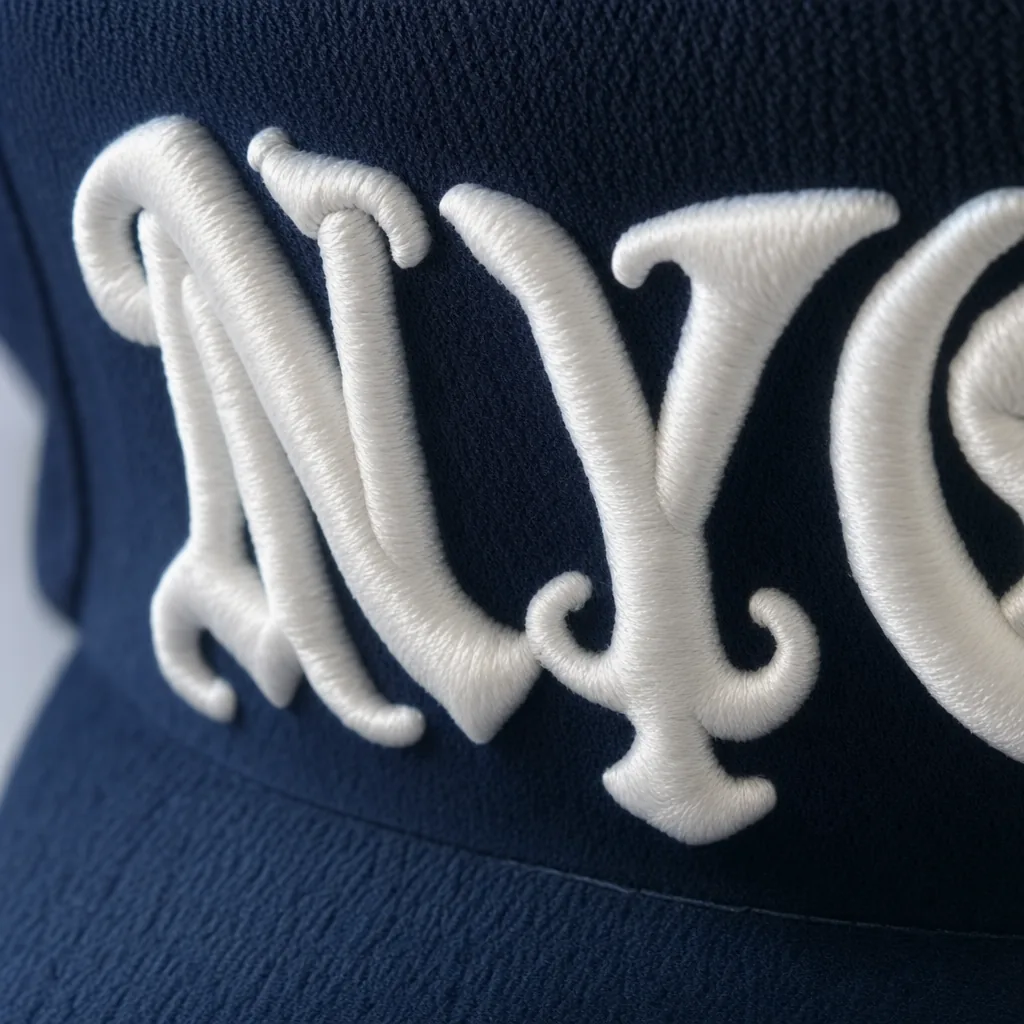
Patch Hats Decoration QC Checklist for Custom Hat Buyers - Supplier Checklist is one of the most-asked questions we receive from international buyers, and for good reason. With dozens of factories competing for your order and an alphabet soup of technical terms in every supplier quote, even experienced importers can feel lost. This guide consolidates what we have learned producing custom hats for clients in 40+ countries.
Why patch hats decoration qc checklist needs a separate sourcing plan
A patch program breaks in ways a standard embroidery order does not, which is why a proper patch hats decoration qc checklist needs its own sourcing plan from day one. Buyers are managing three patch-specific risks at once: visual texture, legibility at small scale, and bond strength after transit and wear. A 3D molded PVC badge, merrow-edge twill patch, and laser-cut PU patch may all go onto the same 280 gsm cotton twill 6-panel, but each one reacts differently to needle penetration, press temperature, dwell time, and carton compression. The costly mistake is treating the patch like a late trim choice after crown, visor, and closure are approved. On the factory floor, that usually means resampling and lost production slots, because PVC tooling, woven label setup, laser-cut nesting, and embroidery digitizing on Tajima or Barudan heads run on separate timelines from cap cutting and sewing. In practice, that disconnect adds 5 to 12 days and often creates preventable placement, color, or attachment problems that never appear on a plain embroidered cap.
A generic cap inspection covers panel symmetry, seam alignment, visor shape, and shell shade; a patch hats decoration qc checklist has to go further into substrate, border finish, backing, stitch density, adhesive film, and placement tolerance. Detail retention is the first trap. Woven patches in 50D to 75D polyester can usually hold text around 1.0 to 1.2 mm, while embroidered patches need thicker strokes and wider counters because thread spread softens corners and closes small openings. Color control also needs separate acceptance standards: shell fabric might pass at Delta-E 1.5 to 2.0 against a Pantone TCX reference, but PVC, PU, felt, and twill reflect light differently under D65 lighting and need their own approved visual standard. Cost and risk shift just as fast. A sewn twill patch typically adds about $0.35 to $0.70 per cap at 1,000 pieces, while a custom molded PVC or silicone badge often adds $80 to $200 in tooling plus $0.60 to $1.20 per unit. If the patch uses PU, rubber, metallic film, or specialty ink, compliance also changes; buyers may need REACH, CPSIA, or Proposition 65 screening on the patch BOM, not just the cap body, and final bulk inspection should check attachment security and placement to AQL 2.5, not rely on standard cap criteria alone.
Factory capability checks before quoting
A patch quote is meaningless until the factory proves it can run your decoration program at production speed, not just show one clean showroom sample. In this part of a patch hats decoration qc checklist, I check process range, attachment method, and color control before I even look at price. A capable supplier should present multiple recent samples across merrowed woven patches, satin-stitch embroidered patches, TPU or PVC badges, debossed PU leather patches, and printed twill emblems, with defect history if available. Then verify the actual equipment: Tajima, Barudan, or ZSK embroidery heads; laser cutting for consistent outlines; calibrated swing-away heat presses with temperature, pressure, and dwell-time records; and post-bed or cylinder-bed sewing machines for attaching shaped patches on curved crown panels. If the team cannot state hard limits—minimum border width 1.5-2.0 mm, merrow width around 2.5-3.0 mm, stitch density in stitches per square centimeter, adhesive type, backing spec, and Delta-E tolerance of 1.5-2.0 against approved Pantone TCX references—the quotation is guesswork. The same applies to sew-down method: 2-3 mm edge bite, needle size, SPI, and whether the patch is applied pre-assembly or on the finished cap directly affect labor minutes, distortion risk, and rejection rate.
Base-cap capability matters as much as patch capability because most failures show up at attachment: puckering, crown collapse, skewed placement, or needle damage. A factory quoting custom patch hats should define the shell in measurable terms—cotton twill at 260-320 gsm, brushed canvas around 10 oz, 14-wale corduroy, 600D polyester, or performance microfiber at 140-180 gsm—and explain how each behaves under embroidery, heat sealing, or sew-down. Foam-front truckers often telegraph stitch lines through the laminate; unstructured 6-panel caps pucker at patch corners; pigment-dyed cotton shows needle marks and batch-to-batch shade variation. Construction must be quoted just as precisely: 5-panel foam trucker with laminated front, 6-panel dad cap without buckram, or high-profile snapback with full buckram support are different products from both a cost and QC standpoint. Before moving past quotation, I want confirmation that the sample room can deliver patch strike-offs, rubber badge mold checks, and revised fit samples in 5-7 working days while holding placement tolerance to +/-3 mm on finished goods. Current sedex-audit-cap-supplier-guide.html">BSCI 2.0 or Sedex SMETA 4-Pillar audits, a written needle control policy, and an AQL 2.5 final inspection template should be standard, not special requests.
MOQ, pricing and sample approval
MOQ gets distorted on patch programs because you are buying two production processes, not one: the patch itself and the cap that carries it. For most factories, the true floor is 100 to 144 pcs per SKU for a standard 6-panel cap with one embroidered or woven patch; below that, setup cost stops being absorbable and the unit price jumps fast. Embroidered patch digitizing usually runs $25 to $60, woven patch loom setup and color separation $40 to $90, and any special edge construction adds more: merrow border die charges around $80 to $150, laser-cut edge development $30 to $70, and soft PVC mold tooling can reach $180 to $250. At 300 pcs, a 260 gsm brushed cotton twill dad cap with a sewn embroidered patch commonly lands at $3.20 to $4.80 FOB Ningbo, while an 80/20 acrylic-wool snapback with a woven patch, custom inside taping, and branded trims is more like $4.90 to $7.20. Any quote that does not name patch type, backing, border finish, patch size, and attachment method is not firm pricing; it is a future dispute disguised as a quotation.
A solid patch hats decoration qc checklist starts at PPS approval, not final random inspection. The PPS sample must use the actual shell fabric, actual patch backing, exact patch dimensions, placement measured from center front and visor seam, closure, sweatband, and final retail packing; approving a loose patch on a stock blank cap is nearly useless. Color sign-off should reference Pantone TCX for textile components and Pantone C only for printed artwork, with tolerance written into the PO. On dyed chino twill or canvas, Delta-E under 1.5 is excellent and under 2.0 is commercially acceptable; anything above that needs written approval before bulk. For embroidered patches run on Tajima or Barudan heads, 2 mm copy and dense fills tighter than about 0.40 to 0.45 mm spacing often create puckering unless underlay, pull compensation, and stitch path are corrected first.
Trims, attachment, and packing need to be locked in the same gate because that is where resale complaints usually start. The BOM should freeze woven labels, hangtags, barcode stickers, insert cards, polybag thickness at 0.04 mm or 0.05 mm, suffocation warning text, export carton ratio, and patch attachment standard. For sewn-on patches, specify stitch density, edge bite, thread trimming, and acceptable placement tolerance; in practice, more than 3 mm off-center at front should fail. For heat-applied patches, define adhesive coverage and peel performance after full cooling; for hook-and-loop-backed patches, confirm loop panel dimensions, corner lift risk, and needle damage around the sew line. Under AQL 2.5, skipped stitches, exposed adhesive, raw edges inconsistent with the approved sample, or patch skew visible at arm’s length should be treated as real defects, not cosmetic notes to ignore at shipment.
Quality inspection and shipping risk
The costliest error is treating final inspection as a photo approval instead of a measurable release standard. A workable patch hats decoration qc checklist starts in the PO: sealed approval sample, tech pack with placement points, and a defined sampling plan. For most custom cap orders, I would set critical defects at 0, major defects at AQL 2.5, and minor defects at AQL 4.0, then inspect against the approved spec rather than whatever the line calls acceptable. On adult 6-panel caps, practical tolerances are usually crown height ±0.5 cm, brim length ±0.3 cm, and finished circumference ±1.0 cm depending on snapback, strapback, or fitted construction. Patch placement needs its own dimensions, not a visual note. Measure from center front and from the adjacent seam; a 3 mm shift is visible immediately on a front panel and looks worse in e-commerce close-ups. If the shell fabric is 260-320 gsm brushed cotton twill, acrylic wool blend, or recycled polyester, check whether sewing tension or heat pressing has pulled the panel off grain, because distorted patch placement can still pass a casual photo review while failing retail presentation.
Patch defects do not behave like flat embroidery, so they need separate checkpoints on the patch hats decoration qc checklist. Inspect merrow edge waviness, border fray, skipped stitches, rotation off the center seam, puckering at the stitch line, adhesive bleed, and edge lift after cooling. On caps run with Tajima or Barudan cap frames, the root cause is often not the embroidery head; it is poor backing selection, uneven frame tension, or bad press settings. For heat-applied badges, pull at least 3-5 pieces per carton and retest adhesion after 24 hours, because glue failures often show up only after full cooling. Color control needs numbers, not opinions: check the patch and cap body under D65 light, hold shade variance to Delta-E below 1.5 against the approved Pantone TCX reference where applicable, and require crocking performance of at least Grade 4 dry and wet. Record defects by category and line number, or recurring faults like needle cuts, distorted borders, and misaligned woven labels will repeat order after order.
Shipping risk starts at pack-out, not at the port. Carton marks should show PO number, style number, color, size if applicable, carton sequence, quantity, gross weight, net weight, and country of origin; missing data causes expensive receiving errors on mixed-style shipments. A common export carton for caps is 5-ply corrugate around 60 x 45 x 45 cm, but consistency matters more than carton size: same cap orientation, brim protection, approved polybag spec if used, and controlled carton count per size-color ratio. During humid-season departures from Ningbo or Shanghai, add a moisture-control plan with desiccant quantity per carton or master carton and verify burst strength before loading, especially if transit and transshipment will stretch 2-4 weeks. FOB usually makes sense when the buyer already controls consolidation and customs through its own forwarder; DDP only works cleanly when HS code, duty treatment, VAT responsibility, and final-mile handoff are fixed before shipment. Keep the inspection report, approved artwork, digitizing file version, patch material spec, and carton standard on file, or the reorder will drift in patch shape, shade, and fit.
Buyer checklist for the next RFQ
Lock the patch specification before asking for pricing; otherwise every quote is padded with assumptions. A 60 x 45 mm front patch can swing from about $0.18 for a printed twill badge to $1.20 or more for molded PVC or genuine leather once mold amortization, stitch count, edge finish, backing, and attachment labor are included. A solid patch hats decoration qc checklist should define, in one RFQ, the cap body construction and profile, fabric content and weight in gsm, closure type, exact patch size in mm, patch material, edge finish, backing, and attachment method. Write it the way the factory will build it: 6-panel brushed cotton twill, 260 gsm, low profile, antique brass buckle, 65 x 40 mm woven patch, merrow edge, paper backing, lockstitch sew-on. If the supplier has to guess between woven, embroidery, chenille, felt, TPU, leather, or screen-printed twill, the sample charge, MOQ, and lead time will move later. Remove freight and packing guesswork in the same document because landed cost changes faster than most buyers expect. State the Incoterm exactly—FOB Ningbo, CIF Los Angeles, or DDP to a ZIP code—and list packing details: 25 pcs per inner, 100 pcs per export carton, carton size limit, barcode format, carton mark, individual polybag yes or no, tissue stuffing, and size sticker requirements. On smaller runs, unclear packaging and duty assumptions can shift the real cost by $0.20 to $0.60 per hat. Also include the target ex-factory date and order breakdown by colorway and size, because 500 black caps with one patch is not priced the same as 5 colorways split 100 each. That split affects setup waste, line balancing, and inspection time.
Artwork quality decides whether the first sample is usable or a week gets lost in corrections. Send vector art in AI, EPS, or editable PDF, plus the right color references for the decoration type: PMS Solid Coated for ink-matched graphics and Pantone TCX for textile-based patch colors. A JPG is not enough for embroidery digitizing on Tajima, Barudan, or ZSK heads, and it is worse for woven patch setup where color count, border shape, and negative space need clean separation. Add a placement sheet with measurements from fixed landmarks such as crown centerline, front seam, visor seam, or side-panel edge. “Center front” is too vague when a 65 x 40 mm patch sits on a curved 6-panel crown and can visually drift 3 to 5 mm left or right. Set the acceptance standard before sampling, not after the PP sample is sewn. A workable patch hats decoration qc checklist should call out minimum text height, satin column width, border finish, backing type, color tolerance, and inspection level—for example Delta-E under 2.0 on printed patches and AQL 2.5 major / 4.0 minor at final inspection. Flag risky artwork early: text under 4 mm, satin columns under 0.8 mm, gradients, distressed outlines, metallic thread, 3D puff underlays, or heat-pressed leather on heavily curved crowns. Those details directly affect thread-break frequency, edge fray, patch deformation, and attachment consistency. If the order must meet retailer compliance, specify REACH, CPSIA, azo-free dye restrictions, nickel release limits, and required audits such as BSCI 2.0 or Sedex SMETA 4-Pillar before the supplier quotes.
Working with CrownsForge
The real make-or-break point is freezing a physical approval standard before bulk sewing starts. A patch hats decoration qc checklist should require five items to be sealed together: an approved strike-off, the exact patch substrate, the hat self-fabric swatch, Pantone TCX or TPG references, and a dimensioned placement sheet measured from fixed landmarks such as center front seam, visor stitch line, or side-panel seam. For branded orders, one pre-production sample per colorway is the bare minimum; on any run above 1,000 pieces, I would also pull a top-of-production sample from the first 20 to 30 caps off line. That catches the failures digital proofs never show: a merrow border that looks oversized on a low-profile 6-panel, twill tunneling after heat application, or artwork that reads centered on a flat panel but shifts once the crown is blocked. In practical terms, keep patch-face color within Delta-E 1.5 to 2.0, placement within +/-2 mm, and check alignment on a cap form rather than a flat table, especially for structured truckers and A-frame silhouettes where shape distortion creates false passes.
QC has to be written by patch type because embroidered, woven, TPU, PVC, and molded badges do not fail the same way. Embroidered patches run best when satin coverage is held around 0.35 to 0.45 mm stitch spacing on Tajima or Barudan heads, jump stitches are trimmed clean, and underlay is controlled so the edge does not curl after sewing. Woven patches need stable yarn density and properly sealed edges; once text drops below about 2.0 mm, legibility and fray resistance become the first inspection points. TPU and PVC patches need consistent mold depth, Shore hardness, and press response, because shallow relief washes out quickly if operators drift on platen temperature, dwell time, or pressure. Attachment deserves its own checkpoint: sew-on patches should show even SPI and no skipped lockstitches, hook-and-loop needs full perimeter bite with no corner lift, and heat-applied patches should be peel-tested only after a 24-hour cure. Final inspection should tie decoration back to shipment accuracy with AQL 2.5 for major defects and 4.0 for minor, covering patch skew, adhesive bleed, loose edge stitching, needle cuts, thread contamination, and mixed-carton packing errors.
Frequently Asked Questions
What logo decoration techniques do you offer?
3D puff embroidery, flat embroidery, woven patch, leather patch, PVC patch, screen printing, sublimation, applique and laser etching, all in-house with no subcontracting.
What file format should I send for my logo?
Vector files (AI, EPS, PDF) are ideal. High-resolution PNG or JPG at 300 dpi on transparent background works as a fallback. Provide Pantone color references for accurate reproduction.
Can I order a sample before bulk production?
Yes. We strongly recommend approving a pre-production sample before mass production. Samples are charged at 35 to 60 USD each plus express shipping, fully refundable against confirmed bulk orders over 500 pieces.
How long does production take?
Sampling takes 7 to 12 days. Bulk production runs 20 to 30 days depending on quantity, fabric availability and decoration complexity. Inspection and packing adds another 3 to 5 days before shipment.
Do you support sustainability certifications?
Yes. We work with GOTS organic cotton, GRS-certified recycled polyester, OEKO-TEX Standard 100 fabrics, and are BSCI and Sedex audited. Certification documentation can be provided per order.
How does ordering custom hat leather patch work?
When evaluating custom hat leather patch, the key considerations are construction quality, decoration capability, MOQ flexibility and lead time. Explain the buyer intent behind patch hats decoration qc checklist, when it differs from generic hat sourcing, and what decisions affect cost, lead time and compliance. Cover embroidery, patch, fabric, panel construction, closure options, sample room capability, audit readiness and communication checks.
What's the MOQ for custom leather patch hat low minimum?
When evaluating custom leather patch hat low minimum, the key considerations are construction quality, decoration capability, MOQ flexibility and lead time. Explain the buyer intent behind patch hats decoration qc checklist, when it differs from generic hat sourcing, and what decisions affect cost, lead time and compliance. Cover embroidery, patch, fabric, panel construction, closure options, sample room capability, audit readiness and communication checks.
How does ordering custom leather patches for hats work?
When evaluating custom leather patches for hats, the key considerations are construction quality, decoration capability, MOQ flexibility and lead time. Explain the buyer intent behind patch hats decoration qc checklist, when it differs from generic hat sourcing, and what decisions affect cost, lead time and compliance. Describe how CrownsForge manages patch hats decoration qc checklist programs with sampling, decoration, QC and export coordination.
How does ordering custom patch trucker hats work?
When evaluating custom patch trucker hats, the key considerations are construction quality, decoration capability, MOQ flexibility and lead time. Explain the buyer intent behind patch hats decoration qc checklist, when it differs from generic hat sourcing, and what decisions affect cost, lead time and compliance. Describe how CrownsForge manages patch hats decoration qc checklist programs with sampling, decoration, QC and export coordination.
What do I need to put patches on hats?
So what you'll need is a post bed sewing. Machine we use a FAF. Machine i mean it's not cheap it's like $3 $4,000. For the FAF. But really you need a sewing machine that has a raised bed.
Ready to start your custom hat project?
Send us your tech-pack, sketch or even just an inspiration photo. We will respond with a detailed quotation and digital mock-up within 24 hours.
Request a free quoteRelated guides
Embroidery Hats Machine: When to Use It, Costs, and What to Ask Your Factory (2026 Update)
Read article →
Custom Logo Hats: When to Use It, Costs, and What to Ask Your Factory (2026 Update)
Read article →
Custom Hat Embroidery: The 2026 Sourcing & Manufacturing Playbook
Read article →Sourcing custom hats does not have to be complicated. With the right manufacturing partner, clear specifications and a small upfront investment in sampling, you can launch a retail-quality product in 30 to 45 days.