
Patch Hats Decoration QC Checklist for Custom Hat Buyers - Cost & MOQ Breakdown - Cost & MOQ Breakdown (2026 Update) - Supplier Checklist
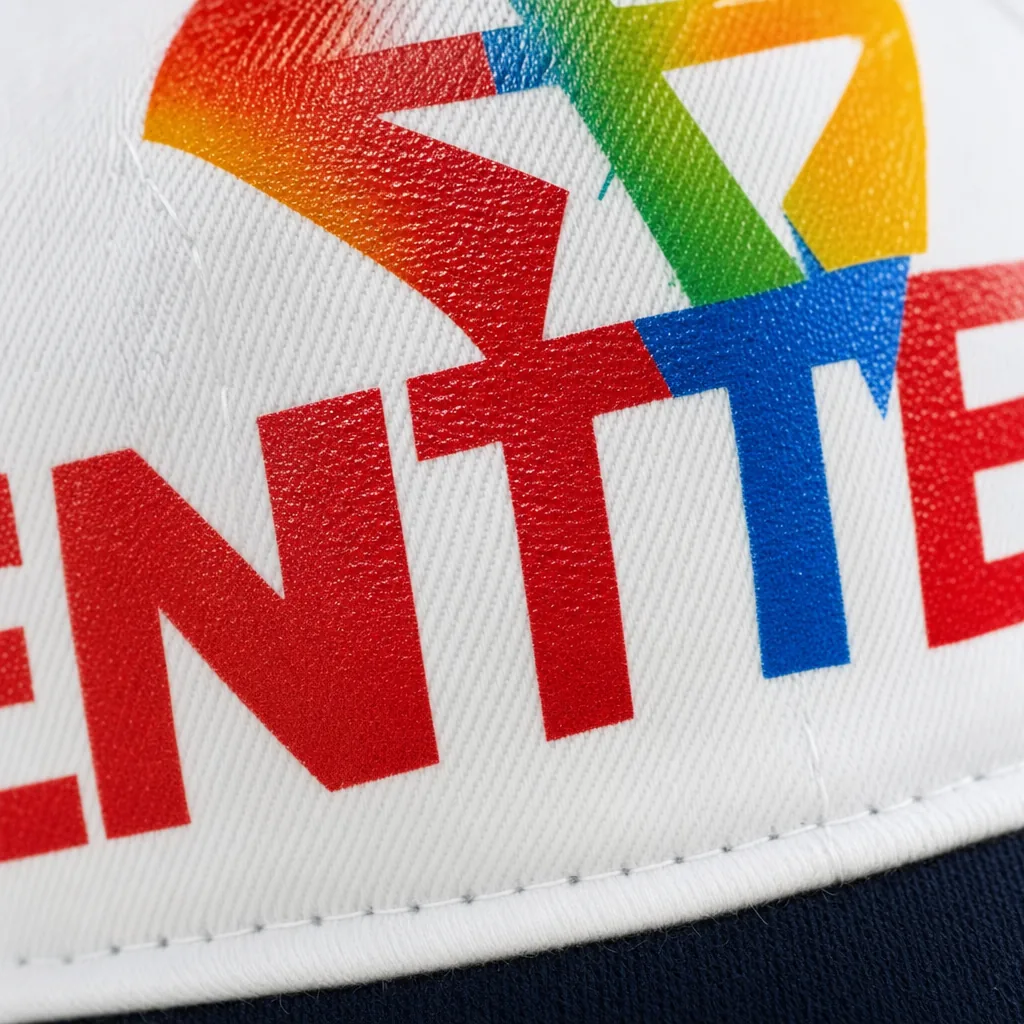
Every week, our sales team answers detailed questions about patch hats decoration qc checklist for custom hat buyers - cost & moq breakdown - cost & moq breakdown (2026 update) - supplier checklist. We wrote this guide so that wholesalers, streetwear brands, corporate buyers and promotional resellers can compare options with full information, and avoid the traps that show up only after production has started.
Why patch hats decoration qc checklist needs a separate sourcing plan
Patch hats need a separate sourcing plan because the logo is no longer controlled by one production line. A normal cap inspection covers crown height, visor curve, panel symmetry, seam tension, size tolerance, shade band, needle detection, and carton marks. A patch hats decoration qc checklist has to add patch substrate, backing method, border construction, stitch density, adhesive film, heat-press dwell time, placement tolerance, and wash behavior before bulk cutting starts. For center-front patches, I use +/-2 mm from the crown axis, +/-1 mm on finished patch size, and Delta-E under 1.5 against the approved Pantone TCX or Pantone Coated reference. PVC, woven polyester, embroidered twill, chenille, microfiber leather, and genuine leather do not sit the same on a curved 5-panel or 6-panel crown. PVC can cup at the corners, chenille can crush under excess pressure, and leather can darken or curl when the hot-melt film is too aggressive. This is where tilted logos, puckered panels, glue halos, and photo-approved samples start failing after wear testing.
Cost and MOQ change once the patch is engineered instead of quoted as a flat logo. At 500 pieces, a merrowed embroidered twill patch usually adds $0.45-$0.90 per cap, depending on stitch count, thread colors, and Tajima, Barudan, or ZSK machine time. Woven patches often land at $0.35-$0.70, but lettering below 1.5 mm needs cleanup or it will close up after border sewing. Soft PVC normally carries a $60-$180 mold charge and adds $0.70-$1.60 per cap based on thickness, color count, recessed detail, and whether the back is sew-on, Velcro, or heat-transfer film. Debossed microfiber leather or genuine leather runs about $0.55-$2.20 when laser-cut edges, oil finish, foil stamping, or numbered lots are specified. Lead time also moves: caps may sew in 12-18 days, while molded PVC, custom-dyed chenille, or lab-dipped leather can add 7-14 days before attachment. CrownsForge approves patches on the actual crown fabric because 280 gsm cotton twill, 160 gsm nylon taslan, and recycled polyester ripstop react differently to pressure, heat, and dense border stitching.
Compliance risk is higher than direct embroidery because patches introduce adhesives, coatings, dyes, rubber compounds, metal trims, and often a subcontracted badge workshop outside the audited cap factory. For EU and U.S. retail, the sourcing file should require REACH SVHC screening, CPSIA lead and phthalate compliance for children’s caps, azo-free dye confirmation, and nickel release testing when rivets, metal emblems, or snap-in backings are used. For licensed sports, university, and promotional programs, inspect patch decoration at AQL 2.5 major / 4.0 minor with clear defect codes: off-center placement, Delta-E color drift, loose edge stitching, glue bleed, border fray, heat scorch, barcode mismatch, and broken carton traceability. I also require a minimum 5 kg pull test for stitched or heat-applied patches, plus a 3-cycle hand-wash or perspiration rub test for streetwear caps expected to see repeat wear. The patch hats decoration qc checklist should confirm that both the sewing factory and badge supplier hold current sedex-audit-cap-supplier-guide.html">BSCI 2.0 or Sedex SMETA 4-Pillar records, since small patch workshops often have weaker chemical storage, needle control, and batch traceability.
Factory capability checks before quoting
Do not accept a patch hat quote until the supplier separates in-house processes from subcontracted ones. A serious patch hats decoration qc checklist starts with equipment, not adjectives: Tajima or Barudan multi-head embroidery for flat stitch borders, ZSK heads for chenille or chain stitch, 80-100W CO2 laser cutting for twill/applique shapes, pneumatic heat presses with digital pressure and platen temperature readouts, and controlled curing racks for PVC or silicone patches. Before pricing, freeze stitch density, thread brand, backing type, border width, adhesive film grade, press temperature, dwell time, and placement tolerance. For a structured 6-panel cap, +/-2 mm patch placement is normally acceptable; for rectangular leather, TPU, silicone, or woven patches, I hold +/-1 mm because a crooked edge is visible from arm's length. If the supplier cannot explain why the artwork should be woven, embroidered, PVC molded, debossed leather, sublimated twill, or rubber transfer, they are quoting from a catalog instead of production reality.
The cap body has to be checked with the patch because heat, needle tension, and patch weight can distort the crown. Ask for real fabric specs: 280-320 gsm cotton twill for structured retail caps, 140-170 gsm nylon taslan for outdoor programs, 600D polyester for workwear, or 10x10/72x40 brushed cotton for mid-market promotional orders. The factory should confirm buckram stiffness, crown height, visor board thickness, front-panel seam allowance, sweatband material, and whether the patch crosses a center seam. Closures are part of the capability check too: plastic snapback, brass buckle, hook-and-loop, Flexfit-style elastic sweatband, nylon webbing, and custom metal clasp programs require different gauges and incoming inspection criteria. Our standard practice at CrownsForge is Pantone TCX fabric review under D65 light, with Delta-E under 1.5 for retail programs and under 2.5 for price-sensitive promo caps.
Check the sample room and compliance file before quoting because they reveal whether the approved sample can be repeated at bulk speed. A competent sample room should finish a custom patch hat prototype in 7-10 days after artwork approval, including digitizing, patch strike-off, cap sewing, pressing or stitching, and fit review on a head form. Realistic budgets matter: patch development usually costs $35-$90 depending on mold, stitch count, woven-label setup, or deboss plate; cap sampling commonly runs $50-$120 per style unless credited after bulk order confirmation. Normal MOQ is 100-300 pieces for embroidered or woven patches, 300-500 pieces for PVC, silicone, or leather patches, and higher when dyed fabric, Pantone-matched trim, or custom hardware is required. Audit readiness should include BSCI 2.0 or Sedex SMETA 4-Pillar files, needle control logs, AQL 2.5 inspection records, carton drop-test notes, and quote assumptions for FOB Ningbo versus DDP delivery.
MOQ, pricing and sample approval
Price patch hats by decoration method before cap body, because the patch tooling and attachment process set the real MOQ. A 100-144 piece order is realistic only on stock blanks with one front patch, existing thread or PVC colors, standard polybag packing, and no private trims. Once the buyer adds Pantone TCX dyed cotton twill, custom woven labels, printed seam tape, sweatband branding, engraved buckle, or special carton marks, the practical MOQ moves to 300 pieces because fabric dyeing, trim buying, and line setup no longer scale cleanly. Full OEM caps with 260-280 gsm dyed twill, custom buckram profile, washed panels, branded hardware, and buyer-specific packing usually start at 500-1,000 pieces. Separate the setup charges in the quote: Tajima, Barudan, or ZSK embroidery digitizing is typically $35-$80; woven patch loom setup runs $60-$120; PVC or rubber molds are usually $80-$180; leather deboss dies land around $50-$150 depending on patch size, relief depth, and edge detail. At 300 pieces, a 6-panel cotton twill cap with one front patch normally prices around $3.20-$5.80 FOB Ningbo or Shanghai; washed cotton, nylon taslan, foam trucker, rope cap, or structured builds often reach $4.50-$7.50 before DDP freight, duty, and Amazon prep.
The PPS is the highest-leverage checkpoint in a patch hats decoration qc checklist, because a signed bad sample turns into bulk rework, not a negotiation point. Do not approve from a rendered mockup, phone photo, or patch sample sitting loose on a table. The pre-production sample should use bulk fabric, final patch construction, final backing, final attachment method, approved trims, and the same sewing or heat-press standard planned for production. Keep color standards separate: Pantone TCX for fabric, Pantone C or U for printed surfaces, and physical chips or molded swatches for PVC, silicone, and rubber. For brand-critical color, I would hold Delta-E under 1.5 in a D65 light box; for promotional orders, Delta-E under 2.5 is usually workable if the tolerance is written into the approval file. Embroidered patches need fill spacing around 0.38-0.45 mm, clean satin borders, no bird-nesting, no exposed backing, and no cupping after sewing. Woven patches need a hard check on text under 4 mm, because small serif letters and tight negative space close fast. PVC patches should be checked for raised-line height, edge flashing, odor, color migration, and flexibility after 24 hours at room temperature.
A useful quote file itemizes trims, packing, compliance, and carton rules because those lines quietly change both cost and lead time. A cap with a size sticker, individual polybag, and 24-piece inner carton is not the same job as one with a woven label, printed seam tape, engraved buckle, barcode hangtag, silica gel, FSC paper belly band, Amazon FBA labels, and ISTA-style drop-test carton requirements. Our standard practice at CrownsForge is to freeze the approved PPS, bill of materials, carton specification, and AQL 2.5 inspection points before bulk cutting; after panels are cut, changing patch size, border color, backing type, or attachment method usually means scrap, rework, and a second approval cycle. Normal timing is 5-7 days for artwork and patch sampling, 7-10 days for PPS, and 20-30 days for bulk after deposit and signed sample approval. Add 5-8 days around Chinese New Year congestion, and add 7-12 days when the order needs BSCI 2.0, Sedex SMETA 4-Pillar documents, azo dye testing, nickel release testing, CPSIA review, or third-party inspection booking.
Quality inspection and shipping risk
Start final inspection at the decoration, because most chargebacks on patch hats come from patch position, color drift, loose borders, adhesive failure, and crushed packing. A buyer’s patch hats decoration qc checklist should reference ANSI/ASQ Z1.4, General Inspection Level II, with AQL 2.5 for major defects and AQL 4.0 for minor defects; for a 3,201-10,000 piece lot, that means a 200-piece sample pulled across cartons, colors, and sizes, not the top layer near the loading door. I classify patch placement more than +/-3 mm off the approved centerline as major, woven-label registration gaps over 1 mm as major, Merrow tails longer than 5 mm as major, and any PVC, leatherette, sublimated, or heat-transfer patch corner lifting after a 10-second thumb rub as major. Cap tolerances should be judged separately: crown height +/-5 mm, visor length +/-3 mm, sweatband circumference +/-6 mm, and strap alignment within one snap position or one brass buckle hole.
Color and construction approval must be locked before bulk sewing, because a rejected navy patch on 6,000 packed caps becomes a freight claim, not a sampling debate. The sealed standard should list Pantone TCX or TPX reference, thread brand and code, patch base fabric, border method, backing, adhesive film, stitch density, and Delta-E tolerance; I use Delta-E under 1.5 for licensed team colors and under 2.0 for most promotional orders. Red, black, and navy decoration on white, stone, pastel cotton twill, washed canvas, nylon taslan, or polyester performance fabric needs crocking control: ISO 105-X12 dry and wet rubbing should reach grade 4 minimum, with no dye transfer after steam shaping or light pressing. For embroidered and chenille patches, inspect the underside for birdnesting, loose lock stitches, skipped serif details, needle cuts around satin borders, and density too heavy for 180-220 gsm cap twill. CrownsForge keeps the sealed PP sample, DST or EMB file, digitizing screenshot, stitch count, and Tajima, Barudan, or ZSK machine notes in the reorder packet.
Shipping risk is controlled before pickup, especially for structured caps that can be ruined by one bad pallet stack between Yiwu, Ningbo, Shanghai, and the destination DC. Carton marks should show PO number, style code, colorway, fitted-size ratio if applicable, carton count, gross and net weight, country of origin, and dimensions; mixed-color cartons need a carton-level packing list and a PDF copy before vessel booking. Do not save USD 0.03 per carton by overpacking high-crown snapbacks, foam truckers, rope caps, or flat visors. Low-profile unstructured dad hats may survive 50 pieces per master carton, but structured styles often need fewer pieces per inner polybag, front-panel support, and stronger K=K cartons to prevent flattened crowns and visor twist. Under FOB, the buyer must manage AMS/ISF timing, peak-season rollovers, and destination charges. Under DDP, expect USD 0.45-1.20 per cap of risk buffer depending on HS code, duty rate, inspection hold, destination, and whether air backup is included.
Buyer checklist for the next RFQ
Make the RFQ table split the cap body, patch construction, patch setup, attachment labor, packing, labeling, and freight; a low unit price without those lines is usually just an incomplete quote. Stock cotton twill, washed cotton, 11-wale corduroy, 210D ripstop nylon, and polyester trucker mesh can often run at 100-300 pcs per design for embroidered or woven patch hats. PVC, silicone, TPU, and debossed leather patches are more realistic at 300-500 pcs because mold fees, color mixing, curing scrap, and hide or sheet yield do not shrink politely. Custom dyed fabric, Pantone TCX-matched rib, contrast sandwich visors, private-label sweatbands, non-stock buckles, or special crown blocks push the real MOQ to 500-1,000 pcs. Ask for sample fee, digitizing charge, mold charge, bulk price breaks at 100/300/500/1,000 pcs, UPC or FNSKU labeling, inner polybag cost, carton marks, and trade term: EXW Yiwu, FOB Ningbo, FOB Shanghai, or DDP. A quoted $3.85 cap can land at $6.20 after dimensional-weight billing on a 12 kg courier carton, so freight assumptions belong in the first RFQ, not after deposit.
Artwork must remove every production-line guess before sampling starts. Send vector files with finished patch size, outline shape, merrow or laser-cut border width, backing type, stitch zones, and placement measured from the visor seam and center-panel line; “center front” is not a measurement. Define attachment as heat press, satin stitch, running stitch, adhesive plus stitch reinforcement, or direct sewing through the patch edge, because each method changes labor minutes, puckering risk, and wash performance. For embroidered patches, confirm whether sampling and bulk run on Tajima, Barudan, or ZSK heads, and specify 75D or 120D polyester thread by Madeira, Isacord, or a Pantone reference. For woven patches, ask for yarn denier and minimum legible text height; below 2.5 mm, serif fonts and tight outlines usually need simplification. For PVC and silicone, require physical color chips and a signed bulk standard, because Delta-E under 2.0 cannot be defended from a screen image. Our standard practice at CrownsForge is to freeze unit pricing only after patch construction, attachment method, and placement tolerance are locked.
Put the patch hats decoration qc checklist into the RFQ and purchase order before deposit payment, with AQL 2.5 for major defects and AQL 4.0 for minor defects. List the inspection points instead of writing “good quality”: patch alignment, tilt, loose threads, broken stitches, skipped satin stitches, adhesive bleed, edge lifting, panel puckering, visor twist, sweatband dirt, shade variation, barcode readability, polybag warning text, carton weight, and drop-test condition. Use measurable limits: center deviation within 2 mm, patch tilt under 2 degrees, no front-panel puckering visible at 50 cm under normal light, and color checked against the approved bulk standard, not a phone photo. Ask whether the supplier performs 100% inspection after decoration or only line-end sampling; mixed-color and mixed-size orders need inspection records by SKU, not one merged report. Require a sealed pre-production sample, bulk patch approval, in-line decoration photos, and carton packing photos before balance payment. A third-party final inspection in Zhejiang typically costs $80-$180 for one man-day, which is cheaper than replacing 500 hats rejected by a retailer, promo client, or licensed team account.
Working with CrownsForge
Freeze the patch system before bulk cap cutting, not after the first 2,000 caps are sewn. Decoration rework leaves needle scars on cotton twill, crushed foam on trucker fronts, adhesive shadows on polyester, and visor-to-logo misalignment that no steam table will fix. Our standard approval set at CrownsForge is three physical references: one undecorated cap for crown shape and panel tension, one finished cap for placement and hand feel, and one loose patch for component QC. A practical patch hats decoration qc checklist must lock patch size in millimeters, border type, backing, edge finish, attachment method, color target, and approved placement from visor seam before purchase orders are released. For woven patches, specify yarn denier, merrowed versus heat-cut edge, maximum heat-cut flash under 0.5 mm, and Pantone TCX or CIE LAB values. I hold Delta-E below 2.0 for navy, black, and dark green, and below 1.5 for white, stone, khaki, and pale gray because light caps expose color drift fast.
Patch size has to follow the cap body, not the Illustrator file. A structured 5-panel foam trucker front can carry a 70-75 mm woven or PVC patch if the backing is stable and the crown has enough rebound. An unstructured washed cotton dad cap usually looks better at 55-65 mm and needs a curved placement jig, otherwise the patch sits flat while the front panel rolls away. Operators should use fixed acrylic or aluminum templates and verify centerline against the visor seam, top button, and front panel seam before releasing each bundle. Sew-on patches run cleanly on Tajima, Barudan, or ZSK heads, but thick merrowed borders should be slowed to 550-700 rpm, not the normal 800-850 rpm, to stop needle deflection and walking. Heat-applied patches need bond testing separate from appearance: common TPU or EVA film settings are 150-165°C, 12-18 seconds, medium platen pressure, and warm or cold peel as specified by film grade.
Treat patches as incoming components and as finished decoration. Incoming QC should sample every patch lot for size drift, edge burn, loose yarn, backing contamination, color variance, adhesive coverage, mixed-lot cartons, and odor for PVC or PU leatherette. Finished hats should be inspected to AQL 2.5 for major defects and AQL 4.0 for minor defects, with normal placement tolerance at +/-2 mm horizontally and +/-3 mm vertically unless a licensed logo file demands tighter control. On a 300-piece order, I would inspect at least 32 finished hats across multiple cartons and record patch lift after rub testing, loose thread, crown distortion, sweatband stains, crooked visor relationship, barcode accuracy, polybag warning text, and export carton marks. Cost and MOQ move with construction: stock cap bodies with custom patches usually start at 100-300 pieces, while fully custom cap bodies are normally 500 pieces per color. Typical decoration adders before FOB Ningbo/Shanghai or DDP freight are US$0.45-1.20 woven, US$0.80-1.80 leatherette, and US$1.20-2.80 PVC rubber.
Frequently Asked Questions
How long does production take?
Sampling takes 7 to 12 days. Bulk production runs 20 to 30 days depending on quantity, fabric availability and decoration complexity. Inspection and packing adds another 3 to 5 days before shipment.
Do you support sustainability certifications?
Yes. We work with GOTS organic cotton, GRS-certified recycled polyester, OEKO-TEX Standard 100 fabrics, and are BSCI and Sedex audited. Certification documentation can be provided per order.
What file format should I send for my logo?
Vector files (AI, EPS, PDF) are ideal. High-resolution PNG or JPG at 300 dpi on transparent background works as a fallback. Provide Pantone color references for accurate reproduction.
What is the minimum order quantity (MOQ) for custom hats?
Our standard MOQ is 100 pieces per design and color, with sampling available from 1 piece. For complex multi-color logos or premium fabric upgrades, the MOQ can be lowered with a small per-piece surcharge.
Can I order a sample before bulk production?
Yes. We strongly recommend approving a pre-production sample before mass production. Samples are charged at 35 to 60 USD each plus express shipping, fully refundable against confirmed bulk orders over 500 pieces.
How does ordering custom hat leather patch work?
When evaluating custom hat leather patch, the key considerations are construction quality, decoration capability, MOQ flexibility and lead time. Explain the buyer intent behind patch hats decoration qc checklist, when it differs from generic hat sourcing, and what decisions affect cost, lead time and compliance. Cover embroidery, patch, fabric, panel construction, closure options, sample room capability, audit readiness and communication checks.
What's the MOQ for custom leather patch hat low minimum?
When evaluating custom leather patch hat low minimum, the key considerations are construction quality, decoration capability, MOQ flexibility and lead time. Explain the buyer intent behind patch hats decoration qc checklist, when it differs from generic hat sourcing, and what decisions affect cost, lead time and compliance. Cover embroidery, patch, fabric, panel construction, closure options, sample room capability, audit readiness and communication checks.
How does ordering custom leather patches for hats work?
When evaluating custom leather patches for hats, the key considerations are construction quality, decoration capability, MOQ flexibility and lead time. Explain the buyer intent behind patch hats decoration qc checklist, when it differs from generic hat sourcing, and what decisions affect cost, lead time and compliance. Describe how CrownsForge manages patch hats decoration qc checklist programs with sampling, decoration, QC and export coordination.
How does ordering custom patch trucker hats work?
When evaluating custom patch trucker hats, the key considerations are construction quality, decoration capability, MOQ flexibility and lead time. Explain the buyer intent behind patch hats decoration qc checklist, when it differs from generic hat sourcing, and what decisions affect cost, lead time and compliance. Describe how CrownsForge manages patch hats decoration qc checklist programs with sampling, decoration, QC and export coordination.
What do I need to put patches on hats?
So what you'll need is a post bed sewing. Machine we use a FAF. Machine i mean it's not cheap it's like $3 $4,000. For the FAF. But really you need a sewing machine that has a raised bed.
What must you inspect on the hard hat?
Check the hard hat for excessive fading in colour as this can be a sign of deterioration from UV exposure. Inspect the suspension system closely for cracks, cuts or frayed shell straps, torn headband, loss of pliability or other signs of wear. Replace the suspension if you find any damage.
Looking for a reliable hat manufacturer in China?
CrownsForge has produced custom hats for 800+ brands across 40 countries. From 100-piece launches to 100,000-piece retail programs, we deliver on time and on spec.
Get in touchRelated guides
Custom Leather Patch Hat Low Minimum: A 2026 B2B Sourcing Guide
Read article →
Mens Beanies: Properties, Costs and How to Spec It Right
Read article →
Bulk Trucker Hats Export Shipping Checklist for Custom Hat Buyers - Cost & MOQ Breakdown - Supplier Checklist
Read article →We hope this guide demystifies patch hats decoration qc checklist for custom hat buyers - cost & moq breakdown - cost & moq breakdown (2026 update) - supplier checklist and helps you move forward with confidence. If you have questions specific to your project, our English-speaking sales engineers are one message away.